
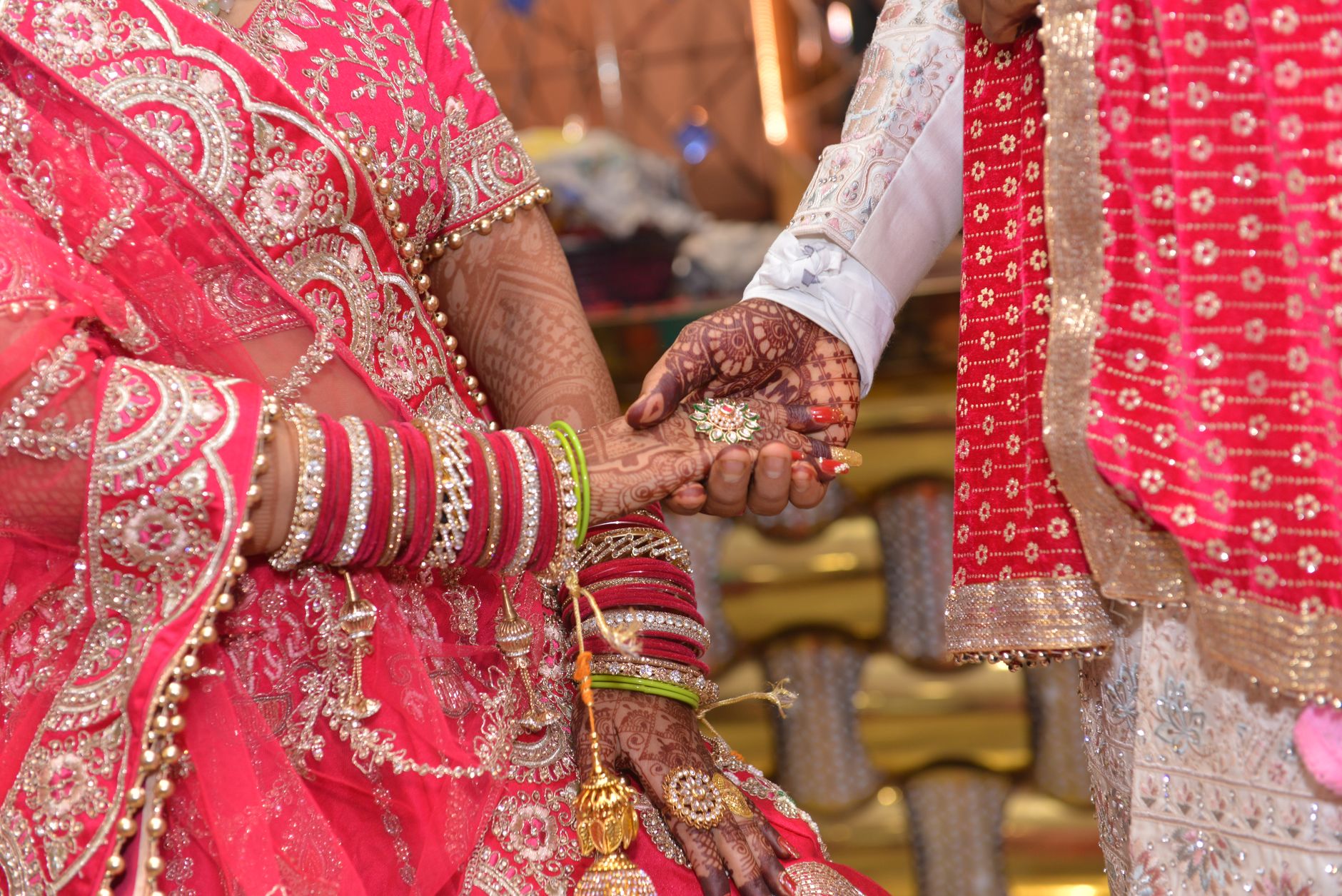
Unite Two Worlds, One Wedding
Planners in Mumbai
Cross-Tradition Marriage Coordination in Mumbai
Cross-Tradition Marriage Coordination in Mumbai is one of the city's fastest-growing planning specialisations, reflecting how Mumbaikars from Bandra to Borivali, Andheri to Chembur increasingly celebrate love across communities. Whether you are uniting Hindu and Christian rituals on the same auspicious date, blending a Nikah with a Saptapadi, or weaving Parsi and Marathi customs into a single weekend, professional multicultural wedding coordination transforms what feels overwhelming into a beautifully sequenced celebration. Dual-ceremony wedding logistics—from separate clergy bookings to family seating that respects both sides—demand planners with cross-community experience, deep vendor networks, and the diplomatic skill to keep two families joyfully aligned.
Quick Answer
Cross-Tradition Marriage Coordination is the specialist planning service that manages weddings where two different religions, communities, or cultural backgrounds are involved. In Mumbai, it covers interfaith wedding planning, scheduling multiple ceremonies, coordinating clergy or officiants from each tradition, sourcing culturally appropriate décor and catering, and ensuring legal compliance under the Special Marriage Act or personal law—all within a single, unified event plan.
What Does Cross-Tradition Marriage Coordination Actually Involve?
Cross-Tradition Marriage Coordination goes well beyond standard wedding planning. A specialist coordinator must first map every mandatory ritual from both traditions—mehendi and a bridal shower, a haldi and a ring ceremony—and then build a master timeline that honours each without letting any feel rushed or secondary. In Mumbai, where a Saturday wedding may start with a South Indian Naandi at a Matunga hall and end with a Christian blessing at a Bandra chapel, the logistical chain is intricate. Coordinators liaise with pandit, priest, or qazi simultaneously, reconcile conflicting auspicious timings, and draft a written protocol both families approve before any booking is confirmed. Interfaith wedding planning in this city also means navigating Mumbai's permit ecosystem—BMC noise permissions, venue curfews in heritage precincts—while keeping the guest experience seamless.
Mumbai's Unique Cross-Tradition Wedding Landscape
No Indian city offers a denser mix of wedding communities than Mumbai. Gujarati-Catholic couples plan venues in Goregaon; Tamil Brahmin-Punjabi families fill banquet halls in Mulund; Maharashtrian-Muslim ceremonies unfold in Thane. This diversity has created a thriving ecosystem of planners experienced in inter-community wedding management. Multi-vendor wedding oversight is especially critical here because a single cross-tradition event may involve a Vedic caterer for one family, a halal kitchen for the other, a florist fluent in both marigold mandaps and white-lily church arches, and a sound team capable of switching seamlessly from shehnai to organ music. Planners on Happiffie who specialise in mixed-religion marriage planning understand these hyper-local vendor clusters and can negotiate bulk rates that keep budgets realistic.
How Much Does Cross-Tradition Marriage Coordination Cost in Mumbai?
Fees for Cross-Tradition Marriage Coordination in Mumbai typically range from ₹1.5 lakh for a lean two-ceremony coordination package to ₹8–12 lakh for full-service management of a multi-day, multi-venue celebration with 300–500 guests. A mid-market package covering both ceremony coordination, dual-vendor management, and on-day staffing generally falls between ₹3–5 lakh. Dual-ceremony wedding logistics attract a premium over single-tradition weddings because the planner invests more pre-event hours in family meetings, ritual research, and vendor briefings. Cost factors include number of ceremonies, guest count, venues (one versus multiple), and whether the coordinator also handles décor sourcing or just logistics. Always request an itemised quote to understand what is included.
Legal and Documentation Support for Interfaith Couples in Mumbai
Interfaith wedding planning in Mumbai involves a documentation layer that monocultural weddings rarely face. Couples who wish to marry under the Special Marriage Act must give 30 days' notice at the Marriage Registrar's office; a skilled planner factors this timeline into the master plan from day one. For Hindu-Muslim ceremonies, the coordinator advises on whether a religious ceremony alone suffices legally or whether civil registration is separately required. Bilingual wedding coordination—ensuring invitations, ceremony scripts, and signage are accurate in two languages—also falls within this scope. Planners who handle mixed-religion marriage planning regularly maintain relationships with legal consultants and can recommend professionals to guide couples through court marriage, if chosen, without disrupting the celebratory timeline.
How Do You Choose the Right Planner for Cross-Tradition Coordination in Mumbai?
When evaluating planners for Cross-Tradition Marriage Coordination, ask directly about prior inter-community wedding management experience: which tradition combinations have they handled, and can they share anonymised event timelines? A planner's vendor roster should demonstrably include officiants, caterers, and décor suppliers from both communities involved in your wedding. Wedding ritual sequencing expertise—knowing when to place the pheras relative to the exchange of vows so neither feels subordinate—is a tell-tale sign of genuine specialisation. Assess communication style: the best cross-tradition coordinators are skilled mediators who hold separate family briefings before bringing both sides to a shared planning table. Finally, confirm that the planner carries event liability insurance and uses a written contract specifying deliverables for each ceremony individually.
Cross-Tradition Wedding Coordination: Setup Options Compared
Expert Recommendation
Best for intimate cross-tradition celebrations
Best for large multi-day Mumbai weddings
Best for budget-conscious interfaith couples
Best for Hindu-Christian or Hindu-Muslim ceremonies
Best for couples needing legal documentation support
Best for destination-style Mumbai weddings
How to Choose the Right Option
✅ Pre-booking Checklist
- Confirm the planner has managed your specific tradition combination before—ask for an anonymised event timeline as proof.
- Verify that the planner's vendor roster includes officiants, caterers, and décor suppliers from both communities.
- Begin Special Marriage Act notice paperwork at least 90 days before the wedding date if opting for civil registration.
- Request an itemised quote separating coordination fees, vendor management charges, and on-day staffing costs.
- Hold a joint family briefing facilitated by the planner within the first month of engagement to align expectations.
- Confirm BMC noise permissions and venue curfew times for all ceremony locations, especially in South Mumbai heritage zones.
- Agree on a written ritual sequencing document signed off by clergy or officiants from both traditions.
- Ensure the contract specifies deliverables and staffing numbers separately for each ceremony, not just as a combined event.
🎯 Selection Criteria
- Proven inter-community wedding management experience with your specific tradition pairing.
- Strong vendor network covering both communities' caterers, decorators, and officiants in Mumbai.
- Demonstrable mediation and family communication skills, evidenced by client references.
- Transparent, itemised pricing with clear cancellation and revision terms.
- Familiarity with Mumbai's venue landscape across neighbourhoods from Bandra to Navi Mumbai.
- Capacity to handle legal documentation guidance or refer to trusted legal professionals.
💰 Cost / Quality Factors
- Number of separate ceremonies directly increases planning hours and cost.
- Guest count above 200 requires additional on-day staffing, raising the coordination fee.
- Venue complexity—single location versus multiple sites—affects logistics cost significantly.
- Peak-season dates (November to February) attract higher planner and vendor rates across Mumbai.
- Level of family involvement and decision-making speed affects how many coordination hours are consumed pre-event.
- Add-on services such as décor sourcing, invitation design, or honeymoon planning increase the total package value.
⚠️ Common Mistakes to Avoid
- Booking a general wedding planner without verifying cross-tradition ritual expertise, leading to protocol errors on the day.
- Leaving Special Marriage Act registration too late and discovering the 30-day notice window conflicts with the ceremony date.
- Failing to get clergy or officiants from both traditions to agree on the master schedule in writing before venue deposits are paid.
- Underestimating catering complexity—serving both vegetarian and halal menus from a single kitchen without proper segregation.
- Not assigning a dedicated family liaison on each side, causing last-minute ritual change requests that disrupt the timeline.
- Choosing a venue that suits one tradition's aesthetic perfectly while feeling foreign and unwelcoming to the other family.
People Also Ask
Can a Hindu and a Christian wedding happen on the same day in Mumbai?
Do cross-tradition wedding planners in Mumbai know Special Marriage Act requirements?
How early should I book a cross-tradition coordinator for my Mumbai wedding?
What is the average guest count for cross-tradition weddings in Mumbai?
Can the same coordinator manage both a Nikah and a Hindu wedding ceremony?
How does bilingual wedding coordination work for invitations and scripts?
Are cross-tradition weddings more expensive than single-tradition weddings in Mumbai?
Which Mumbai neighbourhoods are best for hosting cross-tradition wedding ceremonies?
Related Experiences on Happiffie
Seamless Guest Transit for Indore Weddings
Two Cultures, One Perfect Wedding
Blend Two Worlds, One Perfect Wedding
Celebrate Two Cultures, One Beautiful Union
Sacred Choir for Your Mussoorie Wedding
Hindu Wedding Rituals Explained
Frequently Asked Questions
What is cross-tradition marriage coordination and how does it differ from regular wedding planning in Mumbai?
How many ceremonies can a cross-tradition coordinator manage for a single Mumbai wedding?
Is cross-tradition marriage coordination available for same-city and destination Mumbai weddings?
How does a cross-tradition planner handle disagreements between the two families over ritual order?
Do Mumbai cross-tradition wedding planners assist with invitation wording for interfaith ceremonies?
Which venues in Mumbai are best suited to hosting two different ceremony setups on the same day?
Can Happiffie help me find a planner for a Hindu-Jain cross-tradition wedding in Mumbai?
What documentation does an interfaith couple in Mumbai need to prepare for their wedding?
Key Takeaways
- Cross-Tradition Marriage Coordination in Mumbai is a specialist discipline requiring ritual knowledge, diplomatic skill, and a diverse vendor network across communities.
- Costs range from ₹1.5 lakh for ceremony-day-only support to ₹8–12 lakh for full-service multi-ceremony management, depending on guest count and complexity.
- Interfaith wedding planning in Mumbai must account for the Special Marriage Act's 30-day notice requirement if civil registration is chosen.
- Dual-ceremony wedding logistics—separate officiants, caterers, and décor setups—are the core operational challenge and should be mapped in a written master timeline.
- Mumbai's diverse neighbourhoods, from Bandra to Thane, offer venues suited to different ceremony aesthetics and guest-count requirements.
- Booking 10–12 months in advance is strongly recommended for peak-season cross-tradition weddings with 200-plus guests.
- The best planners function as mediators, holding separate family briefings before bringing both sides to a unified planning table.
- Happiffie connects couples with verified Mumbai planners experienced in inter-community wedding management, enabling easy comparison and transparent quotes.
Find Your Cross-Tradition Wedding Planner in Mumbai
Browse verified planners with proven inter-community wedding management experience, compare packages, and get transparent quotes—all on Happiffie.
Explore Planners Now
Are you a Vendor? Grow Your Business with Happiffie!
- High intent verified leads
- Reverse auction opportunities
- AI business tools & insights
- Dedicated vendor dashboard
- Grow your business, your way
It's free & takes less than 2 minutes!