

Explore All Religious Ceremonies
Discover traditional rituals, wedding ceremonies, spiritual occasions and meaningful cultural celebrations in Chennai, with trusted services to honour every tradition.
Give Thoughtfully,
Celebrate with Happiffie
From personalised gifts and curated collections to thoughtful presents for every occasion, Happiffie helps you discover gifting options that make celebrations more meaningful and memorable.
- Thoughtful Gift DiscoveryFind gifting options suited to every celebration and occasion
- Personalised GiftingDiscover customised gifts made to create meaningful moments
- Trusted Gift ProvidersConnect with reliable gifting professionals and service providers
Popular Religious Ceremonies
 Acrylic Ring Trays
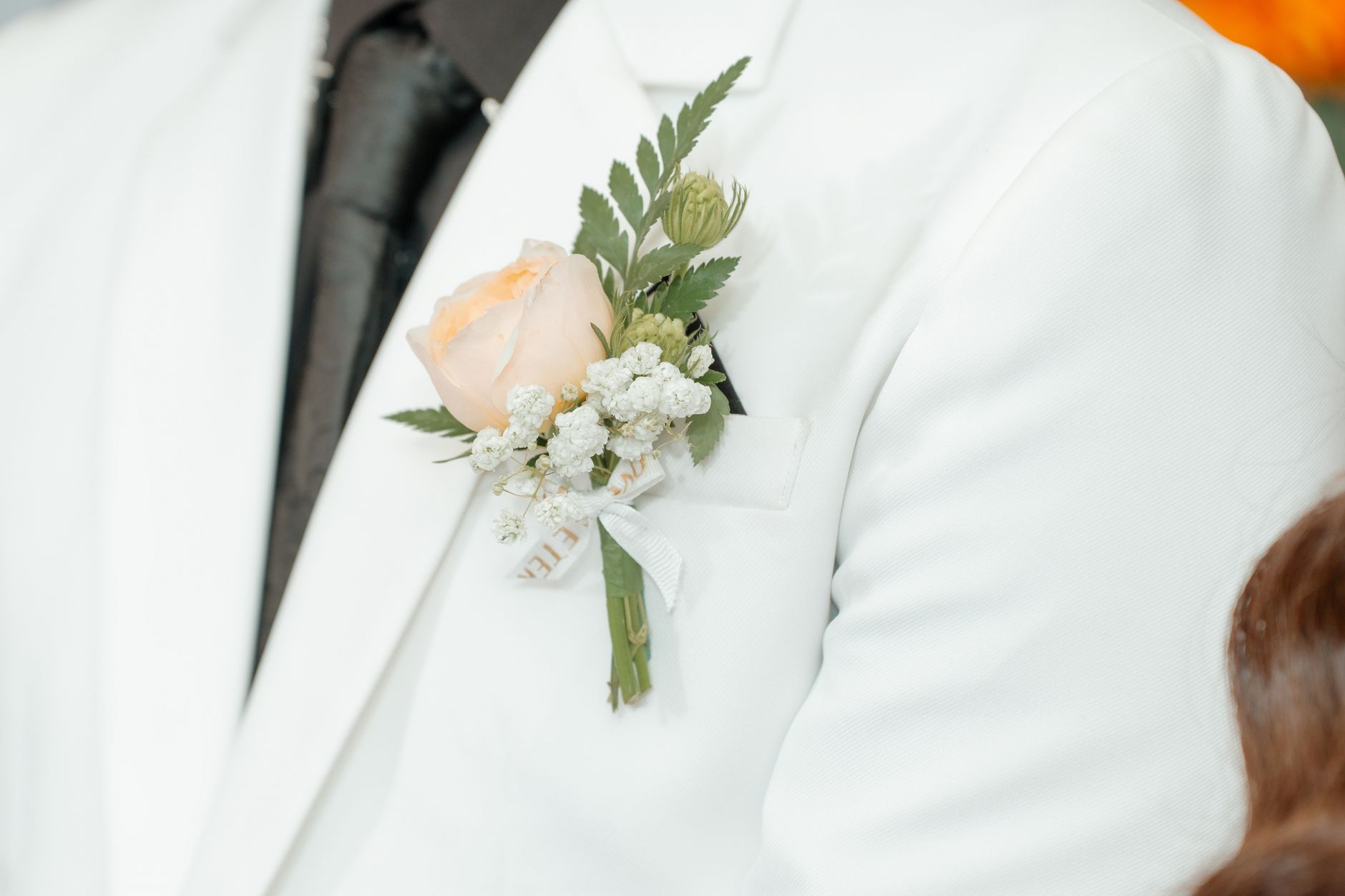 Baby’s Breath Boutonnieres
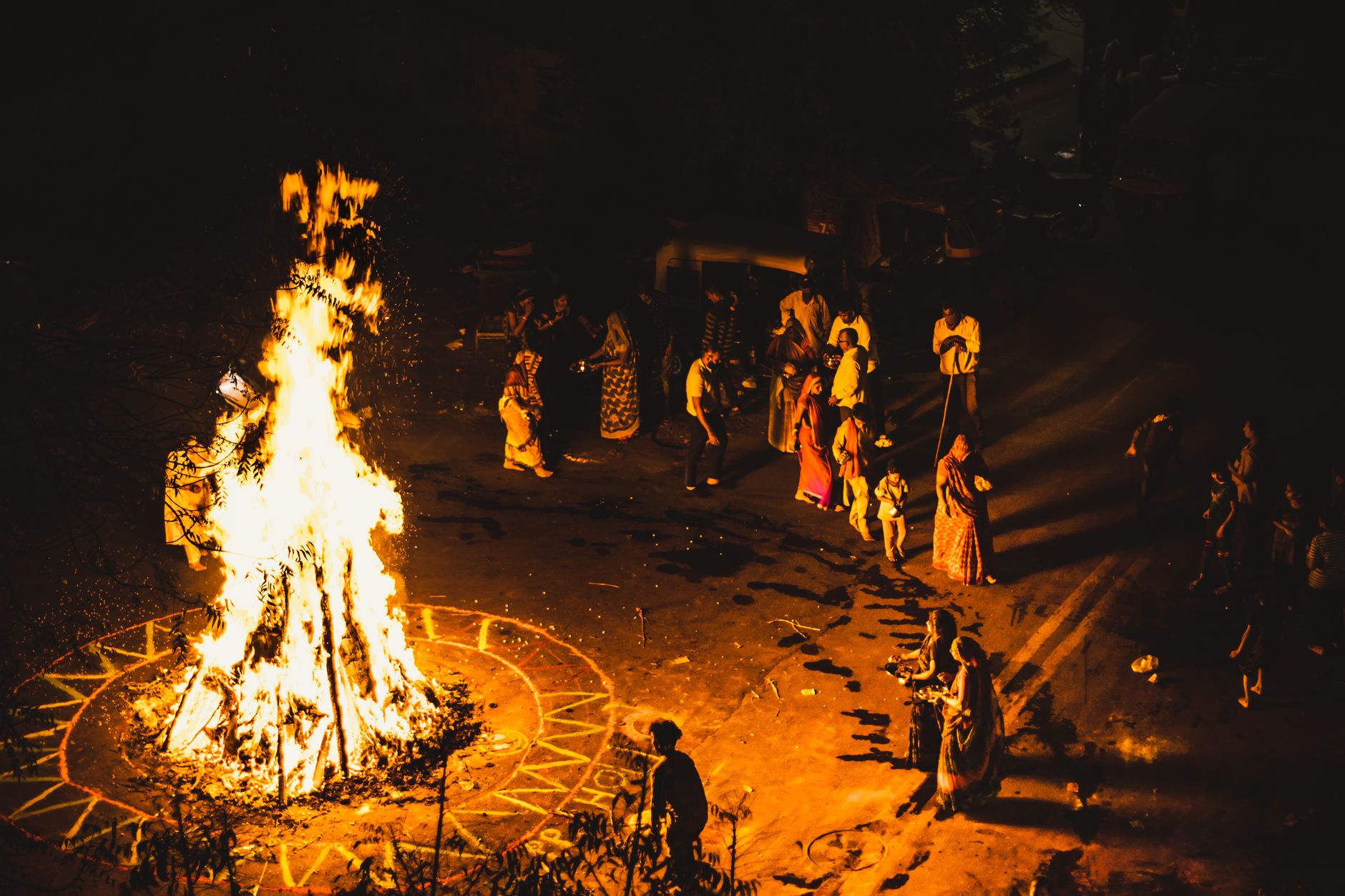 Brahmin Homam Samagri
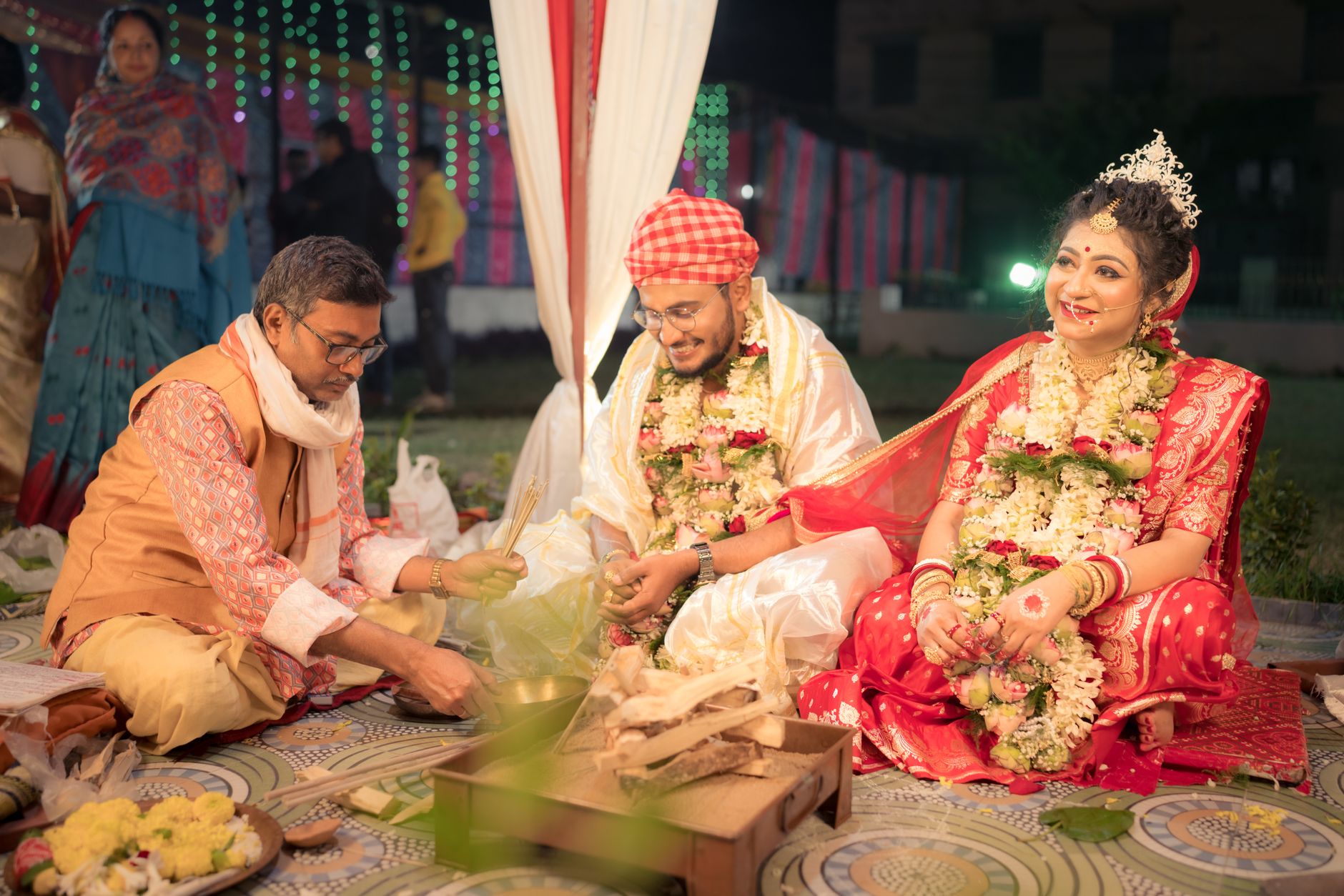 Brahmin Marriage Priest
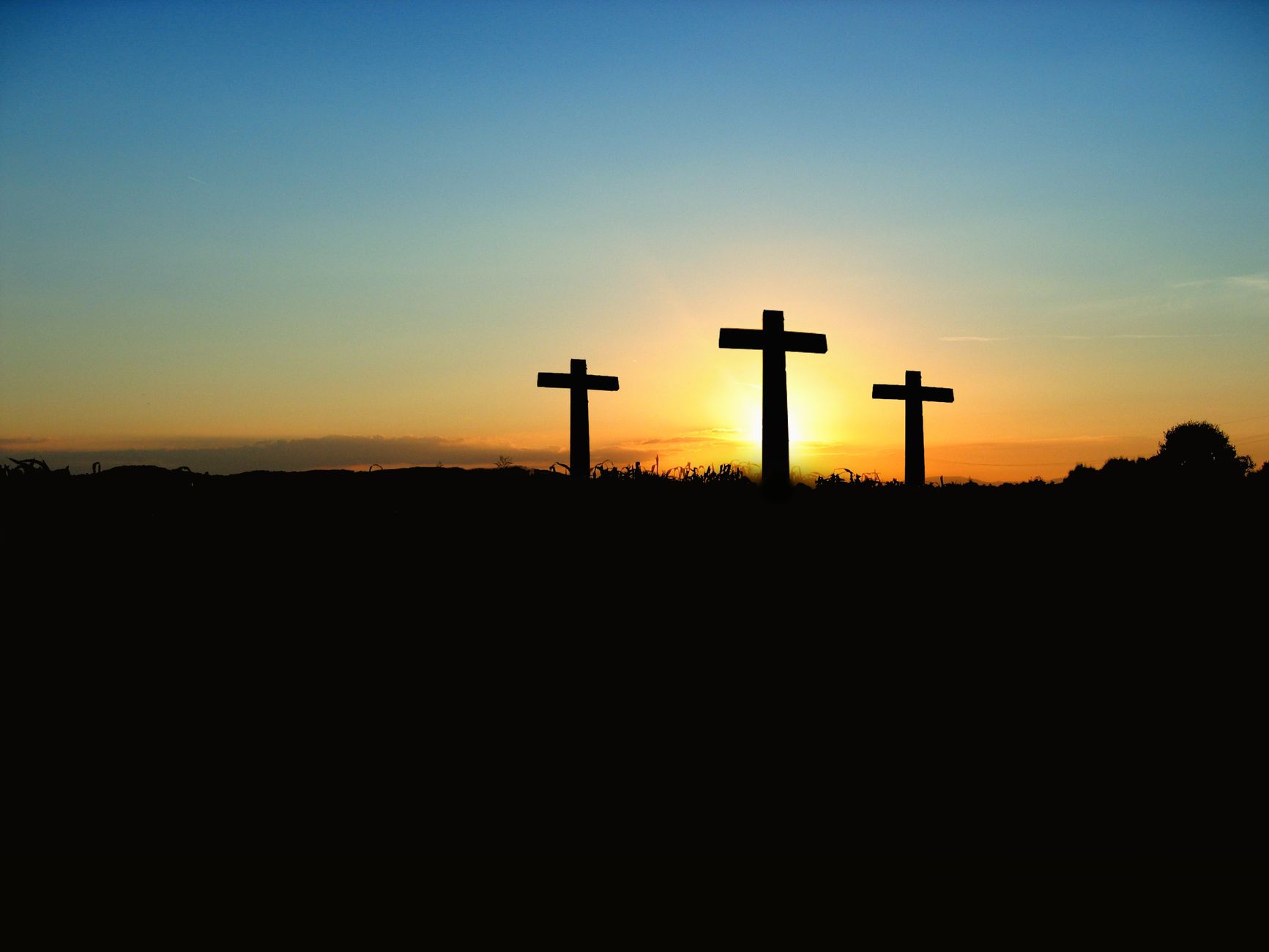 Christian Cross Cakes
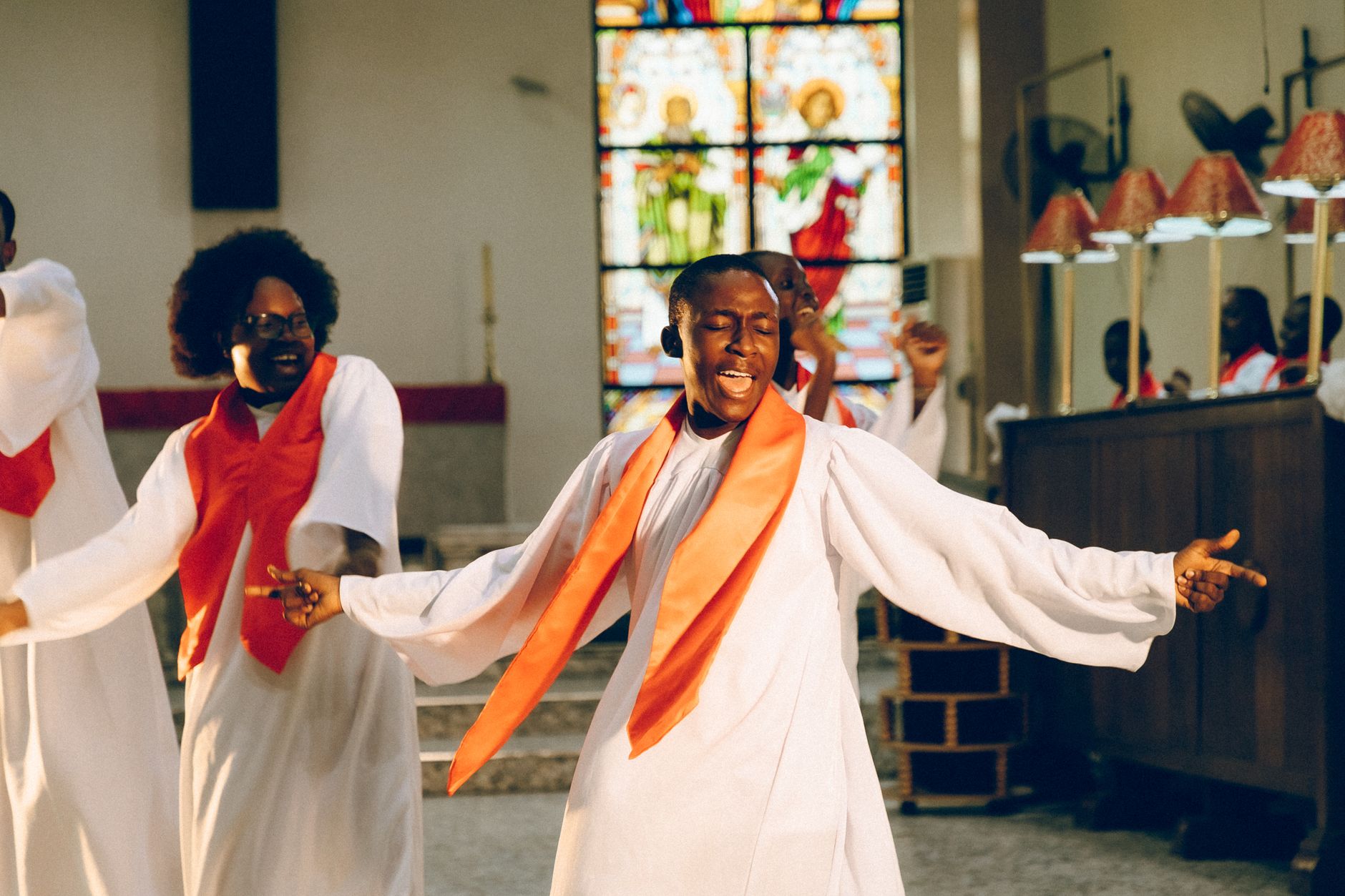 Christian Gospel Choir
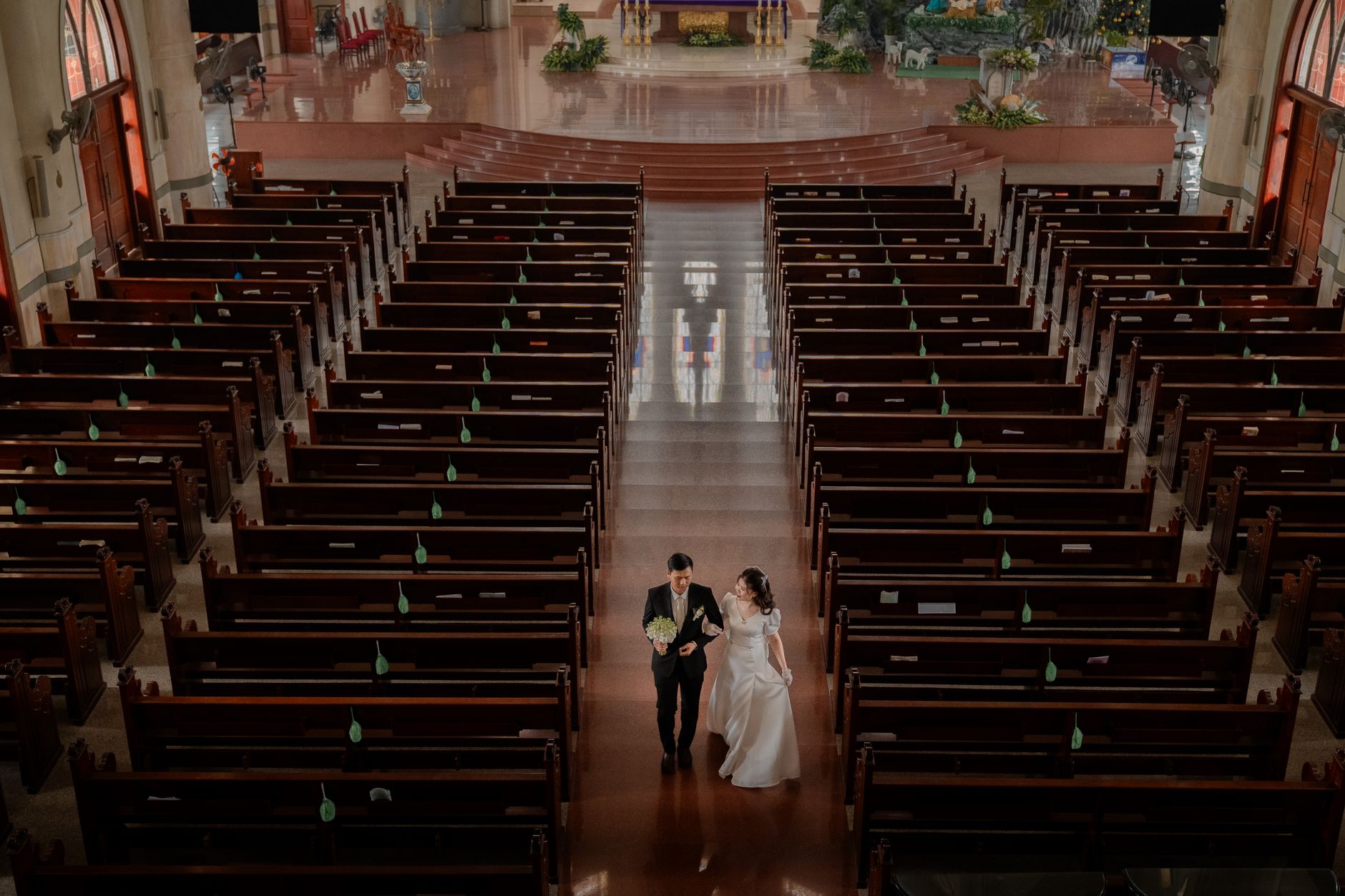 Church Marriage Officiant
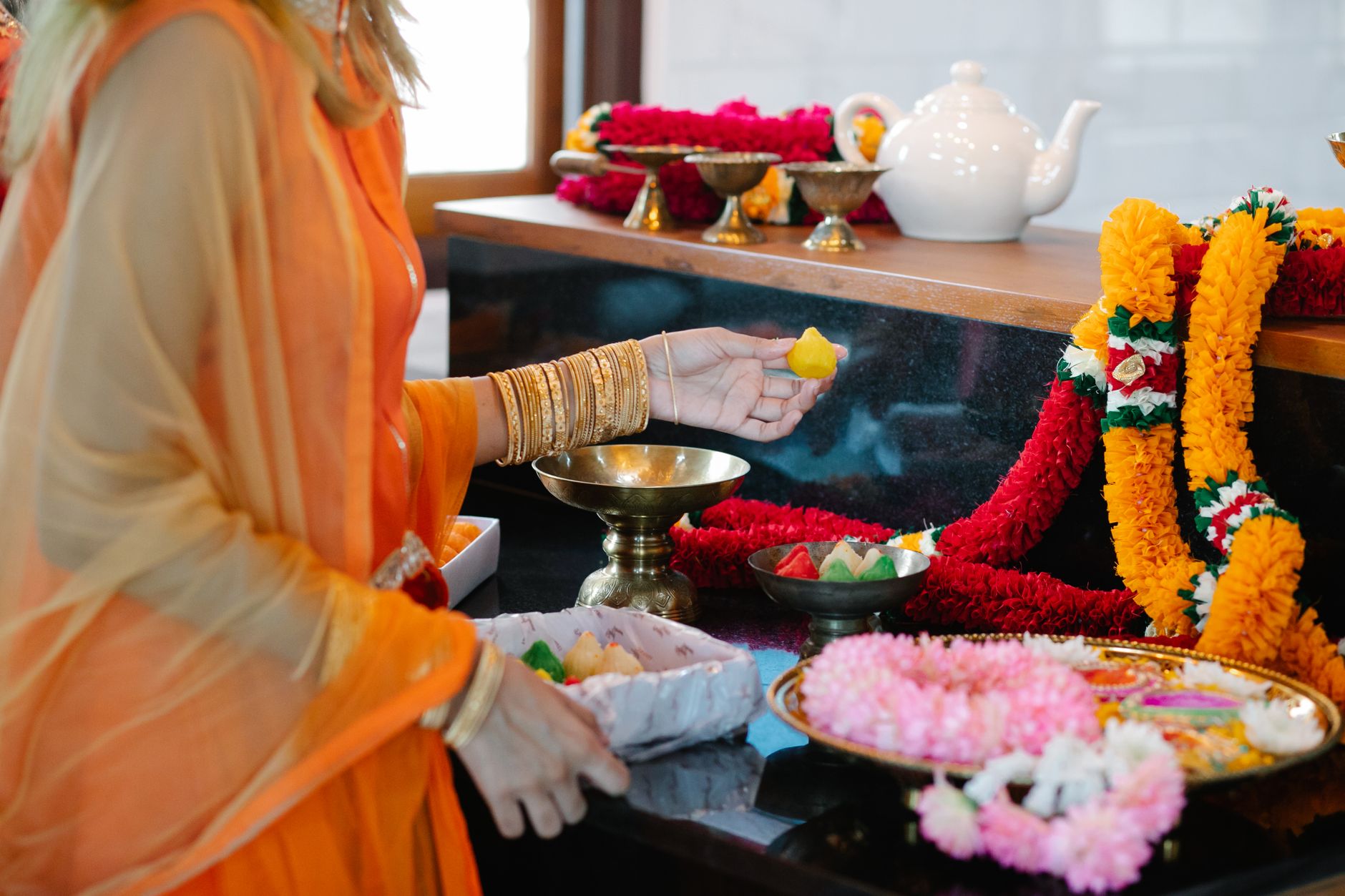 Custom Marriage Favours
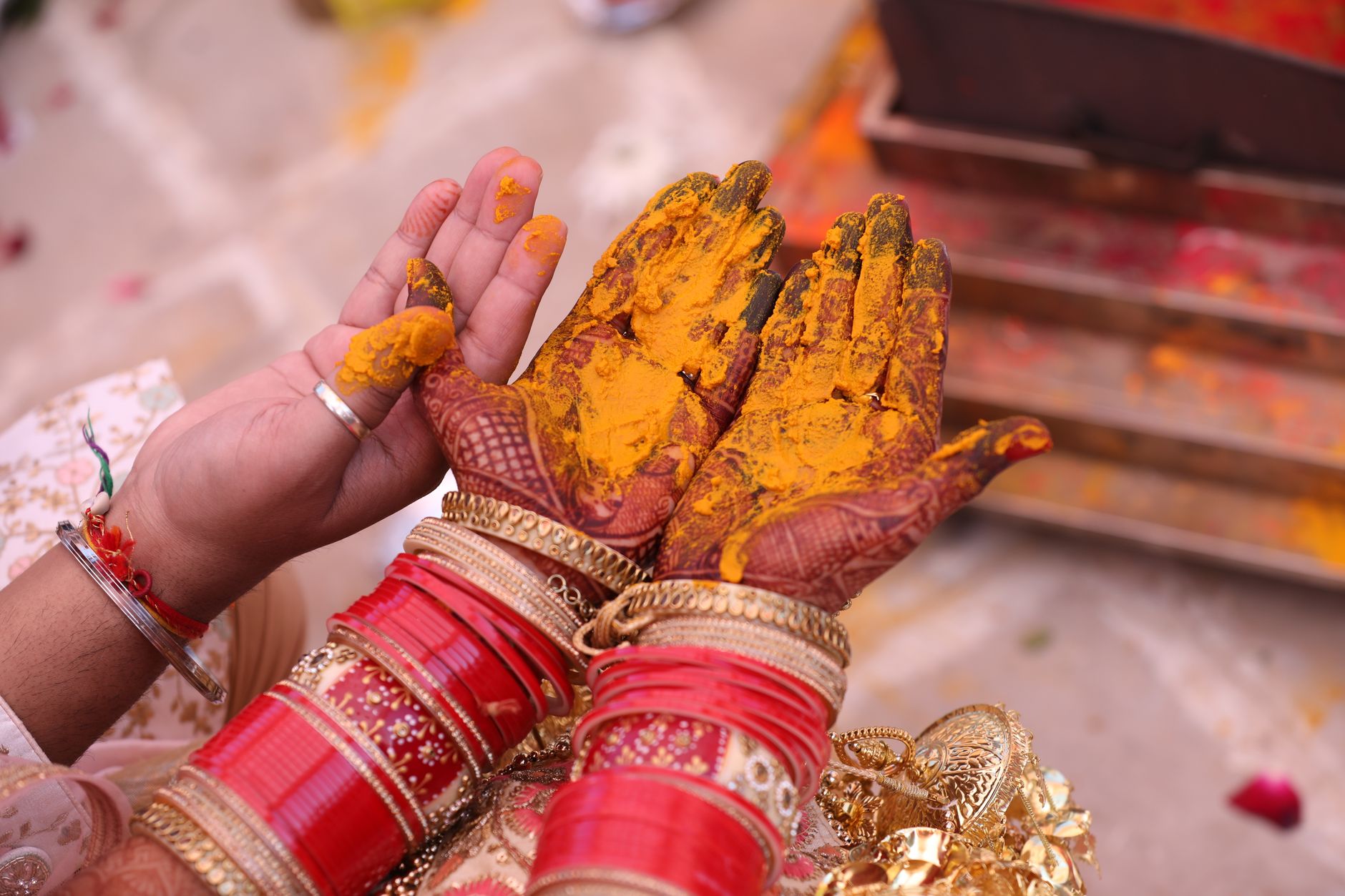 Gujarati Mandap Ritual Items
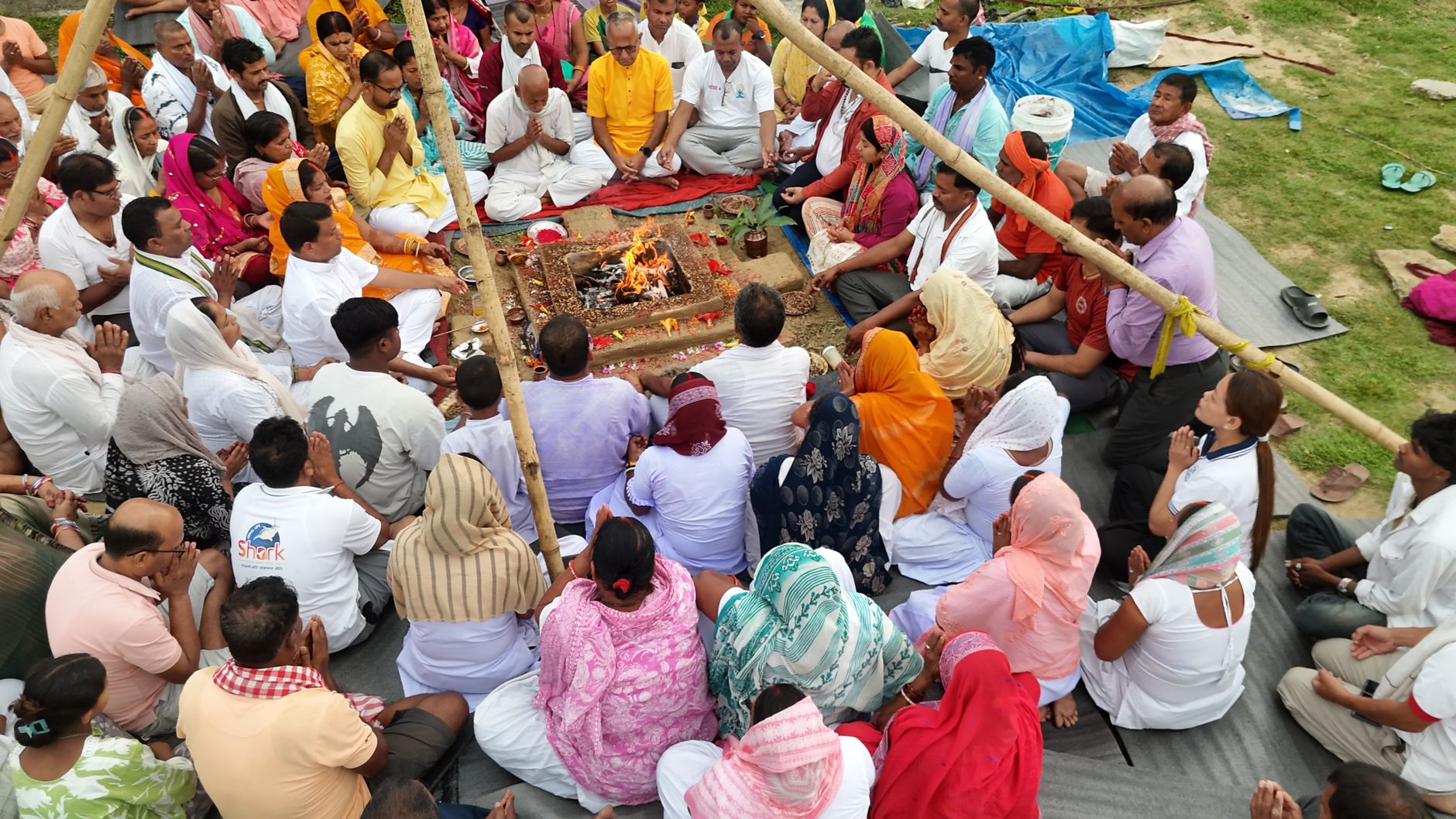 Homam Live Streaming
 Horoscope Matching Service
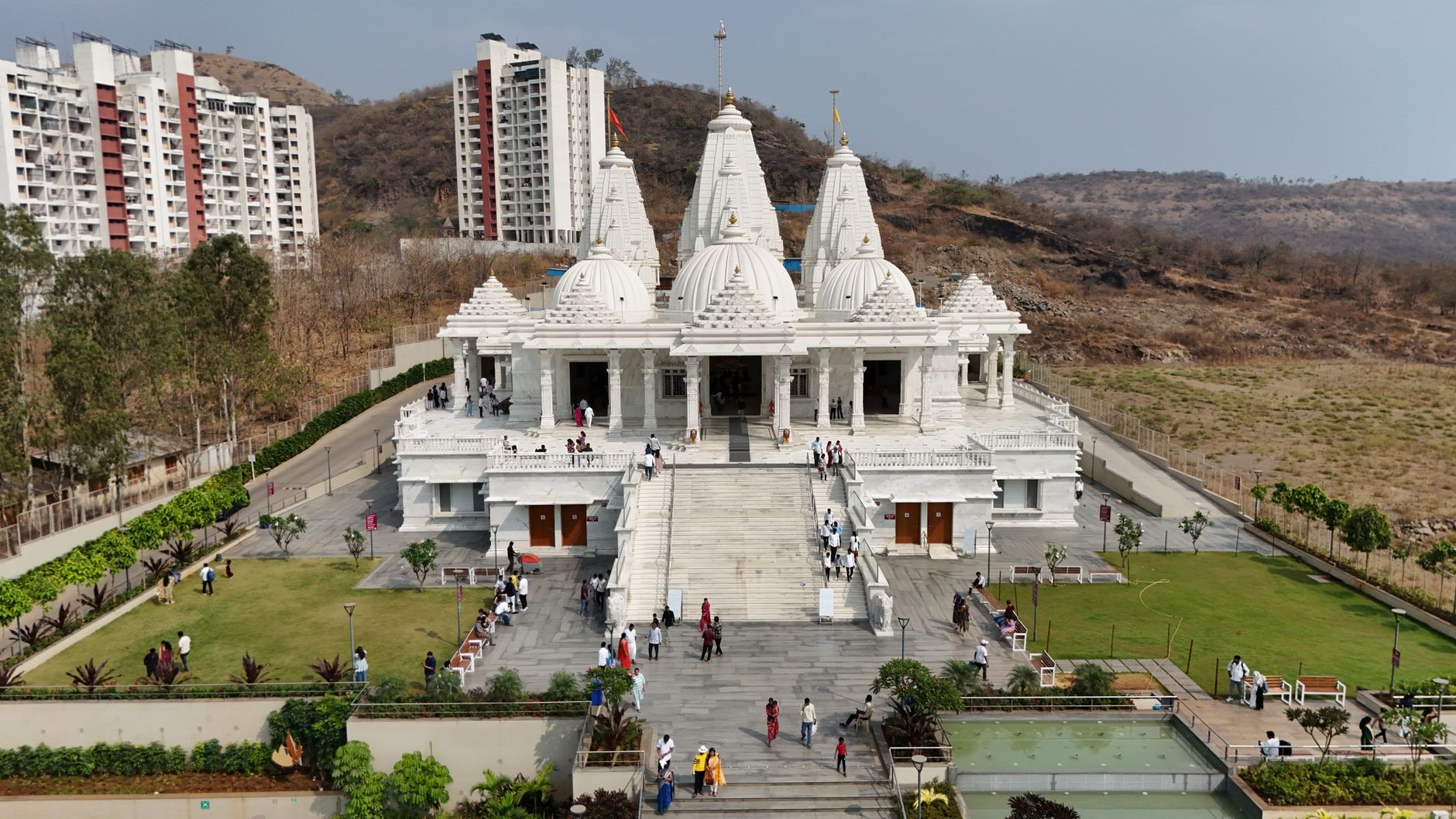 Jain Sacred Fire Supplies
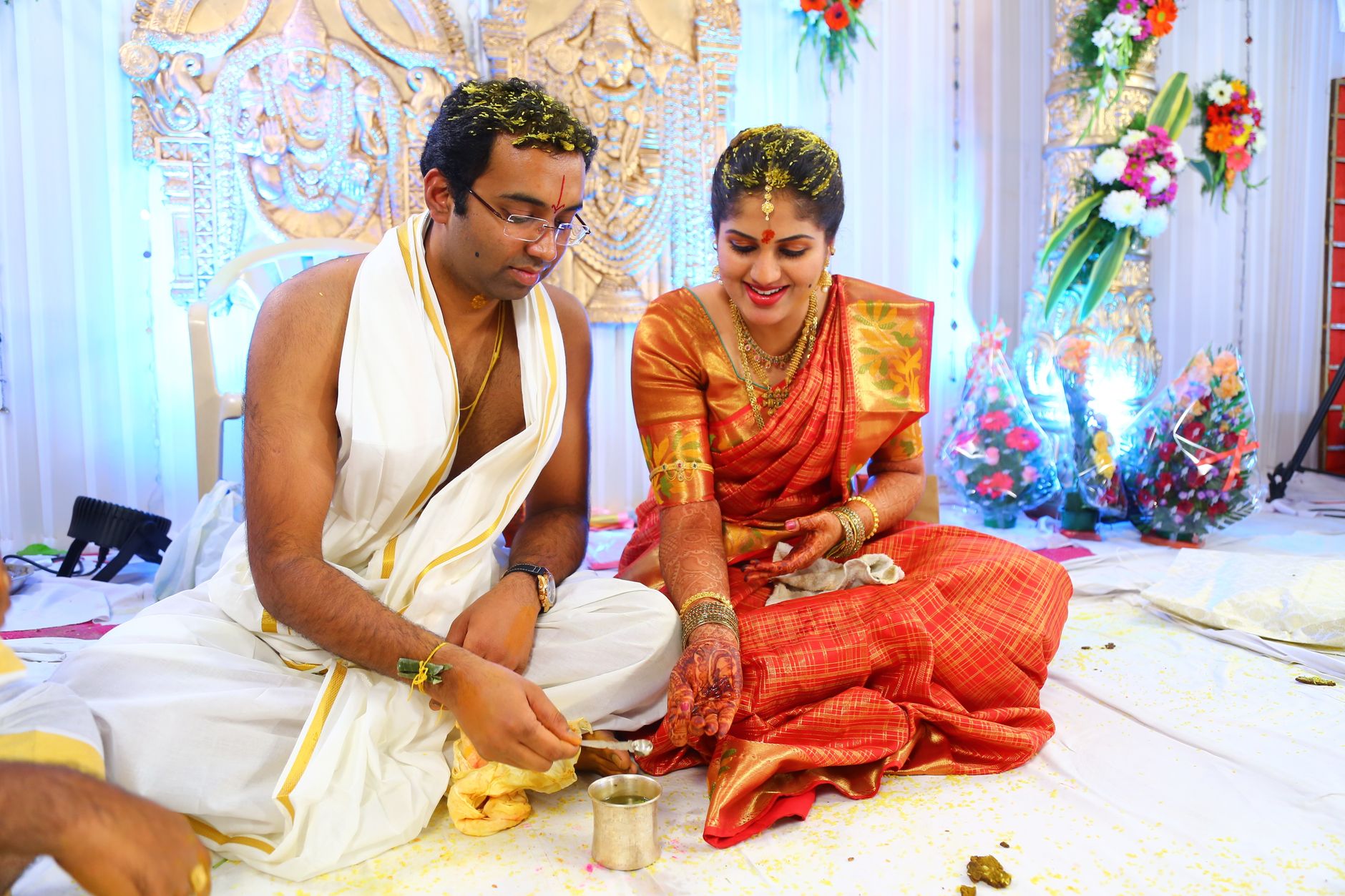 Kannada Mandap Ritual Supplies
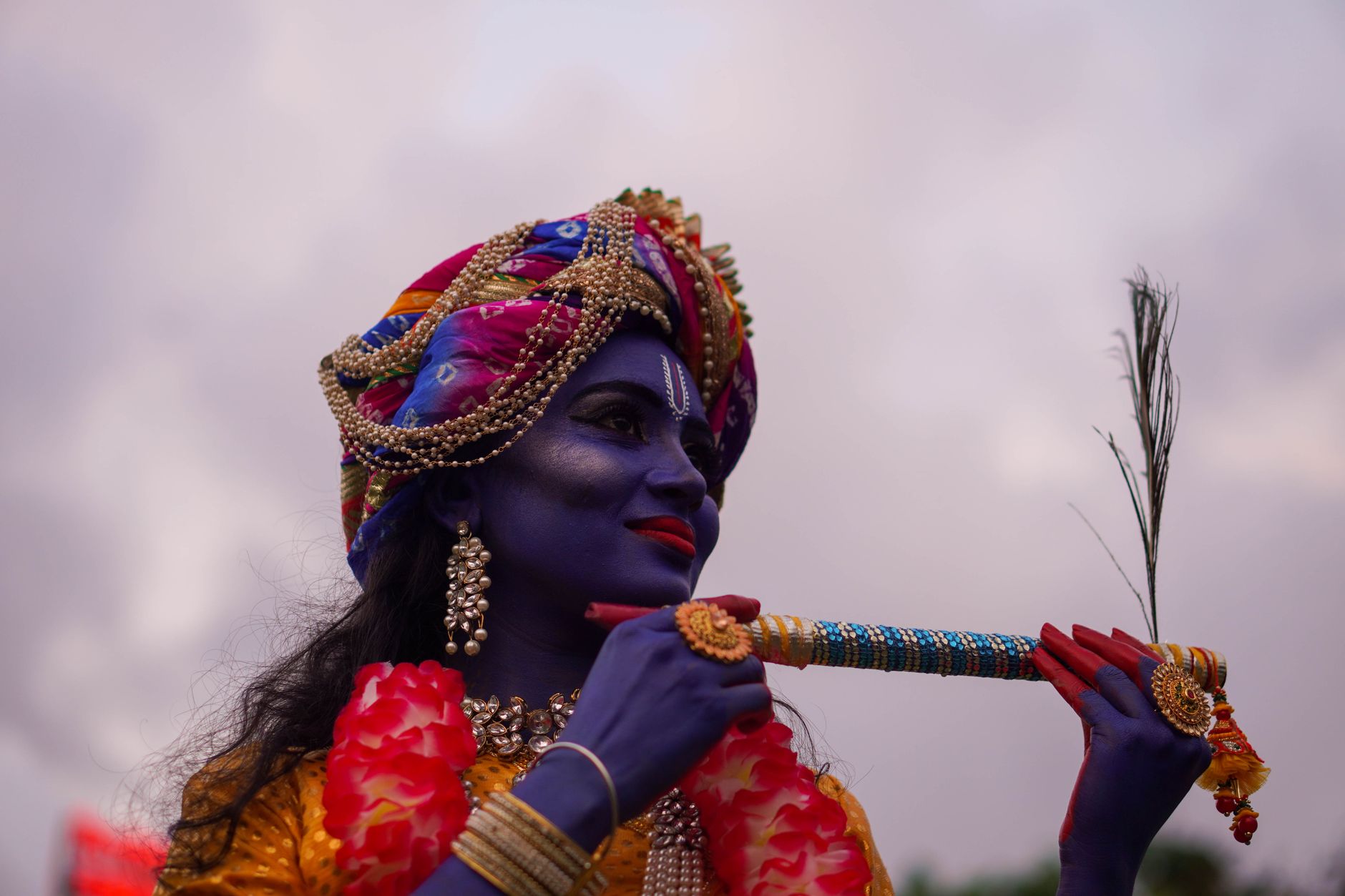 Krishna Bhajan Group
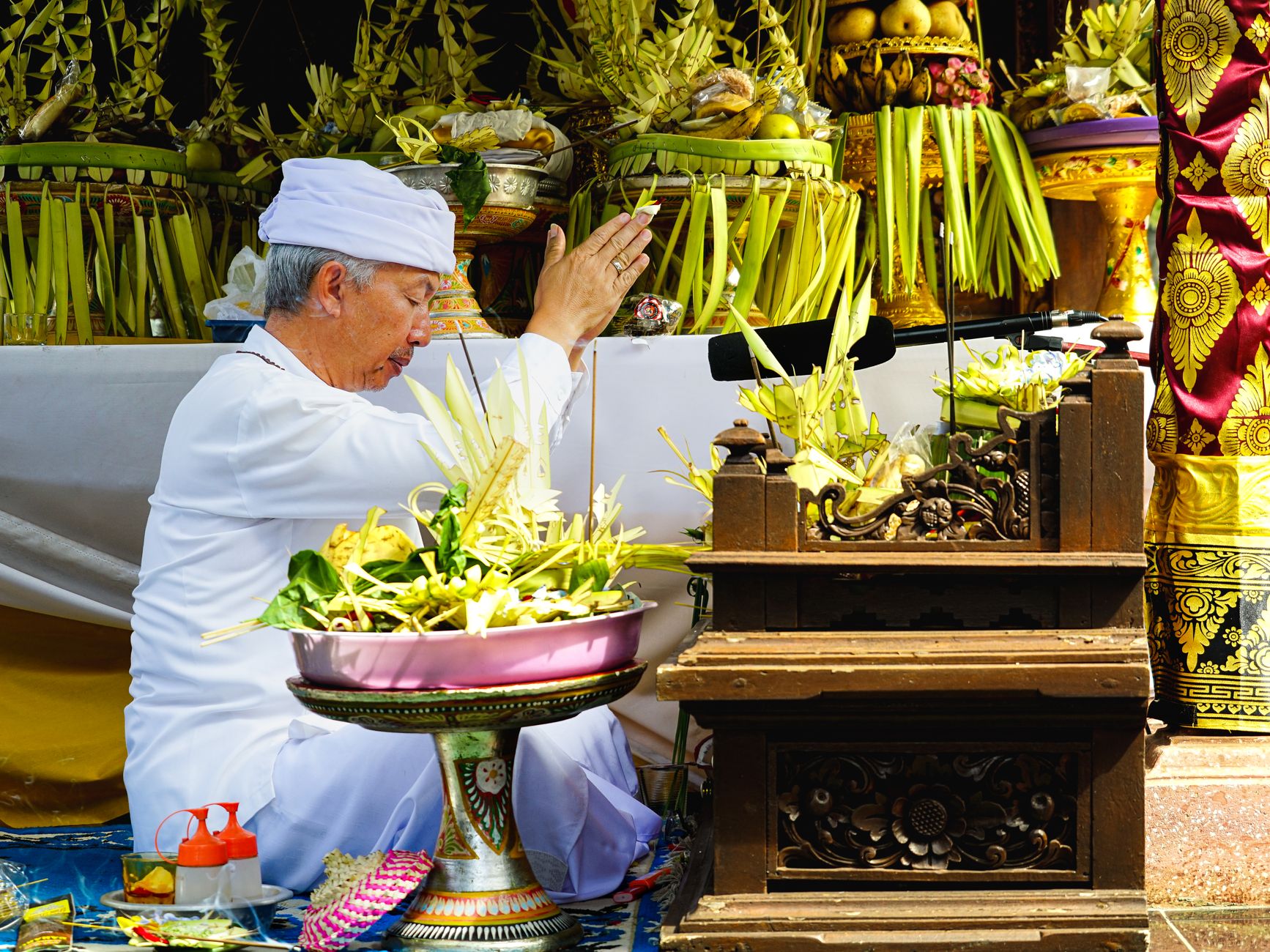 Lily Bouquets
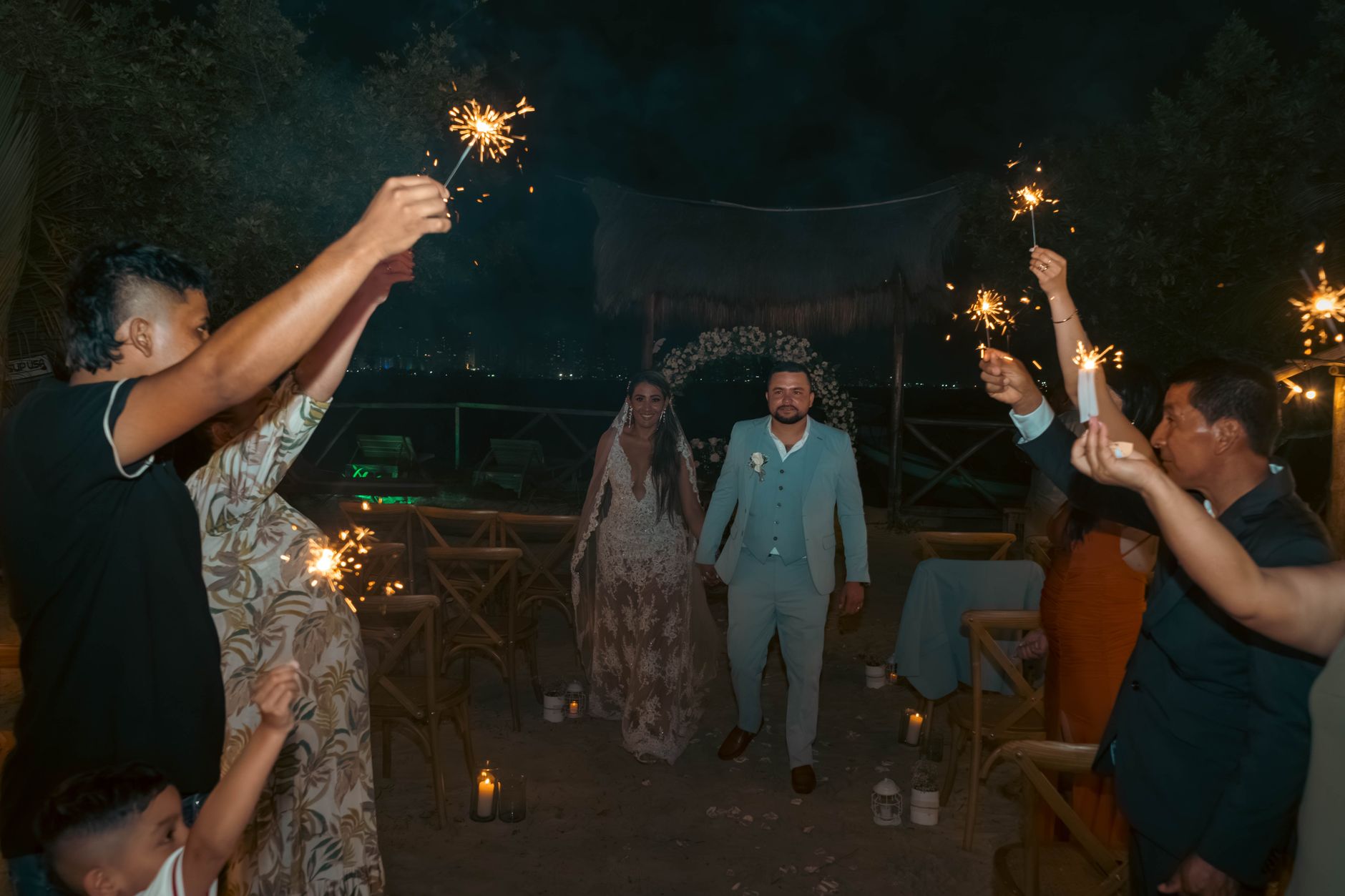 Marriage Unity Candle
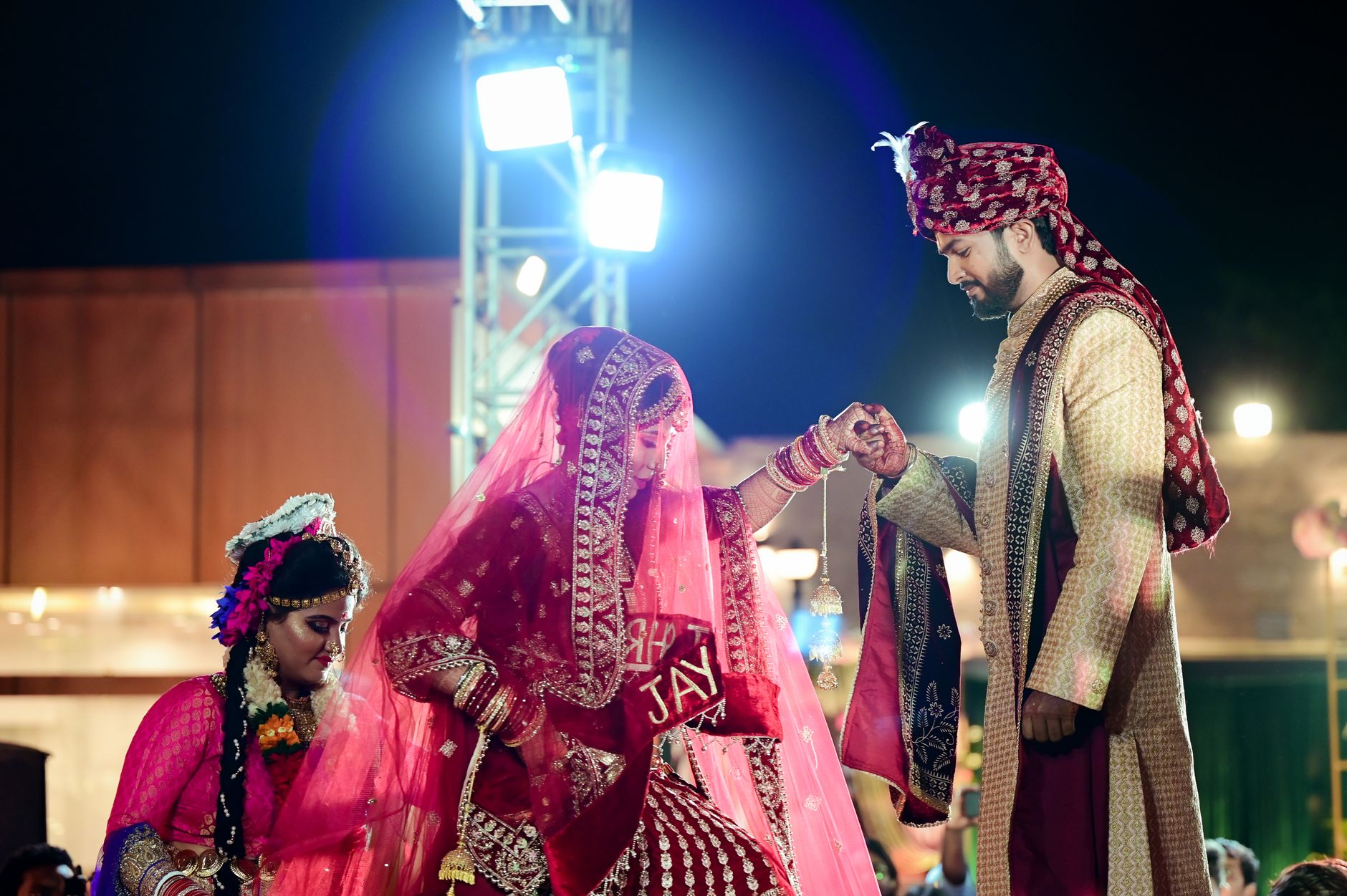 Marwari Mandap Ritual Supplies
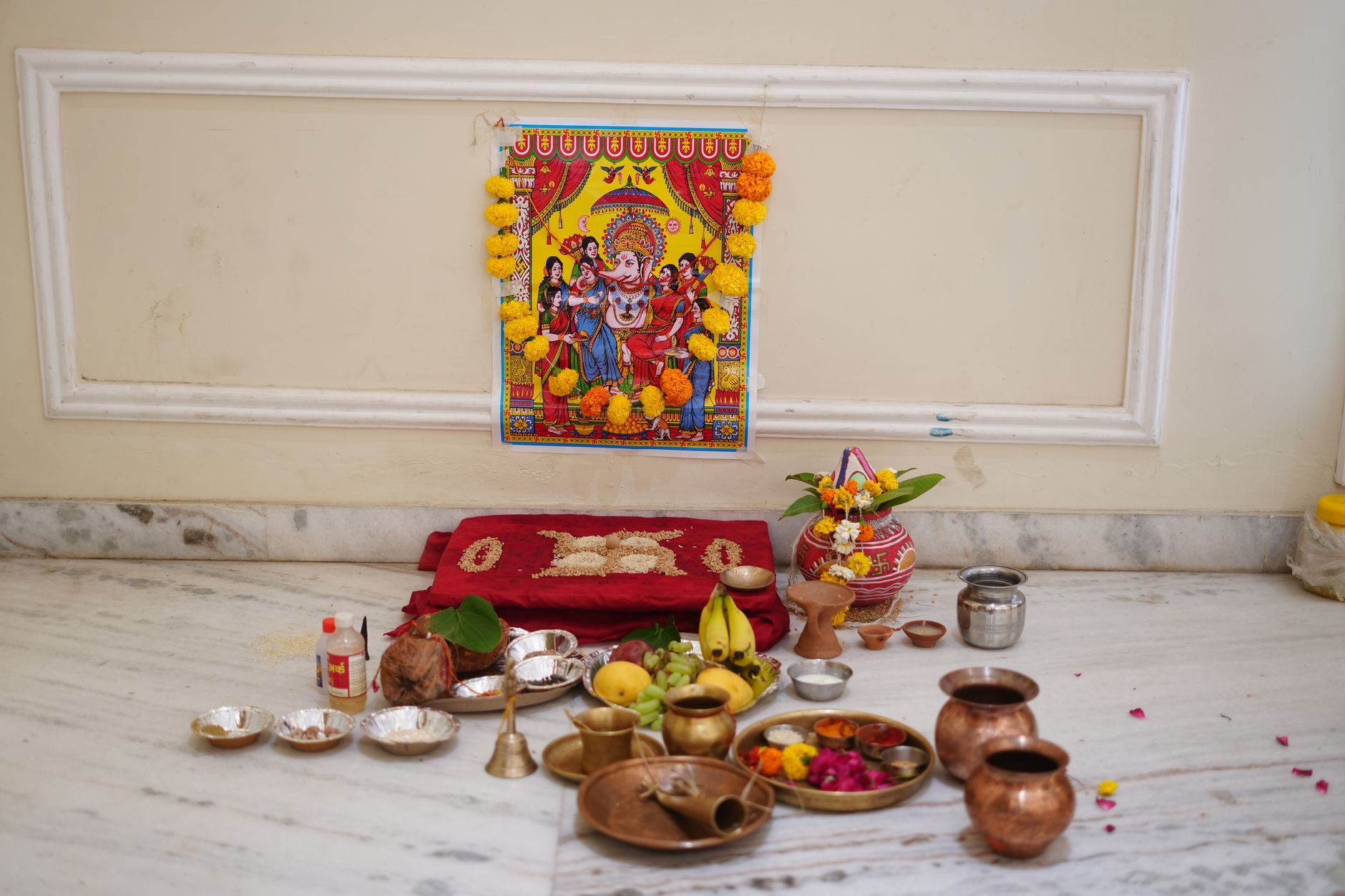 Matrimonial Pooja Kit
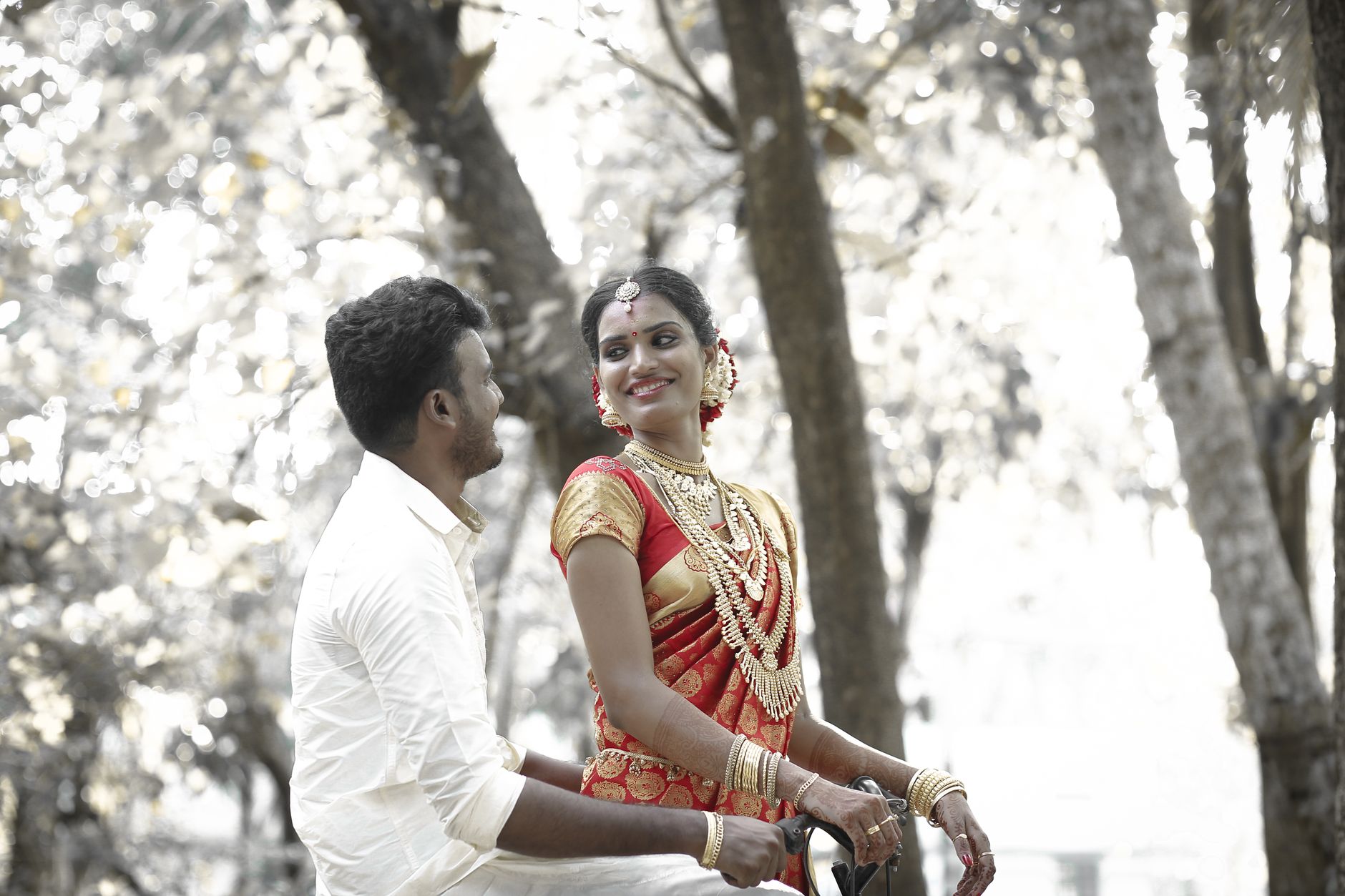 Minnu Ceremony Items
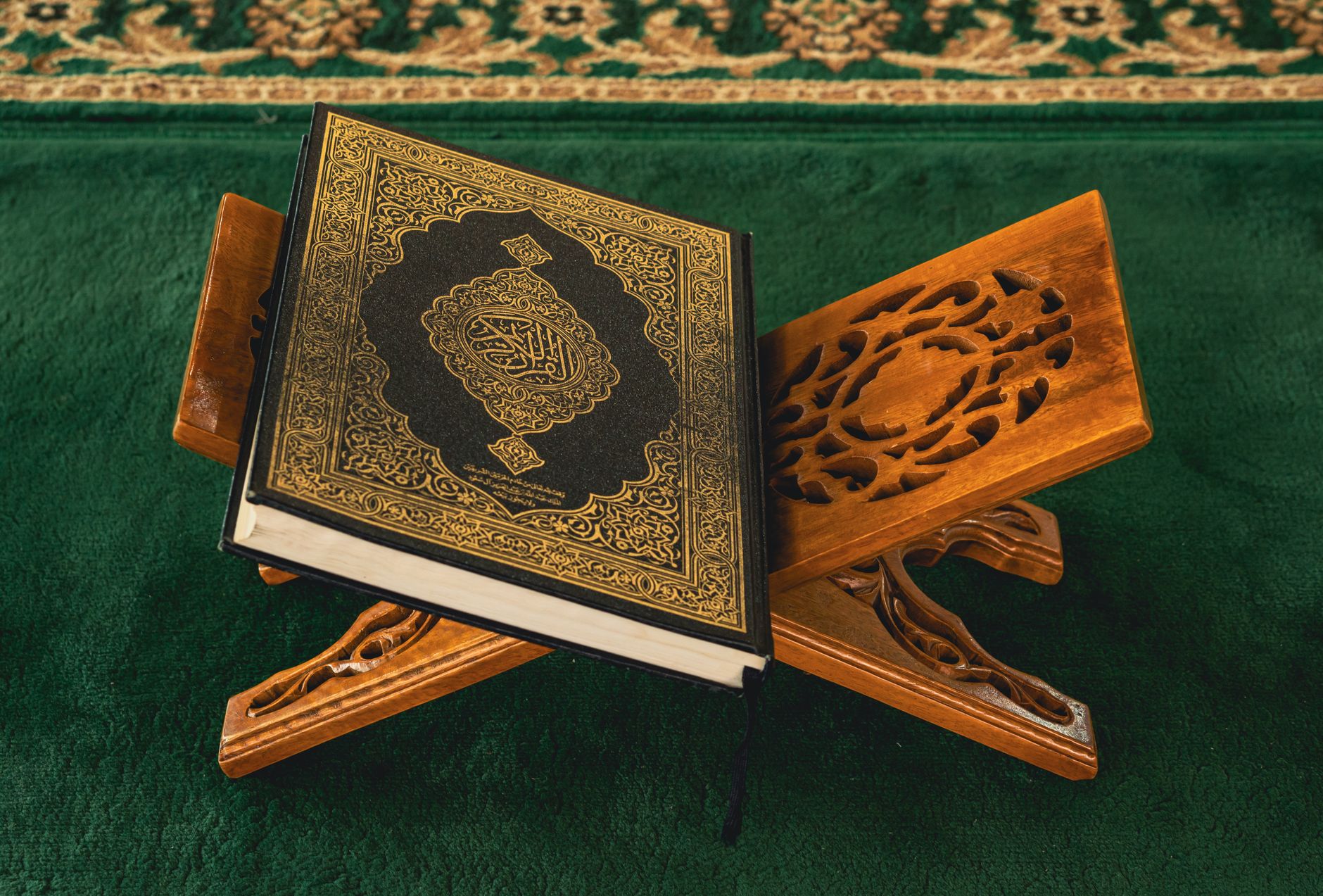 Nikah Nama Holder
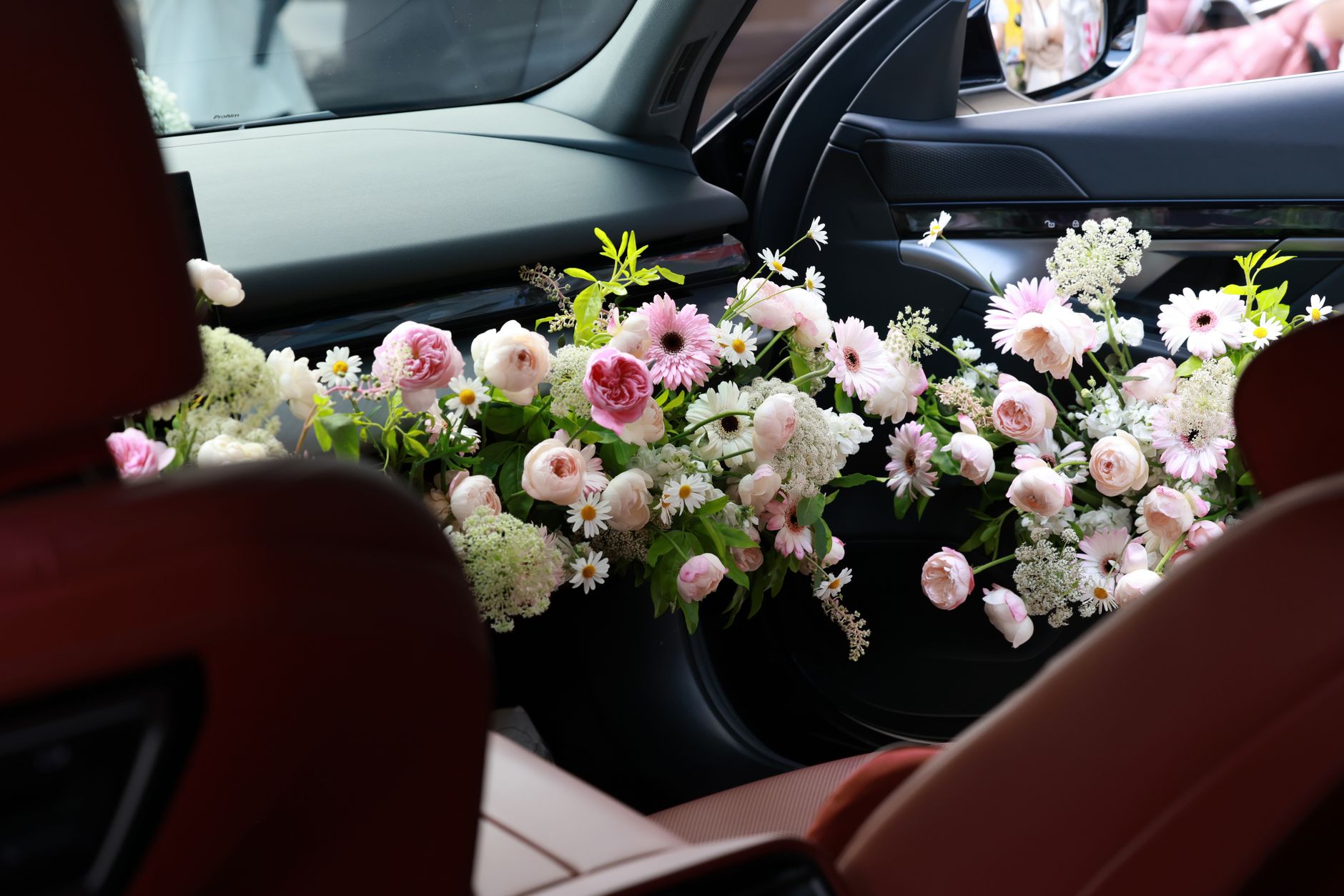 Rose Car Decoration
 Rose Champagne
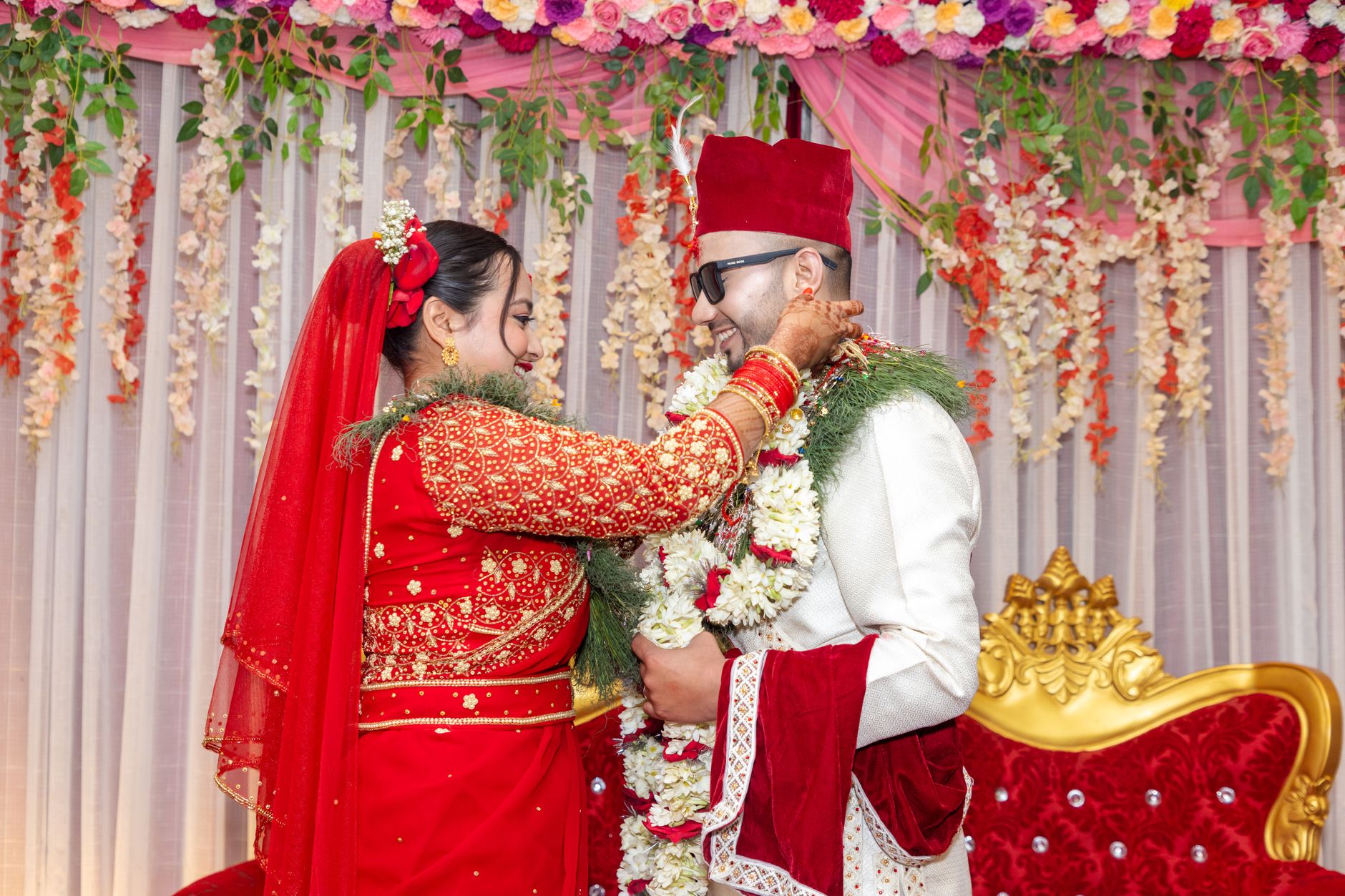 Rose Varmala
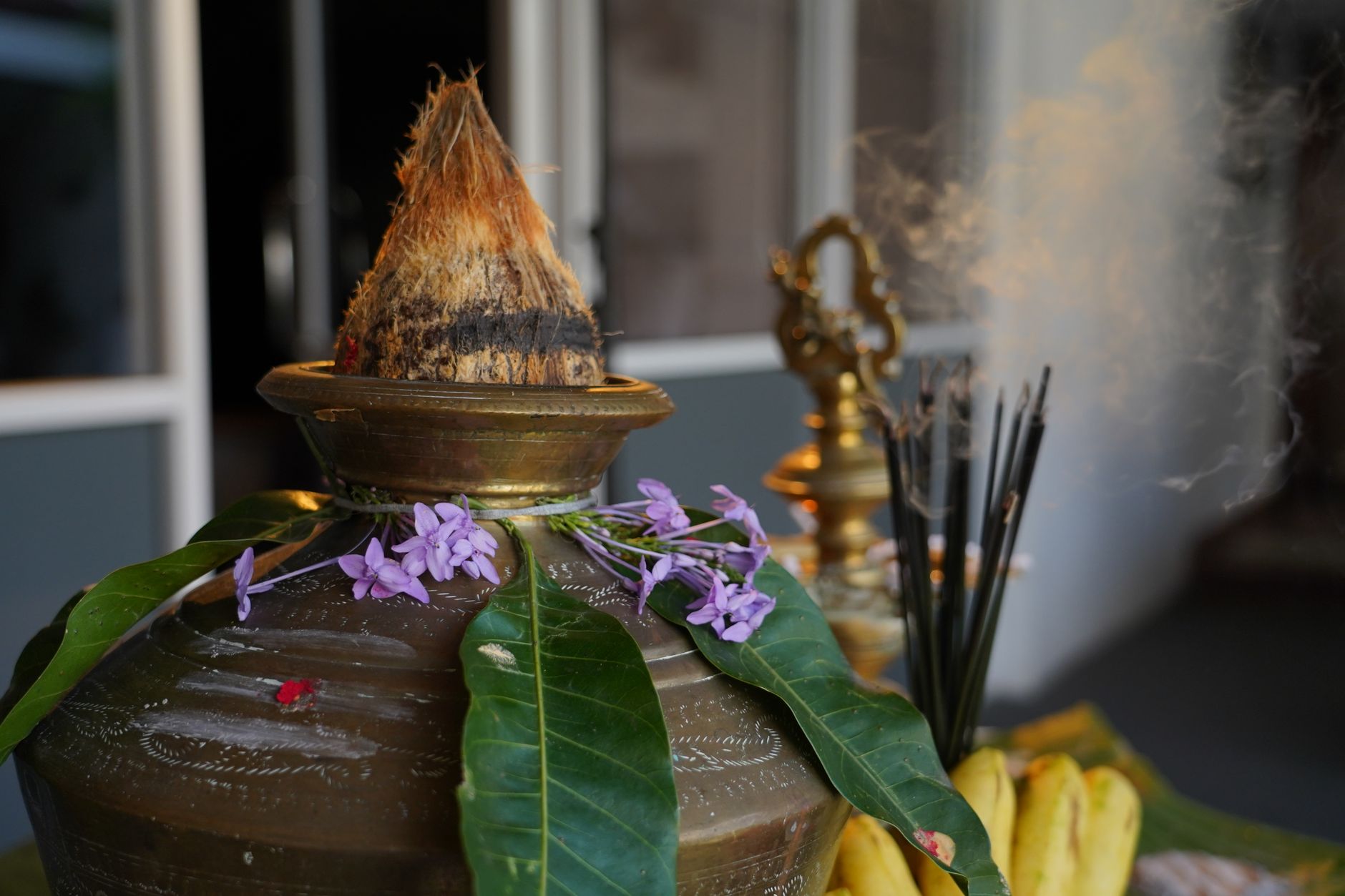 Tamil Muhurtham Ceremony Kit
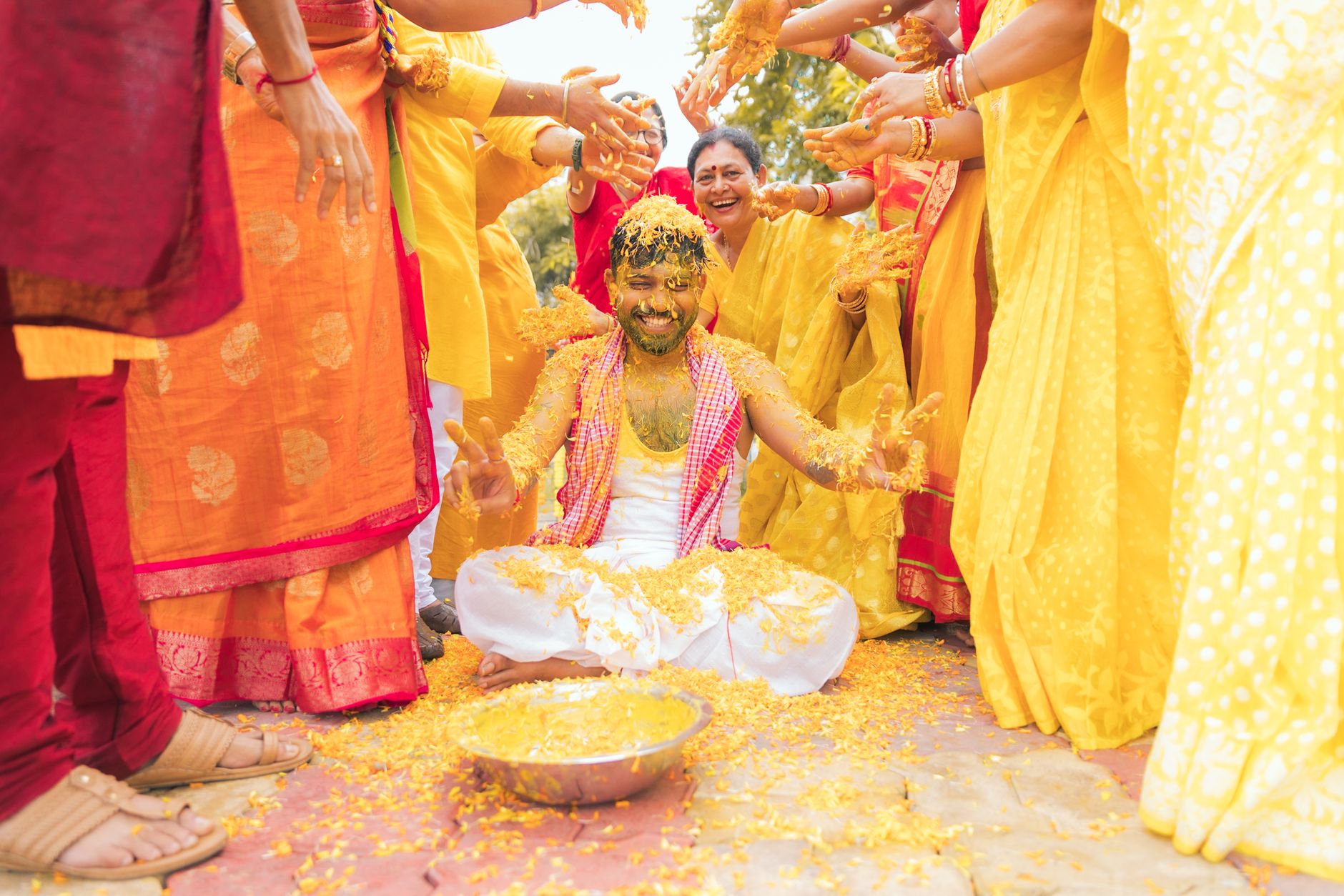 Telugu Jeelakarra Bellam Ceremony Kit
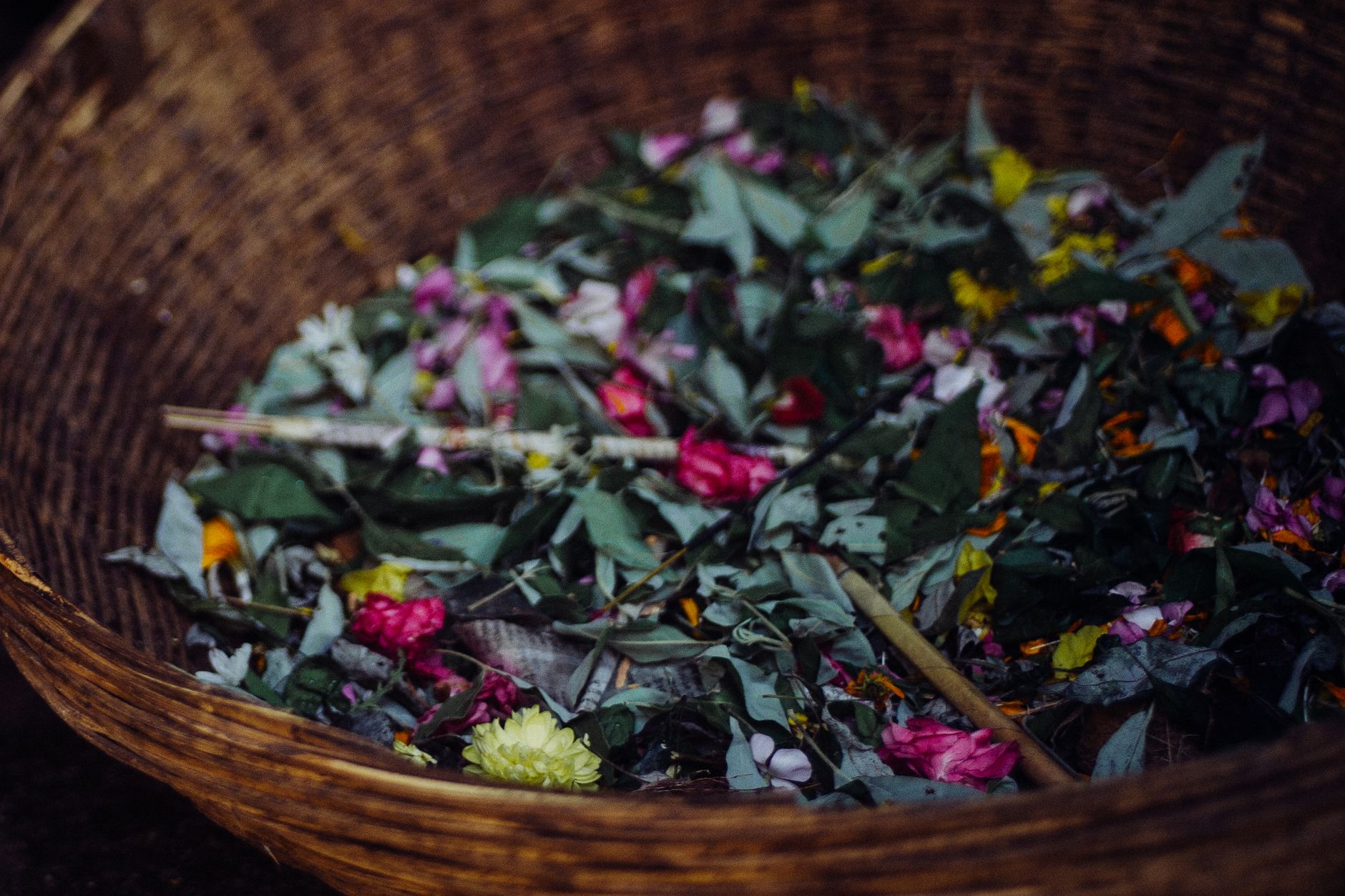 Wicker Flower Baskets
- 400+Curated Events
- 6Event Universes
- 1000+Verified Vendors
- 70+Locations
- 24/7Customer Support


Not sure which packages fits your celebration?
Let Hiya & Hanu help you find the perfect match!
Explore Celebration Packages- AI-Powered MatchingSmart suggestions for you
- Budget OptimizerGet the best experiences in your budget
- End-to-End SupportWe are with you at every step
Serving Celebrations across 75+ locations in India
Signature Sacred Ceremonies for Meaningful Celebrations
◆Sacred ceremonies hold a special place in family and community life, bringing people together to honour traditions, beliefs and important milestones. Signature sacred ceremonies for celebrations offer a more personalised approach, combining meaningful rituals with thoughtful planning, elegant presentation and carefully coordinated arrangements. Whether it is a traditional family occasion, religious gathering, cultural celebration or spiritual event, a signature approach can make every part of the experience feel considered and distinctive.
Creating a Ceremony with a Distinctive Identity
A signature ceremony is about more than simply following a standard event format. It is about creating an occasion that reflects the traditions, preferences and values of the people involved.
Every detail can be planned around the purpose of the celebration, from the choice of venue and ceremonial layout to flowers, décor, seating and guest arrangements. The result is an occasion that feels personal while respecting the customs that give the ceremony its meaning.
This approach is particularly useful for families who want their celebration to feel traditional yet thoughtfully presented.
Understanding the Meaning Behind the Ceremony
Sacred ceremonies often carry generations of cultural and family significance. Rituals may have particular meanings, sequences and requirements that should be respected during the planning process.
Before arranging the event, it is useful to understand the essential traditions and identify which elements need specialist attention. Families can then work with suitable ceremony professionals to organise the practical details around those requirements.
A well-planned ceremony allows traditional elements to remain central while ensuring that guests experience a smooth and welcoming celebration.
Personalised Ceremony Planning
Signature sacred ceremonies benefit from detailed planning rather than a one-size-fits-all package. The planning process can begin with a discussion about the occasion, traditions, guest numbers, venue, preferred style and overall expectations.
The service can then be structured around those priorities. Some families may place greater importance on floral décor, while others may focus on traditional arrangements, guest comfort or venue presentation.
Personalised planning gives families greater flexibility and helps ensure that the final celebration reflects their individual requirements.
Selecting a Suitable Venue
The right venue creates the foundation for a successful sacred ceremony. Depending on the nature of the occasion, families may choose a home, hall, religious venue, community space or another appropriate location.
Venue selection should consider guest capacity, accessibility, ceremony requirements and available facilities. The layout should also allow participants to move comfortably and ensure that important ceremonial areas remain clearly organised.
A suitable venue can make even a relatively simple celebration feel polished and well coordinated.
Elegant and Meaningful Decoration
Decoration can enhance the atmosphere without distracting from the sacred nature of the occasion. Signature ceremony décor can combine traditional elements with a refined presentation.
Flowers, fabric backdrops, lamps, entrance arrangements and carefully selected decorative features can be incorporated according to the family's preferences. Colour choices may also be selected to complement the cultural or religious character of the ceremony.
The goal is to create a setting that feels welcoming, harmonious and appropriate rather than excessively elaborate.
Floral Arrangements for Sacred Occasions
Flowers often have an important place in traditional celebrations. They can be used for entrances, ceremonial spaces, backdrops, tables and other areas of the venue.
A signature floral concept can be developed around the ceremony's theme and setting. Seasonal flowers may also provide a practical option while maintaining an attractive appearance.
The arrangement should complement the ceremony rather than compete with its central rituals. Thoughtful placement can create a cohesive look throughout the venue.
Coordinating Traditional Requirements
Many ceremonies involve specific materials and ceremonial items that need to be available at particular times. These requirements may vary according to family traditions, religious practices and the type of occasion.
A detailed preparation list can help identify everything required before the event. This may include flowers, offerings, vessels, lamps, seating and other traditional materials.
Professional coordination can help organise these items in advance and ensure that the ceremony space is prepared according to the agreed plan.
Designing a Comfortable Guest Experience
A meaningful celebration should also be comfortable for everyone attending. Guest management can therefore form an important part of ceremony planning.
Seating should be arranged according to the venue and expected attendance. Elderly family members may require convenient seating, while families with children may benefit from easy access and clear movement areas.
Simple practical considerations can make a significant difference to the overall experience without changing the traditional character of the event.
Professional Ceremony Coordination
On the day of the celebration, several activities may happen simultaneously. Vendors may arrive for setup, guests may begin gathering and ceremonial preparations may need to follow a particular schedule.
A dedicated coordinator can help manage these responsibilities so that family members can focus on participating in the occasion.
Coordination may include supplier communication, setup supervision, timing management, venue preparation and support throughout the celebration.
Combining Tradition with Contemporary Presentation
Modern families often want to preserve their traditions while presenting their celebrations in a fresh and polished way. Signature sacred ceremonies can achieve this balance through carefully selected design and planning choices.
Traditional rituals can remain unchanged while the surrounding décor, seating arrangement and venue presentation are given a contemporary touch.
This creates a celebration that respects its cultural roots while still feeling current and visually appealing.
Thoughtful Celebration Themes
A ceremony theme can help connect different elements of the event. Rather than choosing decoration based purely on appearance, families can select a theme that relates to the occasion.
Traditional colour palettes, floral concepts, natural elements or elegant fabric arrangements can create a consistent visual identity.
The theme should complement the purpose of the ceremony and remain appropriate to its sacred character.
Planning the Ceremony Timeline
Timing is particularly important when a celebration includes multiple rituals or traditional activities. A clear timeline can help everyone understand what needs to happen before, during and after the ceremony.
The schedule can include venue setup, arrival times, preparation of ceremonial materials, guest reception, key rituals and post-event arrangements.
Sharing the plan with relevant service providers in advance can reduce confusion and improve coordination on the day.
Transparent Service Planning
Families should have a clear understanding of what is included in their ceremony service. A detailed discussion can cover planning, venue coordination, decoration, flowers, traditional materials and event-day support.
Transparent communication helps prevent misunderstandings and allows families to select services according to their priorities.
A signature service does not necessarily mean every available feature needs to be included. Instead, the focus should be on selecting details that genuinely contribute to the celebration.
Respecting Family Preferences
Family involvement can be an important part of sacred ceremony planning. Different generations may have different expectations regarding traditions, décor and ceremonial arrangements.
Listening to these preferences early in the planning process can help create a celebration that feels inclusive.
Professional service providers can support the family by coordinating practical arrangements while allowing the family to retain control over important cultural and ceremonial decisions.
Making the Occasion Memorable
Memorable ceremonies are often created through meaningful details rather than excessive additions. A well-arranged ceremonial space, carefully chosen flowers, welcoming entrance and smooth coordination can leave a lasting impression.
Personal touches can also make the celebration more meaningful. Family traditions, symbolic elements and familiar customs can be incorporated into the overall design.
The result is an occasion that feels authentic rather than simply following a standard event template.
Planning for Different Types of Celebrations
Signature sacred ceremony services can be adapted for a wide range of occasions. These may include religious ceremonies, traditional family functions, cultural celebrations, spiritual gatherings and important milestones.
The exact arrangements will depend on the nature of the event. Some celebrations may require a highly traditional setting, while others may benefit from a balance between traditional and contemporary presentation.
A flexible planning approach ensures that the service remains appropriate to the occasion.
Choosing Experienced Ceremony Professionals
Selecting the right service provider is an important part of the planning process. Families should look for professionals who understand the importance of traditional ceremonies and can manage practical event requirements effectively.
Experience, communication, flexibility and attention to detail are valuable qualities. It is also helpful to discuss the ceremony requirements in detail before confirming a service.
A clear quotation and defined list of inclusions can make the decision-making process easier.
Planning Well in Advance
Early planning provides more time to select a suitable venue, confirm suppliers and organise traditional requirements.
It also allows families to consider different decoration concepts and make changes before the final arrangements are confirmed.
For larger celebrations, early preparation is particularly useful because several suppliers may need to coordinate with one another.
A Refined Approach to Sacred Celebrations
Signature sacred ceremonies bring together tradition, personalisation and thoughtful event management. They allow families to honour important customs while creating a celebration that feels distinctive and well organised.
From venue selection and floral décor to ritual arrangements and guest coordination, every detail can be planned around the purpose of the occasion.
The best celebrations are not defined only by their scale. They are remembered for the meaning they hold, the people who share them and the care invested in bringing everything together.
Frequently Asked Questions
1. What are signature sacred ceremonies?
Signature sacred ceremonies are personalised traditional, religious, cultural or spiritual celebrations planned with particular attention to rituals, presentation, décor and individual family preferences.
2. How are signature ceremonies different from standard ceremony services?
Signature ceremonies generally involve a more personalised planning approach. The arrangements are developed around the family's traditions, preferences, venue and desired style rather than following a completely standard format.
3. Can traditional rituals be included in a signature ceremony?
Yes. Traditional rituals can remain at the centre of the celebration, with the surrounding planning, décor and coordination tailored to the family's requirements.
4. Can the ceremony décor be customised?
Yes. Floral arrangements, colours, backdrops, entrance décor and other decorative details can be selected according to the ceremony theme and family preferences.
5. What venues can be used for sacred ceremonies?
Depending on the occasion, ceremonies may be held at homes, halls, religious venues, community spaces or other suitable event locations.
6. Can signature sacred ceremonies accommodate large gatherings?
Yes. The planning can be adapted according to the expected number of guests. Larger celebrations may require additional venue, seating, coordination and guest-management arrangements.
7. Do ceremony services include traditional materials?
Some providers can assist with sourcing and organising traditional materials. The exact requirements should be discussed in advance according to the customs associated with the ceremony.
8. How far in advance should I plan a signature sacred ceremony?
Planning several weeks ahead is generally helpful. Larger or more detailed celebrations may benefit from additional preparation time to coordinate the venue, suppliers, décor and traditional requirements.
9. Can a sacred ceremony combine traditional and modern elements?
Yes. Traditional rituals can be maintained while contemporary décor, venue styling and presentation are introduced around them, provided they remain appropriate to the nature of the ceremony.
10. How do I choose a provider for a signature sacred ceremony?
Consider the provider's experience, understanding of traditional requirements, service inclusions, communication, flexibility and coordination capabilities. A clear quotation and detailed planning discussion can also help you make an informed choice.