
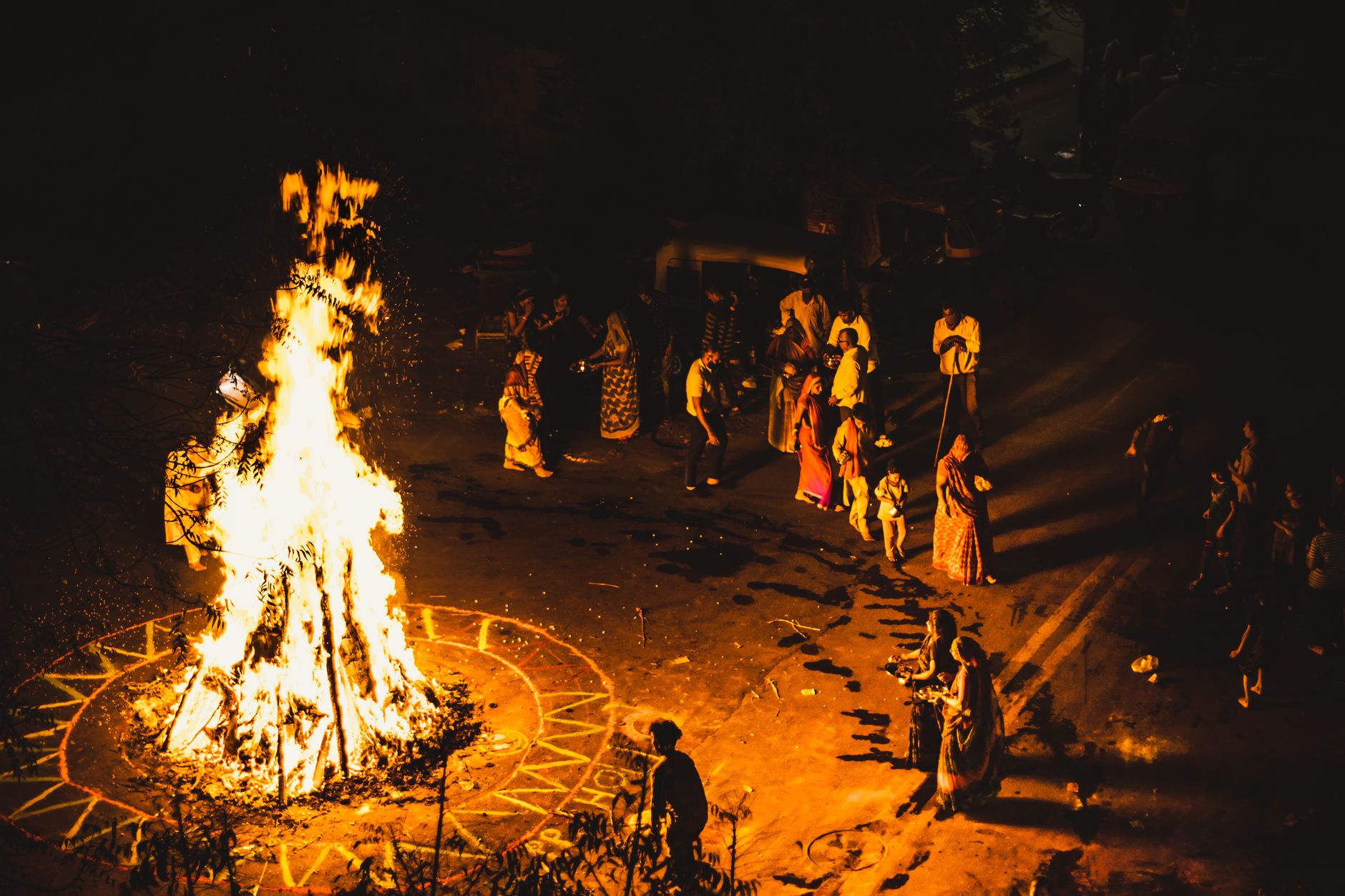
Sacred Homam Samagri, Mahabalipuram
Religious cermony in Mahabalipuram
Brahmin Homam Samagri in Mahabalipuram: Complete Guide
Mahabalipuram, nestled on the Coromandel Coast and steeped in Pallava-era devotion, is one of Tamil Nadu's most spiritually significant towns. Families planning a Griha Pravesh, Satyanarayan Puja, or ancestral Shraddha ceremony here rightly begin by sourcing authentic Brahmin Homam Samagri — the curated collection of sacred ingredients that powers every Vedic fire offering. From ghee and samidha sticks to panchagavya and navadhaniyam, the right Homam Puja Samagri Kit ensures the ritual proceeds without interruption. A skilled Brahmin priest for puja in Mahabalipuram will cross-check each item against the specific traditional fire ritual ceremony you are performing, aligning everything to an auspicious muhurat booking for maximum divine benefit.
Quick Answer
Brahmin Homam Samagri is the complete set of ritual ingredients — including ghee, samidha (firewood sticks), havan kund, sesame seeds, rice, betel leaves, coconut, panchagavya, and specific herbs — required to perform a Vedic fire-offering ceremony. In Mahabalipuram, samagri kits are available from temple trusts, devotional stores near Shore Temple Road, and curated online suppliers, typically priced between INR 800 and INR 5,000 depending on the homam type and the number of priests involved.
What Exactly Is Brahmin Homam Samagri and Why Does Every Item Matter?
Brahmin Homam Samagri refers to the ritual materials assembled before a Vedic fire ceremony begins. Each ingredient carries a specific scriptural purpose: pure cow ghee (desi ghee) serves as the primary oblation that nourishes Agni; samidha sticks — usually from peepal, mango, or palash trees — feed the sacred flame without producing harmful smoke; navadhaniyam (nine grains) symbolises abundance; and panchagavya purifies the ritual space. The havan kund, made of copper or clay, is the altar in which all offerings are made. When even a single component is missing or of substandard quality, the pandit conducting the ceremony may need to pause mid-ritual, which is considered inauspicious. This is why experienced families sourcing Pooja Samagri for Homam always cross-reference the list with their chosen pandit before the ceremony day. In Mahabalipuram, where sea humidity can affect dried herbs and sesame seeds, airtight packaging is essential. Opting for a verified Homam Puja Samagri Kit that is pre-assembled and checked for freshness removes this risk entirely, ensuring every mantra is supported by the precise material offering it calls for.
Types of Homam Ceremonies Performed in Mahabalipuram
Mahabalipuram's coastal spiritual landscape supports a wide variety of Vedic fire rituals. Ganapathi Homam is performed before any new venture, from housewarming to business inauguration. Sudarshana Homam, frequently conducted near the Shore Temple and Pancha Rathas precincts, is sought by families desiring protection and relief from doshas. Navagraha Homam aligns planetary energies and is especially popular before weddings and career milestones. Mrityunjaya Homam is performed for health and longevity, often on the banks of the sea at sunrise. Each of these rituals demands a distinct set of Agni Homam Materials — Sudarshana Homam requires bilva leaves, while Navagraha Homam needs nine specific woods corresponding to each graha. Understanding which ceremony you are performing determines exactly which Brahmin Homam Samagri list your pandit will hand you. Happiffie's verified pandits in Mahabalipuram provide a pre-ceremony consultation to list every item, cross-checked against the traditional fire ritual ceremony format and your family's regional Brahmin tradition — Iyer, Iyengar, or Smartha.
How Much Does a Brahmin Homam Samagri Kit Cost in Mahabalipuram?
Pricing for Brahmin Homam Samagri in Mahabalipuram follows the scale and complexity of the ritual. A basic Ganapathi Homam samagri set — covering ghee, samidha, flowers, fruits, and essential herbs — costs approximately INR 800 to INR 1,500. A mid-range Navagraha Homam kit with nine types of wood, grains, and coloured flowers ranges from INR 2,500 to INR 4,000. A full Sudarshana or Mrityunjaya Homam Puja Samagri Kit with premium copper kund, abundant ghee, and additional dakshina items can reach INR 5,000 to INR 8,000. Pandit dakshina is separate and typically ranges from INR 1,500 to INR 5,000 depending on the duration and the number of priests. Families seeking an auspicious muhurat booking often find that morning slots — between 6 AM and 10 AM — are in highest demand near Mahabalipuram's temple zones, so early reservation is advisable. Bundled packages that include both Vedic Havan Samagri and pandit service can reduce overall cost by 15–20 percent compared to sourcing each element independently.
Sourcing Authentic Vedic Havan Samagri Near Mahabalipuram
Authenticity of materials is non-negotiable in Vedic rituals. Adulterated ghee, artificially dyed flowers, or machine-processed samidha sticks diminish the ritual's spiritual efficacy and can produce harmful smoke indoors. In Mahabalipuram, devotional supply stores are clustered near East Raja Street and the Shore Temple Road junction. Several stores stock Agni Homam Materials sourced directly from traditional suppliers in Kanchipuram and Chennai's Mylapore market. For families unable to visit these stores, curated Pooja Samagri for Homam kits shipped from certified suppliers in Chennai or Bengaluru arrive within one to two days and include freshness-sealed packets. When evaluating a supplier, confirm that ghee is certified A2 cow ghee, that samidha sticks are sun-dried rather than kiln-dried, and that herbal components such as ashwagandha and shatavari are organically sourced. Your Brahmin priest for puja in Mahabalipuram will typically have a preferred supplier; asking for this recommendation upfront saves both time and cost. Happiffie's platform lets you coordinate directly with your booked pandit to finalise the Brahmin Homam Samagri list before purchase.
What Are Common Mistakes Families Make When Preparing Homam Samagri?
The most frequent error is purchasing Brahmin Homam Samagri without consulting the performing pandit, resulting in wrong wood types, incorrect grain varieties, or missing items that require a last-minute scramble. The second mistake is underestimating quantity — a two-hour homam with two priests consumes considerably more ghee and samidha than a single-priest, one-hour ceremony. Families also sometimes overlook Mahabalipuram's coastal humidity: dried herbs and sesame seeds absorb moisture quickly, so purchasing samagri more than three days in advance without airtight storage compromises quality. Relying on generic online kits that are not aligned to your specific sub-sect tradition — whether Iyer, Iyengar, or Vaishnava — is another avoidable error, as each tradition uses slightly different Sanskrit mantra recitation service formats and corresponding material sets. Finally, skipping an auspicious muhurat booking and scheduling the homam at a time that conflicts with Rahu Kalam or Yamagandam can create unnecessary concern among elder family members. Working through Happiffie's verified network of pandits and suppliers in Mahabalipuram eliminates these pitfalls from the start.
Brahmin Homam Samagri Setup Options: A Practical Comparison
Expert Recommendation
Best for Intimate Home Ceremonies
Best for Large Community Homams
Best for Traditional Iyer or Iyengar Families
Best for Budget-Conscious Families
Best for Destination or Beachside Ceremonies
Best for First-Time Organisers
How to Choose the Right Option
✅ Pre-booking Checklist
- Confirm the exact homam type and Brahmin sub-tradition with your pandit before purchasing any samagri
- Request an itemised Brahmin Homam Samagri list from the performing priest at least 7 days before the ceremony
- Verify that ghee is certified A2 cow ghee and samidha sticks are sun-dried, not kiln-processed
- Check packaging is airtight to withstand Mahabalipuram's coastal humidity for herbs and sesame
- Secure your auspicious muhurat booking and confirm it avoids Rahu Kalam and Yamagandam
- Confirm quantity of ghee, samidha, and navadhaniyam based on number of priests and ceremony duration
- Arrange a portable wind shield if the homam is planned outdoors near the Shore Temple or beachside venue
- Keep a small reserve of core items — ghee, camphor, and sesame — in case of spillage during the ritual
🎯 Selection Criteria
- Freshness and organic sourcing of herbs, grains, and ghee
- Compatibility of the kit with your specific homam type and regional Brahmin tradition
- Supplier's reputation for consistent quality and airtight packaging
- Proximity of supplier or delivery reliability for Mahabalipuram pin codes
- Pandit's endorsement of the sourcing method and specific ingredients
- Bundled pricing that includes both samagri and priest service for overall cost efficiency
💰 Cost / Quality Factors
- Homam type determines ingredient complexity and therefore cost — Sudarshana costs more than Ganapathi
- Number of priests directly affects ghee and samidha consumption volumes
- A2 cow ghee sourced from indigenous breeds costs 30-50 percent more but is considered ritually superior
- Coastal humidity in Mahabalipuram shortens the shelf life of dried herbs — freshness premium is justified
- Morning auspicious muhurat slots command higher pandit fees due to demand, especially in festival months
- Bulk sourcing from Kanchipuram reduces material cost but adds logistics effort for outstation families
⚠️ Common Mistakes to Avoid
- Buying samagri without the pandit's specific list, leading to wrong wood types or missing items
- Purchasing weeks in advance without airtight storage, allowing coastal humidity to degrade dried herbs
- Using a generic kit not aligned to your Brahmin sub-sect tradition — Iyer, Iyengar, or Vaishnava
- Underestimating ghee and samidha quantities for longer or multi-priest ceremonies
- Skipping the auspicious muhurat booking and scheduling the homam during inauspicious planetary windows
- Neglecting a wind shield for outdoor ceremonies, which can extinguish the havan kund flame mid-ritual
People Also Ask
What items are included in a standard Brahmin Homam Samagri kit?
Can I get a Homam Puja Samagri Kit delivered in Mahabalipuram?
How do I find a Brahmin priest for puja in Mahabalipuram?
What is the difference between Vedic Havan Samagri and regular puja samagri?
How much does a complete homam cost in Mahabalipuram including samagri and pandit?
What is an auspicious muhurat booking and why is it important for a homam?
Which homams are most commonly performed near the Shore Temple area in Mahabalipuram?
How far in advance should I arrange Pooja Samagri for Homam in Mahabalipuram?
Related Experiences on Happiffie
Complete Pooja Samagri Kits Delivered to Your Door
Complete Pooja Samagri for Indore Weddings
Sacred Supplies for Your Mumbai Wedding
All Wedding & Event Services
Venues in Mahabalipuram
Discover Verified Vendors
Frequently Asked Questions
Where can I buy Brahmin Homam Samagri in Mahabalipuram?
Is a Homam Puja Samagri Kit different for each type of homam?
Can Brahmin Homam Samagri be sourced for a beachside ceremony near the Shore Temple?
What quantity of ghee is needed for a standard Agni Homam in Mahabalipuram?
How do I verify that Vedic Havan Samagri is authentic and not adulterated?
How early should I book a pandit for a homam in Mahabalipuram?
Does the Sanskrit mantra recitation service vary based on the samagri used?
Can Happiffie help me plan a complete homam ceremony in Mahabalipuram, including samagri and muhurat?
Key Takeaways
- Brahmin Homam Samagri is a precisely curated collection of sacred ingredients — ghee, samidha, navadhaniyam, panchagavya, and more — specific to each Vedic fire ritual type.
- In Mahabalipuram, basic samagri kits start at INR 800 and full kits for complex homams can reach INR 8,000; bundled pandit-plus-samagri packages save 15-20 percent.
- Coastal humidity near Mahabalipuram requires airtight packaging for dried herbs and sesame — purchase no more than five days before the ceremony.
- Always obtain an itemised samagri list from your performing pandit before purchasing; generic kits may not match your Brahmin sub-tradition.
- Outdoor homams near the Shore Temple or Pancha Rathas require a portable havan kund and wind shield to maintain the sacred flame.
- Morning muhurat slots between 6 AM and 10 AM are most auspicious and most in demand — book early, especially during Tamil festival months.
- Happiffie connects families in Mahabalipuram with verified pandits and samagri suppliers, streamlining the entire homam planning process.
Plan Your Homam Ceremony in Mahabalipuram with Happiffie
Connect with verified Brahmin pandits, source authentic samagri kits, and secure your auspicious muhurat — all in one place.
Book Your Pandit
Are you a Vendor? Grow Your Business with Happiffie!
- High intent verified leads
- Reverse auction opportunities
- AI business tools & insights
- Dedicated vendor dashboard
- Grow your business, your way
It's free & takes less than 2 minutes!