

Explore All Religious Ceremonies
Discover traditional rituals, wedding ceremonies, spiritual occasions and meaningful cultural celebrations in Chennai, with trusted services to honour every tradition.
Give Thoughtfully,
Celebrate with Happiffie
From personalised gifts and curated collections to thoughtful presents for every occasion, Happiffie helps you discover gifting options that make celebrations more meaningful and memorable.
- Thoughtful Gift DiscoveryFind gifting options suited to every celebration and occasion
- Personalised GiftingDiscover customised gifts made to create meaningful moments
- Trusted Gift ProvidersConnect with reliable gifting professionals and service providers
Popular Religious Ceremonies
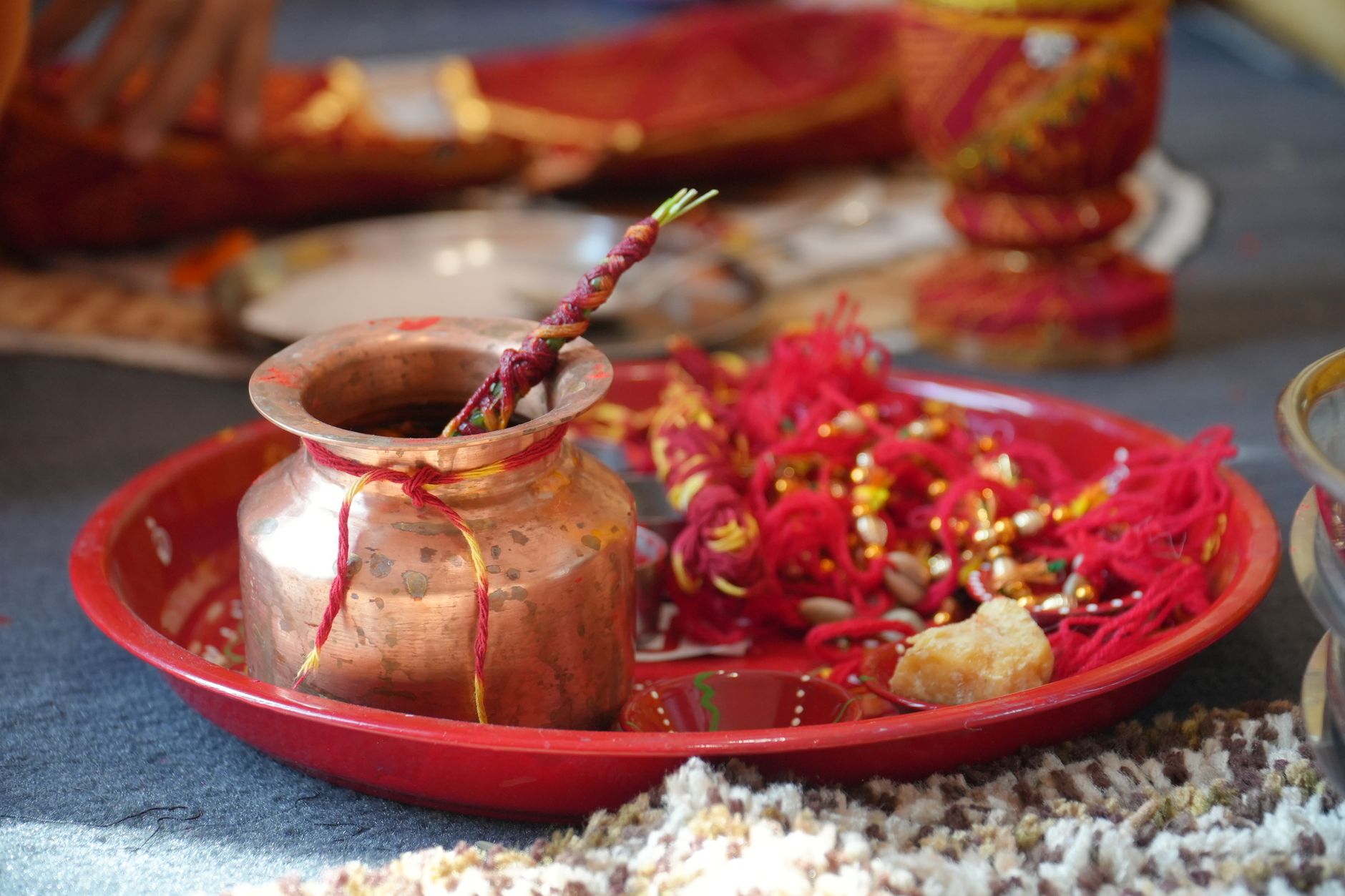 Brahmin Vivaha Pooja Items
 Celebration Dessert Cakes
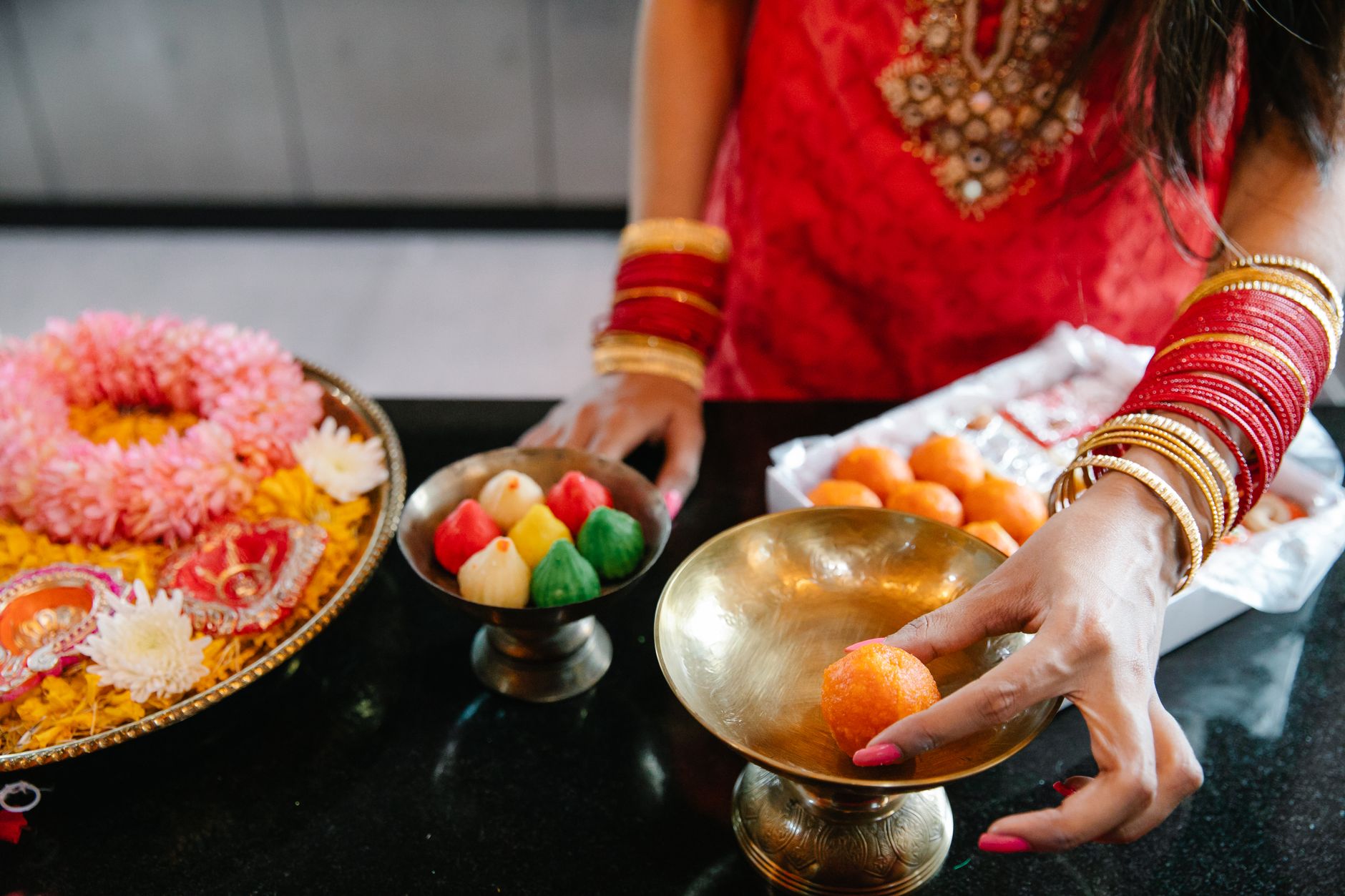 Ceremony Flower Basket
 Ceremony Keepsakes
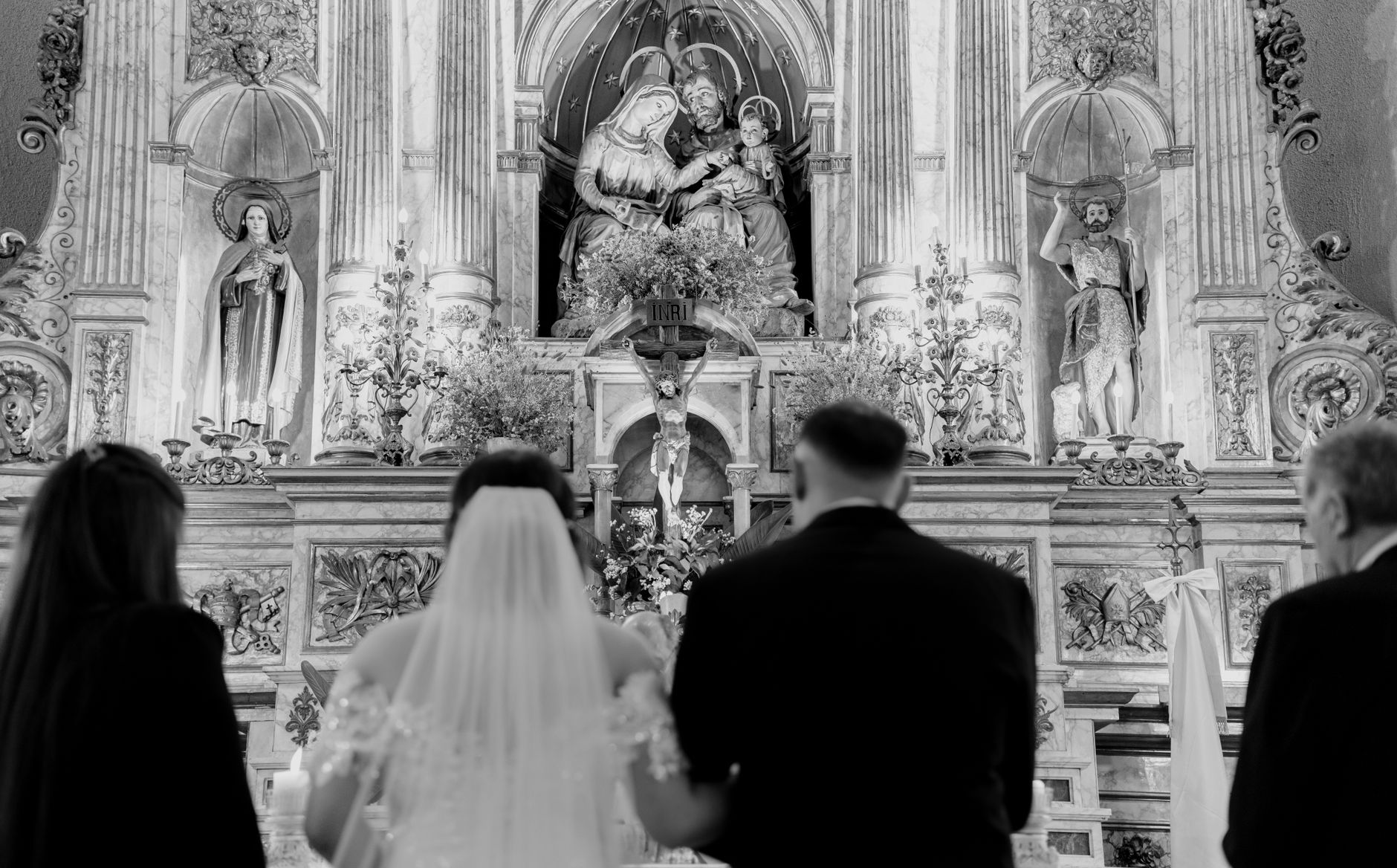 Christian Sacred Union Supplies
 Floral Car Styling
 Flower Lapel Pin
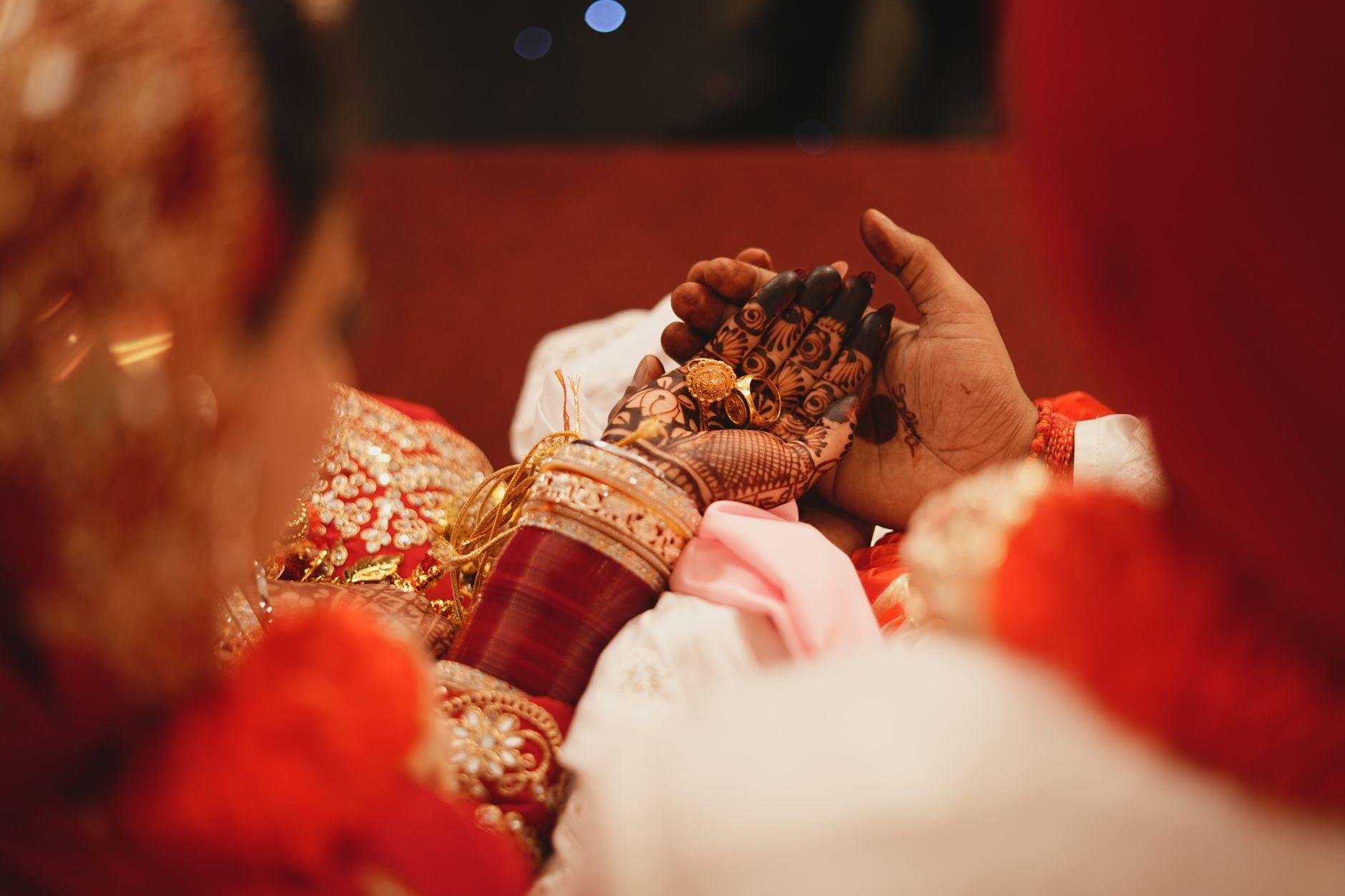 Horoscope Consultants
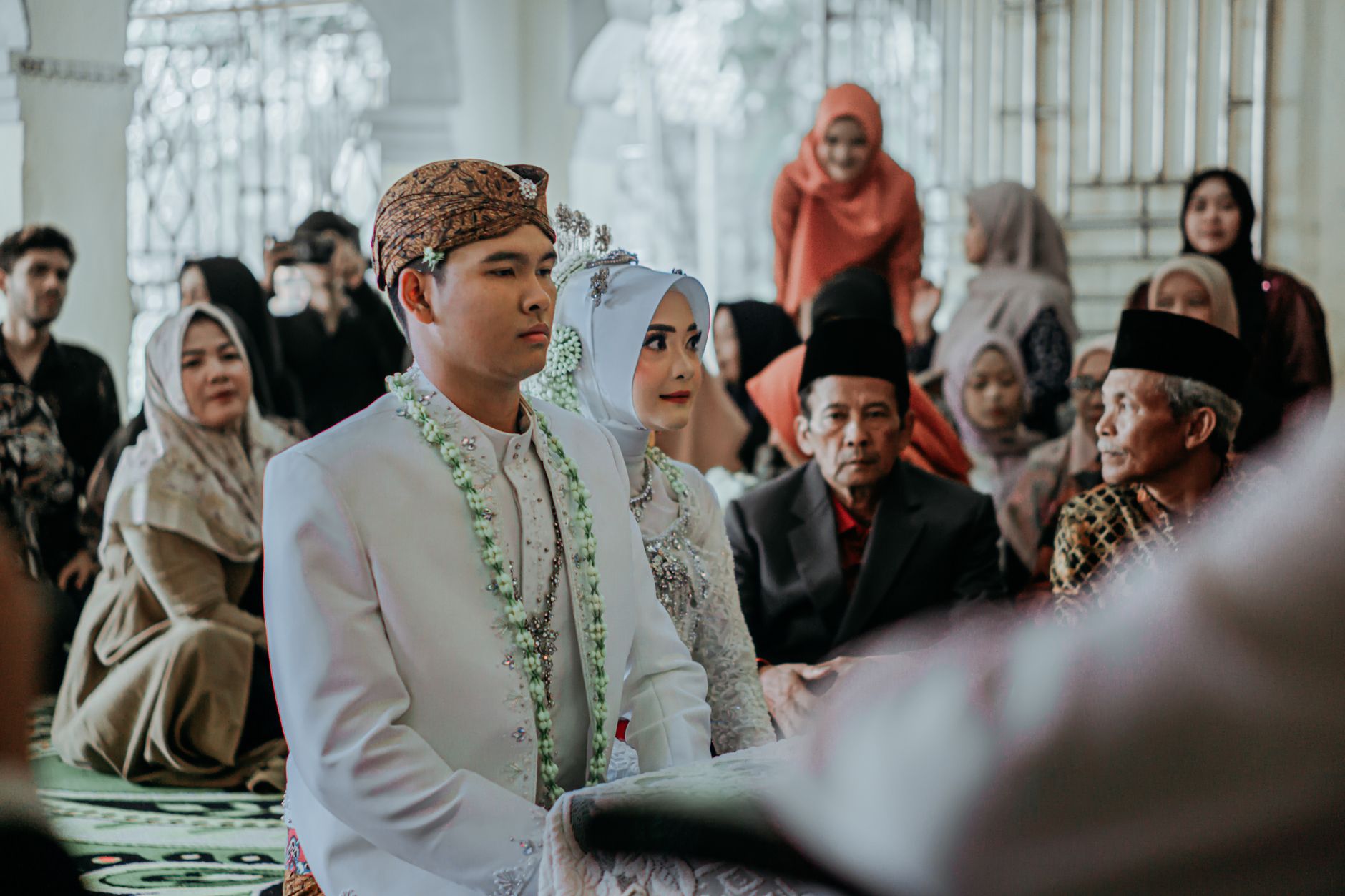 Islamic Marriage Accessories
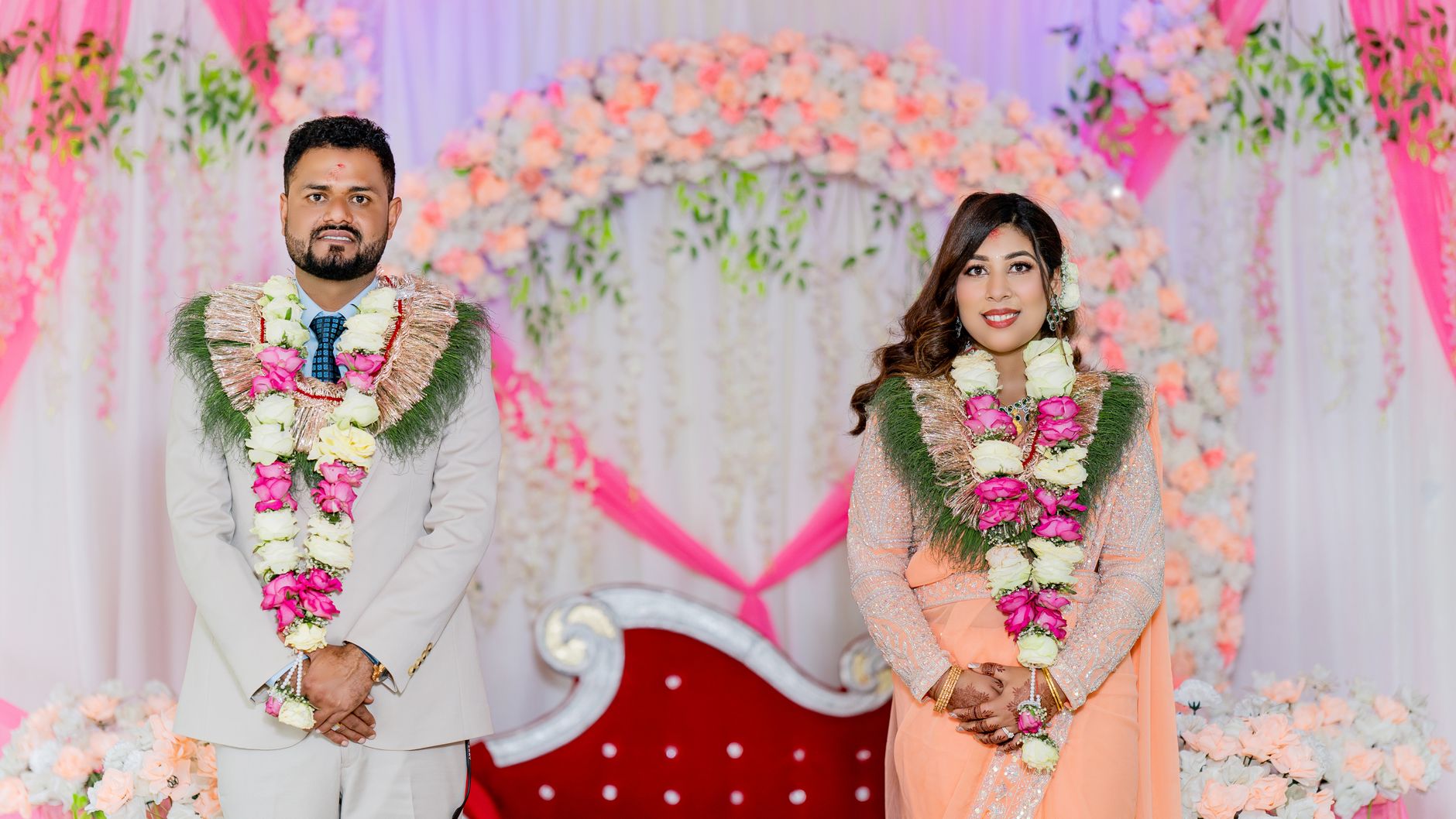 Jaimala Flower Garlands
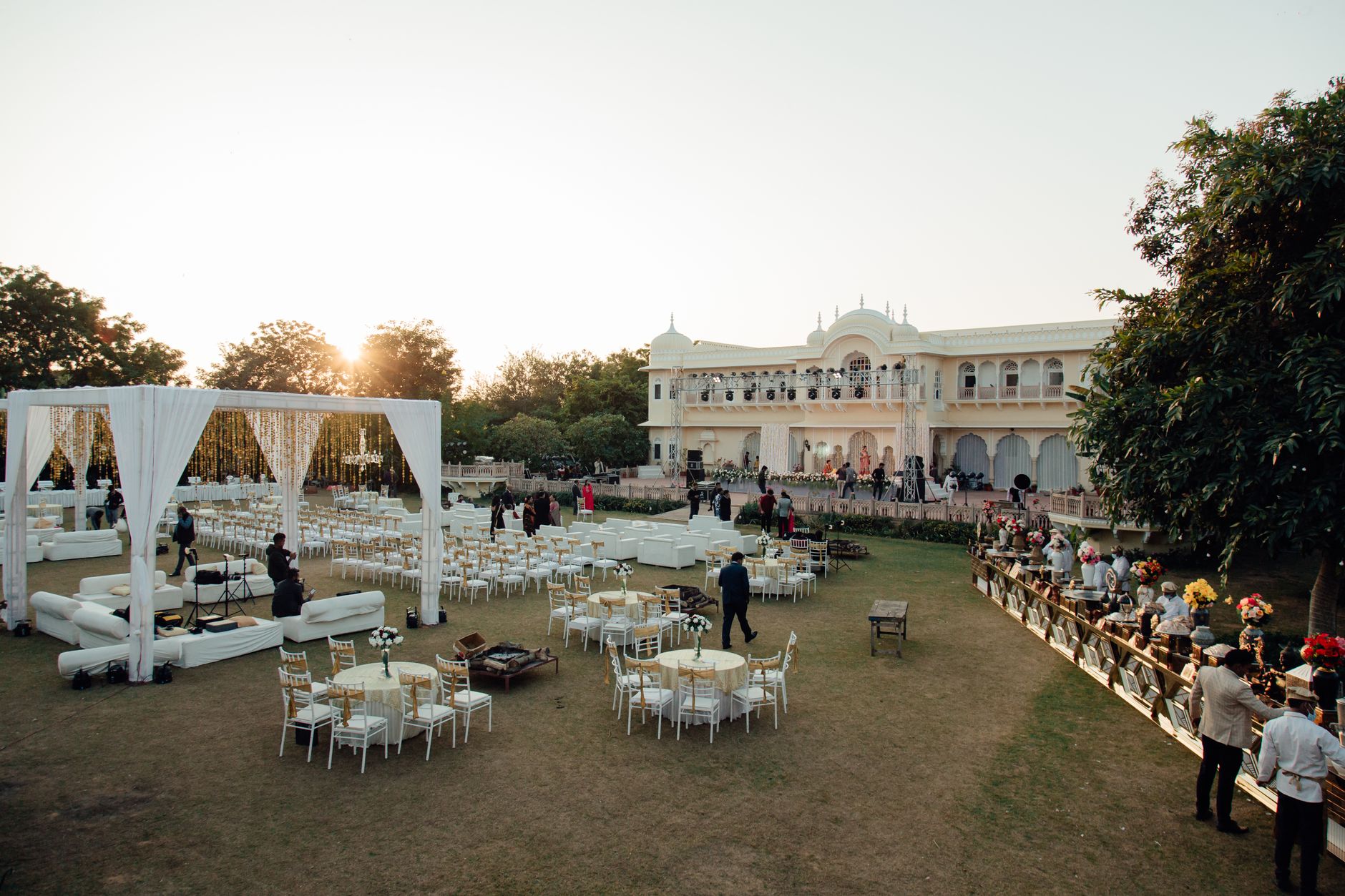 Jain Sacred Marriage Items
 Karnataka Marriage Ritual Supplies
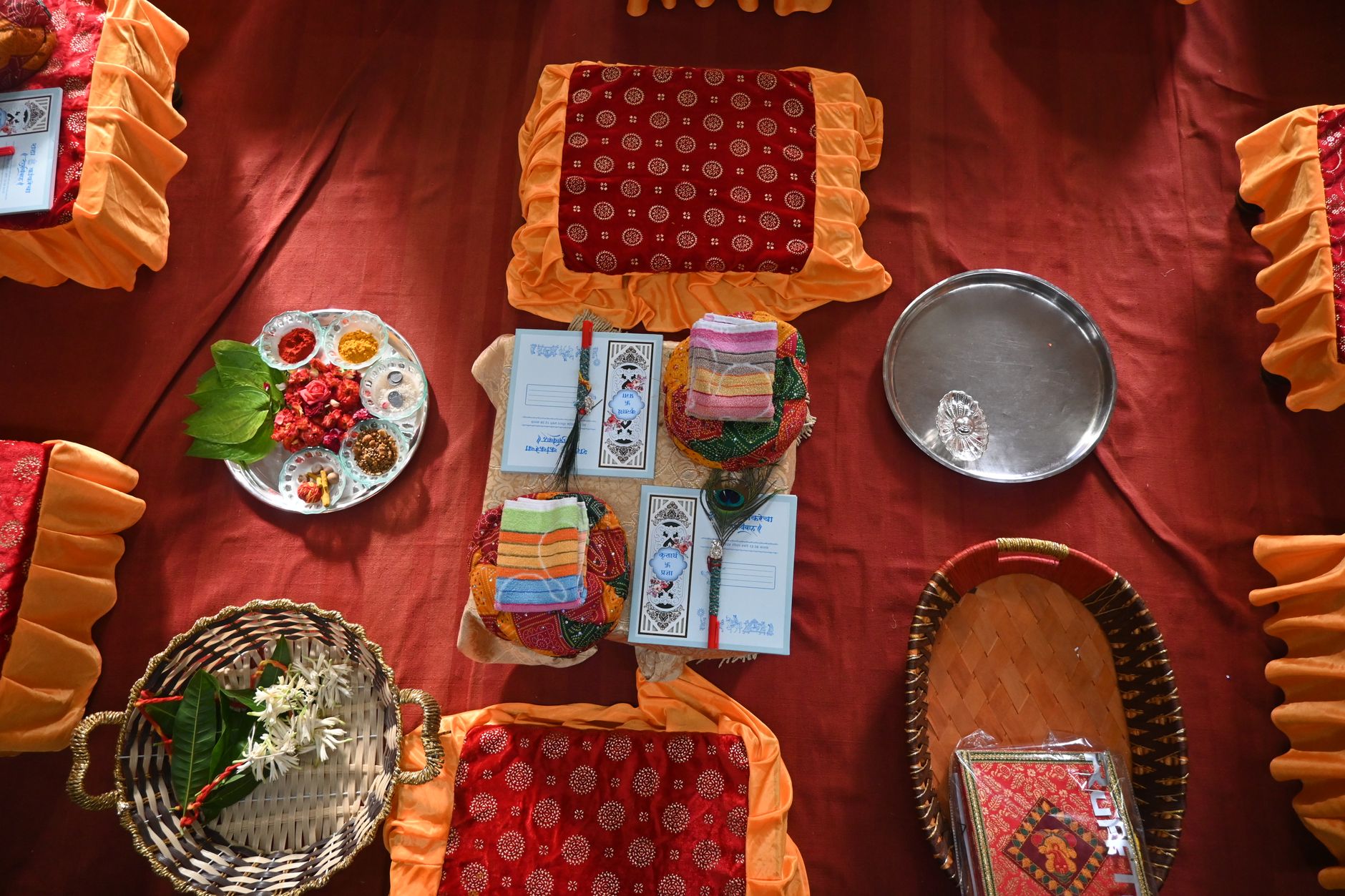 Kerala Vivaham Items
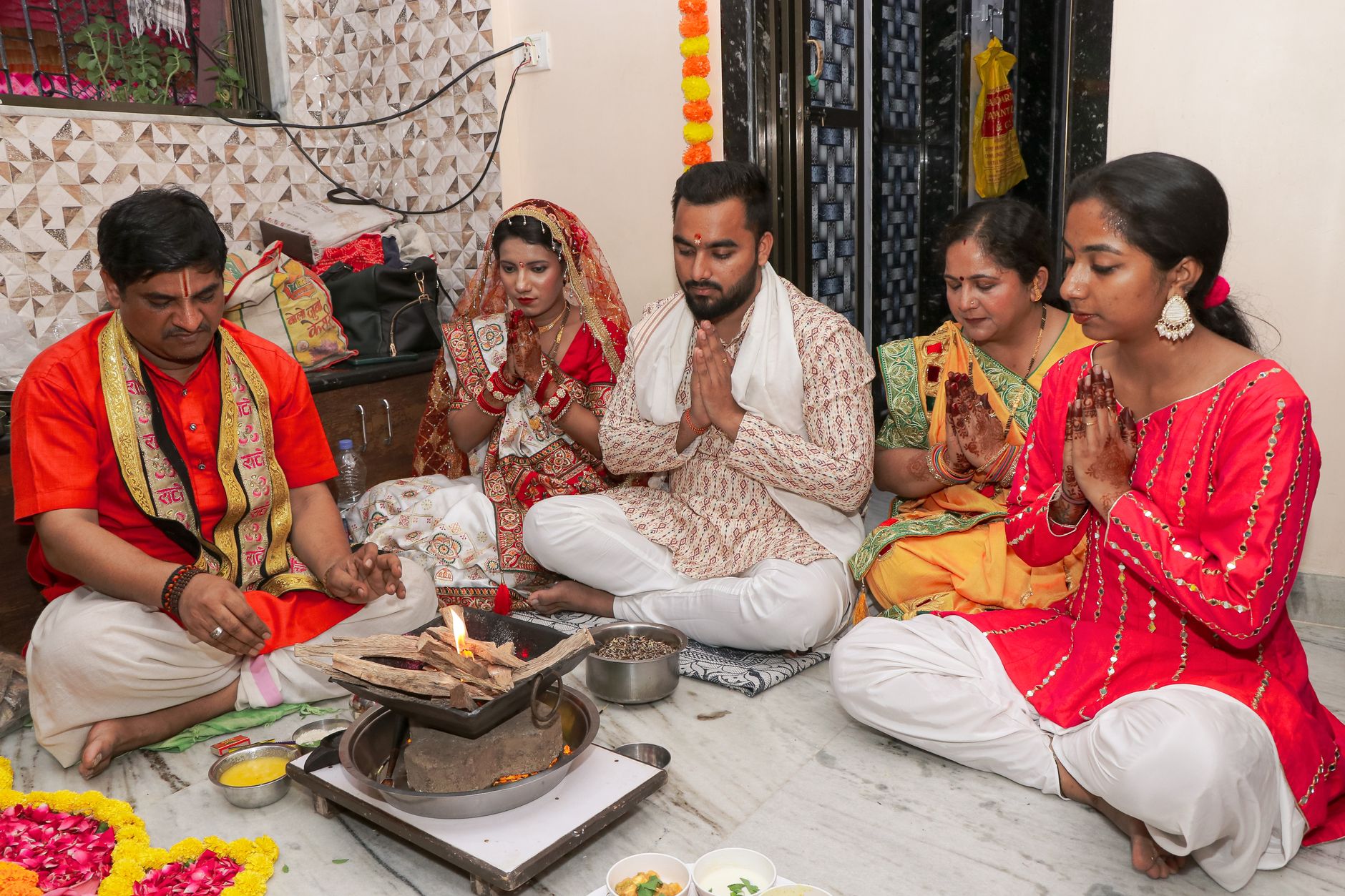 Marriage Priest Booking
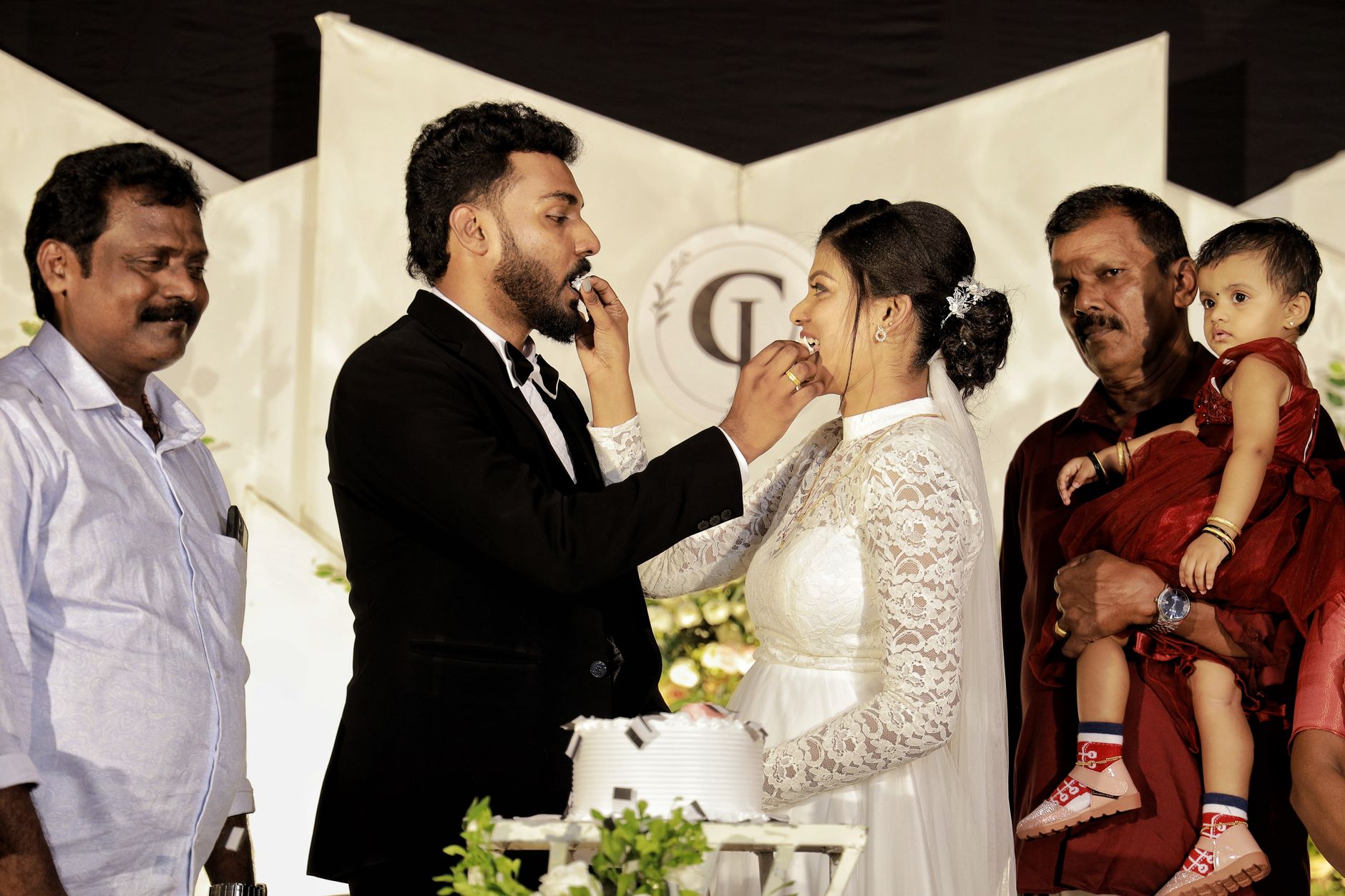 Marriage Solemnizer
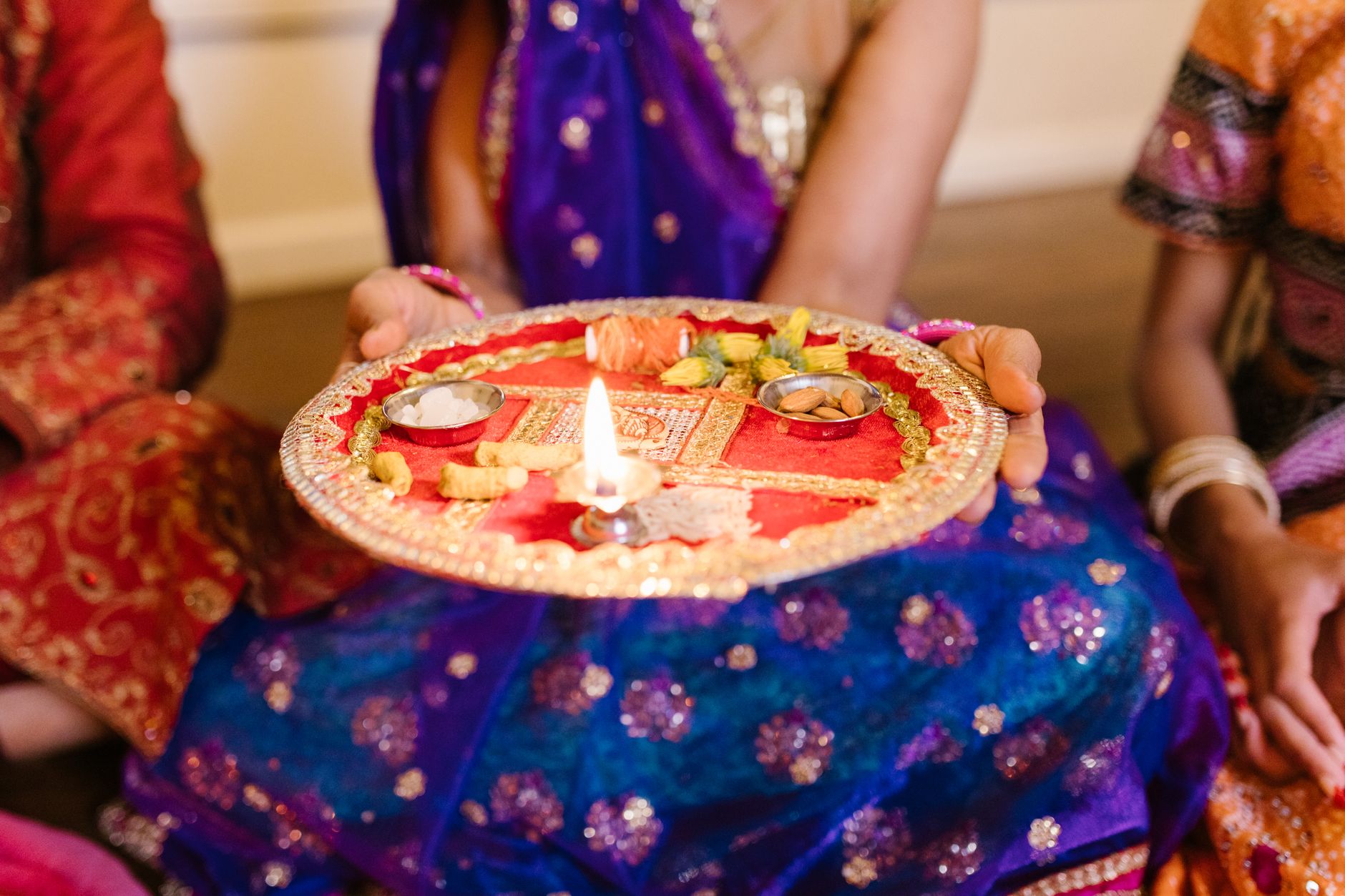 Marwari Vivah Pooja Items
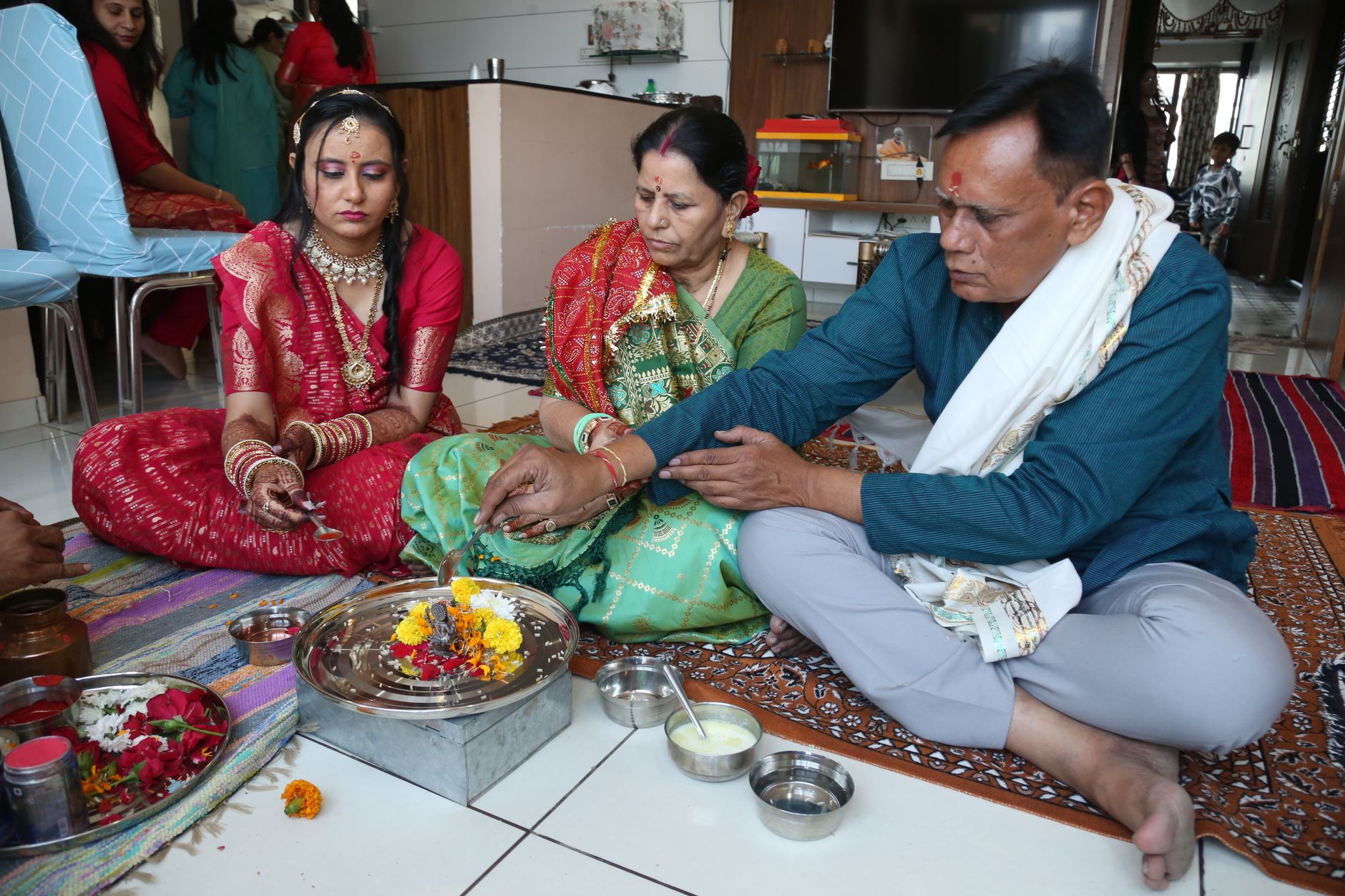 Pooja Live Broadcast
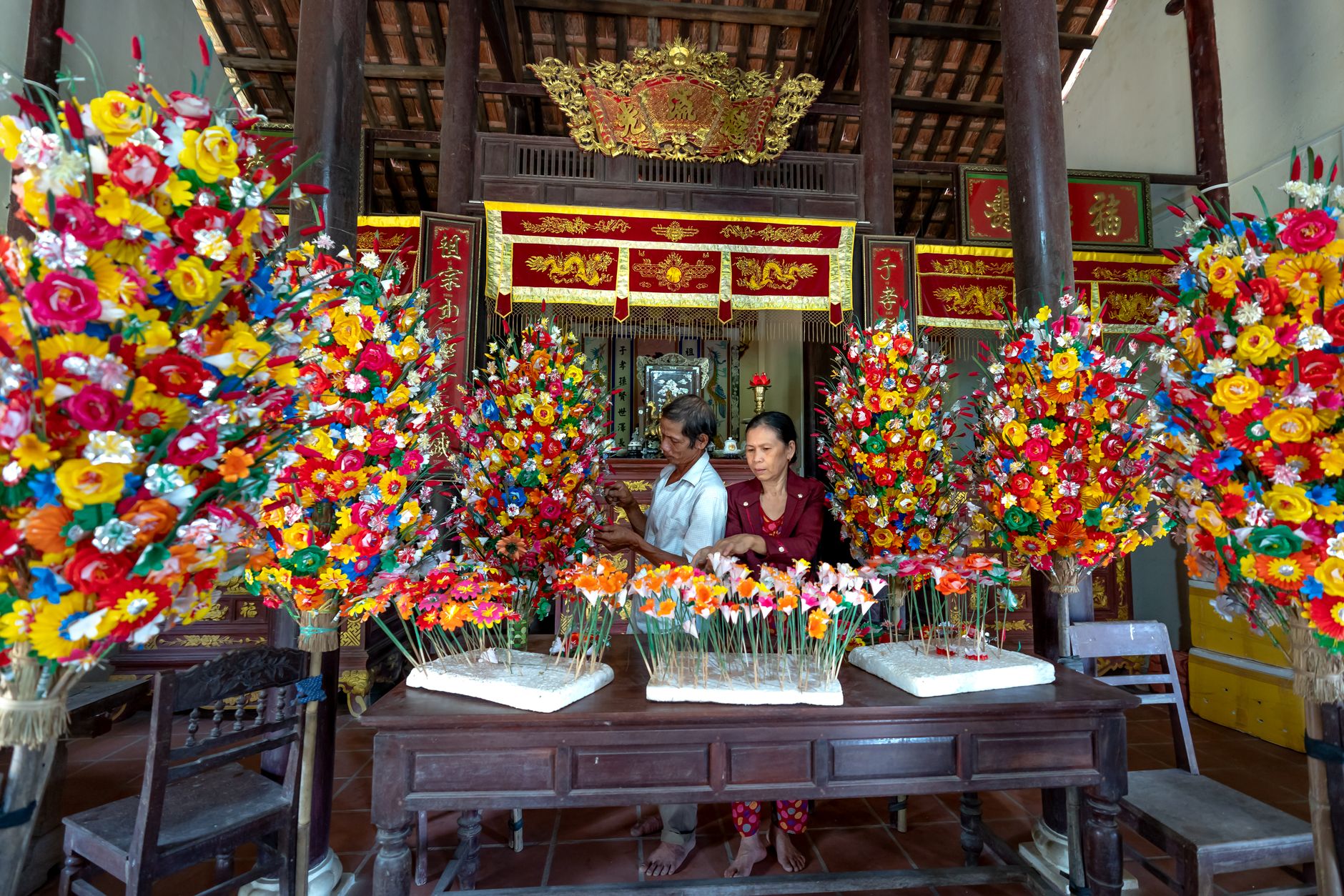 Premium Flower Bouquets
 Premium Sparkling Wine
 Ring Presentation Trays
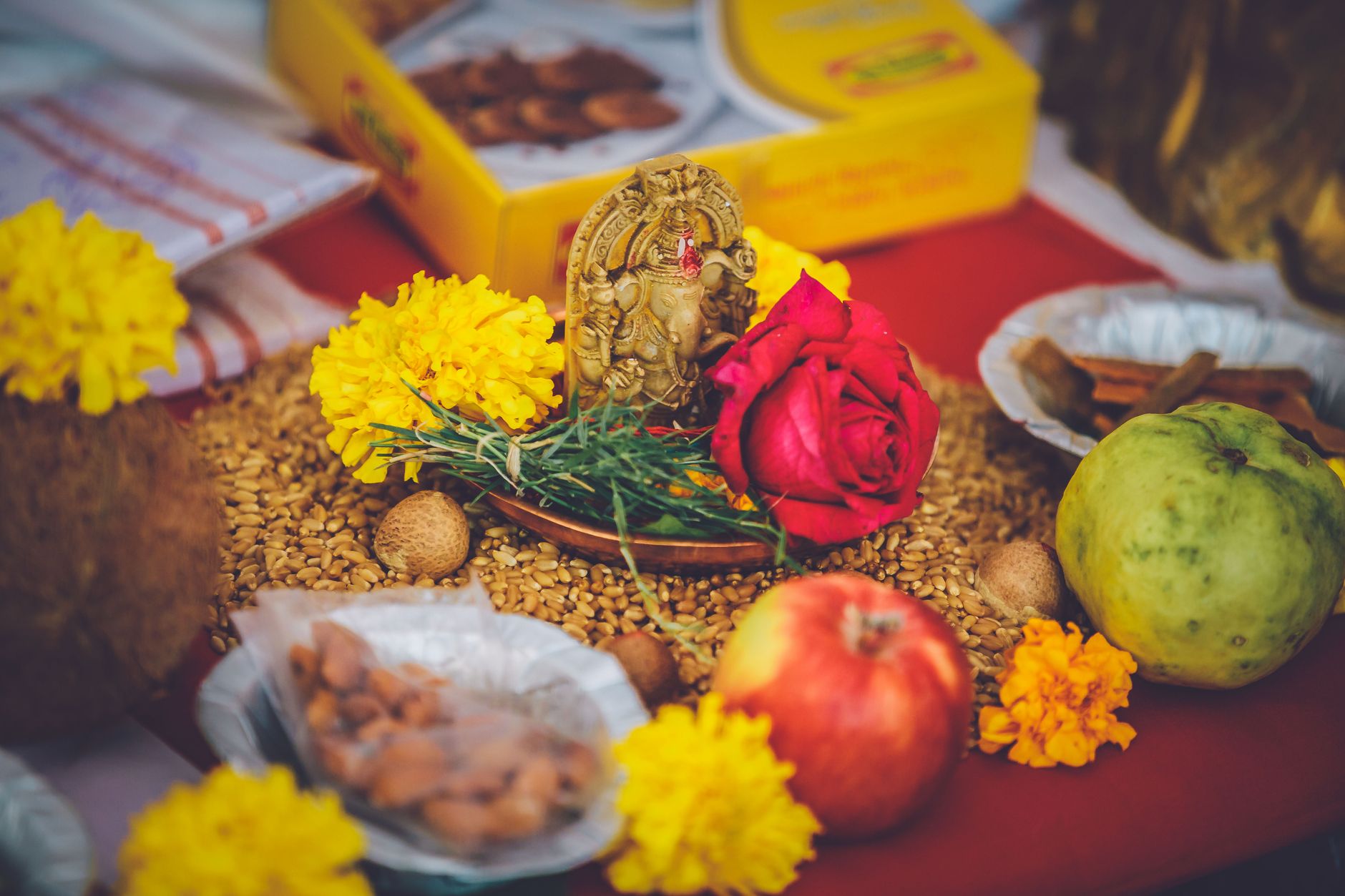 Sacred Ceremony Kit
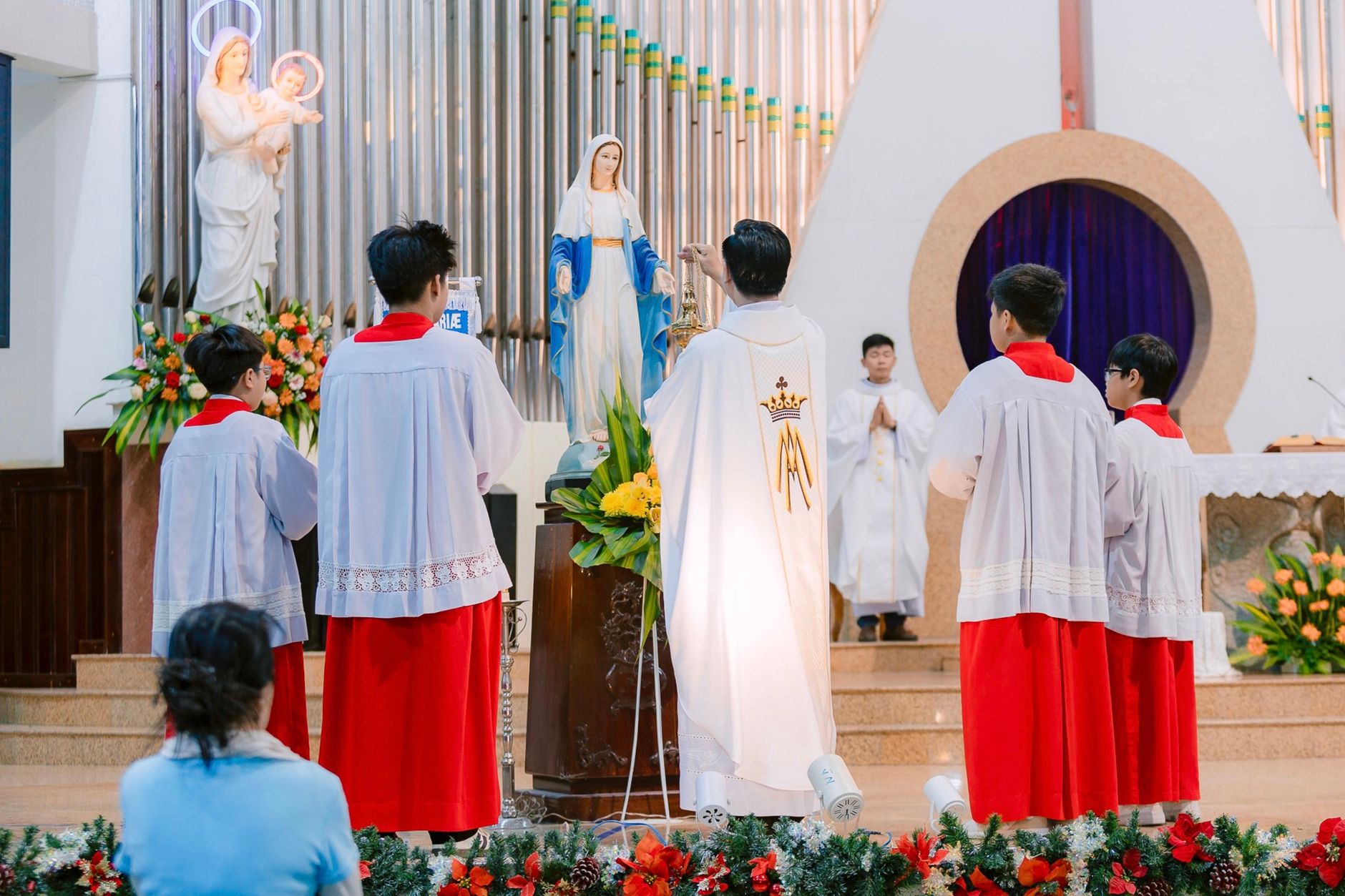 Sacred Vocal Ensemble
 Silver Souvenir Collection
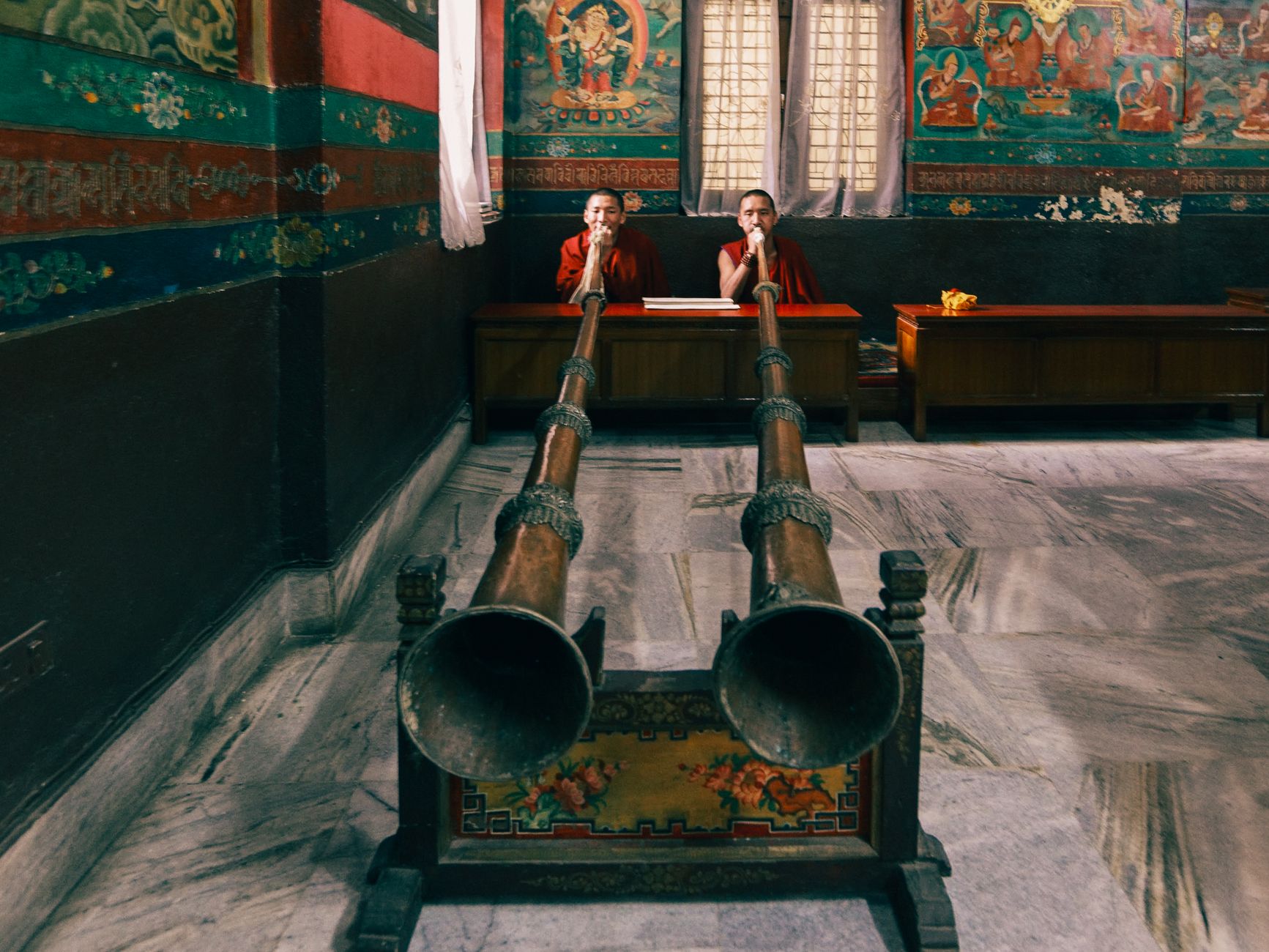 Spiritual Music Ensembles
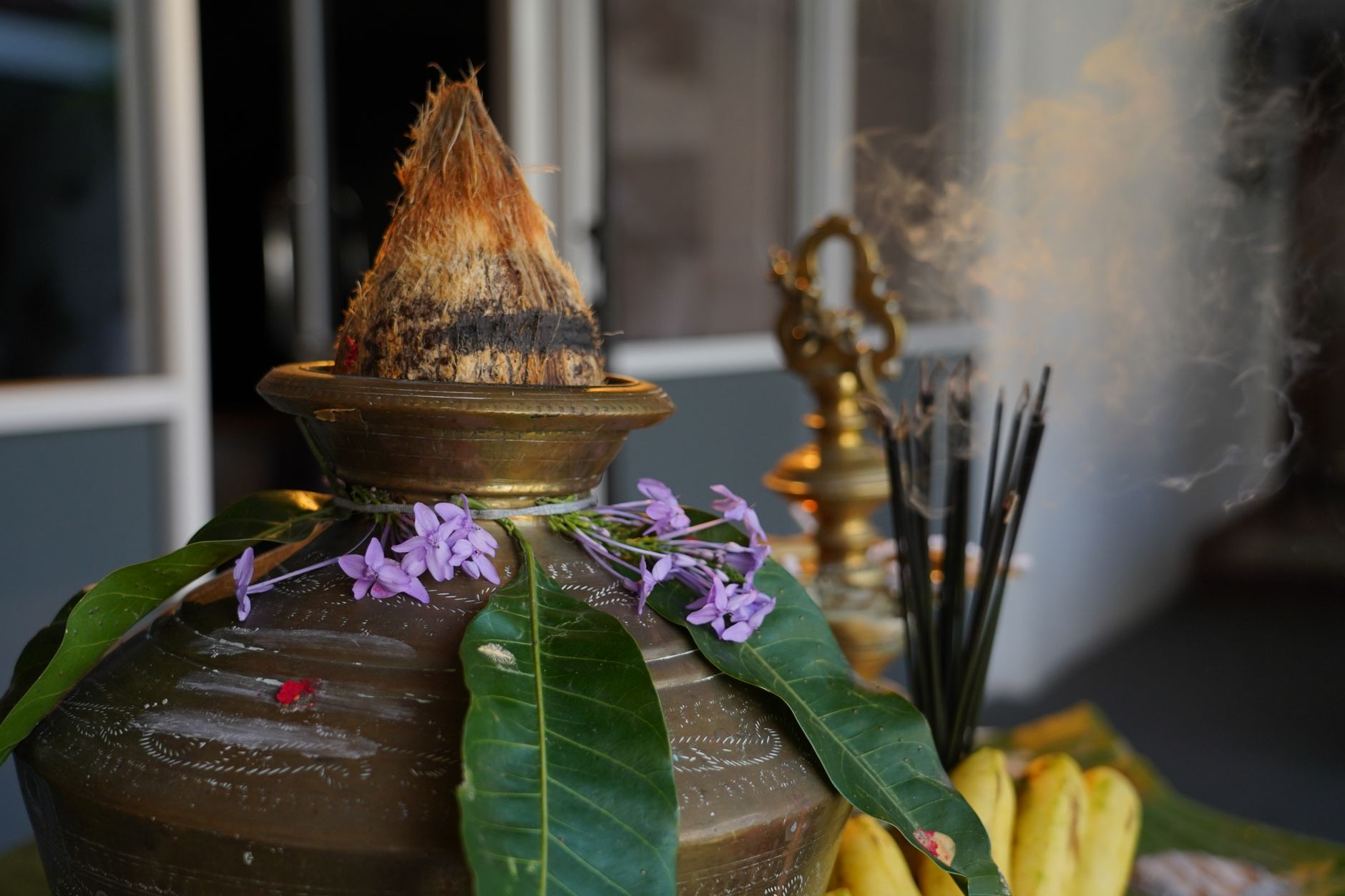 Tamil Kalyanam Ritual Articles
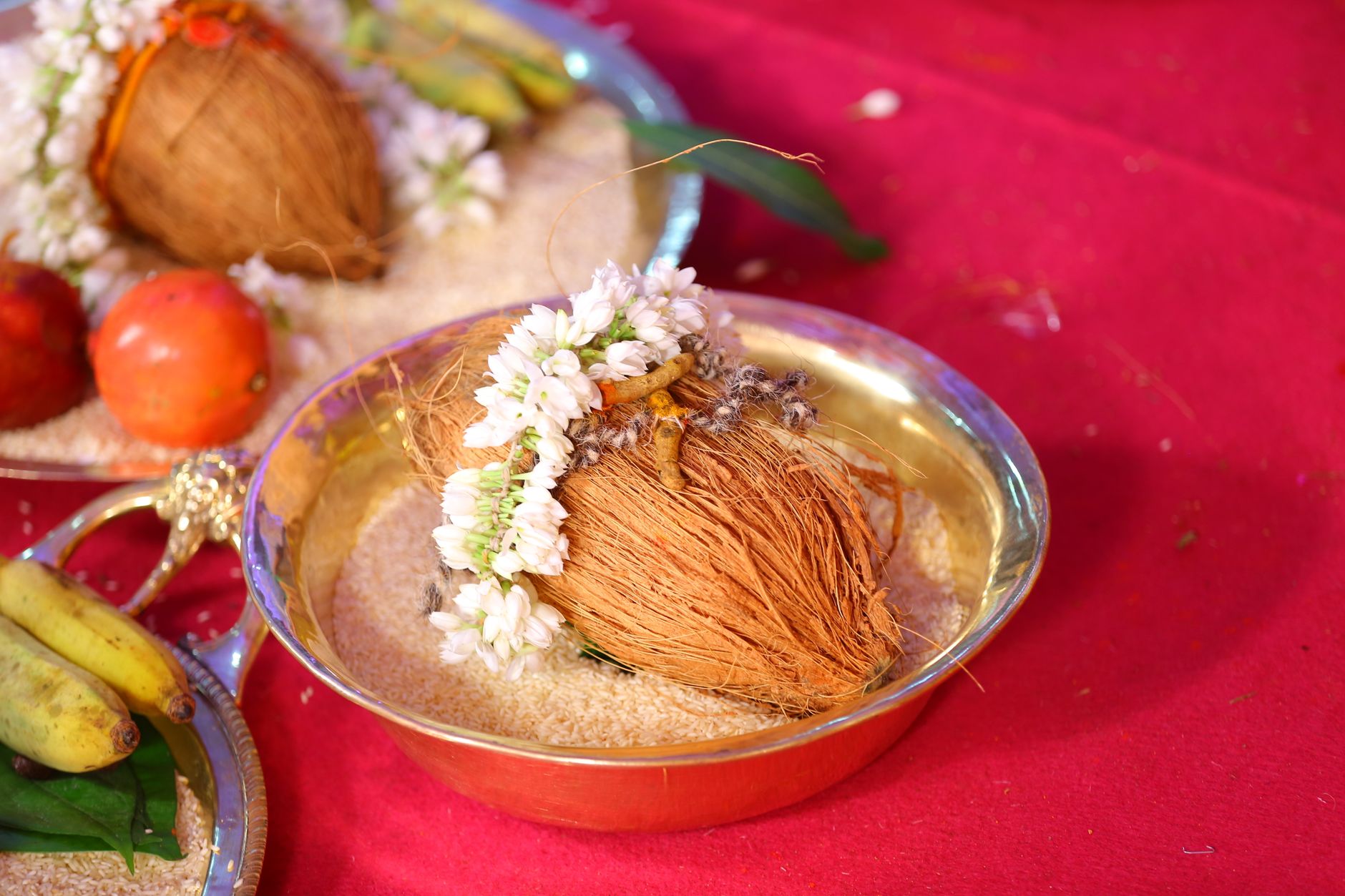 Telugu Pelli Ritual Articles
 Traditional Gujarati Marriage Items
- 400+Curated Events
- 6Event Universes
- 1000+Verified Vendors
- 70+Locations
- 24/7Customer Support


Not sure which packages fits your celebration?
Let Hiya & Hanu help you find the perfect match!
Explore Celebration Packages- AI-Powered MatchingSmart suggestions for you
- Budget OptimizerGet the best experiences in your budget
- End-to-End SupportWe are with you at every step
Serving Celebrations across 75+ locations in India
Popular Sacred Ceremony Services for Meaningful Family Spiritual Celebrations
◆What Makes Sacred Ceremony Services Meaningful
Sacred ceremonies often bring families together around faith, gratitude, tradition and important milestones. The occasion may involve prayers, blessings, cultural rituals, family gatherings or spiritual observances. While the central ceremony is the most important element, thoughtful organisation can make the entire experience more comfortable and meaningful for guests.
Popular sacred ceremony services can help families coordinate the practical aspects surrounding these occasions. Depending on the celebration, support may include venue planning, decoration, catering, photography, specialist religious services and event coordination.
The right approach begins by understanding the purpose of the gathering. A family blessing may require a different atmosphere from a larger religious celebration or cultural ceremony. Identifying the essential traditions first makes it easier to select appropriate services.
Planning Around the Purpose of the Occasion
Every sacred gathering has its own meaning. Some ceremonies celebrate family milestones, while others honour religious dates, express gratitude or bring generations together.
Before making arrangements, consider the ceremony's purpose, expected attendance, preferred setting and traditions that must be followed. This information creates a useful foundation for selecting suppliers and preparing a practical event schedule.
Trusted spiritual event planning should keep the spiritual purpose at the centre of the occasion. Decorative and hospitality choices should complement the ceremony rather than compete with it.
Choosing the Right Ceremony Services
Popular sacred ceremony services can vary considerably depending on the type and scale of the occasion. Smaller family gatherings may need only a suitable venue, simple decoration and ceremonial support. Larger events may require catering, photography, guest management and several specialist suppliers.
When comparing services, look beyond appearance and price. Consider experience, reliability, communication, availability and understanding of the relevant traditions. Suppliers should be comfortable working within the requirements of a sacred event.
A clear service list can prevent unnecessary spending and ensure that essential arrangements are completed first.
Finding a Suitable Venue
The venue plays an important role in creating the right atmosphere. Depending on the ceremony, families may choose a place of worship, community hall, private residence, cultural venue or another appropriate location.
Check capacity, accessibility, parking, seating, washroom facilities and weather protection. Also confirm whether the venue permits the specific rituals, decorations, catering or photography required.
For larger gatherings, guest movement should be considered carefully. There should be enough space for the ceremony, seating, preparation and hospitality without making the setting feel crowded.
Creating Respectful Sacred Décor
Sacred ceremony decoration should enhance the setting while preserving its sense of respect. Flowers, traditional fabrics, lamps, natural materials and understated backdrops can help create an inviting environment.
Traditional colours and symbols may carry particular significance, so families should discuss these choices with knowledgeable relatives or religious advisers when appropriate.
A coordinated design can extend from the entrance to the ceremonial area and guest seating. However, excessive decoration may distract from the central ritual. Simple, purposeful styling often creates a more timeless result.
Religious and Cultural Considerations
Many sacred celebrations include customs that need to be followed precisely. Religious leaders, priests, officiants or cultural specialists can provide guidance on ceremony order, timings, required materials and appropriate participation.
Families should confirm these requirements early. This gives decorators, caterers and other suppliers enough information to plan around the ceremony.
Trusted spiritual event planning should also respect differences between families. Even when two occasions follow the same broad tradition, individual families may have their own customs and preferences.
Catering for Sacred Gatherings
Food and hospitality can play an important role in family spiritual gatherings. Menus should reflect religious practices, cultural preferences and dietary requirements.
Discuss the menu, preparation methods, serving arrangements and timing with the caterer well before the event. If the ceremony has specific food-related traditions, ensure the catering team understands them clearly.
For larger gatherings, buffet stations or organised table service can make hospitality easier to manage. Water and refreshments should also be readily available, particularly when guests are attending for several hours.
Photography and Event Memories
Sacred occasions often create important family memories, making photography a valuable service. However, photographers should understand that some parts of a ceremony may require quiet observation or restricted movement.
Before the event, identify important family photographs and key moments that should be captured. This may include group portraits, ceremonial details, venue styling and family interactions.
A professional photographer can document the celebration without allowing photography to interfere with the spiritual atmosphere.
Music and Appropriate Entertainment
Music can support the atmosphere when it is suitable for the ceremony and cultural setting. Devotional music, instrumental performances or traditional musical elements may be appropriate for some occasions.
Entertainment should always be planned around the nature of the celebration. During sacred proceedings, sound levels should remain respectful. Music can instead be incorporated during guest arrival, hospitality periods or the transition after the main ceremony where appropriate.
Coordinating Different Suppliers
One of the most useful aspects of professional event support is supplier coordination. A sacred celebration may involve a venue, decorator, caterer, photographer, religious specialist and other service providers.
Each supplier should receive clear information about arrival times, access, set-up requirements and responsibilities. A shared schedule reduces confusion and helps everyone understand how their work fits into the wider occasion.
A dedicated coordinator can also help resolve practical issues while family members remain focused on participating in the ceremony.
Making Guests Feel Comfortable
Sacred gatherings often bring together people of different ages and backgrounds. Guest comfort should therefore be considered alongside ceremonial requirements.
Provide appropriate seating, clear directions and convenient facilities. Older guests may appreciate easy access and shorter walking distances, while families with children may benefit from a flexible seating arrangement.
For longer occasions, allow sufficient time for guests to move between different parts of the event. Clear communication about timings can also help people arrive prepared.
Adding Personal Family Details
Personal touches can make a sacred celebration feel more connected to the family. These may include meaningful flowers, family photographs, traditional keepsakes, personalised invitations or a display of important family items.
Personalisation should complement rather than alter essential customs. The aim is to create a setting that reflects the family while preserving the integrity of the ceremony.
Popular sacred ceremony services can be adapted to different family preferences, allowing traditional elements and practical modern touches to work together naturally.
Managing the Event Budget
A realistic budget should account for essential ceremony requirements before optional enhancements are considered. Venue costs, religious services, decoration, catering, photography, transport and coordination may all need to be included.
Request detailed quotations and check whether delivery, set-up, staffing, overtime and cleaning are included. Comparing suppliers based on value and reliability rather than price alone can help families make better decisions.
Trusted spiritual event planning can also make budgeting easier by identifying priorities and reducing unnecessary duplication between suppliers.
Preparing a Practical Timeline
A detailed schedule helps the occasion run smoothly. Include supplier arrival, venue preparation, decoration, guest arrival, ceremony timings, photography, catering and closing arrangements.
Allow small buffers between activities. Family celebrations can involve unexpected delays, and a little flexibility can prevent minor issues from affecting the overall experience.
Share the final schedule with key suppliers and family members who have specific responsibilities.
Why Professional Support Can Help
Organising a sacred celebration can involve many small details. Professional support allows families to focus on the spiritual and family aspects while experienced coordinators manage practical requirements.
Popular sacred ceremony services become easier to arrange when venue, décor, catering, photography and specialist support are coordinated through a clear plan. This can also improve communication and reduce the risk of last-minute misunderstandings.
Creating a Meaningful Celebration
A successful sacred ceremony does not have to be elaborate. What matters most is that the gathering respects its traditions, welcomes its guests and reflects the meaning behind the occasion.
By combining thoughtful planning with appropriate services, families can create an atmosphere that feels peaceful, organised and personal. Every decision, from the venue and decoration to the catering and photography, should support the central purpose of the gathering.
Planning With Happiffie
Happiffie can help families explore suitable services for important celebrations and organise the practical elements around their special occasions. From venue and decoration considerations to catering, photography and event support, a coordinated approach can make planning more manageable.
When arranging popular sacred ceremony services, begin by defining the ceremony's purpose and identifying the traditions that matter most. Then select suitable suppliers, establish a clear schedule and communicate requirements early.
With careful preparation, families can create a sacred celebration that honours tradition while offering guests a comfortable and memorable experience.
Frequently Asked Questions
1. What are popular sacred ceremony services?
They are event services that support spiritual, religious or culturally significant gatherings. They may include ceremony coordination, venue arrangements, decoration, catering, photography and specialist religious support.
2. How do I choose services for a sacred ceremony?
Start by identifying the ceremony's purpose, traditions, guest numbers and venue requirements. Then select suppliers with suitable experience, reliability and understanding of the occasion.
3. What type of venue is suitable for a sacred ceremony?
Depending on the tradition, suitable venues may include places of worship, family homes, community spaces or dedicated event venues. Accessibility and ceremony requirements should be considered.
4. How should sacred ceremony decorations be planned?
Choose decoration that complements the spiritual setting without distracting from the ceremony. Traditional flowers, fabrics, lighting and meaningful details can create an appropriate atmosphere.
5. Is a religious specialist required for every sacred ceremony?
Not necessarily. Requirements depend on the faith, tradition and type of ceremony. Where specialist guidance is needed, families should involve an appropriate religious leader or officiant.
6. Can catering be included in sacred ceremony services?
Yes. Catering can be arranged around religious dietary requirements, cultural preferences and the timing of the ceremony. Requirements should be discussed with the caterer in advance.
7. Can photographers attend sacred ceremonies?
In many cases, yes, but photographers should understand any restrictions regarding movement, flash, specific rituals or sacred areas before the event.
8. How can I make a sacred ceremony personal?
Family photographs, meaningful flowers, traditional keepsakes, personalised invitations and carefully selected décor can add personal touches while preserving essential customs.
9. How can I keep sacred ceremony costs under control?
Set a clear budget, prioritise essential services, compare detailed quotations and confirm additional charges before booking suppliers. This helps prevent unexpected expenses.
10. How can Happiffie support sacred ceremony planning?
Happiffie can help families explore celebration services and coordinate practical requirements such as venues, décor, catering, photography and other event support.