

Explore All Religious Ceremonies
Discover traditional rituals, wedding ceremonies, spiritual occasions and meaningful cultural celebrations in Chennai, with trusted services to honour every tradition.
Give Thoughtfully,
Celebrate with Happiffie
From personalised gifts and curated collections to thoughtful presents for every occasion, Happiffie helps you discover gifting options that make celebrations more meaningful and memorable.
- Thoughtful Gift DiscoveryFind gifting options suited to every celebration and occasion
- Personalised GiftingDiscover customised gifts made to create meaningful moments
- Trusted Gift ProvidersConnect with reliable gifting professionals and service providers
Popular Religious Ceremonies
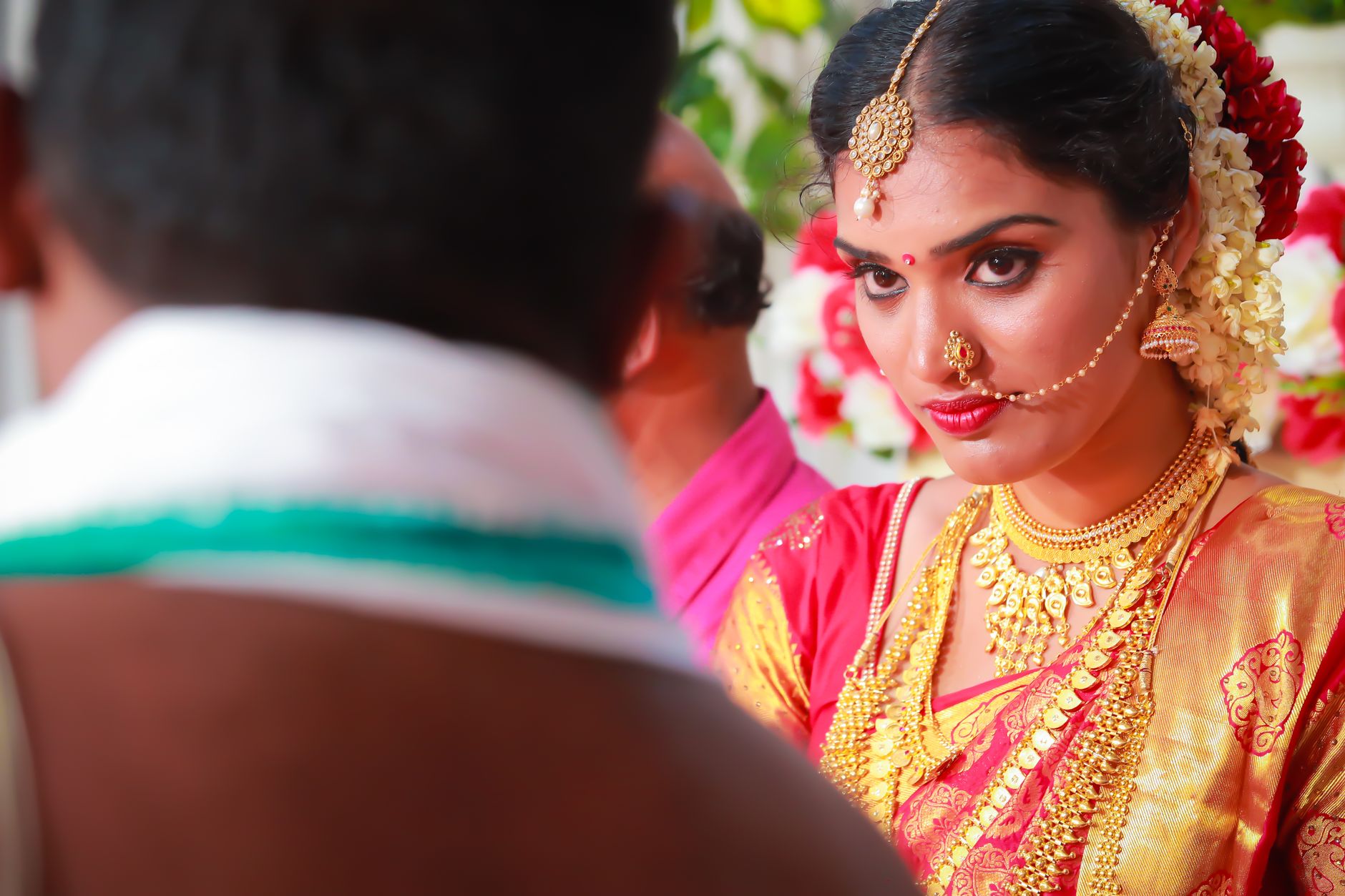 Authentic Malayalam Wedding Ritual Styling Services
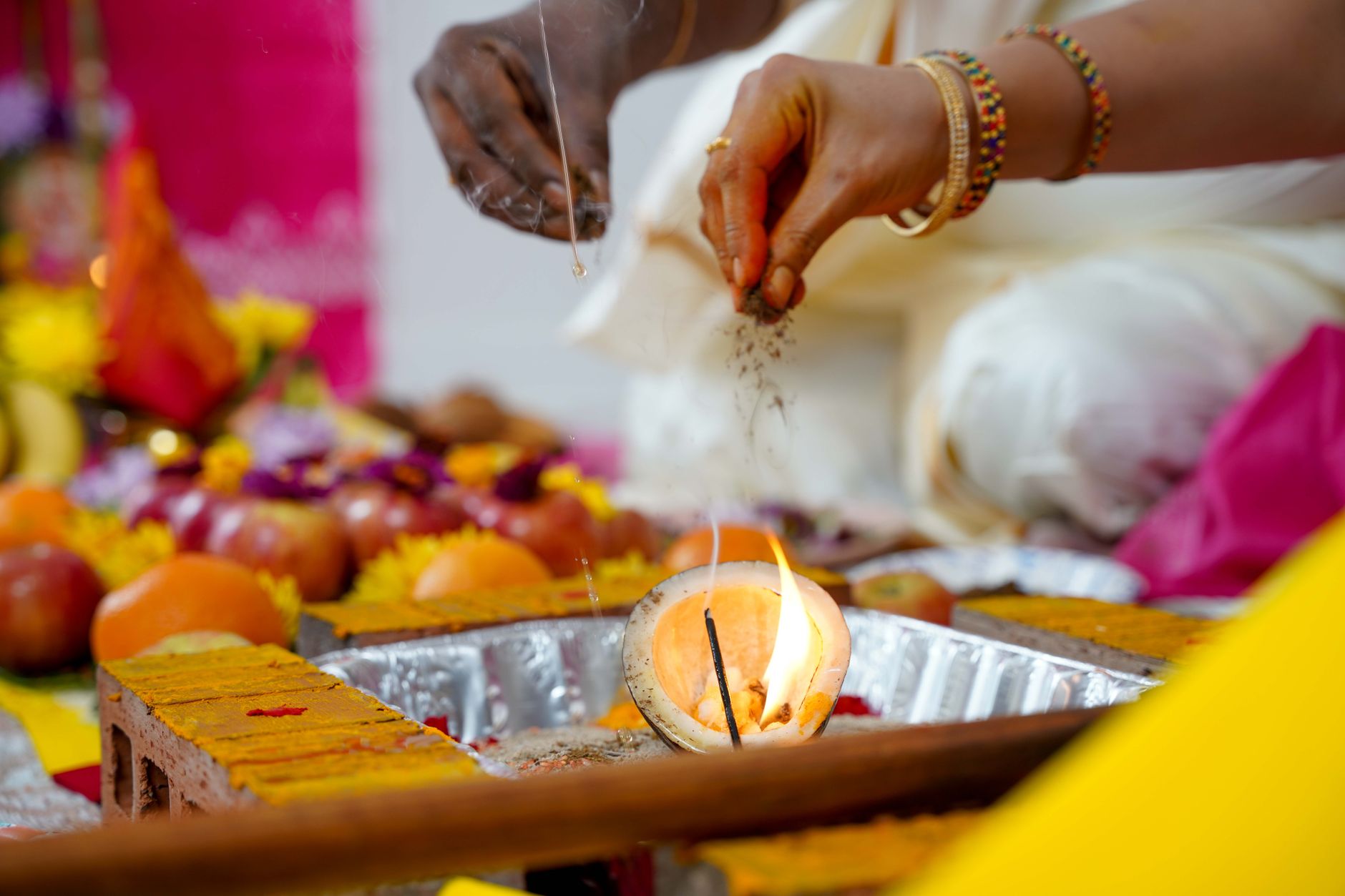 Certified Wedding Priest Services
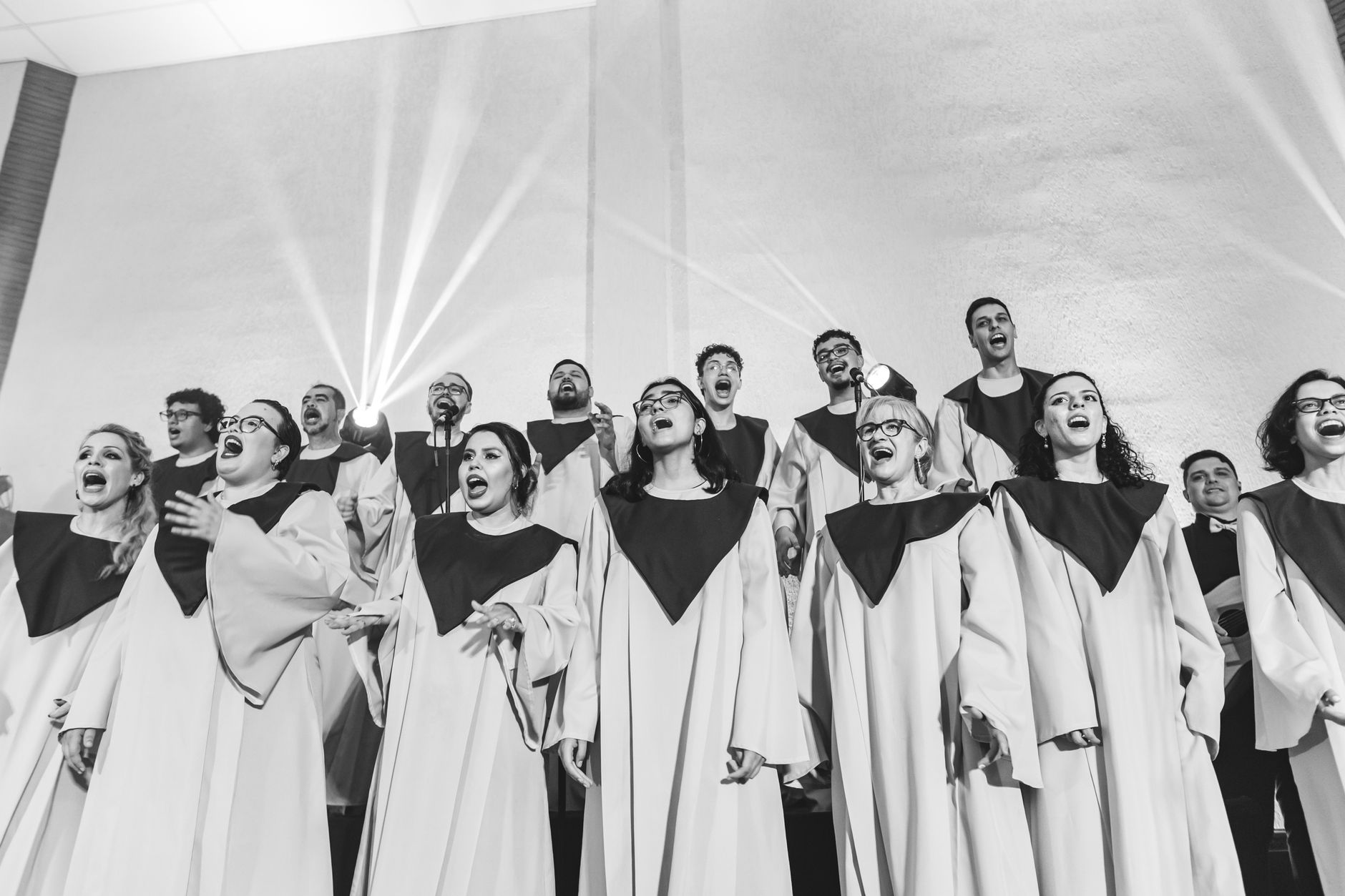 Christian Wedding Hymn Singers
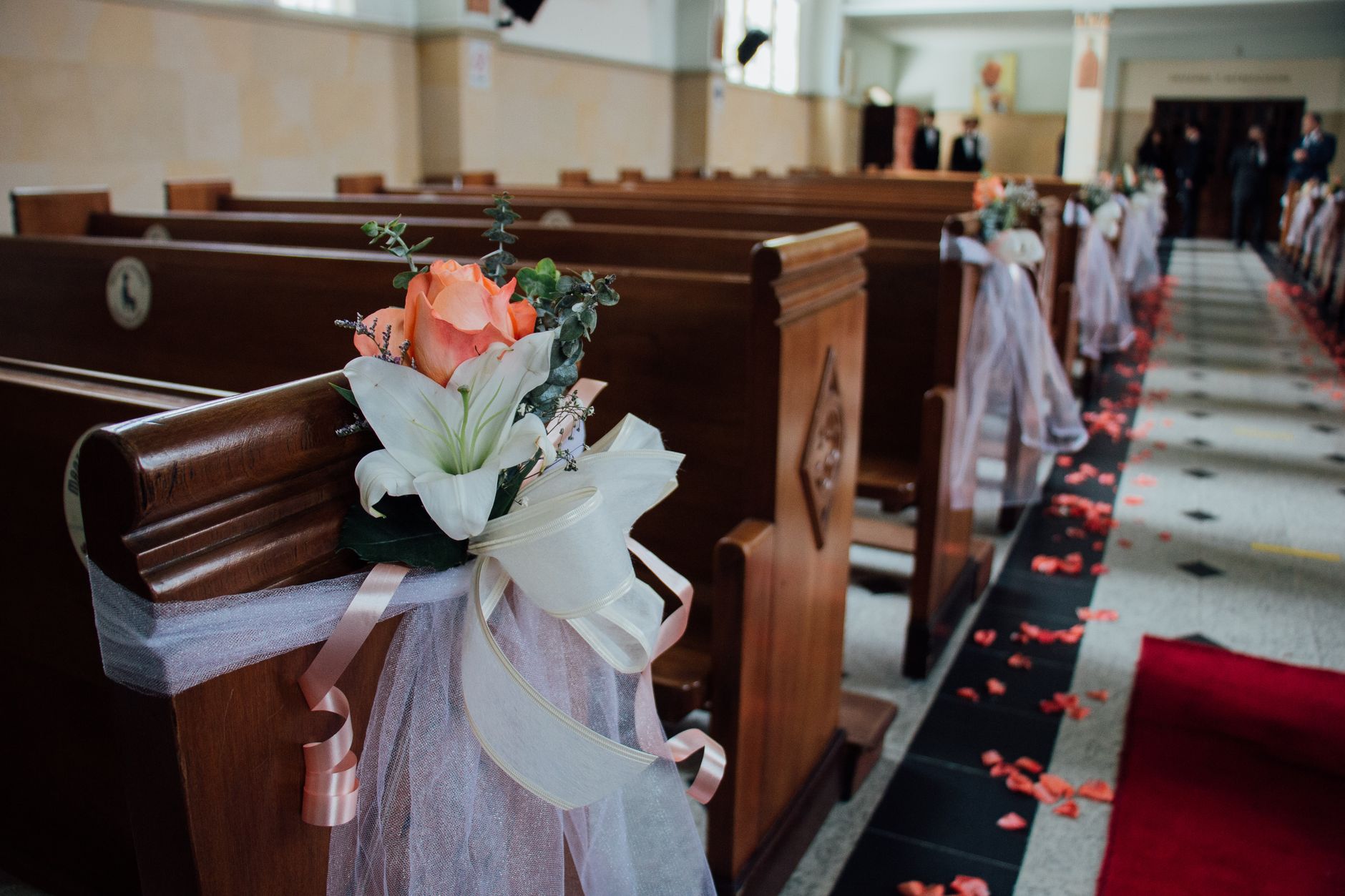 Church Marriage Officiant Services
 Designer Floral Boutonniere & Accessories
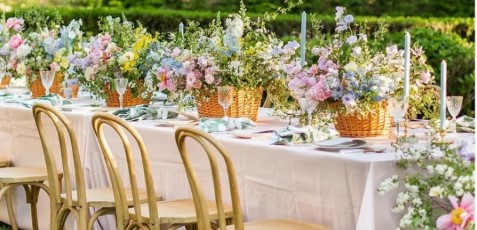 Elegant Ceremony Flower Baskets
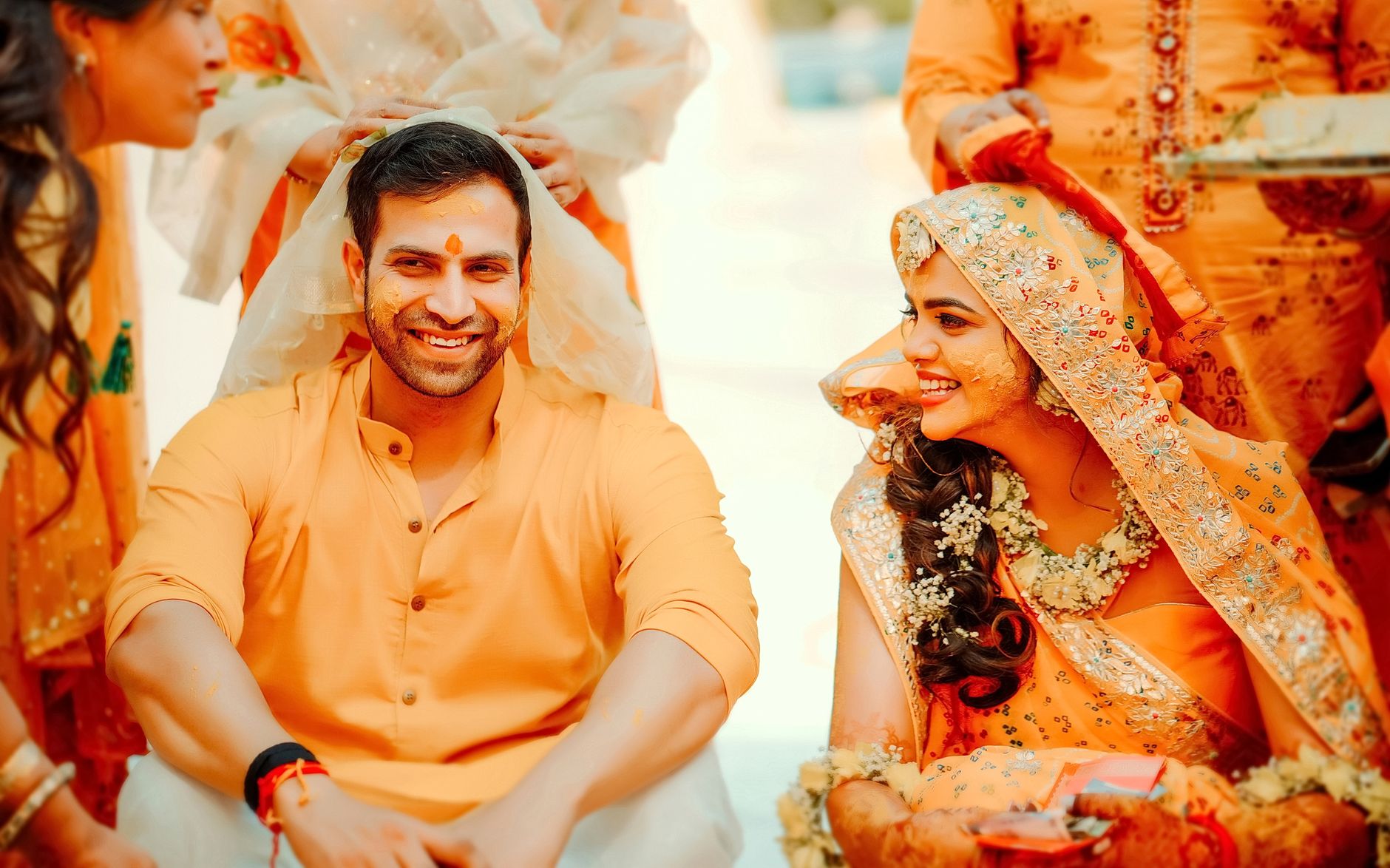 Expert Astrology & Muhurat Consultation
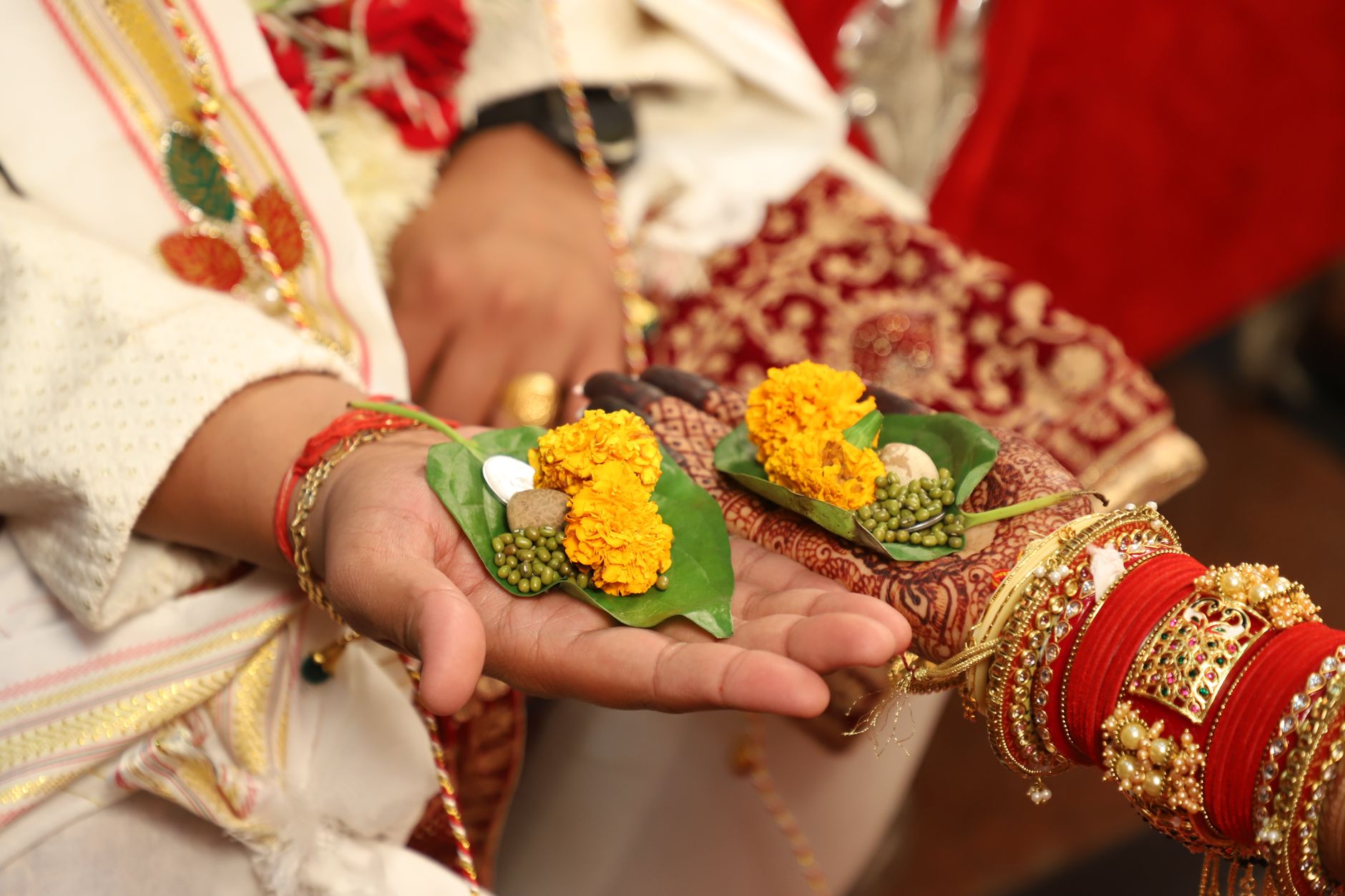 Gujarati Wedding Pooja Supplies
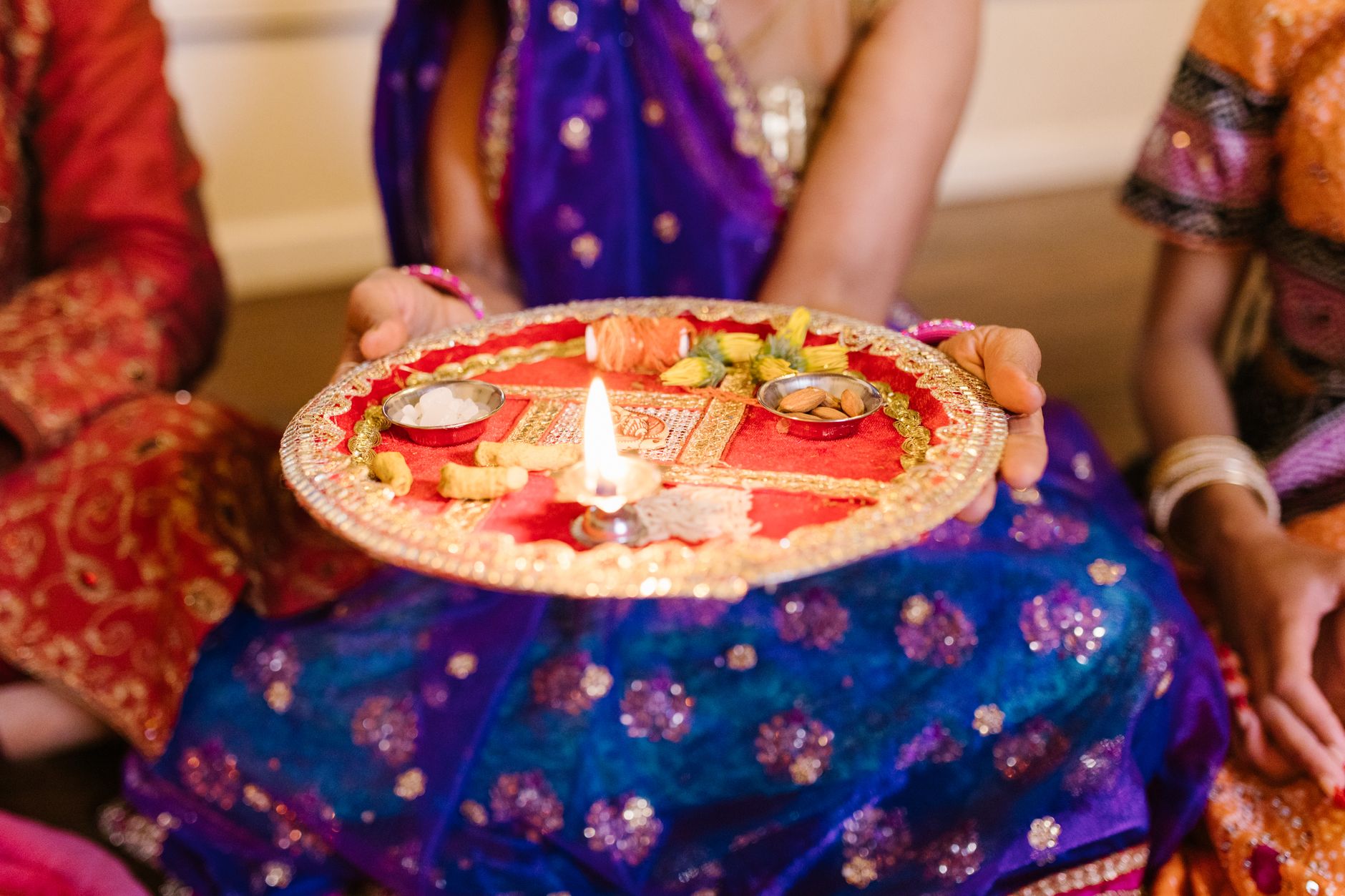 Heritage Aarthi Plate Collection
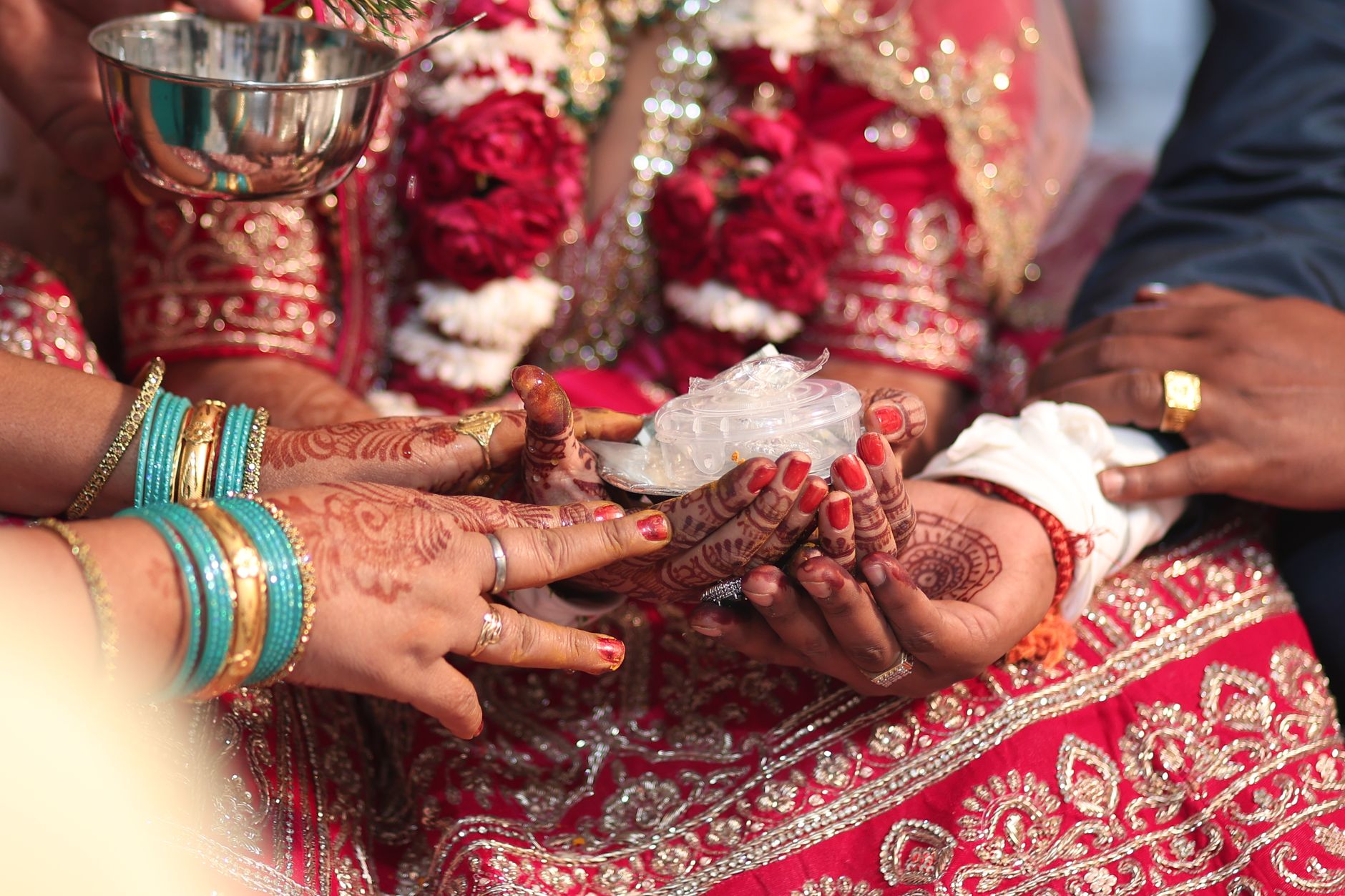 Heritage Addutera Ritual Setup
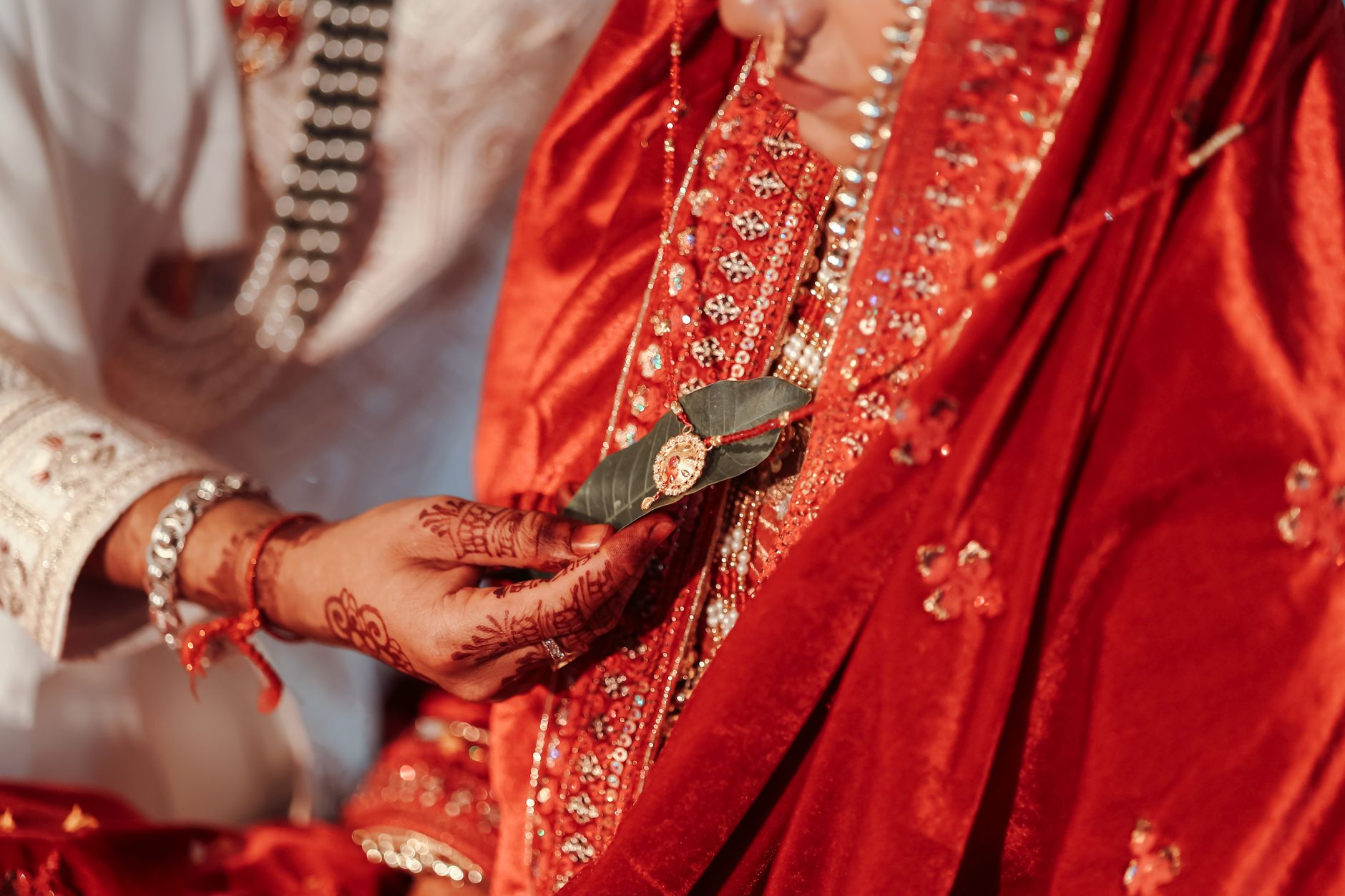 Heritage Brahmin Kasi Yatra Collection
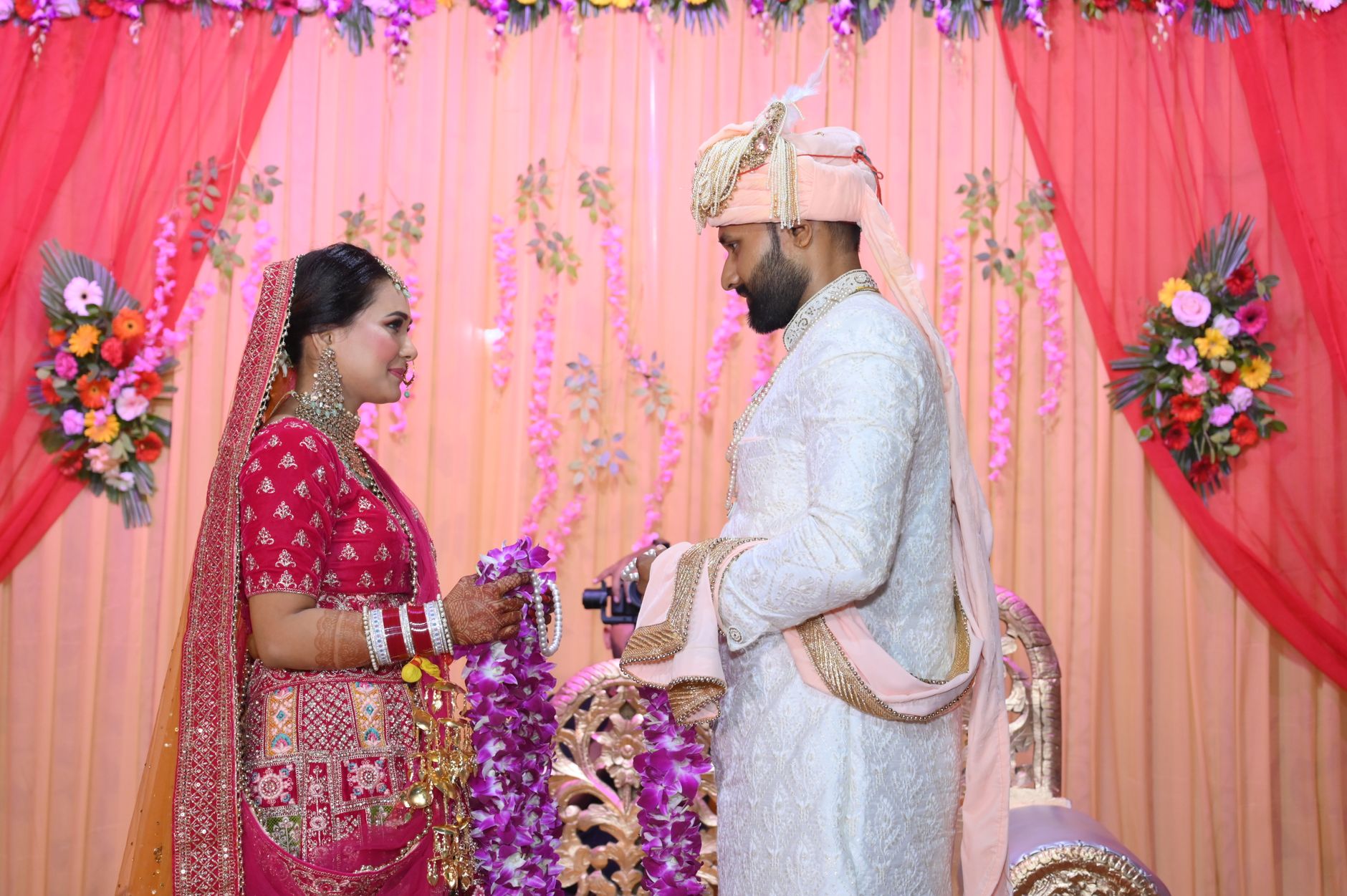 Heritage Jaimala Garland Services
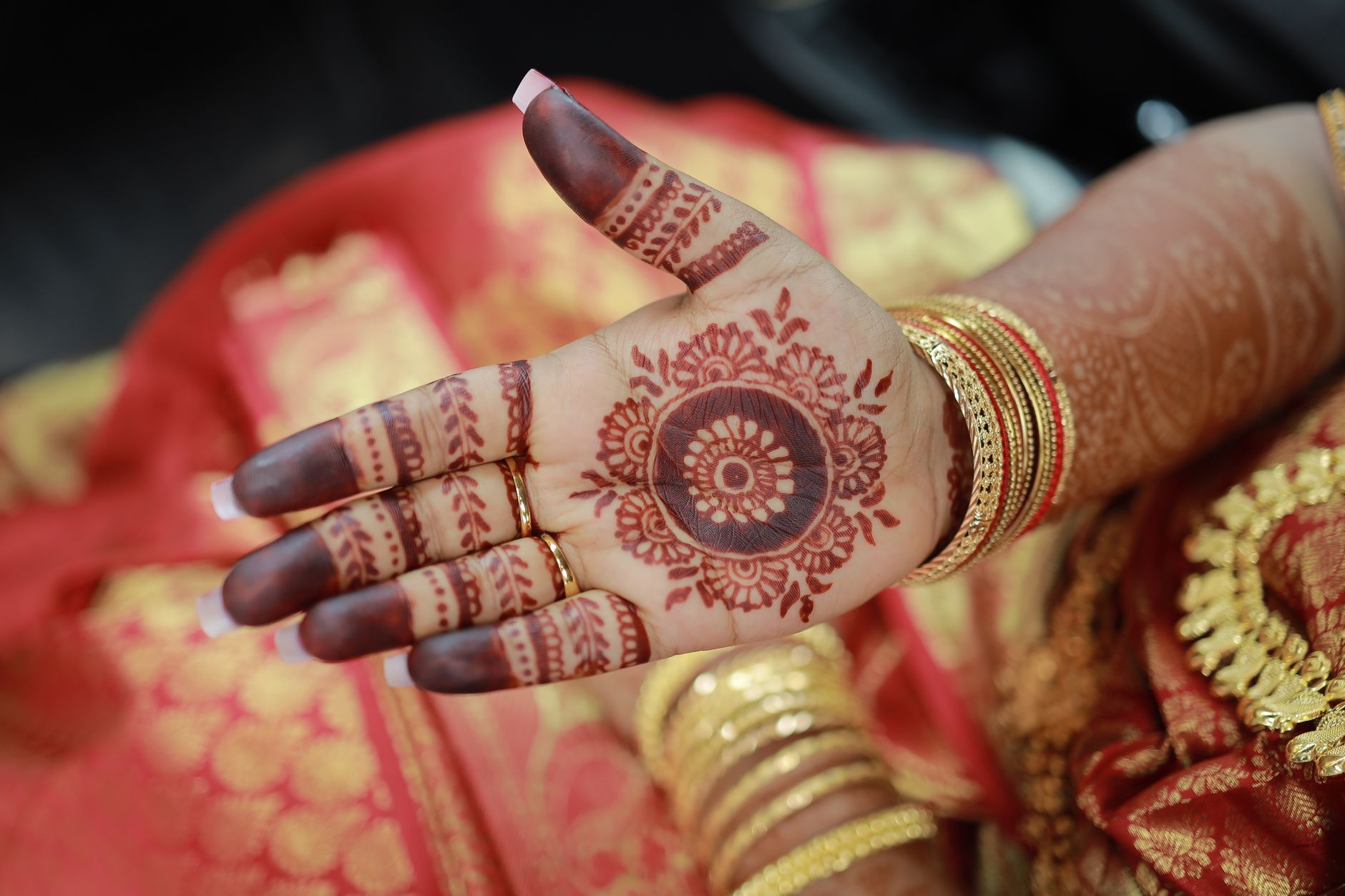 Heritage Kerala Wedding Thalam Setup
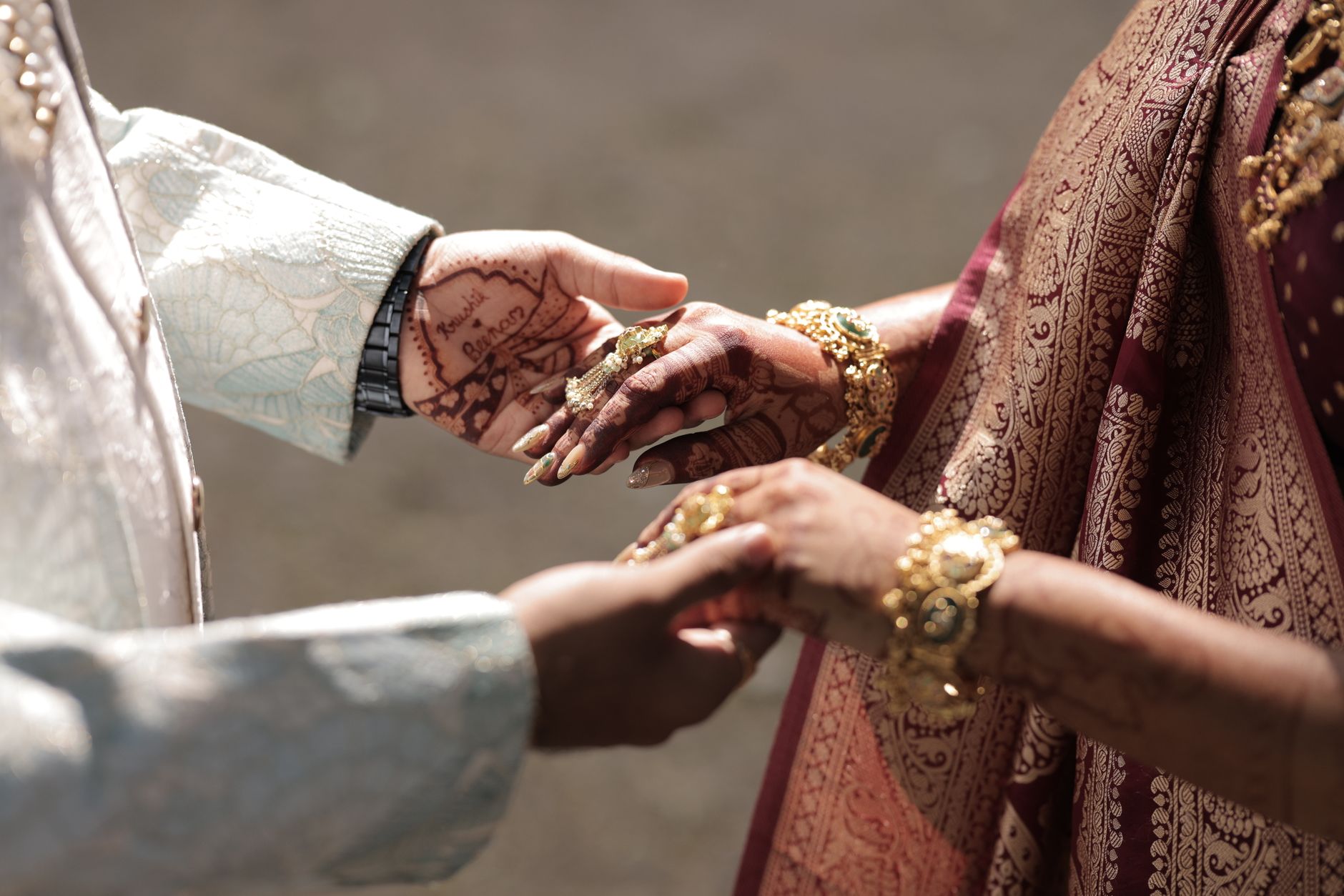 Heritage Pattu Pai Collection
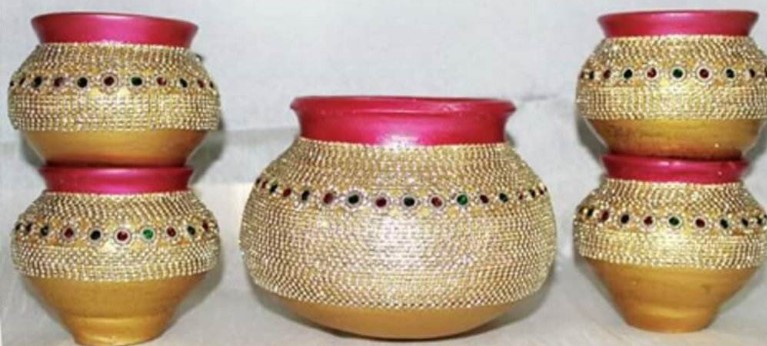 Heritage Telugu Ritual Pots
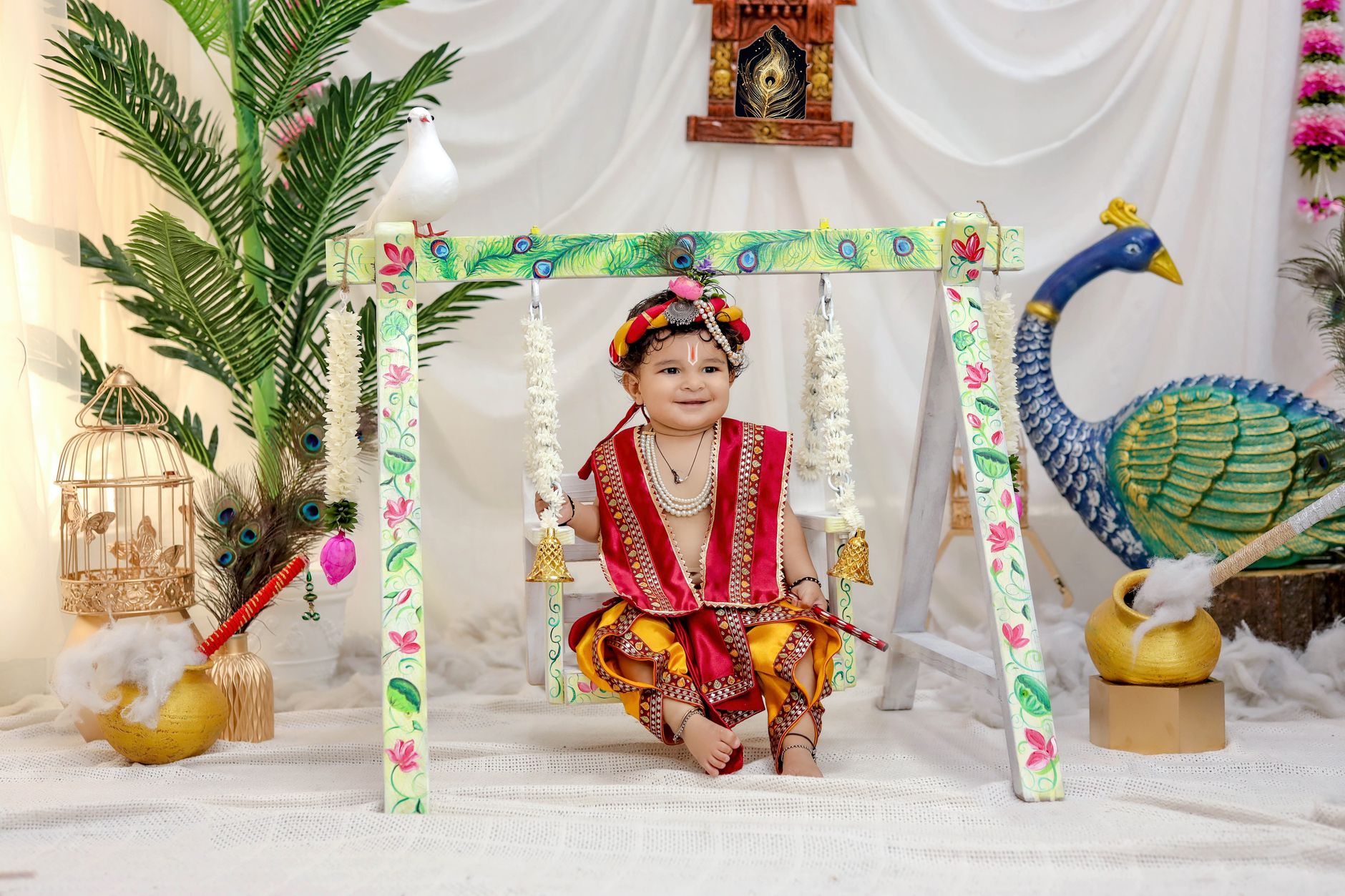 Heritage Wedding Unjal Ceremony
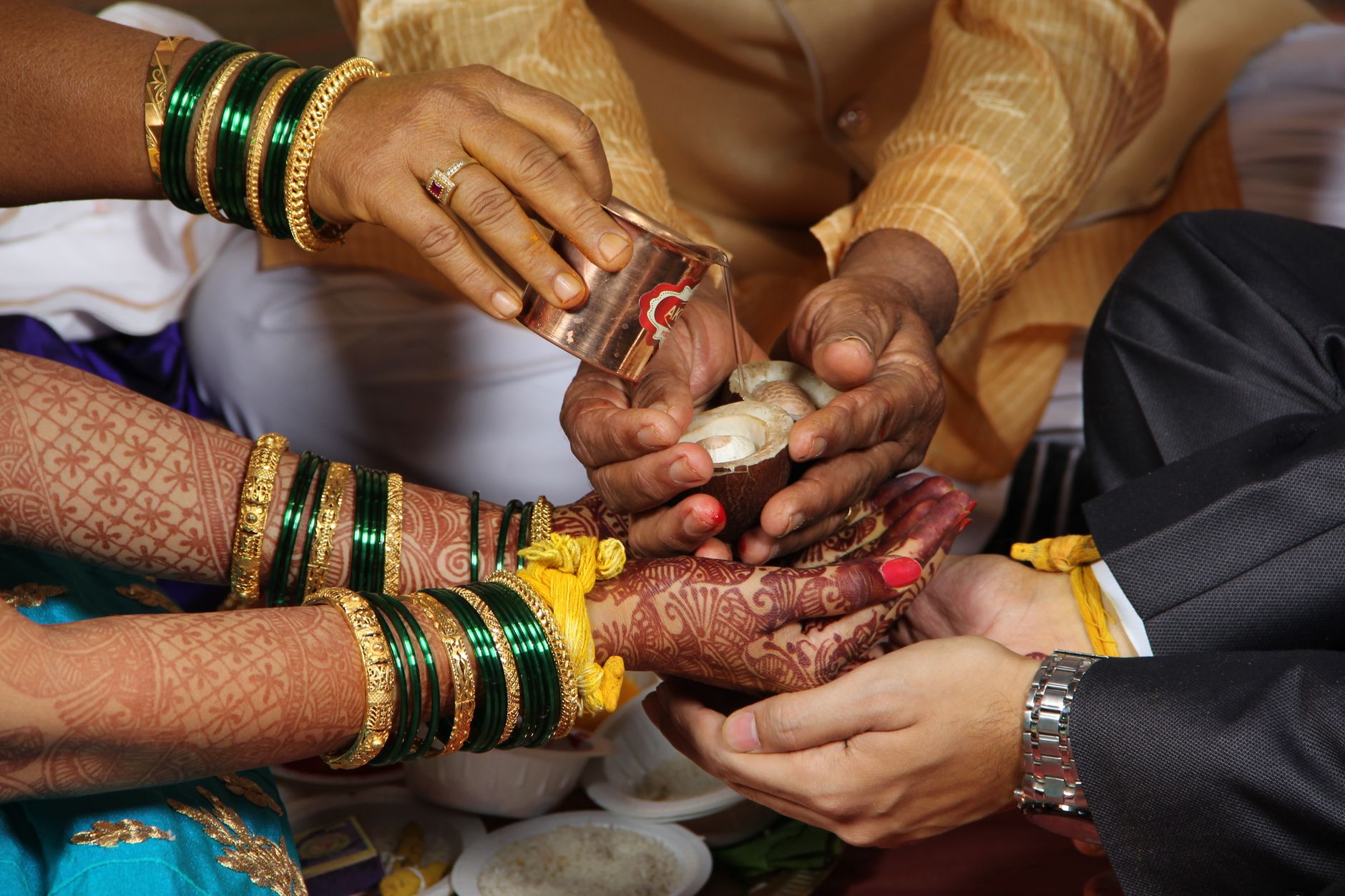 Jain Vivah Samagri Collection
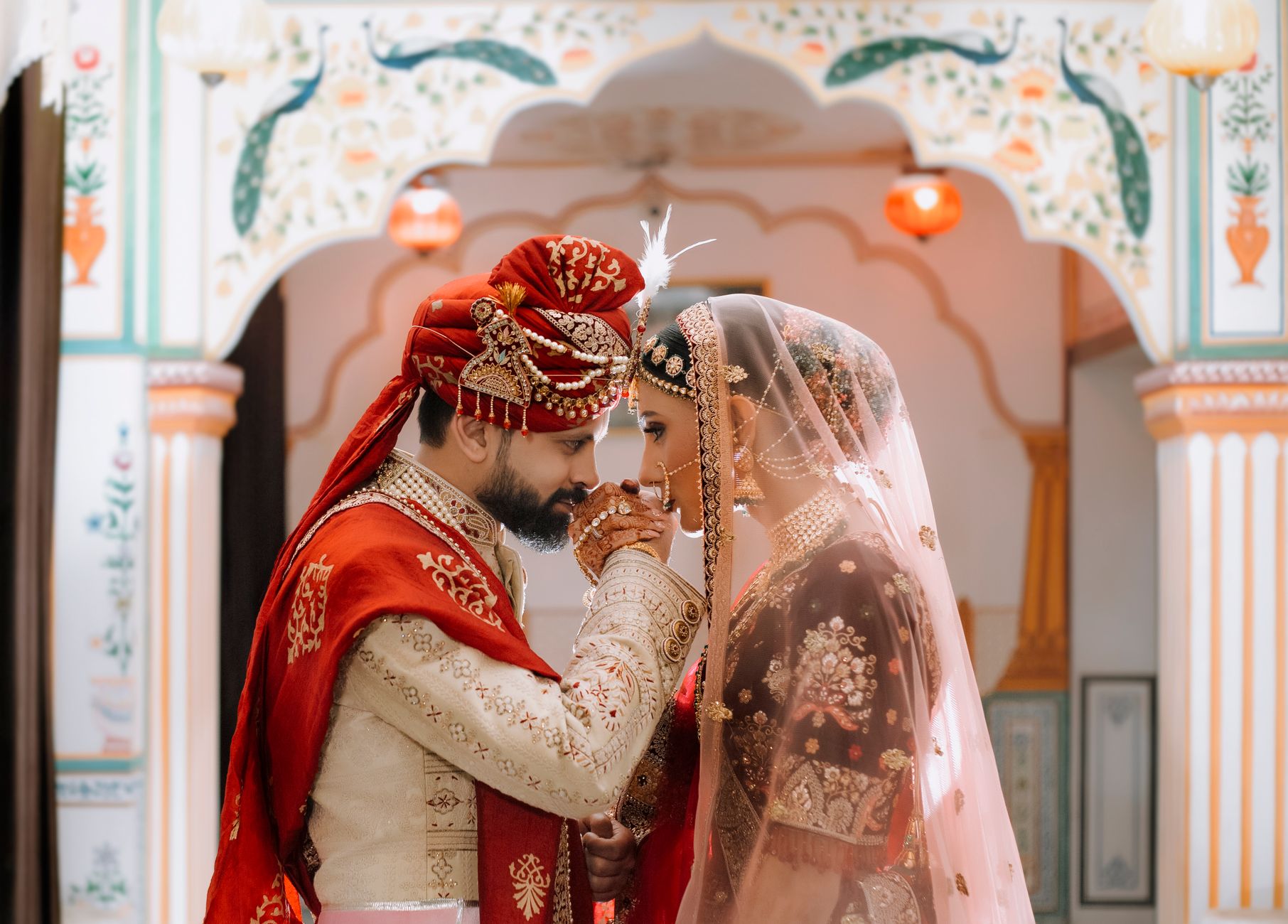 Karnataka Wedding Ceremony Essentials
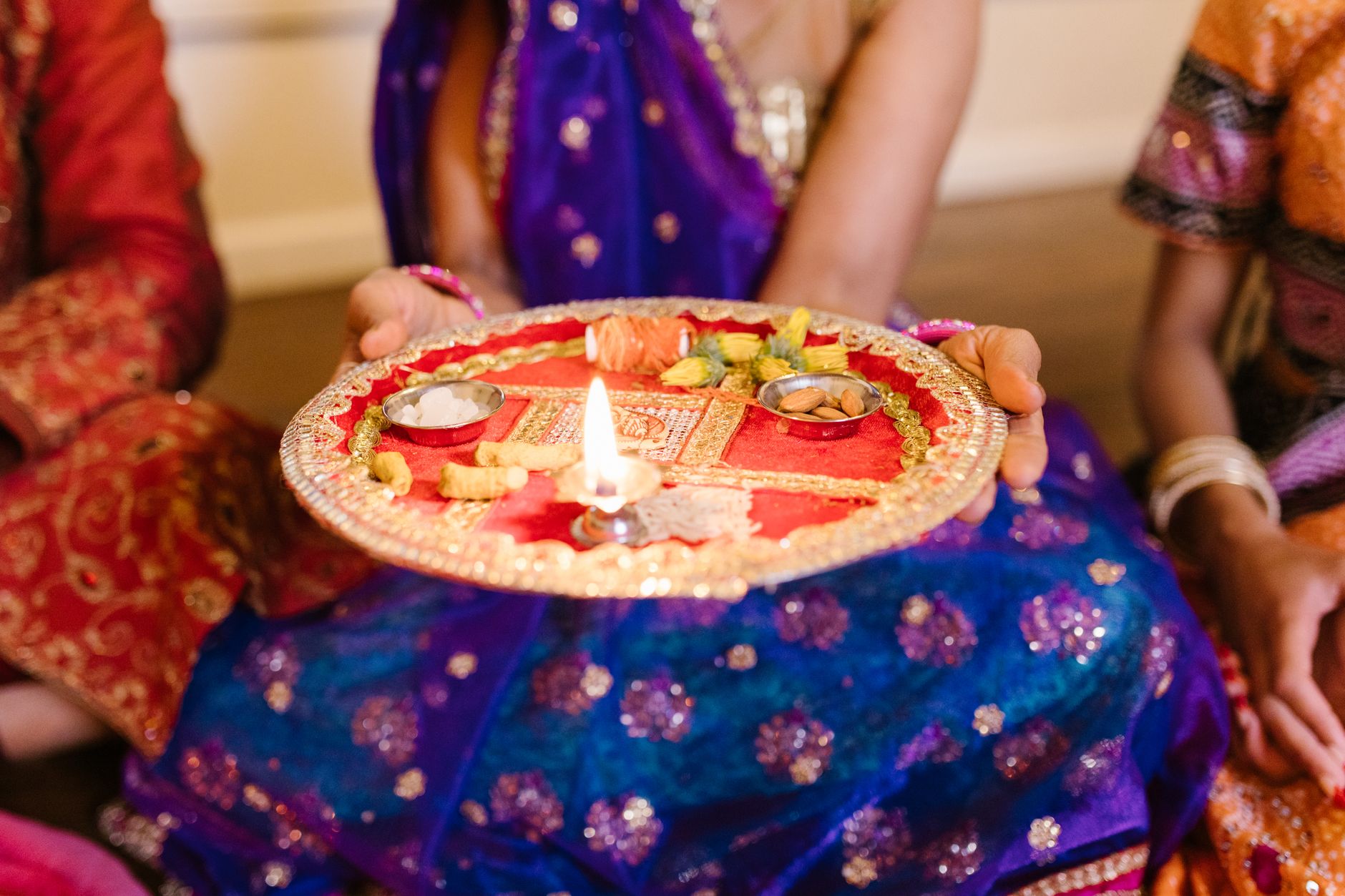 Luxury Brahmin Seer Collection
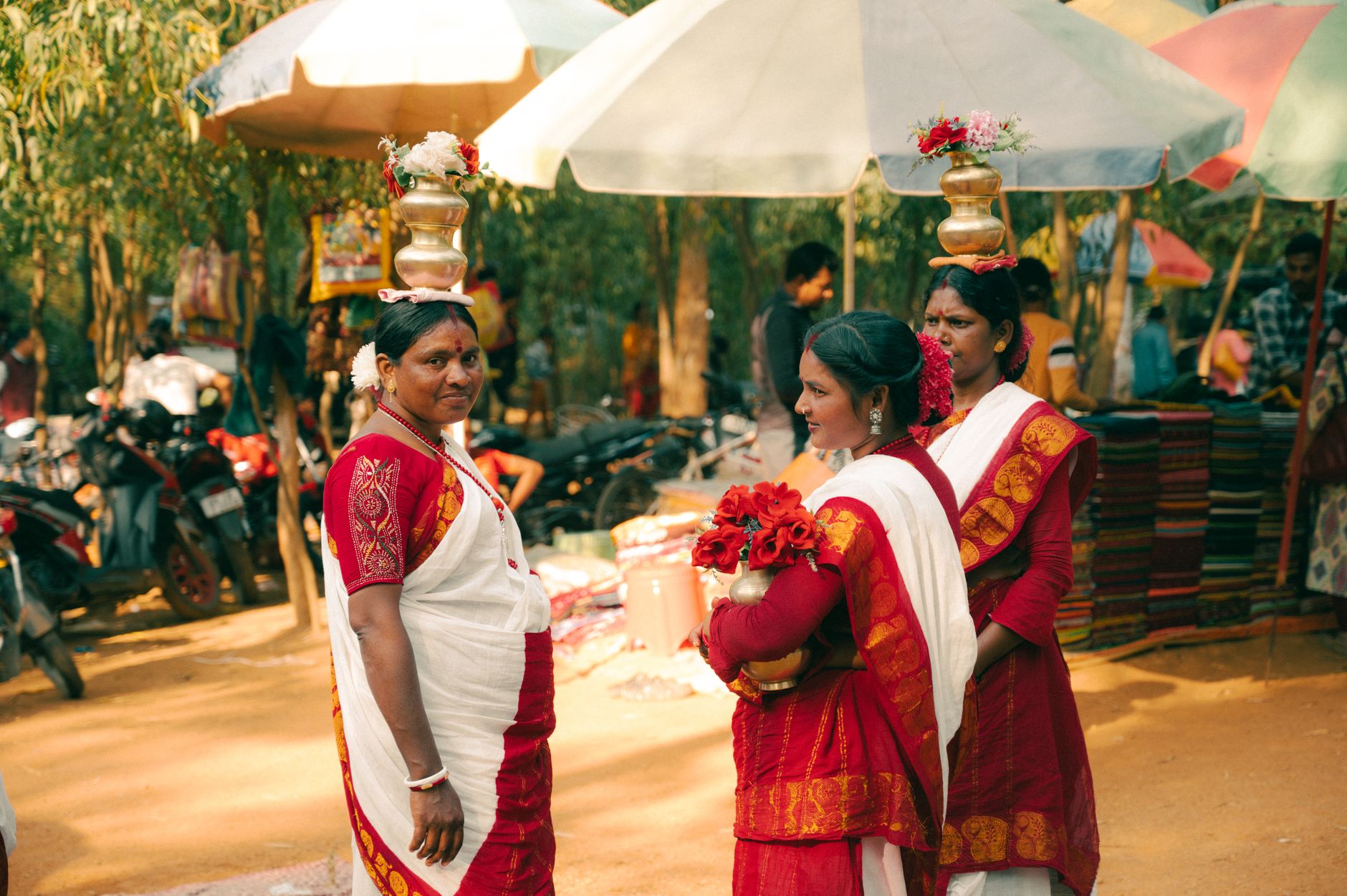 Luxury Kerala Wedding Umbrella Services
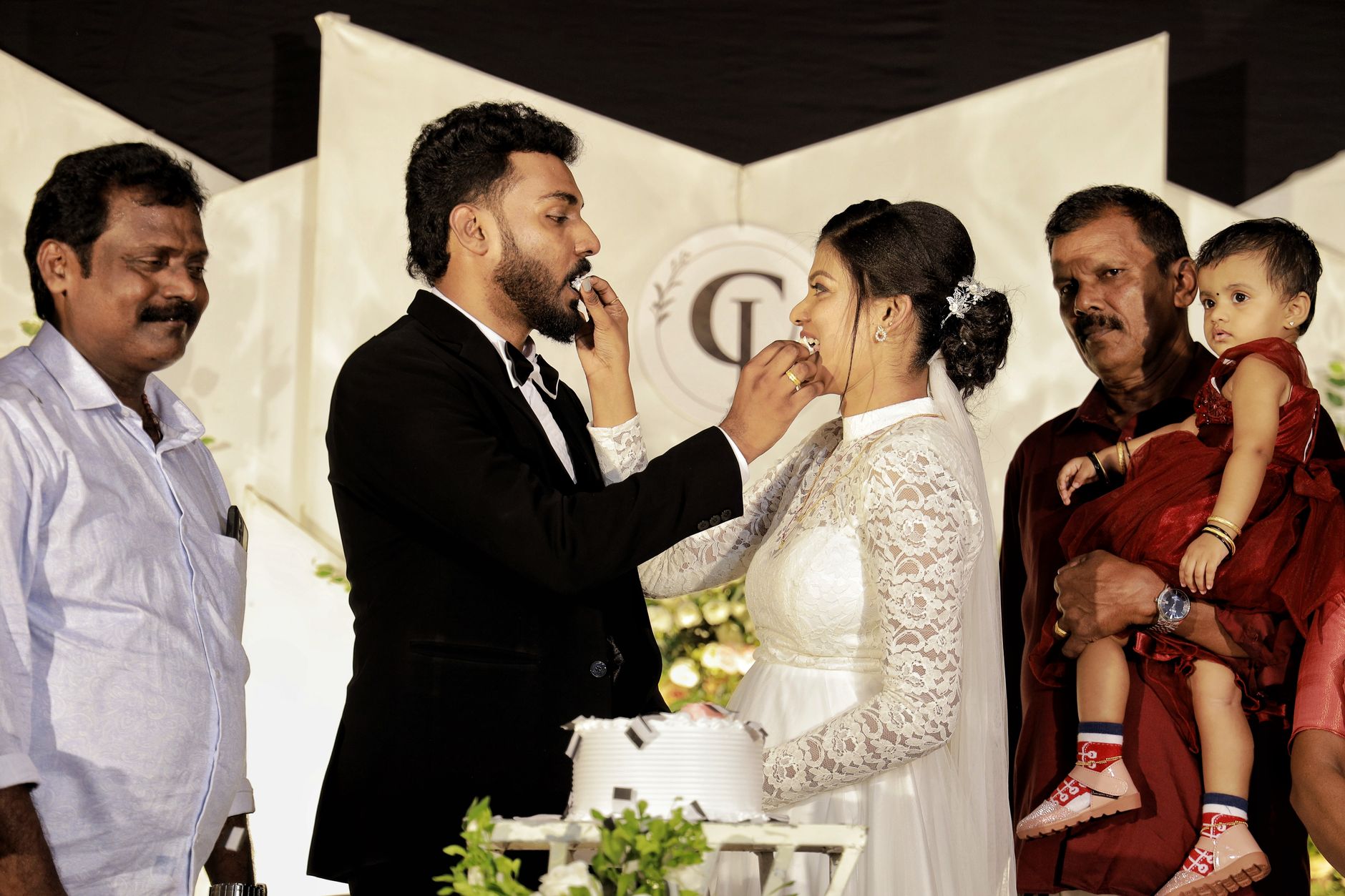 Malayalam Vivaham Ceremony Essentials
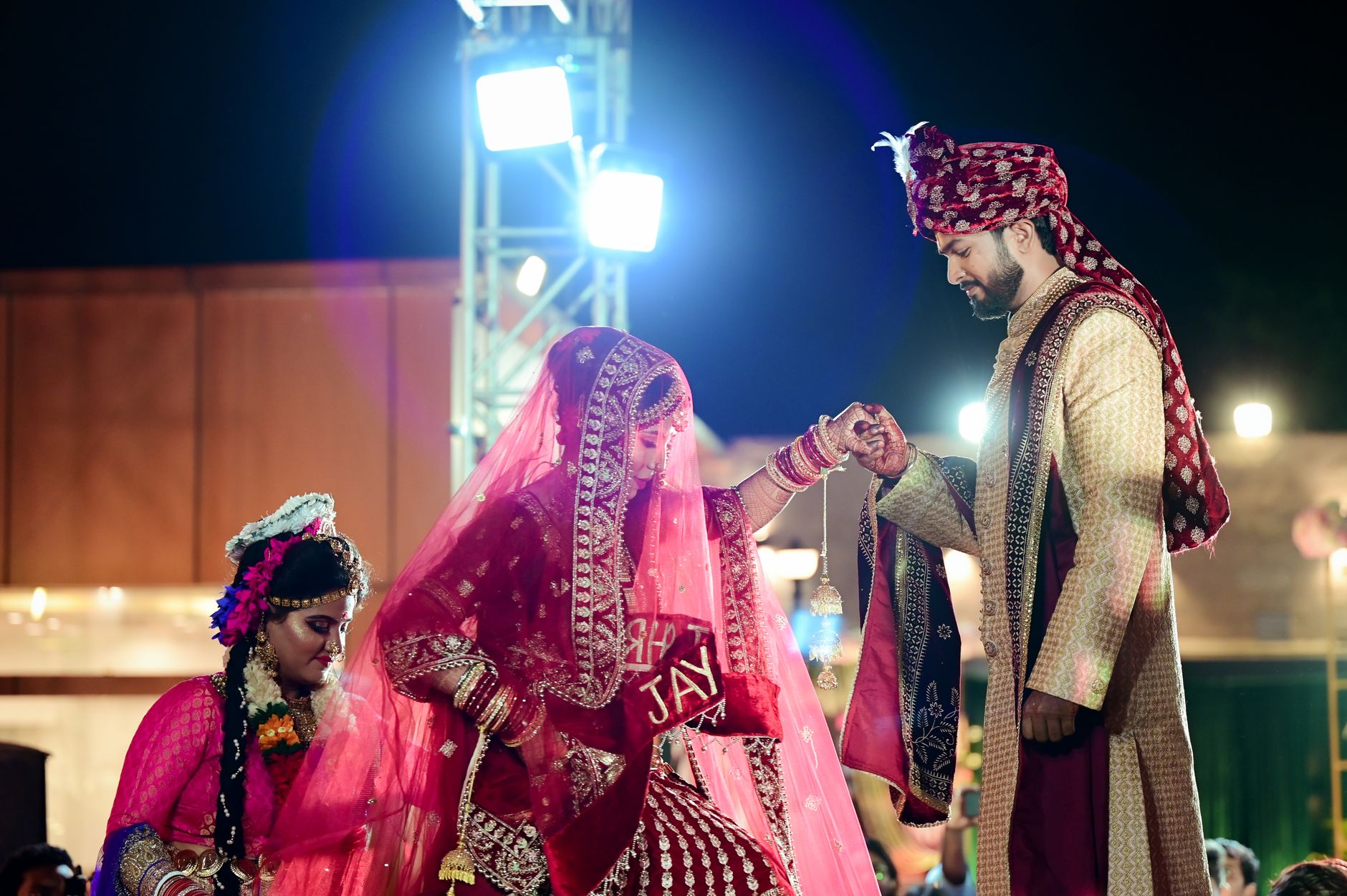 Marwari Pheras Ceremony Essentials
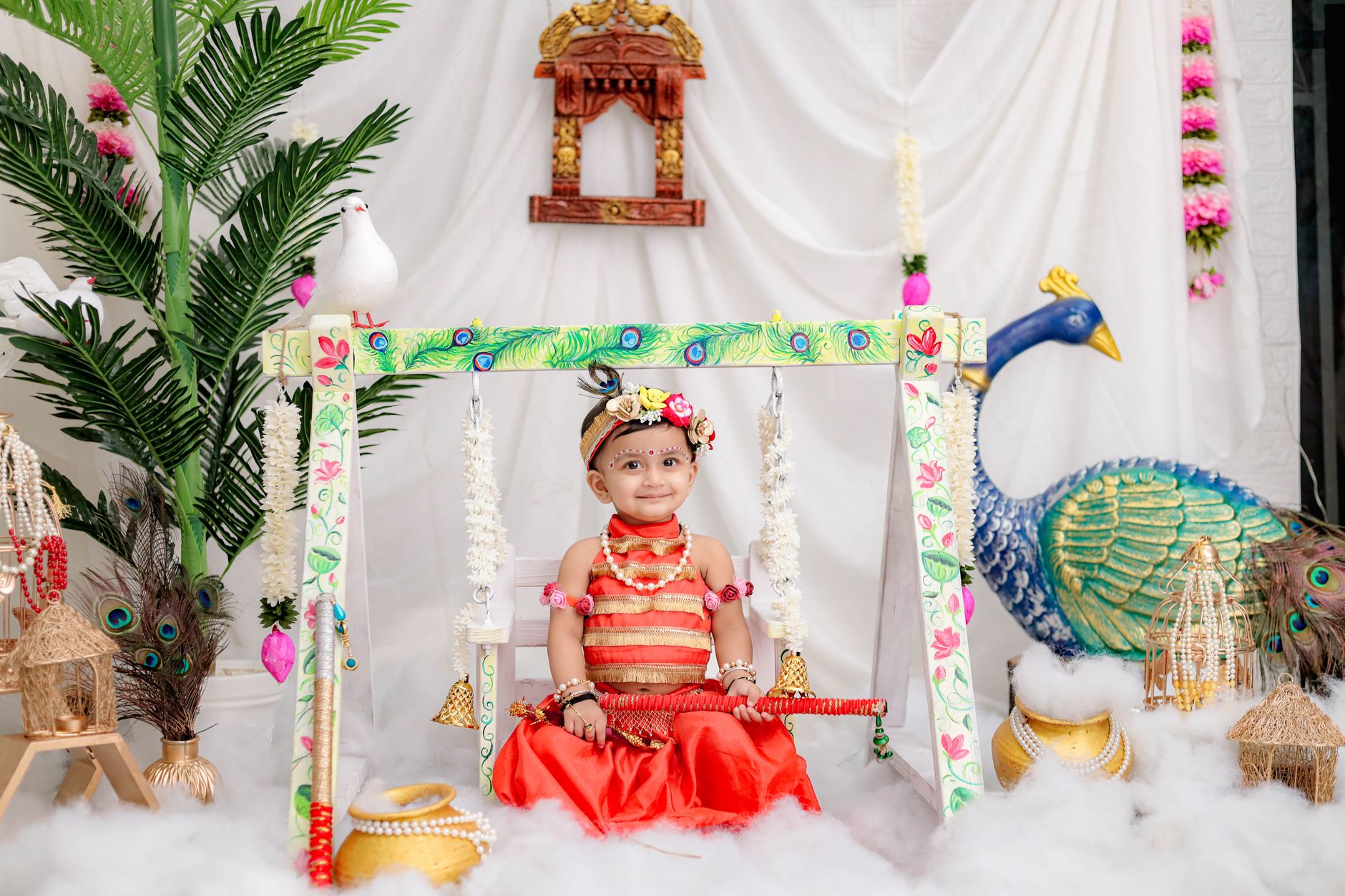 Namakaran Jhula Decoration
 Personalized Christian Cake Accessories
 Personalized Church Wedding Gifts
 Premium Designer Celebration Cakes
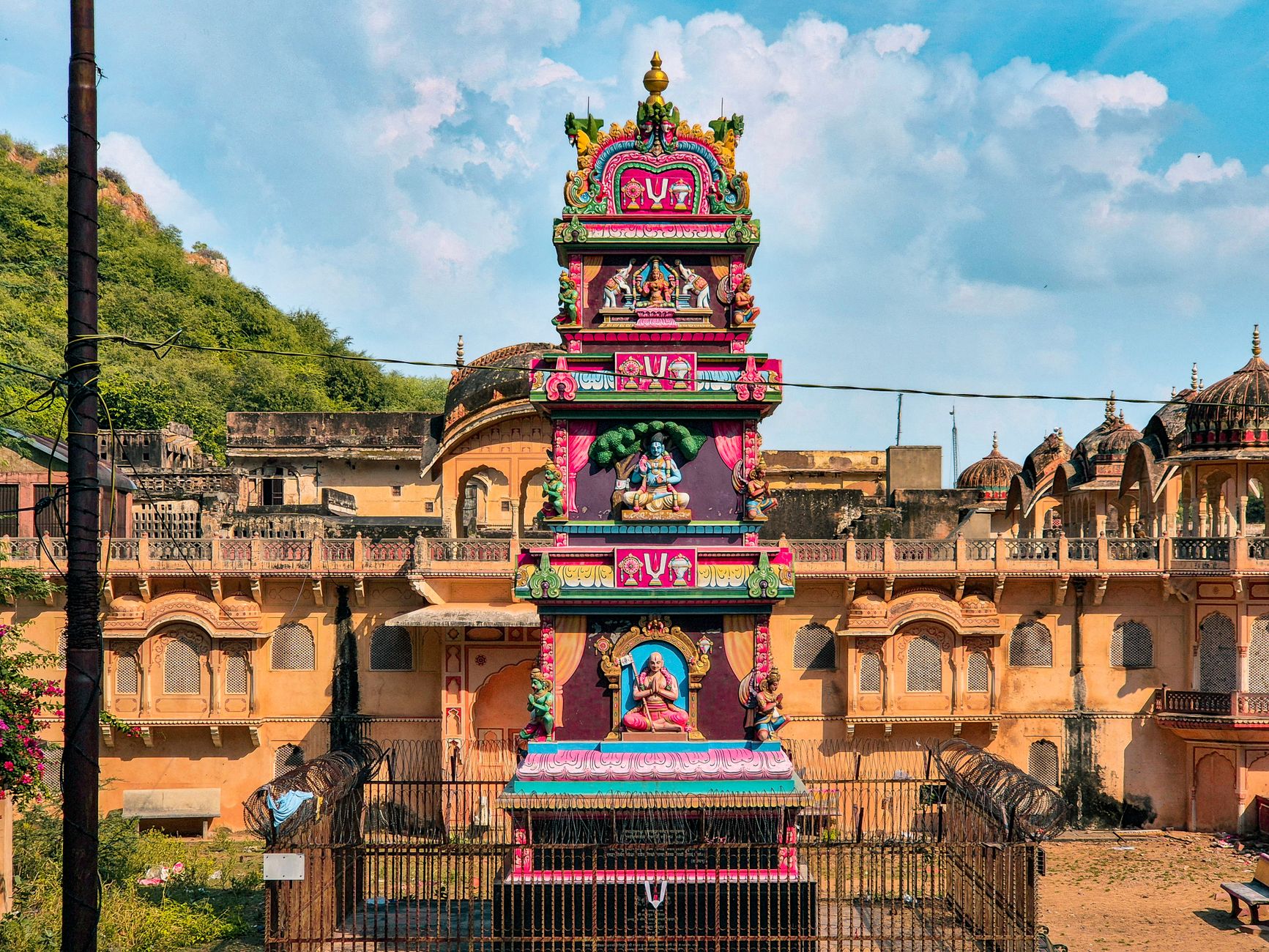 Premium Devotional Music Performers
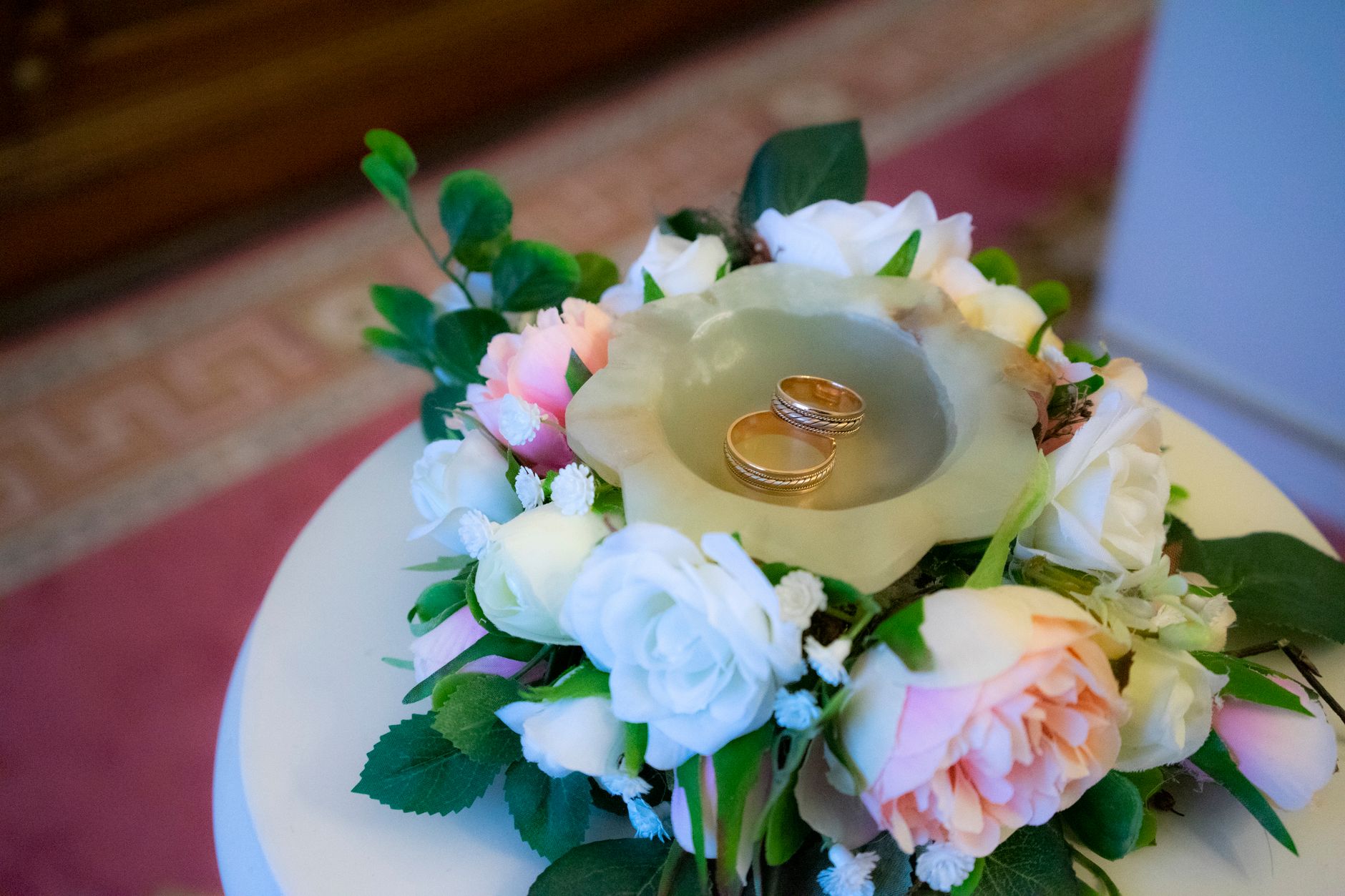 Premium Engagement Ring Trays
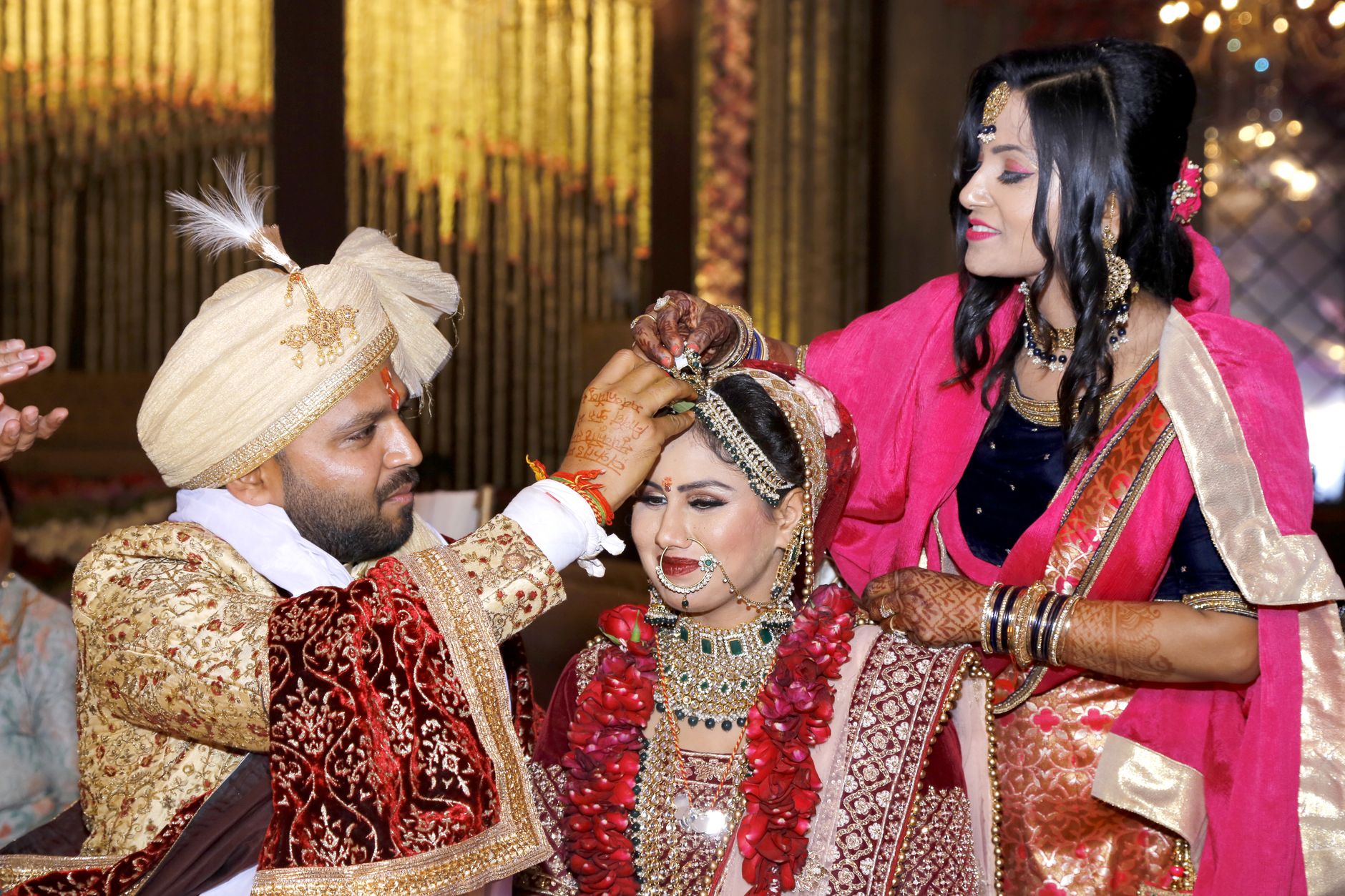 Premium Fresh Wedding Flowers
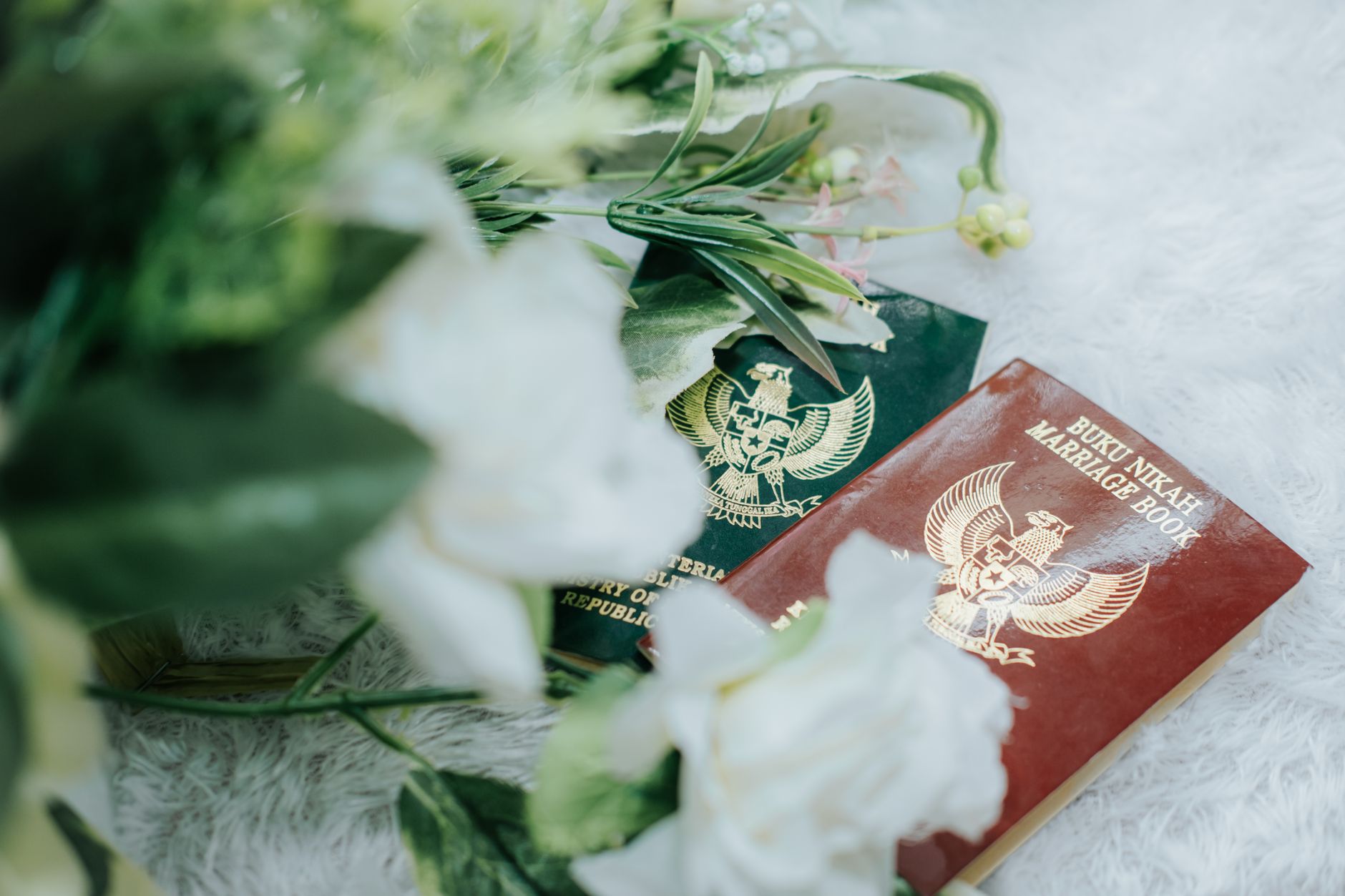 Premium Nikah Ceremony Services
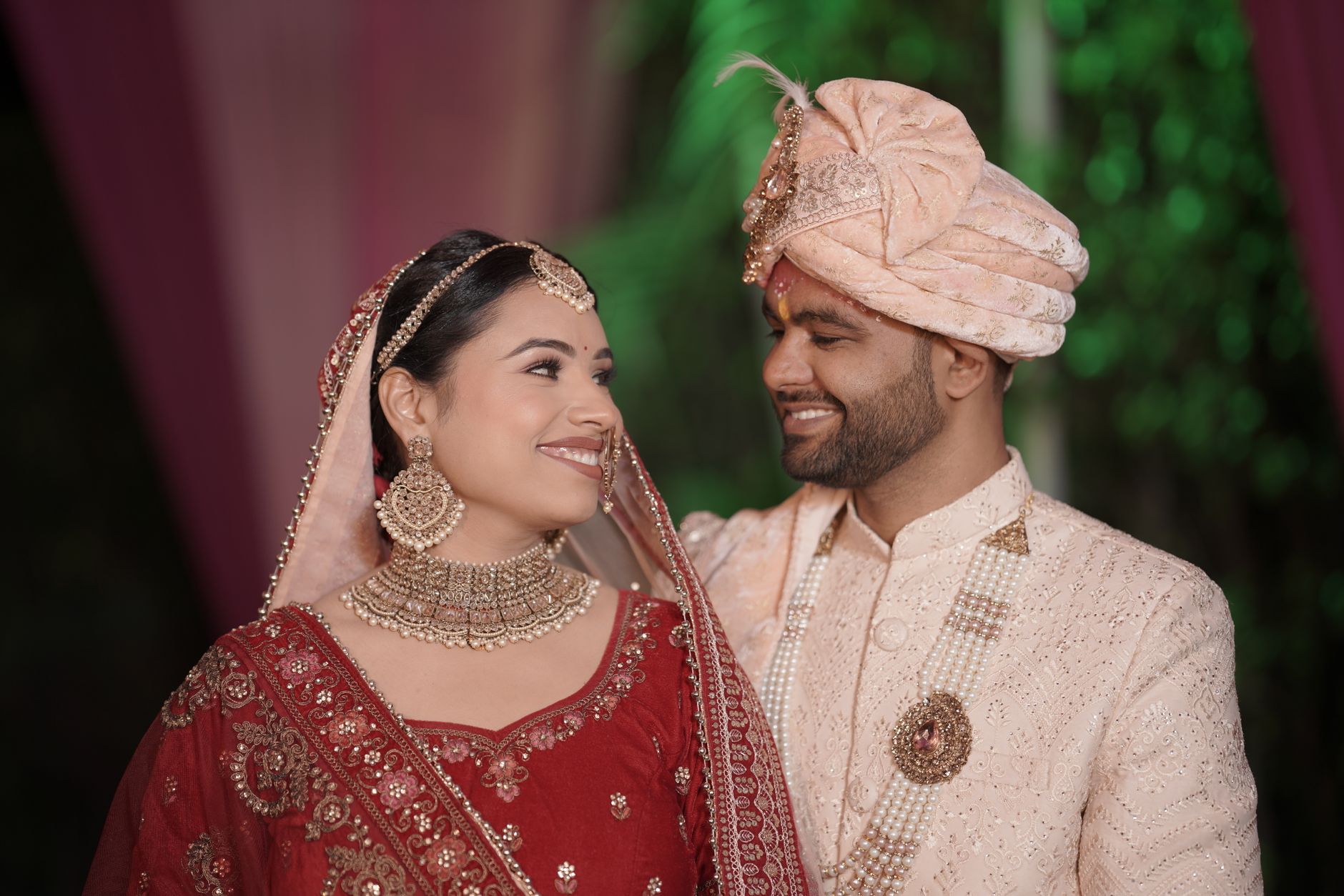 Premium Online Ritual Broadcasting
- 400+Curated Events
- 6Event Universes
- 1000+Verified Vendors
- 70+Locations
- 24/7Customer Support


Not sure which packages fits your celebration?
Let Hiya & Hanu help you find the perfect match!
Explore Celebration Packages- AI-Powered MatchingSmart suggestions for you
- Budget OptimizerGet the best experiences in your budget
- End-to-End SupportWe are with you at every step
Serving Celebrations across 75+ locations in India
Trusted Religious Ceremony Services for Reliable and Meaningful Family Celebrations
◆Planning Religious Occasions With Confidence
Religious ceremonies often bring families together around traditions, beliefs and important milestones. Because these occasions can involve several rituals, family responsibilities and service providers, careful preparation is essential. Trusted religious ceremony services help families organise these details with greater confidence while keeping the focus on the meaning of the occasion.
A well-planned religious event should respect established customs while also providing a comfortable experience for guests. Venue selection, religious arrangements, decoration, catering, photography, guest facilities and event coordination all contribute to the success of the celebration.
Choosing reliable professionals can make the planning process more manageable. Instead of coordinating every supplier independently, families can work with experienced service providers who understand the importance of timing, communication and respectful event management.
What Makes a Religious Ceremony Service Trusted
Trust is particularly important when organising a religious occasion. Families need confidence that suppliers will arrive on time, understand their responsibilities and deliver services according to the agreed arrangements.
Trusted religious ceremony services should demonstrate clear communication from the initial discussion through to the completion of the event. Service providers should explain what is included, confirm timings and communicate any additional requirements before the event.
Experience is another useful consideration. Professionals who regularly support religious celebrations may be familiar with different ceremony formats, venue requirements and traditional expectations. Their experience can help identify practical issues before they become problems.
Families should also consider reviews, previous work, service descriptions and recommendations when comparing providers. A transparent approach to pricing and responsibilities can further improve confidence.
Understanding the Ceremony Requirements First
Every religious occasion has its own requirements. Before booking suppliers, families should establish the purpose of the ceremony, important rituals, expected guest numbers and preferred date.
Some occasions may require specific religious professionals, ceremonial items, particular seating arrangements or dedicated spaces. Other celebrations may include a larger social gathering after the main ceremony.
Understanding these requirements first helps families select appropriate religious ceremony planning support. It also makes conversations with venues, decorators and caterers much more productive.
A simple planning document can record ceremony timings, supplier details, family responsibilities and special requirements. Keeping this information organised can reduce confusion as the event approaches.
Selecting the Right Religious Ceremony Venue
The venue can have a major influence on the experience. Depending on the tradition and format, families may choose a place of worship, private home, community hall or dedicated event venue.
When comparing religious event venues, consider the space required for the ceremony and the expected number of guests. Accessibility is particularly important when older relatives or guests with mobility requirements are attending.
The venue should also provide appropriate facilities for seating, refreshments, parking and guest movement. Families should confirm whether the venue permits their preferred decorations, music, photography and ceremonial arrangements.
For outdoor events, weather planning is essential. A suitable alternative arrangement can prevent unexpected weather from disrupting the occasion.
Arranging Religious Professionals and Ceremony Support
Many religious occasions depend on knowledgeable professionals or respected community members to conduct important rituals. Their involvement should be confirmed well in advance, particularly for popular dates.
Priest and officiant services should be discussed clearly so that everyone understands the ceremony schedule and specific requirements. Families should communicate any changes as early as possible.
Other support may include event coordinators, venue teams, decorators, caterers, photographers and florists. Each supplier should have clear instructions regarding arrival time, setup and responsibilities.
Reliable communication between these professionals can help the ceremony progress smoothly. A designated coordinator can be especially useful when several suppliers are working at the same venue.
Creating Respectful Religious Event Decoration
Decoration should complement the religious atmosphere rather than distract from the ceremony. Traditional flowers, fabrics, lamps, entrance arrangements, backdrops and culturally appropriate decorative elements can create a welcoming environment.
Families can choose a simple design for an intimate ceremony or develop a more elaborate setting for a larger celebration. The important consideration is to keep ceremonial areas accessible and visually clear.
Religious event decoration can also reflect the family's preferences through colours, flowers and traditional motifs. Seasonal flowers may provide a practical option, while coordinated arrangements can create a consistent look throughout the venue.
Entrance décor should introduce the theme without making guest movement difficult. Seating and ceremonial areas should remain comfortable and uncluttered.
Coordinating Catering and Guest Facilities
Food and refreshments are important parts of many family religious gatherings. Catering should take account of the expected guest numbers, timing and any dietary or traditional requirements.
Families should discuss the menu with the caterer in advance and confirm when food needs to be served. For longer ceremonies, refreshments may need to be available at specific intervals.
Guest facilities should also be considered. Drinking water, washrooms, seating, parking and clear directions can significantly improve the overall experience.
For larger celebrations, a dedicated guest reception area can help manage arrivals and provide useful information. Simple planning can make the event feel much more organised.
Maintaining Traditional Values While Planning Efficiently
Modern event planning does not need to replace traditional practices. Instead, good organisation can provide the structure needed to preserve them.
Families can identify which rituals are essential and build the event schedule around them. Supporting services should then be arranged to work around the ceremony rather than interfere with it.
Traditional ritual planning should include enough time for each important stage. Avoiding an overly crowded schedule allows participants to focus on the ceremony without unnecessary pressure.
Family elders can also be consulted during planning because they may provide valuable guidance about customs, timings and appropriate arrangements. Combining their knowledge with professional event support can create a balanced approach.
Why Reliable Coordination Matters
A religious ceremony may involve multiple suppliers working within a limited timeframe. Without coordination, even small delays can affect the schedule.
Sacred event coordination helps bring together the venue, religious professionals, decorators, caterers, photographers and other suppliers. A clear schedule allows each person to understand when they need to arrive and what they need to complete.
A coordinator can also handle practical questions during the event, allowing family members to participate rather than constantly managing suppliers.
This is particularly useful for larger celebrations where several areas of the venue need to be prepared simultaneously.
Choosing Services That Match Your Budget
Reliable service does not necessarily mean choosing the most expensive option. Families should compare suppliers according to their requirements, experience, inclusions and overall value.
Start by identifying essential expenses such as the venue, religious services and catering. Additional services can then be prioritised according to the family's preferences.
When reviewing quotations, check whether delivery, setup, service staff, equipment and additional hours are included. Clear pricing helps avoid unexpected costs later.
Families should also avoid selecting a supplier based solely on a low price. Reliability, communication and quality can be equally important when the event has a fixed date and significant family importance.
Preparing a Practical Ceremony Timeline
A clear schedule is one of the simplest ways to improve event coordination. It should include supplier arrival, venue setup, guest arrival, religious proceedings, photography, refreshments and any additional activities.
The schedule should allow reasonable flexibility because ceremonies can sometimes take longer than expected. Small time buffers can prevent one delay from affecting the entire event.
Family members who have specific responsibilities should receive the schedule in advance. This ensures that important tasks are not forgotten on the day.
For larger occasions, one person can oversee the event timeline and communicate with suppliers. This creates a clear point of contact and reduces confusion.
Making Guests Feel Welcome
A successful religious celebration should be meaningful for the hosts and comfortable for the guests. Consider the needs of different age groups when planning seating and facilities.
Older guests may appreciate easily accessible seating, while families with young children may benefit from convenient facilities and clear movement areas.
Invitations should provide accurate venue information and ceremony timings. Where appropriate, guests can also be informed about dress expectations or participation requirements beforehand.
Clear communication helps guests arrive prepared and allows the ceremony to begin without unnecessary delays.
Using Professional Support for Peace of Mind
Organising a religious ceremony can involve many moving parts. Professional support can reduce the workload while allowing the family to remain involved in important decisions.
Trusted religious ceremony services can assist with planning, supplier coordination, venue arrangements and supporting event requirements. The family can then focus more on the religious and personal significance of the occasion.
Platforms such as Happiffie can help families explore relevant event professionals and services according to their celebration requirements. Comparing suitable providers can make it easier to identify services that match the event style, guest requirements and budget.
The strongest celebrations are usually built on clear planning and dependable communication. When every supplier understands their role, families can enjoy the occasion with greater confidence.
Creating a Meaningful and Well Organised Celebration
Religious ceremonies are valuable opportunities for families to preserve traditions and create shared memories. Careful planning ensures that the practical side of the event supports rather than distracts from its purpose.
Trusted religious ceremony services can provide valuable assistance with venues, religious arrangements, décor, catering, photography and coordination. Selecting dependable professionals helps families reduce uncertainty and manage the celebration more effectively.
From the first planning discussion to the final guest departure, every detail should contribute to a respectful and welcoming experience. With the right preparation, families can honour their traditions while creating an organised celebration that guests will remember positively.
Frequently Asked Questions
1. What are trusted religious ceremony services?
Trusted religious ceremony services are professional services that support families with planning, religious arrangements, venues, décor, catering, coordination and other requirements for a religious occasion.
2. How can I choose a reliable religious ceremony service?
Consider experience, reviews, previous work, clear communication, service inclusions, pricing transparency and the provider's understanding of your ceremony requirements.
3. When should religious ceremony services be booked?
It is advisable to book important services well in advance, particularly when the ceremony is planned for a popular date or involves specialist religious professionals.
4. What should I consider when choosing a ceremony venue?
Consider the guest capacity, accessibility, parking, seating, ceremonial space, facilities, decoration policies and whether the venue is suitable for the religious requirements.
5. Can religious ceremony services include decoration?
Yes. Depending on the provider, services may include traditional floral arrangements, entrance décor, ceremonial backdrops, seating decoration and other culturally appropriate styling.
6. Why is ceremony coordination important?
Coordination ensures that religious professionals, venue teams and event suppliers understand their responsibilities and timings, helping the occasion proceed smoothly.
7. How can I keep religious ceremony planning within budget?
Prioritise essential religious and venue requirements first, then allocate the remaining budget to décor, catering, photography and other optional services.
8. Should catering be arranged separately?
Catering can be arranged separately or through an event venue or planning service, depending on the requirements. Always confirm menu, guest numbers, timings and dietary needs in advance.
9. Can professional organisers support traditional religious ceremonies?
Yes. Professional organisers can manage practical event details while families and religious professionals remain responsible for important traditional and ceremonial decisions.