

Explore All Religious Ceremonies
Discover traditional rituals, wedding ceremonies, spiritual occasions and meaningful cultural celebrations in Chennai, with trusted services to honour every tradition.
Give Thoughtfully,
Celebrate with Happiffie
From personalised gifts and curated collections to thoughtful presents for every occasion, Happiffie helps you discover gifting options that make celebrations more meaningful and memorable.
- Thoughtful Gift DiscoveryFind gifting options suited to every celebration and occasion
- Personalised GiftingDiscover customised gifts made to create meaningful moments
- Trusted Gift ProvidersConnect with reliable gifting professionals and service providers
Popular Religious Ceremonies
 Astrology Guidance for Auspicious Occasions
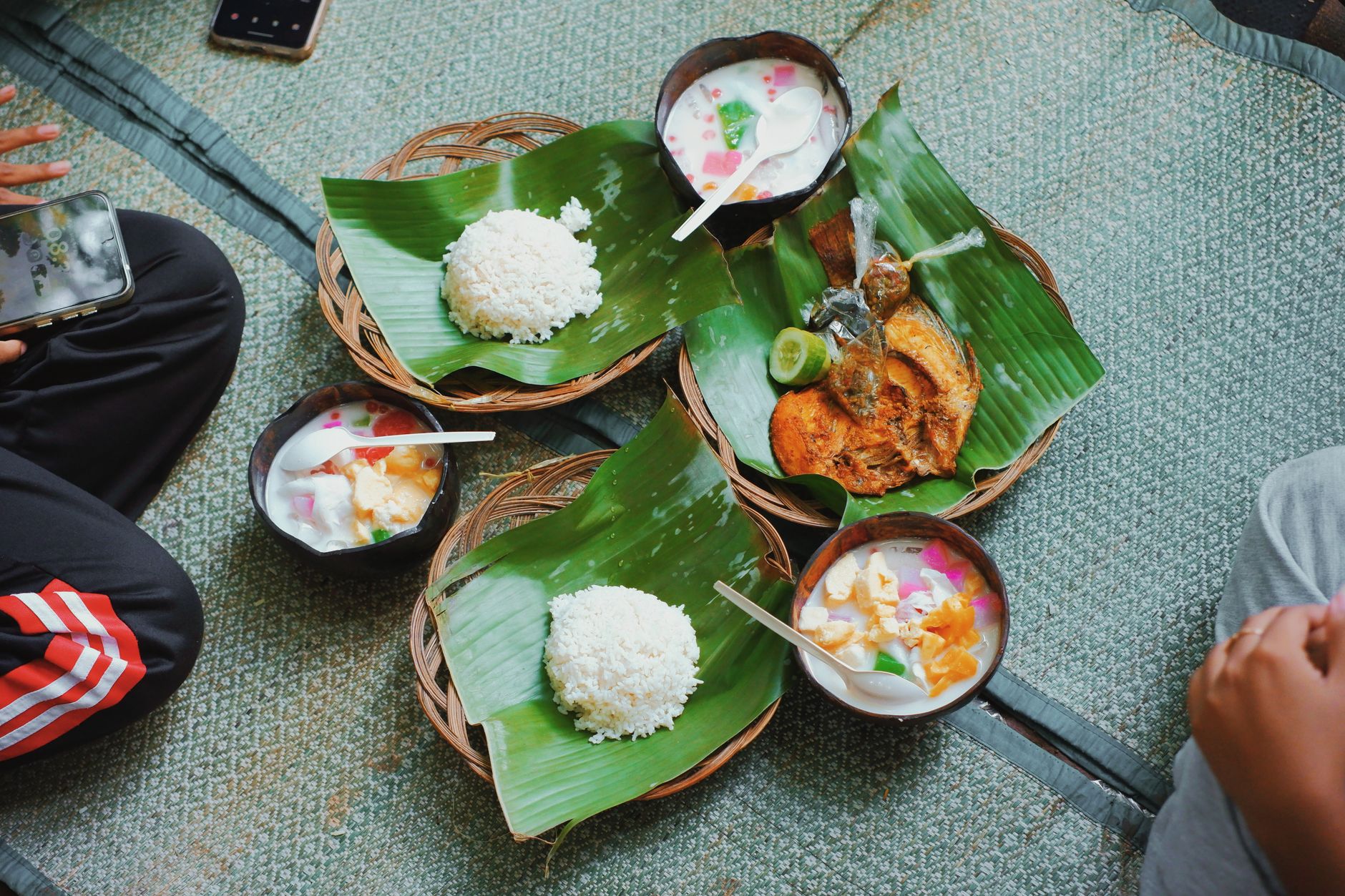 Authentic Brahmin Marriage Bakshanam Varieties
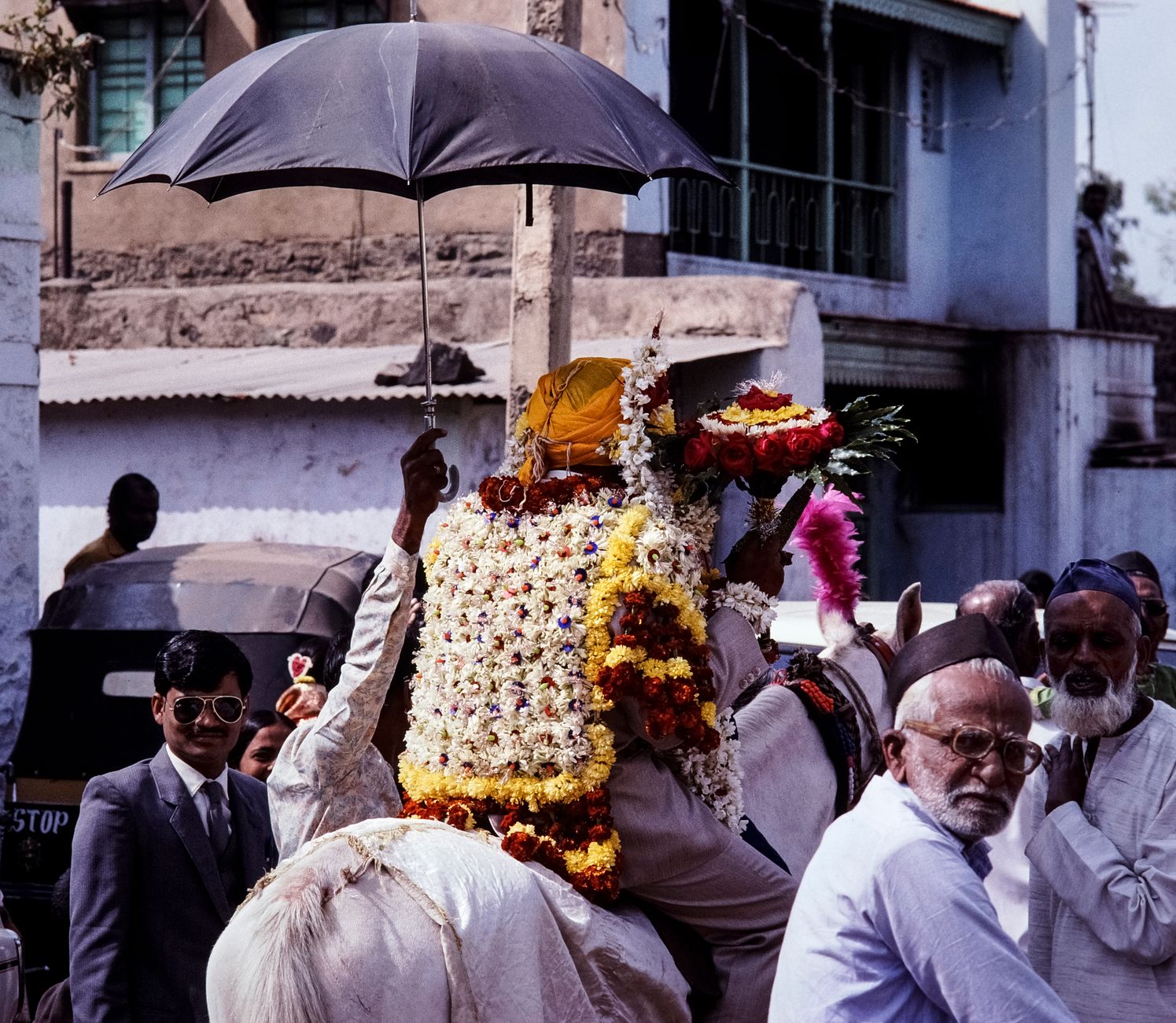 Brahmin Wedding Kasiyatra Ritual Collection
 Church Hymn Singing Group
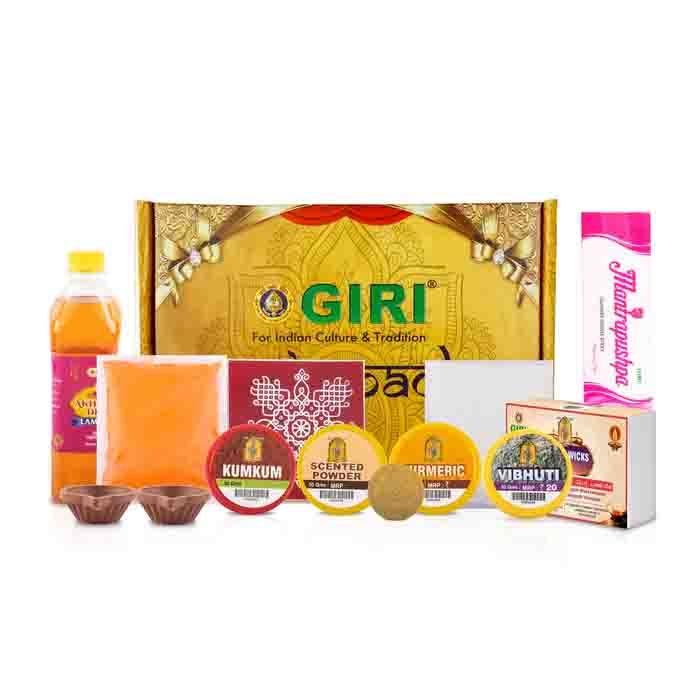 Complete Pooja Kits for Rituals
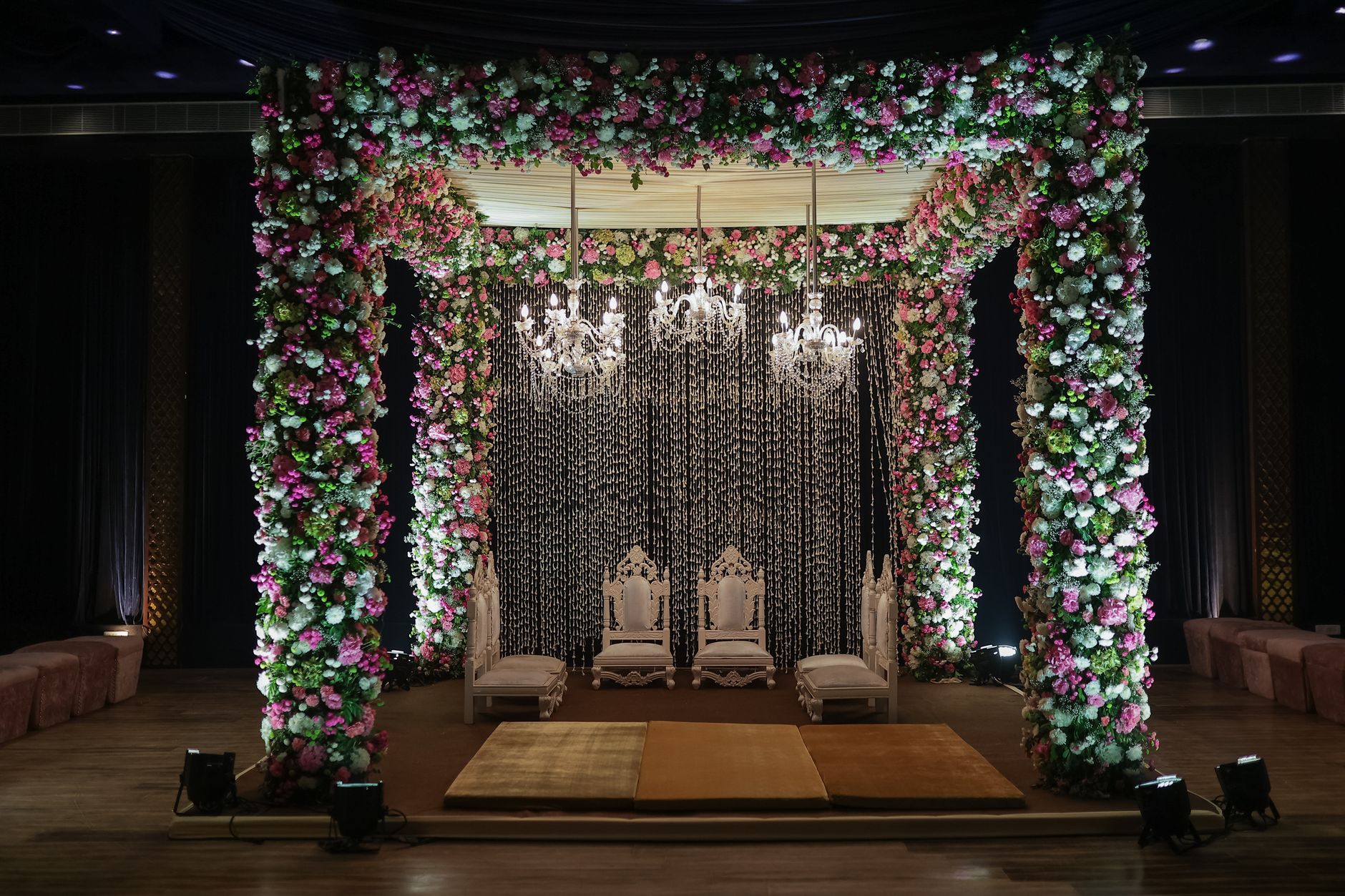 Cultural Ritual Decoration Services for Malayalam Weddings
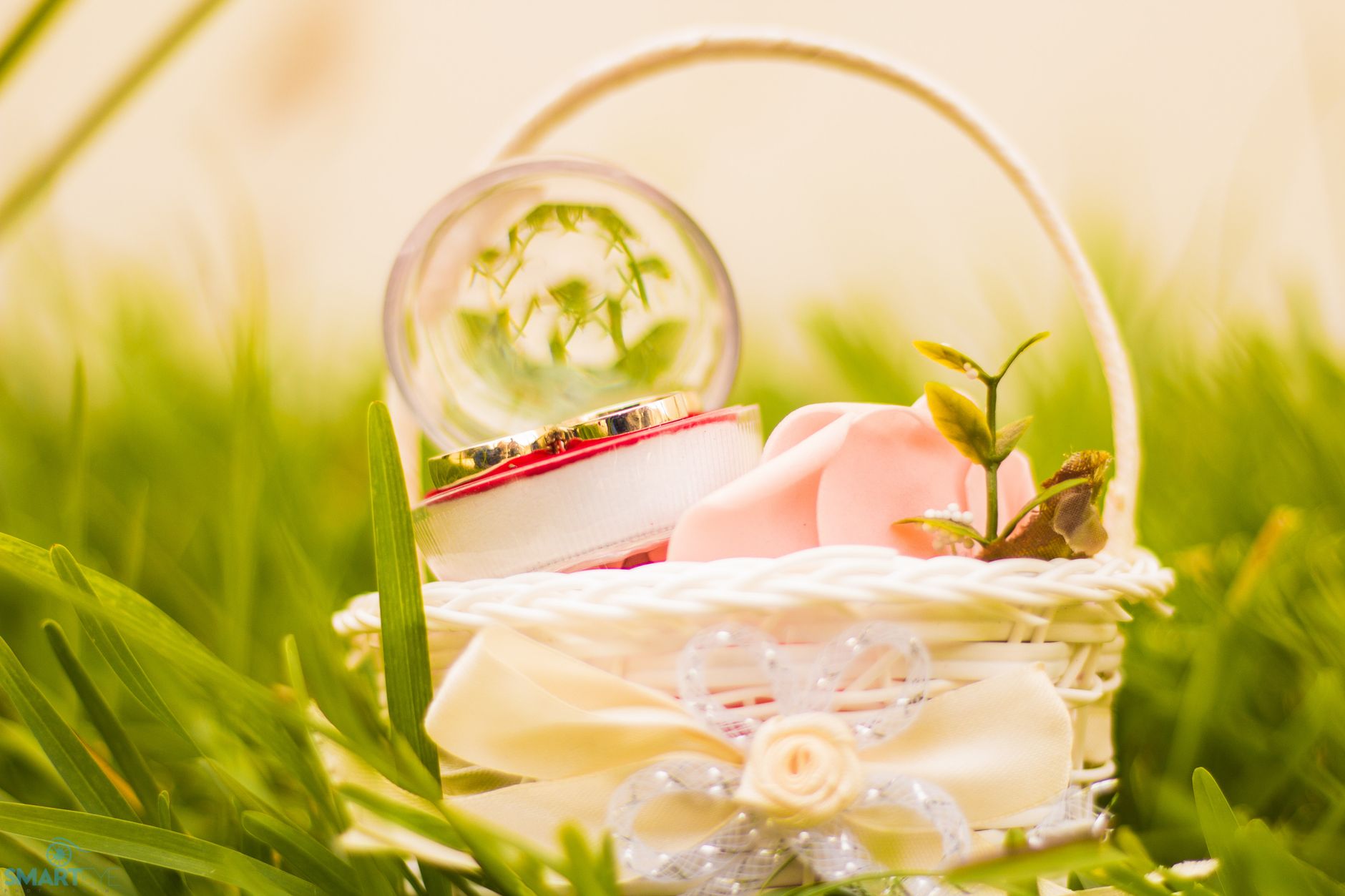 Customised Pelli Butta & Floral Basket Decor
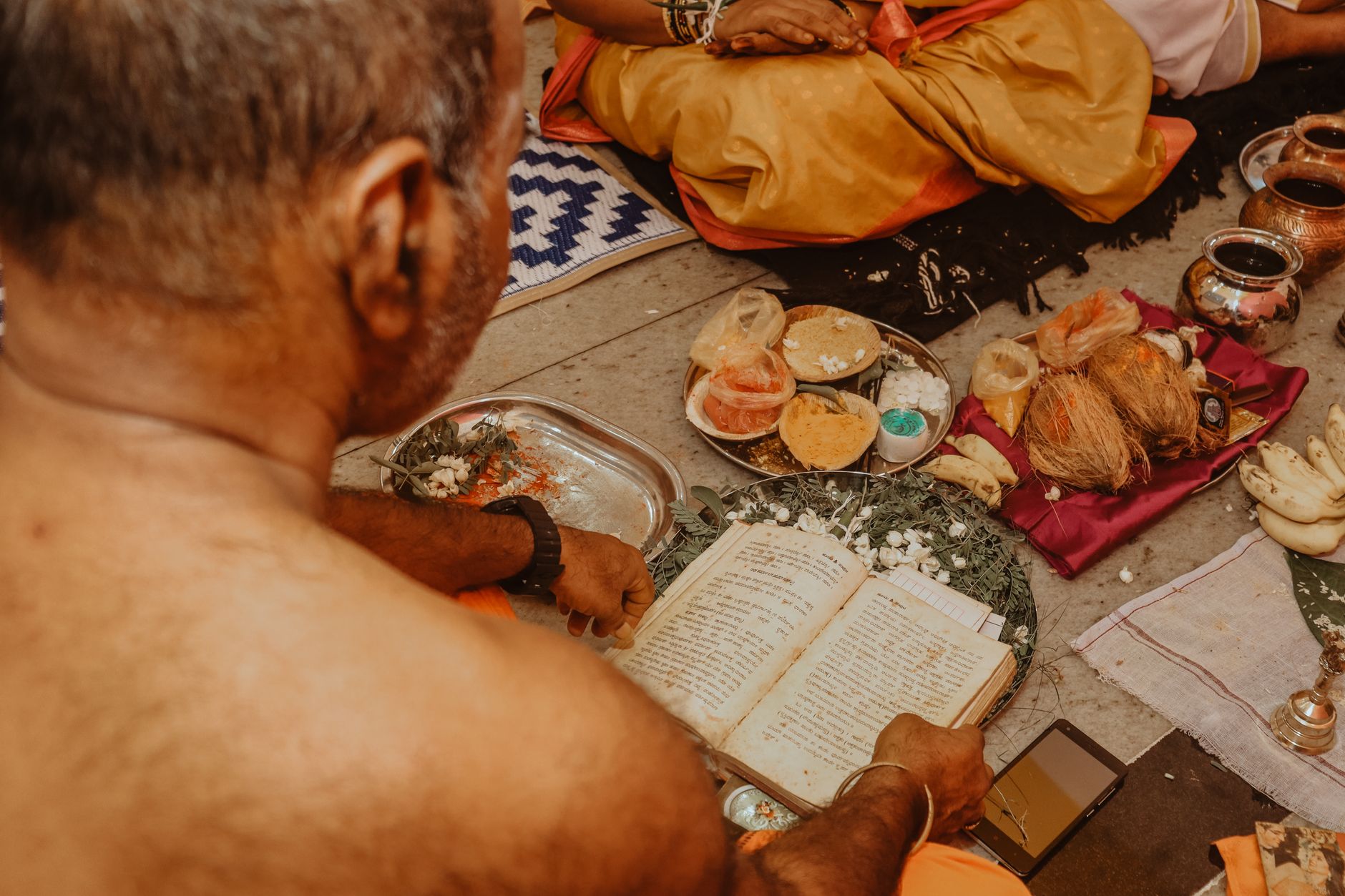 Decorative Paruppu Thengai Collections for Sacred Ceremonies
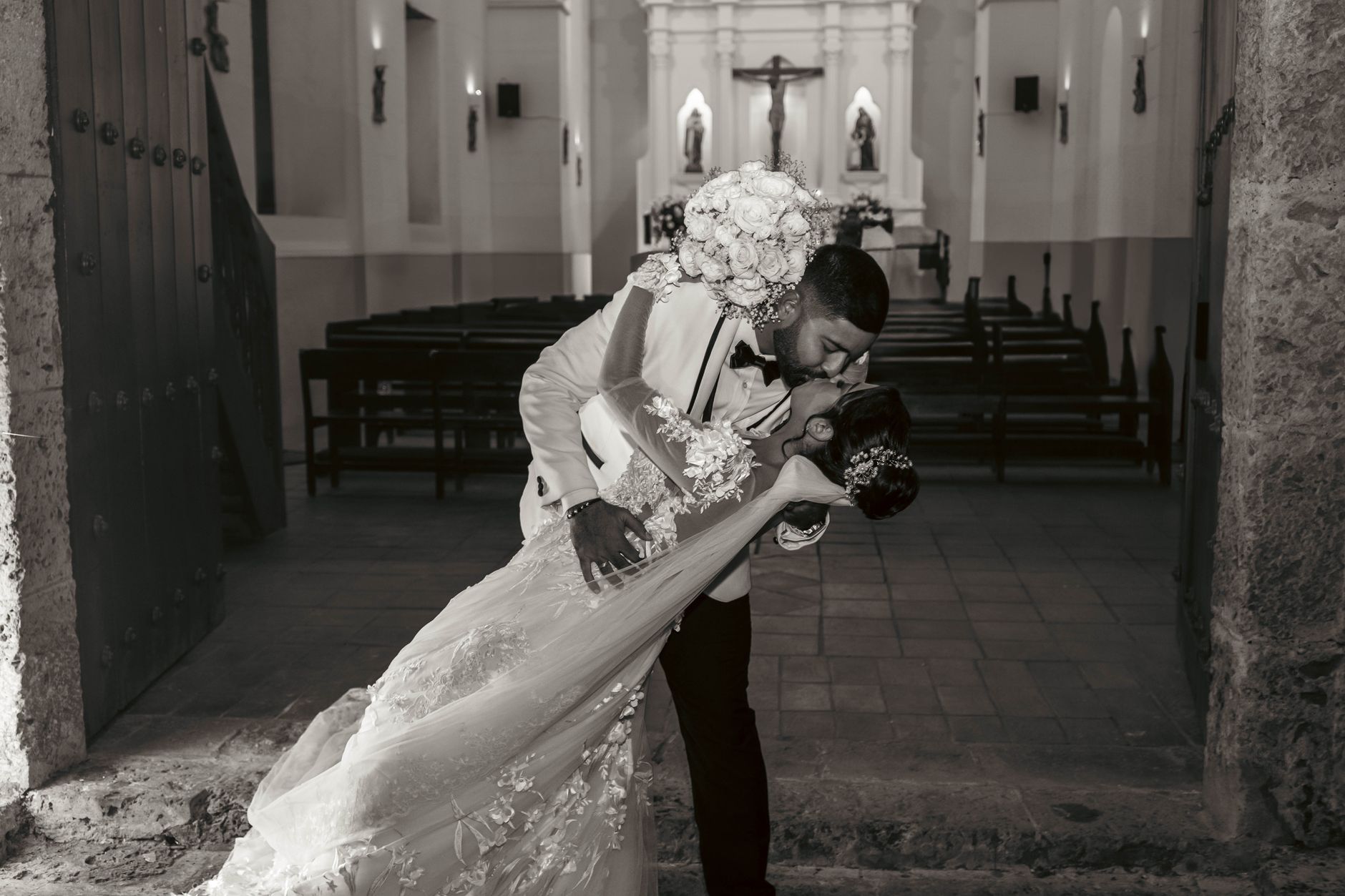 Designer Floral Bouquet Arrangements for Christian Weddings
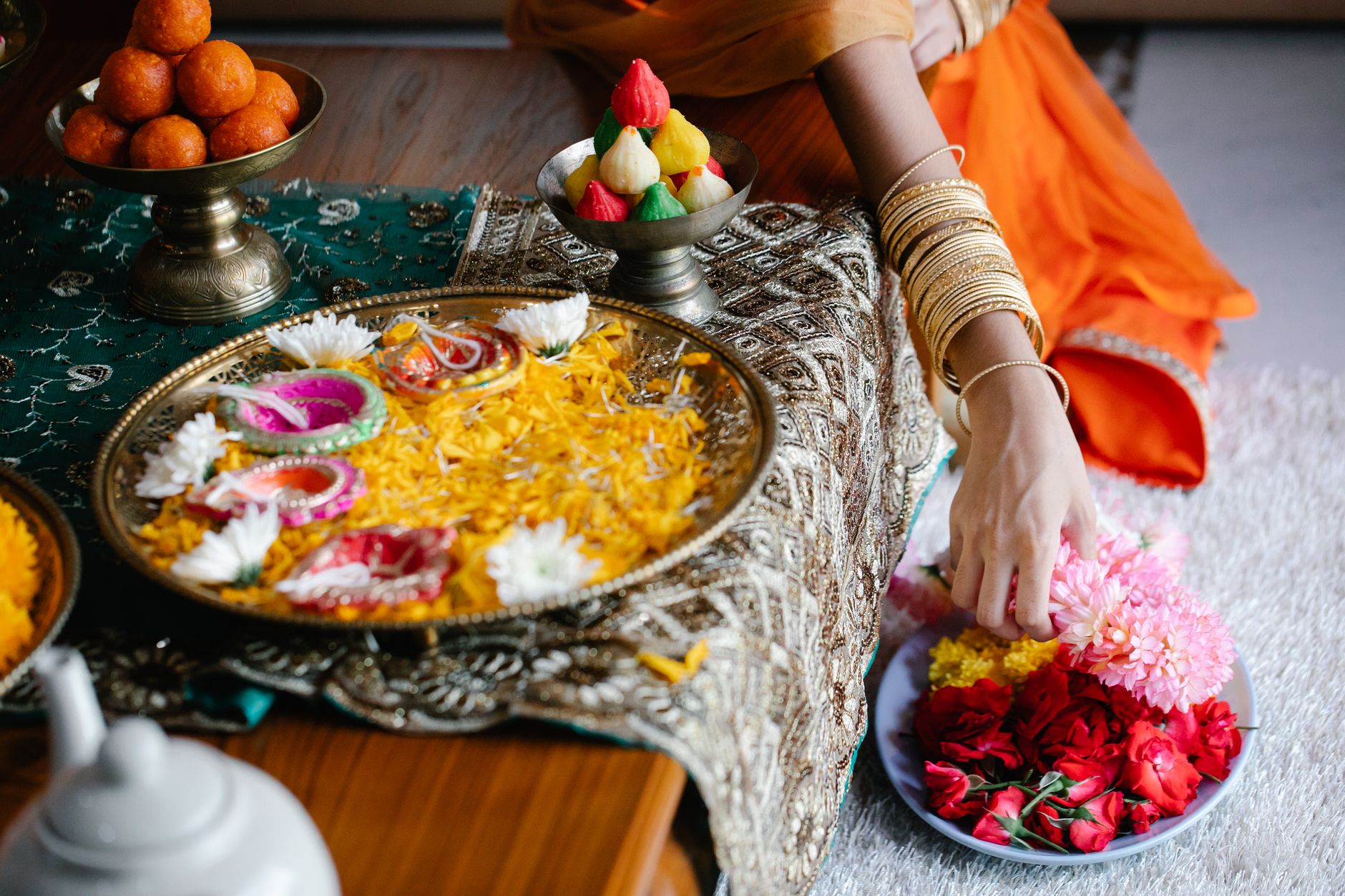 Designer Seer Plate Collections for Brahmin Weddings
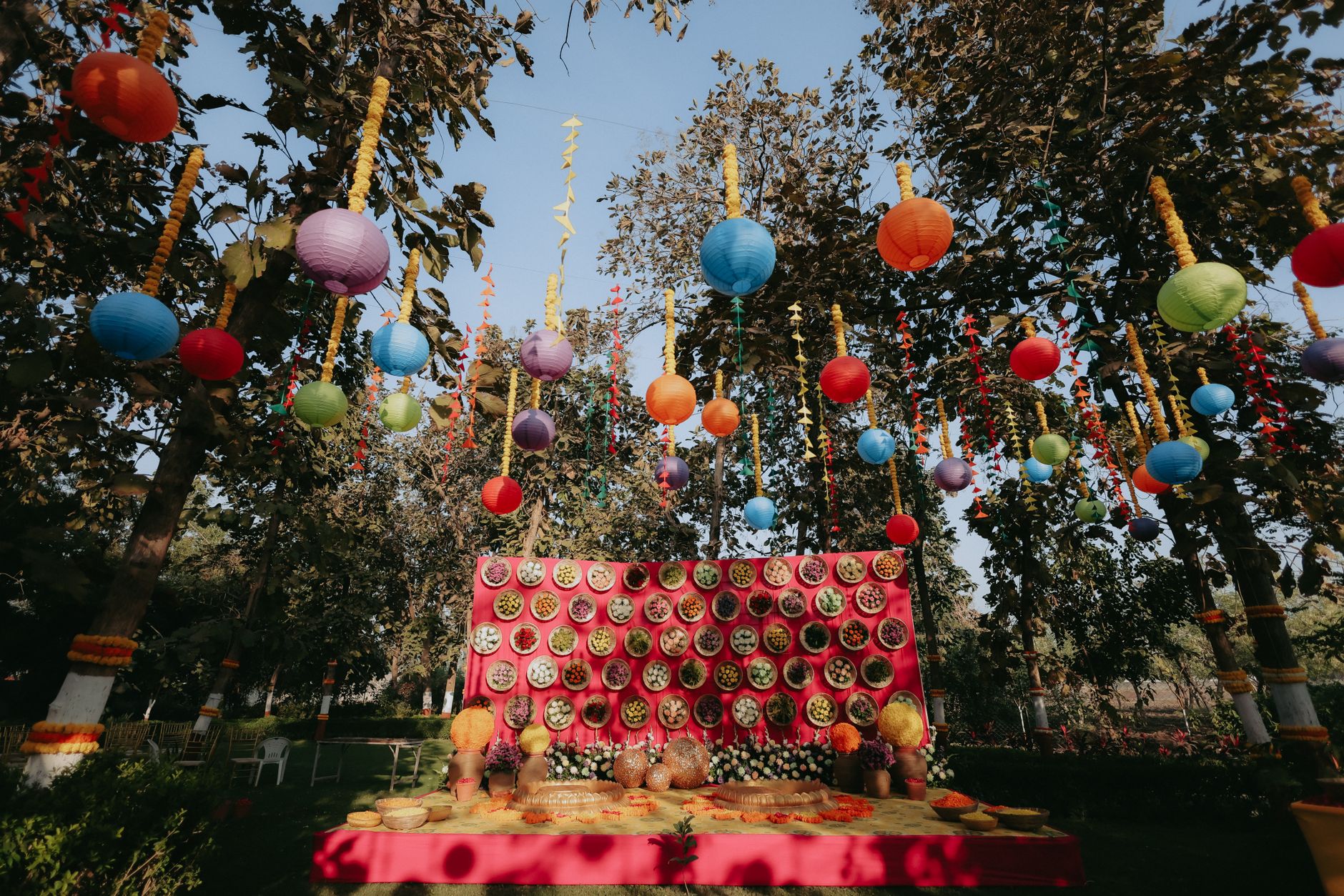 Designer Seer Plate Collections for Telugu Weddings
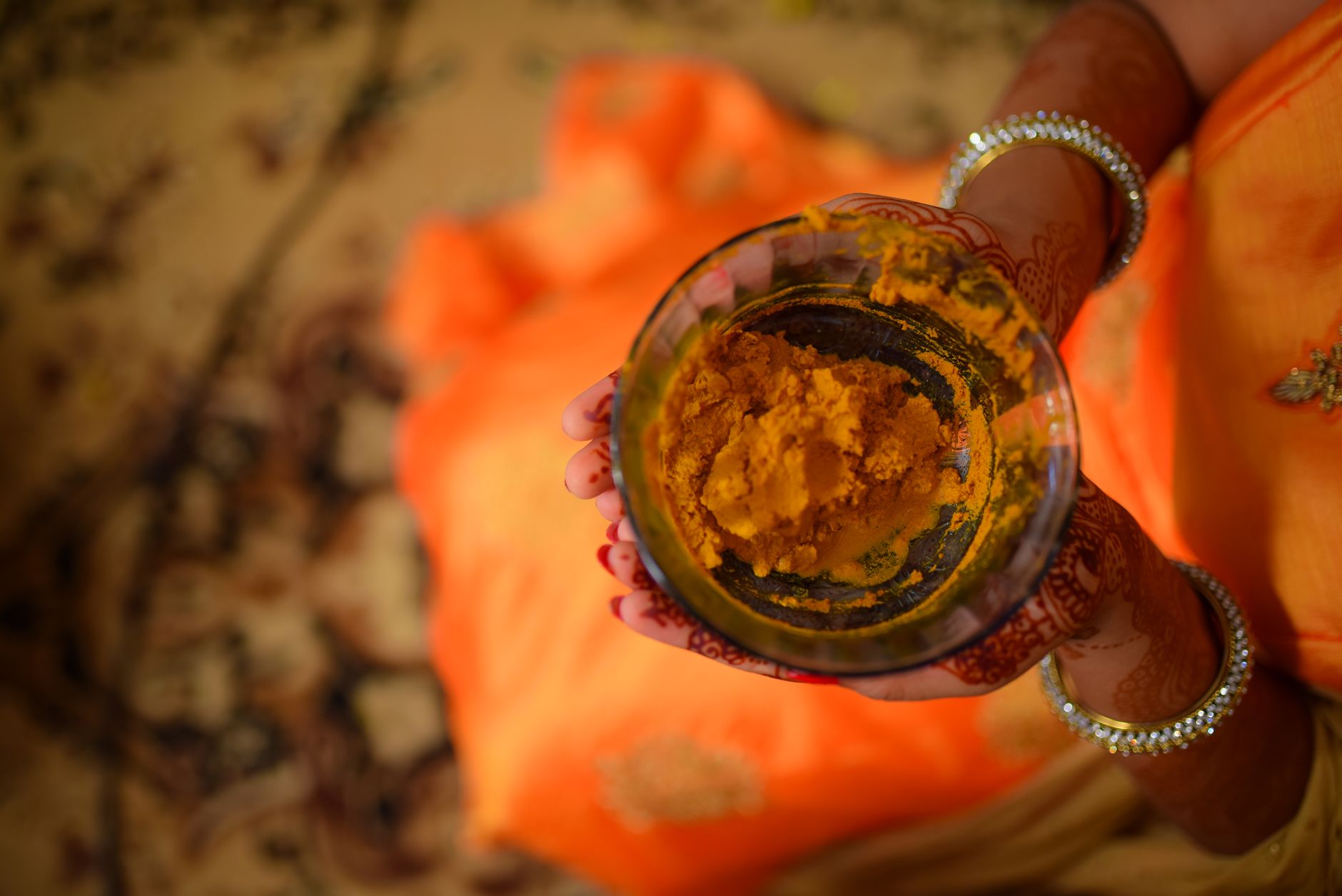 Designer Wedding Thalam Collections for Malayalam Weddings
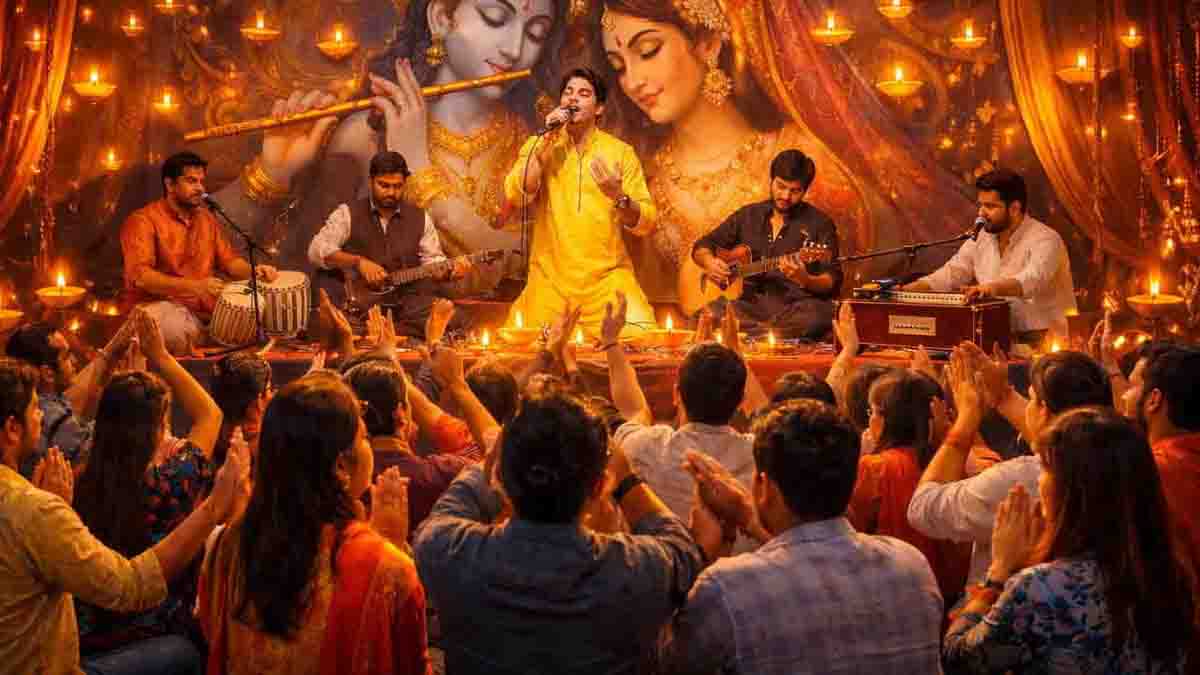 Devotional Music for Spiritual Gatherings
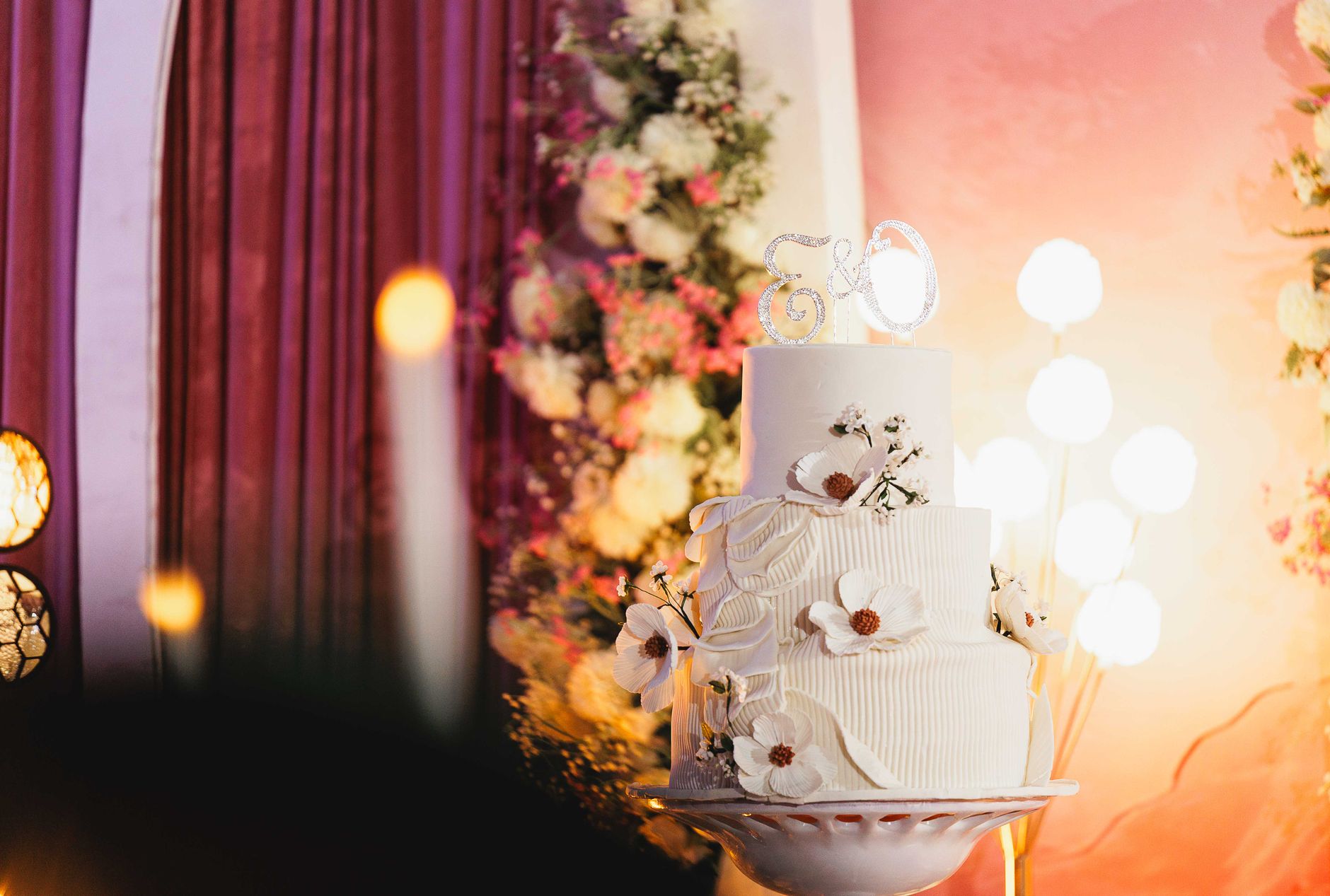 Elegant Christian Wedding Cake Collections
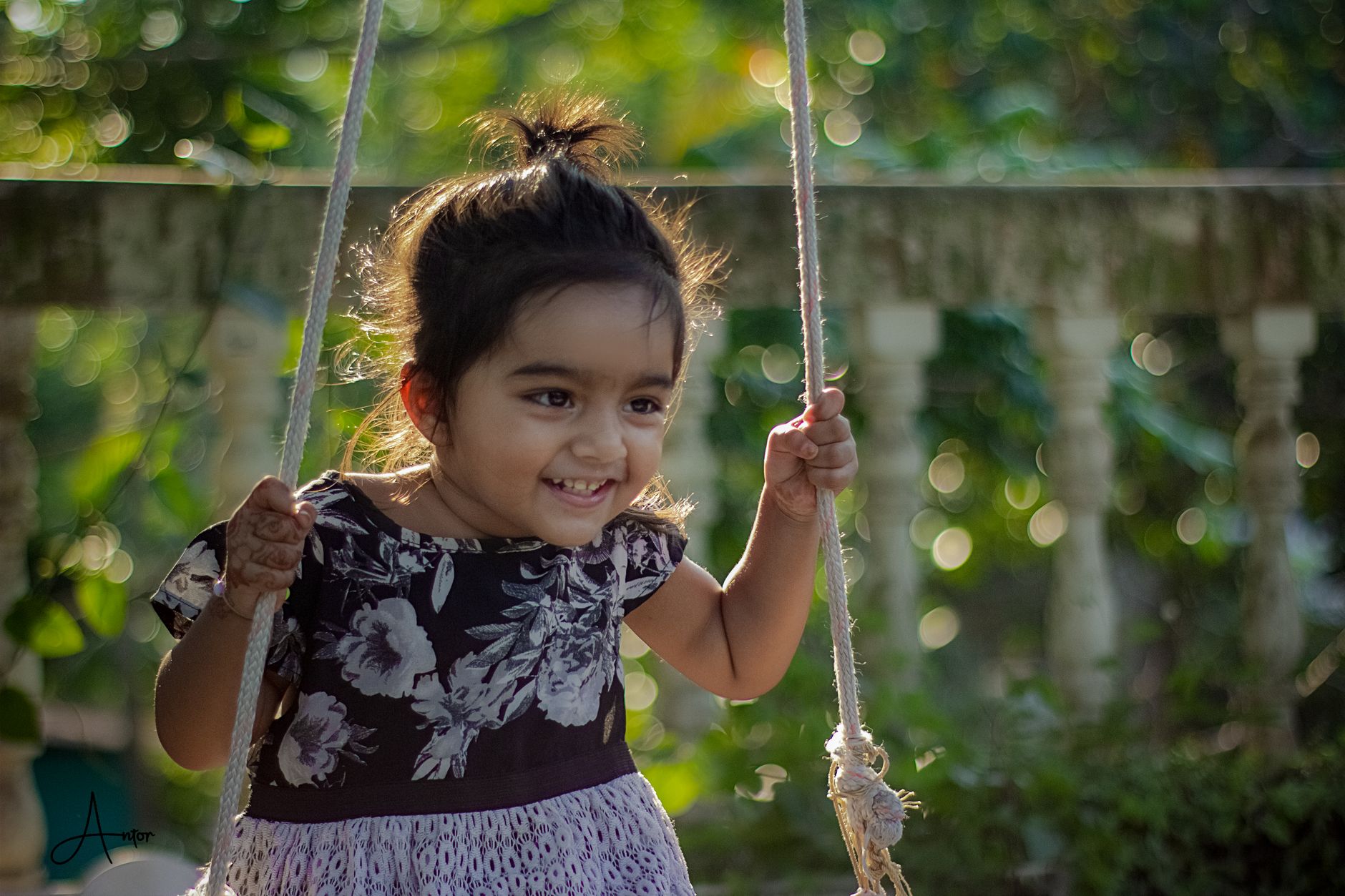 Elegant Unjal Decor Collections for Brahmin Weddings
 Elegant Wedding Celebration Beverage Collections
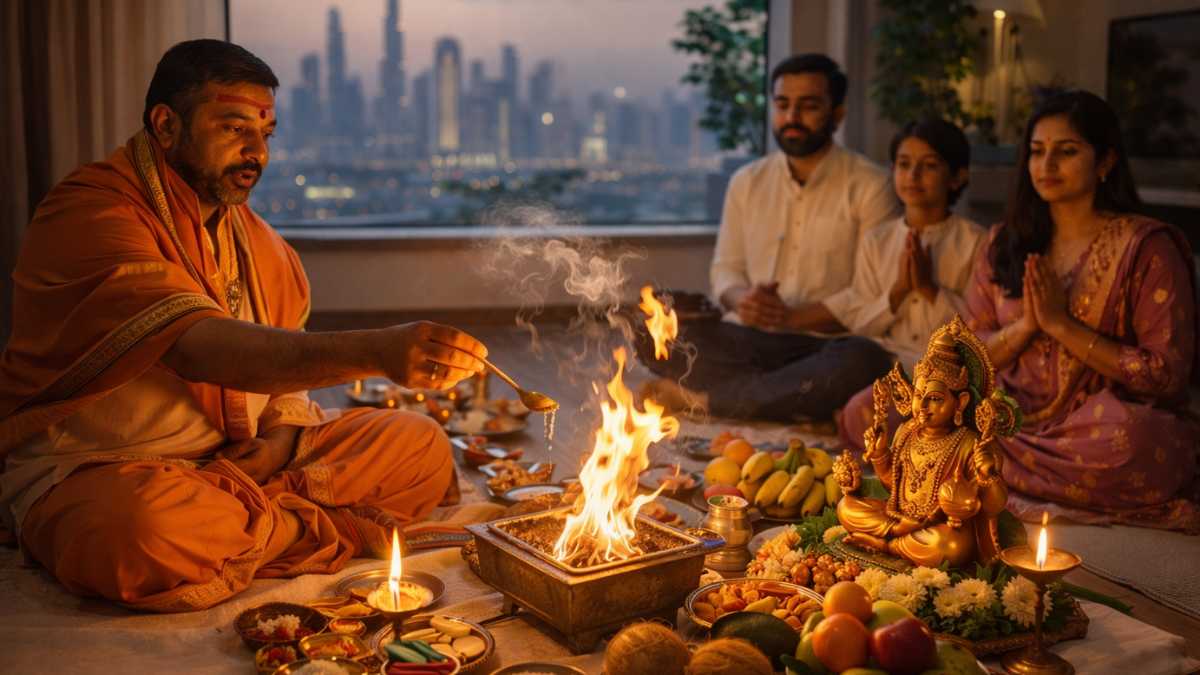 Experienced Priests for Sacred Rituals
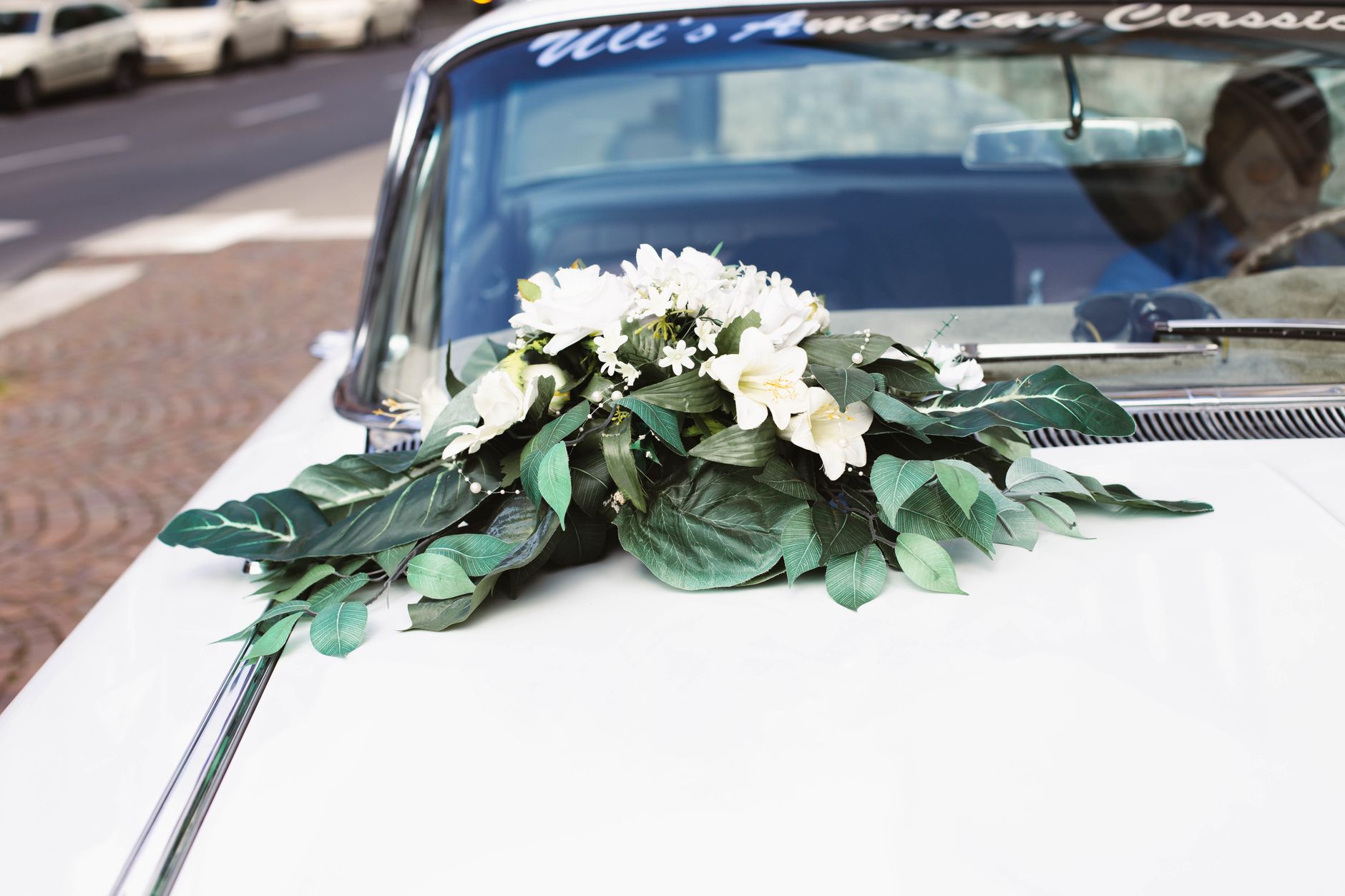 Floral Wedding Car Styling for Christian Ceremonies
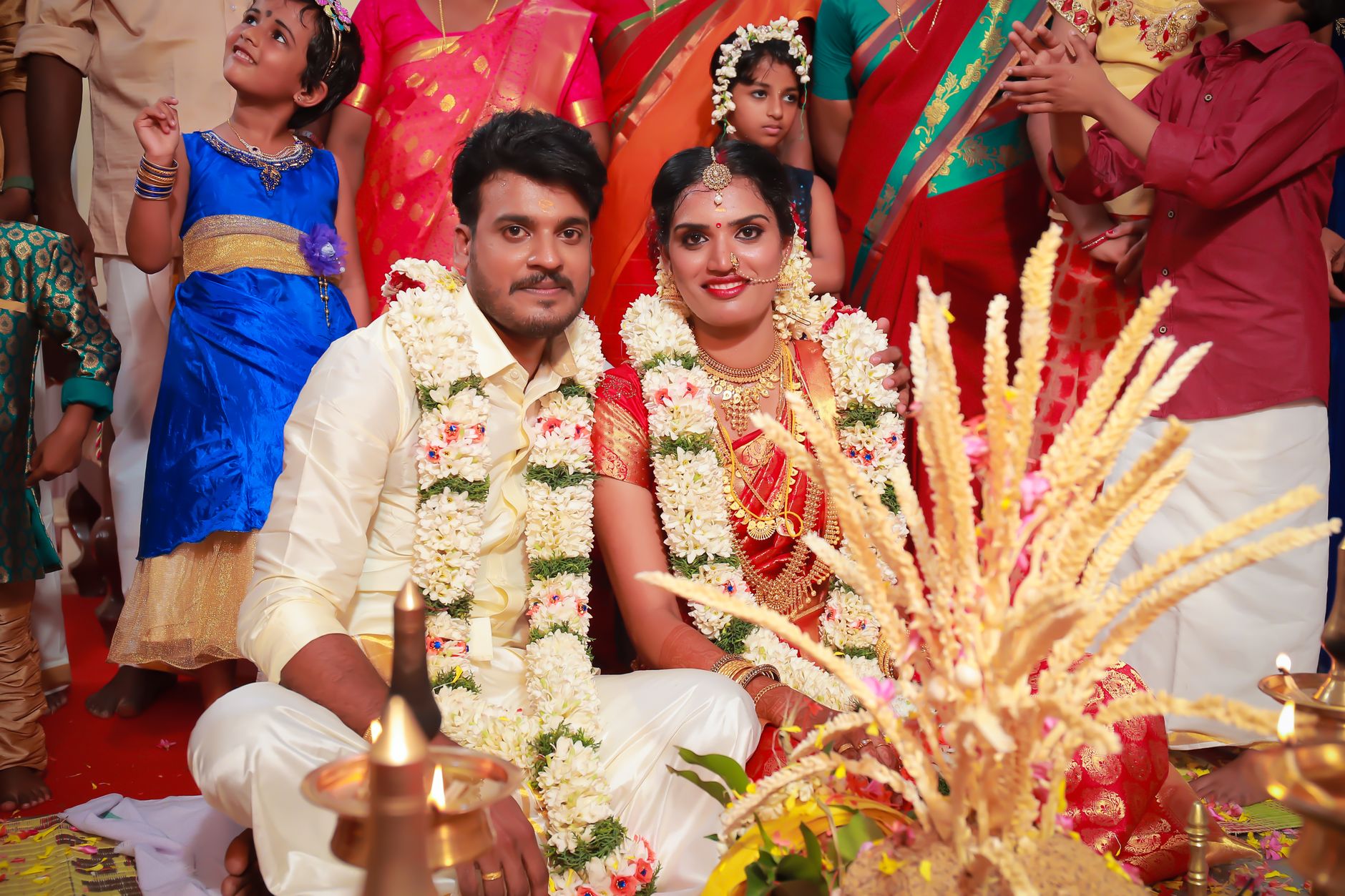 Heritage Vamanan Umbrella Arrangements for Malayalam Weddings
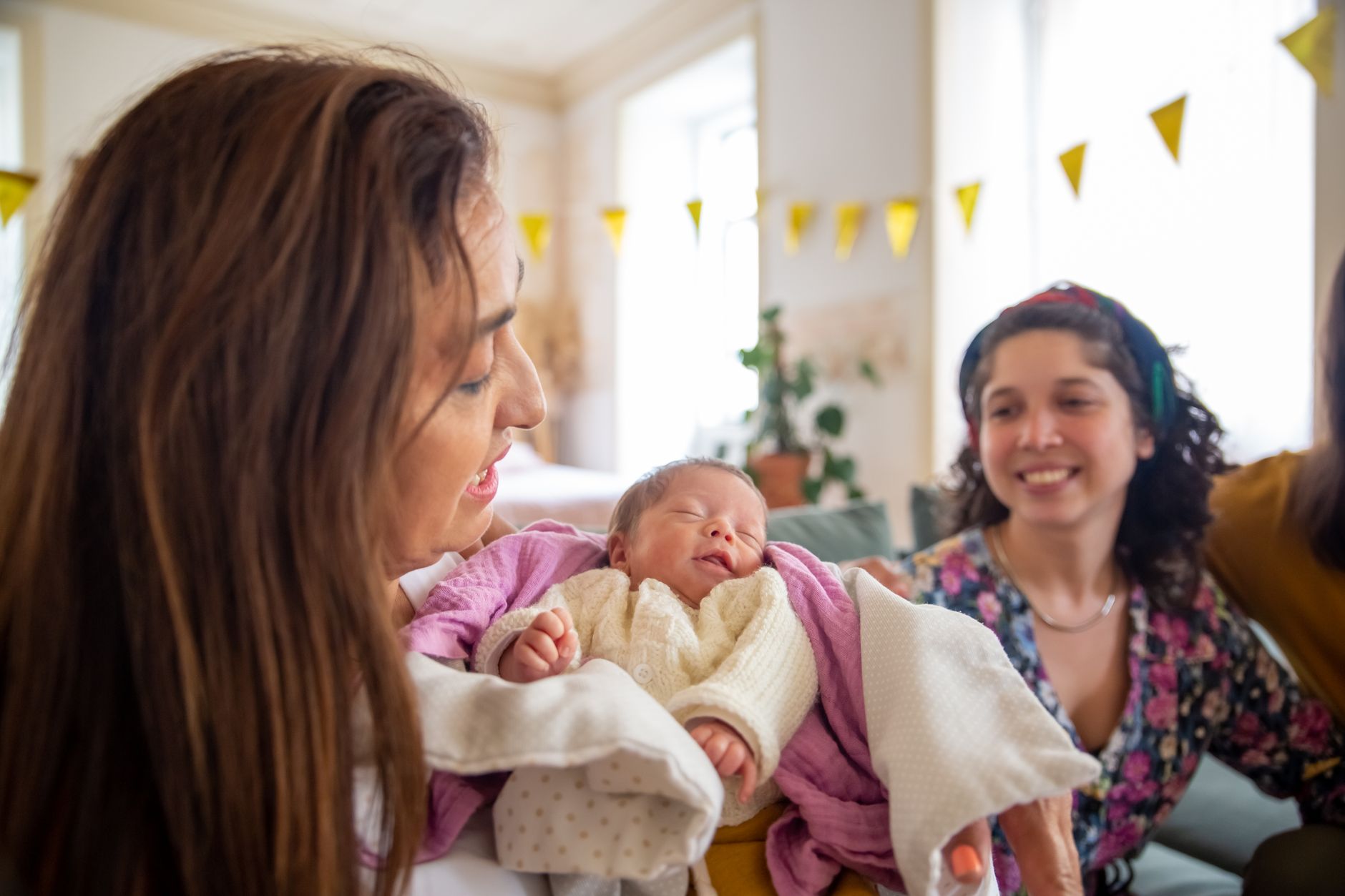 Infant Naming Ceremony Cradle
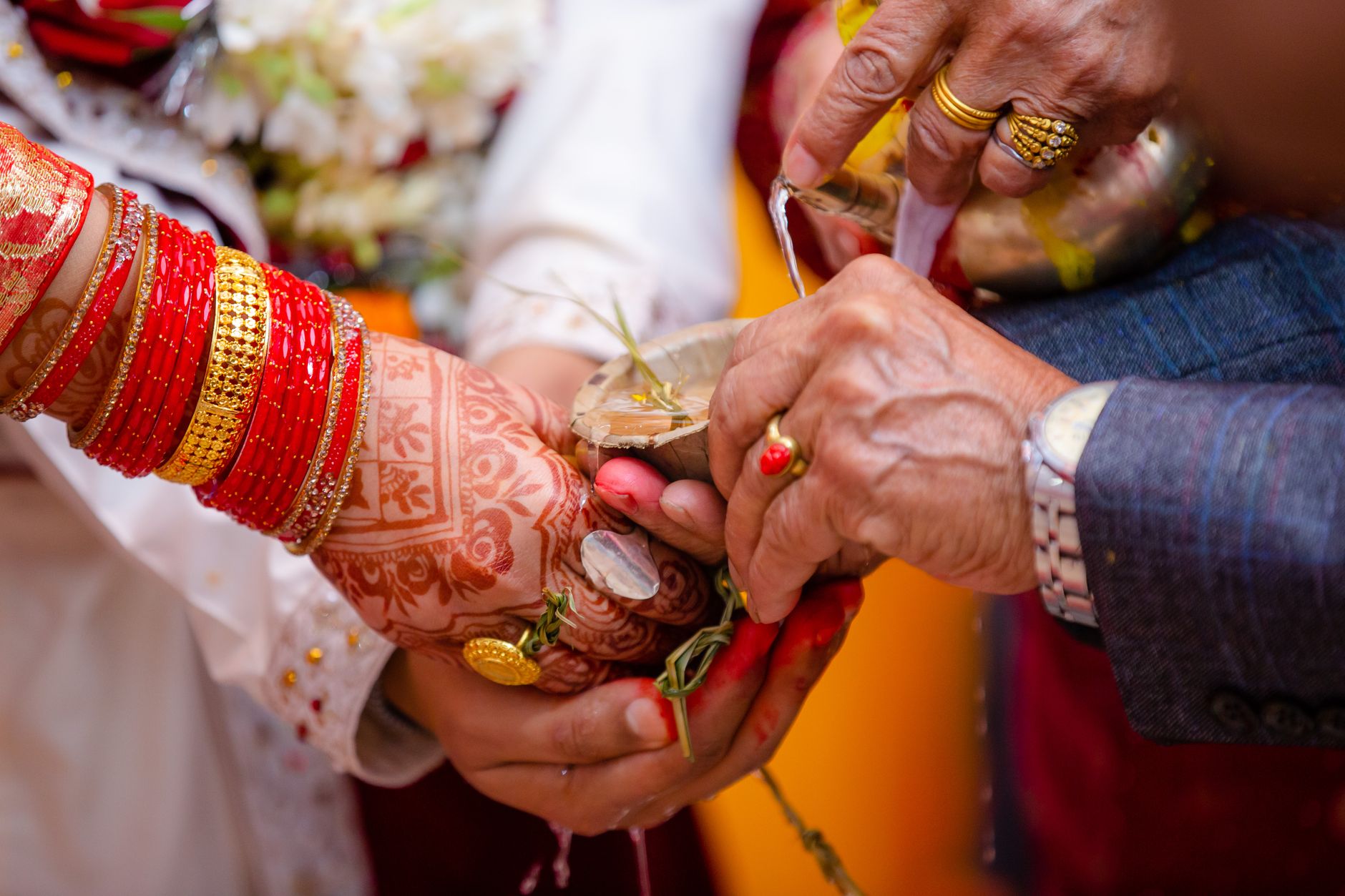 Jain Ceremony Essentials
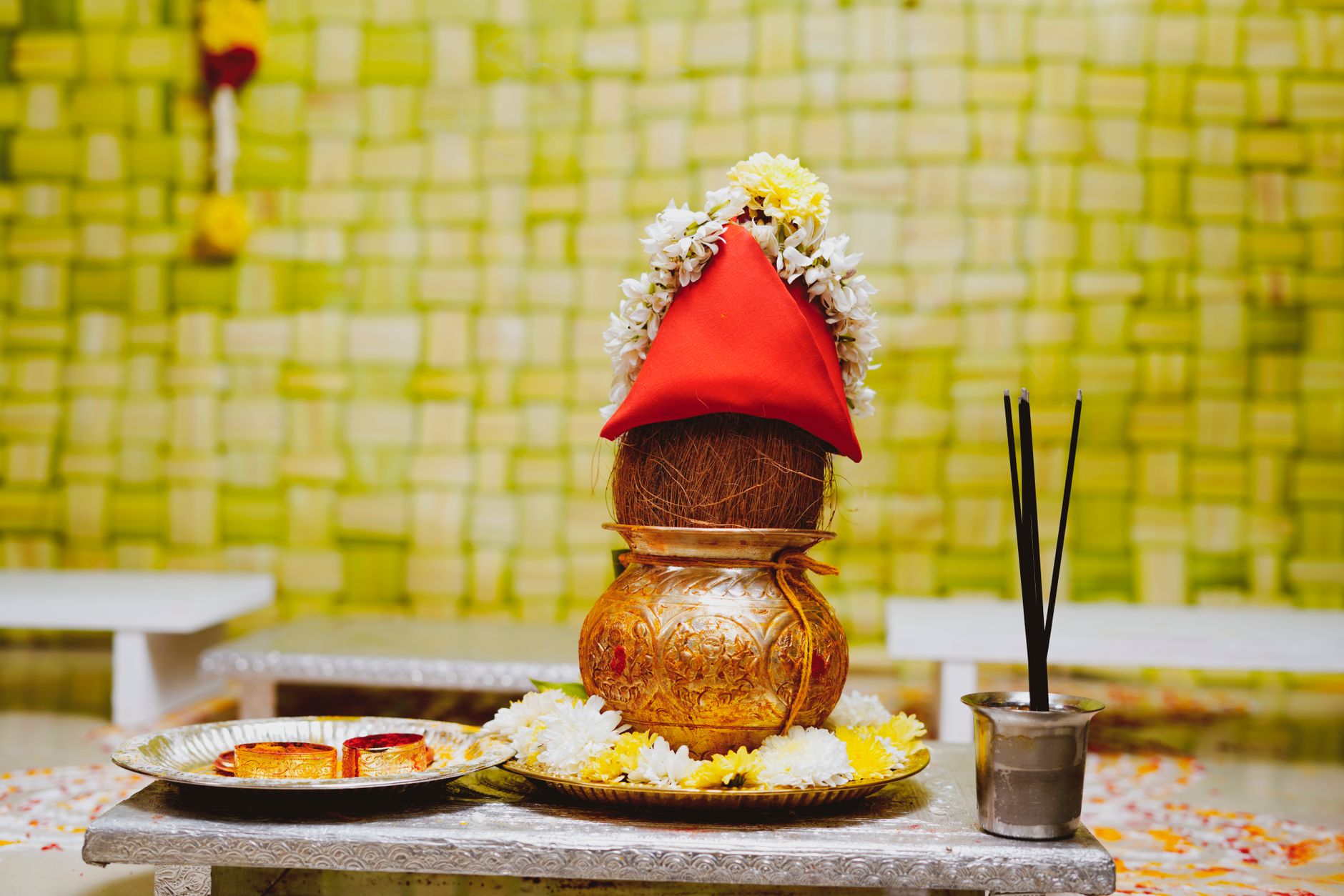 Kannada Sacred Ritual Articles
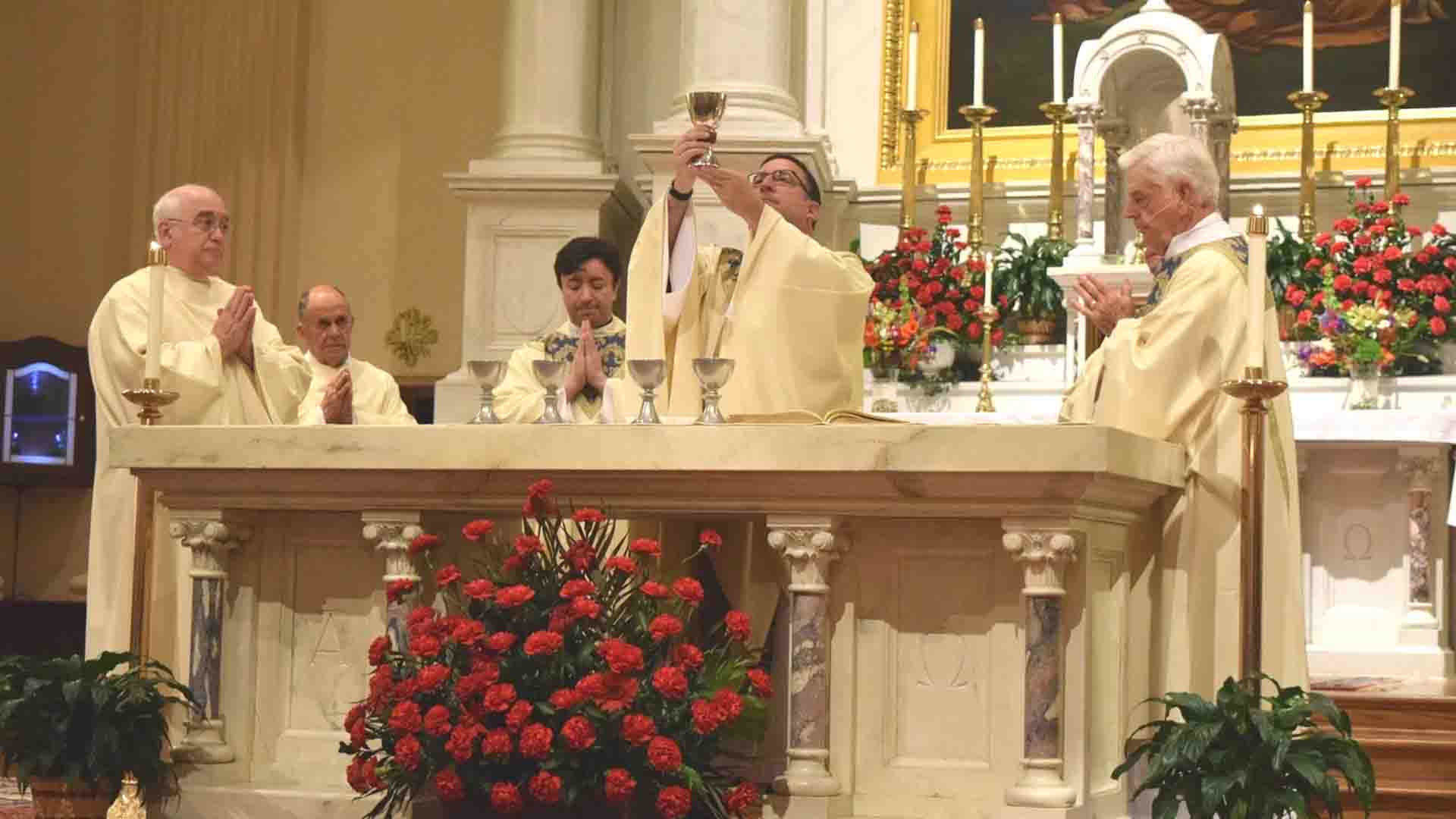 Live Streaming for Religious Ceremonies
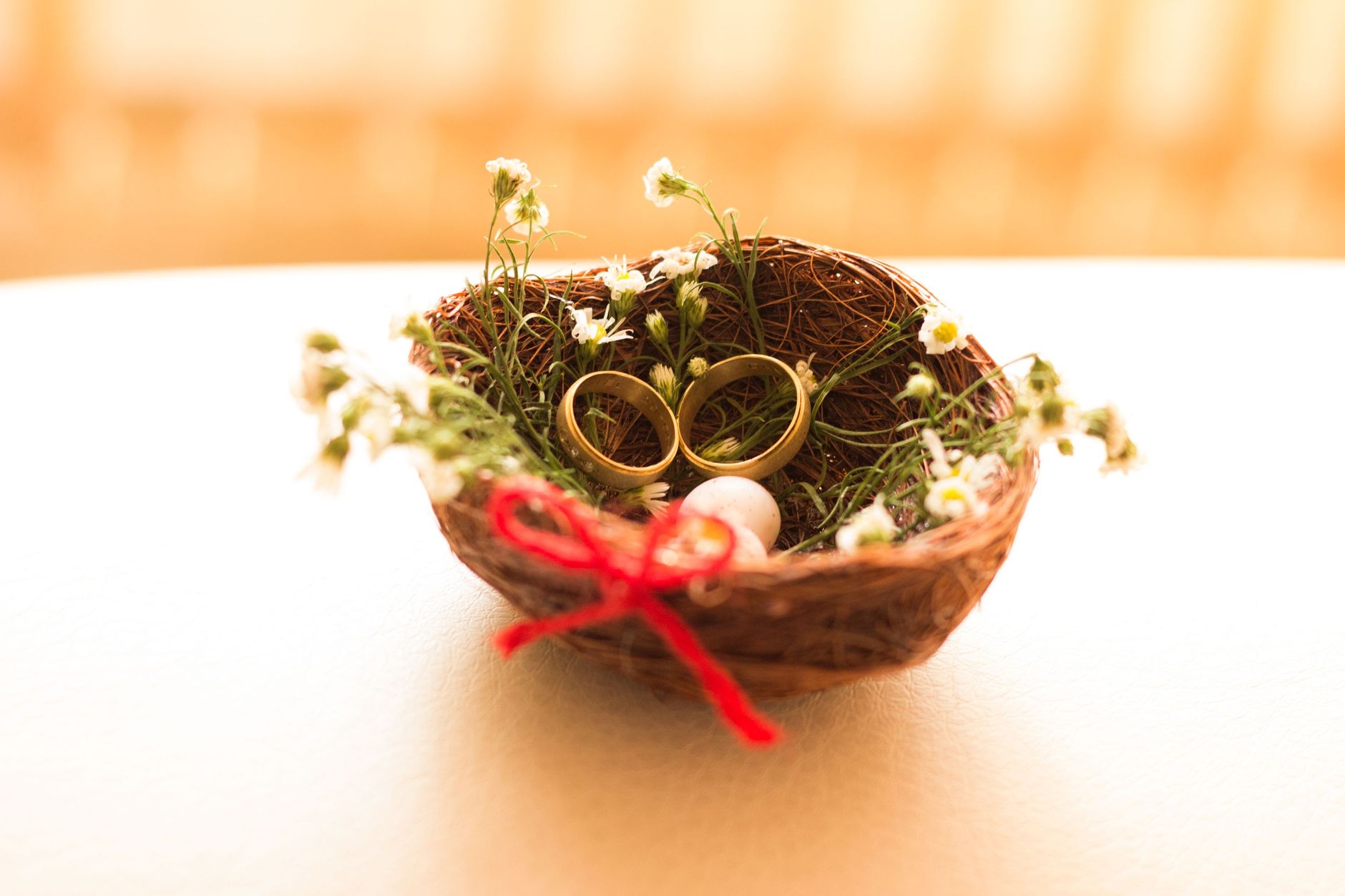 Luxury Floral Basket Decor for Christian Weddings
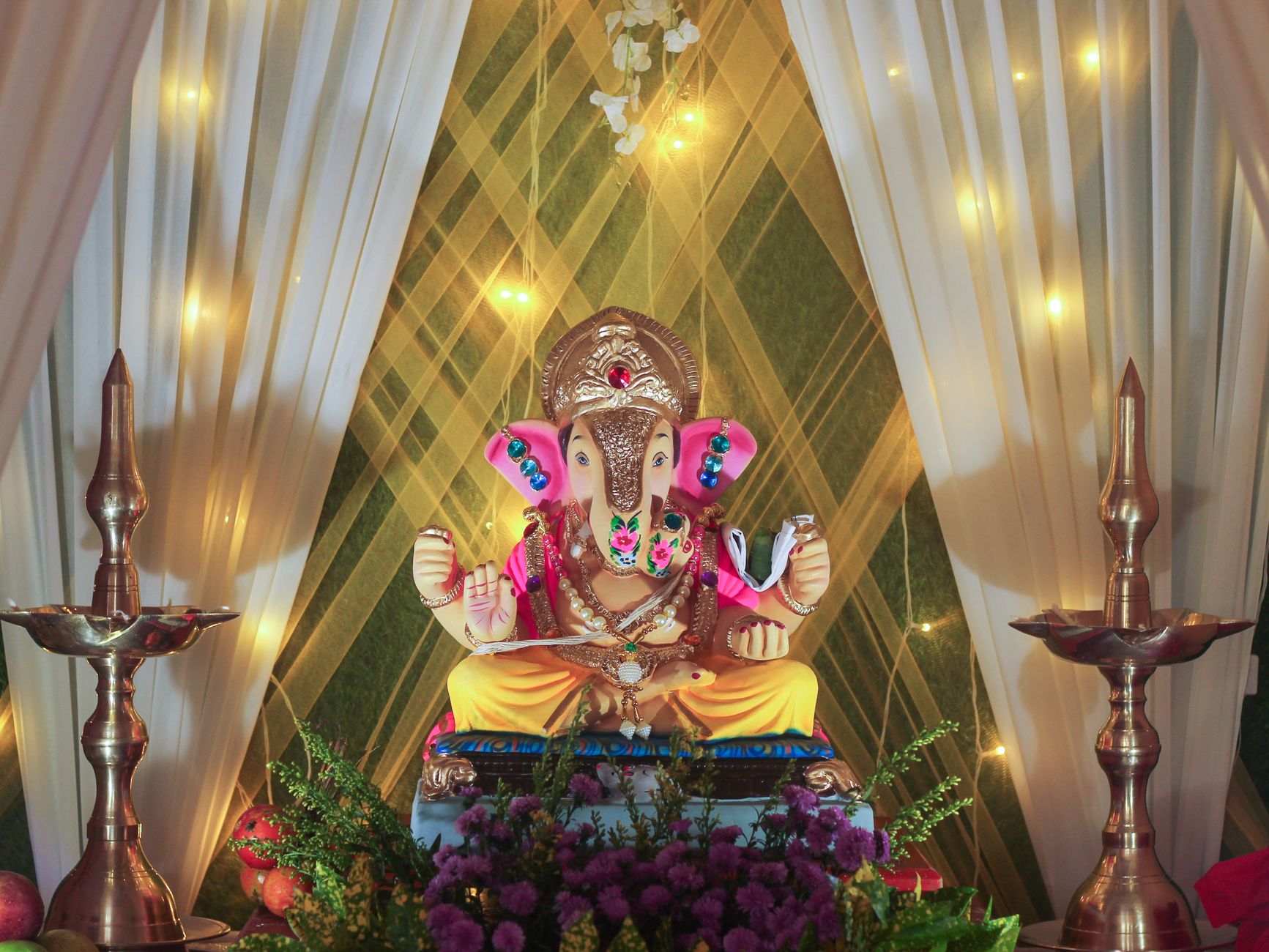 Malayalam Sacred Ritual Articles
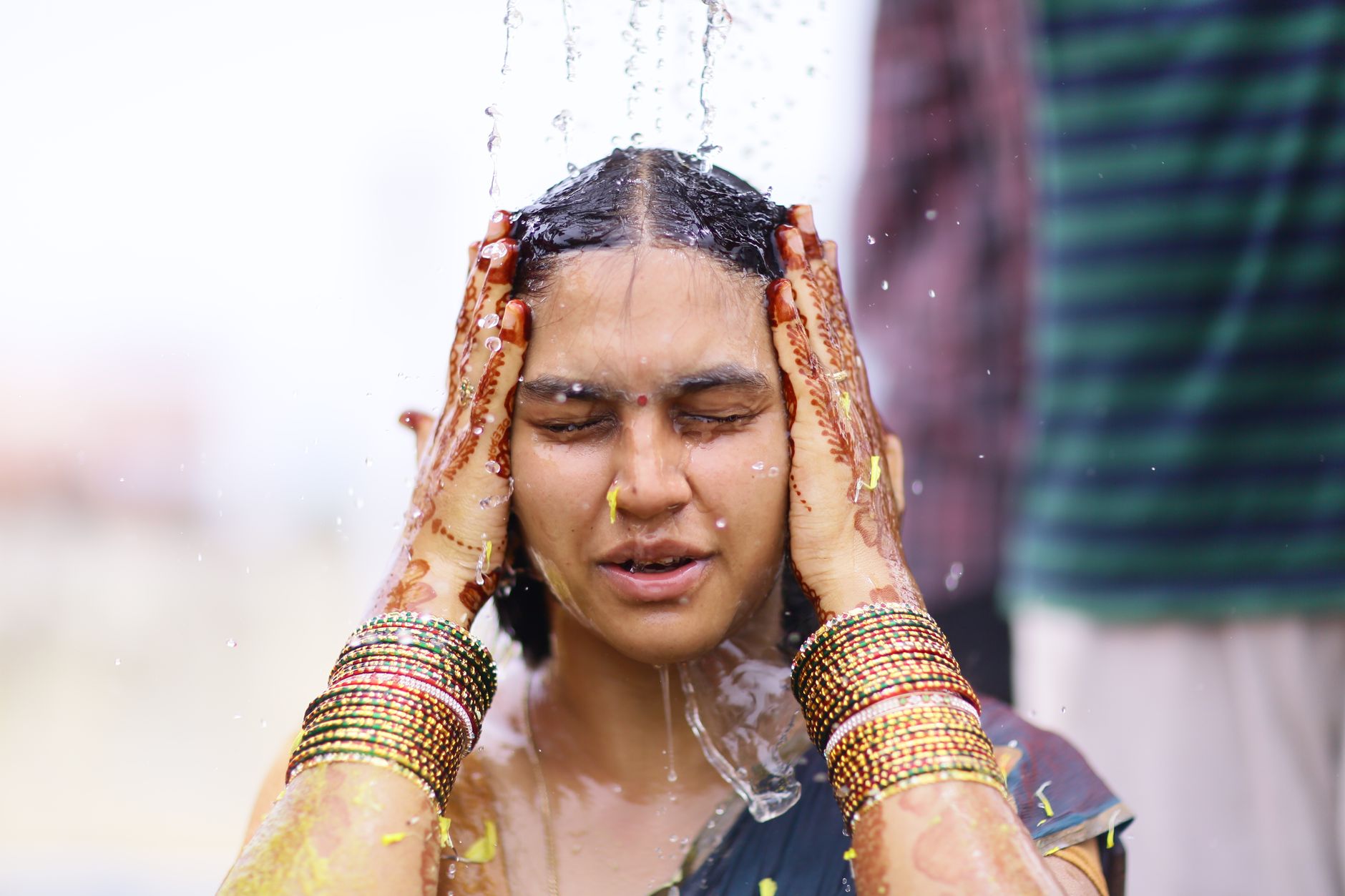
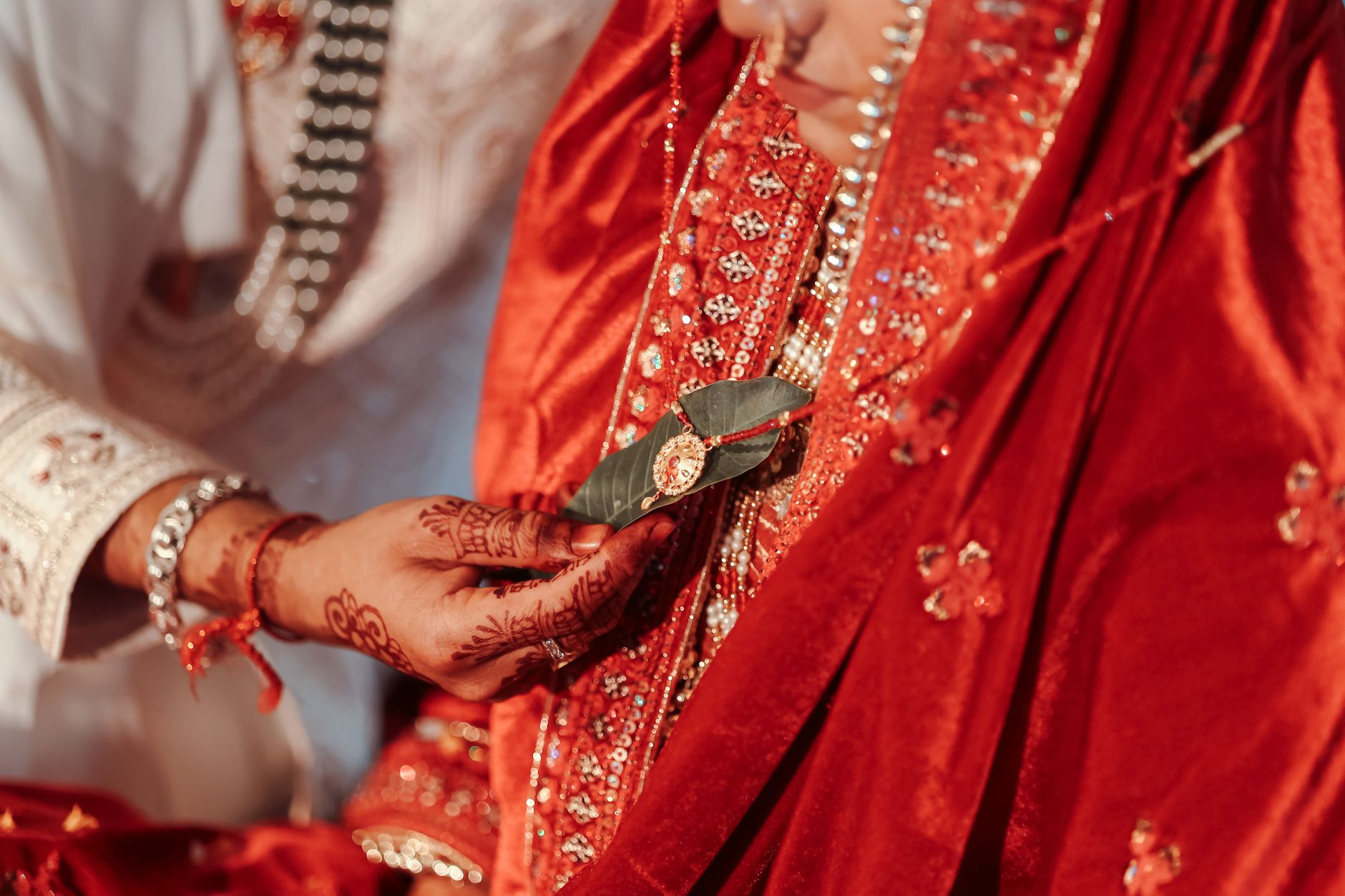 Mangalasnanam Setup & Ritual Items for Telugu Weddings
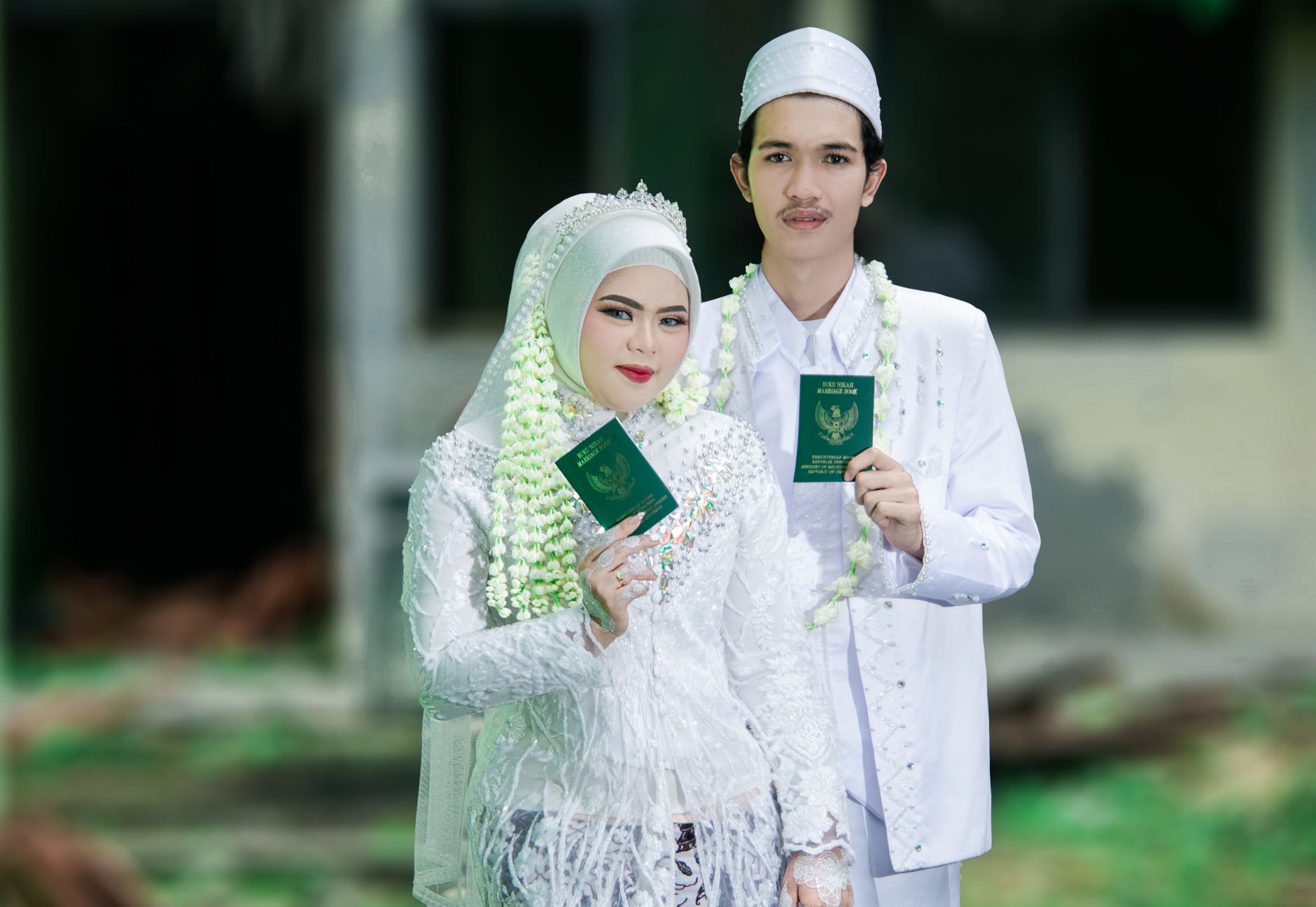 Muslim Wedding Nikah Ceremony Services
 Personalized Ring Presentation Trays for Christian Weddings
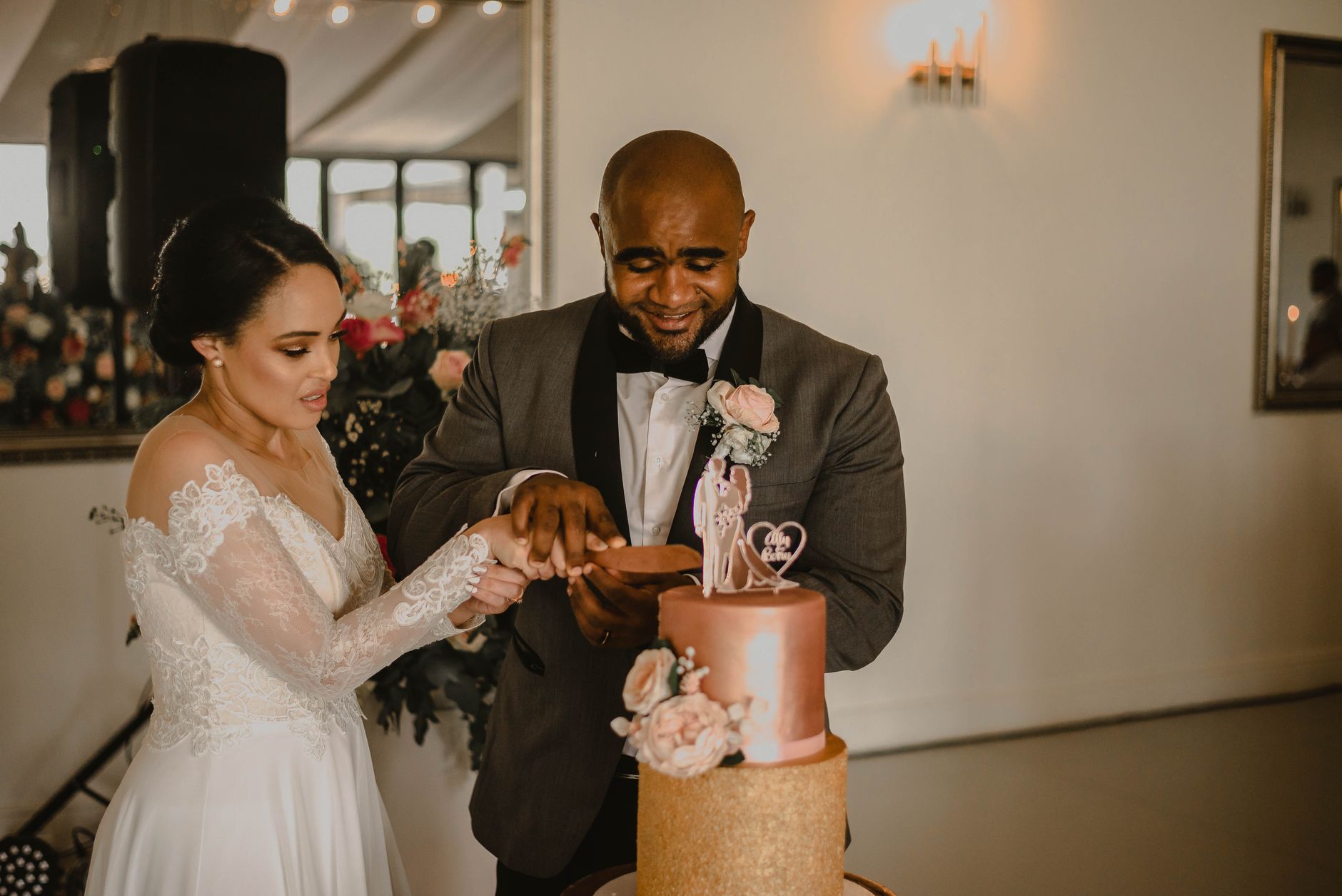 Personalized Wedding Cake Topper Collections
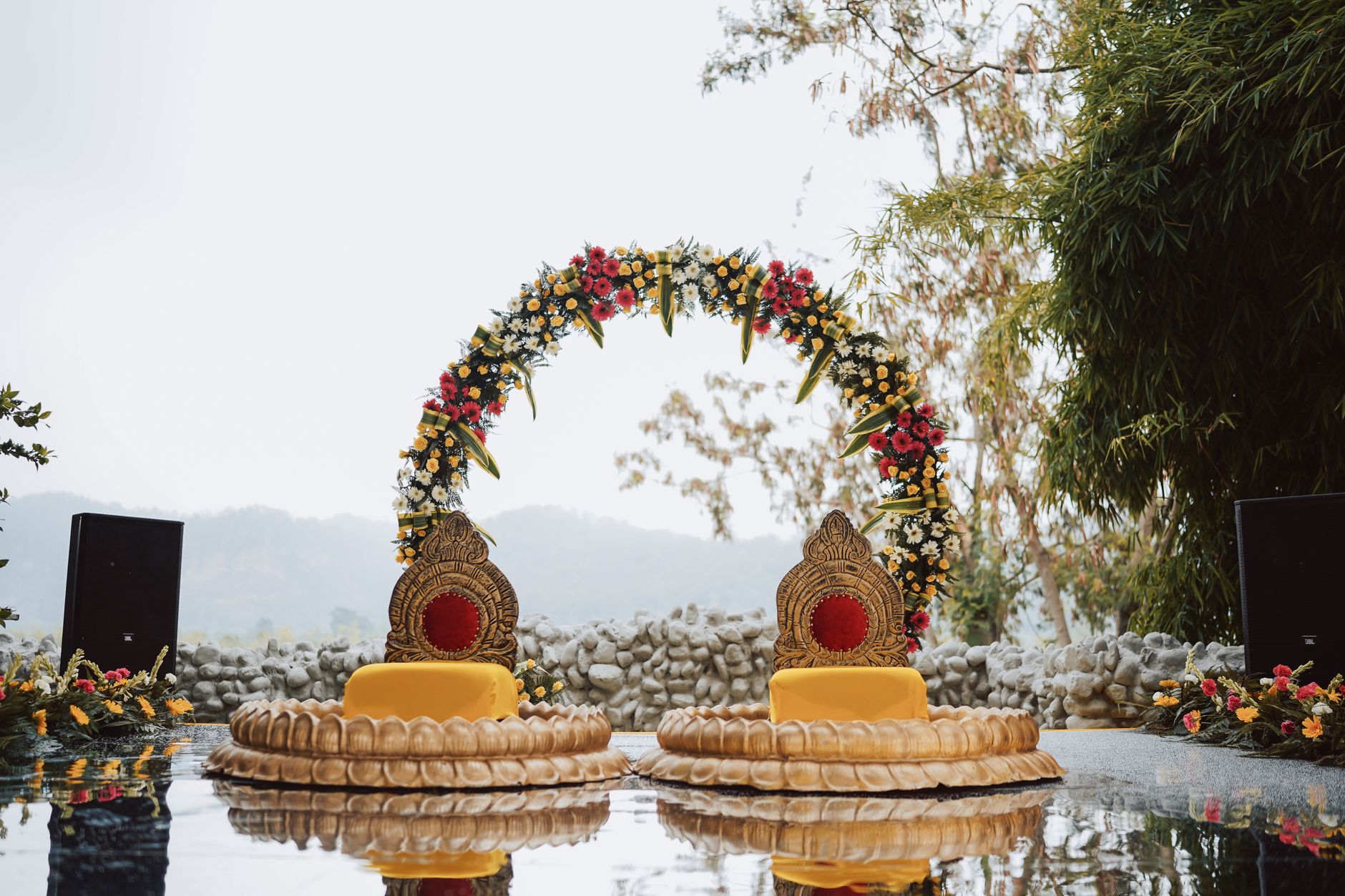 Premium Addutera Setup for Telugu Weddings
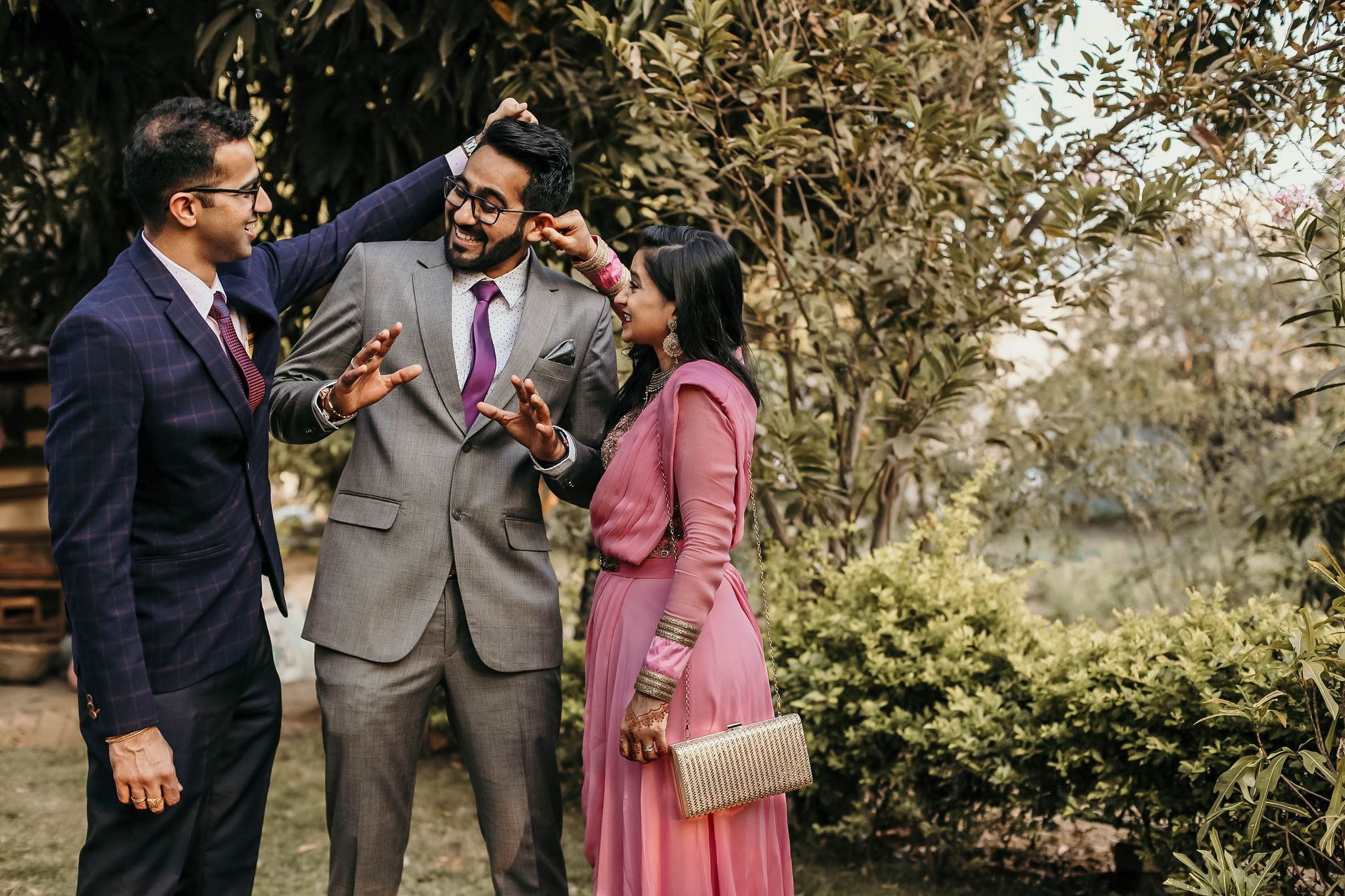 Premium Gujarati Wedding Varmala Collections
- 400+Curated Events
- 6Event Universes
- 1000+Verified Vendors
- 70+Locations
- 24/7Customer Support


Not sure which packages fits your celebration?
Let Hiya & Hanu help you find the perfect match!
Explore Celebration Packages- AI-Powered MatchingSmart suggestions for you
- Budget OptimizerGet the best experiences in your budget
- End-to-End SupportWe are with you at every step
Serving Celebrations across 75+ locations in India
Popular Religious Ceremony Services for Meaningful Family Celebrations
◆Religious ceremonies are an important part of many family and cultural celebrations. They can mark weddings, engagements, naming occasions, house blessings, coming-of-age milestones, festivals and other significant moments. Because these occasions often combine spiritual traditions with family gatherings, careful preparation is essential to create an experience that feels respectful, organised and genuinely personal.
Choosing the right popular religious ceremony services can simplify the process considerably. From arranging ceremonial specialists and selecting a suitable venue to coordinating décor, catering, photography and guest facilities, professional support can bring different parts of the celebration together. The aim is not simply to make an event look impressive, but to ensure that the essential traditions remain at the heart of the occasion.
Why Religious Ceremonies Matter at Family Celebrations
A religious ceremony often represents much more than a scheduled activity. It can connect generations, preserve cultural traditions and give families an opportunity to come together around shared beliefs and values.
For some occasions, the ceremony is the central part of the celebration. For others, it forms one stage of a larger event that includes a reception, meal or cultural programme. Understanding this distinction helps families determine how much planning and coordination is required.
The best popular religious ceremony services should therefore be selected according to the purpose of the occasion rather than simply based on appearance or price. A small family prayer may need only a few carefully arranged services, while a large wedding or religious festival may require a complete team of specialists.
Common Occasions That Require Religious Ceremony Services
Religious and cultural ceremonies can be organised for many different milestones. Weddings are among the most detailed because they may involve several rituals, prayers, blessings and family traditions.
Engagement ceremonies can also include religious blessings and traditional customs before the larger wedding celebration. Naming ceremonies provide an opportunity to welcome a child formally into the family and community.
House blessing and housewarming ceremonies are another common requirement. These occasions may involve prayers or rituals intended to mark the beginning of a new chapter in a home.
Religious festivals and family prayer gatherings can also become significant social events, particularly when relatives travel from different areas to participate.
Other occasions may include coming-of-age ceremonies, anniversary blessings, community gatherings and traditional milestone celebrations. Each requires a slightly different approach to planning.
Understanding Religious Ceremony Planning
Effective religious ceremony planning starts with understanding the traditions associated with the occasion. Families should identify which rituals are essential, who needs to conduct them and what ceremonial items may be required.
It is helpful to speak with the appropriate religious representative before making major arrangements. They can clarify the order of rituals, expected timings and any requirements concerning food, clothing, offerings, music or photography.
Once the ceremony requirements are established, the practical planning can begin. This includes choosing the date, estimating the guest count, selecting the venue and booking specialist services.
A written checklist can be particularly useful. It should cover ceremonial requirements as well as practical details such as seating, parking, catering, decoration, photography, lighting and guest assistance.
Selecting Popular Religious Ceremony Services
When comparing popular religious ceremony services, families should consider experience, reliability and understanding of the specific type of ceremony.
A service provider may specialise in one area, such as decoration or photography, while another may coordinate several aspects of the event. There is no single solution suitable for every celebration.
Ask potential providers about their previous experience with similar occasions. It is also useful to request a clear description of what is included, the expected timings, costs and any additional charges.
Communication is particularly important for religious occasions. A supplier should understand that some parts of the ceremony cannot be delayed, interrupted or changed without proper consideration.
Professional providers who appreciate these requirements can work more effectively with priests, officiants, venue teams and family members.
Finding the Right Religious Event Venue
Venue selection can influence the atmosphere and practical flow of the entire ceremony. Depending on the religious tradition and occasion, families may choose a place of worship, private residence, community hall, hotel function space or outdoor venue.
Before booking, confirm that the venue permits the planned ceremony and associated activities. Some locations have rules concerning decorations, food preparation, music, lighting or the use of specific ceremonial items.
Capacity should also be considered carefully. The venue should provide sufficient space for guests without making the celebration feel unnecessarily empty.
Accessibility is another important factor. Elderly relatives and guests with mobility needs should have convenient access to the ceremony area, seating and washrooms.
Parking, power supply, ventilation and catering access are also worth checking before confirming the booking. These details can have a major impact on guest comfort.
Arranging Traditional Ceremony Decorations
Décor should complement the spiritual character of the occasion rather than compete with it. Popular religious ceremony services may include decoration teams that understand the difference between a conventional party setting and a sacred ceremonial environment.
Traditional flowers, fabric backdrops, lamps where appropriate, subtle lighting and symbolic elements can create an attractive setting. The choice should always respect the customs associated with the particular ceremony.
The main ceremonial area should remain clear and accessible. Large decorative installations should not obstruct participants, religious representatives or guests.
Entrance decoration can create a welcoming first impression, while floral arrangements can define important areas without overwhelming the venue.
For outdoor ceremonies, décor should also be selected with weather conditions in mind. Secure structures, suitable flooring and practical lighting can help maintain the setting throughout the event.
Choosing Priests and Officiants
Religious ceremonies often depend on knowledgeable individuals who understand the relevant traditions. Depending on the faith and ceremony, this may be a priest, minister, imam, rabbi, celebrant or another authorised representative.
Families should confirm availability early, particularly for popular dates. The officiant should also be given enough information about the event location, expected guest numbers and planned schedule.
Discussing requirements beforehand helps prevent confusion on the day. Any ceremonial materials or arrangements that the religious representative expects should be confirmed in advance.
When coordinating popular religious ceremony services, the planner or coordinator should maintain communication with the officiant while respecting their authority over the religious elements of the ceremony.
Catering for Religious and Cultural Occasions
Food can be an important part of family celebrations, but religious requirements may influence menu choices and preparation methods.
Before booking a caterer, identify any dietary restrictions, fasting practices, permitted foods or traditional dishes associated with the occasion. The catering team should receive clear instructions.
Some ceremonies may involve food with a particular cultural or religious significance. Preparation, handling and serving should be discussed with the family and relevant religious adviser.
For larger gatherings, buffet service can provide flexibility, while plated meals may be more suitable for formal celebrations. Smaller ceremonies may simply require refreshments and traditional offerings.
Good catering planning should also account for children, elderly guests and anyone with specific dietary requirements.
Photography and Video Coverage
Photography can preserve memories of an important religious occasion, but it should always be handled sensitively.
Before hiring a photographer, establish whether photography and video recording are permitted during every part of the ceremony. Some religious traditions may have restrictions around particular moments.
A photographer with relevant experience can understand when to remain discreet and when family portraits or group photographs can be arranged.
Photography can also be scheduled before or after the main ceremony. This reduces interruptions while still giving families plenty of opportunities to capture important memories.
Managing Guests and Family Participation
Religious ceremonies often involve active participation from family members. Some relatives may have specific roles, while others may need to be guided to particular seating areas.
A simple event schedule can help everyone understand when they should arrive and participate. Family members responsible for ceremonial duties should receive information beforehand.
Guest communication is particularly useful when attendees are unfamiliar with the traditions. A brief explanation of the ceremony can help everyone participate respectfully.
Children and elderly relatives may require additional consideration. Comfortable seating, clear pathways and convenient facilities can make the occasion more enjoyable for everyone.
Coordinating Cultural and Entertainment Elements
Entertainment should be selected according to the nature of the celebration. A deeply spiritual ceremony may require no entertainment at all, while a larger cultural gathering may include devotional music, traditional performances or instrumental arrangements.
Any additional activity should be scheduled around the ceremony rather than interrupting prayers or important rituals.
For celebrations that include a reception, cultural performances can be introduced after the formal ceremony. This creates a natural transition from the spiritual part of the event to the social gathering.
The same principle applies to music. Volume, timing and style should remain appropriate for the venue and occasion.
Benefits of Professional Ceremony Coordination
Managing several suppliers can become challenging, particularly when family members also need to participate in the ceremony. Professional coordination can reduce this pressure.
A coordinator can help manage the venue, décor team, caterer, photographer and other suppliers according to an agreed schedule. This gives family members more freedom to focus on the occasion itself.
Good religious ceremony planning also identifies potential issues before the event. Delivery timings, seating arrangements, weather concerns and supplier access can all be reviewed in advance.
For larger events, a central point of contact can be particularly valuable. Suppliers know whom to approach, while the family avoids receiving multiple operational questions during the ceremony.
Creating a Personal Yet Traditional Experience
Tradition does not mean that every celebration has to look identical. Families can preserve important customs while incorporating personal touches that reflect their story.
Family photographs, meaningful floral arrangements, traditional fabrics or a carefully chosen ceremonial setting can create a distinctive atmosphere.
Younger family members can also be encouraged to participate where appropriate. Explaining the meaning behind rituals can make the experience more memorable and help preserve cultural knowledge.
The most successful ceremonies generally balance authenticity with comfort. The focus should remain on the meaning of the occasion rather than following every passing event trend.
Budgeting for Religious Ceremony Services
A realistic budget should be established before suppliers are booked. Costs can vary according to guest numbers, venue type, ceremony duration, décor requirements and the number of specialist services involved.
Create separate budget categories for the venue, religious services, decoration, catering, photography, transportation and additional requirements.
Request written quotations where possible and clarify what each price includes. This helps prevent unexpected expenses later.
Families should also keep a contingency amount for last-minute requirements. Religious ceremonies can involve specific materials or arrangements that may only become apparent during final preparations.
Using Happiffie for Celebration Service Discovery
Finding suitable suppliers can take time when several types of services are required. Happiffie can help users explore celebration-related services and vendors according to their event requirements.
Whether the need involves decoration, venue support, photography, catering or other celebration services, comparing relevant providers can make the planning process more structured.
The goal of using popular religious ceremony services should be to create a well-coordinated experience that respects the ceremony while making the wider celebration comfortable for guests.
Final Considerations for a Successful Ceremony
Religious celebrations deserve careful planning because they often combine spiritual meaning, cultural identity and important family relationships. The practical details should support these priorities rather than overshadow them.
The right popular religious ceremony services can make coordination easier by bringing specialist knowledge and organised event support into the planning process.
Start by defining the purpose of the ceremony and confirming its essential traditions. Then select an appropriate venue, religious representative and supporting suppliers. Build the schedule around the ceremony and allow enough flexibility for traditional rituals.
With thoughtful religious ceremony planning, families can create an occasion that feels authentic, welcoming and well organised. From the first prayer to the final family photograph, every part of the celebration can contribute to a meaningful memory.
Frequently Asked Questions
1. What are popular religious ceremony services?
Popular religious ceremony services can include religious officiant arrangements, venue coordination, traditional décor, catering, photography, guest management and other specialist support required for a religious celebration.
2. What occasions can religious ceremony services support?
They can support weddings, engagements, naming ceremonies, house blessings, religious festivals, prayer gatherings, coming-of-age occasions and other family or community milestones.
3. How early should religious ceremony planning begin?
For larger celebrations, it is sensible to begin several weeks or months in advance. This provides time to secure the venue, religious representative and specialist suppliers, particularly when the date is popular.
4. How do I choose a suitable religious event venue?
Consider the ceremony requirements, guest capacity, accessibility, parking, facilities and venue rules. Always confirm that the location permits the intended religious activities before booking.
5. Can religious ceremony services include decoration?
Yes. Depending on the provider, services may include floral arrangements, entrance décor, ceremonial backdrops, traditional elements and lighting. Decoration should always remain appropriate to the religious setting.
6. Do I need to arrange a priest or officiant separately?
This depends on the service provider and religious tradition. Some popular religious ceremony services may include coordination with a religious representative, while families may prefer to arrange their own trusted officiant.
7. What should I consider when booking a caterer?
Check religious dietary requirements, traditional food preferences, preparation methods, guest numbers and service style. Communicate any special requirements to the caterer before confirming the booking.
8. Is photography allowed during religious ceremonies?
Rules vary by religion, venue and ceremony. Always confirm photography and recording permissions beforehand and make sure the photographer understands any restrictions.
9. Can entertainment be included in a religious celebration?
Yes, where appropriate. Devotional music, traditional performances and cultural programmes can complement a celebration, but they should be scheduled carefully so they do not interrupt important religious activities.
10. How can professional religious ceremony services make planning easier?
Professional support can coordinate venues, décor, catering, photography and other suppliers while keeping the ceremony schedule organised. This allows family members to concentrate more fully on the spiritual and personal significance of the occasion.