
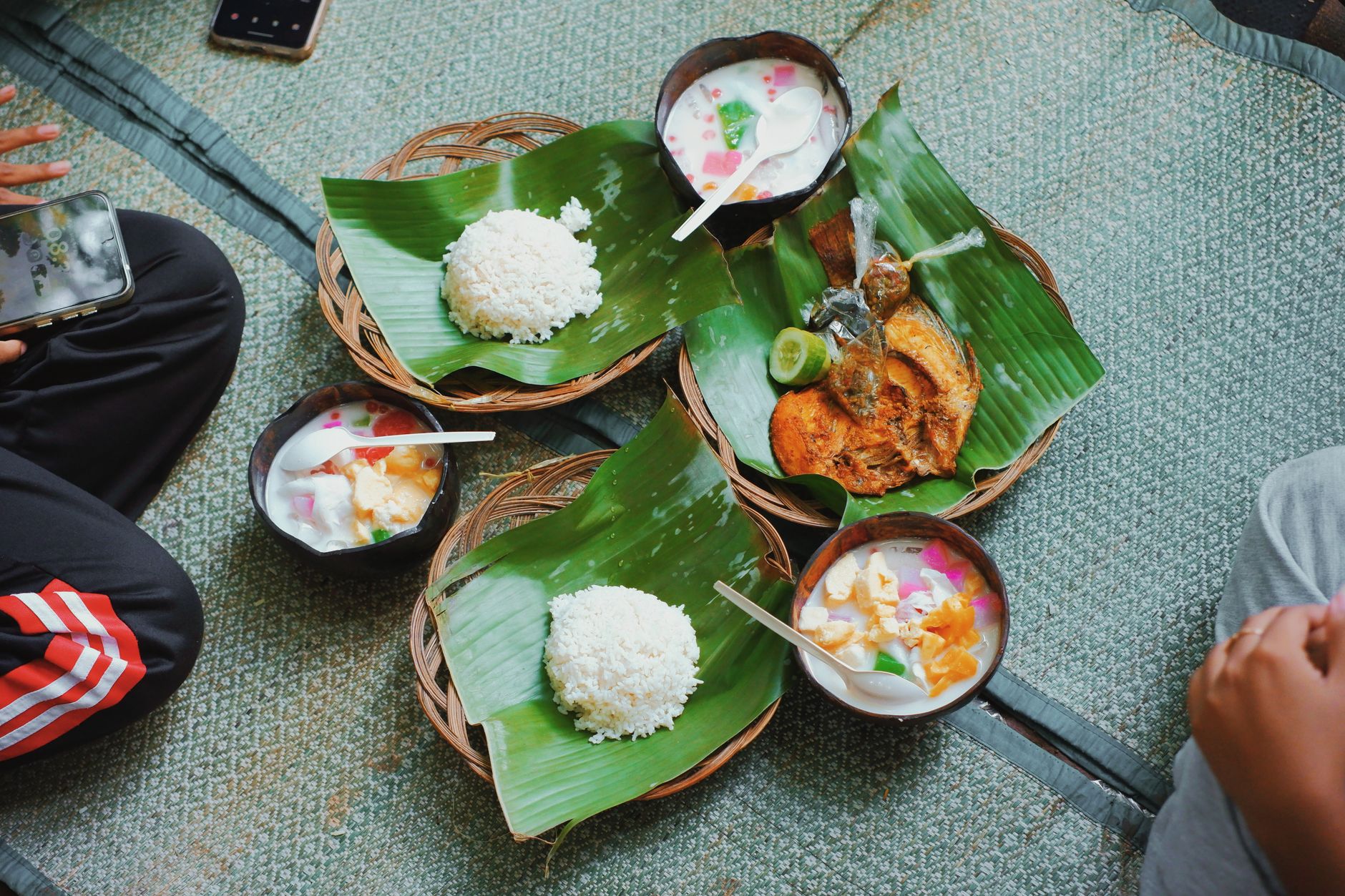
Sacred Feast, Timeless Traditions
Religious cermony in Hyderabad
Authentic Brahmin Marriage Bakshanam Varieties for Hyderabad Weddings
Planning a Brahmin vivaham in Hyderabad means paying as much attention to the dining table as to the mandap. Authentic Brahmin marriage bakshanam varieties are not simply a list of dishes — they are a carefully curated sequence of sattvic wedding food for Brahmin ceremonies that honours purity, auspiciousness, and regional heritage. From the first dollop of ghee-drenched pappu to the final serving of payasam, every item carries ritual meaning. Families hosting weddings across Jubilee Hills, Miyapur, Secunderabad, and Kukatpally increasingly seek caterers who understand both the Telugu and Tamil Brahmin traditions that make Hyderabad's wedding food scene so rich. This guide walks you through every decision — from choosing your traditional Brahmin wedding feast menu to managing your Hyderabad wedding catering budget — so your guests leave with full hearts and satisfied palates.
Quick Answer
Authentic Brahmin marriage bakshanam varieties refer to the complete, ritually sanctioned vegetarian menu served during a Brahmin wedding feast in South India. Typically served on a banana leaf, the spread includes rice preparations, dal, sambar, rasam, kootu, palya, chutneys, pickles, appalam, and one or more payasam varieties — all prepared without onion or garlic, following sattvic dietary principles observed during auspicious occasions.
What Are Authentic Brahmin Marriage Bakshanam Varieties and Why Do They Matter?
Authentic Brahmin marriage bakshanam varieties represent one of the most elaborate vegetarian culinary traditions in India. The word 'bakshanam' itself comes from Sanskrit-rooted Telugu, broadly meaning 'food prepared for celebration or offering.' In the context of a Brahmin vivaham, bakshanam is not everyday cooking — it is a devotional act performed by cooks who observe ritual cleanliness, use only sattvic ingredients, and follow a prescribed sequence of serving. This is why sattvic wedding food for Brahmin ceremonies excludes onion, garlic, meat, and alcohol entirely. The goal is to serve food that is pure in preparation and auspicious in energy, aligning with the spiritual atmosphere of the wedding rituals being performed simultaneously. In Hyderabad, two primary traditions dominate: Telugu Brahmin and Tamil Brahmin (Iyer and Iyengar) weddings, each with their own regional accent on the same foundational principles. Telugu Brahmin feasts tend to feature rice-heavy menus with generous helpings of ghee, while Tamil Brahmin spreads incorporate more kootu and aviyal varieties. Both rely on the banana leaf dining experience as the vessel of service — a practice considered eco-friendly, hygienic, and deeply auspicious because the leaf itself is associated with Lord Vishnu in Vaishnava tradition. Families in areas like Banjara Hills and Ameerpet often discover that the quality of bakshanam is the single most discussed aspect of a wedding among guests. Elders compare it to weddings they attended decades ago, and younger guests are often tasting traditional preparations for the first time. Getting the bakshanam right is, therefore, both a cultural responsibility and a hospitality statement.
The Classic Course-by-Course Breakdown of a Brahmin Wedding Feast Menu
A traditional Brahmin wedding feast menu follows a strict order of service, ensuring that digestive harmony is maintained as the meal progresses. Understanding this sequence helps families communicate clearly with caterers when planning authentic Brahmin marriage bakshanam varieties for their event. The meal typically begins with a small banana placed on the leaf, symbolising prosperity and sweetness at the start of the feast. This is followed by the dry items: pappadam (appalam), a dry curry (palya or kootu), a pickle (avakaya or gongura-based for Telugu weddings), and a chutney such as coconut or tomato. Raw banana or yam preparations are common starters in both traditions. The wet courses then arrive in sequence. Sambar, the thick lentil and tamarind stew, is ladled generously over rice. Rasam follows — a thinner, more peppery broth that aids digestion. Kootu, a thickened vegetable-lentil combination, is placed alongside. Pulissery or majjiga pulusu (a yoghurt-based gravy) may follow in Tamil Brahmin menus. A simple dal with ghee, known as pappu in Telugu tradition, is a beloved staple. The payasam is the crown of any Brahmin shaadi sadya dishes selection. Semiya payasam (vermicelli), chakkarai pongal, and moong dal kheer are common, while more elaborate menus may include two or three payasam varieties. The entire experience, unfolded on a gleaming banana leaf dining experience, concludes with curd rice — a palate-cleanser that signals the feast is complete and the guests are satisfied.
How Does Hyderabad's Cultural Mix Shape Brahmin Shaadi Sadya Dishes?
Hyderabad occupies a uniquely layered culinary geography. The city has been home to Telugu-speaking Brahmin communities for centuries, and significant Tamil Brahmin migration over the past several decades has added Iyer and Iyengar wedding traditions to its wedding landscape. This means that authentic Brahmin marriage bakshanam varieties in Hyderabad are rarely a single template — they are a living blend of at least two regional traditions, often negotiated within the same family. South Indian Brahmin vivaham catering in Hyderabad must therefore be highly customisable. A family from Secunderabad following Telugu Niyogi Brahmin customs will have different expectations from a family in Gachibowli who follows Tamil Smartha traditions. The former may insist on pesarattu and upma as the pre-wedding breakfast items, while the latter may require a full-sized medu vada and pongal service. Both groups, however, share the commitment to pandit-approved vegetarian wedding menus — food that a learned priest would bless without hesitation. Local specialties also find their way in. Hyderabad's own culinary identity contributes items like boorelu (sweet rice dumplings stuffed with chana dal and jaggery), bobbatlu (sweet flatbread), and pulihora (tamarind rice) to wedding spreads. These hyper-regional touches make Hyderabad Brahmin weddings distinctive. Caterers who understand this micro-regional nuance are far better positioned to serve your guests authentically than those offering a generic 'South Indian vegetarian' menu. Families planning weddings in banquet halls along Hitec City Road or at Kalyana Mandapams near Dilsukhnagar should enquire specifically about which regional tradition the caterer specialises in before signing any agreement.
How Much Does South Indian Brahmin Vivaham Catering Cost in Hyderabad?
Understanding your Hyderabad wedding catering budget before approaching vendors is the single most effective way to avoid overspending or under-ordering. Costs for authentic Brahmin marriage bakshanam varieties vary significantly depending on the number of courses, ingredient quality, guest count, and whether the caterer is also responsible for serving staff. As a general benchmark, basic Brahmin feast menus with 12-15 items typically start at INR 350-500 per plate for large gatherings of 400 or more guests, when ordered well in advance. A mid-range spread with 18-22 items, including two payasam varieties, fresh appalam frying, and live ghee service, generally falls between INR 600-900 per plate. Premium menus featuring heirloom rice varieties (like sona masoori or mappillai samba), imported dry fruits in payasam, and additional sweets such as mysore pak or badam halwa can push costs to INR 1,000-1,500 per plate or beyond. For a wedding of 500 guests — a common size at Kalyana Mandapams in areas like Ramanthapur and Vanasthalipuram — a mid-range traditional Brahmin wedding feast menu could total INR 3-4.5 lakh just for lunch service. Morning tiffin service (idli, vada, pongal, coffee) and evening snacks are typically priced separately. Key factors that elevate cost include the use of pure desi cow ghee versus refined oil, number of live-cooking stations, banana leaf sourcing (fresh versus stored), and whether the caterer provides cleanup services. Families should always request an itemised quote and clarify whether GST, serving staff charges, and utensil rental are included in the per-plate price. This level of transparency is part of what Happiffie's verified vendor network ensures when you connect with caterers through the platform.
What Should You Look for in a Caterer Serving Authentic Brahmin Marriage Bakshanam Varieties?
Choosing the right caterer for authentic Brahmin marriage bakshanam varieties requires more than a menu tasting. It demands an evaluation of the caterer's understanding of ritual protocols, ingredient sourcing, cooking process, and service discipline — all of which directly affect the auspicious wedding feast traditions your family wants to uphold. First, ask the caterer whether they have cooked for Brahmin weddings specifically, and which sub-traditions (Telugu, Tamil Iyer, Iyengar, Madhwa) they are familiar with. A caterer who has only handled generic vegetarian events may not know that ginger is used as a substitute for garlic in sattvic cooking, or that certain items must be served in a specific order as dictated by custom. Second, verify the sattvic commitment. Authentic sattvic wedding food for Brahmin ceremonies means zero onion, zero garlic, and often zero root vegetables like radish during specific auspicious periods. The caterer's kitchen must be dedicated or thoroughly cleaned before preparing your wedding meal. Third, evaluate the banana leaf dining experience they provide. Are the leaves fresh and correctly sized? Are they pre-washed? Is the serving done from right to left in the traditional sequence? These details signal expertise. Fourth, check references from other Brahmin families. Word-of-mouth in Hyderabad's Brahmin community travels fast — in neighbourhoods like Saidabad, Mehdipatnam, and Kukatpally, families often share trusted caterer contacts through community WhatsApp groups. Finally, review the staffing ratio. For a dignified banana leaf dining experience with 300+ guests, you typically need one server for every 20-25 guests to maintain timely, respectful service. Brahmin shaadi sadya dishes require attentive refilling — guests must never feel they have to ask twice for more sambar or payasam. A caterer who underestimates staffing will compromise the entire experience, regardless of food quality.
Comparing Setup Types for Brahmin Wedding Bakshanam Service in Hyderabad
Expert Recommendation
Best for intimate family celebrations (under 100 guests)
Best for large wedding gatherings (300-600 guests)
Best for budget-conscious families
Best for traditional purist families
Best for destination or hotel venue weddings
Best for modern Brahmin families blending traditions
How to Choose the Right Option
✅ Pre-booking Checklist
- Confirm the caterer's experience with your specific Brahmin sub-tradition (Telugu Niyogi, Tamil Iyer, Iyengar, Madhwa) and request references from similar recent weddings
- Verify that the kitchen and all ingredients strictly follow sattvic principles — no onion, garlic, or non-vegetarian items at any stage of preparation
- Obtain a written itemised menu listing all dishes, so you can cross-check against your purohit's or family elder's expectations for authentic Brahmin marriage bakshanam varieties
- Confirm banana leaf sourcing — fresh, correctly sized leaves sourced within 24 hours of the event for best presentation and aroma
- Agree on staffing ratio, serving sequence, and the number of payasam rounds to be offered before signing the contract
- Clarify all inclusive costs: per-plate rate, GST, serving staff, equipment rental, banana leaf cost, and post-meal cleanup charges
- Conduct a mandatory food tasting at least 4-6 weeks before the event, tasting all major sambar, rasam, and payasam preparations
- Book a backup arrangement or confirm a penalty clause for last-minute cancellation, especially for weddings during peak muhurtam season
🎯 Selection Criteria
- Demonstrated expertise in South Indian Brahmin vivaham catering and knowledge of regional variations within Hyderabad's Brahmin communities
- Strict sattvic kitchen certification or practice — verifiable through references from Brahmin wedding families or community trust groups
- Ability to manage high-volume banana leaf service with adequate trained serving staff without compromising dignity or sequence
- Transparent and itemised pricing that fits within your Hyderabad wedding catering budget without hidden charges
- Flexibility to customise the traditional Brahmin wedding feast menu based on family tradition, dietary needs, and muhurtam-specific restrictions
- Positive reputation within Hyderabad's Brahmin community, evidenced through word-of-mouth references from neighbourhoods like Saidabad, Miyapur, and Ameerpet
💰 Cost / Quality Factors
- Quality and purity of ghee — pure desi cow ghee significantly elevates both taste and ritual authenticity, and raises cost by 15-25 percent over refined oil alternatives
- Freshness of banana leaves — leaves sourced same-day are firmer, more aromatic, and leak less than stored leaves, improving the overall dining experience
- Ingredient sourcing — organic or heirloom rice varieties, fresh-ground spices, and seasonal vegetables directly impact the flavour of Brahmin shaadi sadya dishes
- Number of serving rounds — payasam and sambar offered in multiple rounds signals quality catering and generous hospitality, which guests notice and remember
- Staffing experience — trained servers who know the traditional left-to-right layout of a banana leaf and the correct pouring etiquette add greatly to perceived professionalism
- Kitchen infrastructure — caterers with on-site cooking (versus pre-cooked transport) deliver fresher, hotter food, especially critical for rasam and payasam
⚠️ Common Mistakes to Avoid
- Choosing a caterer based solely on price without verifying sattvic cooking credentials, risking ritual impurity and guest dissatisfaction
- Skipping the food tasting session and discovering quality issues only on the wedding day when there is no time to correct them
- Under-staffing the service team — insufficient servers at a banana leaf feast results in delayed refills, cold food, and visible chaos that mars the celebration
- Failing to communicate sub-tradition specifics to the caterer, resulting in a generic menu that does not reflect your family's authentic Brahmin marriage bakshanam varieties
- Overlooking the importance of payasam quality — using low-quality vermicelli, powdered milk, or insufficient saffron produces a flat, forgettable payasam that experienced guests will immediately notice
- Ignoring the post-meal logistics — cleanup of banana leaves, used vessels, and dining area is a significant operational task; confirm responsibility and timing with your caterer well in advance
People Also Ask
What are the most essential dishes in a Brahmin wedding bakshanam spread?
Can non-vegetarian caterers prepare Brahmin wedding food?
How many payasam varieties are typically served at a Brahmin wedding in Hyderabad?
What is the significance of serving food on banana leaves at Brahmin weddings?
How far in advance should I book a Brahmin wedding caterer in Hyderabad?
Is it customary to serve coffee or buttermilk during a Brahmin wedding feast?
What is the difference between Telugu Brahmin and Tamil Brahmin wedding food in Hyderabad?
Can Brahmin shaadi sadya dishes accommodate guests with dietary restrictions?
How much ghee is typically used in a Brahmin wedding feast, and does it affect cost?
What venues in Hyderabad are best suited for a banana leaf Brahmin wedding feast?
Are there specific food items considered inauspicious to serve at a Brahmin wedding?
How many courses does a full Brahmin vivaham bakshanam typically include?
Related Experiences on Happiffie
Pattu Pai Designs for Brahmin Weddings
Sacred Unjal Decor for Brahmin Weddings
Exquisite Outdoor Dining in Bengaluru
Premium Wedding Catering Solutions
All Wedding & Event Services
Venues in Hyderabad
Frequently Asked Questions
What exactly makes bakshanam different from regular South Indian vegetarian food?
How many guests can be served simultaneously in a banana leaf feast setup at a Hyderabad Kalyana Mandapam?
Is it possible to incorporate Hyderabadi local sweets into a Brahmin bakshanam menu?
Do I need a separate purohit approval for the catering menu at a Brahmin wedding in Hyderabad?
What is pulihora and why is it important in Brahmin wedding bakshanam?
How do I verify that a caterer truly follows sattvic cooking standards?
What are the typical tiffin items served at a Brahmin wedding morning event in Hyderabad?
Can the banana leaf feast be arranged outdoors at a farmhouse or garden venue in Hyderabad?
Are there catering teams in Hyderabad that specialise only in Iyengar Brahmin wedding food?
What is the typical duration of a full Brahmin wedding bakshanam lunch service?
How should I handle guests who arrive late and miss the main banana leaf service?
Does Happiffie list verified caterers for authentic Brahmin marriage bakshanam in Hyderabad?
Key Takeaways
- Authentic Brahmin marriage bakshanam varieties are a ritually sequenced vegetarian feast served on banana leaves, following strict sattvic principles with zero onion or garlic.
- Hyderabad hosts both Telugu and Tamil Brahmin wedding traditions, making caterer sub-tradition expertise essential for a truly authentic experience.
- The banana leaf dining experience is not just aesthetic — it carries deep auspicious meaning and enhances the flavour and sanctity of every dish served.
- A mid-range traditional Brahmin wedding feast menu in Hyderabad typically costs INR 600-900 per plate; premium spreads with desi ghee and multiple payasam varieties can reach INR 1,500 per plate.
- Booking a specialist South Indian Brahmin vivaham catering team at least four to six months before the wedding date is critical during peak muhurtam seasons.
- Payasam, pulihora, sambar, rasam, and curd rice are the non-negotiable pillars of Brahmin shaadi sadya dishes — their quality defines the entire feast in the memory of guests.
- Always request an itemised quote, conduct a food tasting, confirm sattvic kitchen compliance, and verify staffing ratios before finalising any catering contract on Happiffie.
Find Your Perfect Brahmin Wedding Caterer in Hyderabad
Connect with verified, sattvic-certified catering teams who know authentic Brahmin marriage bakshanam varieties inside and out. Let Happiffie match you with the right expert for your vivaham.
Explore Caterers Now
Are you a Vendor? Grow Your Business with Happiffie!
- High intent verified leads
- Reverse auction opportunities
- AI business tools & insights
- Dedicated vendor dashboard
- Grow your business, your way
It's free & takes less than 2 minutes!