
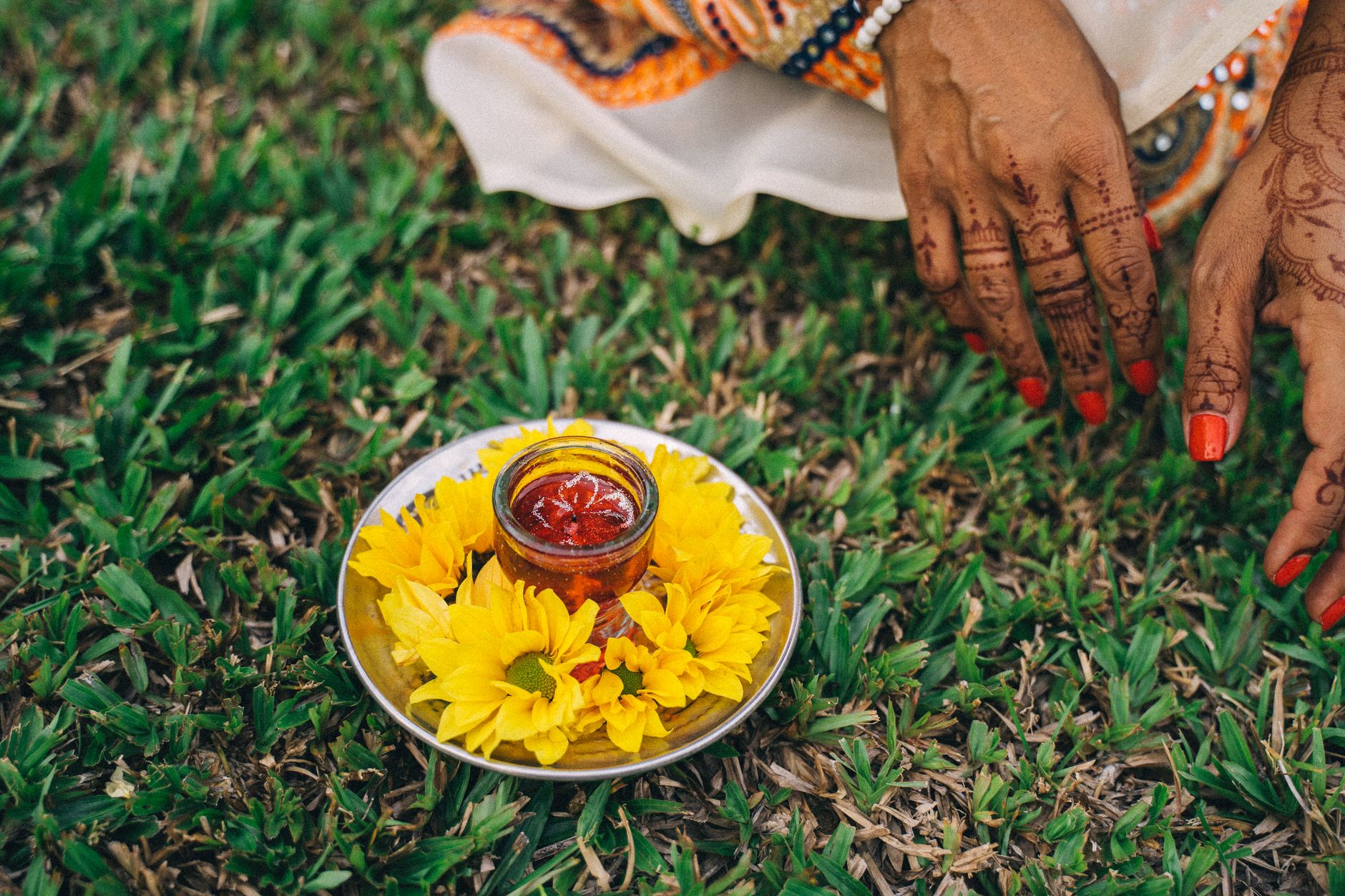
Sacred Rituals on Havelock Island
Religious cermony in Havelock-island
Priest Pooja Materials for Havelock Island Ceremonies
Planning a destination Hindu ceremony on Havelock Island means navigating one of India's most remote yet breathtaking backdrops — turquoise waters, white-sand shores, and lush island greenery. Sourcing authentic Priest Pooja Materials here requires early coordination, because the Andaman islands have limited local supply chains for specialised ritual goods. Whether you need a complete pooja samagri kit for a beachfront vivah, puja items for ceremony blessings, or a fully arranged eco-friendly pooja setup, Happiffie connects you with verified religious ceremony specialists who understand the unique logistics of a destination Hindu ceremony on Havelock Island.
Quick Answer
Priest Pooja Materials refer to the complete collection of items required by a Hindu priest to conduct rituals — including flowers, diyas, camphor, sacred threads, copper vessels, rice, kumkum, and specific offerings determined by the ceremony type. On Havelock Island, these materials must usually be pre-ordered from Port Blair or the mainland 7–15 days in advance, as local availability is limited. Costs typically range from INR 2,500 to INR 18,000 depending on ceremony scale and ritual complexity.
What Are Priest Pooja Materials and Why Do They Matter on Havelock Island?
Priest Pooja Materials form the ritual backbone of any Hindu religious ceremony — from a simple satyanarayan katha to an elaborate saat-phere beach wedding. These items include copper kalash, akhand jyot diyas, coconuts, betel leaves, panch-ratna, sacred threads (mauli), camphor tablets, incense sticks, sandalwood paste, and offerings specific to each deity or ritual. On Havelock Island, the challenge is acute: the island has no dedicated religious supply store, and ferry schedules between Port Blair and Havelock run only a few times daily. This means any shortfall on the day of the ceremony cannot be quickly corrected. Couples planning a destination Hindu ceremony must treat procurement of their puja items for ceremony as a logistics project, not an afterthought. Booking a specialist through Happiffie ensures a curated, ceremony-specific checklist is prepared, packed, and transported well before your auspicious date. The priest and the materials coordinator work in sync, so nothing from the pooja samagri kit is missing when the muhurat arrives.
How Much Do Priest Pooja Materials Cost in Havelock Island?
Costs for Priest Pooja Materials on Havelock Island are shaped by three variables: ceremony type, guest count, and the complexity of the ritual. A basic grih pravesh or satyanarayan pooja samagri kit costs approximately INR 2,500–4,500, covering standard items available in Port Blair markets. A full Hindu wedding with saptapadi, havan, and multiple sub-rituals can require a sacred offerings set valued between INR 8,000–18,000 once transport, perishable replacements, and priest coordination fees are included. Perishables such as fresh flowers, raw milk, and specific fruits add 15–25% to the base cost because they must be sourced on arrival or flown in chilled. If you opt for an eco-friendly pooja setup — bamboo havan kund, organic colours, biodegradable packing — expect a 10–15% premium over conventional materials. Always request an itemised quote that separates materials from priest dakshina and logistics fees, so comparisons across vendors are accurate.
Sourcing Hindu Ritual Supplies for an Island Destination Ceremony
Procuring reliable Hindu ritual supplies for a Havelock Island ceremony is a two-stage process. Stage one happens on the mainland or in Port Blair: items like copper vessels, silver coins, specific puja items for ceremony, sacred threads, and dry herbs are packed and transported via the government ferry or private speedboat. Stage two involves local sourcing in Havelock — coconuts, banana leaves, fresh marigold garlands, and seasonal fruits are available in the island's small markets near Govind Nagar. Timing matters critically: perishables should arrive no earlier than 24 hours before the ritual. For beach wedding rituals conducted at sunrise or sunset — the most popular slots at Radhanagar Beach — all materials should be set up at least 90 minutes before the ceremony begins to account for tidal conditions and wind. Happiffie's partner coordinators maintain a verified supplier network in Port Blair who specialise in assembling ceremony-specific pooja samagri kits and can handle inter-island logistics on your behalf.
What Makes a Destination Hindu Ceremony on Havelock Island Unique?
A destination Hindu ceremony on Havelock Island blends ancient Vedic tradition with one of the Andaman islands' most awe-inspiring natural settings. The sound of waves replaces the shehnai; the ocean breeze carries the fragrance of incense and marigolds. However, this setting introduces practical considerations that mainland ceremonies do not require. Open-air beach wedding rituals demand wind-resistant diya holders and covered havan kunds to prevent the sacred fire from extinguishing. Salt air can affect certain dry ritual items, so airtight packaging of the pooja samagri kit is essential. Eco-friendly pooja setup choices — natural dyes for rangoli, clay diyas, organic havan samagri — are particularly appropriate here, given Havelock Island's status as a protected eco-tourism zone under the Andaman and Nicobar administration. Guests travelling from across India for an Andaman island wedding typically appreciate when the ceremony retains full ritual authenticity despite the exotic backdrop, making the completeness of Priest Pooja Materials a centrepiece of the overall experience.
How to Choose the Right Sacred Offerings Set for Your Ceremony Type?
Different ceremonies require distinct sacred offerings sets, and no single kit covers all occasions. A vivah ceremony demands saptapadi items, kanyadaan samagri, and specific offerings to Agni and Ganesha. A mundan or naming ceremony needs a lighter set focused on sanctified water, flowers, and thread. A satyanarayan katha calls for panchamrit ingredients — milk, curd, honey, ghee, and sugar — alongside specific fruits and a prepared prasad samagri. Before finalising your Priest Pooja Materials order, share the ceremony agenda, the officiating priest's checklist, and any kul-specific ritual variations with your coordinator. On Havelock Island, this conversation should happen at least 21 days before the event to allow time for custom sourcing. Happiffie facilitates a pre-event call between the couple, the priest, and the materials vendor so the sacred offerings set is tailored precisely, leaving no ritual element to chance on your special day.
Priest Pooja Materials Setup Types for Havelock Island Ceremonies
Expert Recommendation
Best for intimate beach ceremonies (under 30 guests)
Best for large destination weddings (100+ guests)
Best for budget-conscious couples
Best for traditional, full-ritual vivah ceremonies
Best for sunrise or sunset beach wedding rituals
Best for multi-faith or fusion destination Hindu ceremonies
How to Choose the Right Option
✅ Pre-booking Checklist
- Share the full ceremony agenda and priest's ritual checklist with your coordinator at least 21 days before the event.
- Confirm ferry schedules and book cargo space for non-perishable Priest Pooja Materials at least 10 days in advance.
- Arrange local sourcing of perishables — coconuts, fresh flowers, fruits — to arrive within 24 hours of the ceremony.
- Request an itemised quote separating materials, logistics, and priest dakshina from your Happiffie vendor.
- Verify that wind-resistant diya holders and a covered havan kund are included for outdoor beach setups.
- Confirm the officiating priest's familiarity with your regional or kul-specific ritual requirements.
- Check that all packaging is airtight and humidity-resistant for the tropical Havelock Island climate.
- Register your marriage separately at the Port Blair civil authority for legal recognition after the ceremony.
🎯 Selection Criteria
- Vendor experience with inter-island logistics and Port Blair supplier networks.
- Ability to customise the pooja samagri kit for your specific ceremony type and regional tradition.
- Transparency in itemised pricing covering materials, transport, and perishable handling.
- Availability of eco-friendly pooja setup options suitable for a protected island environment.
- Coordination capability between materials vendor, officiating priest, and venue team.
- Track record handling destination Hindu ceremony logistics in the Andaman region.
💰 Cost / Quality Factors
- Ceremony type and number of sub-rituals directly determine the volume and variety of items required.
- Island transport costs add 15–25% to mainland pooja samagri kit pricing on average.
- Perishable items like fresh flowers and milk require careful timing and may need replacement stock.
- Custom or kul-specific puja items for ceremony may require specialist sourcing from Chennai or Kolkata.
- Peak season demand (October–February) can increase vendor costs and reduce material availability.
- Eco-certified organic materials carry a 10–15% premium but are strongly advisable near protected reefs.
⚠️ Common Mistakes to Avoid
- Assuming local shops on Havelock Island stock full Hindu ritual supplies — they do not.
- Booking the priest without simultaneously confirming the Priest Pooja Materials procurement plan.
- Ignoring tidal and wind conditions when planning outdoor beach wedding rituals.
- Ordering only one set of critical perishables without backup quantities in case of spoilage.
- Failing to separate perishable and non-perishable items in packing, leading to contamination or damage.
- Overlooking the legal marriage registration requirement, which is separate from the religious ceremony.
People Also Ask
Can I find priest pooja materials locally on Havelock Island?
How far in advance should I book priest pooja materials for a Havelock Island ceremony?
What is included in a standard pooja samagri kit for a Hindu wedding?
Are eco-friendly pooja setup options available for island ceremonies?
How much does a complete priest pooja materials package cost for a Havelock Island wedding?
Can puja items for ceremony be customised based on regional or kul traditions?
What are the biggest challenges of conducting Hindu ritual supplies logistics on Havelock Island?
Is a beach wedding ritual legally and religiously recognised when conducted on Havelock Island?
Related Experiences on Happiffie
Complete Pooja Samagri Kits Delivered to Your Door
Stream Sacred Moments Live from Guwahati
Authentic Akshathe Items for Your Wedding
Sacred Kobbari Bunda Setup, Chennai
Unwind Before Your Big Day in Udaipur
Sacred Mandirs for Your Big Day
Green Gifting, Joyful Moments
Frequently Asked Questions
Where can I buy priest pooja materials near Havelock Island?
Will the priest bring their own pooja samagri kit, or do I need to arrange it separately?
Are there any restrictions on bringing puja items for ceremony to Havelock Island?
How do I handle the sacred offerings set if the ferry is delayed?
Can I conduct a havan or sacred fire ritual on a Havelock Island beach?
What is the best time of year to plan a destination Hindu ceremony on Havelock Island?
Does Happiffie verify the priests and materials vendors it lists for Havelock Island ceremonies?
Key Takeaways
- Priest Pooja Materials on Havelock Island must be procured 21+ days in advance due to limited local supply and ferry logistics.
- A complete pooja samagri kit for a beach wedding costs INR 2,500–18,000 depending on ceremony type, scale, and logistics.
- Perishable puja items for ceremony — flowers, milk, fruits — should arrive no earlier than 24 hours before the muhurat.
- An eco-friendly pooja setup is strongly recommended given Havelock Island's protected eco-tourism status.
- A hybrid sourcing model — dry items from the mainland, fresh items locally — balances cost, freshness, and reliability.
- Always request an itemised quote separating Hindu ritual supplies, transport costs, and priest dakshina.
- Legal marriage registration must be completed separately at the Port Blair civil authority after the religious ceremony.
- Happiffie connects couples with verified coordinators experienced in destination Hindu ceremony logistics across the Andaman islands.
Book Your Havelock Island Ceremony with Confidence
Get verified Priest Pooja Materials coordinators, custom samagri kits, and island logistics support — all in one place on Happiffie.
Find Ceremony Specialists
Are you a Vendor? Grow Your Business with Happiffie!
- High intent verified leads
- Reverse auction opportunities
- AI business tools & insights
- Dedicated vendor dashboard
- Grow your business, your way
It's free & takes less than 2 minutes!