
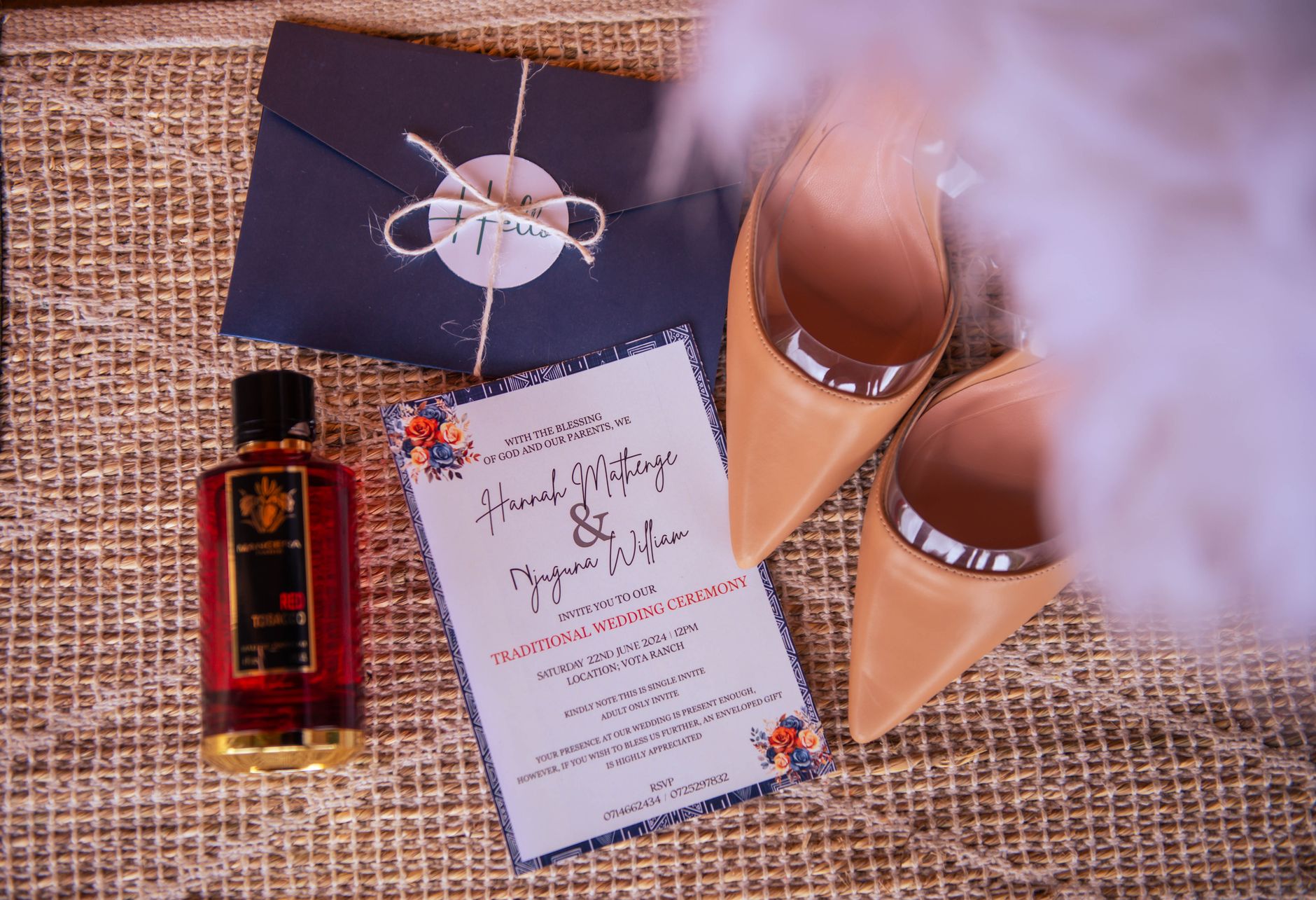
Pure, Green & Beautiful Wedding Cards
Invitation & Stationery in Haridwar
Vegetable Ink Invitations in Haridwar: Eco-Elegant Choices
Haridwar, where the Ganga flows and sacred traditions run deep, is now embracing a new kind of purity in wedding celebrations — Vegetable Ink Invitations. These stationery pieces use plant-derived pigments instead of petroleum-based inks, making every card non-toxic, vibrant, and earth-friendly. Couples seeking eco-friendly wedding cards find that vegetable ink printing complements Haridwar's spiritual ethos perfectly. Paired with handmade paper invitations or seed paper wedding cards, they create a first impression that honours both your guests and the environment, long before the baraat arrives at the ghats.
Quick Answer
Vegetable Ink Invitations are wedding and event cards printed using plant-derived or food-grade pigments instead of synthetic petroleum inks. They are non-toxic, biodegradable, and produce rich, warm colour tones. In Haridwar, they are especially popular among couples who want sustainable wedding invitations that align with the city's sacred, eco-conscious identity. Prices typically start at ₹25–₹40 per card for standard designs, with premium handmade paper or seed paper bases costing more.
Why Are Vegetable Ink Invitations the Right Choice for a Haridwar Wedding?
Haridwar is not just a wedding destination — it is a place of spiritual intention. Couples who choose to marry here, whether with a riverside ceremony near Har Ki Pauri or a banquet hall celebration in the Jwalapur locality, increasingly want every element of their wedding to reflect mindfulness. Vegetable Ink Invitations align naturally with this value. The inks are derived from sources like soy, corn, linseed, and plant-based dyes, producing zero harmful VOC (volatile organic compound) emissions during printing. This means the air your printer breathes and the hands your guests touch are safer. Beyond ethics, the print quality is excellent — colours appear warm, slightly muted in an artisan way that looks stunning on cream or off-white handmade paper. For a Haridwar wedding, this aesthetic echoes the terracotta and marigold palette of Uttarakhand's festive culture. Eco-friendly wedding cards printed with vegetable inks also decompose faster in landfills, leaving no toxic residue — a meaningful consideration for a city that is a guardian of the Ganga.
What Does Vegetable Ink Printing Actually Involve?
Understanding the process helps you make confident decisions when briefing a stationer. Vegetable ink printing replaces mineral oil carriers (found in conventional inks) with renewable vegetable oils. The pigments themselves are often food-grade or plant-extracted — think turmeric yellows, indigo blues, and madder reds — which is why these inks are sometimes called natural dye stationery. The printing method is usually offset or letterpress, which gives crisp text and clean edge definition on textured paper. Because vegetable oils dry through absorption and oxidation rather than evaporation, the ink bonds more gently with the paper fibre, reducing bleed on softer handmade paper invitations. This makes the technique ideal for recycled, cotton-rag, or seed paper wedding cards where conventional inks might bleed or look patchy. The typical turnaround for a Haridwar stationer using this process is 10–18 days, so plan orders at least 6–8 weeks before your wedding date to allow for proofing, corrections, and dispatch.
How Much Do Vegetable Ink Invitations Cost in Haridwar?
Pricing depends on the paper base, design complexity, print method, and quantity. As a general guide in Haridwar's stationery market: standard sustainable wedding invitations on recycled card stock with one-colour vegetable ink printing cost ₹20–₹35 per set. Multi-colour designs on premium handmade paper invitations range from ₹45–₹90 per set. Seed paper wedding cards with embedded wildflower seeds and plant-based ink printing can cost ₹80–₹150 per card, reflecting the specialty material cost. Letterpress-style eco-friendly wedding cards with embossed details sit at ₹100–₹200 per card. Minimum order quantities are typically 50–100 pieces. Bulk orders above 300 pieces usually attract a 10–15% discount. Additional costs to factor in: envelope liners, wax seals, insert cards (RSVP, map, accommodation), and courier to outstation guests. A complete stationery suite — invitation, inserts, and envelopes — for 200 guests in Haridwar will typically budget between ₹18,000 and ₹55,000 depending on the tier you choose.
Comparing Vegetable Ink Invitation Styles: Which Format Suits Your Wedding?
Not all eco-friendly wedding cards look the same. Flat-printed designs on recycled card stock are the most affordable and cleanest in style — ideal for minimalist or fusion weddings. Letterpress vegetable ink cards have a tactile depth that photographs beautifully and suits traditional Hindu ceremonies or Uttarakhand pahadi weddings. Watercolour-effect plant-based ink cards use translucent layering to create soft floral patterns — popular for destination weddings near Haridwar's riverside venues. Digital-offset eco printing allows photographic detail and is best when you need a large guest list covered without blowing the budget. Foil stamping combined with vegetable ink is possible but limits the eco-credential slightly since metallic foils are not always biodegradable — ask your stationer explicitly. Whatever the style, ensure your design brief includes Devanagari or dual-language typesetting if you are sending cards to elders who prefer Hindi text. Zero waste wedding planning experts often advise pairing the invite with a digital e-invite to reduce total paper volume while keeping the physical card as a keepsake.
How Do You Avoid Common Mistakes When Ordering Eco Invitations in Haridwar?
The most frequent error is confusing 'recycled paper' with 'vegetable ink printing' — they are separate choices that can be combined but are not the same thing. Always confirm with your stationer that the ink formulation is genuinely plant-based, not just marketed as 'eco.' Ask for a printed proof, not a digital mockup, because colour rendering on handmade paper invitations differs significantly from a screen. Another common mistake is under-ordering: always add 10–15% extra cards for late additions, keepsakes, and errors. For biodegradable event stationery, also check that envelope adhesives and inner liners are compostable — many couples forget this detail. Avoid ordering too close to the wedding; vegetable ink curing takes slightly longer than synthetic inks in humid climates like Haridwar's monsoon season (July–September). Finally, do not skip bilingual proofreading — a typo in the muhurat timing or venue address is costly to reprint at eco-grade quality.
Vegetable Ink Invitation Formats: Advantages, Limitations & Best Use Cases
Expert Recommendation
Best for intimate family gatherings (under 100 guests)
Best for large Haridwar shaadis (300+ guests)
Best for riverside or destination ceremonies
Best for traditional Hindu ceremonies
Best for budget-conscious couples
Best for modern, design-forward weddings
How to Choose the Right Option
✅ Pre-booking Checklist
- Confirm with your stationer that the ink is certified plant-based or soy-based, not just 'eco-friendly' in marketing language
- Request a physical printed proof on your chosen paper stock before approving the full run
- Calculate quantity as total guest count plus 15% buffer for errors, extras, and keepsakes
- Verify that envelopes and adhesives are also biodegradable if zero waste wedding planning is your goal
- Check the stationer's lead time and add buffer for Haridwar monsoon delays (July–September)
- Confirm bilingual (Hindi + English) typesetting is proofread by a native speaker before printing
- Decide early whether you need insert cards (RSVP, maps, accommodation) and factor them into the eco-material budget
- Ask whether digital e-invite support is offered alongside the physical card to reduce overall paper consumption
🎯 Selection Criteria
- Verified use of plant-based or soy-based ink formulations, not just recycled paper
- Paper quality: GSM weight (250–350 recommended), texture, and source certification (FSC or recycled)
- Design flexibility for Devanagari script, traditional Indian motifs, and bilingual layouts
- Stationer's experience with eco stationery and ability to show physical samples of past work
- Transparent pricing that separates per-card cost from design fees, proofing charges, and delivery
💰 Cost / Quality Factors
- Paper base (recycled card vs. handmade cotton-rag vs. seed paper) is the single biggest cost driver
- Print method: digital offset is cheapest; letterpress and screen printing command a 40–80% premium
- Colour complexity: single-colour prints cost significantly less than four-colour or watercolour-effect runs
- Order quantity: per-unit prices drop sharply above 200 pieces due to press setup amortisation
- Design complexity: intricate motifs, embossing, or foil add both cost and production time
- Urgency surcharges apply if you need cards within 7 days; plan well in advance to avoid this
⚠️ Common Mistakes to Avoid
- Assuming 'recycled paper' automatically means vegetable ink is used — these are independent choices
- Ordering the exact guest count with no buffer, leading to expensive reprints for last-minute additions
- Ignoring humidity effects on handmade paper in Haridwar's monsoon season — store cards in sealed packets
- Approving only a digital PDF proof rather than a physical sample, causing colour surprise on delivery
- Skipping the envelope and insert card check — synthetic-lined envelopes undermine the eco stationery commitment
- Booking a stationer without confirmed eco-printing credentials, relying solely on marketing claims
People Also Ask
Are vegetable ink invitations more expensive than regular printed wedding cards?
Do vegetable ink invitations fade faster than conventional ones?
Can I get vegetable ink printing with gold or silver foil in Haridwar?
What paper works best with natural dye stationery printing?
How early should I order vegetable ink invitations for a Haridwar wedding?
Are seed paper wedding cards plantable after the event?
Can vegetable ink invitations carry full-colour photography or intricate illustrations?
Is biodegradable event stationery only for eco-themed weddings?
Related Experiences on Happiffie
Wear Green, Celebrate Beautiful
Invitations That Bloom After Your Big Day
Eco-Chic Invites for Mussoorie Weddings
Handcrafted Invites for Your Dream Wedding
Invite Guests. Plant a Memory.
Beautiful Invitations, Zero Guilt
Wedding Stationery That Tells Your Story
Frequently Asked Questions
Where can I find stationers offering vegetable ink invitations in Haridwar?
Are vegetable ink invitations suitable for traditional Uttarakhand wedding rituals?
Can I customise vegetable ink invitations in Hindi for elderly relatives?
How should I store vegetable ink invitations before dispatch in Haridwar's climate?
Do sustainable wedding invitations with vegetable ink cost more to ship to outstation guests?
Can vegetable ink invitations be made with no plastic packaging?
What is the minimum order quantity for vegetable ink invitations in Haridwar?
Are there any government or certification standards for plant-based ink printing in India?
Key Takeaways
- Vegetable Ink Invitations use plant-derived pigments that are non-toxic, biodegradable, and produce warm, artisan-quality colour tones.
- They are especially fitting for Haridwar weddings given the city's spiritual and environmentally conscious identity.
- Prices in Haridwar range from ₹20–₹35 per card for flat offset prints to ₹80–₹150 for seed paper wedding cards with plant-based inks.
- Always request a physical printed proof — vegetable inks on handmade paper look different from digital mockups.
- Order 6–8 weeks in advance; eco-printing curing takes longer, and monsoon humidity can cause delays.
- Combine physical vegetable ink invitations with a digital e-invite to further reduce paper waste and support zero waste wedding planning.
- Confirm that envelopes, adhesives, and insert cards are also eco-compatible — not just the main invitation card.
- Letterpress and seed paper formats deliver the strongest keepsake and sustainability value; flat offset suits large budgets with high guest counts.
Find Verified Eco Stationers in Haridwar
Browse Happiffie's curated list of vegetable ink invitation studios, compare samples and pricing, and book with confidence for your sacred Haridwar celebration.
Explore Stationery Vendors
Are you a Vendor? Grow Your Business with Happiffie!
- High intent verified leads
- Reverse auction opportunities
- AI business tools & insights
- Dedicated vendor dashboard
- Grow your business, your way
It's free & takes less than 2 minutes!