
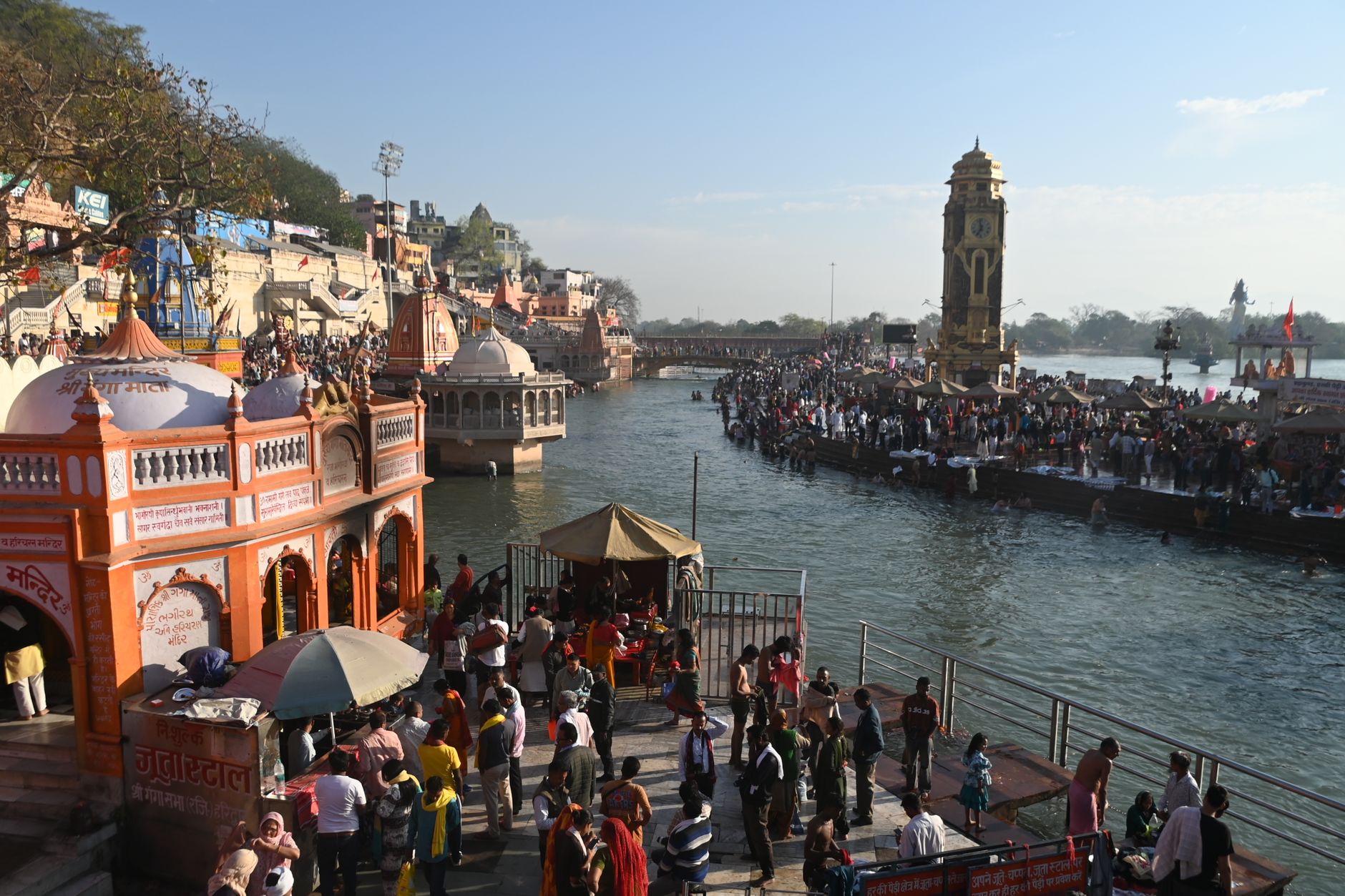
Plan Your Haridwar Wedding Timeline
Planning tools in Haridwar
Ceremony Schedule Website for Haridwar Weddings
A ceremony schedule website transforms the chaos of a multi-ritual Haridwar wedding into a crisp, shareable timeline that every family member, vendor, and pandit can access in real time. Whether you are coordinating a sunrise Ganga ghat wedding or a grand haveli reception in Jwalapur, using a reliable online ceremony schedule builder ensures no muhurat is missed and no caterer arrives late. Haridwar wedding planning carries unique logistical demands — restricted vehicle zones near the ghats, peak pilgrimage crowds, and auspicious timing windows — making a digital wedding schedule not just convenient but genuinely essential for a stress-free celebration.
Quick Answer
A ceremony schedule website is a digital planning tool that lets couples create, share, and update a structured timeline of every wedding ritual, vendor arrival, and guest milestone in one place. For Haridwar weddings — where sacred muhurats, ghat access permits, and multi-day rituals must align precisely — such a platform keeps families, pandits, and vendors synchronised without last-minute confusion.
Why Does a Haridwar Wedding Need a Ceremony Schedule Website?
Haridwar weddings are spiritually layered events. A typical celebration spans haldi, mehendi, saat phere, and Ganga aarti attendance — each tied to auspicious muhurat windows that cannot be shifted. A ceremony schedule website lets you map every ritual against these fixed time slots so nothing overlaps. Ganga ghat wedding coordination is especially demanding because the Municipal Corporation enforces strict entry windows for large gatherings near Har Ki Pauri and Kushavart Ghat. Without a shareable digital schedule, families on different WhatsApp groups receive conflicting information, caterers park in wrong zones, and photographers miss key moments. An event timeline tool resolves all of this by giving every stakeholder — from the baraat band to the floral decorator in Kankhal — one authoritative reference that updates instantly when plans change.
Key Features to Look for in an Online Ceremony Schedule Builder
Not every planning tool is built for the complexity of Indian weddings. When choosing an online ceremony schedule builder for your Haridwar celebration, prioritise these capabilities. First, multi-day support: most Haridwar weddings run three to five days, so your platform must handle separate timelines for each function without confusion. Second, role-based sharing so you can send the baraat schedule only to groomsmen and the catering brief only to the kitchen team, reducing information overload. Third, vendor slot management — the ability to assign arrival windows, location pins, and contact notes to each service provider. Fourth, muhurat locking, which flags any manually moved event that would clash with a pre-entered auspicious time. A good wedding itinerary planner will also allow PDF export for elderly relatives who prefer printed copies, which is especially practical for joint families gathering from Dehradun, Meerut, or Delhi for a Haridwar wedding.
How Much Does a Digital Wedding Schedule Platform Cost in India?
Pricing for a digital wedding schedule tool in India ranges widely. Free tiers on marketplace platforms like Happiffie give you basic timeline creation, guest list integration, and shareable links at zero cost — ideal for couples managing a budget-conscious celebration near the ghats. Mid-range premium plans, typically between INR 999 and INR 3,500 for a wedding package, unlock unlimited events, custom branding, and vendor communication features. Full-service wedding management software with dedicated coordination support can go up to INR 15,000 or more, but this is generally suited to large banquet-hall weddings with 500-plus guests rather than intimate riverside ceremonies. For most Haridwar wedding planning scenarios — where the guest count hovers between 150 and 400 — a mid-range ceremony schedule website offers the best value, combining powerful features with manageable costs. Sacred river venue logistics, like ghat permit timings and dharmashala booking windows, can be pinned directly into your schedule at no additional cost on most platforms.
Structuring Your Haridwar Wedding Timeline: A Practical Guide
A well-structured wedding itinerary planner for a Haridwar wedding should open with the pandit's muhurat chart as the anchor. Enter all fixed ritual times first — saat phere, kanyadaan, sindoor ceremony — then build outward by assigning buffer slots for travel between venues. Haridwar's old city lanes near Moti Bazar and Bada Bazar can see heavy pedestrian traffic during peak pilgrimage season (March–June and October–November), so add 20-minute buffers for any road movement. Next, slot in vendor arrivals: the mehendi artist, sound system team, and catering staff should each appear as discrete events with location pins. Use your event timeline tool to create parallel tracks for bride-side and groom-side preparations happening simultaneously, a common scenario in large North Indian weddings. Finally, schedule guest communication milestones — when to send the morning itinerary reminder, when to announce the baraat assembly point — so your pandit booking for rituals and every other commitment stays on track without you personally fielding 200 phone calls.
What Are Common Mistakes Couples Make Without a Ceremony Schedule Website?
The most frequent error is relying on a single family coordinator to hold the entire timeline in their head. When that person is distracted — and at an Indian wedding they always are — the schedule collapses. Couples also commonly fail to share the digital wedding schedule with vendors ahead of time, assuming a verbal briefing the night before is sufficient. Photographers and videographers in particular need the ritual sequence at least 48 hours in advance to plan equipment positions and lighting setups. Another critical mistake is not accounting for sacred river venue logistics: Ganga ghat access points are sometimes sealed for government aarti events or VIP visits, which can delay an entire baraat by 45 minutes unless an alternate route is pre-planned in your event timeline tool. Finally, many couples forget to build a post-wedding schedule — vidai, morning-after breakfast, guest check-out — which causes last-minute confusion at dharamshalas and hotels around Rishikul and Mayapur areas.
Ceremony Schedule Website Options Compared for Haridwar Weddings
Expert Recommendation
Best for Intimate Ghat Ceremonies (50-100 guests)
Best for Large Banquet Hall Weddings (400+ guests)
Best for Budget-Conscious Couples
Best for Traditional Multi-Day Celebrations
Best for Destination Weddings with Outstation Guests
Best for Modern Couples Wanting Minimal Coordination Effort
How to Choose the Right Option
✅ Pre-booking Checklist
- Confirm all muhurat timings with your pandit and enter them as locked anchor events before building the rest of the schedule
- Verify Ganga ghat access restrictions and municipal permit requirements for your chosen ceremony date
- Assign each vendor a specific arrival slot, location pin, and contact note inside the ceremony schedule website
- Create separate day-wise timeline tracks for each wedding function — haldi, mehendi, sangeet, pheras, and vidai
- Share the digital wedding schedule with all key vendors at least 48 hours before each function begins
- Export and print role-specific PDF schedules as a backup for areas with poor mobile connectivity near the ghats
- Build 20-minute travel buffers for any movement through Haridwar's congested old-city lanes during peak pilgrimage season
- Schedule guest communication milestones — reminder messages, assembly point announcements — as discrete events in the planner
🎯 Selection Criteria
- Multi-day timeline support covering all functions without mixing schedules across separate documents
- Role-based sharing that sends relevant sections only to each vendor or family group
- Real-time update notifications so all participants are instantly informed of any changes
- Mobile-friendly interface accessible to vendors and guests without app downloads
- Offline or PDF export capability for connectivity-challenged ghat locations
💰 Cost / Quality Factors
- Guest count and number of simultaneous functions directly affect how complex a tool you need
- Proximity of venues to restricted ghat zones determines how much buffer time must be built into the schedule
- Number of vendors being coordinated influences whether free or paid tier features are necessary
- Pilgrimage season timing affects crowd levels and should inform buffer slots throughout the event timeline tool
- Family tech literacy determines how much offline or print backup material is needed alongside the digital schedule
- Whether outstation guests need hotel-coordination notes integrated into the same platform adds to feature requirements
⚠️ Common Mistakes to Avoid
- Relying on a single family coordinator to memorise the entire schedule rather than distributing access to the platform
- Failing to lock muhurat timings before adding vendor slots, which can lead to accidental conflicts
- Not sharing the ceremony schedule website link with vendors at least two days before each function
- Ignoring Haridwar-specific logistics like ghat permit windows, parking zones, and government aarti closures in the schedule
- Using only WhatsApp messages for schedule distribution, where updates get buried under unrelated conversation
- Forgetting to schedule post-wedding logistics — vidai timing, guest check-out, return transport — which causes morning-after confusion
People Also Ask
Can I use a ceremony schedule website for a destination wedding in Haridwar?
How early should I set up my digital wedding schedule before the Haridwar wedding date?
Is a ceremony schedule website useful for small, intimate Haridwar weddings too?
What is the difference between a wedding itinerary planner and a full event management app?
Can pandits and vendors access the ceremony schedule website directly?
How does an event timeline tool handle last-minute changes to muhurat timings?
Are there offline options if internet connectivity is poor near the Ganga ghats?
Related Experiences on Happiffie
Plan Your Dream Hill Wedding in Mussoorie
Plan Your Udaipur Event Online
Stream Your Sacred Moments Live
Modern Memories for Your Big Day
Jaipur Fusion Weddings Done Right
Two Cultures, One Perfect Wedding
Move Every Guest Seamlessly
Book Trusted Pandits in Mumbai
Frequently Asked Questions
What is a ceremony schedule website and how does it help with a Haridwar wedding?
Is Happiffie's ceremony schedule website free to use for Haridwar wedding planning?
How do I add muhurat timings into an online ceremony schedule builder?
Can a digital wedding schedule accommodate both ghat ceremonies and banquet hall receptions in Haridwar?
How do I handle last-minute muhurat changes using a wedding itinerary planner?
What guest count does a free ceremony schedule website comfortably support?
Are there specific Haridwar logistics I should enter into my event timeline tool?
How far in advance should vendors receive the ceremony schedule website link?
Key Takeaways
- A ceremony schedule website is essential for Haridwar weddings because sacred muhurat windows, ghat access restrictions, and multi-day rituals must all align precisely.
- Free planning tools available on platforms like Happiffie cover most needs for weddings with 50-300 guests; premium plans become worthwhile at larger scales.
- Enter all pandit-confirmed muhurat timings as locked anchor events first, then build vendor and guest logistics around them.
- Role-based sharing ensures pandits, caterers, photographers, and family coordinators each see only the information relevant to them.
- Always export a PDF backup of the digital wedding schedule before ghat-side functions where mobile connectivity may be unreliable.
- Build 20-minute travel buffers for any movement through Haridwar's congested old-city areas, especially during peak pilgrimage months.
- A well-structured event timeline tool reduces personal coordination calls by giving every stakeholder one authoritative, real-time reference.
- Start building your schedule eight to twelve weeks before the wedding to allow time for permit approvals and outstation vendor confirmations.
Build Your Haridwar Wedding Timeline Today
Use Happiffie's free ceremony schedule website to coordinate every muhurat, vendor, and ritual — all in one shareable link.
Start Planning Free
Are you a Vendor? Grow Your Business with Happiffie!
- High intent verified leads
- Reverse auction opportunities
- AI business tools & insights
- Dedicated vendor dashboard
- Grow your business, your way
It's free & takes less than 2 minutes!