
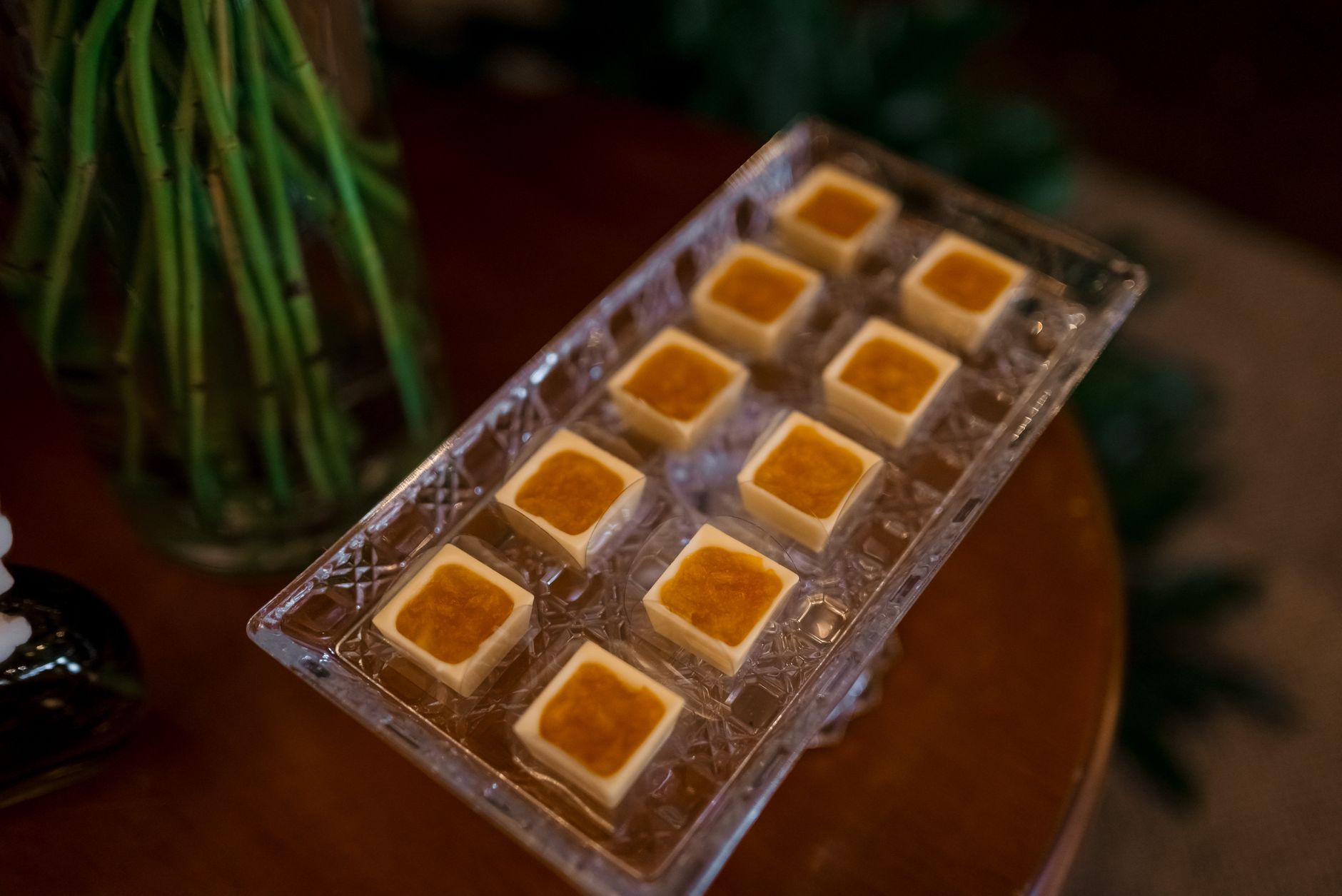
Sacred Flavours for Your Wedding Rituals
Religious cermony in Goa
Traditional Brahmin Wedding Sweets & Savouries in Goa
When families gather in Goa to celebrate a sacred union, the table of Traditional Brahmin Wedding Sweets & Savouries becomes the heart of every ritual. From the fragrant modaks offered during the Ganesh Puja to the crispy murukku and soft payasam shared after the Saptapadi, these preparations carry centuries of devotion and regional flavour. Whether your ceremony takes place in a riverside mandap in Ponda or a heritage venue in Fontainhas, getting your South Indian wedding mithai platter right sets the spiritual tone for the entire celebration. Goa wedding ceremony catering that honours Brahmin dietary codes — strictly sattvic, no onion or garlic — requires specialist vendors who understand both Karnataka and GSB Konkani Brahmin traditions. This guide by Happiffie helps you identify, evaluate, and book the right homestyle ritual food preparation team so every bite tastes as auspicious as the moment it marks.
Quick Answer
Traditional Brahmin Wedding Sweets & Savouries are vegetarian, sattvic food preparations — such as modak, payasam, chakli, and chivda — served during Hindu wedding rituals and ceremonies. In Goa, these are prepared following either Karnataka Brahmin or Goud Saraswat Brahmin (GSB) traditions, using no onion or garlic, and typically cost between INR 150 and INR 600 per person depending on the complexity of the menu and guest count.
What Makes Traditional Brahmin Wedding Sweets & Savouries Unique in Goa?
Goa is home to two dominant Brahmin communities — the Goud Saraswat Brahmins (GSB) and the Karnataka Smartha Brahmins — and each community carries its own treasury of ritual food customs. Traditional Brahmin Wedding Sweets & Savouries in this coastal state therefore reflect a beautiful blend of Konkani, Kannada, and Tulu culinary heritage. Unlike mainstream wedding catering, these preparations are governed by strict sattvic principles: no onion, no garlic, no non-vegetarian ingredients, and often no root vegetables on certain ritual days. The emphasis is on pure ghee, jaggery, fresh coconut, and urad dal — ingredients considered auspicious in Vedic tradition. Sweets such as holige (obbattu), rava sheera, and modak sit alongside savouries like chakli, shankarpali, and kadboli. A well-curated Brahmin wedding prasad thali will typically feature at least three sweets and two to three savouries, plated on banana leaves or silver-toned thalis to reinforce the ceremonial mood. In Goa's humid coastal climate, preparation timing matters enormously — deep-fried savouries must be made fresh to retain their crunch, while payasam needs to be served warm. Families planning ceremonies at venues in Margao, Panaji, or Vasco should factor in travel time and kitchen availability when booking a vendor. The auspicious wedding food traditions of Brahmin communities also tie specific dishes to specific rituals: modak is mandatory for Ganesh Puja, while panchamrut (a five-ingredient mixture of milk, curd, honey, ghee, and jaggery) is indispensable for the abhishek ceremony. Understanding these ritual-to-dish linkages is what separates a specialist vendor from a generic caterer.
Essential Sweets and Savouries for Every Brahmin Wedding Ritual
Planning the right menu begins with mapping your wedding's ritual timeline. A typical GSB or Karnataka Brahmin wedding in Goa spans multiple ceremonies — Seemantham, Naandi, Muhurtam, and the post-wedding reception — each requiring a distinct spread. For the Naandi ceremony, rice pudding (kheer or payasam), modak, and puran poli are considered foundational. The Muhurtam itself calls for a full South Indian wedding mithai platter, which usually includes Mysore pak, besan ladoo, rava ladoo, coconut burfi, and at minimum two types of crispy savouries. Post-ritual snack service, often called the tambul or beeda moment, pairs betel leaf with a small sweet like peda or kaju katli. Homestyle ritual food preparation is especially prized by Brahmin families because mass-produced sweets often use refined sugar, hydrogenated oils, and artificial colour — none of which align with sattvic cooking. A home-kitchen or boutique specialist will use cold-pressed coconut oil or pure cow ghee, organic jaggery, and freshly ground rice flour, making each piece nutritionally and spiritually appropriate. Wedding ceremony snack catering for a 100-guest Brahmin wedding in Goa typically requires around 3-4 kg of assorted sweets and 2-3 kg of savouries for the ritual portions alone, separate from the full lunch or dinner service. Families should request a tasting session at least three weeks before the ceremony, allowing time for adjustments in sweetness, texture, and portion size. Quantities should always be over-planned by 10-15 percent to account for extended family arrivals and second servings during long ceremonies.
How Much Do Traditional Brahmin Wedding Sweets & Savouries Cost in Goa?
Pricing for Traditional Brahmin Wedding Sweets & Savouries in Goa varies based on ingredients, preparation complexity, and whether you opt for a home-kitchen specialist, a halwai (traditional sweet maker), or a full-service catering team. As a general benchmark, a basic Brahmin wedding prasad thali — featuring two sweets and one savoury — starts at approximately INR 150 to INR 200 per person for modest guest counts of 50-100. A mid-range setup with four to five sweets, three savouries, and fresh coconut-based preparations costs between INR 300 and INR 450 per person. Premium offerings that include specialty items like pure ghee Mysore pak, saffron-laced rasayana, and hand-rolled modak with khoya filling can push the per-person cost to INR 500-600 or more. For Goa wedding ceremony catering that covers the entire ritual food requirement — from morning Ganesh Puja snacks to post-dinner mouth freshener — families with 200 guests typically budget between INR 60,000 and INR 1,20,000 for sweets and savouries alone. It is important to note that pure ghee significantly impacts cost: one kilogram of high-quality cow ghee can price a batch of Mysore pak at nearly double the rate of the oil-based version. Request itemised quotes separating ingredient costs from preparation and service charges. Some vendors in Margao and Ponda offer package deals that bundle wedding ceremony snack catering with pooja thali assembly, which can reduce overall spend by 15-20 percent compared to ordering items separately.
Sattvic Cooking Standards and Ritual Purity in Brahmin Ceremonies
One of the most frequently misunderstood aspects of Traditional Brahmin Wedding Sweets & Savouries is the concept of ritual purity in preparation. Sattvic cooking is not merely a dietary preference — it is a spiritual discipline. The cook (traditionally called a Brahmin bhattu or swayampaka) must observe specific protocols: bathing before preparation, wearing clean clothes, avoiding tasting food with the cooking utensil, and in some households, beginning work only after a short prayer. Hindu religious ceremony food prepared under these conditions is believed to carry positive energy (prana) that benefits the couple and their families. In Goa's Brahmin communities, it is still common for elder women of the family to oversee or personally lead the preparation of key ritual items like modak or holige, even when external caterers handle the bulk of the food. Auspicious wedding food traditions also extend to the timing of preparation: certain sweets must be freshly made on the morning of the ceremony rather than the night before, as freshness is equated with purity. Vendors who specialise in homestyle ritual food preparation will typically discuss these requirements during the booking consultation and agree on a preparation timeline in advance. Families should clarify whether the vendor's kitchen is fully sattvic — meaning no meat, fish, onion, or garlic is ever cooked there — rather than simply avoiding those ingredients for this particular order. Cross-contamination in a non-dedicated kitchen is a genuine concern that many families overlook until the last moment.
How Do You Choose the Right Vendor for Brahmin Wedding Food in Goa?
Selecting the right partner for Traditional Brahmin Wedding Sweets & Savouries in Goa requires evaluating several dimensions beyond just taste. Begin by asking vendors about their community background and whether they have prior experience catering specifically for GSB or Karnataka Brahmin ceremonies. A vendor familiar with pre-wedding ritual arrangements will understand the difference between the Naandi food requirements and the Muhurtam spread without needing lengthy explanations. Next, evaluate ingredient sourcing: do they use locally sourced Goan jaggery and fresh coconut, or do they rely on pre-processed inputs? Locally sourced ingredients not only improve flavour but also reduce the risk of supply-chain disruptions, which are common during peak wedding season from November to March. For Hindu religious ceremony food, insist on a written menu confirmation that specifies whether each item is made fresh on the day or prepared in advance and reheated. Venue compatibility is another critical factor: some Goa wedding ceremony catering vendors are only equipped to serve in banquet halls and are not prepared for open-air mandaps or riverside setups common in Ponda and Bicholim. Always conduct a site visit with your caterer at least two weeks before the event. Finally, check that the vendor can provide sufficient quantities of each item — a common failure point when families underestimate consumption during multi-hour ceremonies. The Brahmin wedding prasad thali should be abundant rather than rationed, as generosity at a wedding is itself considered auspicious.
Comparing Vendor Types for Traditional Brahmin Wedding Sweets & Savouries in Goa
Expert Recommendation
Best for Intimate Family Ceremonies (20-50 guests)
Best for Mid-Size Traditional Weddings (75-150 guests)
Best for Large Destination Weddings in Goa (200+ guests)
Best for Budget-Conscious Families
Best for Deeply Traditional Orthodox Ceremonies
Best for Multi-Day Wedding Celebrations
How to Choose the Right Option
✅ Pre-booking Checklist
- Confirm the vendor's kitchen is fully sattvic — no onion, garlic, or non-vegetarian items ever cooked there
- Request a community-specific menu that matches your GSB or Karnataka Brahmin tradition
- Schedule a tasting session at least three weeks before the wedding date
- Clarify whether preparation happens on-site at the venue or is delivered pre-made
- Agree on a written preparation timeline for freshness-sensitive items like modak and payasam
- Obtain itemised pricing separating ingredients, preparation labour, packaging, and service charges
- Confirm the vendor's capacity to scale up by 15 percent if guest count increases
- Discuss eco-friendly serving options such as banana leaves or clay cups to align with ritual aesthetics
🎯 Selection Criteria
- Community familiarity: does the vendor have direct experience with your specific Brahmin sub-tradition?
- Ingredient quality: is pure cow ghee or cold-pressed coconut oil used instead of refined oil or vanaspati?
- Ritual knowledge: does the vendor understand which dishes are tied to which ceremony moments?
- Freshness protocol: are all fresh-serve items prepared on the day rather than a day before?
- Certifications or testimonials: can the vendor provide references from previous Brahmin wedding clients in Goa?
- Flexibility: can the vendor accommodate last-minute menu changes or quantity adjustments within 48 hours?
💰 Cost / Quality Factors
- Pure ghee or coconut oil usage significantly raises cost but is non-negotiable for strict ritual compliance
- Specialty items like ukadiche modak and saffron payasam require skilled labour and add to per-unit cost
- Guest count directly determines minimum order quantities — under-ordering is a common and costly mistake
- Seasonal availability of ingredients like fresh coconut and local jaggery can affect both price and quality
- On-site preparation at remote venues incurs additional travel and setup charges from most vendors
- Packaging choices — banana leaves, silver-look thalis, or eco-clay cups — affect both aesthetics and cost
⚠️ Common Mistakes to Avoid
- Booking a generic caterer without verifying their sattvic kitchen credentials or Brahmin ceremony experience
- Underestimating quantity — Brahmin ceremonies are long and guests expect generous, repeated servings
- Ordering sweets too far in advance without refrigeration plans, leading to freshness and purity concerns
- Ignoring ritual-to-dish mapping and serving non-traditional sweets during specific ceremony moments
- Failing to conduct a tasting session and discovering taste mismatches only on the wedding day
- Not coordinating the food vendor's timeline with the pandit's ceremony schedule, causing serving delays
People Also Ask
What sweets are traditionally served at a Brahmin wedding in Goa?
What savouries are included in a Brahmin wedding prasad thali?
How early should I book a Traditional Brahmin Wedding Sweets & Savouries vendor in Goa?
What is the average cost of wedding ceremony snack catering for 150 guests in Goa?
Can I order Traditional Brahmin Wedding Sweets & Savouries online in Goa?
Are Traditional Brahmin Wedding Sweets & Savouries different from regular Indian sweets?
What is a sattvic menu and why does it matter for Brahmin weddings?
How many kilograms of sweets are needed for a 200-guest Brahmin wedding?
What is the significance of modak at a Brahmin wedding?
Do vendors in Goa cater to both GSB and Karnataka Brahmin wedding food traditions?
Can homestyle ritual food preparation be done at a wedding venue in Goa?
What are common auspicious food items served after the wedding rituals are complete?
Related Experiences on Happiffie
Sweeten Every Moment in Pune
Sacred Bakshanam for Your Brahmin Wedding
Sacred Mangalasnanam Rituals, Goa Style
Stream Your Sacred Moments Live
Live Chaat Stalls for Your Dream Wedding
All Wedding & Event Services
Frequently Asked Questions
What is the difference between Traditional Brahmin Wedding Sweets & Savouries and regular wedding catering in Goa?
Which neighbourhoods or areas in Goa have the most specialist vendors for Brahmin wedding food?
How do I ensure the sweets are made with pure ghee and not vanaspati for my Goa Brahmin wedding?
Can vendors for Traditional Brahmin Wedding Sweets & Savouries travel to beach or resort venues in North Goa?
What is panchamrut and is it part of Traditional Brahmin Wedding Sweets & Savouries?
Is it possible to include Goan-specific sweets like patholi in a Karnataka Brahmin wedding menu?
How many types of sweets are typically served in a Brahmin wedding prasad thali in Goa?
What pre-wedding ritual arrangements require separate food planning in Goa?
Can I customise the Traditional Brahmin Wedding Sweets & Savouries menu for guests with dietary restrictions?
How should leftover wedding sweets and savouries be handled after a Brahmin ceremony in Goa?
What questions should I ask when meeting a vendor for Brahmin wedding food in Goa?
Is it more cost-effective to combine wedding ceremony snack catering with the main reception catering?
Key Takeaways
- Traditional Brahmin Wedding Sweets & Savouries in Goa follow strict sattvic principles — no onion, garlic, or artificial additives — making specialist vendor selection critical.
- Goa's two main Brahmin communities — GSB and Karnataka Brahmin — have distinct food traditions; always specify your community when booking.
- Per-person costs range from INR 150 for basic spreads to INR 600+ for premium pure-ghee preparations, with 200-guest weddings budgeting INR 60,000-1,20,000 for sweets and savouries.
- A Brahmin wedding prasad thali should feature at least three sweets and two savouries, with items like modak, payasam, chakli, and holige being ritual staples.
- Freshness is both a quality and a spiritual requirement — freshly prepared items carry greater ritual purity and must be timed to the ceremony's schedule.
- Book specialist vendors 8-12 weeks in advance during Goa's peak wedding season (November to February) to secure availability on your chosen auspicious date.
- A hybrid vendor model — specialist for key ritual items, caterer for bulk distribution — works well for weddings above 150 guests.
- Always conduct a tasting session at least three weeks before the wedding and confirm a written preparation timeline for freshness-sensitive dishes.
Find the Perfect Brahmin Wedding Food Vendor in Goa on Happiffie
Connect with verified sattvic caterers and home-kitchen specialists who understand your community's traditions — so every ritual moment is as delicious as it is sacred.
Explore Vendors Now
Are you a Vendor? Grow Your Business with Happiffie!
- High intent verified leads
- Reverse auction opportunities
- AI business tools & insights
- Dedicated vendor dashboard
- Grow your business, your way
It's free & takes less than 2 minutes!