
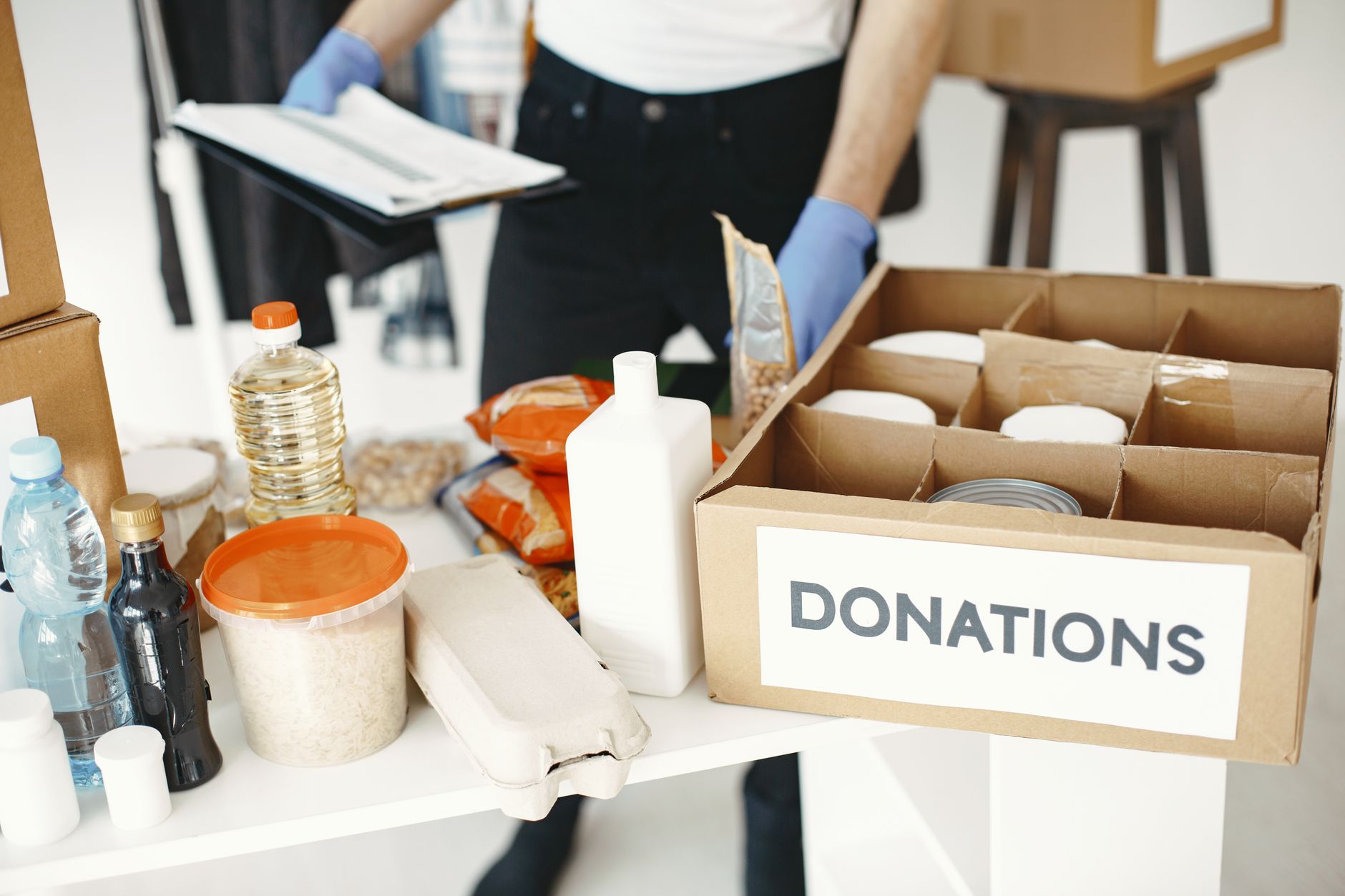
Feed More, Waste Less in Gangtok
Food & Beverage in Gangtok
Meal Rescue Networks for Weddings & Events in Gangtok
Weddings and large celebrations in Gangtok routinely prepare food for 20–30% more guests than actually attend, leaving hundreds of servings untouched at the end of the night. Meal Rescue Networks bridge that gap by connecting event hosts with verified local charities, shelters, and community kitchens that can receive, transport, and safely redistribute surplus food within hours. As sustainable wedding planning gains momentum across Sikkim, families are realising that zero-waste event catering is not just an ethical choice — it is a practical one that reduces disposal costs and leaves a meaningful community legacy long after the baraat has departed.
Quick Answer
Meal Rescue Networks are organised systems that collect safe, surplus food from weddings, receptions, and corporate events in Gangtok and redistribute it to shelters, community kitchens, and food-insecure families — all within a food-safe time window. They coordinate logistics between event caterers, volunteer drivers, and recipient organisations, ensuring leftover food management happens hygienically and legally, turning post-event waste into community nourishment.
What Are Meal Rescue Networks and How Do They Work at Gangtok Events?
Meal Rescue Networks are structured partnerships between event caterers, trained volunteer coordinators, cold-chain logistics providers, and verified recipient organisations such as old-age homes, orphanages, and tribal welfare centres across Sikkim. When a wedding or corporate event concludes, the network's on-ground coordinator arrives at the venue — whether it is a grand banquet hall on MG Marg or an outdoor mandap in Tadong — and assesses which dishes are still within the safe 4-hour holding window recommended by food safety guidelines. Packaged, labelled food is then transported in insulated containers to pre-registered beneficiary sites, often within 45–90 minutes. The host family receives a redistribution receipt, which is useful for CSR documentation and, in some states, eligible for income-tax deductions under relevant charitable giving provisions. Surplus food redistribution of this kind has quietly become one of the most appreciated add-ons that Gangtok caterers now offer as part of premium event packages.
Why Gangtok Weddings Produce More Surplus Food Than You Expect
A typical Gangtok wedding serves between 300 and 800 guests across multiple sittings, and Nepali, Sikkimese, and Bengali communities traditionally cook with generous buffers to ensure no guest ever feels under-served — a cultural value deeply embedded in local hospitality. Weather uncertainty in the hills, last-minute guest cancellations due to mountain road conditions, and multi-course menus with 10–14 dishes per sitting mean that even a well-planned event can end with 40–60 kg of perfectly edible food going to waste. Leftover food management is therefore not a small-event problem; it is a structural challenge at almost every celebration in the city. Event food donation programs that are activated before the event — not after — are far more effective because beneficiary organisations can arrange receiving staff and transport in advance. Eco-friendly celebration ideas like pre-registering with a rescue network cost nothing extra and can divert hundreds of meals from landfill in a single evening.
How Much Does Joining a Meal Rescue Network Cost in Gangtok?
Most Meal Rescue Networks operating in and around Gangtok charge event hosts between INR 1,500 and INR 5,000 as a coordination fee, depending on guest count, venue location, and the number of pickup trips required. Events held in central neighbourhoods like Lal Bazaar or Development Area typically attract lower logistics costs than those in peripheral localities like Ranipool or Pakyong, where road distance adds to fuel and driver charges. Some networks waive the coordination fee entirely if the host agrees to provide insulated containers or if the caterer is already a network partner. Wedding food waste reduction services bundled into catering contracts can bring this cost to zero for the host. For context, the cost of professionally disposing of the same quantity of food as organic waste through municipal services can be comparable — making rescue a cost-neutral or even cost-saving decision. Community food sharing Gangtok initiatives backed by NGOs sometimes offer the service free to families hosting events under INR 8 lakh total budget.
Choosing the Right Network: Key Criteria for Gangtok Families
Not all organisations calling themselves Meal Rescue Networks maintain the same standards. Before signing up, verify that the network holds a valid registration under the FSSAI or an equivalent state food authority, has empanelled recipient organisations with documented capacity to store and serve rescued food safely, and uses temperature-monitored transport for non-ambient dishes like curries, daals, and rice. Ask whether the coordinator will be physically present at your venue or is simply dispatching a driver — on-site presence matters for quick triage decisions. For sustainable wedding planning, choose a network that provides a post-event report showing quantities rescued, recipient organisations served, and estimated meals delivered. This documentation is valuable for families who wish to share the impact on social media or include it in wedding albums as a purposeful milestone. Event food donation programs that partner with Gangtok's established social welfare bodies carry significantly more credibility than informal WhatsApp-based arrangements.
How Do Meal Rescue Networks Fit Into a Zero-Waste Event Catering Plan?
Meal Rescue Networks are most effective when integrated into the broader catering plan from the booking stage, not treated as an afterthought at the end of the night. Speak with your caterer about portioning strategy — using a conservative base quantity with a confirmed rescue plan as the safety net is smarter than over-cooking to avoid any risk of shortage. Zero-waste event catering also involves separating pre-consumer waste (vegetable peels, unused raw ingredients) from post-consumer surplus (plated and served dishes); rescue networks typically handle only the latter. Leftover food management protocols should specify cutoff times: curries held above 60°C for more than four hours are generally excluded from redistribution. Surplus food redistribution works best when your caterer, your rescue network coordinator, and your venue manager are all briefed together at least one week before the event. This trio of coordination is what separates a seamless, dignified food rescue from a chaotic end-of-night scramble that reflects poorly on everyone involved.
Meal Rescue Network Options for Gangtok Events: A Practical Comparison
Expert Recommendation
Best for Intimate Celebrations (Under 150 Guests)
Best for Large Weddings (500+ Guests)
Best for Budget-Conscious Families
Best for Sustainable Wedding Planning Goals
Best for Destination Weddings in Remote Gangtok Venues
Best for Traditional Multi-Day Ceremonies
How to Choose the Right Option
✅ Pre-booking Checklist
- Register with a Meal Rescue Network at least 2–3 weeks before your event date
- Confirm the network holds valid FSSAI or state food authority registration
- Brief your caterer and venue manager together with the rescue coordinator one week prior
- Agree on a food cutoff time — typically 2 hours post-service — for safe redistribution
- Arrange insulated food-grade containers if the network does not supply them
- Get the post-event rescue report in writing for documentation and social sharing
- Confirm backup recipient organisations in case the primary site is unreachable
- Separate pre-consumer kitchen waste from post-consumer surplus before coordinator arrival
🎯 Selection Criteria
- FSSAI registration or equivalent food safety certification of the network
- Number and type of empanelled recipient organisations in Gangtok and nearby areas
- Vehicle fleet and cold-chain capability, especially for hill terrain
- Coordinator's physical presence at venue versus remote dispatch model
- Availability of post-event impact documentation for families
💰 Cost / Quality Factors
- Guest count directly determines surplus volume and coordination fee bracket
- Venue location — central Gangtok versus peripheral areas — affects logistics cost
- Menu composition — wet curries require temperature-controlled transport unlike dry dishes
- Number of event sittings determines total pickup trips needed
- Network's peak-season capacity versus your event date's demand on their resources
⚠️ Common Mistakes to Avoid
- Registering with a network less than 48 hours before the event — recipient organisations need advance notice
- Assuming all leftover food qualifies — dishes held at unsafe temperatures cannot be rescued
- Not briefing the caterer — rescue only works if the kitchen team sets aside surplus proactively
- Choosing a network purely on cost without verifying recipient credibility or food safety standards
- Ignoring multi-day events — each function day needs its own rescue coordination, not a blanket single registration
People Also Ask
Are Meal Rescue Networks available for small weddings under 200 guests in Gangtok?
What types of food can be donated through event food donation programs in Gangtok?
How early before my wedding should I register with a Meal Rescue Network?
Can surplus food redistribution be included in my catering contract?
Is leftover food management hygienic and safe for recipients?
Do Meal Rescue Networks operate during the monsoon wedding season in Gangtok?
What is the environmental benefit of joining a Meal Rescue Network for a Gangtok wedding?
Can corporate events and pre-wedding functions like mehendi or sangeet also use Meal Rescue Networks?
Related Experiences on Happiffie
Feed More, Waste Less in Manali
Feed Someone, Waste Nothing
Give Back at Every Celebration
Responsible Waste After Every Feast
Jaipur Fusion Weddings Done Right
Delhi's Finest Event Catering Teams
Feed More, Waste Less in Vizag
Green Vibes, Golden Shores
Frequently Asked Questions
Are there dedicated Meal Rescue Networks operating specifically in Gangtok?
How much surplus food does a typical 400-guest Gangtok wedding generate?
Can I choose which charity or shelter receives my rescued wedding food in Gangtok?
Do Meal Rescue Networks in Gangtok handle non-vegetarian food?
Is food rescued from Gangtok weddings eligible for any tax benefit?
What happens if my wedding venue in Gangtok does not allow external coordinators on the premises?
How do Meal Rescue Networks verify that food is safe before redistribution?
Key Takeaways
- Meal Rescue Networks connect Gangtok wedding hosts with verified charities and community kitchens to redistribute safe surplus food within a food-safe time window.
- Coordination fees in Gangtok typically range from INR 1,500 to INR 5,000 depending on guest count, venue location, and number of trips required.
- Registering at least 2–3 weeks in advance ensures recipient organisations can prepare receiving capacity and transport.
- Surplus food redistribution is most effective when integrated into the catering contract from the booking stage, not arranged last-minute.
- Wet dishes like curries require temperature-monitored vehicles; dry dishes, sealed sweets, and breads are easier to transport and universally accepted.
- Post-event rescue reports documenting meals delivered and beneficiaries served are valuable for social sharing and, potentially, charitable giving documentation.
- Gangtok's hill terrain demands networks with robust vehicle fleets and backup recipient routes, especially during monsoon season.
- Wedding food waste reduction through a credentialed network is a cost-neutral or even cost-saving decision when compared to commercial organic waste disposal.
Make Your Gangtok Wedding Count for the Community
Connect with verified Meal Rescue Networks through Happiffie and turn your celebration's surplus into nourishment for those who need it most.
Explore Rescue Partners
Are you a Vendor? Grow Your Business with Happiffie!
- High intent verified leads
- Reverse auction opportunities
- AI business tools & insights
- Dedicated vendor dashboard
- Grow your business, your way
It's free & takes less than 2 minutes!