
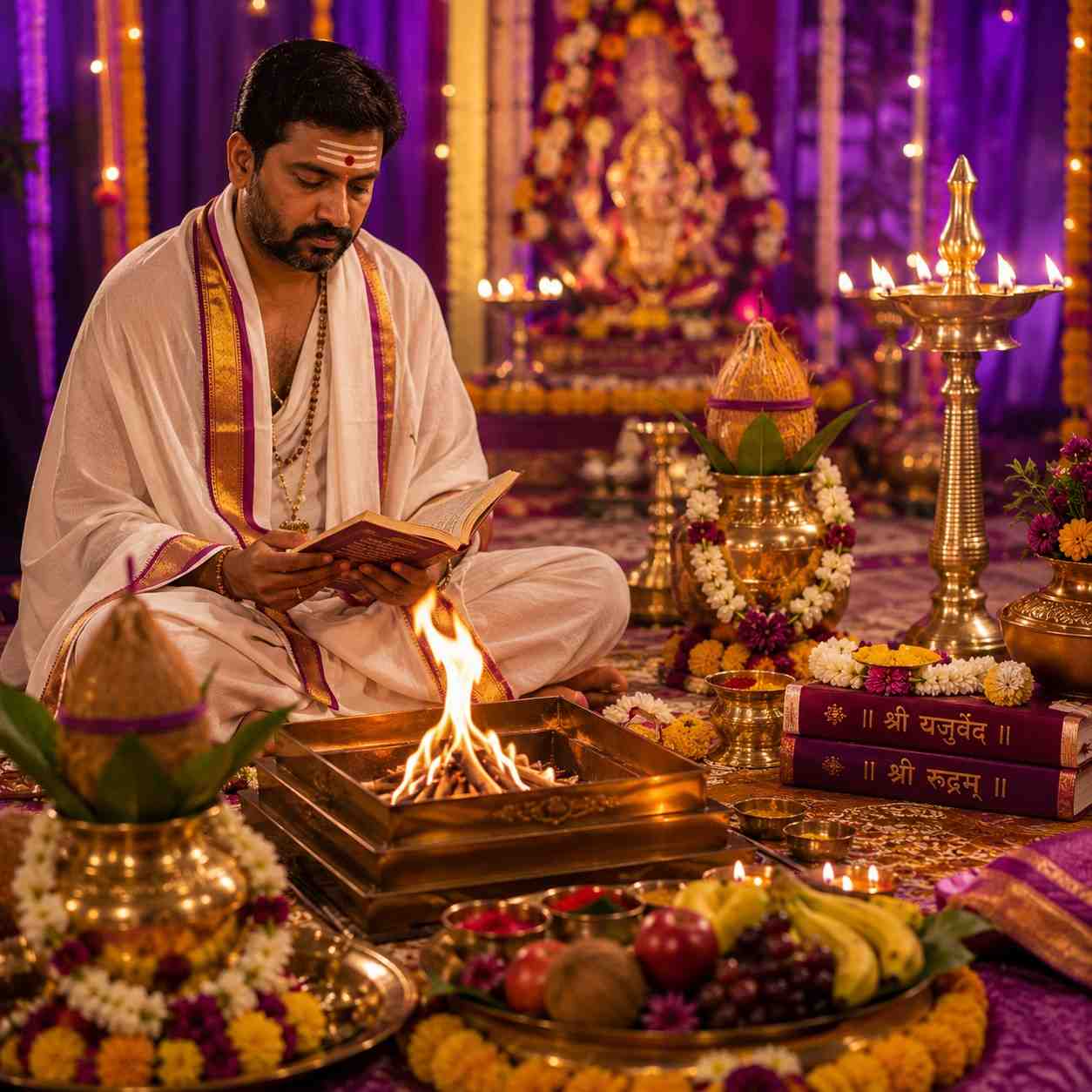
Pandit & Puja Priest
Find experienced Wedding Pandits and Puja Priests to conduct Hindu wedding rituals, pujas, havans, and sacred ceremonies with traditional practices, clear guidance, and meaningful support throughout your special occasion.
Explore Religious Ceremony Experiences


Explore Other Experiences







Explore by Occasion
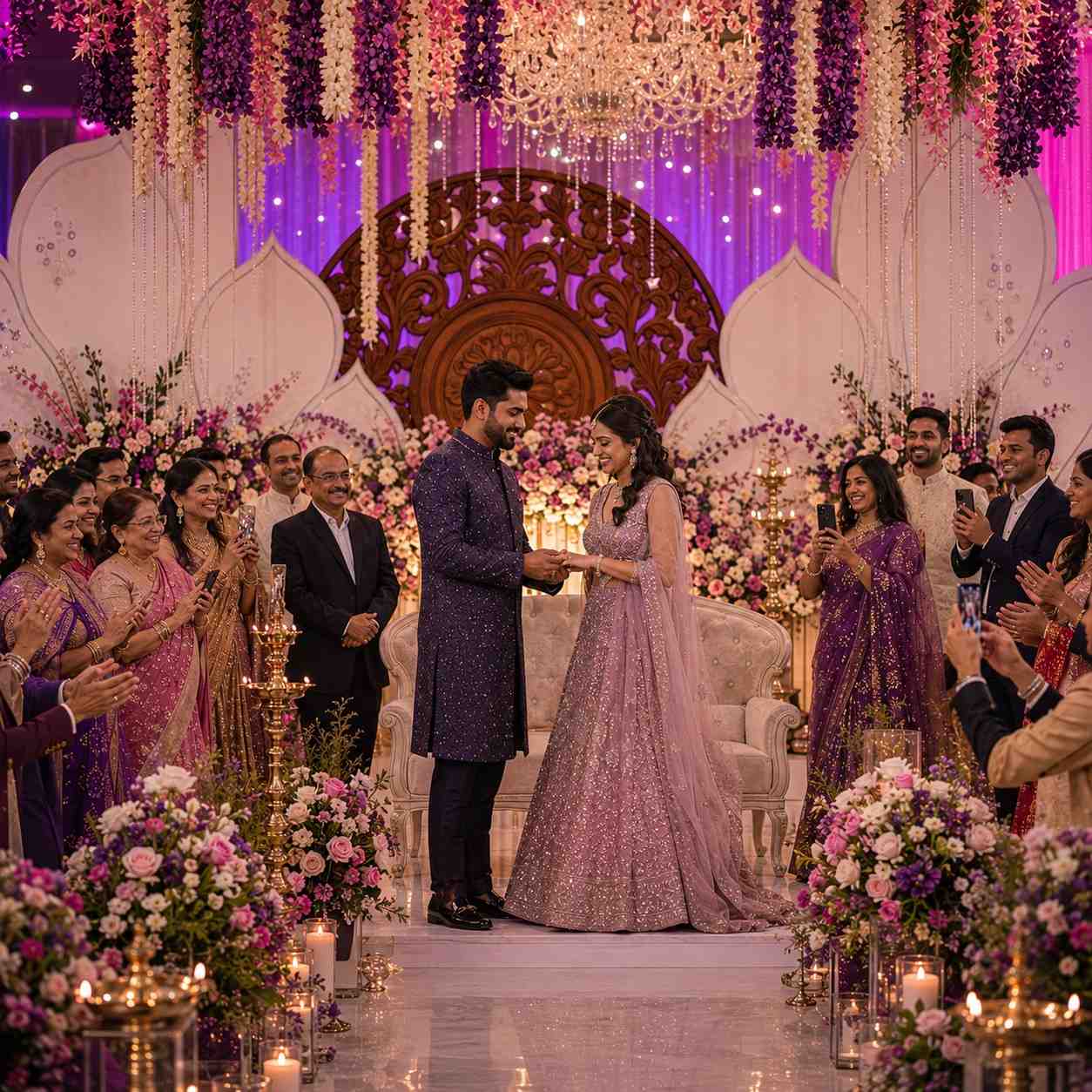



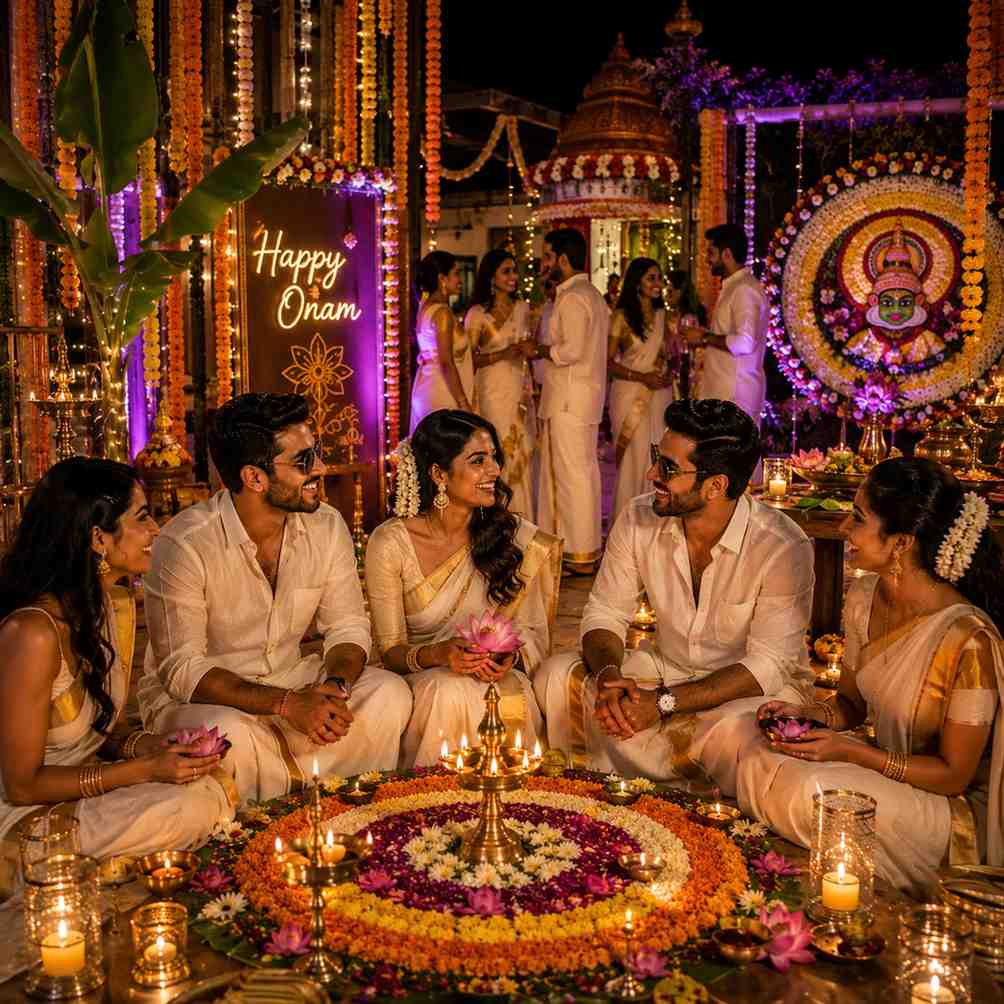
Wedding Pandit Puja Priest for Hindu Marriage Ceremonies, Vedic Rituals & Sacred Wedding Services in India
◆A Wedding Pandit or Puja Priest plays an important role in traditional Hindu marriage ceremonies by guiding the couple and families through sacred rituals, Vedic mantras, prayers, blessings, and ceremonial procedures. From Pheras and Saptapadi to Kanyadaan, Mangalya Dharana, Agni rituals, and other regional wedding customs, a qualified priest helps conduct the ceremony according to the traditions followed by the family and community.
Hindu weddings can include numerous rituals performed before, during, and after the main marriage ceremony. The exact sequence, mantras, offerings, and customs vary across regions, communities, family traditions, and schools of Vedic practice. Families should therefore discuss the complete ceremony requirements with the selected priest before finalising the wedding schedule.
Wedding Pandits may conduct ceremonies in Sanskrit, regional languages, or a combination of languages depending on the family's preference and the priest's expertise. Clear explanations of the rituals can also help couples and guests understand the significance of each ceremonial step.
The priest consultation generally begins with understanding the family's wedding traditions, ceremony format, preferred language, venue, date, Muhurtham, and required rituals. This helps the priest prepare the appropriate pooja materials, mantras, sequence, and ceremony requirements.
Vedic wedding rituals commonly involve the sacred fire or Agni as an important ceremonial element. The priest guides the couple through offerings, prayers, vows, and other rituals performed around the fire according to the applicable tradition.
Pheras are an important part of many Hindu marriage ceremonies. The bride and groom traditionally move around the sacred fire while the priest recites prescribed mantras and explains or guides the associated vows and ritual steps.
Saptapadi, or the seven steps, is another significant marriage ritual in many Hindu traditions. The couple takes seven symbolic steps as the priest recites relevant mantras and prayers according to the ceremony's customs.
Kanyadaan may form part of traditional Hindu weddings. Where followed by the family, the priest guides the parents or designated family members through the ritual and accompanying prayers.
Mangalya Dharana or the tying of the sacred marriage thread or Thali is an important ritual in many South Indian wedding traditions. The priest coordinates the mantras and timing with the family and wedding team.
Regional wedding ceremonies may use different terminology and ritual sequences. Tamil, Telugu, Kannada, Malayalam, Marathi, Gujarati, Bengali, Rajasthani, North Indian, and other traditions can have distinct marriage customs.
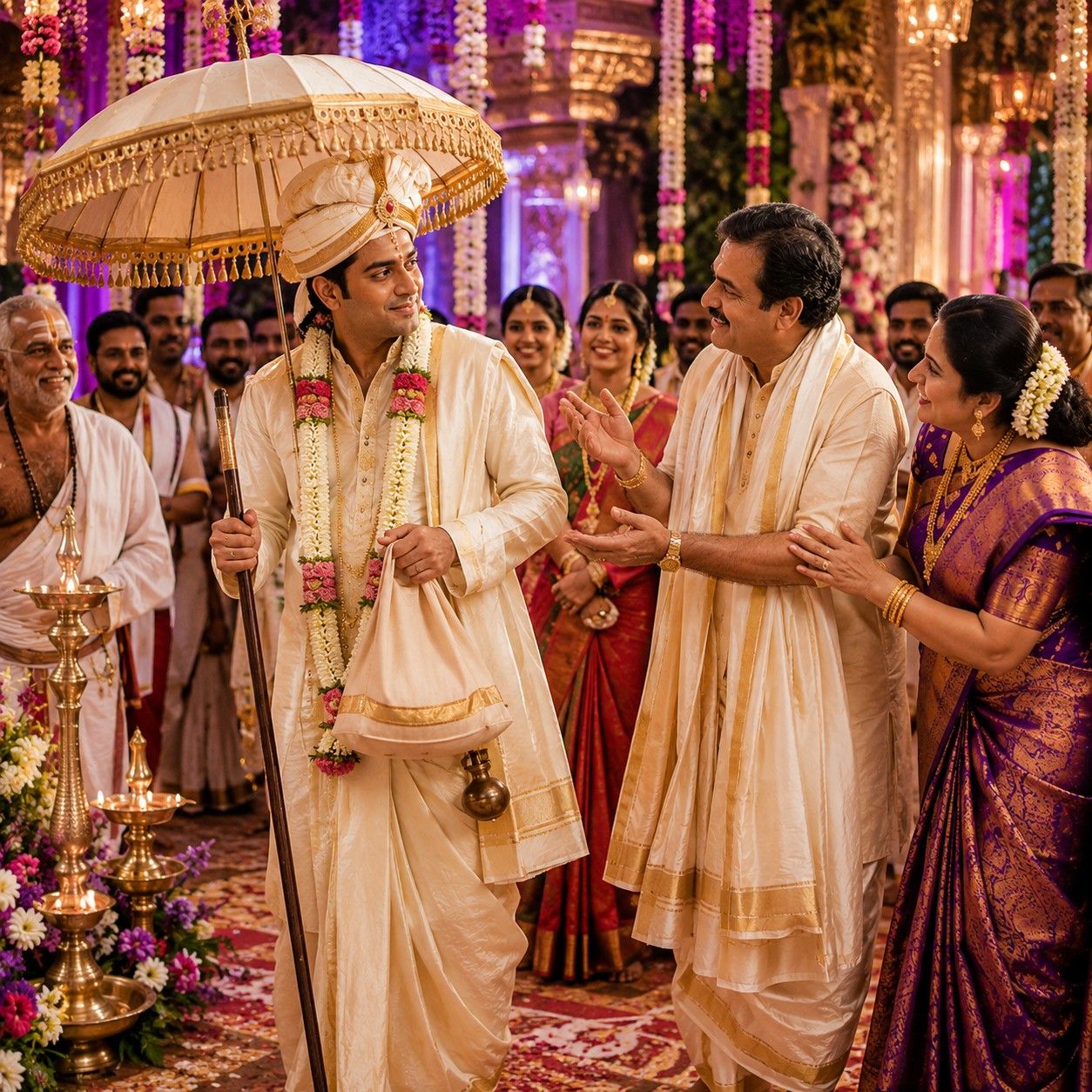
A Tamil wedding priest may conduct rituals such as Kashi Yatra, Oonjal, Thaali Kettu, Saptapadi, and other ceremonies depending on the family's community and tradition.
A Telugu wedding priest may guide rituals such as Jeelakarra Bellam, Madhuparka, Kanyadanam, Talambralu, Mangalya Dharana, and Saptapadi according to the family's customs.
A Kannada wedding priest may conduct traditional rituals associated with Muhurtha, Dhare, Saptapadi, Mangalya Dharana, and other regional marriage practices.
A Kerala wedding priest may guide traditional ceremonies such as Thalikettu and other Hindu marriage rituals according to the family's community and regional customs.
North Indian Hindu weddings may include Jaimala, Kanyadaan, Pheras, Saptapadi, Sindoor, and other rituals depending on the family's tradition.
Some families may also require priests for pre-wedding rituals. These can include Ganapati Pooja, Vratham, Nandi, engagement ceremonies, Haldi-related prayers, Mehndi ceremonies, Graha Shanti, or other customary rituals.
Wedding Pandits may also conduct post-wedding religious ceremonies according to family traditions. The exact requirements vary by community and should be discussed during the initial consultation.
Muhurtham coordination is an important consideration for many families. The priest may conduct the marriage rituals at the auspicious time selected by the family's astrologer or according to the Panchang and traditional customs.
The priest should receive the confirmed wedding Muhurtham in advance so the ceremony setup, pooja materials, couple preparation, and ritual sequence can be coordinated properly.
Puja Samagri is another important part of priest-led wedding ceremonies. Depending on the rituals, materials may include flowers, rice, turmeric, kumkum, coconuts, betel leaves, fruits, ghee, Havan Samagri, sacred threads, lamps, Kalash items, and other ceremonial supplies.
Some priests provide the required Samagri as part of their service, while others provide a checklist for the family or wedding planner to arrange separately. This should be clarified before booking.
Priest services can be arranged for intimate home weddings as well as large-scale destination weddings. The number of priests required may depend on the number of rituals, guest participation, ceremony complexity, and regional tradition.
Large weddings may require multiple priests or assistants to manage different rituals, pooja materials, chants, and ceremonial stages efficiently.
Language preference can be important when selecting a Wedding Pandit. Families may prefer Sanskrit mantras with explanations in English, Hindi, Tamil, Telugu, Kannada, Malayalam, Marathi, Bengali, Gujarati, or another regional language.
Couples may also request a priest who explains the meaning of important mantras and rituals. This can make the ceremony more accessible to couples and guests who are unfamiliar with traditional Sanskrit terminology.
Wedding priests may conduct ceremonies at temples, homes, banquet halls, resorts, wedding venues, outdoor locations, and destination wedding properties, subject to venue permissions and ritual requirements.
Destination wedding priest services may require travel arrangements, accommodation, transportation, and additional scheduling coordination. These details should be confirmed before booking.
Priest availability can be limited during popular wedding seasons and auspicious Muhurtham periods. Families are often advised to confirm the priest well in advance once the wedding date has been finalised.
For large weddings, the priest's schedule should be coordinated with the photographer, videographer, décor team, makeup artists, caterers, musicians, and wedding planner so that important rituals are not interrupted.
Photography and videography teams should understand the ceremony sequence and any restrictions requested by the priest. This helps preserve important moments while maintaining the sanctity of the ritual.
The mandap or wedding ceremony area should be prepared according to the priest's requirements. Adequate space should be provided for the couple, parents, priests, sacred fire, pooja materials, and ritual movements.
Fire safety is particularly important when the ceremony includes a Havan or sacred fire. The Havan Kund should be placed securely and away from fabrics, floral arrangements, electrical equipment, and other combustible decorations.
Traditional wedding priests may also coordinate with astrologers when families require specific Muhurtham or horoscope-related guidance. The priest and astrologer can work together to ensure the selected timing is reflected correctly in the ceremony schedule.
Families may request a detailed wedding ritual checklist before the ceremony. This can help organise Samagri, garments, jewellery, garlands, offerings, seating, musical cues, and other requirements.
Professional wedding planners can coordinate Wedding Pandit services as part of the complete ceremony plan. They can manage communication between the couple, priest, astrologer, venue, decorators, caterers, photographers, and other wedding professionals.
For interfaith or culturally blended weddings, families may request a customised Hindu ceremony incorporating selected traditional rituals. The priest should be informed about the couple's preferences and ceremony expectations in advance.
Priest selection should consider experience, familiarity with the family's tradition, language preference, ceremony format, availability, travel requirements, and clarity about service inclusions.
Families should also confirm whether the priest will provide assistants, pooja materials, Havan equipment, travel, accommodation, rehearsal or consultation, and post-ceremony services.
In conclusion, a Wedding Pandit or Puja Priest is a key part of many traditional Hindu marriage ceremonies, guiding couples and families through sacred rituals, Vedic mantras, Pheras, Saptapadi, Agni ceremonies, blessings, and regional wedding customs. By selecting a priest familiar with the family's traditions, confirming the Muhurtham and ritual sequence, arranging the required Samagri, and coordinating the priest with the wider wedding team, couples can create a respectful, organised, and culturally meaningful marriage ceremony.
FAQ Section
Q1: What does a Wedding Pandit do?
A Wedding Pandit guides the couple and family through Hindu marriage rituals, Vedic mantras, prayers, sacred fire ceremonies, Pheras, Saptapadi, and other traditional wedding customs.
Q2: What rituals can a Hindu marriage priest conduct?
Depending on the family's tradition, a priest may conduct Kanyadaan, Pheras, Saptapadi, Mangalya Dharana, Agni rituals, Ganapati Pooja, Kalash rituals, regional wedding ceremonies, and other associated religious rituals.
Q3: Can a priest conduct weddings in regional languages?
Yes. Many priests conduct or explain ceremonies in Sanskrit along with regional languages such as Hindi, Tamil, Telugu, Kannada, Malayalam, Marathi, Bengali, Gujarati, and others.
Q4: Does the Wedding Pandit provide Puja Samagri?
This depends on the priest. Some include Samagri and Havan supplies in their service, while others provide a checklist for the family or wedding planner to arrange.
Q5: Can a Wedding Pandit conduct a destination wedding?
Yes. Priests may travel to destination wedding venues, subject to availability and arrangements for travel, accommodation, and scheduling.
Q6: How early should a Wedding Pandit be booked?
It is advisable to confirm the priest once the wedding date and Muhurtham are finalised, particularly for popular wedding seasons and auspicious dates.
Q7: Can the priest explain the meaning of wedding rituals?
Yes. Couples can request a priest who provides explanations of important mantras, vows, and rituals so that the couple and guests understand the ceremony.
Q8: Can multiple priests be arranged for a large wedding?
Yes. Large or elaborate ceremonies may require multiple priests or assistants depending on the number and complexity of rituals.
Q9: Can the wedding ceremony be customised?
Yes. Families may discuss their regional traditions, preferred rituals, language, ceremony duration, and other requirements with the priest before the wedding.
Q10: How can Happiffie help with Wedding Pandit Puja Priest services?
Happiffie helps couples and families discover trusted Wedding Pandits and Puja Priests offering Hindu marriage ceremonies, Vedic rituals, Pheras, Saptapadi, Mangalya Dharana, regional wedding customs, mantra guidance, Muhurtham coordination, and complete priest-led ceremony services.