
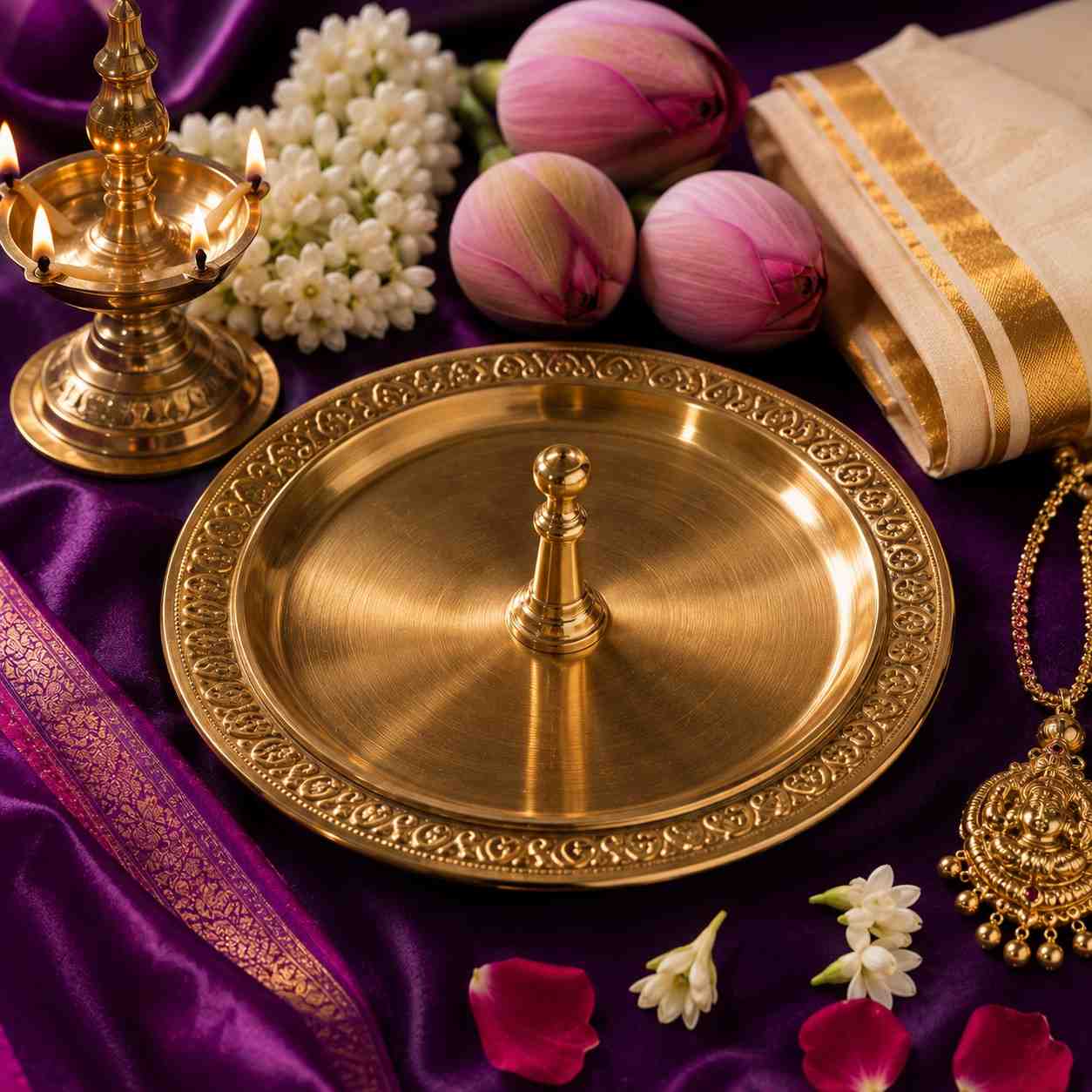
Thalam Kerala Wedding Items
Celebrate Kerala wedding traditions with beautifully arranged Thalam Wedding Elements featuring traditional ceremonial plates, flowers, lamps, auspicious items, and decorative accessories used to welcome and honor the bride, groom, and guests.
Explore Religious Ceremony Experiences
Explore Other Experiences




Explore by Occasion

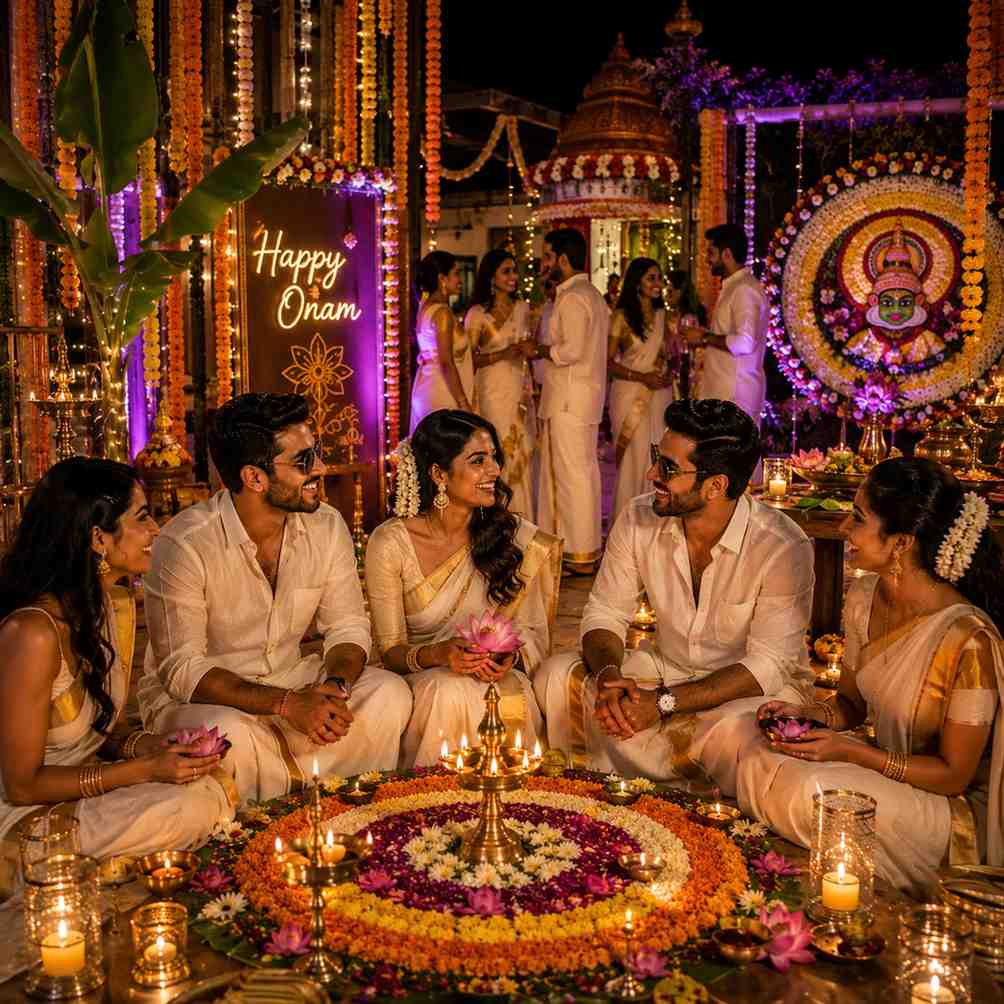
Thalam Kerala Wedding Elements for Traditional Kerala Weddings & Bridal Ceremonies in India
◆Thalam is a beautiful and traditional element associated with Kerala weddings, ceremonial occasions, bridal entrances, temple functions, and auspicious celebrations. Traditionally referring to ceremonial trays or plates used to carry and present flowers, lamps, fruits, rice, and other auspicious items, thalam arrangements add cultural character and elegance to important moments of a Kerala wedding.
In Kerala's rich wedding traditions, thalam is often incorporated into bridal entry arrangements, thalikettu ceremonies, reception entrances, welcome rituals, family processions, and other ceremonial moments. Traditionally prepared thalams can be simple and elegant or richly decorated with flowers, brass elements, lamps, traditional fabrics, and other regional details.
The exact use and significance of thalam can vary between families, communities, regions, and wedding customs. Families should follow the practices recommended by their priest, elders, wedding planner, or ceremony coordinator when incorporating thalam into traditional wedding rituals.
Ceremonial thalams are often prepared using traditional metal plates or trays. Brass, copper, bronze, silver-toned, stainless-steel, and other suitable materials may be selected according to the desired appearance and ceremonial requirements.
Brass thalams are particularly popular for traditional Kerala weddings. Their warm metallic appearance complements Kerala's traditional décor and pairs naturally with brass nilavilakku, uruli, lamps, bells, and other ceremonial elements.
Flowers are among the most common decorations used on wedding thalams. Jasmine, rose, chrysanthemum, marigold, lotus, kanakambara, and other seasonal flowers can be arranged around the tray or combined with other auspicious elements.
A thalam may be prepared with a traditional oil lamp or small diya. When used during an auspicious welcome or ceremonial procession, the illuminated lamp can create a warm and graceful visual effect.
Rice or akshata may be included in certain ceremonial thalams according to the family's customs. Coloured or turmeric-infused rice can be arranged neatly in small sections or containers within the tray.
Turmeric and kumkum are commonly associated with auspicious Hindu ceremonies. Small bowls or decorative containers can be placed on the thalam for use during appropriate rituals and blessings.
Coconuts can also form part of traditional ceremonial arrangements. Depending on the ceremony, a decorated coconut may be placed alongside flowers, fruits, betel leaves, or other auspicious materials.
Betel leaves and areca nuts may be incorporated into traditional thalam arrangements where required. Their use and presentation should follow the customs of the specific family or ceremony.
Fruits can add colour and symbolism to ceremonial trays. Bananas, apples, pomegranates, oranges, and other suitable fruits may be selected depending on availability and the purpose of the thalam.
Bridal entry thalams can be designed specifically for the bride's arrival. Family members or designated participants may carry decorated trays while welcoming the bride into the ceremony or reception area according to the wedding's chosen traditions.
For a traditional Nair marriage, thalam arrangements can complement the ceremonial atmosphere while reflecting the family's preferred Kerala wedding customs. The exact use of the tray should follow the practices followed by the family.
Thalam can also be used during the thalikettu ceremony. A ceremonial tray may hold the thali-related accessories, flowers, lamps, rice, or other items required according to the priest's or family's instructions.
Welcome thalams can be used at the wedding entrance. They may be carried by family members or arranged at the entrance with flowers, lamps, and traditional decorations to create an auspicious welcome for guests and the wedding party.
Reception thalams can be more decorative than ritual-focused. They may feature flowers, candles or lamps, decorative fabrics, monograms, traditional motifs, and other design elements that coordinate with the reception décor.
Kerala-style wedding décor often uses natural materials and traditional details. Banana leaves, coconut leaves, fresh flowers, brass vessels, kasavu fabrics, traditional lamps, wooden elements, and woven materials can complement thalam arrangements.
Kasavu fabric can be incorporated into ceremonial trays as a decorative base or accent. The cream-and-gold appearance of Kerala's traditional textile pairs naturally with brass and floral elements.
Fresh jasmine flowers are particularly suitable for Kerala-inspired wedding thalams. Their fragrance and delicate appearance can complement bridal jewellery, hair adornment, garlands, and traditional décor.
Thalam arrangements can also incorporate miniature floral designs. Small floral circles, borders, bouquets, petals, or traditional patterns can be created within the tray depending on the desired presentation.
Personalisation can be added to decorative thalams for modern weddings. Couples may incorporate initials, wedding dates, monograms, custom ribbons, engraved trays, or colour palettes that coordinate with the overall wedding theme.
For destination weddings, traditional Kerala thalams can help introduce regional cultural elements to the ceremony. Couples hosting weddings outside Kerala can incorporate brass trays, jasmine flowers, kasavu fabrics, traditional lamps, and Kerala-inspired motifs into their wedding décor.
Thalam can be combined with other traditional Kerala wedding elements. Nilavilakku, uruli, flower garlands, brass vessels, traditional lamps, floral décor, banana leaves, and kasavu textiles can create a cohesive ceremonial setting.
Ceremonial trays can also be used during family rituals and blessings. Parents, relatives, or members of the wedding party may carry decorated thalams containing flowers, lamps, rice, or other auspicious items depending on the ceremony.
For large weddings, multiple thalams may be required. Separate trays can be prepared for bridal entry, pooja materials, welcome ceremonies, thalikettu arrangements, reception décor, and other ceremonial purposes.
The arrangement of items on a thalam should be balanced and secure. Items should be positioned so that the tray remains comfortable to carry while maintaining an attractive presentation.
Lighting can enhance decorative thalams used during evening events. Small lamps, LED candles, or safe lighting elements can create a warm visual effect while complementing the wedding décor.
Safety should be considered when using oil lamps or open flames. Stable lamp holders, appropriate placement, careful handling, and responsible supervision are important when thalams are carried or displayed.
Reusable brass and metal thalams are a sustainable choice for families and event planners. They can be cleaned and stored after the wedding and reused during future festivals, poojas, family functions, and celebrations.
Rental options may also be available for decorative thalams and ceremonial trays. This can be useful for couples who want traditional décor without purchasing items that may only be used occasionally.
Thalam designs can range from simple traditional arrangements to elaborate luxury presentations. The appropriate style depends on the ceremony, venue, wedding theme, family customs, and budget.
Professional decorators and wedding planners can coordinate thalam preparation as part of the overall Kerala wedding décor. They can work with florists, traditional suppliers, priests, bridal teams, and venue staff to ensure that the trays are prepared and positioned at the correct time.
For bridal entry ceremonies, timing is especially important. Flowers, lamps, trays, and other decorative elements should be prepared shortly before the procession to maintain freshness and ensure that everything is ready when the bride arrives.
Storage and transportation should also be planned for delicate thalam arrangements. Fresh flowers, lamps, fruits, and decorative materials require careful handling to prevent damage before the ceremony.
In conclusion, thalam is more than a ceremonial tray—it is a graceful representation of Kerala's traditional wedding aesthetics and auspicious customs. From thalikettu and Nair marriage traditions to bridal entries, welcome ceremonies, family rituals, and reception décor, beautifully prepared thalams add cultural depth and visual elegance to Kerala weddings. By choosing suitable trays, traditional materials, fresh flowers, lamps, and personalised decorative details, couples can create meaningful ceremonial arrangements that honour Kerala's rich wedding heritage.
FAQ Section
Q1: What is a thalam in a Kerala wedding?
A thalam is a traditional ceremonial tray or plate used to carry or present auspicious items such as flowers, lamps, rice, fruits, turmeric, kumkum, coconuts, and other ceremonial materials depending on the wedding custom.
Q2: What is a thalam used for during a Kerala wedding?
Thalams may be used for bridal entries, welcome rituals, thalikettu ceremonies, family blessings, pooja arrangements, processions, and decorative purposes depending on the family's traditions.
Q3: What materials are used for Kerala wedding thalams?
Traditional options include brass, copper, bronze, silver-toned metal, stainless steel, wood, and other suitable materials. Brass is particularly popular for traditional Kerala-inspired décor.
Q4: Can thalams be decorated with flowers?
Yes. Jasmine, rose, chrysanthemum, marigold, lotus, kanakambara, and other flowers can be arranged on or around ceremonial trays.
Q5: Can a thalam be used for bridal entry?
Yes. Decorated thalams can be carried by family members or members of the wedding party during a traditional bridal welcome or entry ceremony.
Q6: Can thalam be used during thalikettu?
Yes. Depending on the family's customs and priest's instructions, a ceremonial tray may be used to hold flowers, lamps, rice, thali-related accessories, or other required items.
Q7: Can Kerala wedding thalams be customised?
Yes. Thalams can be personalised with flowers, kasavu fabric, monograms, wedding colours, ribbons, engraved designs, traditional motifs, and other decorative elements.
Q8: Can thalams be rented for weddings?
Yes. Decorative and traditional ceremonial trays may be available for rental, allowing couples to access premium pieces without purchasing them permanently.
Q9: Can thalams be used for destination weddings?
Yes. Kerala-style thalams can bring traditional regional elements to destination weddings by incorporating brass trays, flowers, lamps, kasavu textiles, and Kerala-inspired designs.
Q10: How can Happiffie help with Thalam Kerala Wedding Elements?
Happiffie helps couples, families, and wedding planners discover trusted decorators, florists, traditional suppliers, and rental providers offering Kerala wedding thalams, ceremonial trays, floral arrangements, brass accessories, bridal entry setups, thalikettu elements, and traditional wedding décor.