
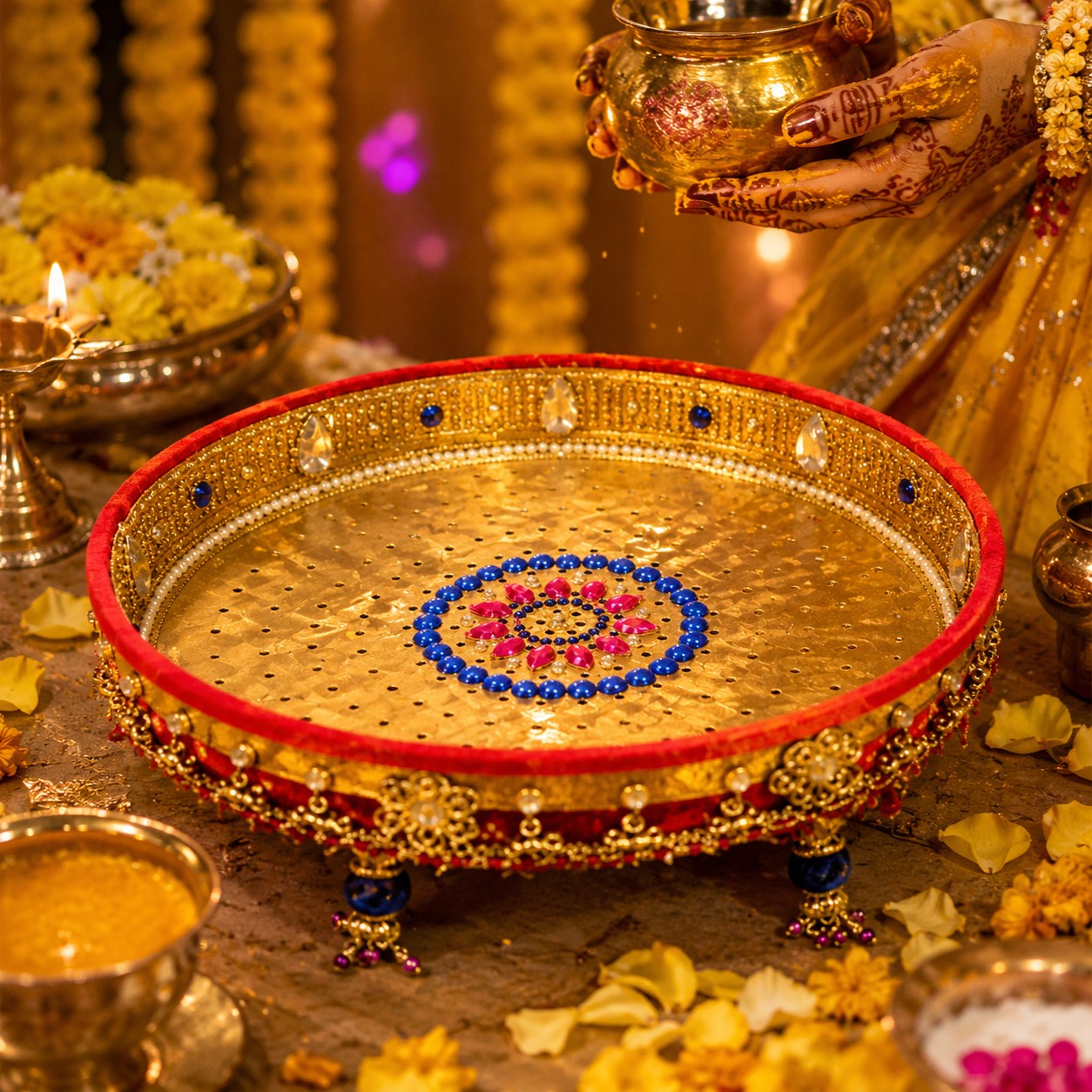
Telugu Mangalasnanam Haldi Items
Traditional Telugu Mangalasnanam Haldi items for Pasupu ceremony and bath rituals, prepared for bride and groom Haldi celebrations and Pelli preparations.
Explore Religious Ceremony Experiences

Explore Other Experiences












Explore by Occasion




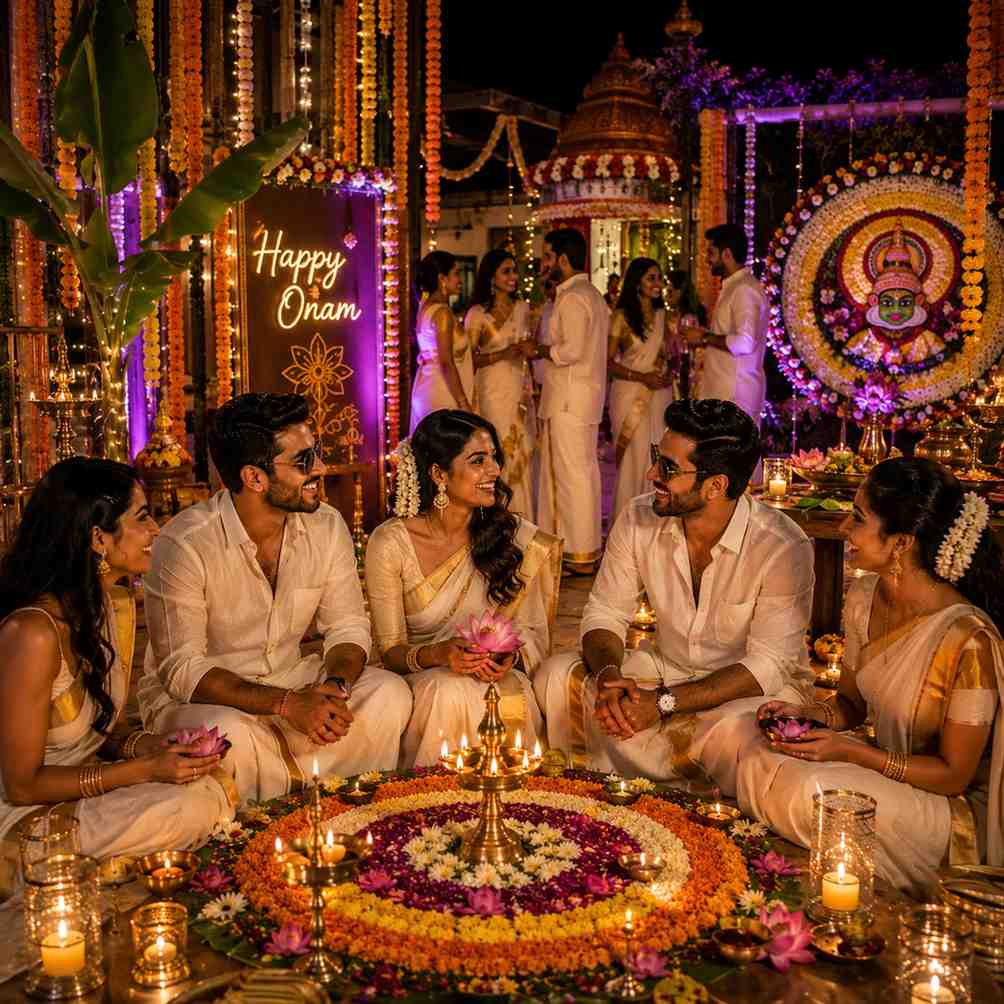
Telugu Mangalasnanam Haldi Items
◆Telugu weddings are celebrated through a sequence of meaningful ceremonies that bring together family traditions, auspicious customs and joyful preparations. Before the main marriage ceremony, several pre-wedding rituals help prepare the bride and groom for the wedding day. Mangalasnanam and Pasupu ceremonies can form an important part of these preparations, with turmeric, natural materials and traditional bathing arrangements used according to family customs.
Mangalasnanam is traditionally associated with an auspicious ceremonial bath before the wedding. The ritual may be performed for the bride and groom separately, depending on the family's traditions. Pasupu, the Telugu word commonly associated with turmeric, is also closely connected with auspicious wedding preparations.
The exact sequence, materials and method can differ between Telugu families and communities. The wedding priest, elders and family members should therefore confirm the appropriate requirements before arranging the ceremony.
Understanding Mangalasnanam
Mangalasnanam can be understood as an auspicious bathing ritual associated with wedding preparations. It represents a traditional stage in preparing the bride or groom for the upcoming marriage ceremonies.
The ritual may involve turmeric and other customary materials according to family practice.
The ceremony is generally prepared as a joyful family occasion, with relatives participating in the preparations and creating a festive atmosphere before the main wedding.
Pasupu Ceremony
Pasupu holds an important place in many Telugu wedding traditions. Turmeric is widely associated with auspicious occasions and traditional Hindu ceremonies.
During a Pasupu ceremony, turmeric may be prepared and applied according to the family's customs.
The ceremony can be arranged in a dedicated area decorated with flowers, traditional fabrics and other wedding elements.
Telugu Mangalasnanam Haldi Items
The exact Mangalasnanam requirements can vary according to family traditions. Commonly prepared materials may include turmeric, water, flowers, traditional vessels and other items specified by the family.
Families should prepare a checklist in advance rather than relying on a generic list.
The wedding priest or knowledgeable family elders can confirm which materials are appropriate for the particular ceremony.
Bride Haldi Preparation
The bride's Mangalasnanam or Haldi preparation can be arranged as an intimate family ceremony or as part of a larger pre-wedding celebration.
The ritual space should provide enough room for the bride and participating family members.
Turmeric and other ceremonial materials can be arranged in attractive trays or traditional containers.
Groom Haldi Preparation
The groom may also participate in a traditional Haldi or Mangalasnanam ceremony according to the family's customs.
His ceremony can be arranged separately or as part of a shared pre-wedding celebration.
The materials should be prepared in advance and organised so that the ceremony can proceed comfortably.
Traditional Turmeric Preparation
Turmeric is central to many Pasupu traditions. Families may use fresh turmeric, turmeric paste or another preparation according to their established customs.
The turmeric should be prepared in a clean ceremonial container.
Where the ceremony involves multiple family members, separate quantities can be prepared to make the application process easier.
Traditional Bath Ritual
The bathing element of Mangalasnanam can be prepared with attention to both tradition and practical comfort.
The bathing area should be clean, stable and suitable for the bride or groom.
Fresh water, towels and any required ceremonial vessels should be kept ready before the ritual begins.
Flowers for Mangalasnanam
Flowers can add a traditional and festive appearance to the ceremony.
They may be used around the ceremonial area, on trays or as part of decorative arrangements.
Flower colours can be coordinated with the bride's or groom's attire and the wider wedding décor.
Fresh flowers should ideally be arranged close to the ceremony so that they retain their appearance.
Traditional Pooja Vessels
Brass, copper or other traditional vessels may be used for water, turmeric or other ceremonial materials where prescribed.
The vessels should be cleaned and prepared before the ceremony.
Reusable vessels can also be preserved for future weddings, festivals and family religious occasions.
Pasupu Ceremony Decoration
A Pasupu ceremony can be styled with a combination of traditional and contemporary décor.
Yellow and natural tones can complement the turmeric theme, while flowers, woven baskets and traditional fabrics can create a warm ceremonial environment.
Modern families may prefer a simpler arrangement with minimal decoration while retaining the essential ritual elements.
Bride and Groom Haldi Celebration
The Haldi ceremony can also become a social family celebration. Relatives and friends may gather to participate, take photographs and share the occasion with the couple.
The ceremonial area should be planned to accommodate the number of participants expected.
Where the celebration is larger, a dedicated coordinator can help manage the sequence and keep the ritual materials organised.
Pelli Preparations
Mangalasnanam and Pasupu are part of the broader preparation period leading to the Telugu marriage.
Families may simultaneously prepare wedding clothing, jewellery, pooja materials, venue décor and other ceremonial accessories.
Creating a separate checklist for the Haldi and bath rituals can prevent these materials from becoming mixed with items needed for the main Muhurtham.
Traditional and Modern Styling
Modern Telugu weddings can combine traditional Mangalasnanam practices with contemporary event styling.
Natural baskets, brass vessels and fresh flowers can provide a traditional appearance, while modern seating, backdrops and coordinated décor can create a more contemporary environment.
The styling should support the ceremony without changing the family's established ritual practices.
Haldi Ceremony Trays
Ceremonial trays can be used to organise turmeric, flowers and other materials.
A decorated tray can also provide an attractive visual element for photographs.
Separate trays can be prepared for the bride and groom when their ceremonies are conducted independently.
Clothing and Preparation
The bride and groom should have suitable clothing available for the bathing or Haldi ritual.
Families can keep towels and replacement clothing ready so that the ceremony can transition smoothly into the next stage of the day's preparations.
The clothing selected should reflect the family's traditions while allowing comfortable participation.
Family Participation
Mangalasnanam can provide an opportunity for family members to participate in the wedding preparations.
Parents, grandparents, siblings and close relatives may take part according to family traditions.
This involvement can create meaningful memories and connect younger generations with established wedding customs.
Photography and Haldi Memories
Mangalasnanam and Pasupu ceremonies can create colourful and candid wedding photographs.
Turmeric application, decorated trays, flowers, family participation and traditional vessels can all become memorable details.
A photographer can capture both the ceremonial moments and the informal interactions between family members.
Venue Planning
The location for the ceremony should be selected according to the family's requirements.
Indoor arrangements can offer protection from weather, while outdoor spaces can provide additional room for larger family gatherings.
The bathing area should have suitable drainage, stable flooring and enough space for safe participation.
Safety During the Bath Ritual
Safety should remain a priority during the Mangalasnanam ceremony.
Water and turmeric can make flooring slippery, so the bathing area should be cleaned regularly and suitable non-slip surfaces should be considered.
Ceremonial vessels should be placed securely, and electrical equipment should be kept away from water.
Sustainable Ceremony Choices
Natural turmeric, flowers and reusable ceremonial vessels can support a more environmentally conscious celebration.
Families can use reusable trays, baskets and fabrics instead of disposable decorations.
After the ceremony, suitable flowers and natural materials can be managed responsibly according to local practices.
Regional and Family Traditions
Telugu wedding customs vary across families and communities. The exact form of Mangalasnanam and Pasupu can therefore differ.
Some families may follow a more elaborate ritual, while others may conduct a simpler ceremony at home.
The family's established customs should take priority over generic wedding recommendations.
Working With Family Elders
Family elders can provide valuable guidance when preparing traditional wedding rituals.
They may know which materials are traditionally used, how they should be arranged and which family members participate.
Combining their knowledge with professional event coordination can help maintain tradition while keeping the preparation organised.
Working With the Wedding Priest
Where the ritual has specific religious procedures, the wedding priest should confirm the appropriate materials and sequence.
This is particularly important when Mangalasnanam forms part of a wider series of pre-wedding rituals.
Obtaining the priest's requirements early allows the family enough time to source and prepare everything.
Large Wedding Planning
For larger weddings, the Mangalasnanam or Pasupu ceremony may involve many guests and family members.
The family can prepare separate quantities of ceremonial materials and assign responsibilities to different people.
A designated person can manage the turmeric trays, vessels, towels and other practical requirements.
Traditional Keepsakes
Some ceremonial accessories can be preserved after the wedding.
Brass vessels, baskets, decorative trays and traditional fabrics can be reused for future family celebrations.
Keeping these items can also provide a tangible connection to the family's wedding memories.
Balancing Tradition and Celebration
A modern Haldi event can be both culturally meaningful and socially engaging.
Families can preserve the traditional Mangalasnanam and Pasupu practices while creating a comfortable environment for relatives and friends.
Music, photography and décor can complement the ceremony without overshadowing its cultural purpose.
Complete Mangalasnanam Preparation
Preparing the Mangalasnanam ceremony involves more than arranging turmeric. Families should consider the bathing space, ceremonial vessels, flowers, clothing, towels, décor and the sequence of activities.
Preparing these details in advance allows the bride and groom to participate comfortably.
A clear checklist also helps family members understand their responsibilities.
Meaningful Telugu Wedding Preparation
Mangalasnanam and Pasupu provide a traditional beginning to the wedding celebrations. They bring family members together and create an auspicious atmosphere before the main marriage ceremony.
The use of turmeric, natural materials and traditional accessories reflects the cultural character of the Telugu wedding.
Preserving the Telugu Pelli Experience
Telugu weddings combine sacred customs, family participation and joyful celebrations. Mangalasnanam and Pasupu can form a meaningful part of this pre-wedding experience when followed according to family tradition.
The exact ritual requirements should always be confirmed with family elders and the wedding priest. With thoughtful preparation, suitable ceremonial items and a well-organised bathing area, the bride and groom can experience a traditional and memorable start to their Pelli celebrations.
Frequently Asked Questions
1. What is Mangalasnanam in a Telugu wedding?
Mangalasnanam is a traditional auspicious bathing ritual associated with Telugu wedding preparations.
2. What is Pasupu in Telugu wedding traditions?
Pasupu refers to turmeric and is associated with auspicious wedding customs and ceremonies in Telugu families.
3. What items are commonly prepared for Mangalasnanam?
Requirements vary, but families may prepare turmeric, water, flowers, ceremonial vessels, towels and other items according to their customs.
4. Is Mangalasnanam performed for both bride and groom?
It can be performed for both, depending on the family's traditions and the wedding programme.
5. Can Mangalasnanam be combined with a Haldi celebration?
Yes. Families may combine traditional ritual elements with a larger family Haldi celebration while maintaining their customary practices.
6. Should the Mangalasnanam area be decorated?
It can be decorated with flowers, traditional fabrics, baskets and suitable wedding décor.
7. How should the bathing area be prepared?
It should be clean, stable, spacious and suitable for safe participation, with attention to water drainage and non-slip flooring.
8. Can brass and copper vessels be used?
Yes, where appropriate to the family's tradition. They should be cleaned and prepared before the ceremony.
9. Can Mangalasnanam items be reused?
Reusable vessels, baskets, trays and fabrics can be preserved for future family ceremonies and celebrations.
10. Who should confirm the final Haldi and Mangalasnanam checklist?
Family elders and the wedding priest should confirm the final requirements because Telugu wedding customs can vary between families and communities.