
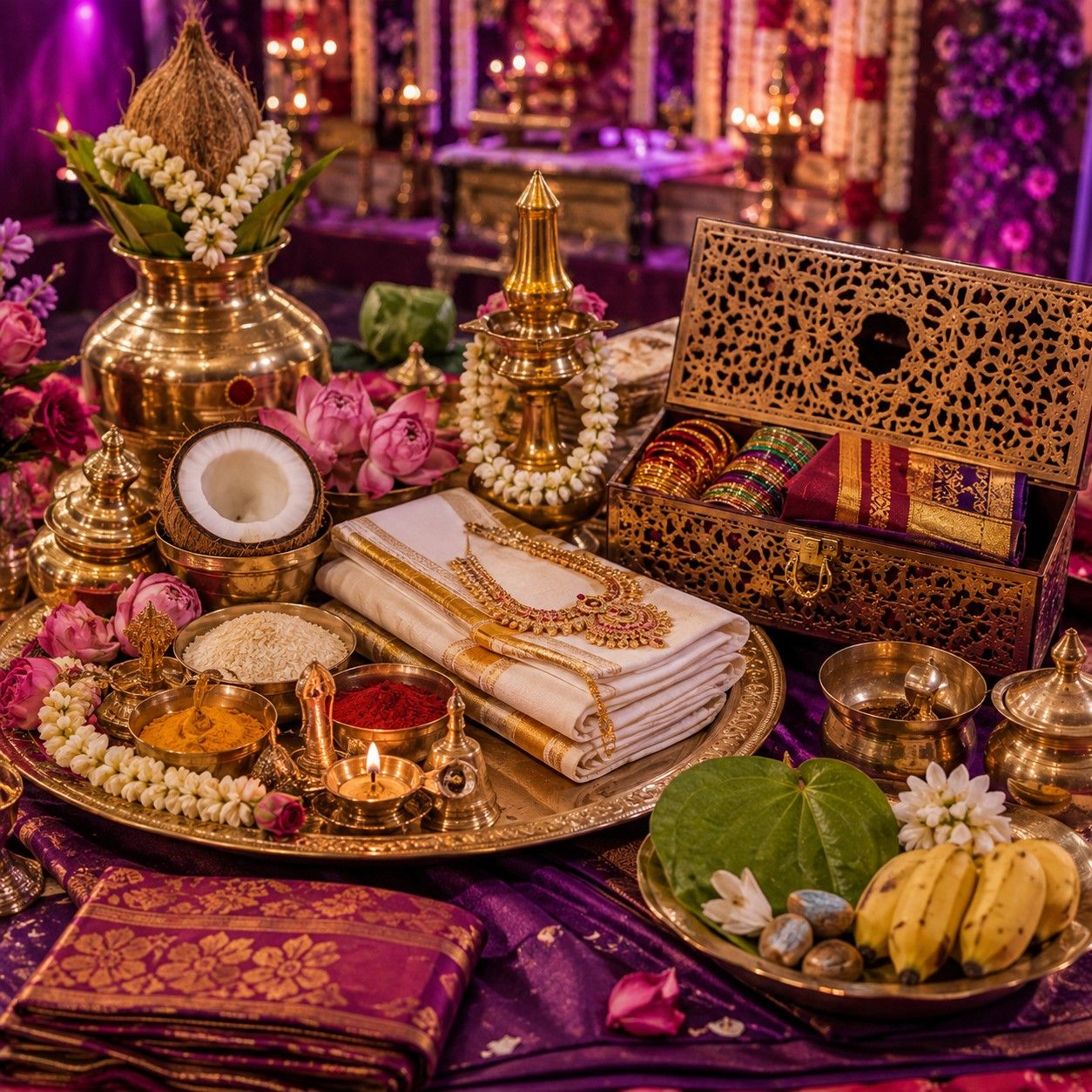
Tamil Wedding Pooja Items
Traditional Tamil wedding pooja items, Seer and Thamboolam essentials for Muhurtham and Kalyanam ceremonies, arranged for an authentic and organised setup.
Explore Religious Ceremony Experiences
Explore Other Experiences






Explore by Occasion
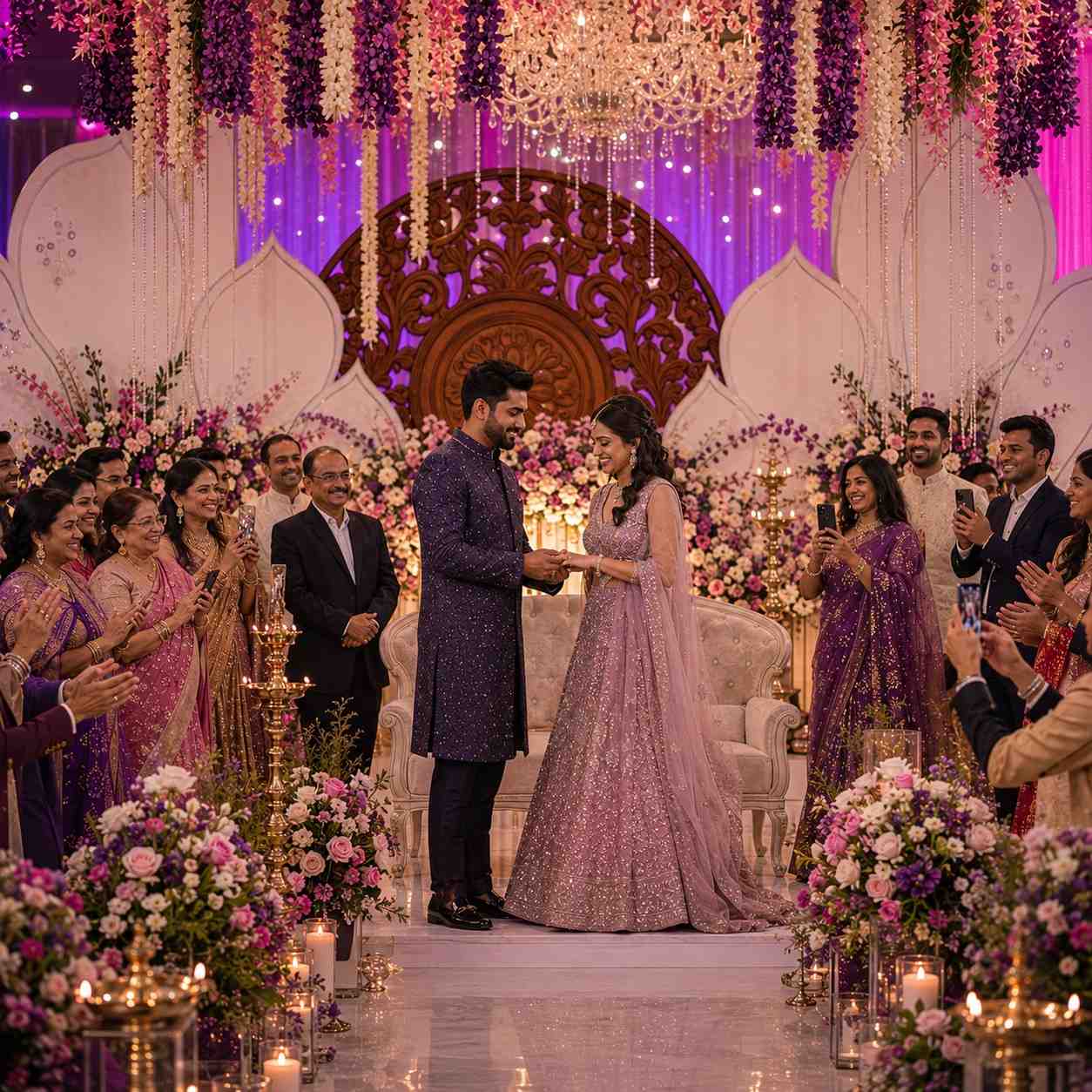



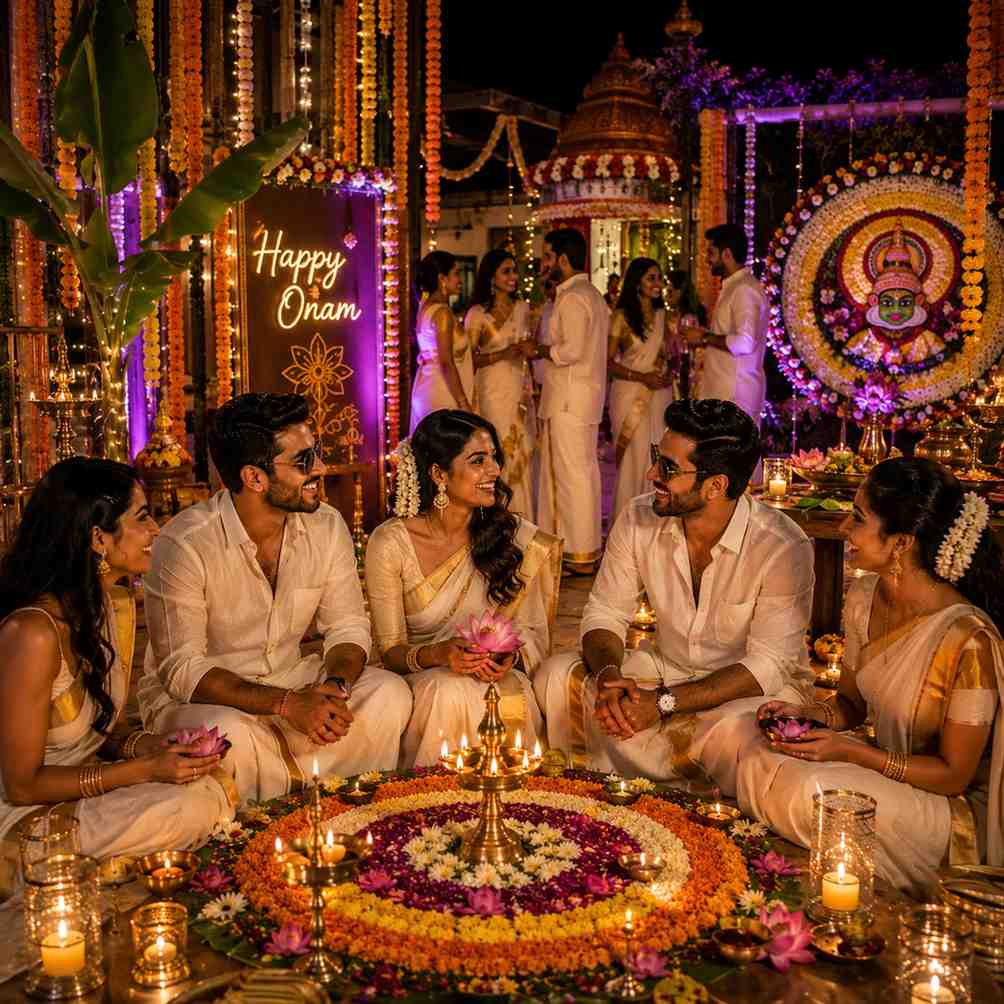
Tamil Wedding Pooja Items
◆Tamil weddings are known for their rich cultural traditions, sacred rituals and meaningful family customs. Every ceremony involves carefully prepared arrangements, from the main Muhurtham and Kalyanam rituals to Seer presentations and Thamboolam offerings. Having the appropriate Tamil wedding pooja items ready helps families organise the ceremonial space while respecting the traditions followed by their household.
Wedding rituals can vary between families, communities and regions. Therefore, the exact items required for a particular ceremony should always be confirmed with the family priest and elders. A well-prepared checklist can nevertheless make the planning process easier and ensure that commonly required materials are organised before the wedding.
Importance of Tamil Wedding Ritual Essentials
Traditional wedding ceremonies involve a variety of materials used for worship, offerings, blessings and ceremonial activities. These items may include pooja vessels, flowers, fruits, turmeric, kumkum and other auspicious materials.
Preparing them in advance allows the priest and family members to perform each ritual without unnecessary interruptions. It also makes it easier to separate materials according to the different ceremonies taking place during the wedding.
For larger celebrations, organising the items in labelled trays or containers can make the ceremony setup more efficient.
Seer Arrangements for Tamil Weddings
Seer is an important traditional element in many Tamil weddings. It generally refers to the ceremonial presentation of gifts and auspicious items between the families.
Depending on family customs, Seer arrangements may include clothing, fruits, sweets, vessels and other traditional gifts. These items are often placed on decorated plates or trays and arranged as part of the wedding presentation.
The number and contents of Seer plates can vary considerably. Families may follow established traditions passed down through generations, making it important to confirm the arrangement with elders before finalising the display.
Thamboolam and Its Traditional Role
Thamboolam is commonly associated with auspicious occasions and traditional hospitality. It is often presented to guests during weddings and other important celebrations.
A traditional Thamboolam arrangement may include betel leaves, areca nuts, turmeric, kumkum and other customary items. The exact contents depend on the occasion and family practice.
Thamboolam can be presented in traditional plates, baskets, trays or reusable containers. Attractive presentation can enhance the guest experience while retaining the cultural character of the ceremony.
Muhurtham Ceremony Essentials
Muhurtham represents the auspicious time selected for the central wedding ceremony. In a Tamil marriage, the Muhurtham is an important stage where several sacred rituals take place according to the family's traditions.
The materials required for Muhurtham depend on the rituals being conducted and the guidance of the wedding priest. Pooja vessels, offerings, flowers and other ceremonial items may be arranged before the ceremony begins.
Families can prepare a dedicated Muhurtham tray or collection of essentials to keep the required materials organised.
Kalyanam Ceremony Setup
Kalyanam refers to the traditional marriage ceremony and its associated rituals. The ceremonial area needs to be arranged so that the bride, groom, priest and participating family members can comfortably perform their roles.
The setup may include a sacred fire area, traditional vessels, flowers, offerings and other ritual materials. The arrangement should follow the instructions of the priest conducting the ceremony.
Keeping the space organised is especially important when several rituals take place in succession.
Traditional Pooja Vessels
Pooja vessels form an important part of many Hindu ceremonies. Brass and copper vessels are commonly associated with traditional South Indian ceremonial settings, although the appropriate materials may differ according to family practice.
Plates, bowls, lamps and containers may be used for different ritual purposes. These items should be cleaned and prepared before the ceremony.
Traditional vessels can also become long-lasting family possessions that are reused during future weddings, festivals and religious occasions.
Flowers, Fruits and Natural Offerings
Flowers contribute to both the spiritual and visual atmosphere of a Tamil wedding. They may be used for decorations, offerings and specific ceremonial practices.
Fresh flowers can be selected according to seasonal availability and family preferences. Fruits and coconuts may also form part of traditional offerings.
The precise requirements should be confirmed with the priest because different ceremonies can require different materials.
Turmeric and Kumkum
Turmeric and kumkum are widely associated with auspicious Hindu occasions and may feature in various wedding rituals.
They can be placed in small traditional containers or incorporated into Thamboolam presentations. Their use and placement should follow the customs observed by the family.
These simple materials can also contribute to the traditional appearance of the wedding ceremony setup.
Traditional Lamps and Ceremonial Décor
Traditional oil lamps can add warmth and cultural character to a wedding ceremony. Brass lamps and other traditional lighting elements are often positioned around ceremonial areas.
Floral arrangements, kolam-inspired details and traditional decorative elements can complement the pooja setup.
However, décor should never obstruct the priest or family members during rituals. Maintaining sufficient space around essential ceremonial materials is important.
Seer Plate Presentation
Seer plates can be arranged in a visually coordinated manner to create an attractive ceremonial display. Clothing, sweets, fruits, vessels and other gifts can be grouped according to family preferences.
Decorative fabrics, flowers and traditional trays can enhance the presentation. Consistency in the arrangement makes the display easier to manage and creates a polished appearance.
For larger weddings, numbering the plates or grouping similar items can help family members keep track of the arrangements.
Thamboolam for Wedding Guests
Thamboolam is often presented to guests as part of traditional wedding hospitality. Preparing the items in advance can make distribution easier, particularly when there are many attendees.
Families can choose traditional plates, cloth bundles, baskets or reusable containers depending on their preferences.
The presentation can also coordinate with the overall wedding theme without removing the traditional elements associated with Thamboolam.
Family and Regional Traditions
Tamil wedding customs are not identical for every family. Iyer, Iyengar and other Tamil communities may have their own practices, while individual households may also follow traditions inherited from previous generations.
For this reason, a general list should be treated as a planning reference rather than a definitive ritual checklist.
The priest and family elders should confirm the exact materials and procedures required for the particular wedding.
Organising Pooja Items
A wedding can involve several ceremonies across multiple days, making organisation particularly important. Items required for one ritual should ideally be kept separately from materials intended for another.
Dedicated trays, boxes or labelled containers can help family members identify everything quickly.
A person can also be assigned to check the ritual materials before each ceremony. This simple step can reduce last-minute confusion.
Preparing for a Large Wedding
Large Tamil weddings may involve numerous guests, multiple ceremonies and extensive Seer and Thamboolam arrangements. Quantity planning is therefore essential.
The number of Thamboolam sets should be estimated based on the expected guest count. Seer arrangements should follow the family's established requirements.
Pooja materials should also be purchased or prepared with sufficient time for checking and organising before the wedding day.
Sustainable Wedding Ritual Arrangements
Sustainability can be incorporated into traditional wedding preparation without losing cultural authenticity. Reusable brass and copper vessels can reduce reliance on disposable materials.
Reusable baskets, cloth bags and natural decorative elements can also be considered for Thamboolam presentation.
Families may also choose recycled or sustainable materials for selected stationery and packaging elements associated with the wedding.
Working With the Wedding Priest
The wedding priest plays an important role in confirming the materials required for each ritual. The exact list can differ depending on the ceremony sequence and family tradition.
Families should request the complete pooja checklist well before the wedding. This provides enough time to source, clean and organise the required items.
Keeping the priest's list separate from general décor and gifting requirements can make the preparation process more straightforward.
Photography of Traditional Arrangements
Seer plates, Thamboolam displays, flowers, lamps and ceremonial vessels often become memorable details in wedding photography.
A neat arrangement allows photographers to capture these cultural elements clearly. Detail photographs can preserve the traditions and objects that contributed to the wedding experience.
Organised presentation also helps the ceremonial area look polished throughout the event.
Meaning Behind the Preparation
The preparation of wedding ritual items is not simply a logistical task. It provides families with an opportunity to participate in traditions that connect generations.
Parents, grandparents and elders may guide younger family members in understanding the purpose of particular items and ceremonies.
This shared preparation can become an important part of the wedding experience itself.
Balancing Tradition and Modern Planning
Modern Tamil weddings often combine traditional rituals with contemporary décor, professional event management and modern guest experiences.
The ceremonial setup can maintain its traditional character while benefiting from careful planning and organised coordination.
Using clearly arranged pooja materials, designated storage and ceremony-specific checklists allows families to preserve tradition while managing a modern wedding efficiently.
Creating an Authentic Ceremony Setup
An authentic Tamil wedding setup is created through a combination of traditional rituals, appropriate materials and meaningful family participation.
Seer presentations add a ceremonial gifting element, Thamboolam reflects hospitality, and pooja essentials support the sacred procedures conducted during the wedding.
Each component contributes to the overall atmosphere while helping the ceremony follow the family's established practices.
Planning the Complete Wedding Experience
Tamil wedding pooja items should be considered alongside the wider wedding planning process. Ceremony timings, venue layout, guest movement and priest requirements all influence how materials should be organised.
Preparing everything in advance allows family members to focus on the celebration rather than searching for missing items during important rituals.
A detailed checklist, early preparation and guidance from knowledgeable family members can make the process considerably smoother.
Preserving Tamil Wedding Heritage
Traditional wedding rituals provide an important connection between generations. The objects used during ceremonies often carry memories of previous family celebrations and cultural practices.
By carefully preparing Seer, Thamboolam and other ceremonial essentials, families can continue these traditions while adapting the overall wedding experience to modern preferences.
The result is a celebration that respects heritage while remaining organised, welcoming and memorable.
A Complete Traditional Wedding Preparation
Tamil wedding pooja items support some of the most meaningful moments of a traditional marriage ceremony. From Seer arrangements and Thamboolam presentations to Muhurtham and Kalyanam preparations, each element has a role within the broader celebration.
The exact requirements should always be confirmed according to family customs and priestly guidance. With thoughtful planning and careful organisation, families can create a ceremonial setup that honours tradition and allows everyone to participate in the wedding with confidence and ease.
Frequently Asked Questions
1. What are Tamil wedding pooja items?
They are traditional materials used during Tamil Hindu wedding rituals, including pooja vessels, offerings, flowers and other ceremonial essentials.
2. What are Seer items in a Tamil wedding?
Seer may include clothing, fruits, sweets, vessels and other auspicious gifts presented between families according to their customs.
3. What is included in Thamboolam?
Traditional Thamboolam may contain betel leaves, areca nuts, turmeric, kumkum and other customary items.
4. What are Muhurtham essentials?
The exact requirements depend on the rituals being performed. The wedding priest should provide the final list for the particular ceremony.
5. What is required for a Kalyanam setup?
The setup may include ceremonial vessels, offerings, flowers and other ritual materials, depending on the family's wedding traditions.
6. Can Seer plates be decorated?
Yes. Seer plates can be arranged with traditional trays, fabrics, flowers and other decorative elements while following family customs.
7. Is Thamboolam given to all wedding guests?
Practices vary by family and event. The quantity and presentation should be planned according to the family's tradition and expected guest count.
8. How early should pooja items be prepared?
The checklist should be confirmed well before the wedding, with the materials organised several days before the relevant ceremonies.
9. Can traditional wedding pooja items be reusable?
Yes. Items such as brass or copper vessels, lamps and reusable containers can be preserved and used for future ceremonies.
10. Who confirms the final wedding pooja checklist?
The wedding priest and family elders should confirm the final list because Tamil wedding rituals and requirements can vary between families.