
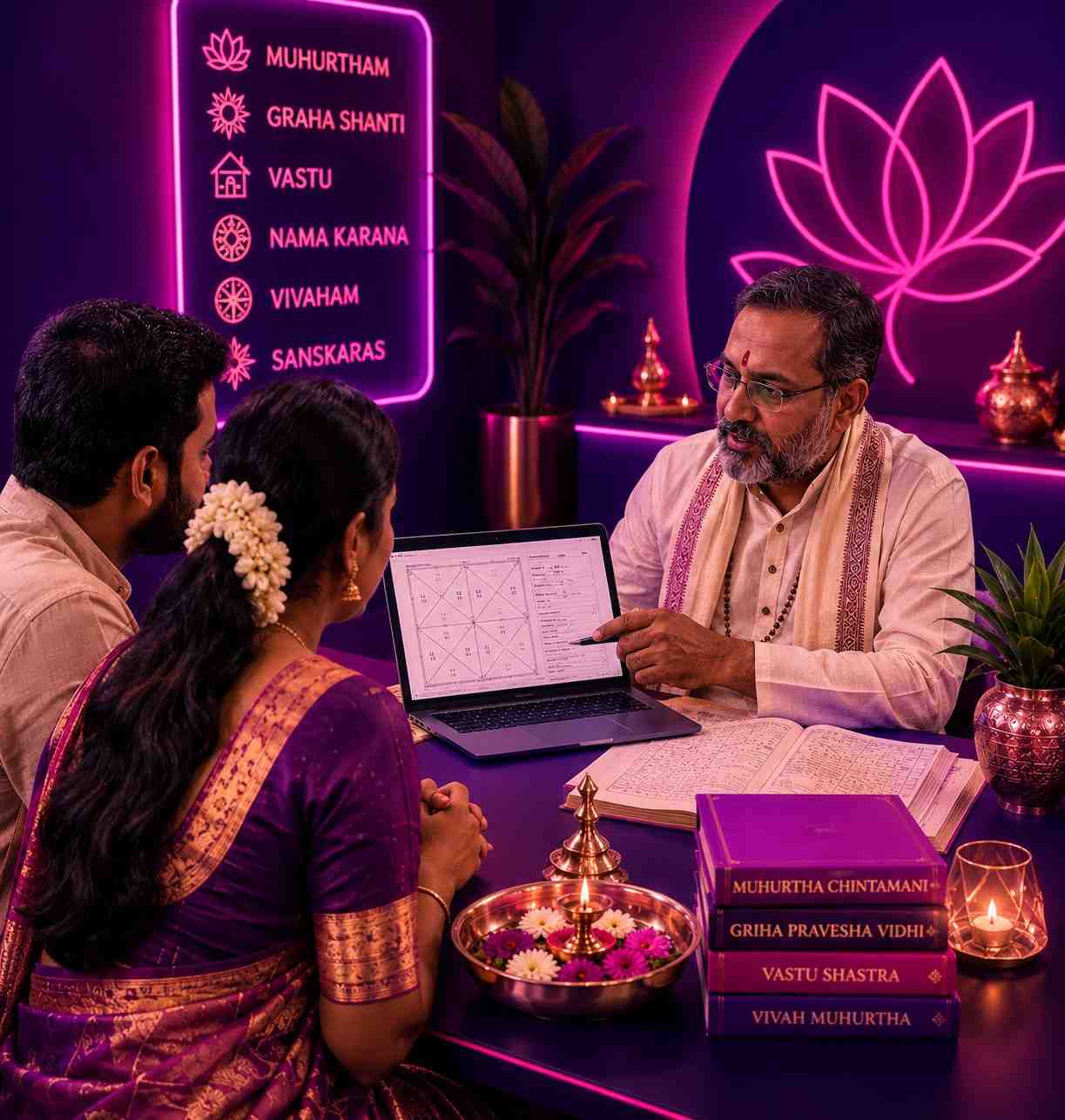
Ritual Consultation
Choose an auspicious time for your sacred ceremonies with Puja Muhurtham Consultation covering traditional ritual timings, puja dates, housewarming ceremonies, weddings, havans, and other important Hindu occasions.
Explore Religious Ceremony Experiences
Explore Other Experiences




Explore by Occasion


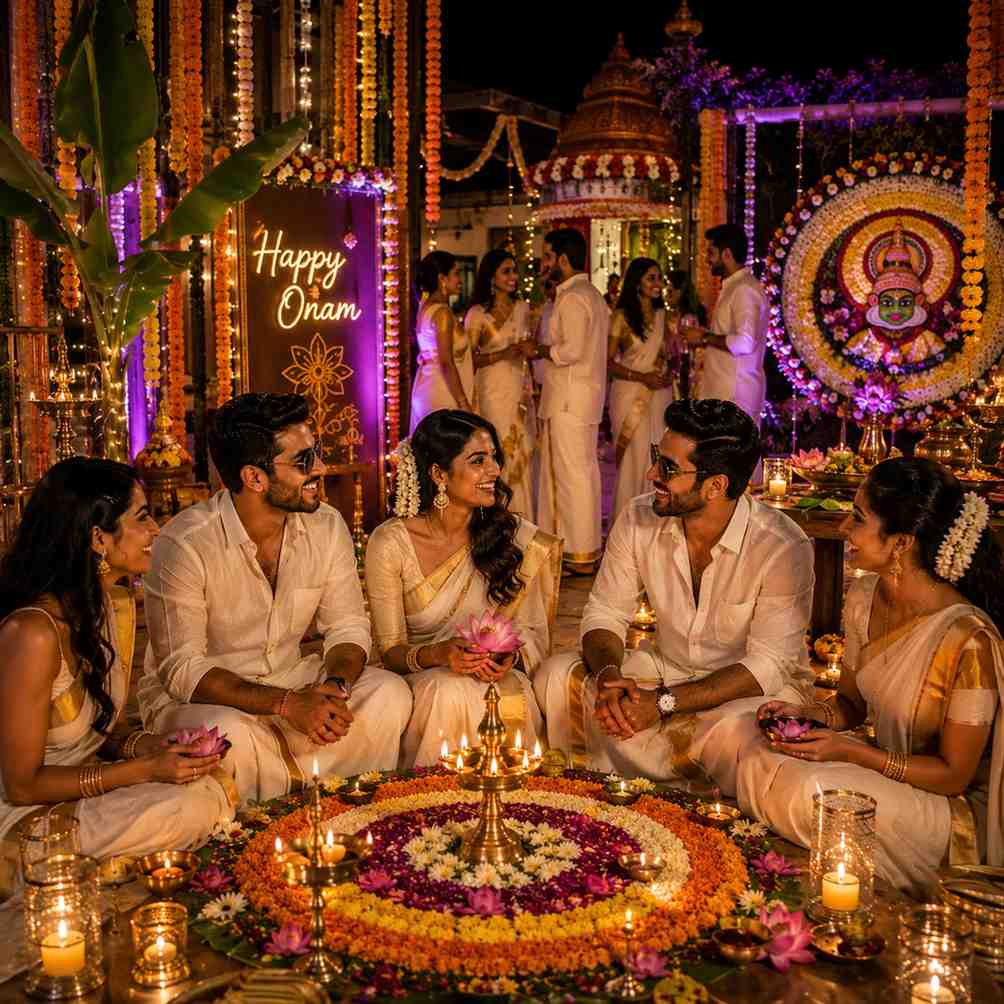
Puja Muhurtham Consultation for Auspicious Dates, Panchang Guidance & Ceremony Timing in India
◆Puja Muhurtham Consultation helps families and devotees identify traditionally auspicious dates and timings for poojas, religious ceremonies, housewarming functions, weddings, festivals, temple rituals, and other important occasions. The consultation may include Panchang guidance, Tithi and Nakshatra considerations, Lagna consultation, ceremony timing, and traditional ritual planning.
In many Indian families, important religious ceremonies are planned around auspicious timings based on traditional Hindu calendars and regional customs. Selecting a suitable Muhurtham can help families organise the ceremony schedule while respecting their religious and cultural practices.
Puja Muhurtham consultation generally begins by understanding the purpose of the ceremony, preferred dates, location, family traditions, and required rituals. Depending on the astrologer's or priest's methodology, additional information such as birth details may also be considered.
Panchang consultation is an important part of traditional Muhurtham planning. A Panchang provides information about Tithi, Vara, Nakshatra, Yoga, Karana, sunrise, sunset, and other calendrical factors used when evaluating auspicious timings.
Tithi refers to a lunar day used in the Hindu calendar. Different Tithis may be considered suitable or unsuitable for particular ceremonies according to regional traditions and the guidance of the priest or astrologer.
Nakshatra refers to the lunar mansion associated with the Moon's position. Traditional Muhurtham consultation may consider the Nakshatra prevailing at the proposed ceremony time.
Vara refers to the weekday. Some families and traditional practitioners may consider the weekday along with other Panchang elements when selecting a ceremony date.
Yoga and Karana are additional Panchang elements that may be considered during traditional auspicious-time calculations.
Lagna consultation may be included when the ceremony requires consideration of the ascendant at a particular time. The astrologer may evaluate the proposed Lagna according to the traditional system being followed.
The exact method for selecting a Muhurtham varies between astrologers, priests, regions, communities, and schools of astrology. Families should therefore clarify the methodology being used during the consultation.
Puja Muhurtham can be considered for many occasions. Common examples include Griha Pravesh, Ganapati Pooja, Satyanarayan Pooja, Lakshmi Pooja, Navagraha Pooja, Bhoomi Pooja, Ayudha Pooja, business opening ceremonies, naming ceremonies, religious festivals, and other auspicious functions.
Griha Pravesh Muhurtham is often selected before a family enters a new home. The consultation may consider the preferred date, location, Panchang, ceremony requirements, and family traditions.
Bhoomi Pooja timing may be considered before construction or land-related ceremonies. The selected date and time can be coordinated with the availability of the priest, family members, site, and construction schedule.
Business opening ceremonies may also be planned around traditionally auspicious dates and timings. Families or business owners may consult an astrologer or priest according to their cultural practices.
Naming ceremonies can be scheduled with consideration for the family's preferred traditions, baby's birth details where relevant, Panchang factors, and priest availability.
Satyanarayan Pooja and other family poojas may be planned according to suitable dates and traditional Panchang considerations.
Festival-related poojas may have timings associated with the festival itself. Families may consult priests or traditional calendars for the appropriate ritual period.
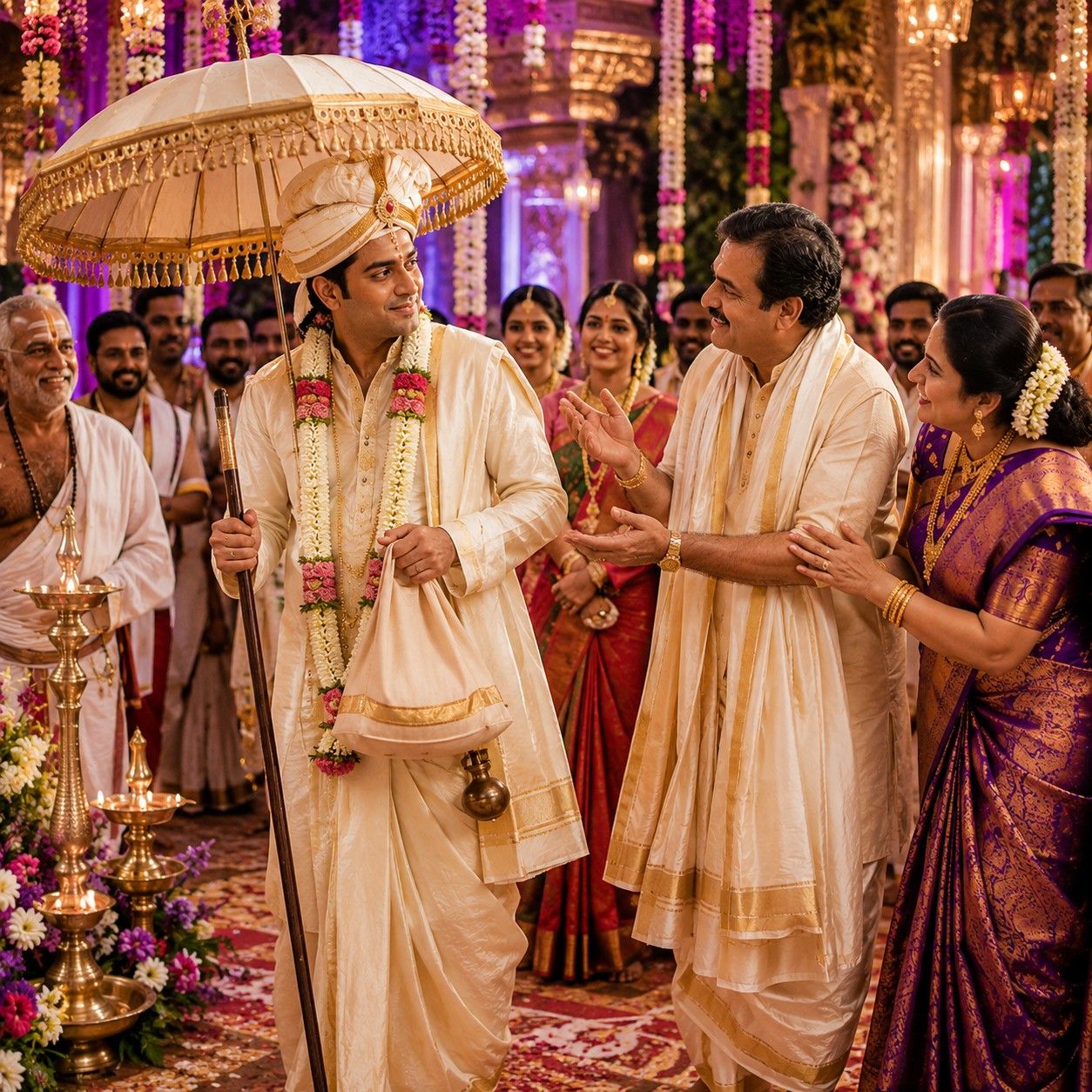
Wedding-related poojas may also require separate Muhurtham consultation. Pre-wedding rituals, Ganapati Pooja, Vratham, Nandi, engagement ceremonies, and other religious functions can have their own traditional timing requirements.
For religious ceremonies conducted at temples, the temple's own schedule and rules should be considered alongside any family preference for Muhurtham.
Location is important when determining traditional ceremony timings. Sunrise, sunset, local time, and other location-specific calculations can affect the timing recommended for a ceremony.
This becomes particularly relevant for destination ceremonies. If a family travels to another city, state, or country, the consultation should use the actual ceremony location rather than the family's home location.
Time-zone differences should also be considered for international ceremonies. Families should confirm the local ceremony time with the priest and event team to avoid scheduling confusion.
Multiple Muhurtham options may sometimes be provided. This gives families flexibility when coordinating venue availability, priest schedules, travel, guests, and other practical arrangements.
Once the Muhurtham is confirmed, the ceremony schedule can be prepared around it. The family may need to complete preparations, decoration, guest seating, pooja material arrangements, and other activities before the selected time.
Ritual planning is an important part of the consultation. The priest can provide a list of required Samagri, flowers, fruits, coconuts, Kalash items, Havan materials, lamps, vessels, and other ceremonial essentials.
The consultation can also help families understand the expected duration of the ceremony. This allows organisers to coordinate venue bookings, catering, photography, decoration, transportation, and guest arrangements.
For larger religious functions, multiple priests may be required. Their availability should be confirmed once the ceremony date and Muhurtham have been finalised.
Families may also need to coordinate the Muhurtham with venue opening times. Hotels, banquet halls, temples, residential communities, and other venues may have specific restrictions regarding early-morning ceremonies, fire rituals, sound, or open flames.
Fire safety is important when the ceremony includes Havan or Homam. The venue should have suitable arrangements for the sacred fire and adequate ventilation.
Floral decoration and pooja setup should be completed before the ceremony begins. Florists and decorators can coordinate their installation schedule around the confirmed Muhurtham.
Photography and videography teams should also be informed about the important ritual timing. This ensures that key moments are captured without interrupting the ceremony.
For family gatherings, guests travelling from different locations may need clear information about the ceremony date, Muhurtham, reporting time, venue, accommodation, and transportation.
Digital Muhurtham consultations can be conducted through phone calls, video calls, online meetings, or written reports. Families can share relevant details remotely and receive traditional timing guidance.
A consultation report may include suggested dates, ceremony timings, Panchang details, Lagna information, and ritual recommendations depending on the astrologer's service format.
Privacy should be considered when sharing personal information. If birth details are requested, families should use trusted practitioners and understand how their information will be handled.
Traditional Muhurtham consultation is a cultural and spiritual practice. It should not replace practical considerations such as venue availability, legal requirements, safety, financial planning, or professional advice where applicable.
Families may consult both a priest and an astrologer when planning a major ceremony. The astrologer may suggest suitable timings while the priest confirms the ritual sequence and required Samagri.
For regional ceremonies, it can be useful to select a practitioner familiar with the family's cultural tradition. Tamil, Telugu, Kannada, Malayalam, Marathi, Gujarati, Bengali, and North Indian traditions may follow different approaches to auspicious timing.
Professional event and religious ceremony planners can help coordinate the selected Muhurtham with the rest of the event. This may include venue booking, priest coordination, décor, catering, photography, guest hospitality, transportation, and pooja materials.
In conclusion, Puja Muhurtham Consultation provides traditional guidance for selecting auspicious dates and ceremony timings based on Panchang elements, Lagna considerations, regional customs, and the requirements of the specific ritual. By consulting a knowledgeable priest or astrologer, confirming the ceremony location and local timing, preparing the required Samagri, and coordinating the Muhurtham with practical event arrangements, families can plan their religious ceremonies in a structured and culturally meaningful manner.
FAQ Section
Q1: What is Puja Muhurtham Consultation?
Puja Muhurtham Consultation is a traditional service that helps families identify suitable dates and timings for religious ceremonies using Panchang, Tithi, Nakshatra, Lagna, and other customary considerations.
Q2: What is Panchang guidance?
Panchang guidance involves reviewing traditional calendar elements such as Tithi, Vara, Nakshatra, Yoga, Karana, sunrise, sunset, and other factors when considering an auspicious ceremony time.
Q3: What ceremonies can use Muhurtham consultation?
Muhurtham consultation may be used for Griha Pravesh, Bhoomi Pooja, Satyanarayan Pooja, Ganapati Pooja, Navagraha Pooja, naming ceremonies, business openings, wedding rituals, religious functions, and other auspicious occasions.
Q4: Is Lagna considered for Puja Muhurtham?
It may be. Some traditional practitioners consider the Lagna or ascendant at the proposed ceremony time as part of Muhurtham selection.
Q5: Can multiple auspicious dates be provided?
Yes. Depending on the consultation, practitioners may provide multiple suitable dates and time options so families can coordinate them with venue, priest, travel, and family availability.
Q6: Does the ceremony location matter when selecting Muhurtham?
Yes. Local sunrise, sunset, time zone, and location-specific Panchang calculations can affect the recommended ceremony timing.
Q7: Can Muhurtham consultation be done online?
Yes. Many astrologers and traditional consultants offer consultations through phone calls, video calls, online meetings, or digital reports.
Q8: Can Muhurtham be coordinated with a priest?
Yes. Families can share the recommended timing with the priest so that the ritual sequence, Samagri, ceremony setup, and other preparations are aligned.
Q9: Can Muhurtham consultation include ritual planning?
Yes. Depending on the service provider, consultation may include guidance on ceremony sequence, required pooja materials, Havan Samagri, flowers, Kalash items, priest requirements, and preparation timelines.
Q10: How can Happiffie help with Puja Muhurtham Consultation?
Happiffie helps families, couples, devotees, and event organisers discover trusted astrologers, priests, and traditional consultants offering Panchang guidance, auspicious date selection, Lagna consultation, ceremony timing, ritual planning, and related religious ceremony services.