
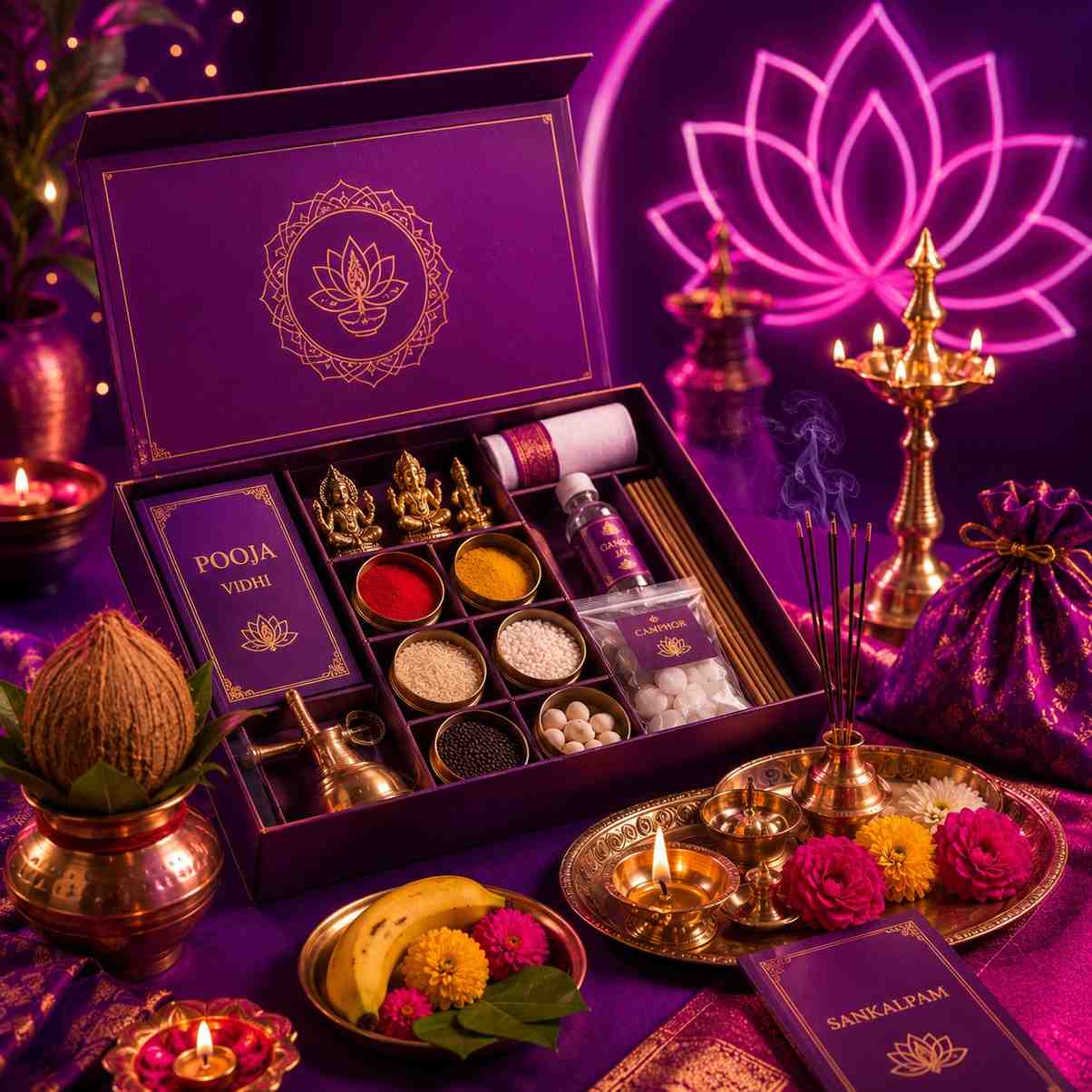
Puja Kits
Prepare for sacred ceremonies with Puja Kits & Havan Samagri featuring essential ritual ingredients, pooja accessories, sacred offerings, and traditional supplies conveniently curated for weddings, havans, festivals, housewarmings, and devotional occasions.
Explore Religious Ceremony Experiences

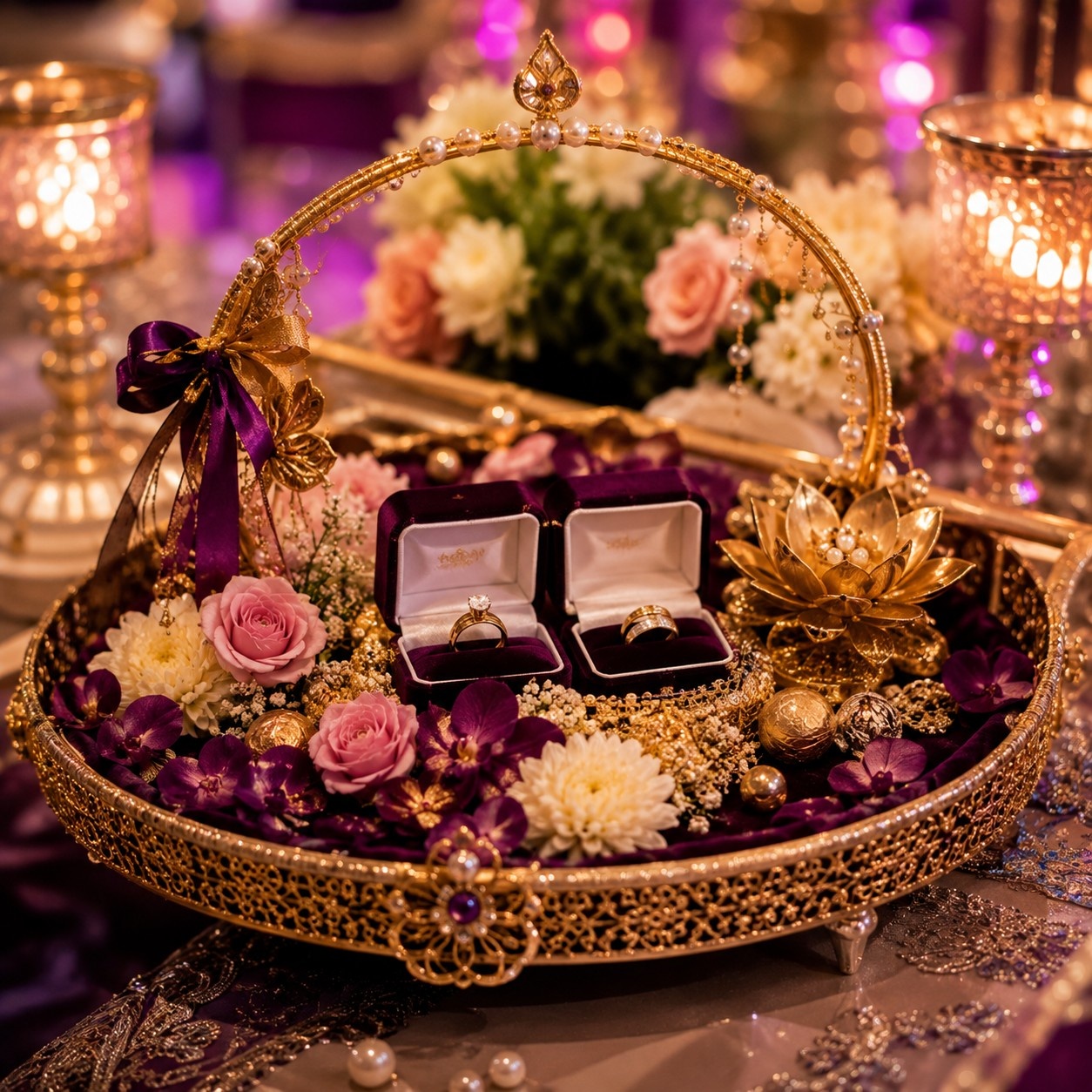




Explore Other Experiences
















Explore by Occasion






Puja Kits Havan Samagri for Ready Pooja Kits, Homam Materials & Hindu Ritual Ceremonies in India
◆Puja Kits and Havan Samagri provide convenient access to the essential materials required for Hindu poojas, Havan, Homam, Yagna, festival worship, and home religious ceremonies. Ready Pooja Kits bring commonly required ritual items together in an organised package, helping families and devotees prepare for ceremonies without having to source every individual ingredient separately.
Hindu religious ceremonies can require a wide variety of materials depending on the deity, ritual, regional tradition, priest's requirements, and purpose of the ceremony. A ready-made Puja Kit can simplify preparation by grouping commonly used items such as flowers, grains, spices, sacred items, lamps, offerings, and other pooja essentials.
Havan Samagri is traditionally used during sacred fire rituals. It may contain a prepared combination of herbs, woods, grains, resins, seeds, dried ingredients, and other materials used according to the particular Havan or Homam tradition.
The exact contents of Havan Samagri vary between rituals and regions. Families should follow the specific list provided by their priest rather than assuming that one standard kit is suitable for every ceremony.
Ready Pooja Kits can be prepared for a variety of religious occasions. Common examples include Ganapati Pooja, Lakshmi Pooja, Satyanarayan Pooja, Navagraha Pooja, Griha Pravesh, Bhoomi Pooja, Saraswati Pooja, Durga Pooja, Varalakshmi Pooja, festival worship, house rituals, and other Hindu ceremonies.
Ganapati Pooja kits may include commonly required offerings and pooja materials used for worshipping Lord Ganesha. The priest may provide additional requirements depending on the family's tradition.
Lakshmi Pooja kits can be prepared for Diwali, Varalakshmi Vratham, household worship, and other occasions dedicated to Goddess Lakshmi. The specific materials depend on the ritual being performed.
Satyanarayan Pooja kits may include ingredients and offerings traditionally required for the ceremony. Families should obtain the complete checklist from the priest before purchasing or assembling the kit.
Griha Pravesh and housewarming ceremonies may require a combination of pooja materials, Kalash items, Havan Samagri, grains, fruits, flowers, lamps, and other ritual essentials.
Bhoomi Pooja may require specific materials associated with the ceremony and the construction site. The priest should confirm the exact requirements before the event.
Festival-specific kits can also make preparation easier. Puja Kits may be assembled for festivals such as Diwali, Navratri, Ganesh Chaturthi, Janmashtami, Saraswati Pooja, Durga Puja, Pongal-related worship, Varalakshmi Vratham, and other regional celebrations.
Homam Materials are generally selected according to the particular Homam being performed. Different rituals may require different herbs, offerings, woods, grains, leaves, fruits, ghee, and other ingredients.
A Havan or Homam may require a Havan Kund, wooden sticks or Samidha, ghee, Havan Samagri, grains, herbs, flowers, water, vessels, and other ritual items. The exact list should always be confirmed with the priest.
Puja Kits may also include basic items such as turmeric, kumkum, sandalwood, rice or Akshata, betel leaves, betel nuts, coconuts, camphor, incense, cotton wicks, oil or ghee, lamps, sacred threads, and other commonly used materials.
Flowers and fresh offerings are often purchased separately because their freshness and quantity depend on the ceremony date and local availability.
Fruits and other perishable offerings may also need to be arranged close to the ceremony. A ready kit can therefore complement rather than replace fresh pooja requirements.
Some Puja Kits are designed for individual ceremonies, while others are prepared as larger family or community packs. Quantity should be selected according to the number of rituals and participants.
Travel-friendly Puja Kits can be useful for devotees attending ceremonies away from home. Compact packaging can make it easier to carry non-perishable ritual materials while fresh items can be sourced locally.
Families living outside India may also use curated Puja Kits for home worship, subject to local availability and shipping restrictions. Certain natural or agricultural products may have import restrictions depending on the destination country.
Packaging is an important consideration for ready-made kits. Materials should be separated and labelled clearly so families and priests can identify each item easily.
A well-organised kit can reduce preparation time and make it easier to check whether all commonly required materials are available before the ceremony begins.
However, a ready kit should not be treated as a universal replacement for a priest's checklist. Religious practices differ across communities, and some ceremonies require specific ingredients or quantities.
Regional traditions can significantly influence Puja Kit requirements. Tamil, Telugu, Kannada, Malayalam, Marathi, Gujarati, Bengali, North Indian, and other traditions may use different materials or terminology.
For example, a South Indian ceremony may require particular leaves, vessels, flowers, grains, or traditional offerings that differ from a North Indian ritual kit.
Priests can provide a customised Samagri checklist based on the ceremony. Families can then purchase a ready kit and supplement it with any additional items required.
Some service providers offer custom Puja Kits where customers can select the ceremony type, number of participants, regional tradition, and additional requirements.
Custom kits can be useful for elaborate rituals where a standard package may not contain every required item.
Puja Kits may be purchased from religious stores, specialised pooja suppliers, temple-associated shops, event service providers, or online platforms. Buyers should verify product details, quantities, freshness where applicable, and supplier reliability.
Havan Samagri should be stored in a clean, dry place away from moisture and contamination. Natural ingredients can lose quality if stored improperly.
Camphor, oils, ghee, incense, and other flammable materials should be handled and stored safely, particularly when children are present.
During Havan or Homam, fire safety is essential. The Havan Kund should be placed on a stable, heat-resistant surface with adequate ventilation and sufficient clearance from fabrics, curtains, floral decorations, electrical equipment, and other combustible materials.
Only the priest or designated participants should handle the sacred fire and offerings according to the ceremony's instructions.
For apartment and indoor ceremonies, families should check building or venue rules regarding open flames, smoke, incense, and ventilation before conducting a Havan or Homam.
Large religious ceremonies may require multiple Puja Kits or bulk quantities of Havan Samagri. The priest or event organiser can calculate the required quantities based on the number of rituals and participants.
Temple and community ceremonies may have specific restrictions on bringing outside materials. Organisers should confirm the permitted items and sourcing requirements with the temple or religious institution.
For destination ceremonies, organisers can arrange the non-perishable Puja Kit in advance and source fresh flowers, fruits, leaves, and other perishable materials near the venue.
Event planners can coordinate Puja Kits with priests, decorators, florists, venues, caterers, and religious ceremony suppliers to ensure the materials are available before the Muhurtham.
A ceremony checklist can help organisers track the kit, fresh offerings, utensils, decoration materials, fire equipment, and other requirements.
Digital checklists can also be shared with family members so different people can manage specific parts of the preparation.
Sustainable packaging is becoming increasingly useful for religious supplies. Reusable containers, recyclable packaging, and minimal plastic can help reduce waste from ceremony preparations.
After the ceremony, families should dispose of flowers, organic materials, ash, and other ritual remnants respectfully according to their religious practices and local environmental guidelines.
In conclusion, Puja Kits and Havan Samagri make Hindu religious ceremony preparation more convenient by bringing commonly required materials together in organised packages. From Ready Pooja Kits for home worship and festivals to specialised Homam Materials and Havan Samagri, these supplies can simplify preparation while supporting traditional rituals. Since requirements vary by ceremony, region, and family tradition, the best approach is to confirm the priest's Samagri checklist and supplement the ready kit with any specific materials required.
FAQ Section
Q1: What is a Ready Pooja Kit?
A Ready Pooja Kit is a pre-packed collection of commonly required materials for a specific Hindu pooja or religious ceremony, helping families organise ritual supplies conveniently.
Q2: What is Havan Samagri?
Havan Samagri is a traditional mixture of ingredients such as herbs, grains, seeds, resins, woods, and other materials used as offerings during Havan or Homam ceremonies.
Q3: What items are commonly included in a Puja Kit?
Depending on the ceremony, a kit may include turmeric, kumkum, sandalwood, rice or Akshata, betel leaves, betel nuts, coconuts, camphor, incense, cotton wicks, sacred threads, grains, and other ritual essentials.
Q4: Can Puja Kits be customised?
Yes. Custom kits can be prepared according to the pooja type, regional tradition, number of participants, priest's requirements, and additional ritual materials.
Q5: Is one Puja Kit suitable for every Hindu ceremony?
No. Ritual requirements differ by ceremony, region, community, and family tradition. It is best to confirm the required Samagri with the priest before purchasing.
Q6: Can Havan Samagri be used for any Homam?
Not necessarily. Different Homams may require specific ingredients and quantities. The priest conducting the ritual should provide the appropriate requirements.
Q7: Are fresh flowers and fruits included in Puja Kits?
Some kits may include non-perishable items, but fresh flowers, fruits, leaves, and other perishable offerings are often arranged separately close to the ceremony.
Q8: Can Puja Kits be used for home ceremonies?
Yes. Ready Pooja Kits are commonly used for home poojas, festival worship, housewarming ceremonies, family rituals, and other permitted religious functions.
Q9: How should Havan Samagri be stored?
Havan Samagri should generally be kept in a clean, dry, sealed location away from moisture, contamination, heat, and children.
Q10: How can Happiffie help with Puja Kits Havan Samagri?
Happiffie helps families, devotees, priests, and event organisers discover trusted pooja suppliers and religious ceremony professionals offering Ready Pooja Kits, Havan Samagri, Homam Materials, customised ritual kits, festival worship supplies, and complete pooja preparation support.