
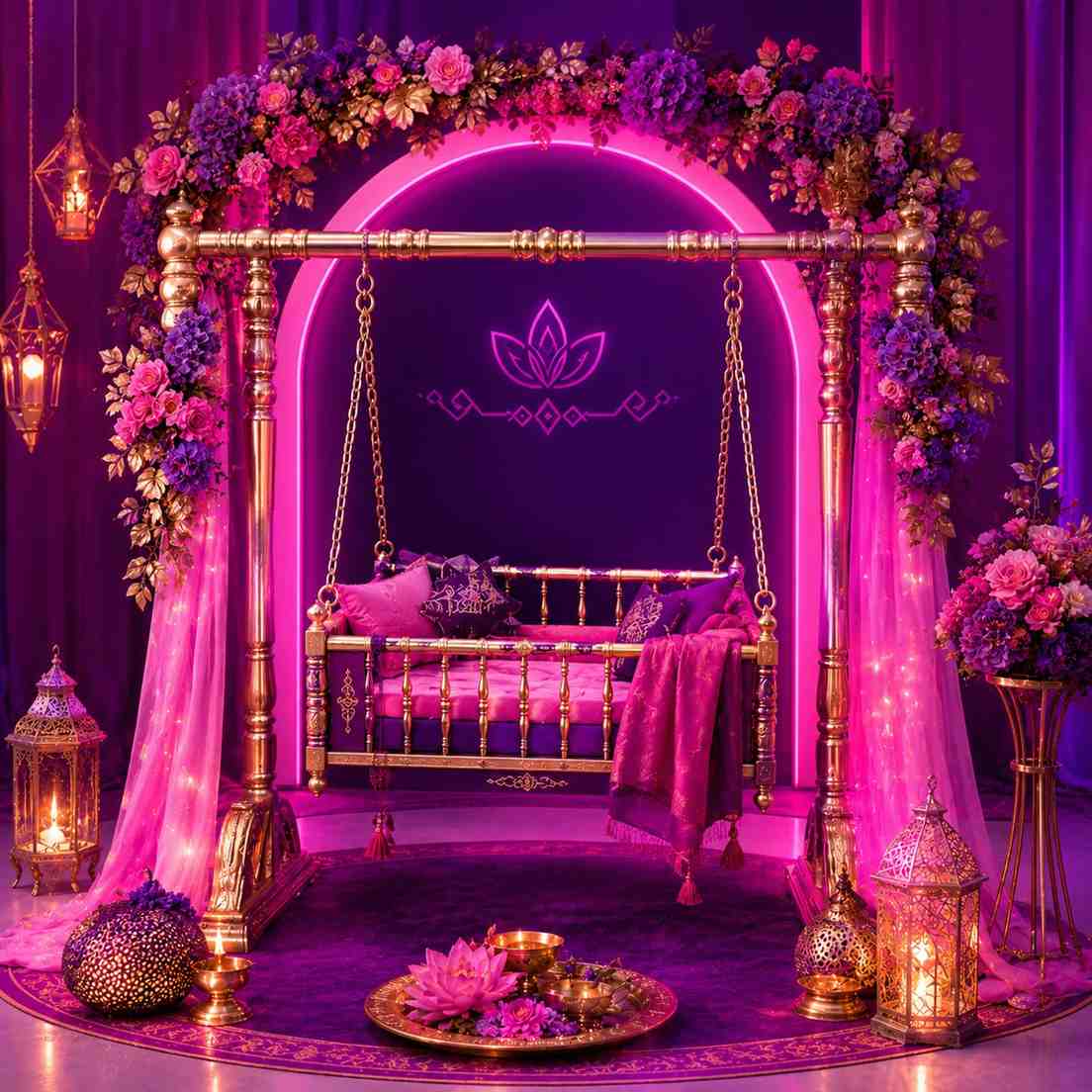
Naming Ceremony Cradle
Celebrate your little one’s arrival with a beautiful Naming Ceremony Cradle & Thottil Function setup featuring decorated cradles, traditional accessories, floral décor, ritual essentials, and personalized elements for a memorable baby naming ceremony.
Explore Religious Ceremony Experiences

Explore Other Experiences









Explore by Occasion




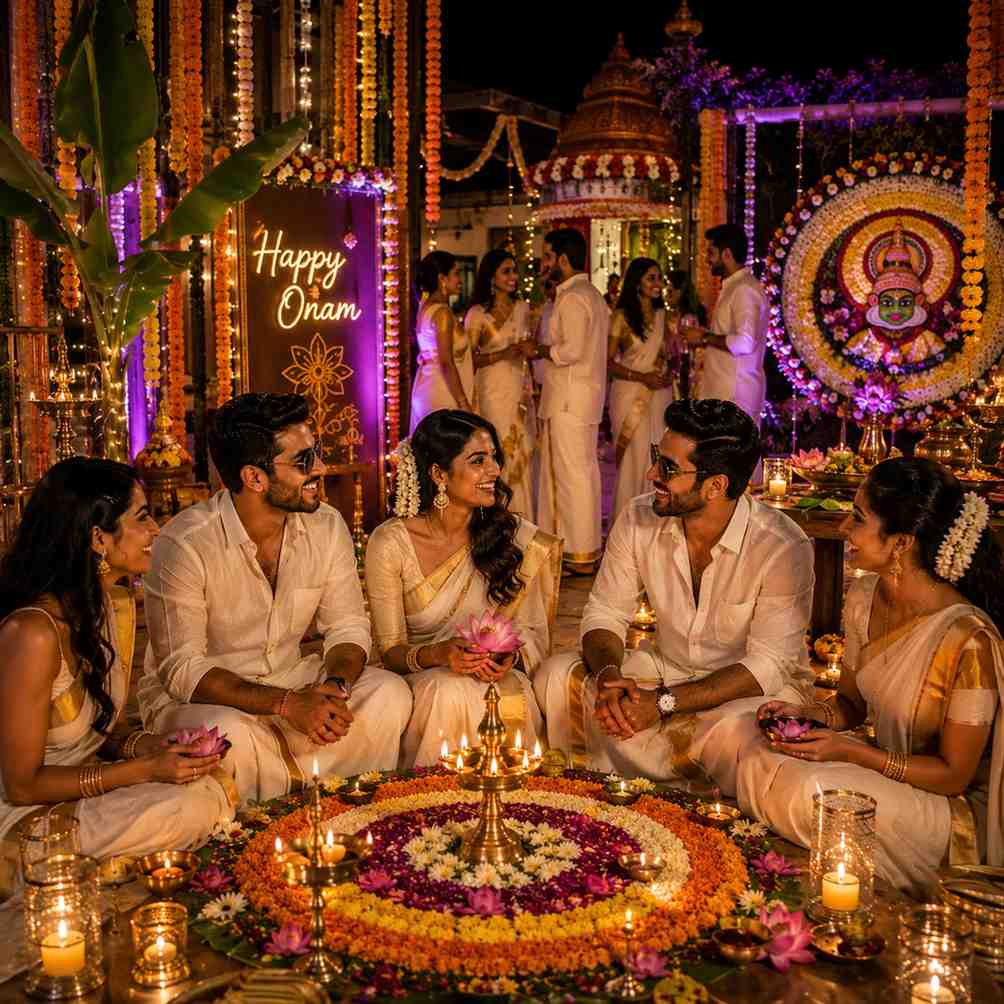
Naming Ceremony Cradle Thottil Function for Thottil Ceremony, Baby Naming Ritual & Newborn Celebrations in India
◆A Naming Ceremony Cradle Thottil Function is a traditional family celebration held to welcome and formally name a newborn baby. Known as a Thottil Ceremony in many South Indian families, the occasion combines religious rituals, blessings, the baby's naming ceremony, cradle traditions, and a joyful gathering of family members and close friends.
The naming ceremony is an important milestone for families as they introduce the newborn to their relatives and community. Depending on regional and family traditions, the ceremony may include prayers, blessings, horoscope or Nakshatra-based name selection, cradle rituals, naming announcements, and traditional customs performed by parents, grandparents, priests, and other family members.
Naming and cradle ceremonies vary across India. Tamil families may refer to the cradle ceremony as Thottil or Thottil Pottum Vizha, while other South Indian communities may follow different naming and newborn traditions. Seemantham is generally a prenatal ceremony and should not be treated as identical to the post-birth naming or Thottil function, although families may combine or celebrate related traditions at different stages.
The ceremony typically begins with preparing the home, temple, hall, or celebration venue. The space may be decorated with flowers, balloons, traditional torans, fabrics, baby-themed décor, name boards, and a beautifully decorated cradle.
The cradle is the visual centrepiece of many Thottil ceremonies. Traditional wooden cradles, decorated swings, fabric canopies, floral arrangements, and modern themed cradles can be selected according to the family's preferences.
Cradle decoration can range from simple traditional styling to elaborate event décor. Flowers, jasmine strings, marigold garlands, pastel fabrics, baby props, fairy lights, and personalised name signage can create a welcoming atmosphere.
The baby's comfort and safety should remain the priority when decorating the cradle. Decorative elements should be securely positioned and kept away from the baby's face, hands, and breathing space.
A priest or family elder may guide the religious portion of the ceremony. The rituals can include Ganapati Pooja, family prayers, Kalash arrangements, blessings, cradle rituals, and other customs followed by the family.
The exact ritual sequence depends on the family's community, regional tradition, priest, and religious practices. Families should confirm the required rituals and materials with their priest before the event.
Name selection can be an important part of the ceremony. Some families select the baby's name based on Nakshatra, Rashi, birth details, family tradition, ancestral names, or personal preferences.
An astrologer or priest may provide traditional guidance regarding suitable starting letters or names based on the baby's birth details. Families may then select the final name according to their own preferences and traditions.
During the naming ritual, the baby's name may be whispered into the child's ear or formally announced according to the family's custom. Grandparents or other elders may also participate in the naming tradition.
Some families choose to reveal the baby's name to guests during the ceremony. Personalised name boards, welcome signs, backdrop displays, cake designs, return gifts, and invitation cards can incorporate the baby's name.
Family participation is an important part of the Thottil function. Parents, grandparents, siblings, relatives, and close friends may take part in blessings, cradle rituals, photographs, and other ceremonial moments.
In many South Indian families, grandparents have a special role in welcoming the newborn and participating in the cradle ceremony. The exact role varies according to family customs.
Traditional clothing is often chosen for the baby and parents. The baby may wear a traditional outfit, while parents and family members may select sarees, veshtis, dhotis, kurtas, or other festive attire.
Baby accessories should be selected with comfort and safety in mind. Soft fabrics and age-appropriate clothing are preferable for a newborn.
The venue can be a private home, apartment community hall, temple premises, banquet hall, hotel, restaurant, or intimate event space. The choice depends on guest count, family preferences, budget, and the nature of the ceremony.
Home ceremonies are suitable for intimate gatherings and allow the newborn to remain in a familiar environment. Families can arrange a compact pooja setup, cradle decoration, seating, catering, and photography within the home.
Banquet halls and event venues are useful for larger gatherings. They provide additional space for guests, dining, stage décor, photography, and ceremonial arrangements.
Temple ceremonies can provide a spiritually meaningful setting where permitted by temple management. Families should confirm booking procedures, ceremony timings, photography rules, and permitted decorations in advance.
Invitations can be designed around the baby's arrival and naming celebration. Traditional motifs, floral illustrations, personalised photographs, and elegant baby-themed designs are popular options.
Digital invitations can be shared with relatives and friends through messaging platforms and email. Families can include the ceremony date, time, venue, dress code, and other important information.
Photography is an important part of a newborn naming ceremony. Professional photographers can capture the baby's first family portraits, cradle ceremony, naming moment, blessings, grandparents, relatives, décor, and candid interactions.
Newborn photography should be handled carefully. Photographers should avoid excessive lighting, loud sounds, unnecessary handling, or poses that may compromise the baby's comfort or safety.
Videography can document the complete ceremony and preserve speeches, prayers, naming announcements, family blessings, and other meaningful moments.
Food and hospitality are often an important part of family naming celebrations. Depending on the region and family tradition, the menu may include traditional South Indian meals, vegetarian catering, sweets, snacks, beverages, and a celebration cake.
Some families choose a traditional banana-leaf meal or Sadhya-style menu, while others prefer buffet catering or a smaller family lunch.
Traditional sweets such as laddoo, Mysore pak, payasam, kesari, or regional delicacies may be served depending on family preferences.
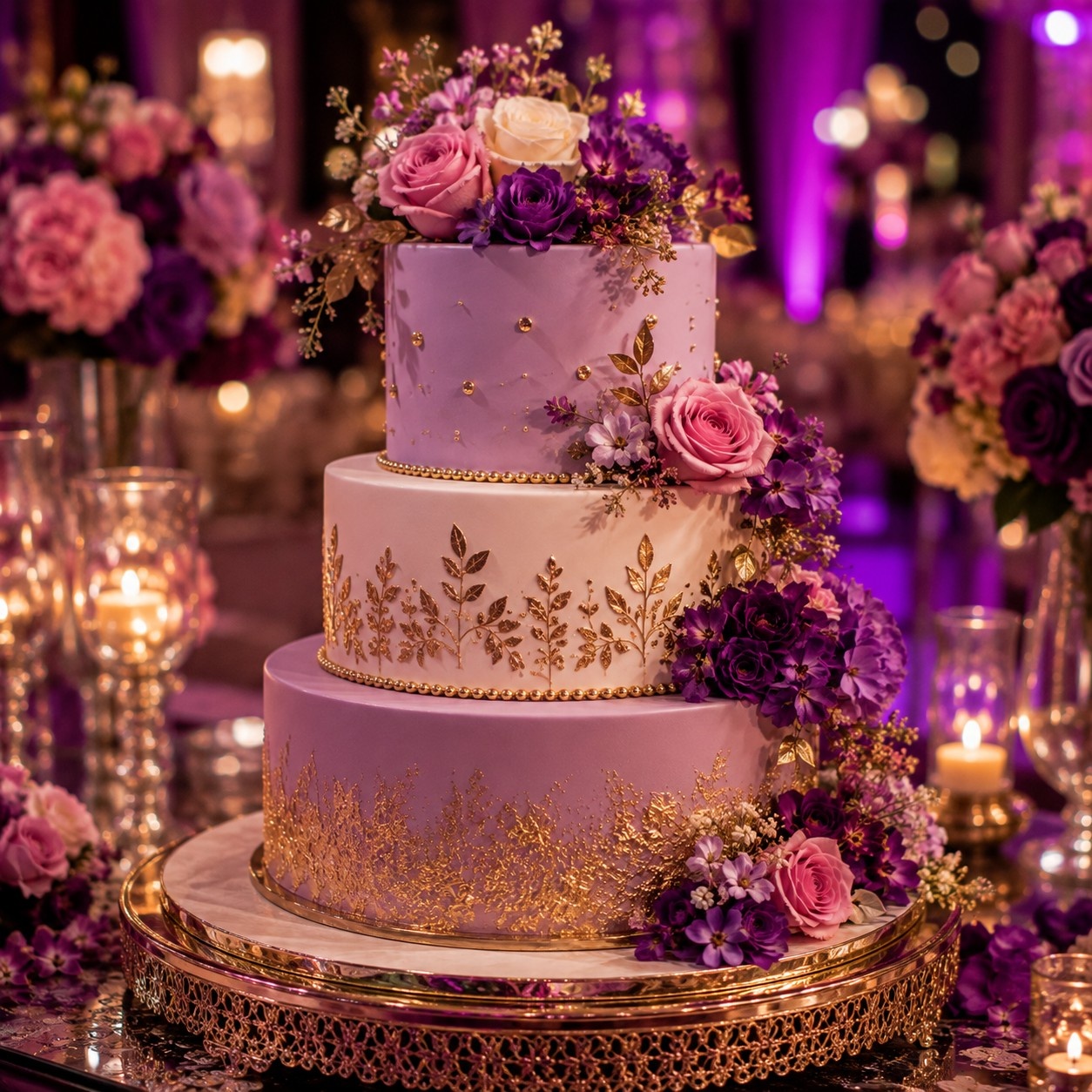
Baby-themed cakes and desserts can be personalised with the child's name, initials, birth details, or simple decorative motifs. Families should consider whether serving cake is appropriate for the religious tradition being followed.
Return gifts can be given to guests as a token of appreciation. Popular choices include traditional sweets, silver items, small devotional products, personalised keepsakes, plants, candles, or useful household gifts.
For close family members, personalised gifts can make the occasion more meaningful. The gift selection can reflect the family's cultural traditions and budget.
Entertainment should generally remain gentle and suitable for a newborn. Soft instrumental music, traditional music, devotional songs, or simple family performances can create a pleasant atmosphere without excessive noise.
Event décor can include a personalised backdrop featuring the baby's name, floral arrangements, cradle displays, welcome boards, photo walls, and themed props.
Popular themes include traditional South Indian, floral, pastel, royal, jungle, moon-and-stars, minimalist, and personalised family themes.
Seemantham is traditionally a prenatal ceremony associated with pregnancy and the wellbeing of the mother and unborn child. It is distinct from the post-birth naming and Thottil ceremony, although some families may celebrate both occasions as part of their broader family traditions.
The timing of a naming ceremony may be selected according to family tradition, priest guidance, Panchang, Nakshatra, or other customary considerations. Families who follow Muhurtham practices can consult an astrologer or priest for a suitable date and time.
The ceremony schedule should consider the baby's feeding, sleeping, and rest requirements. Unlike a conventional event, a newborn celebration should remain flexible so parents can respond to the baby's needs.
Guest management is especially important when a newborn is present. Families may prefer smaller groups, well-ventilated spaces, hand hygiene arrangements, and limited handling of the baby.
Guests who are unwell should avoid close contact with the newborn. Families can communicate any health or hygiene preferences politely before the event.
For large gatherings, a designated baby-care area can provide parents with a quiet space for feeding, changing, and settling the baby.
Professional event planners can coordinate cradle decoration, priest services, venue arrangements, catering, invitations, photography, videography, guest hospitality, and return gifts.
Religious ceremony planners can also help families arrange pooja Samagri, flowers, Kalash items, lamps, coconuts, fruits, and other materials required by the priest.
For families living away from their hometown, the ceremony can be organised at the family's current location or coordinated with relatives travelling to the event. Virtual participation can also allow distant family members to join the celebration.
Destination or travel-based family gatherings require additional planning for accommodation, transportation, baby-friendly facilities, and flexible schedules.
A naming ceremony can be intimate and traditional or elegant and elaborate. The most important elements are the baby's wellbeing, the family's traditions, meaningful blessings, and the opportunity to celebrate the newborn with loved ones.
In conclusion, a Naming Ceremony Cradle Thottil Function is a meaningful celebration that brings together religious traditions, family blessings, newborn naming customs, cradle rituals, and joyful memories. With thoughtful planning for the ceremony, cradle, venue, priest, name selection, décor, photography, catering, guest comfort, and newborn safety, families can create a beautiful and culturally meaningful welcome for their little one.
FAQ Section
Q1: What is a Naming Ceremony Cradle Thottil Function?
A Naming Ceremony Cradle Thottil Function is a traditional celebration where a newborn is formally welcomed, named, blessed, and placed in a decorated cradle according to the family's customs.
Q2: What is a Thottil Ceremony?
A Thottil Ceremony is a South Indian cradle-related tradition associated with welcoming a newborn and celebrating the child's naming. The exact rituals vary between families and communities.
Q3: Is Seemantham the same as a Thottil Ceremony?
No. Seemantham is generally a prenatal ceremony, while a Thottil or naming ceremony is typically performed after the baby is born. Families may celebrate both as separate occasions.
Q4: Can the baby's name be selected using Nakshatra?
Yes. Families following traditional naming practices may consult a priest or astrologer who considers the baby's birth details and Nakshatra when suggesting suitable starting letters or names.
Q5: Who can conduct the naming ceremony rituals?
A Hindu priest, family priest, or knowledgeable elder may conduct or guide the ceremony depending on the family's religious and regional traditions.
Q6: How can the cradle be decorated?
Cradles can be decorated with flowers, fabrics, canopies, garlands, personalised name boards, traditional motifs, pastel themes, baby props, and other suitable décor while keeping the baby's safety as the priority.
Q7: Where can a Thottil ceremony be organised?
It can be organised at home, a temple where permitted, a community hall, banquet hall, hotel, restaurant, or other suitable family event venue.
Q8: What should be considered when planning a naming ceremony with a newborn?
Families should consider feeding and sleeping schedules, a quiet baby-care area, comfortable temperature, hygiene, limited handling, safe cradle decoration, flexible event timing, and overall newborn comfort.
Q9: What services are required for a Naming Ceremony?
Services may include priest and pooja arrangements, cradle decoration, venue, catering, invitations, photography, videography, baby-themed décor, return gifts, and guest hospitality.
Q10: How can Happiffie help organise a Naming Ceremony Cradle Thottil Function?
Happiffie helps families discover trusted priests, decorators, photographers, caterers, venues, invitation designers, gifting providers, and event professionals who can coordinate cradle decoration, naming rituals, pooja materials, catering, photography, guest arrangements, and complete ceremony planning.