
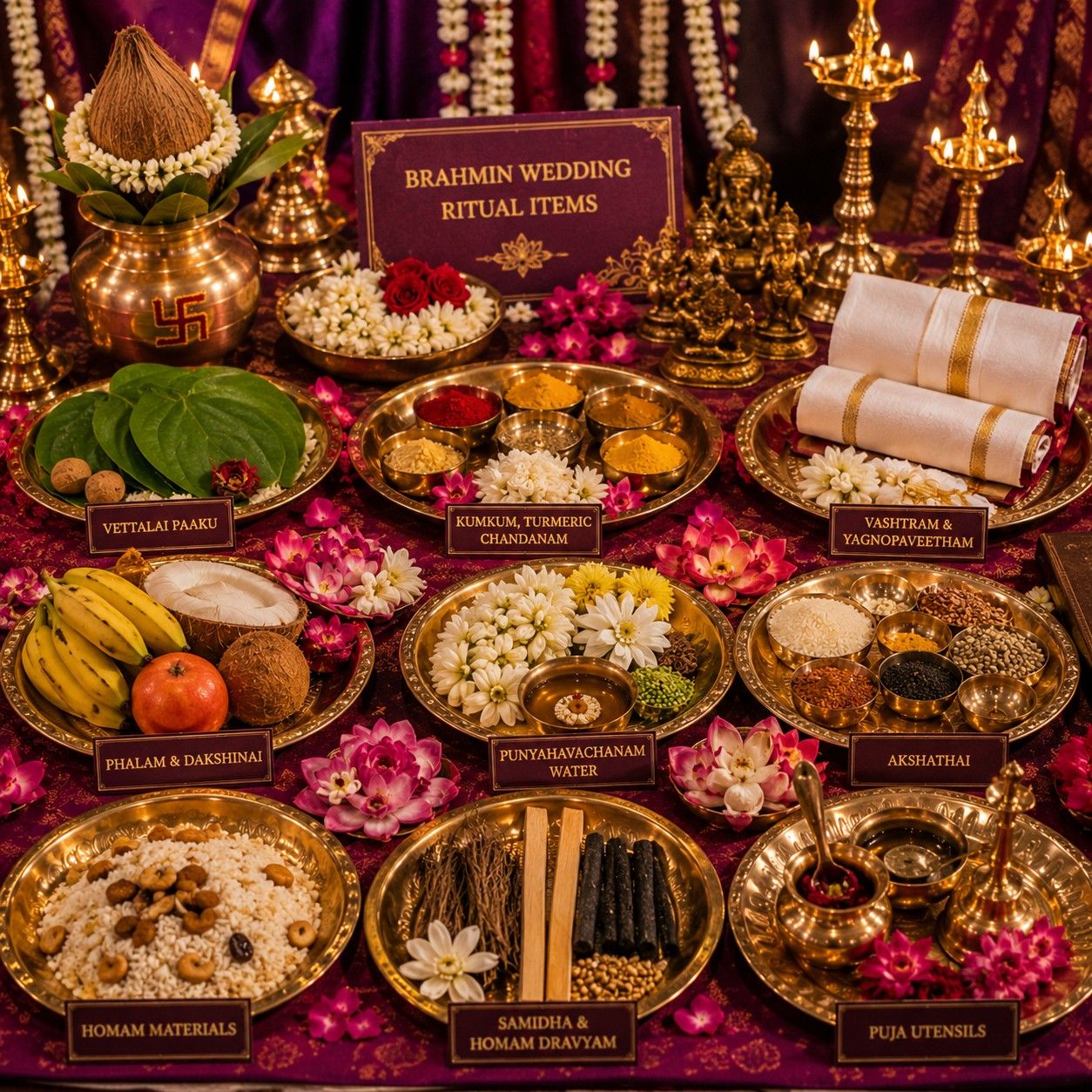
Brahmin Wedding Pooja Items
Traditional Brahmin wedding pooja items and Iyer marriage Samagri for Muhurtham, Homam, Vedic rituals and a sacred, organised wedding ceremony setup.
Explore Religious Ceremony Experiences
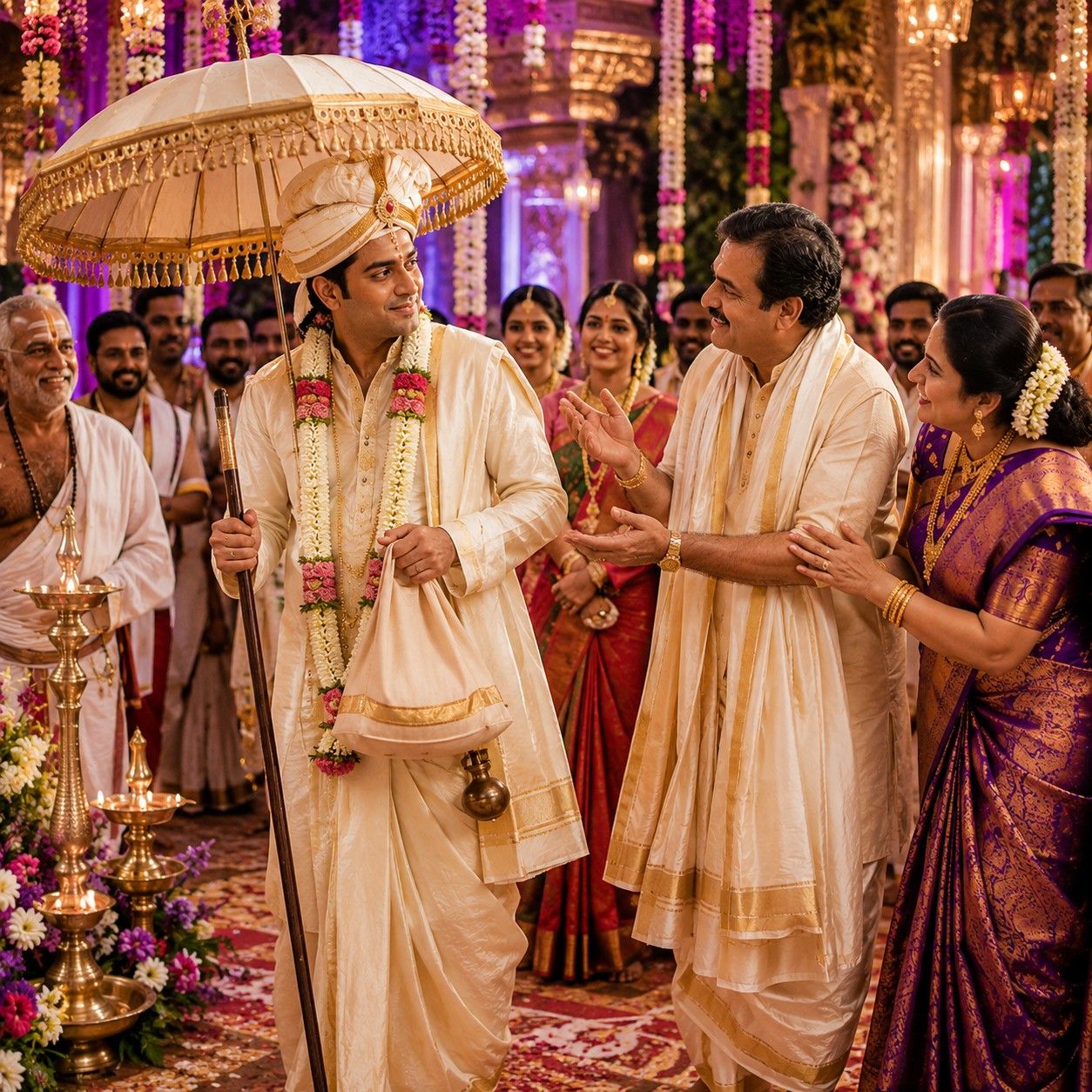
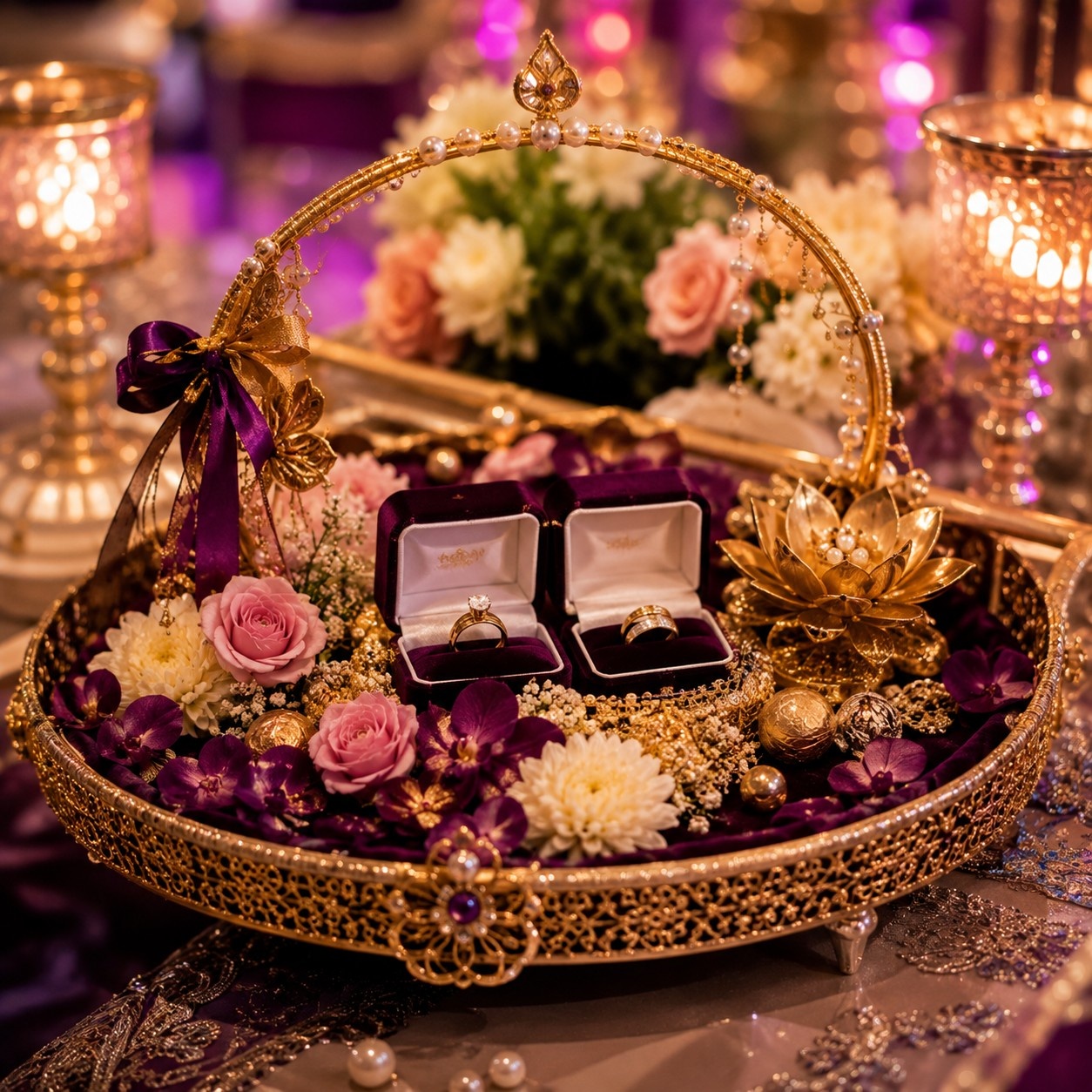
Explore Other Experiences









Explore by Occasion



Brahmin Wedding Pooja Items
◆Brahmin weddings are traditionally centred around Vedic rituals, family customs and carefully organised ceremonial preparations. Each stage of the marriage can involve specific pooja materials, sacred offerings and ritual accessories. For Iyer families, the preparation of marriage Samagri is an important part of ensuring that the wedding ceremony can proceed smoothly according to the family's traditions.
Brahmin wedding pooja items can include vessels, flowers, fruits, grains, sacred offerings and Homam-related materials. The exact requirements are not identical for every wedding and can vary according to the family's customs, the rituals included and the instructions of the Vedic priest.
A final checklist should therefore always be confirmed with the priest before purchasing or preparing the ceremonial materials.
Understanding Brahmin Wedding Samagri
Brahmin wedding Samagri refers to the collection of materials prepared for the various rituals performed during a traditional marriage.
These materials may be organised according to the sequence of ceremonies, making it easier for the priest and family members to access each item when required.
For an Iyer marriage, the Samagri may include traditional pooja vessels, natural offerings, flowers, grains and materials required for specific Vedic rituals.
Iyer Marriage Samagri
Iyer marriage traditions are closely associated with Vedic practices and a sequence of ceremonies performed according to family customs.
The Samagri requirements can differ depending on the particular rituals included in the wedding programme.
Families should obtain a detailed list from the priest well before the wedding so that all required materials can be sourced, cleaned and organised in advance.
Muhurtham Pooja Items
Muhurtham is one of the central moments of a traditional Hindu marriage. It is the auspicious time at which significant marriage rituals are performed.
The pooja materials required for Muhurtham should be prepared and arranged before the ceremony begins.
Keeping the materials in clearly organised trays or containers can help the priest and family members locate them quickly during the ritual sequence.
Vedic Wedding Essentials
Vedic wedding ceremonies can involve a combination of sacred offerings, ritual vessels and natural materials.
Depending on the family's traditions, these may include flowers, fruits, rice, turmeric, kumkum, betel leaves, coconuts and other ceremonial materials.
The priest's checklist should remain the primary reference because requirements can vary between ceremonies.
Homam Essentials
Homam is an important element of many Vedic religious ceremonies. When a Homam forms part of the wedding, specific materials may be required for the sacred fire ritual.
The Homam area should be prepared carefully, with the required materials positioned where the priest can access them.
The exact ingredients and quantities should always be confirmed by the Vedic priest conducting the ceremony.
Sacred Fire Setup
The sacred fire area should be arranged in a suitable location within the wedding venue.
The Homam setup should provide sufficient space for the priest and participating family members.
Combustible materials should be handled carefully and kept organised so that the ceremony remains both traditional and safe.
Traditional Pooja Vessels
Traditional vessels can form an important part of Brahmin wedding preparations.
Brass and copper vessels are commonly associated with traditional Hindu ceremonial settings and can provide a classic appearance.
The vessels should be cleaned and prepared before the wedding and can be preserved for future pooja ceremonies and family occasions.
Kalasham Preparation
Kalasham vessels may be included in specific Vedic and Hindu ceremonial arrangements.
The exact preparation can vary according to the ritual. The priest should confirm the required contents, decoration and placement.
Where several Kalashams are required, each can be prepared separately and labelled according to its intended use.
Flowers and Garlands
Flowers are widely used during traditional Hindu wedding ceremonies.
They can be used for offerings, decoration and specific ritual purposes according to the family's customs.
Fresh flowers should be arranged close to the ceremony to maintain their appearance, while garlands can be prepared according to the wedding schedule.
Fruits and Natural Offerings
Fruits and other natural materials may be included among traditional wedding offerings.
The type and quantity required can depend on the specific rituals being performed.
These materials should be sourced fresh and organised in suitable trays or baskets before the ceremony.
Betel Leaves and Traditional Offerings
Betel leaves and other traditional materials may form part of particular Hindu wedding rituals.
They should be cleaned and arranged according to the priest's instructions.
Keeping them in separate containers can help prevent them from becoming mixed with unrelated materials.
Turmeric and Kumkum
Turmeric and kumkum are commonly associated with auspicious Hindu occasions.
They may be used in specific wedding rituals or kept among the general pooja materials.
Small traditional containers can provide a clean and organised presentation.
Rice and Grains
Rice and other grains may be included in various wedding rituals according to family tradition.
They can be prepared in separate bowls or ceremonial containers.
The quantity should be confirmed in advance so that sufficient material is available throughout the ceremony.
Traditional Iyer Wedding Setup
An Iyer wedding ceremony can involve several ceremonial areas, including the main wedding space, pooja arrangements and Homam area.
Each area should be organised according to the sequence of rituals.
The setup should provide enough room for the bride, groom, priest and participating family members.
Organising Samagri
A detailed Samagri checklist can make wedding preparation considerably easier.
Items can be grouped into categories such as pooja vessels, Homam materials, offerings, flowers and ceremony-specific accessories.
Separate trays or labelled containers can help the family identify each group quickly.
Working With the Vedic Priest
The Vedic priest should be consulted before finalising the wedding Samagri.
Different Iyer families may follow different combinations of rituals, and individual ceremonies may require specific materials.
Obtaining the final list early allows sufficient time for sourcing and preparation.
Family Participation
Traditional Brahmin weddings often involve active participation from family members.
Parents, grandparents and other relatives may assist with preparing the ceremonial materials.
Assigning responsibility to specific family members can make the process more organised and reduce last-minute confusion.
Preparing for Multiple Ceremonies
A Brahmin wedding can involve several ceremonies before and after the central Muhurtham.
Materials should therefore be separated according to the ceremony for which they are intended.
This prevents Homam materials, pooja items and other accessories from being mixed together.
Ceremony-Specific Trays
Traditional trays can be used to organise the required materials.
A separate tray can be prepared for each important stage where practical.
This approach makes it easier for family members or coordinators to bring the correct items to the priest at the required time.
Photography of Ritual Details
Traditional pooja vessels, flowers, Kalashams and Homam arrangements can create meaningful details for wedding photography.
Photographers can capture the ceremonial setup before guests arrive or during quieter moments of the wedding.
A clean and organised arrangement helps preserve these cultural details visually.
Safety During Homam
Safety is particularly important when a Homam or sacred fire is part of the wedding ceremony.
The fire area should remain clear of loose fabrics, excessive decoration and unnecessary objects.
The priest or designated ceremony team should manage the fire-related materials according to the established ritual procedure.
Sustainable Wedding Preparation
Reusable brass and copper vessels can provide a sustainable alternative to disposable ceremonial accessories.
Traditional baskets, trays and fabrics can also be reused for future weddings, pooja ceremonies and family occasions.
Natural flowers and other biodegradable materials can complement a more environmentally conscious wedding setup.
Regional and Family Traditions
Brahmin wedding customs vary between communities and families. Iyer wedding practices may differ from those followed by other Brahmin communities.
Even within Iyer families, individual traditions can vary.
The family's priest and elders should therefore determine the final ritual requirements rather than relying solely on a generic checklist.
Traditional Wedding Décor
Traditional pooja materials can be integrated with the wider wedding décor.
Brass vessels, flowers, traditional fabrics and lamps can complement a classic mandapam.
Modern venues can also incorporate these elements while using contemporary stage styling and lighting.
Bride and Groom Preparation
The bride and groom should have access to the required ceremonial accessories at the correct stage of the wedding.
A designated family member can manage ceremony-specific materials and ensure they are ready when required.
This is particularly useful when multiple rituals are scheduled close together.
Large Brahmin Wedding Planning
Large weddings require careful coordination because several family members and guests may participate in the ceremonies.
The Samagri can be divided into clearly labelled groups, with a coordinator responsible for checking each set.
A master inventory can also help identify missing materials before the wedding begins.
Preserving Traditional Vessels
High-quality ceremonial vessels can become part of a family's long-term collection of religious accessories.
Brass, copper and other durable items can be cleaned and stored after the wedding.
They may later be used for festivals, pooja ceremonies, housewarming functions and other family occasions.
Balancing Tradition and Modern Planning
Modern event planning can work alongside traditional Vedic wedding practices.
Families can use professional coordination, venue management and contemporary décor while retaining the ceremonial materials and rituals that are important to their heritage.
The focus should remain on preserving the family's traditions while creating a comfortable and organised wedding experience.
Complete Iyer Wedding Preparation
Preparing Brahmin wedding Samagri requires advance planning, priestly guidance and careful organisation.
The family should confirm the requirements for Muhurtham, Homam and other ceremonies before sourcing the materials.
Once the items have been collected, they can be cleaned, grouped and stored according to the wedding sequence.
Meaningful Vedic Ceremony
The materials used in a Brahmin wedding support the performance of sacred rituals and help create a structured ceremonial environment.
Traditional vessels, offerings and Homam materials each have a place within the broader wedding preparation when prescribed by the family's ritual tradition.
Careful preparation allows the family to focus on the significance of the marriage rather than searching for missing items during the ceremony.
Preserving the Iyer Marriage Experience
Iyer marriages bring together Vedic traditions, family participation and generations of cultural heritage. Brahmin wedding pooja items and marriage Samagri form the practical foundation for many of these ceremonies.
The exact materials should always be confirmed with the Vedic priest and family elders. With early planning, clearly organised Samagri and a carefully prepared ritual setup, families can create a traditional and meaningful Muhurtham and wedding ceremony.
Frequently Asked Questions
1. What are Brahmin wedding pooja items?
They are ceremonial materials used for traditional Brahmin marriage rituals, which may include pooja vessels, offerings, flowers, fruits and other ritual essentials.
2. What is Iyer marriage Samagri?
Iyer marriage Samagri refers to the collection of materials prepared for the various ceremonies and rituals followed during an Iyer wedding.
3. What items are required for Muhurtham?
Requirements vary according to family tradition and the rituals being performed. The Vedic priest should provide the final checklist.
4. What are Homam essentials?
Homam requirements can include specific offerings, vessels and materials for the sacred fire ritual. The exact list should be confirmed with the priest.
5. Are brass and copper vessels suitable for an Iyer wedding?
They can be suitable for many traditional ceremonial purposes, depending on the family's customs and the priest's instructions.
6. Are flowers required for a Brahmin wedding?
Flowers are commonly used in Hindu wedding ceremonies, but their exact purpose and quantity can vary.
7. Can wedding Samagri be arranged in separate trays?
Yes. Separating materials according to the ceremony can make the wedding-day preparation easier and more organised.
8. Can Brahmin wedding pooja items be reused?
Many durable items, such as brass and copper vessels, trays and baskets, can be preserved for future religious and family occasions.
9. Do all Iyer families follow the same wedding rituals?
No. Rituals and Samagri requirements can vary between families, traditions and individual wedding ceremonies.
10. Who should prepare the final wedding pooja checklist?
The Vedic priest, together with the family elders, should confirm the final list so that it reflects the specific rituals being performed.