
Devotional Music Groups
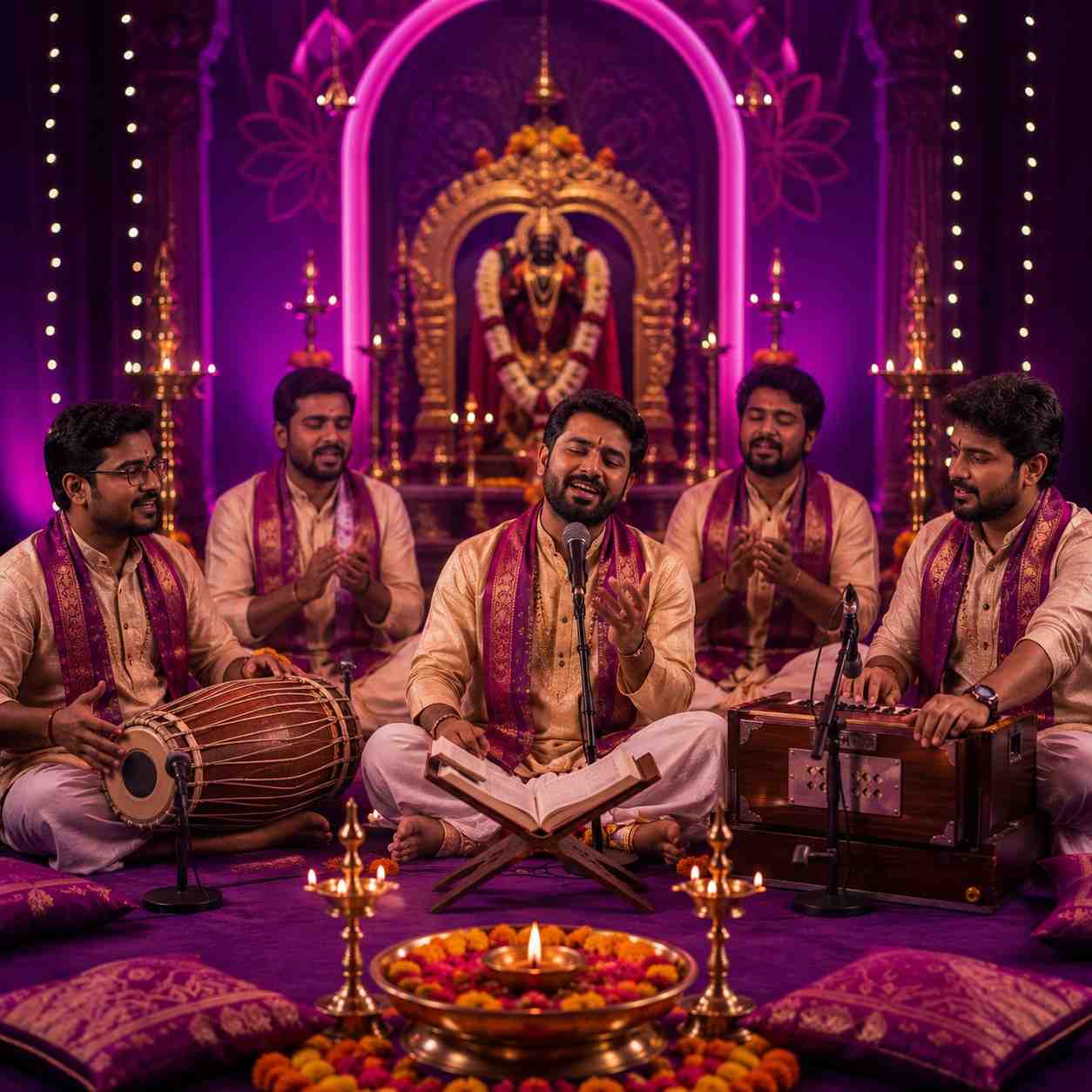
Bring devotion and spiritual energy to your celebration with Bhajan & Devotional Music Groups featuring live devotional songs, traditional instruments, soulful vocals, and cultural performances for pujas, temple events, festivals, weddings, and spiritual gatherings.
Explore Religious Ceremony Experiences





Explore Other Experiences
















Explore by Occasion
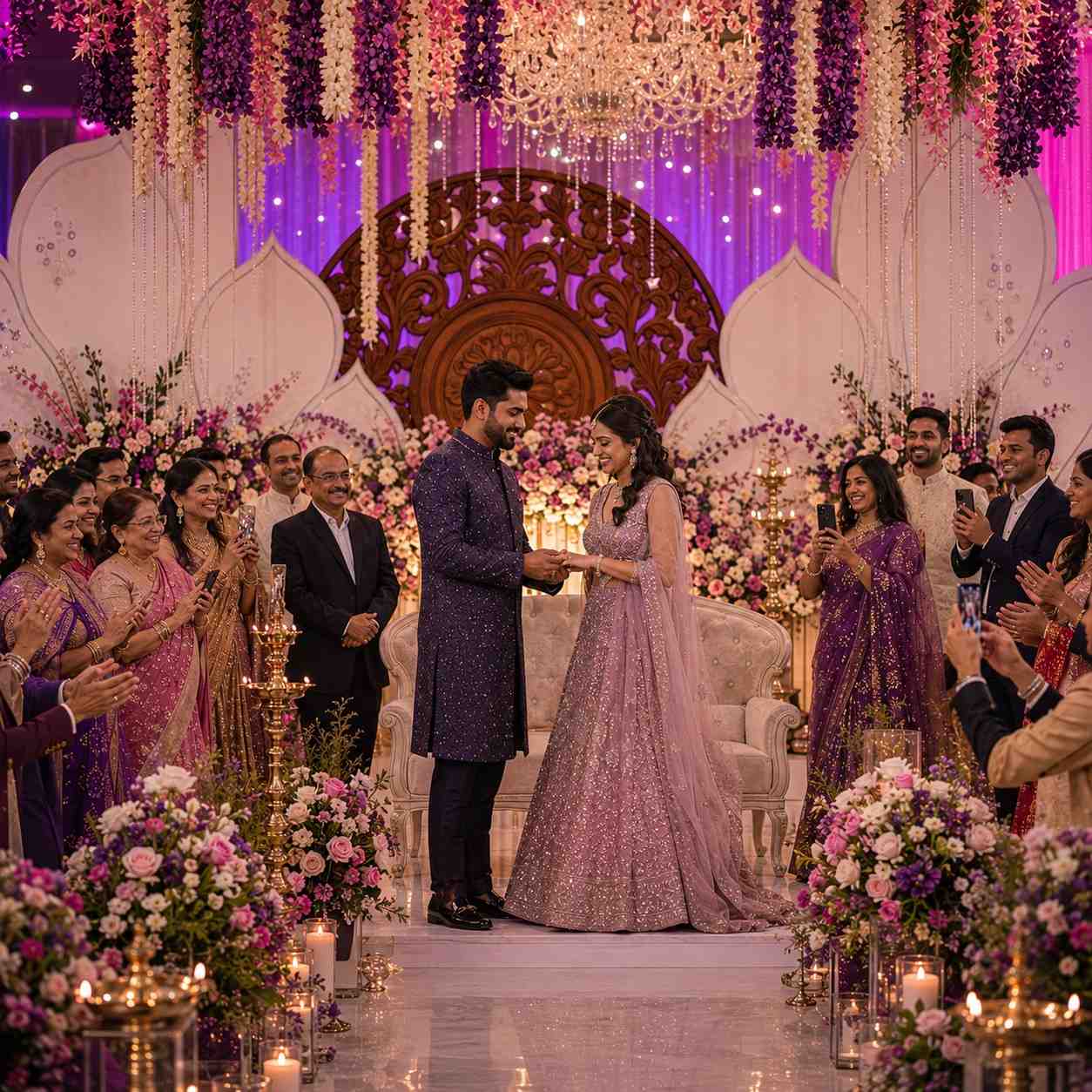





Bhajan Devotional Music Groups for Bhajan Singers, Spiritual Music, Satsang & Temple Programs in India
◆Bhajan Devotional Music Groups bring together singers, instrumentalists, and spiritual performers to create devotional music experiences for religious ceremonies, temple programs, Satsang gatherings, family poojas, festivals, and community celebrations. Traditional Bhajans combine devotional singing with music, prayer, and collective participation, creating a peaceful and spiritually uplifting atmosphere.
Bhajan groups can perform at temples, homes, community halls, religious institutions, ashrams, wedding venues, cultural centres, and other suitable locations. Depending on the occasion, performances can range from intimate devotional sessions to larger programs featuring multiple singers and musicians.
Devotional music may include Bhajans, Kirtans, Satsang songs, Aartis, Abhangs, regional devotional compositions, spiritual chants, and other traditional forms. The repertoire can vary according to the deity, region, language, religious tradition, and preferences of the organisers.
Bhajan Singers may perform individually or as part of a larger devotional ensemble. Groups can include lead vocalists, supporting singers, harmonium players, tabla artists, dholak players, percussionists, keyboard players, guitarists, and other instrumentalists.
The size of the group can be selected according to the venue and event format. A small Bhajan team may be suitable for a home pooja, while a larger ensemble can support temple festivals, Satsang programs, and community gatherings.
Satsang programs often feature devotional singing alongside spiritual talks, prayers, meditation, and group participation. Bhajan groups can coordinate their repertoire and performance duration with the spiritual teacher, priest, or event organiser.
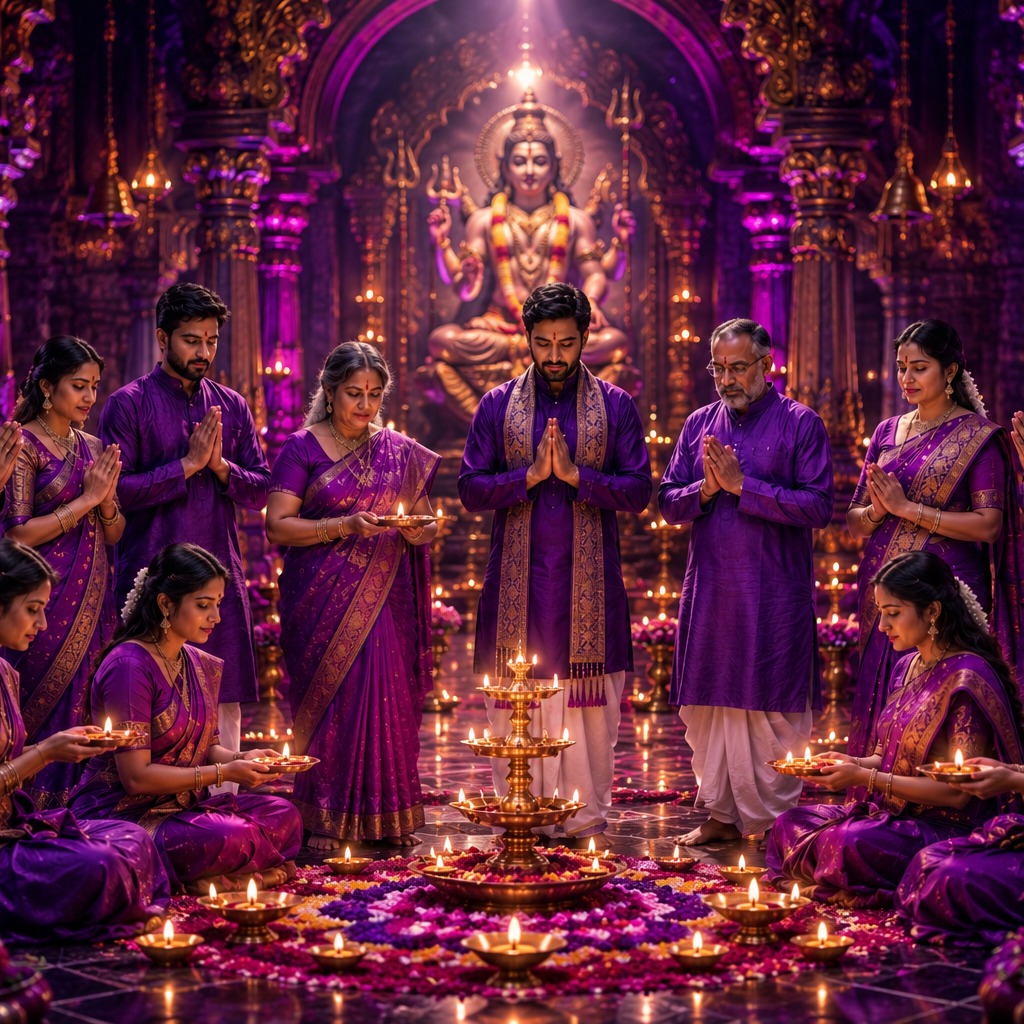
Temple programs can include devotional music during festivals, special poojas, Aarti, religious celebrations, and community events. Performers should follow the temple's rules regarding music, instruments, timings, dress, and performance areas.
Puja ceremonies may also include devotional music. Bhajans can be performed before or after the main ritual, during Aarti, or during devotional gatherings according to the family's tradition and priest's guidance.
Bhajan groups are frequently invited for Hindu festivals and religious occasions. Programs can be organised for Janmashtami, Navratri, Ram Navami, Mahashivratri, Ganesh Chaturthi, Hanuman Jayanti, Diwali, Krishna festivals, temple anniversaries, and other devotional celebrations.
Different regions of India have rich devotional music traditions. Groups may specialise in Hindi Bhajans, Tamil devotional songs, Telugu Keerthanas, Kannada Bhajans, Malayalam devotional music, Marathi Abhangs, Bengali devotional songs, Gujarati Bhajans, Rajasthani devotional compositions, and other regional forms.
Some performers specialise in particular devotional traditions or deities. Organisers can request repertoire focused on Krishna, Rama, Shiva, Devi, Ganesha, Hanuman, Vishnu, Lakshmi, Murugan, Ayyappa, Venkateswara, or other devotional themes according to the event.
Traditional instruments contribute significantly to the character of a Bhajan performance. Harmonium, tabla, dholak, manjira, flute, mridangam, keyboard, and other instruments may be used depending on the musical style.
Acoustic performances are suitable for smaller home gatherings and intimate Satsang sessions. Larger programs may require microphones, speakers, mixers, monitors, and other sound equipment.
Sound planning is important for religious programs. The volume should remain appropriate for the venue, ceremony, neighbouring areas, and nature of the devotional gathering.
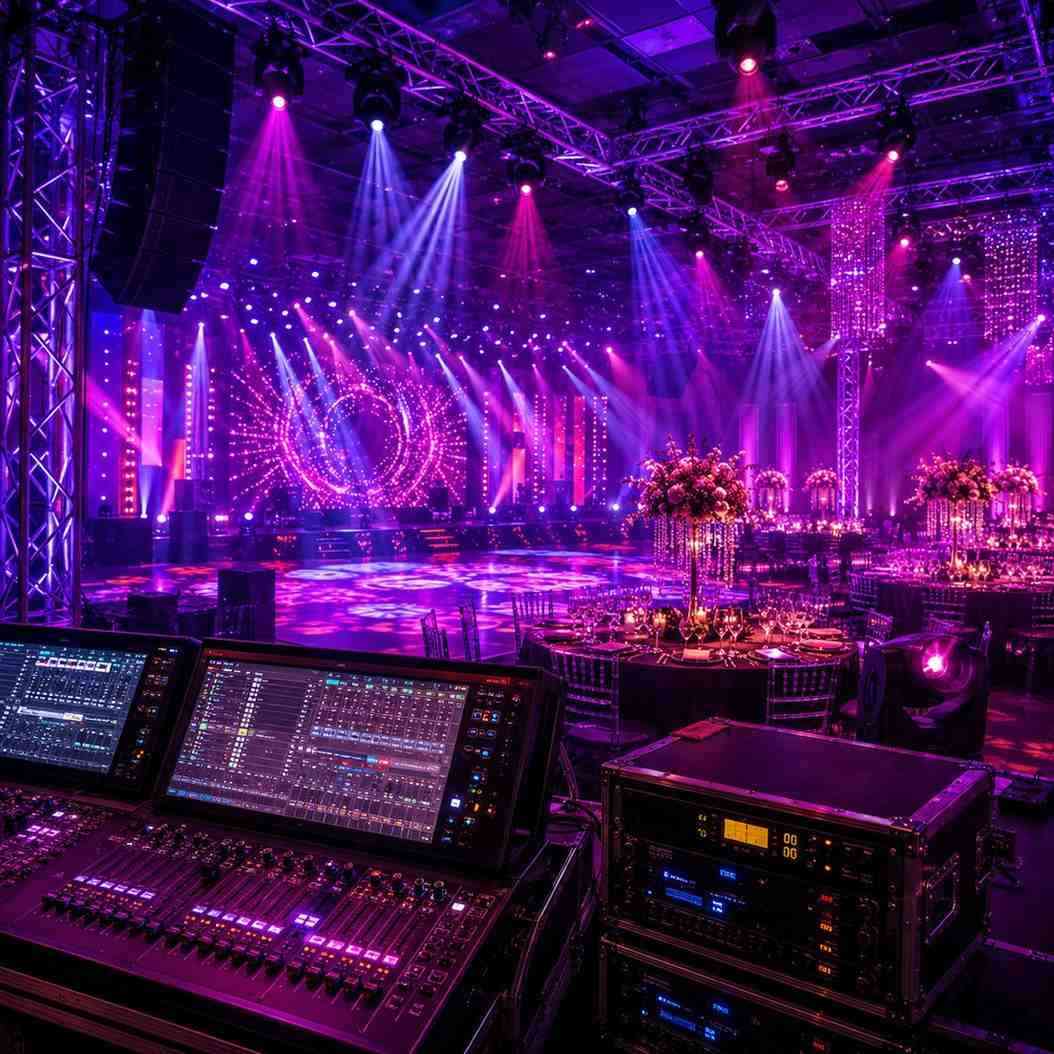
For temple and community events, professional audio teams can coordinate microphones, speakers, mixing consoles, stage monitors, and power requirements with the Bhajan group.
Bhajan groups can perform seated or on a stage depending on the event setup. Traditional floor seating may suit intimate Satsang gatherings, while elevated stage arrangements can be useful for large public programs.
Stage décor can be kept simple and devotional. Floral arrangements, traditional fabrics, lamps, temple-inspired backdrops, deity images, and suitable lighting can complement the performance without distracting from the spiritual atmosphere.
Dress and presentation may also reflect the nature of the event. Performers may wear traditional Indian attire appropriate to the religious or cultural setting.
Audience participation is an important feature of many Bhajan gatherings. Performers may encourage devotees to sing along, repeat chants, respond to devotional verses, or participate in Aarti where appropriate.
Interactive devotional singing can create a strong sense of community during Satsang and temple programs. The level of participation can be adjusted according to the audience and ceremony format.
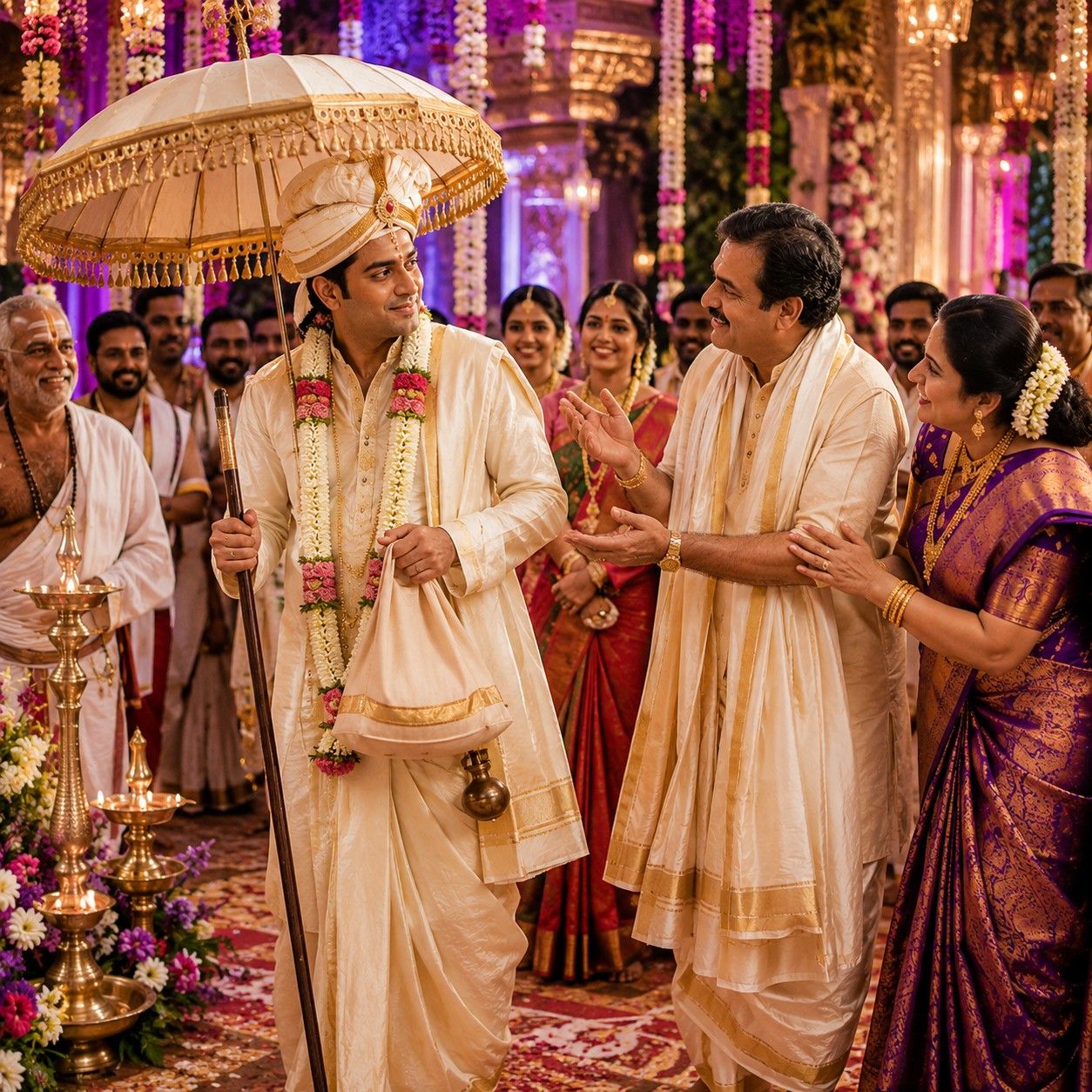
Bhajan groups can also support religious weddings and family ceremonies. Devotional music may be included during pre-wedding poojas, engagement gatherings, wedding ceremonies, reception programs, or family prayer events where appropriate.
For housewarming ceremonies, Bhajan singers can perform devotional songs before or after the Griha Pravesh rituals, depending on the priest's schedule and family's preferences.
For naming ceremonies and other family occasions, a small devotional music group can provide a gentle musical backdrop for prayers and blessings.
Corporate and community organisations may also invite devotional groups for culturally focused celebrations, employee spiritual programs, community gatherings, and festive events where such performances are appropriate.
Performance duration can range from a short devotional segment to several hours. The duration should be confirmed in advance based on the ceremony schedule, performer availability, and audience expectations.
Organisers should share the event date, location, expected audience size, performance duration, preferred language, devotional theme, and venue facilities when enquiring with a Bhajan group.
A repertoire discussion can help ensure that the selected songs are suitable for the occasion. Families may request specific Bhajans or devotional compositions where the performers have them in their repertoire.
Some groups provide their own instruments and sound equipment, while others require the organiser to arrange professional audio support. These inclusions should be confirmed before booking.
Travel requirements should also be discussed when booking groups from another city. Transportation, accommodation, meals, setup time, and performance schedules may need to be coordinated for destination events.
For large religious festivals, multiple devotional groups or artists may be scheduled throughout the day. A detailed program schedule helps avoid overlaps and ensures smooth transitions between performances.
Temple and religious event organisers should confirm permissions for amplified music, stage setups, photography, videography, and other production requirements before the event.
Live streaming can extend the reach of devotional programs to devotees who cannot attend physically. With appropriate permissions, Bhajan performances can be broadcast through online platforms for remote audiences.
Recording devotional performances may also be possible where permitted. Organisers can create recordings or highlights for community archives and future sharing.
Professional event planners can coordinate Bhajan groups with priests, temple authorities, decorators, audio teams, venue managers, photographers, videographers, and hospitality teams.
Safety and accessibility should also be considered. Seating, cables, instruments, electrical equipment, stage access, and audience movement should be arranged carefully to create a comfortable environment.
For outdoor programs, weather protection should be provided for performers, instruments, microphones, speakers, and electrical equipment.
In conclusion, Bhajan Devotional Music Groups bring together spiritual singing, traditional instruments, prayer, and collective participation to create meaningful experiences for Satsang, Pooja, temple programs, festivals, and religious gatherings. By selecting performers according to the event's devotional tradition, language, repertoire, group size, venue, and technical requirements, organisers can create a peaceful and engaging musical experience that complements the spiritual significance of the occasion.
FAQ Section
Q1: What is a Bhajan Devotional Music Group?
A Bhajan Devotional Music Group is an ensemble of singers and musicians who perform Bhajans, devotional songs, chants, Aartis, and spiritual music for religious and cultural gatherings.
Q2: Where can Bhajan groups perform?
Bhajan groups can perform at temples, homes, Satsang halls, ashrams, community centres, religious institutions, cultural venues, family functions, and other suitable locations.
Q3: What types of devotional music can Bhajan groups perform?
Repertoire may include Bhajans, Kirtans, Aartis, Satsang songs, Abhangs, regional devotional compositions, spiritual chants, and deity-specific devotional music.
Q4: Can I request Bhajans in a specific language?
Yes. Depending on the group's repertoire, organisers can request devotional music in languages such as Hindi, Tamil, Telugu, Kannada, Malayalam, Marathi, Gujarati, Bengali, and other regional languages.
Q5: What instruments are commonly used by Bhajan groups?
Common instruments include harmonium, tabla, dholak, manjira, flute, mridangam, keyboard, percussion instruments, and other traditional or contemporary instruments.
Q6: Can Bhajan singers perform at a temple program?
Yes. Bhajan groups can perform during permitted temple festivals, poojas, Aarti programs, religious celebrations, and community devotional events, subject to temple rules.
Q7: Can the audience participate in Bhajan performances?
Yes. Many Bhajan and Satsang programs encourage devotees to sing along, repeat chants, participate in devotional responses, and join Aarti where appropriate.
Q8: Do Bhajan groups provide sound equipment?
Some groups provide their own instruments and audio equipment, while others may require the organiser to arrange microphones, speakers, mixers, and sound technicians. This should be confirmed before booking.
Q9: Can Bhajan groups perform at private family ceremonies?
Yes. They can be arranged for Poojas, housewarming ceremonies, naming ceremonies, weddings, family gatherings, religious celebrations, and other suitable occasions.
Q10: How can Happiffie help book Bhajan Devotional Music Groups?
Happiffie helps families, temples, religious organisations, and event organisers discover trusted Bhajan singers, devotional music groups, spiritual performers, and instrumentalists for Satsang, Pooja, temple programs, festivals, and religious gatherings.