
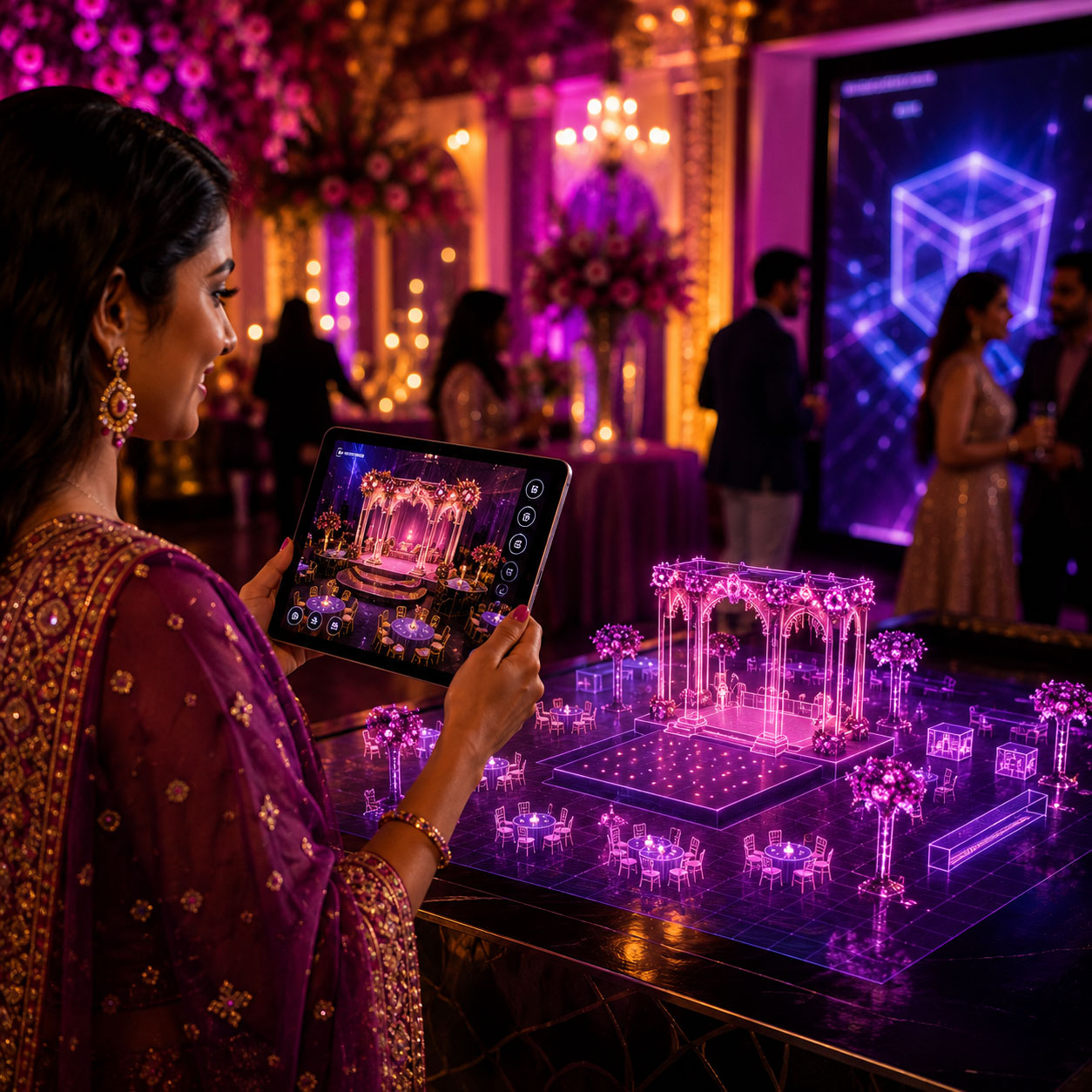
Augmented Reality Experiences
Engage audiences with augmented reality experiences featuring interactive AR filters, digital overlays, and camera activations designed to enhance brand promotion events, product launches, exhibitions, activations, and memorable guest interactions.
Explore Digital & Tech-Enabled Event Experiences
Explore Other Experiences





Explore by Occasion
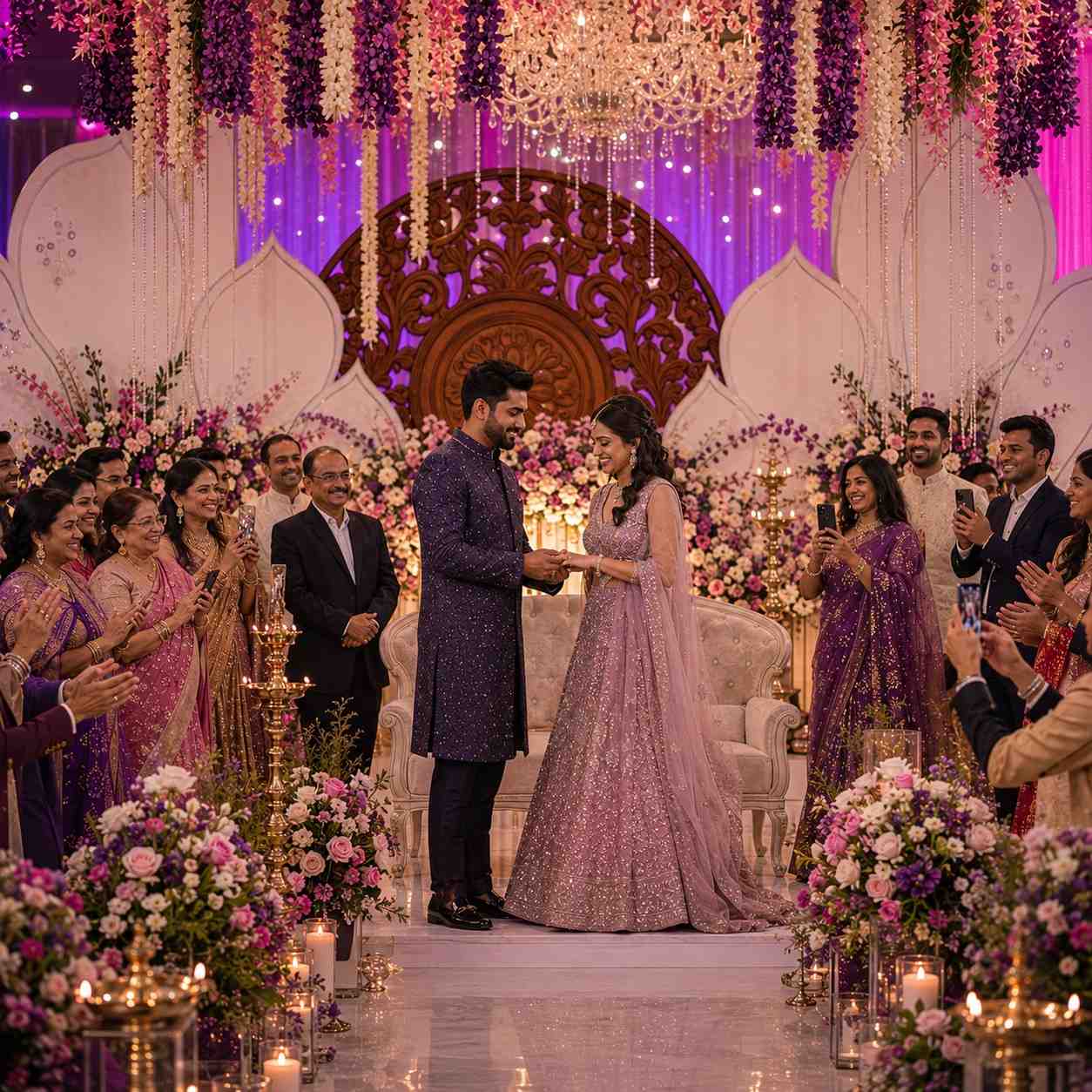
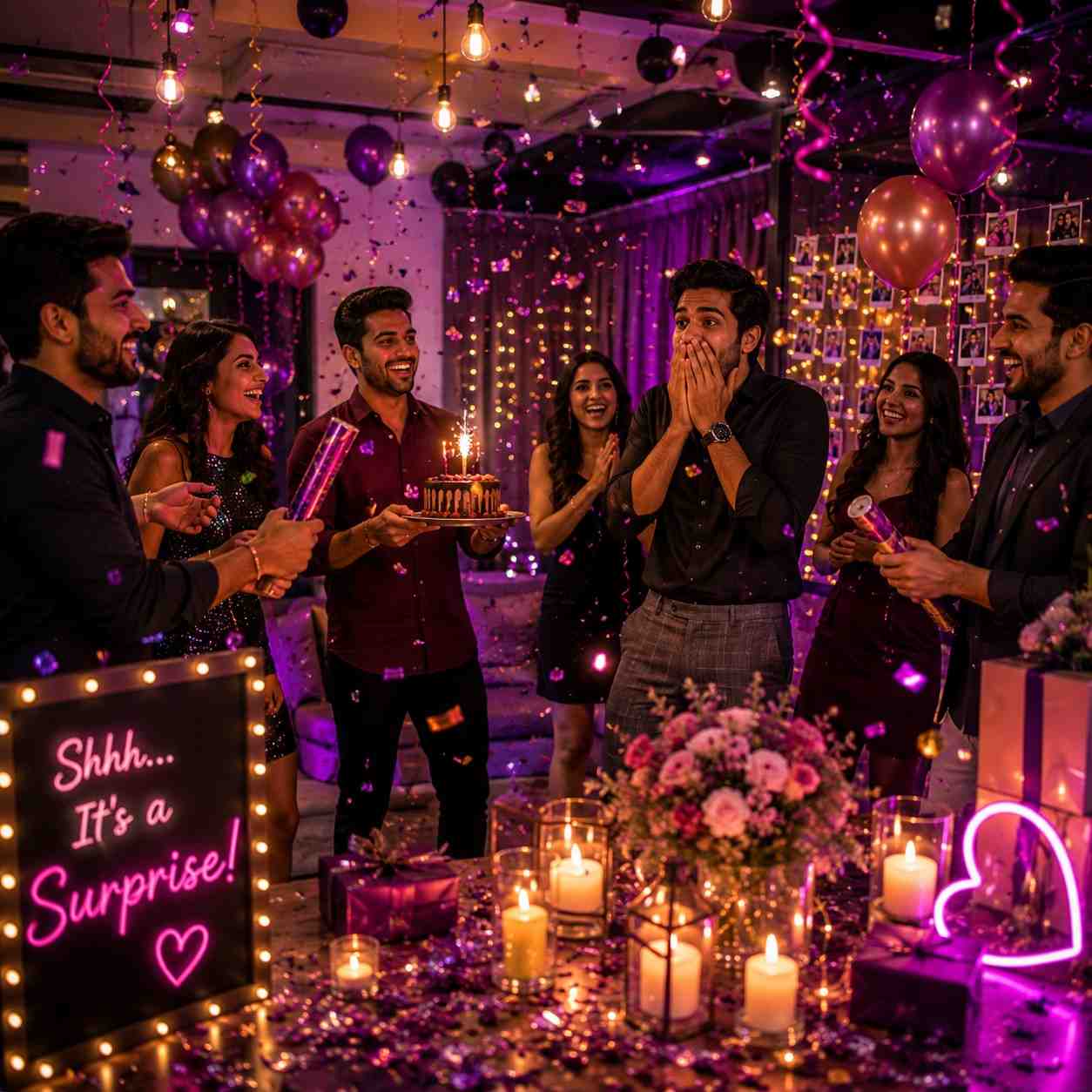
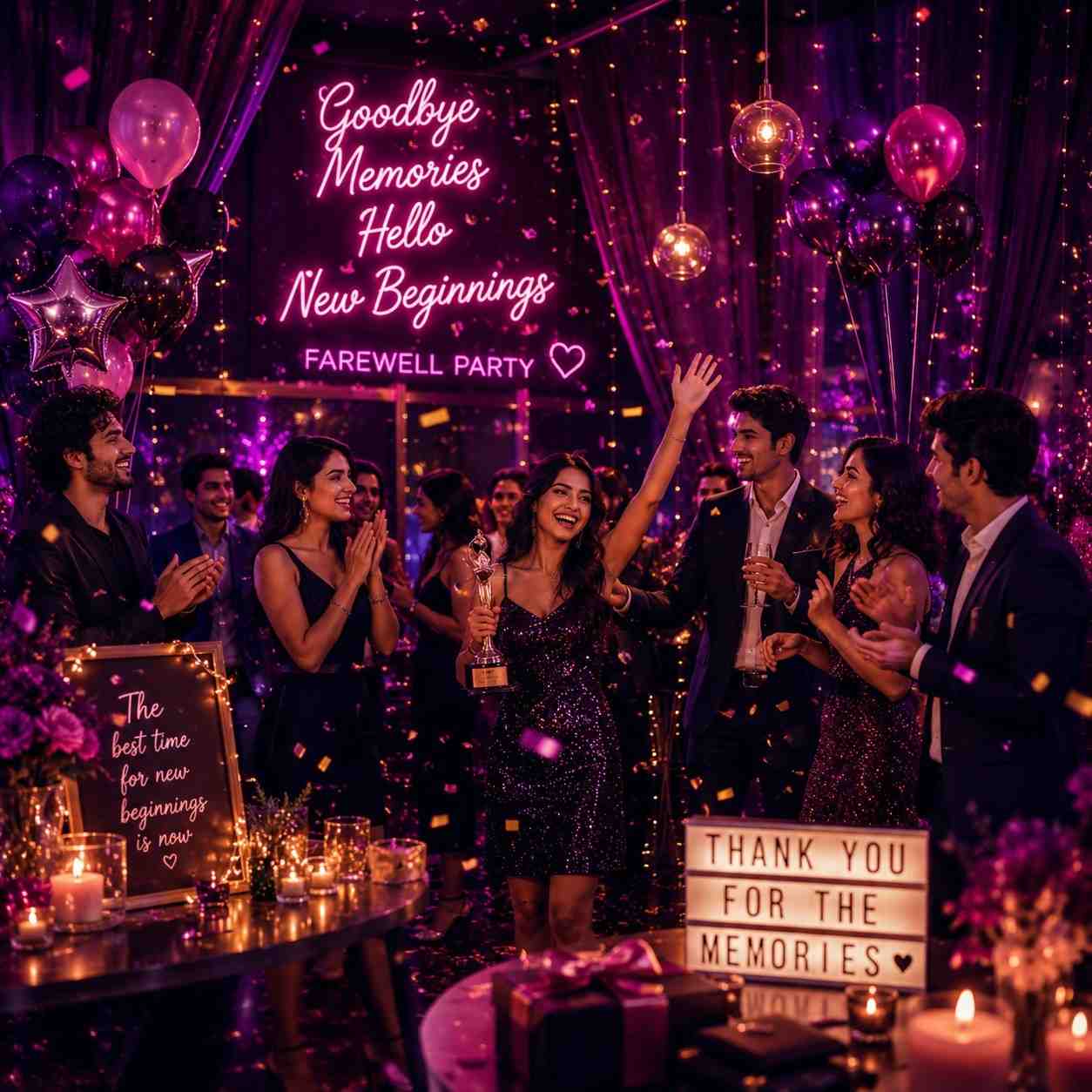



Augmented Reality Experiences for Brand Events
◆Modern events increasingly use interactive technology to capture attention and create memorable guest experiences. Augmented Reality Experiences bring digital content into the real-world environment, allowing attendees to interact with virtual elements through compatible devices and camera-based experiences.
AR filters, interactive overlays, and camera activations can be incorporated into brand promotion events, product launches, exhibitions, promotional campaigns, and experiential activations. These technologies can turn ordinary event interactions into engaging digital moments while providing brands with additional opportunities to connect with audiences.
Happiffie helps event organizers explore interactive event technology designed to support audience engagement, brand promotion, and memorable event experiences.
AR Filters
AR filters can add digital effects, graphics, animations, or other visual elements to a participant's camera view.
At events, filters can be designed around a brand, product, campaign, occasion, or event theme. Guests can interact with these effects through compatible devices and capture the resulting experience.
AR filters can therefore combine participation with visually engaging content.
Interactive Overlays
Interactive overlays place digital elements over a real-world camera view.
These overlays can provide additional visual information, branded elements, animations, or interactive components.
For exhibitions and product launches, interactive overlays can help present information in a more engaging format than conventional static displays.
Camera Activations
Camera activations use camera-based technology to create interactive experiences for event attendees.
Participants can engage with branded effects, virtual elements, or interactive content through a camera interface.
This approach can be especially useful for promotional environments where audience participation and visual engagement are important.
AR Event Experiences
AR event experiences can be incorporated into different types of events, including exhibitions, launches, conferences, celebrations, and promotional activations.
The experience can be designed around the event's audience and objectives.
For example, a brand may create an interactive AR experience that introduces a product, while an exhibition can use AR to provide visitors with additional digital information.
Augmented Reality Events
Augmented reality events combine physical event environments with digital content.
Instead of requiring attendees to enter a completely virtual environment, AR allows digital elements to interact with what participants see around them.
This makes the technology suitable for event spaces where physical displays, products, venues, and branded environments remain central to the experience.
Brand Promotion Events
Brand promotion events can use AR technology to create interactive touchpoints between a brand and its audience.
A branded filter, overlay, or camera activation can encourage guests to participate rather than simply observe promotional material.
The digital experience can be aligned with the campaign's visual identity and messaging.
AR Brand Activation
AR brand activation can provide an experiential way to introduce a brand, campaign, product, or promotional concept.
The activation can be structured around a specific interaction that encourages attendees to explore digital content through their camera-enabled devices.
When thoughtfully designed, the experience can become part of the wider brand engagement strategy.
Interactive AR Experiences
Interactive AR experiences allow guests to engage directly with digital elements.
Depending on the technology used, participants may activate effects, explore virtual content, interact with branded objects, or discover additional information.
The level of interaction can be adapted to the event's objectives and audience.
Product Launch AR
Product launch AR can provide an interactive way to introduce a new product.
For example, augmented reality can be used to present digital product information, visualize product features, or create an interactive branded experience around a launch display.
This can add a technology-driven layer to conventional product demonstrations.
Event AR Technology
Event AR technology can be used across multiple event environments.
It can support promotional displays, interactive installations, branded photo experiences, exhibition activities, product demonstrations, and guest engagement zones.
The appropriate technology depends on the desired experience, venue, audience, and available equipment.
AR Camera Experiences
AR camera experiences allow attendees to view digital content through a camera interface.
These experiences can combine real-world surroundings with virtual visual elements.
For promotional events, the camera experience can be branded to create a recognizable interaction associated with the campaign or event.
Exhibition AR Experiences
Exhibitions often require creative methods of attracting visitor attention.
AR experiences can add interactive content to exhibition booths and displays, encouraging visitors to engage with the brand or product.
For example, an exhibition display could use an AR overlay to provide additional product information or an interactive visual demonstration.
Interactive Product Demonstrations
Augmented reality can make product demonstrations more engaging by combining physical products with digital information.
Visitors can interact with an AR experience while viewing the physical product, allowing the technology to supplement the conventional demonstration.
This can be useful when products contain features or information that are difficult to communicate through static displays alone.
Branded Camera Filters
Branded camera filters can be designed specifically for promotional campaigns and event activations.
They can incorporate recognizable visual elements associated with the brand, product, or campaign.
Guests can interact with the filter and capture content through the supported camera experience.
Social Engagement
AR experiences can encourage guests to participate in visually shareable activities.
A branded camera effect or interactive overlay can give attendees an additional reason to engage with the event digitally.
Any social sharing functionality depends on the platform and activation design.
Guest Participation
Successful AR activations should be simple enough for guests to understand quickly.
Clear instructions can help participants understand how to access and interact with the experience.
Event staff can also assist guests when the activation involves specific equipment, applications, or participation steps.
Brand Storytelling
Augmented reality can support experiential storytelling by adding digital information to physical environments.
A product display, exhibition booth, or promotional installation can become an interactive storytelling point.
This allows brands to communicate information through visual interaction rather than relying solely on printed or static content.
Product Discovery
AR can provide additional ways for guests to discover product information.
An interactive overlay may reveal features, specifications, demonstrations, or other digital content associated with a physical product.
This can help connect physical displays with digital experiences.
Experiential Marketing
Augmented reality is well suited to experiential marketing because it encourages audience participation.
Instead of presenting a passive promotional message, an AR activation can give visitors an opportunity to interact with a brand through a digital experience.
The experience should remain relevant to the campaign rather than using technology simply for novelty.
Event Engagement
Interactive AR experiences can provide an additional engagement point within an event.
They can be positioned at entrances, exhibition booths, product displays, activity zones, promotional areas, or dedicated technology installations.
Placement should be planned according to expected guest movement and participation.
Benefits for Event Organizers
Augmented Reality Experiences can offer several potential advantages:
- Interactive audience participation
- Branded digital experiences
- Engaging product demonstrations
- Creative exhibition activities
- Camera-based guest interactions
- Promotional activation opportunities
- Immersive brand storytelling
- Additional event engagement points
The effectiveness depends on the quality of the experience, technical implementation, event environment, and audience participation.
Benefits for Guests
Guests can experience digital content without completely leaving the physical event environment.
AR can add visual effects, information, interactive elements, and branded experiences to activities they are already participating in.
This can make exhibitions, launches, and promotional events more engaging.
Choosing Augmented Reality Experiences
When selecting Augmented Reality Experiences, consider the AR filters, interactive overlays, camera activations, device requirements, software platform, content design, audience size, venue environment, technical support, and event objectives.
For brand promotion events and product launches, the AR experience should also connect clearly with the campaign or product message.
Why Choose Happiffie?
Happiffie helps event organizers explore Augmented Reality Experiences, AR filters, interactive overlays, camera activations, AR brand activation, product launch AR, exhibition AR, and other event AR technology solutions.
For promotional events and experiential activations, AR can provide an interactive bridge between physical environments and digital content.
Happiffie helps organizers discover technology solutions designed to make guest participation more engaging while supporting brand communication.
Conclusion
Augmented reality can transform physical event environments by adding interactive digital elements to real-world experiences. Through AR filters, camera activations, and interactive overlays, brands can create experiences that encourage guests to participate and explore.
Augmented Reality Experiences can support brand promotion events, product launches, exhibitions, and activations through interactive AR experiences and camera-based technology.
With Happiffie, organizers can explore AR event technology that combines digital interaction with physical event environments to create memorable and engaging experiences.
Frequently Asked Questions
1. What are Augmented Reality Experiences?
Augmented Reality Experiences combine real-world environments with digital elements such as visual effects, interactive overlays, animations, or virtual content.
2. What are AR filters?
AR filters are camera-based digital effects that add virtual visual elements to a participant's camera view.
3. What are interactive overlays?
Interactive overlays place digital information or visual elements over a real-world camera view and can include interactive features.
4. Can AR be used at product launches?
Yes. Product launch AR can provide interactive product demonstrations, digital information, and branded experiences.
5. Are AR experiences suitable for exhibitions?
Yes. Exhibition AR can add interactive elements to booths, product displays, promotional installations, and visitor experiences.
6. What are camera activations?
Camera activations are interactive experiences that use cameras to connect participants with digital effects, branded content, or virtual elements.
7. Can AR be customized for a brand?
Yes. AR filters, overlays, and other experiences can be designed around a brand, campaign, product, or event theme.
8. Can guests interact with AR experiences using smartphones?
Some AR experiences are designed for compatible smartphones or other camera-enabled devices. The exact requirements depend on the technology platform.
9. Can AR support brand promotion?
Yes. AR brand activation can create interactive touchpoints that encourage audiences to engage directly with a brand or promotional campaign.
10. Can AR be used for product demonstrations?
Yes. AR can supplement physical product demonstrations by adding digital information, visualizations, and interactive content.
11. What should organizers consider when planning an AR activation?
Organizers should consider the technology platform, device compatibility, content design, venue environment, participant flow, technical support, and campaign objectives.
12. Why choose Happiffie for AR event experiences?
Happiffie helps organizers explore AR filters, interactive overlays, camera activations, product launch AR, exhibition experiences, brand activations, and other augmented reality event technology solutions.