
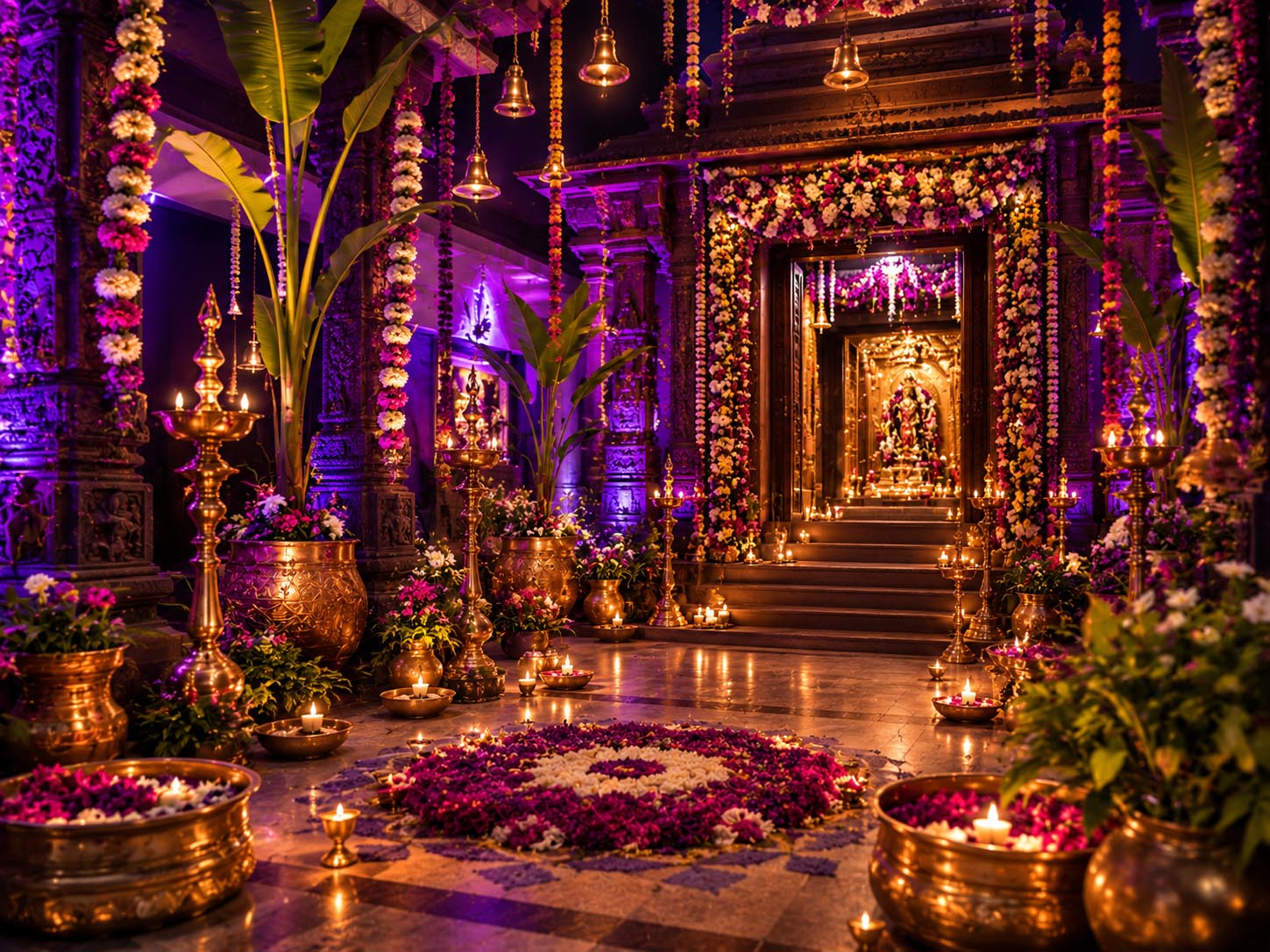
Temple Decor Divine Adornment
Create a serene and sacred atmosphere with divine temple decor featuring fresh floral styling, traditional decorative elements, spiritual ambience, and timeless elegance for meaningful ceremonies.
Explore Decoration Experiences
Related Experiences

Explore by Occasion


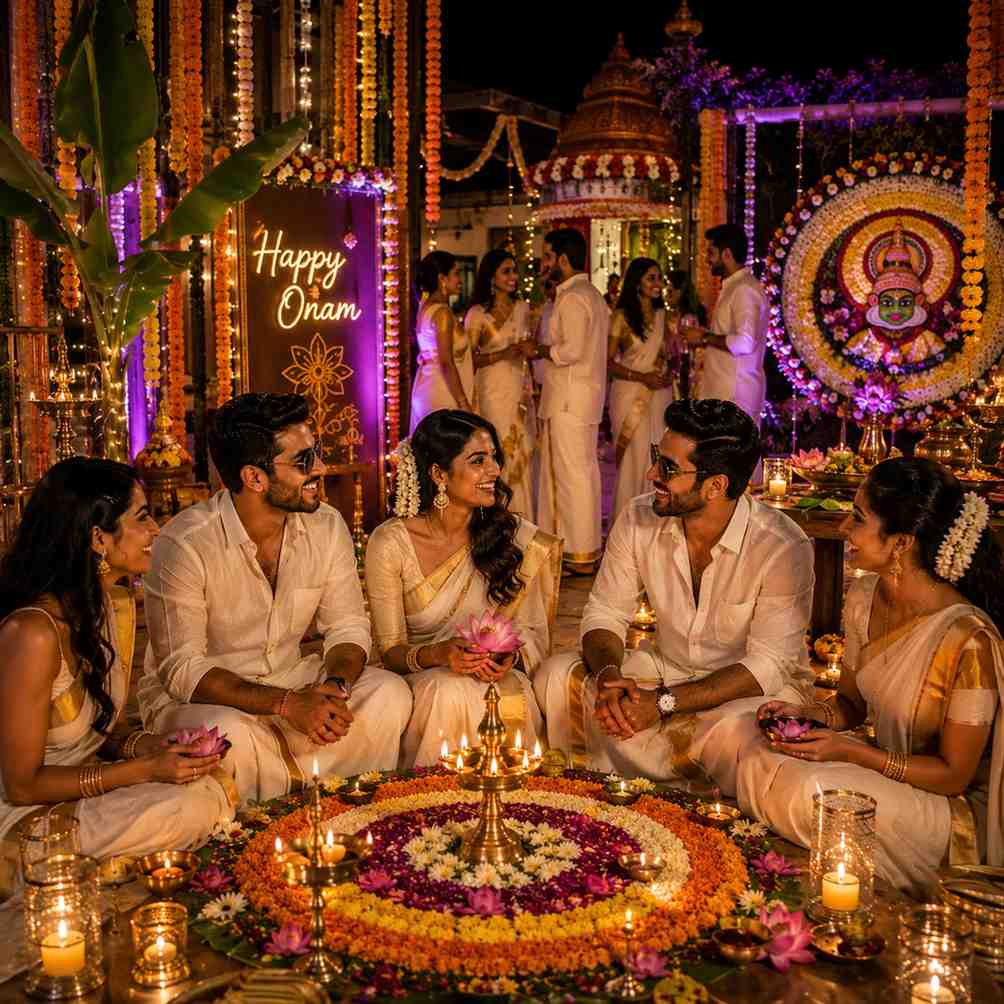
Temple Decor for Divine and Traditional Elegance
◆Temples hold a unique place in cultural and spiritual life. Their decorative surroundings often contribute to the atmosphere of devotion, celebration, and reverence. Carefully arranged flowers, traditional elements, lamps, fabrics, and ornamental details can transform a sacred setting while respecting its established character.
Temple Decor Divine Adornment brings together floral styling, traditional craftsmanship, spiritual aesthetics, and thoughtful decorative planning. The purpose is not simply to make a temple look beautiful. Every element should support the sacred environment and complement the significance of the ceremony taking place there.
From daily devotional occasions to special religious celebrations, temple decoration can be adapted according to the scale, tradition, architecture, and purpose of the gathering. Floral arrangements may create freshness, while traditional ornaments and warm lighting can add depth and visual richness.
Happiffie helps users discover professional decorators who understand the importance of combining visual beauty with cultural sensitivity and respectful execution.
Professional Temple Decoration for Meaningful Ceremonies
Decorating a temple requires a thoughtful approach. Sacred spaces often have established architectural features, ceremonial areas, and traditions that should remain visible and respected.
Professional decorators begin by understanding the temple layout and the nature of the ceremony. They identify suitable areas for flowers, fabric, lighting, ornamental details, and other decorative elements.
The scale of the design should also correspond with the space. A smaller temple may benefit from focused floral arrangements, while a larger temple can accommodate more elaborate entrance decorations, pillars, arches, and ceremonial backdrops.
Good decoration enhances the surroundings without overwhelming the sacred character of the temple.
Sacred Floral Styling and Natural Beauty
Flowers are among the most traditional decorative elements used in spiritual environments. Their colours, fragrance, and natural beauty can create a fresh and welcoming atmosphere.
Marigolds, jasmine, roses, lotus-inspired arrangements, chrysanthemums, and other seasonal flowers can be incorporated according to regional preferences and ceremonial requirements.
Floral arrangements may be placed around entrances, pillars, sanctum surroundings where appropriate, ceremonial pathways, or designated decorative areas.
The design should remain balanced. Excessive floral density can obscure architectural details, while carefully positioned arrangements can highlight important visual features.
Creating a Spiritual Ambience
A meaningful temple environment is influenced by more than decoration alone. Lighting, fragrance, flowers, colours, sound, and spatial arrangement can collectively contribute to the atmosphere.
Traditional lamps can create a warm visual character, particularly during evening ceremonies. Soft illumination can highlight floral arrangements and architectural details without making the environment feel overly theatrical.
Natural flower fragrance may also contribute to the sensory experience. Jasmine and other fragrant varieties can provide a subtle connection with traditional ceremonial practices.
Every element should support the purpose of the gathering. The result should feel peaceful, dignified, and appropriate.
Traditional Elements in Temple Decoration
Traditional decorative elements can add cultural depth to a temple setting. Brass lamps, bells, fabric accents, floral garlands, banana leaves, mango leaves, ornamental motifs, and handcrafted details may be incorporated according to local customs.
The choice of elements depends heavily on regional traditions. What is appropriate for one temple or ceremony may not necessarily be suitable for another.
Professional decorators should therefore consult with temple authorities, families, or organisers before finalising the design.
Respect for tradition should always take priority over purely decorative trends.
Floral Temple Styling for Special Occasions
Special religious occasions often require more elaborate decoration than regular devotional days. Festivals, temple anniversaries, special poojas, cultural ceremonies, and other significant gatherings may include expanded floral arrangements and decorative installations.
Entrance arches can create a welcoming introduction. Floral garlands can highlight selected architectural features, while traditional motifs can reinforce the ceremonial atmosphere.
For larger celebrations, coordinated decoration can extend from the entrance to designated gathering areas. However, movement pathways and ritual spaces should remain accessible.
A professional team can plan the decorative flow so that beauty and functionality remain balanced.
Temple Entrance Decoration
The entrance establishes the first visual impression for devotees and visitors. A carefully styled entrance can create an inviting and auspicious atmosphere.
Fresh flower arrangements, traditional torans, banana leaves, floral arches, decorative lamps, and culturally appropriate motifs can be used according to the temple's traditions.
The entrance should remain spacious enough to accommodate visitors comfortably. Decorative structures must also be securely installed to avoid interfering with movement.
A refined entrance design can create a strong sense of occasion without becoming unnecessarily elaborate.
Floral Garlands and Decorative Arrangements
Garlands can be used in many traditional settings. Their arrangement, flower selection, and colour combination can be customised according to the occasion.
Jasmine can provide fragrance and delicacy, while marigolds offer vibrant colour and a traditional appearance. Roses can introduce additional colour variation, while mixed-flower garlands can create richer visual texture.
Garlands may be used around designated decorative areas, entrances, pillars, or ceremonial spaces where appropriate.
Freshness is essential. Flowers should be sourced, prepared, transported, and installed carefully so that they remain attractive throughout the ceremony.
Lighting for Traditional Temple Decor
Lighting can enhance the atmosphere of a temple, particularly during evening ceremonies. Traditional oil lamps and other culturally appropriate lighting elements can create warmth and visual depth.
Additional illumination may be used to highlight architectural features or decorative arrangements. However, brightness should be carefully controlled.
The purpose of lighting is to support visibility and ambience, not to dominate the sacred environment.
Professional teams can coordinate decorative lighting with existing temple illumination while maintaining a dignified appearance.
Regional Variations in Temple Decoration
Temple decoration varies widely across India. Regional flowers, colours, motifs, fabrics, architectural styles, and ceremonial practices influence decorative choices.
South Indian temple settings may feature banana leaves, mango leaves, jasmine, marigolds, traditional lamps, and distinctive floral arrangements. Other regions may use different combinations based on local traditions.
Seasonal festivals can also influence the design. Understanding these variations is essential when creating a culturally appropriate setup.
Professional decorators with regional experience can adapt their concepts accordingly.
Sustainable and Natural Temple Decoration
Natural decorative materials can be particularly suitable for spiritual environments. Fresh flowers, leaves, reusable fabrics, brass accessories, wooden elements, and durable decorative structures can create an authentic atmosphere.
Sustainable planning can also reduce unnecessary waste. Reusable décor elements may be stored and used during future occasions, while natural floral waste can be handled through appropriate local practices.
The emphasis should remain on responsible use rather than excessive decoration.
A simpler setup using meaningful natural elements can often create a more authentic atmosphere than a heavily decorated space.
Planning a Temple Decoration Setup
Successful decoration begins with careful preparation. The organiser should understand the ceremony schedule, temple layout, visitor flow, permitted installation areas, and preferred traditions.
The timing of installation is particularly important. Fresh flowers should be prepared close enough to the ceremony to maintain their appearance, while larger structures may require additional setup time.
Communication with temple authorities is essential. Certain areas may have restrictions on materials, lighting, installation methods, or decorative access.
A professional team can coordinate these requirements before beginning the setup.
Benefits of Professional Temple Decoration
Professional decoration services provide experience, creativity, and operational support. They understand how to work with different materials while considering the specific requirements of sacred environments.
Professional teams can also coordinate flower sourcing, transportation, installation, lighting, and removal. This reduces the organisational burden on families and temple committees.
Their experience can help avoid common issues such as unstable installations, excessive decoration, blocked pathways, or unsuitable material choices.
Most importantly, professional execution allows the ceremony to remain the focus while the decorative environment is handled carefully in the background.
Best Practices for Sacred Decoration
Respect should guide every decorative decision. Designers should understand the traditions associated with the temple and ceremony before introducing new concepts.
Decorative elements should never obstruct important ceremonial areas or interfere with the movement of priests and devotees.
Fresh flowers should be handled hygienically and replaced when necessary. Lighting and electrical equipment should be installed safely.
Most importantly, communication with the temple authorities should remain clear throughout the planning and execution process.
These practices help create a beautiful environment while preserving the dignity of the sacred setting.
How to Choose the Right Temple Decor Professional
Experience with religious and traditional spaces is an important consideration when selecting a decorator. A provider should understand cultural sensitivity, ceremonial requirements, and appropriate decorative practices.
Reviewing previous work can help assess the quality and style of their floral arrangements. It is also useful to discuss flower varieties, design concepts, installation timelines, and material choices before confirming the service.
A reliable professional should be willing to adapt the design to temple guidelines rather than imposing a standard concept.
The best partner combines creativity with respect, discipline, and practical knowledge.
Why Choose Happiffie?
Happiffie helps users discover professional decorators who can create traditional, floral, spiritual, and culturally appropriate temple environments.
Through experienced service providers, users can explore decorative solutions for religious ceremonies, temple celebrations, festivals, special poojas, and other meaningful occasions.
Whether the requirement is floral styling, entrance decoration, traditional adornment, lighting coordination, or a complete decorative setup, professionals can develop concepts according to the space and ceremonial requirements.
Happiffie makes it easier to connect with specialists who understand that sacred decoration requires both visual creativity and respectful execution.
Conclusion
Temple decoration is a meaningful combination of tradition, floral beauty, craftsmanship, and spiritual atmosphere. When carefully planned, it can enhance the environment while preserving the character and dignity of the sacred space.
Temple Decor Divine Adornment allows traditional elements and contemporary styling ideas to work together thoughtfully. Fresh flowers, garlands, natural materials, traditional lamps, fabrics, and carefully positioned decorative details can create an atmosphere that feels welcoming and reverent.
With Happiffie, users can discover experienced professionals who bring creativity, cultural awareness, and careful execution to meaningful temple celebrations.
Frequently Asked Questions
What is Temple Decor Divine Adornment?
It refers to decorative styling for sacred spaces using flowers, traditional elements, lighting, fabrics, garlands, and other culturally appropriate details.
Which flowers are commonly used for temple decoration?
Jasmine, marigolds, roses, chrysanthemums, lotus-inspired arrangements, and other seasonal flowers may be used depending on regional and ceremonial preferences.
Can temple decoration be customised?
Yes. Decoration can be customised according to the temple architecture, ceremony, regional traditions, colour preferences, and permitted decorative areas.
How can floral arrangements enhance a temple?
Fresh flowers introduce natural colour, fragrance, texture, and visual beauty while supporting the traditional character of the sacred environment.
Can traditional lamps be included in the design?
Yes, where permitted and appropriate. Traditional lamps can provide a warm and dignified atmosphere, particularly during evening ceremonies.
Can temple entrances be decorated?
Yes. Floral arches, garlands, traditional torans, leaves, lamps, and other appropriate elements can create a welcoming entrance.
How early should temple decoration be planned?
The timeline depends on the scale of the setup, flower requirements, ceremony schedule, temple permissions, and installation complexity.
Can sustainable materials be used for temple decoration?
Yes. Fresh flowers, natural foliage, reusable fabrics, brass accessories, wooden elements, and reusable decorative structures can support responsible styling.
Does temple decoration vary by region?
Yes. Floral choices, colours, motifs, fabrics, architectural influences, and ceremonial traditions vary significantly across different regions.
Should temple authorities approve the decoration?
Yes. Coordination with temple authorities is important because sacred spaces may have specific rules regarding installation, materials, lighting, and access.
Can professional decorators manage floral garlands?
Yes. Experienced floral professionals can design, prepare, transport, and install garlands according to the ceremony and preferred style.
How does Happiffie help with temple decoration?
Happiffie connects users with professional decorators who can provide floral styling, traditional temple decoration, spiritual ambience, entrance arrangements, and complete decorative coordination.