
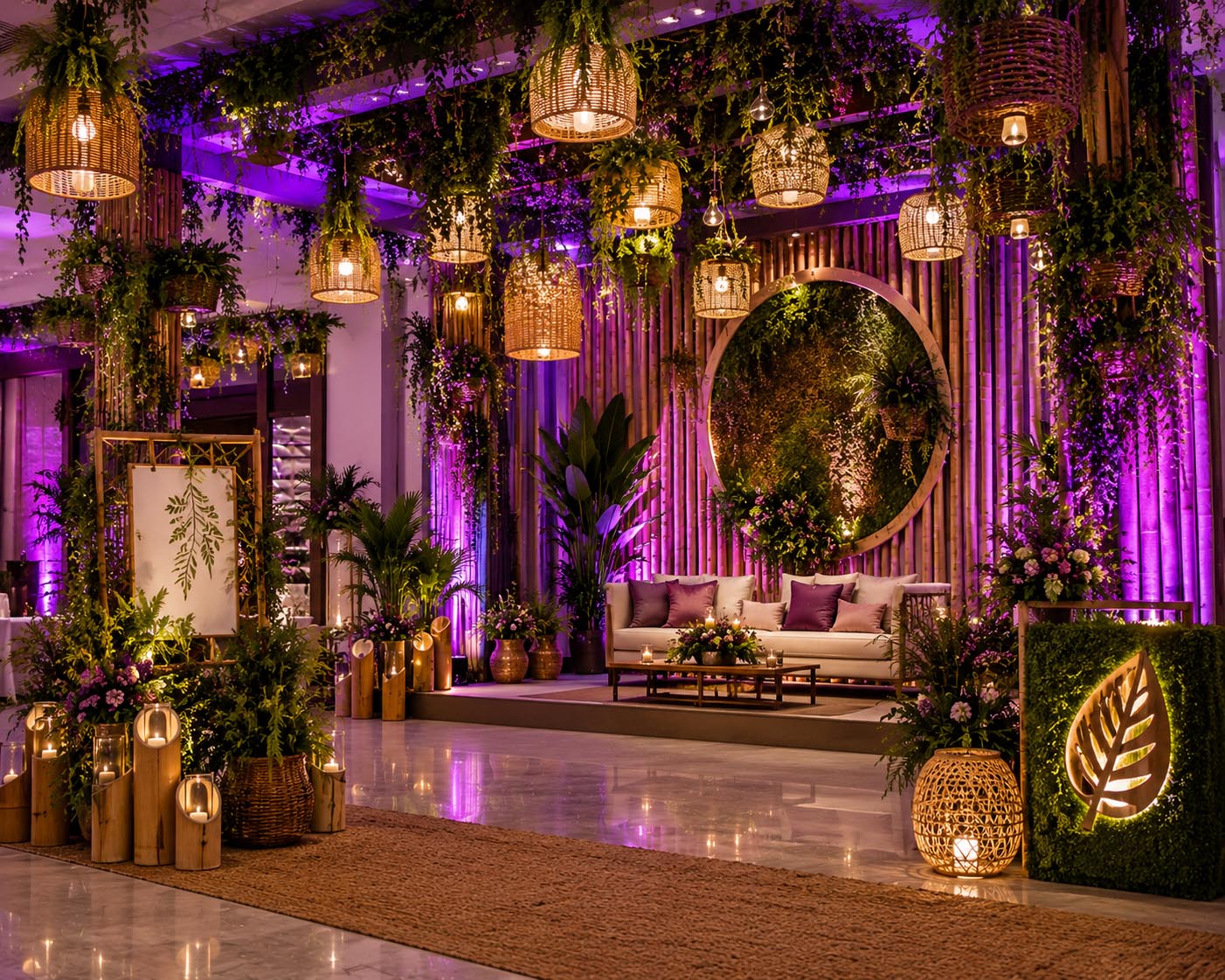
Sustainable Earth Conscious Green Design
Create beautiful and responsible spaces with sustainable green design elements, eco-friendly recyclable materials, conscious styling, and environmentally safe decorative solutions.
Explore Decoration Experiences
Related Experiences

Explore by Occasion



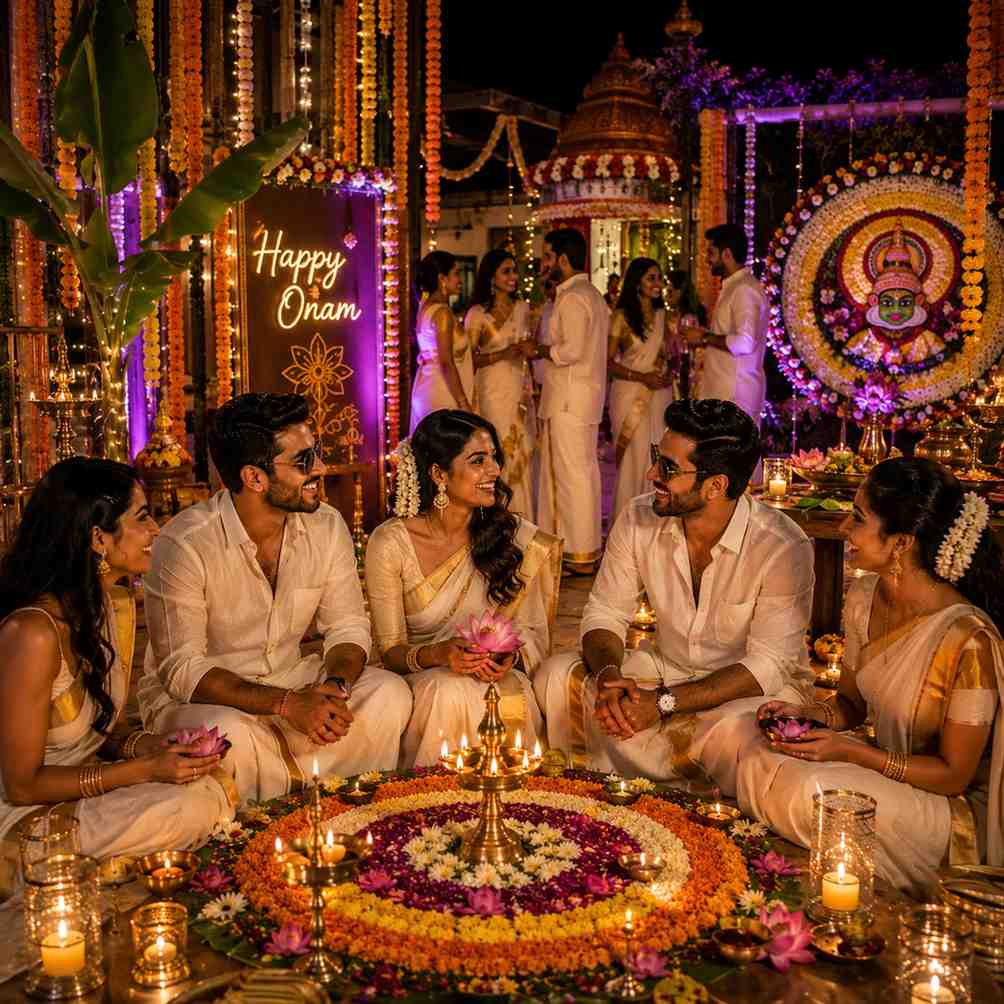
Sustainable Green Design for Eco-Friendly Spaces
◆Thoughtful design can create beautiful spaces while making more responsible choices about materials, resources, and waste. As awareness around environmental responsibility continues to grow, families, businesses, and organisers are exploring ways to reduce unnecessary consumption without compromising visual appeal.
Sustainable Earth Conscious Green Design Elements bring environmental thinking into decorative and spatial design. Instead of relying entirely on disposable materials or short-term decorative solutions, sustainable styling focuses on reusable, recyclable, responsibly sourced, and thoughtfully selected elements.
This approach can be applied to many environments. Celebrations, exhibitions, business spaces, cultural functions, retail displays, and private gatherings can all incorporate greener design principles.
Sustainable design does not mean sacrificing creativity. With the right planning, natural textures, reusable structures, recyclable materials, and carefully selected decorative elements can create sophisticated spaces that feel both contemporary and responsible.
Happiffie helps users discover professionals who understand sustainable decoration and can develop environmentally conscious setups suited to different occasions and spaces.
Professional Sustainable Design for Modern Spaces
Creating an environmentally responsible setup begins with understanding the purpose of the space. Designers need to consider how long the decoration will be used, what materials are required, and whether individual components can be reused after the occasion.
Professional designers look beyond appearance. They consider material life cycles, installation methods, transportation requirements, storage possibilities, and post-event disposal.
This broader approach can reduce unnecessary waste while maintaining a polished visual experience.
The objective is simple: create a beautiful environment today without creating avoidable environmental problems tomorrow.
Understanding Eco-Friendly Recyclable Materials
Material selection is one of the most important aspects of sustainable styling. Recyclable paper products, reusable fabric, natural fibres, responsibly sourced wood, bamboo, and other suitable materials can provide alternatives to disposable decorative components.
However, a material should not be considered environmentally responsible based solely on its appearance. Its sourcing, production, durability, transportation, reuse potential, and disposal should also be considered.
Professional service providers can help identify materials appropriate for the specific application. A temporary indoor installation may require a different solution from a structure designed for repeated use.
The right choice balances environmental responsibility with safety, durability, functionality, and visual quality.
Reusable Decoration for Multiple Occasions
Reuse is one of the most practical approaches to sustainable decoration. Structures, stands, frames, fabrics, lighting elements, planters, and selected decorative accessories can often be used repeatedly.
Instead of producing a completely new setup for every occasion, designers can develop modular components that adapt to different themes and spaces.
A reusable backdrop, for example, can receive different fabric treatments or floral arrangements for different functions. Similarly, modular display structures can be rearranged according to venue requirements.
This approach reduces material consumption while also providing greater flexibility for future celebrations and installations.
Natural Materials and Earth-Conscious Styling
Natural materials can introduce warmth and texture into a decorative environment. Bamboo, jute, cotton, wood, dried foliage, natural fibres, and selected plant-based materials can create an organic visual character.
These materials can work particularly well in settings inspired by nature, wellness, traditional craftsmanship, minimalism, or contemporary earth-conscious design.
Their natural appearance can also complement fresh flowers and greenery. The combination creates an environment that feels welcoming without depending heavily on artificial decorative components.
Careful material selection remains important. Natural does not automatically mean sustainable, so responsible sourcing and appropriate usage should always be considered.
Eco-Friendly Decoration for Celebrations
Celebrations can generate considerable decorative waste when materials are designed for single-use applications. Sustainable planning offers an opportunity to reduce this impact.
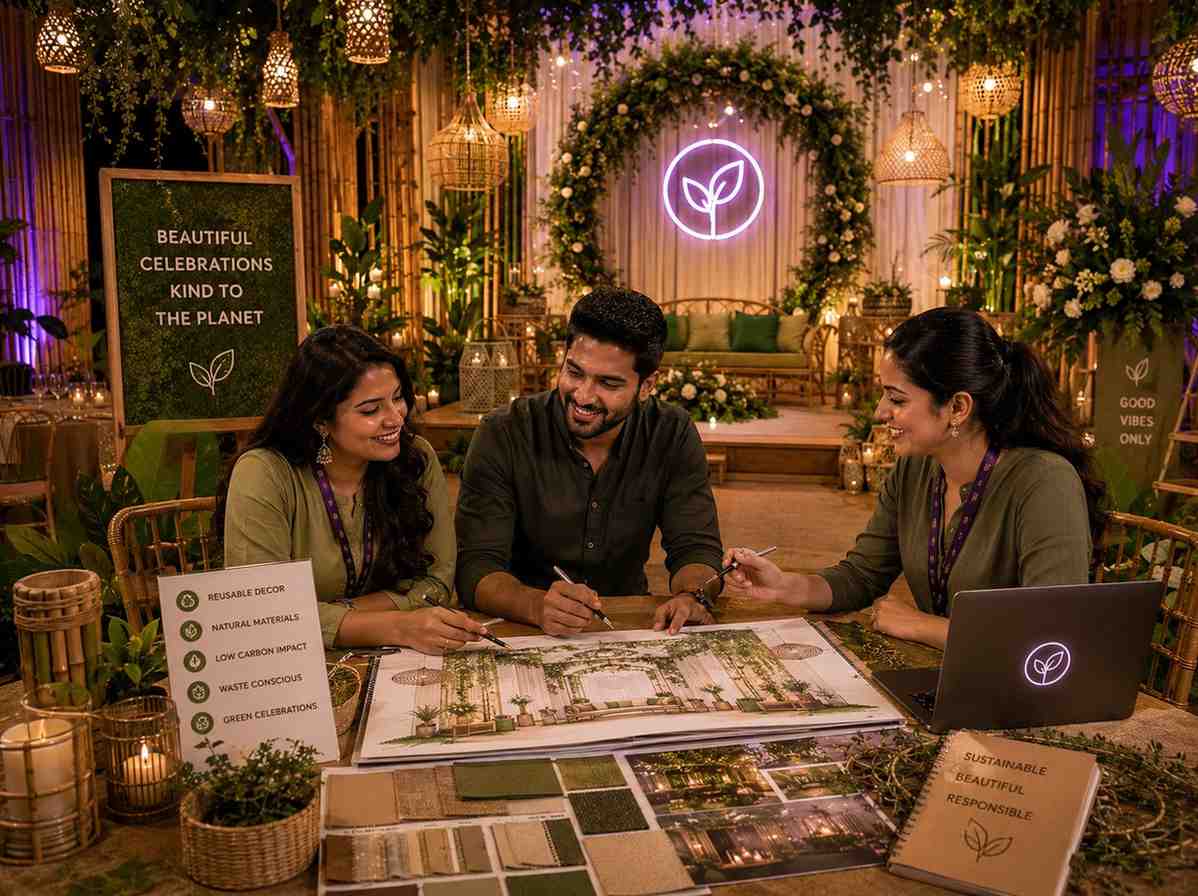
Reusable fabric backdrops, potted plants, recyclable signage, modular structures, natural floral arrangements, and durable decorative accessories can create attractive alternatives.
Even small changes can make a difference. Instead of producing multiple disposable signs, organisers can use reusable boards with interchangeable graphics. Instead of purchasing single-use props, durable elements can be selected for future celebrations.
The result can be elegant, practical, and more environmentally conscious.
Sustainable Event Styling with Creative Design
Sustainable styling should not feel limited or repetitive. Creativity becomes even more valuable when designers work within responsible material choices.
A designer can combine textures, natural colours, reusable structures, greenery, soft lighting, and modular components to create a distinctive visual identity.
Minimalism can also support sustainability. A carefully designed focal area may create greater impact than decorating every available surface.
This reduces material requirements while directing attention toward the most important elements of the space.
Green Design for Corporate and Commercial Spaces
Businesses are increasingly interested in demonstrating environmental responsibility through their physical environments. Sustainable displays can support this objective while maintaining a professional appearance.
Reception areas, exhibitions, product launches, retail environments, office celebrations, and promotional installations can incorporate reusable structures, recyclable graphics, natural materials, and energy-conscious lighting.
The design can also communicate the organisation's sustainability values directly. However, the message should be authentic and supported by responsible practices rather than used simply as decoration.
A well-planned sustainable environment can strengthen both visual identity and environmental awareness.
Environmentally Responsible Floral Styling
Flowers can contribute significantly to sustainable decoration when selected and managed thoughtfully. Seasonal flowers may reduce the need for resource-intensive sourcing, while reusable containers and natural arrangements can reduce unnecessary waste.
Potted plants offer another option. Unlike cut flowers, they can potentially continue growing after the function and be reused in other spaces.
Floral waste can also be handled responsibly through appropriate composting or other local disposal options where available.
The goal is not to eliminate flowers. It is to consider how they are sourced, used, transported, and managed after the celebration.
Sustainable Lighting and Energy Considerations
Lighting contributes strongly to atmosphere, but it can also influence energy consumption. Efficient lighting systems can provide attractive illumination while using resources more responsibly.
LED lighting is commonly used because it can provide strong illumination with comparatively efficient energy use. Designers can also reduce unnecessary lighting by focusing illumination on key areas rather than brightly lighting every part of the venue.
Natural light can be incorporated wherever practical. During daytime functions, thoughtful placement of decorative elements can make use of existing daylight.
These choices can improve ambience while supporting more responsible resource use.
Planning an Eco-Conscious Decorative Setup
Sustainable design should begin during the planning stage rather than being added at the end. The organiser should identify which elements are genuinely necessary and which can be eliminated or reused.
The expected duration of the setup should also be considered. If a structure will only be used for a few hours, choosing a durable reusable option may be more responsible than creating a disposable installation.
Transportation is another factor. Locally available materials and service providers may help reduce unnecessary movement of materials.
A complete planning approach makes sustainability part of the design process rather than an afterthought.
Benefits of Sustainable Decoration
Responsible decoration can provide several practical advantages. Reusable components can reduce repeated purchasing, while durable materials may provide value across multiple occasions.
Sustainable setups can also create a distinctive visual identity. Natural textures, greenery, neutral colours, and handcrafted elements often produce a sophisticated atmosphere.
There is also a communication benefit. Businesses and organisations can demonstrate their commitment to environmental responsibility through visible design choices.
For families, sustainable decoration can create meaningful celebrations while reducing unnecessary waste.
Regional and Traditional Approaches to Green Design
Traditional decorative practices can provide valuable inspiration for modern sustainable styling. Many regional traditions already incorporate natural flowers, plant materials, textiles, handmade elements, and reusable household objects.
These approaches can be adapted for contemporary spaces without losing their cultural character.
Traditional craftsmanship can also introduce unique visual details while supporting skilled makers and locally produced materials.
Combining regional design traditions with modern sustainable practices can create environments that feel authentic, creative, and environmentally conscious.
Best Practices for Environmentally Responsible Decor
The first principle is to reduce unnecessary consumption. Not every surface needs decoration, and not every visual element needs to be newly produced.
The second is to prioritise reuse. Components that can serve multiple occasions generally offer greater long-term value than disposable alternatives.
Material selection should also consider durability and end-of-life options. If a component cannot be reused, designers should consider whether it can be recycled, composted, or responsibly disposed of.
Finally, sustainability claims should remain realistic. Responsible design is about making better choices where practical rather than presenting every decorative decision as completely impact-free.
How to Choose a Sustainable Design Professional
Choosing the right service provider requires understanding their approach to materials, reuse, waste management, and design.
Ask whether structures and decorative elements can be reused. Discuss material choices and understand how components will be handled after the installation is removed.
Previous projects can also provide useful insight. Look for examples where sustainable materials, natural elements, modular structures, or reusable décor have been incorporated successfully.
A strong professional will be transparent about what is sustainable and what limitations may exist for a particular project.
Why Choose Happiffie?
Happiffie helps users discover professionals who can create environmentally conscious decorative environments using thoughtful design and responsible material choices.
Through experienced service providers, users can explore sustainable styling for celebrations, commercial spaces, exhibitions, cultural functions, and other occasions. The focus can include reusable structures, recyclable materials, natural decorative elements, greenery, responsible floral styling, and energy-conscious presentation.
Happiffie makes it easier to connect creative requirements with professionals who understand the importance of balancing visual quality and environmental responsibility.
Conclusion
Sustainable decoration demonstrates that beautiful spaces do not have to depend entirely on disposable materials. Through thoughtful planning, reusable structures, natural elements, recyclable materials, and responsible styling, it is possible to create environments that feel sophisticated while reducing unnecessary waste.
Sustainable Earth Conscious Green Design Elements bring environmental awareness into everyday creative decisions. From celebrations and exhibitions to business spaces and cultural functions, the right approach can make sustainability part of the visual experience.
With Happiffie, users can discover professionals who bring creative thinking, practical knowledge, and environmentally responsible approaches together to create more thoughtful spaces.
Frequently Asked Questions
What is sustainable green design?
Sustainable green design focuses on creating attractive and functional spaces while considering responsible material use, reuse, recyclability, resource consumption, and waste reduction.
What materials can be used for sustainable decoration?
Depending on the application, options may include reusable fabrics, bamboo, responsibly sourced wood, natural fibres, recyclable paper products, reusable structures, and selected plant-based materials.
Is sustainable decoration suitable for celebrations?
Yes. Sustainable decoration can be adapted for family functions, cultural celebrations, parties, exhibitions, and many other occasions.
Can sustainable décor look luxurious?
Absolutely. Natural textures, sophisticated styling, quality reusable materials, greenery, thoughtful lighting, and minimalist design can create a premium appearance.
Can decorative structures be reused?
Yes. Modular backdrops, frames, fabric elements, stands, planters, and selected decorative components can often be designed for repeated use.
Are natural materials always sustainable?
Not necessarily. Sustainability depends on sourcing, production, transportation, durability, reuse, and disposal. Natural appearance alone does not guarantee environmental responsibility.
How can flowers be incorporated sustainably?
Seasonal flowers, reusable containers, potted plants, responsible sourcing, and appropriate post-use handling can support more sustainable floral styling.
Can LED lighting support sustainable decoration?
LED lighting can provide an energy-conscious lighting option and can be used strategically to create ambience while avoiding unnecessary illumination.
How can businesses use green design?
Businesses can incorporate reusable displays, recyclable graphics, natural materials, modular installations, efficient lighting, and environmentally responsible styling into commercial spaces and promotional environments.
Does sustainable decoration cost more?
The cost varies according to materials, design complexity, and reuse potential. Reusable components may provide greater value across multiple occasions even when the initial investment is higher.
How can I reduce decorative waste?
Start by identifying essential elements, prioritising reusable materials, avoiding unnecessary single-use components, and planning responsible reuse, recycling, or disposal.
How does Happiffie help with sustainable design?
Happiffie connects users with professionals who can provide sustainable decoration, reusable styling solutions, eco-conscious material options, natural elements, and environmentally responsible design approaches.