
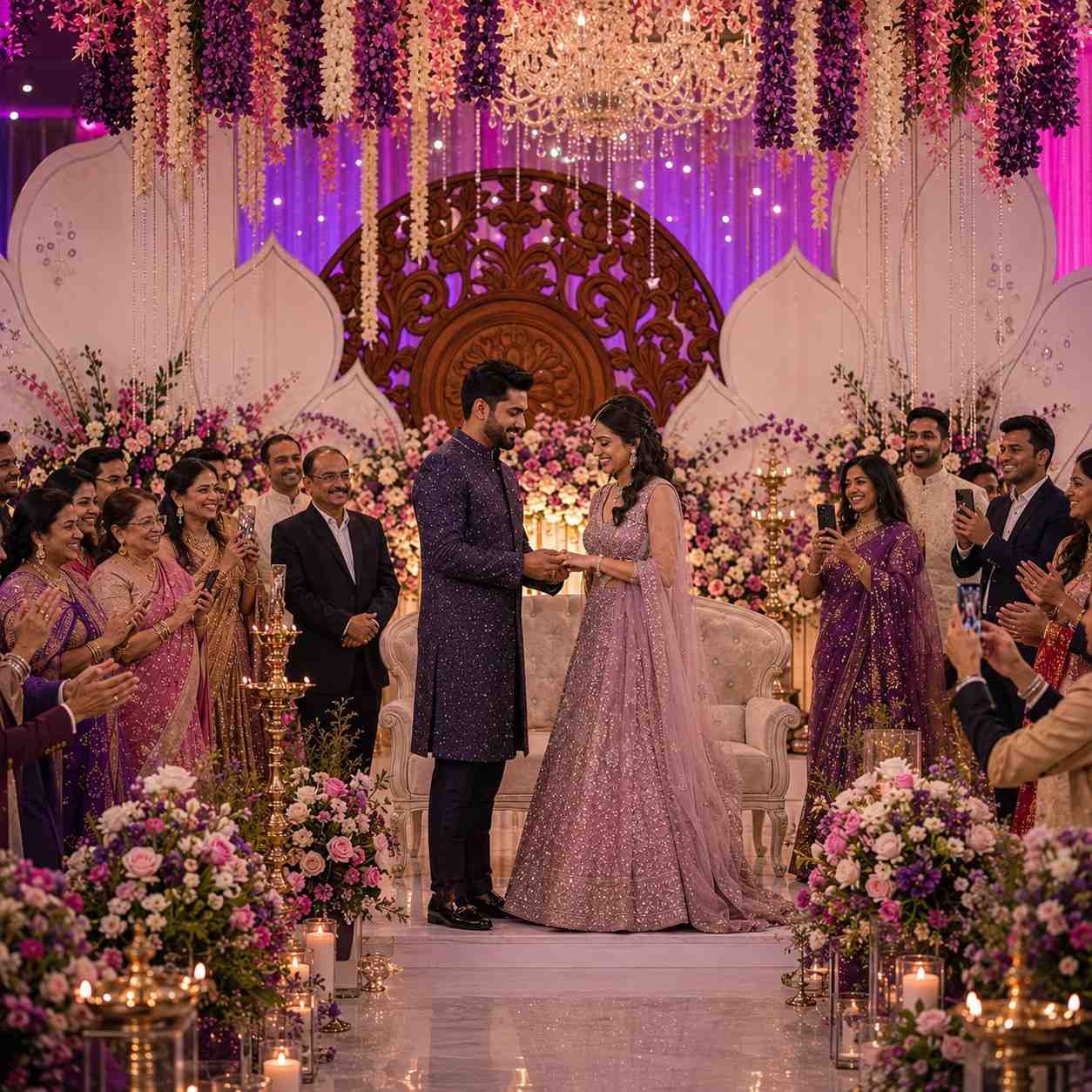
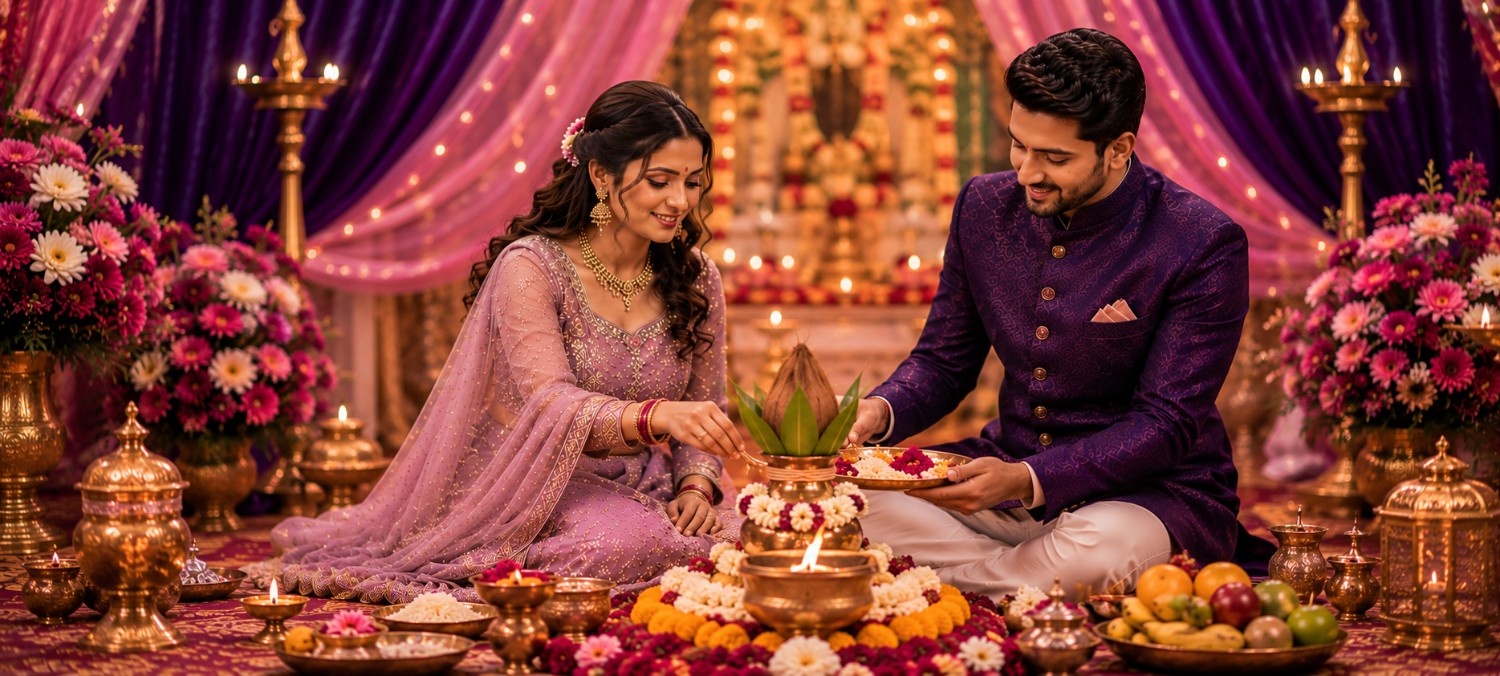
Vratham Pooja Ceremony
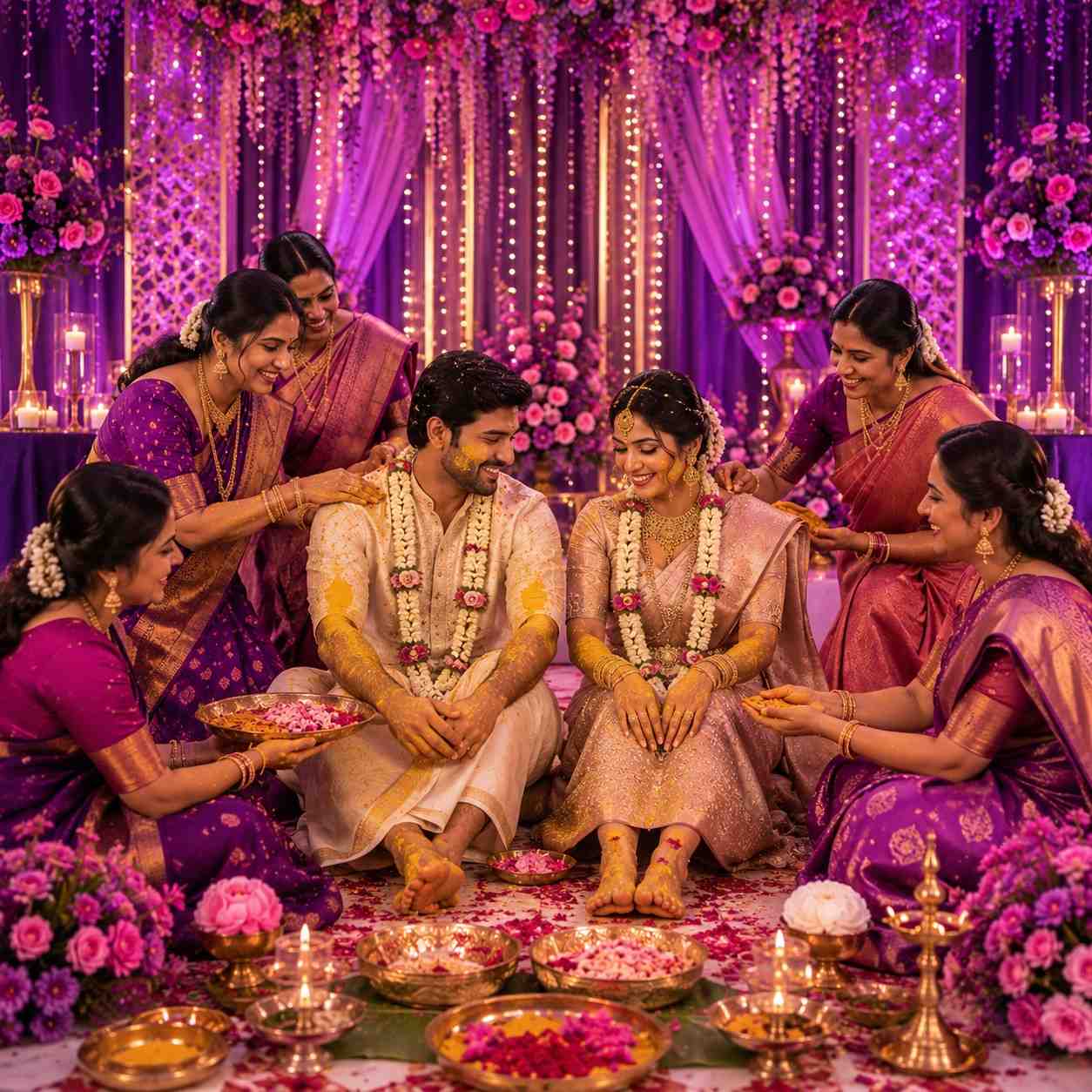
Experience the sacred Vratham Ceremony, a traditional pre-marriage ritual seeking divine blessings, purity, and prosperity for married life.
2
Explore Wedding Celebrations
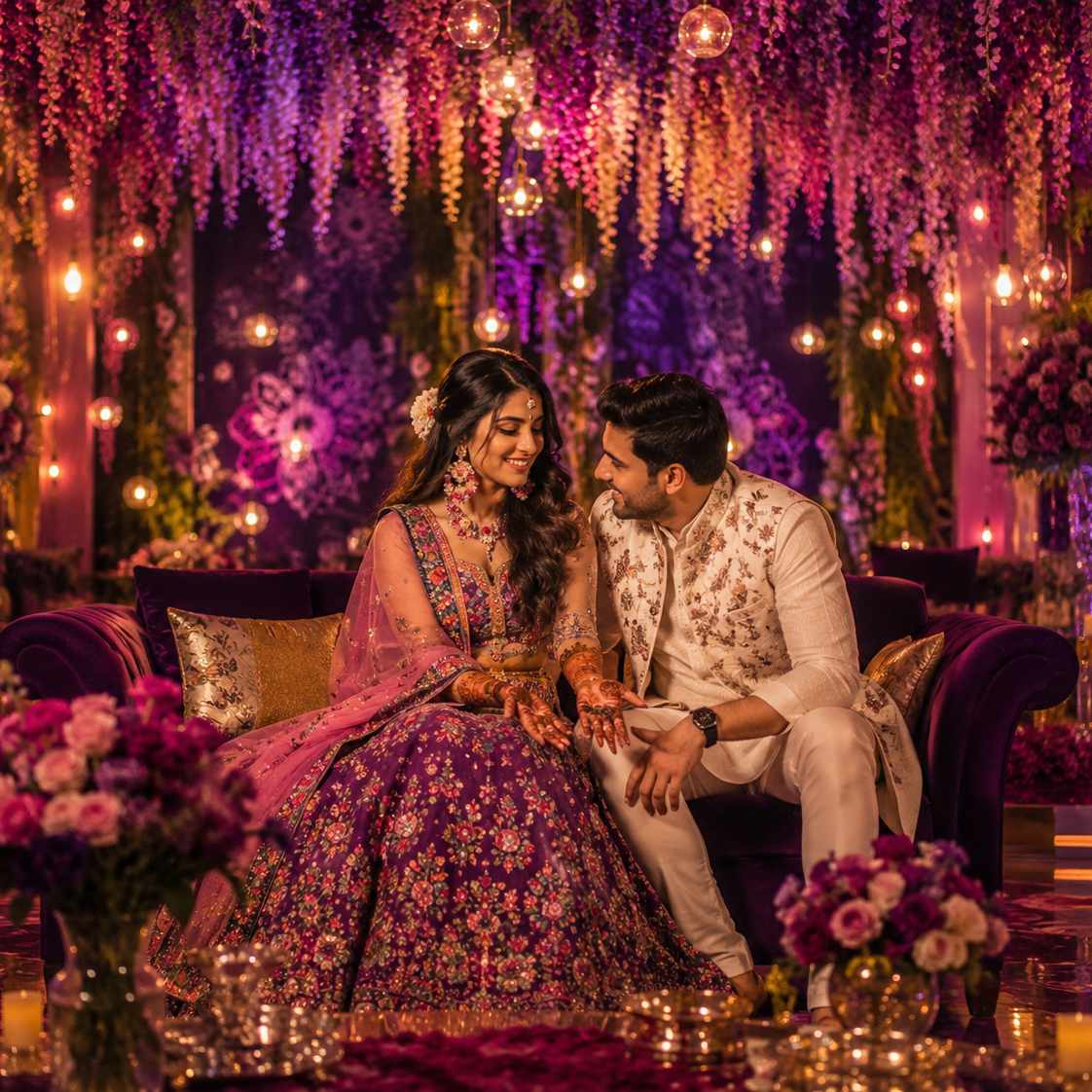
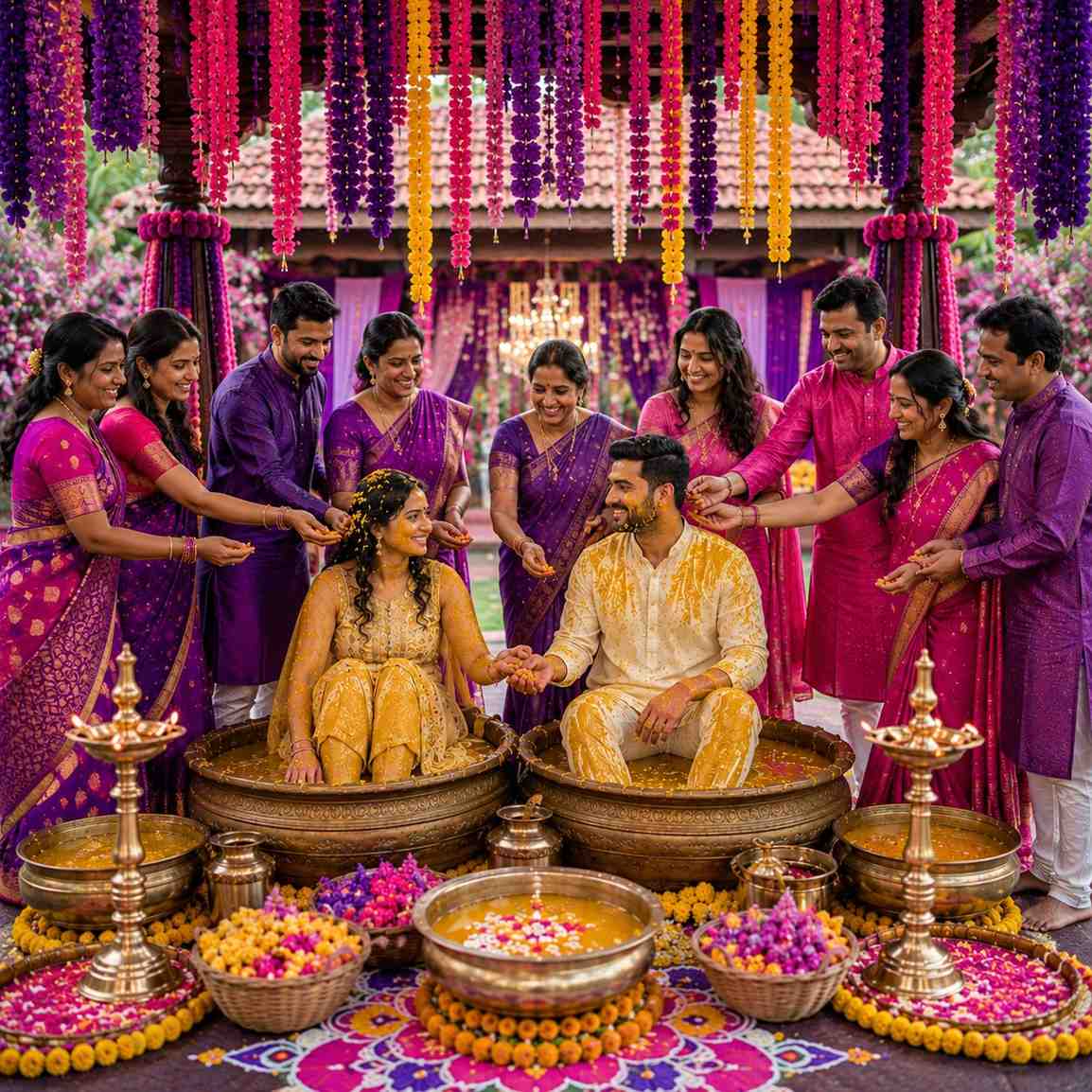
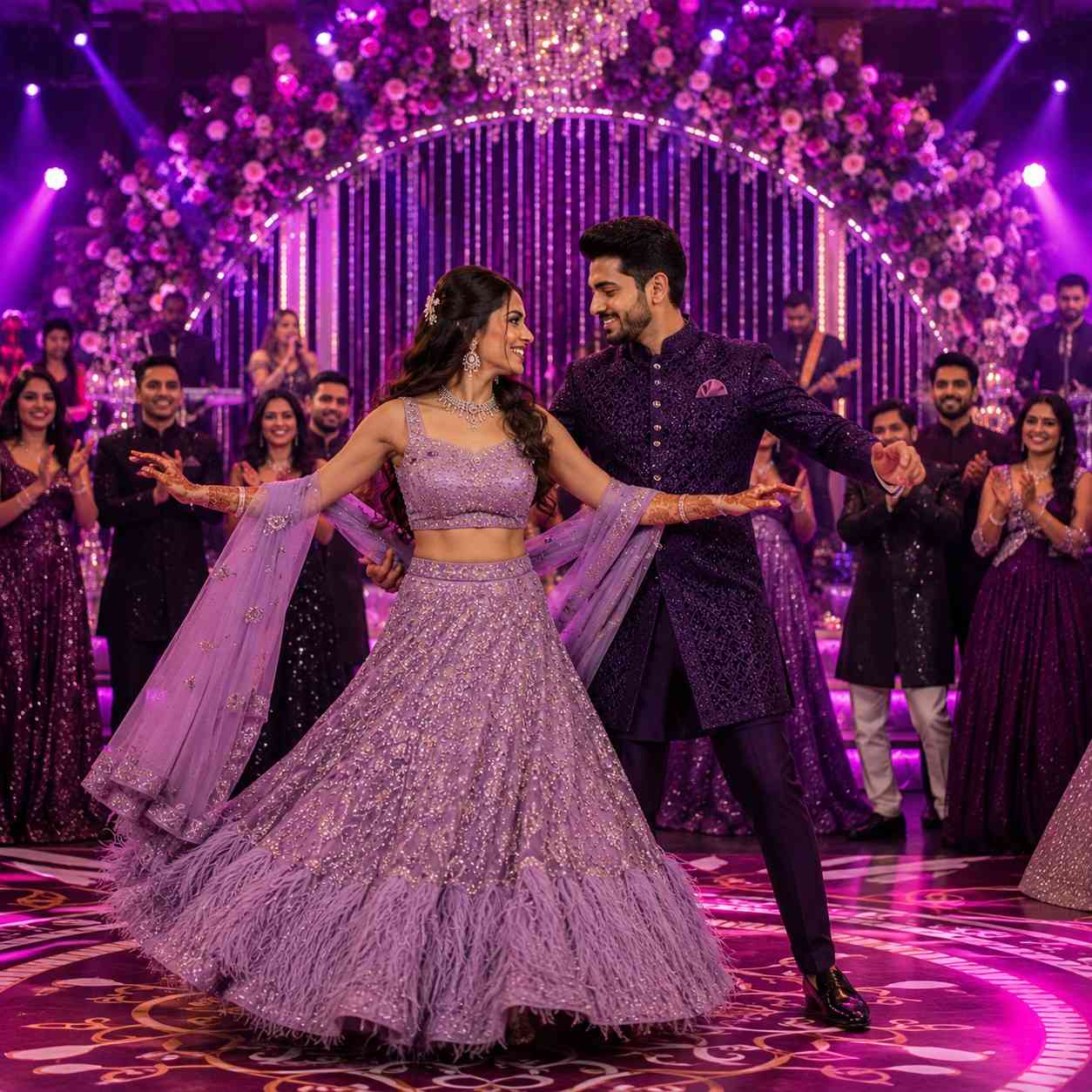
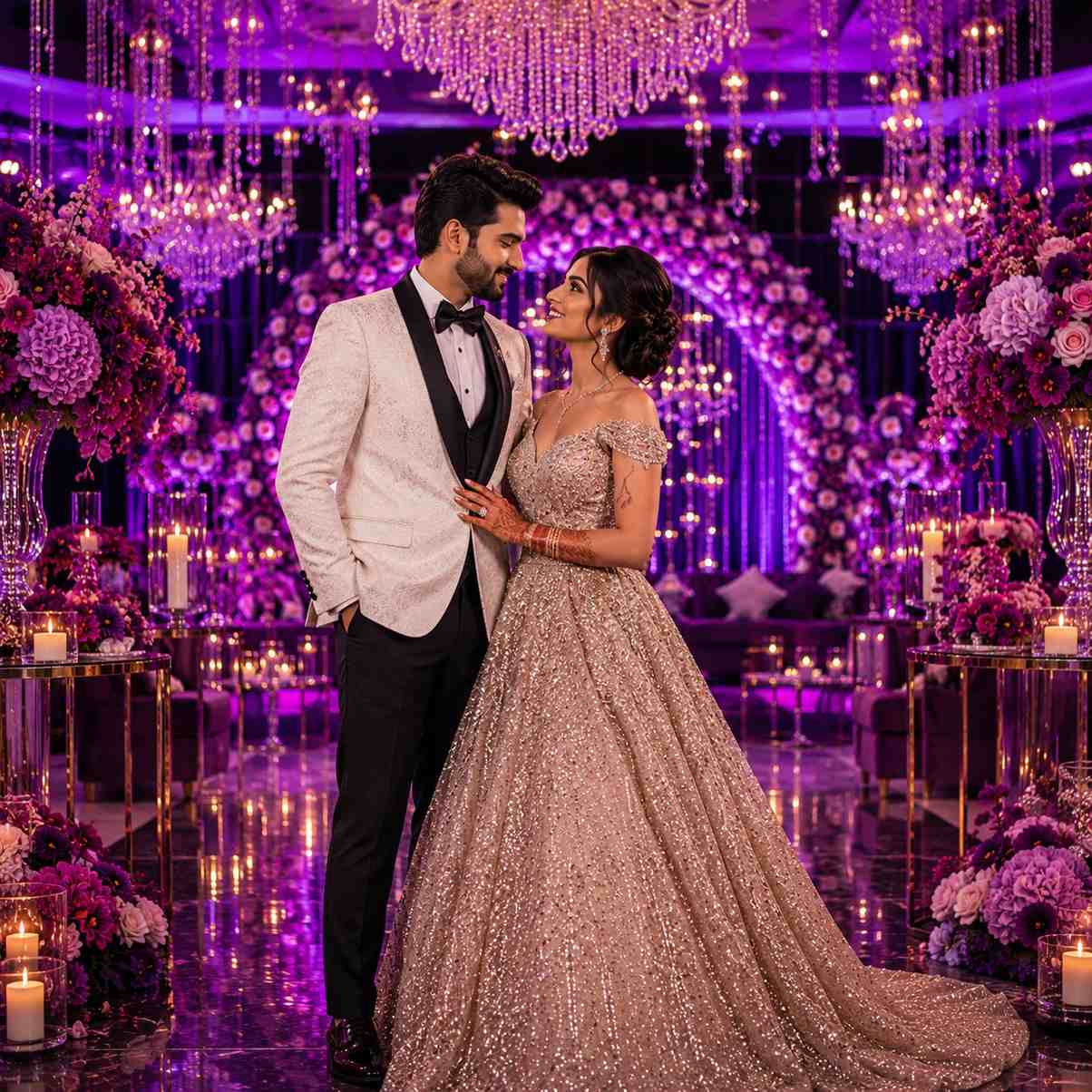
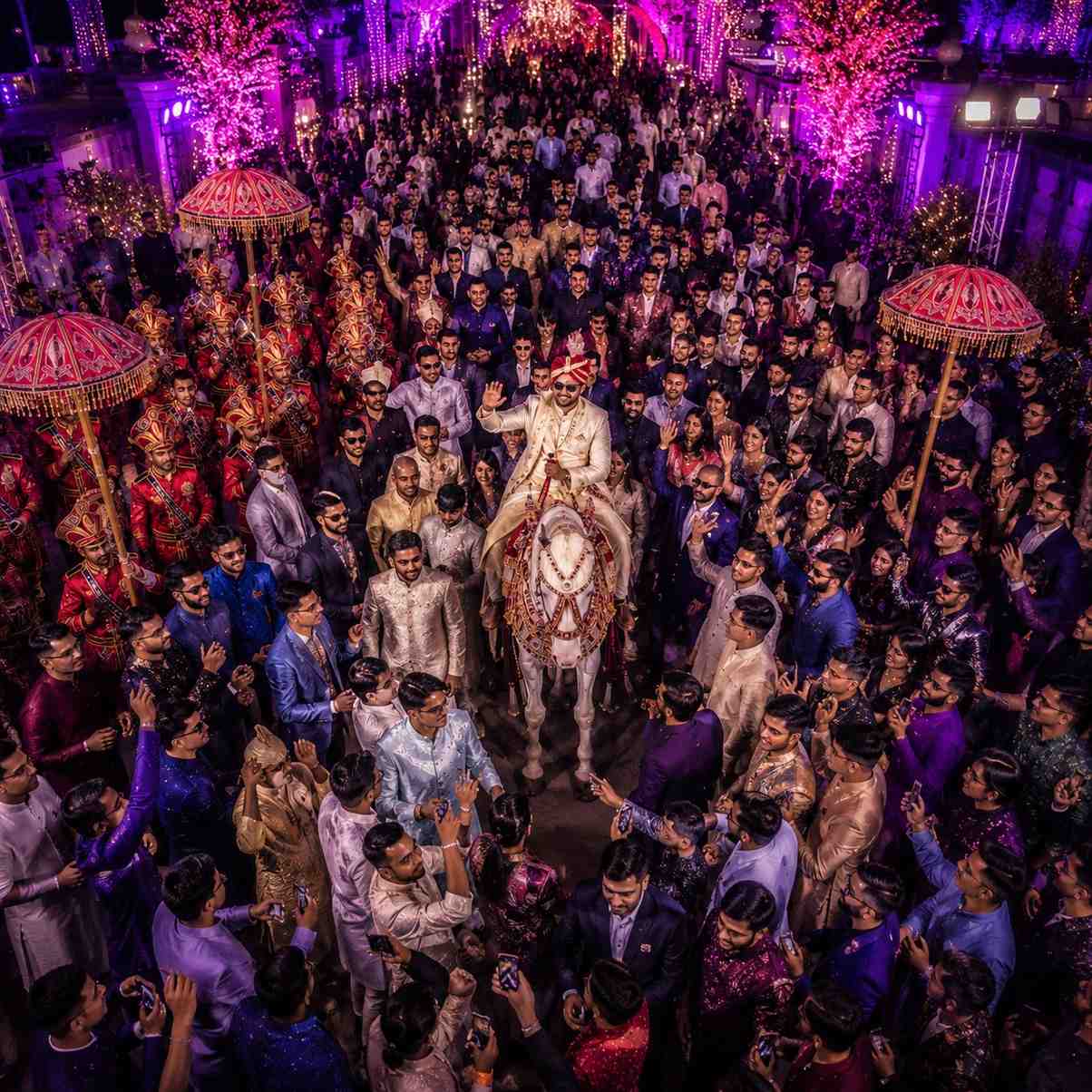
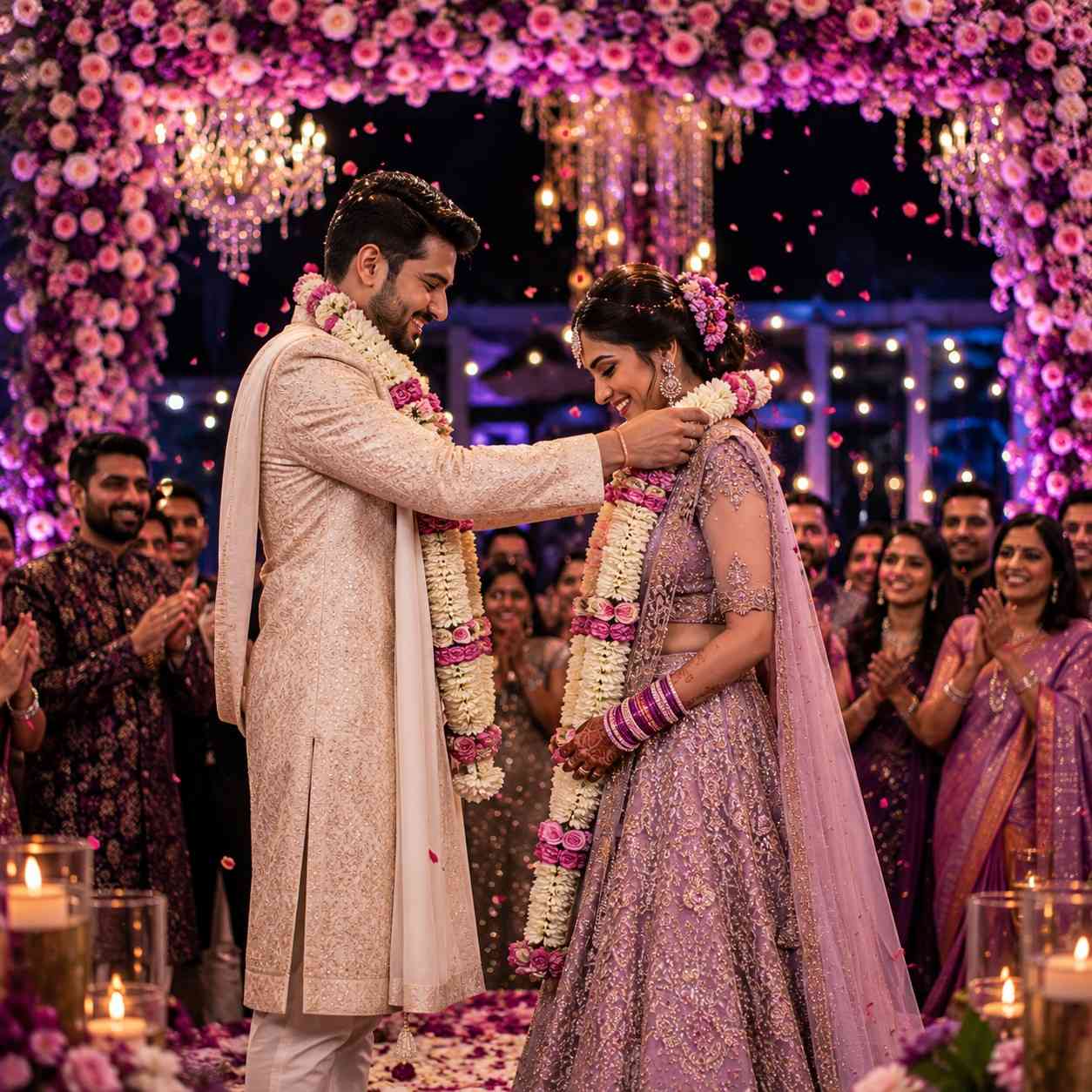
3
Explore Styles Celebrate By Style
4
View All Cities Popular Cities
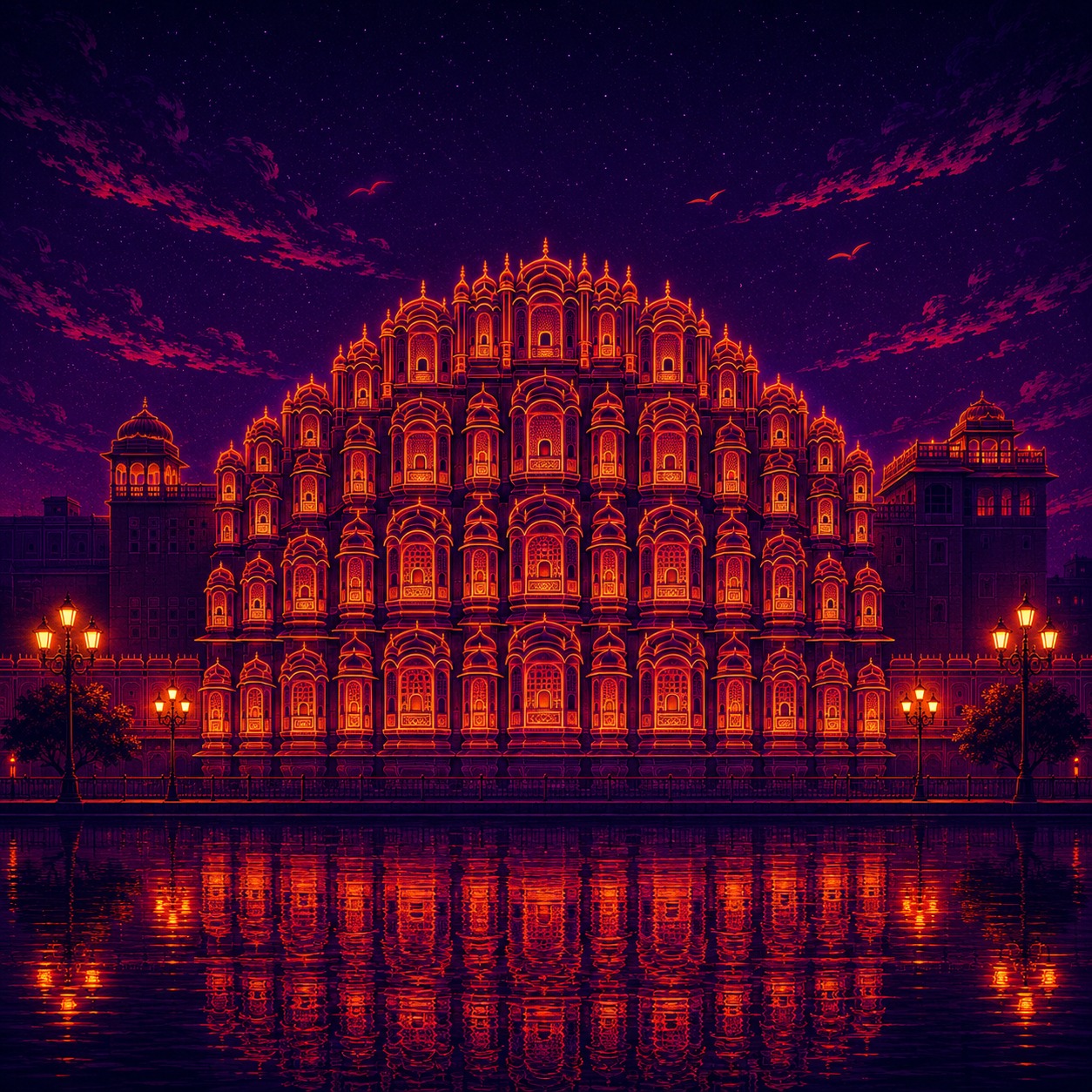
Jaipur
300+ Celebrations Hosted
Royal Grandeur in Pink

Goa
350+ Celebrations Hosted
Where Celebrations Meet Sunshine
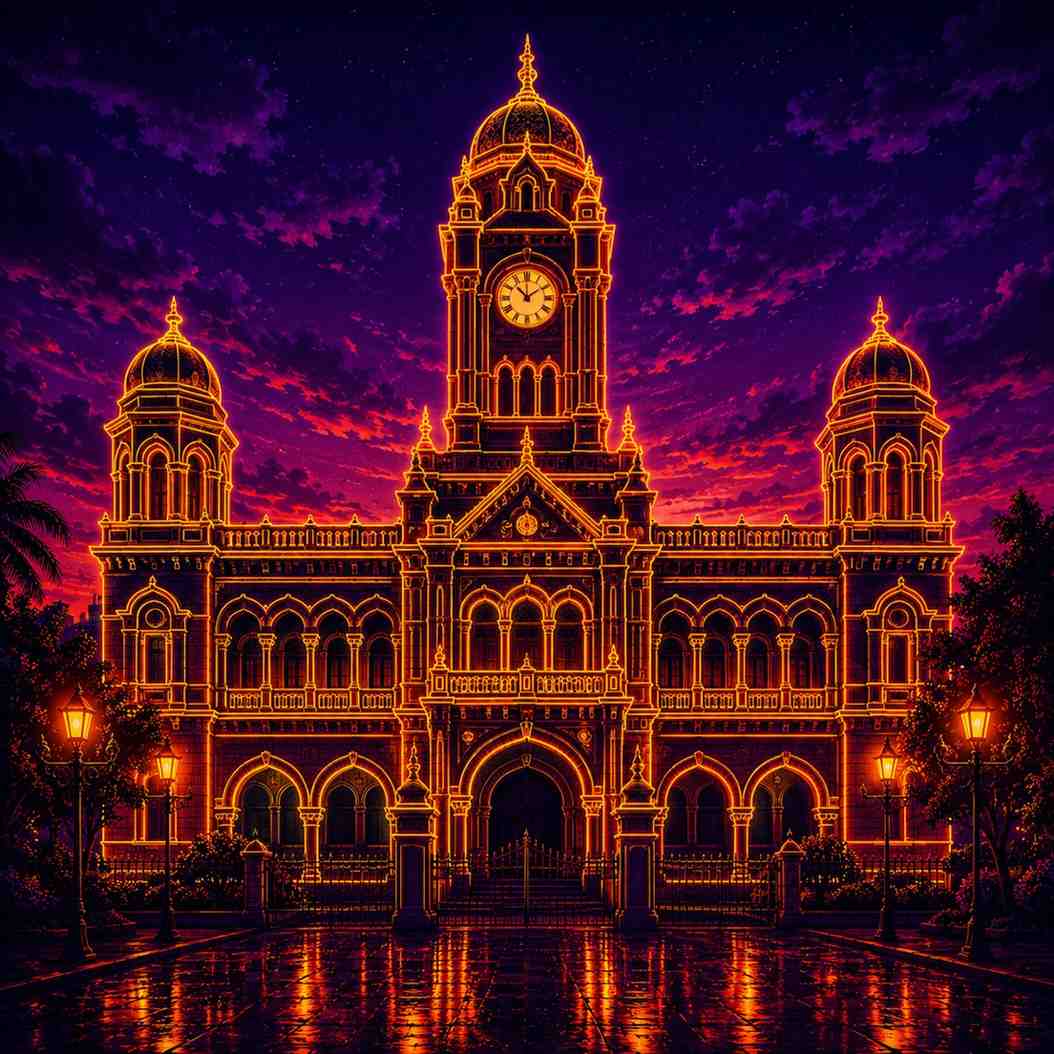
Chennai
500+ Celebrations Hosted
Tradition Meets Coastal Elegance
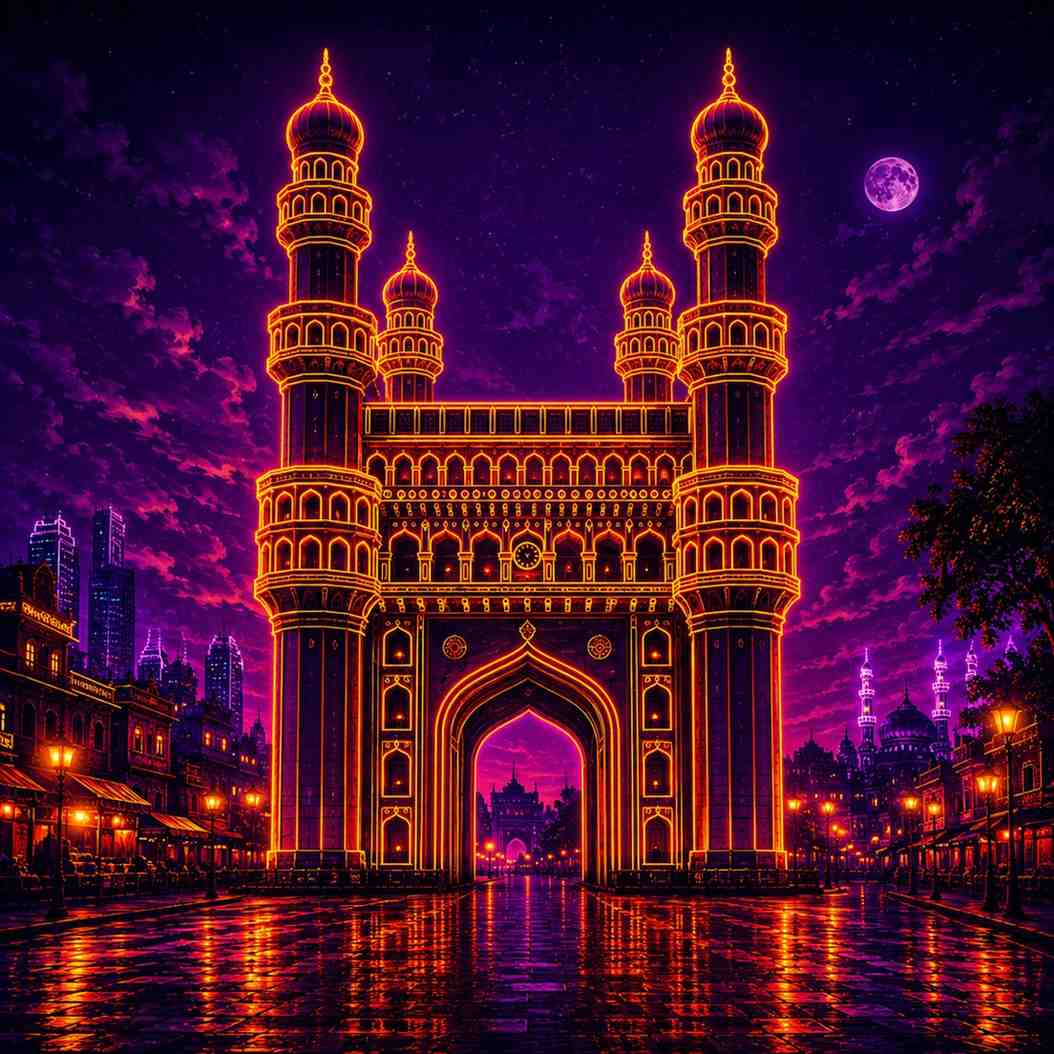
Hyderabad
400+ Celebrations Hosted
Heritage, Grandeur and Warmth
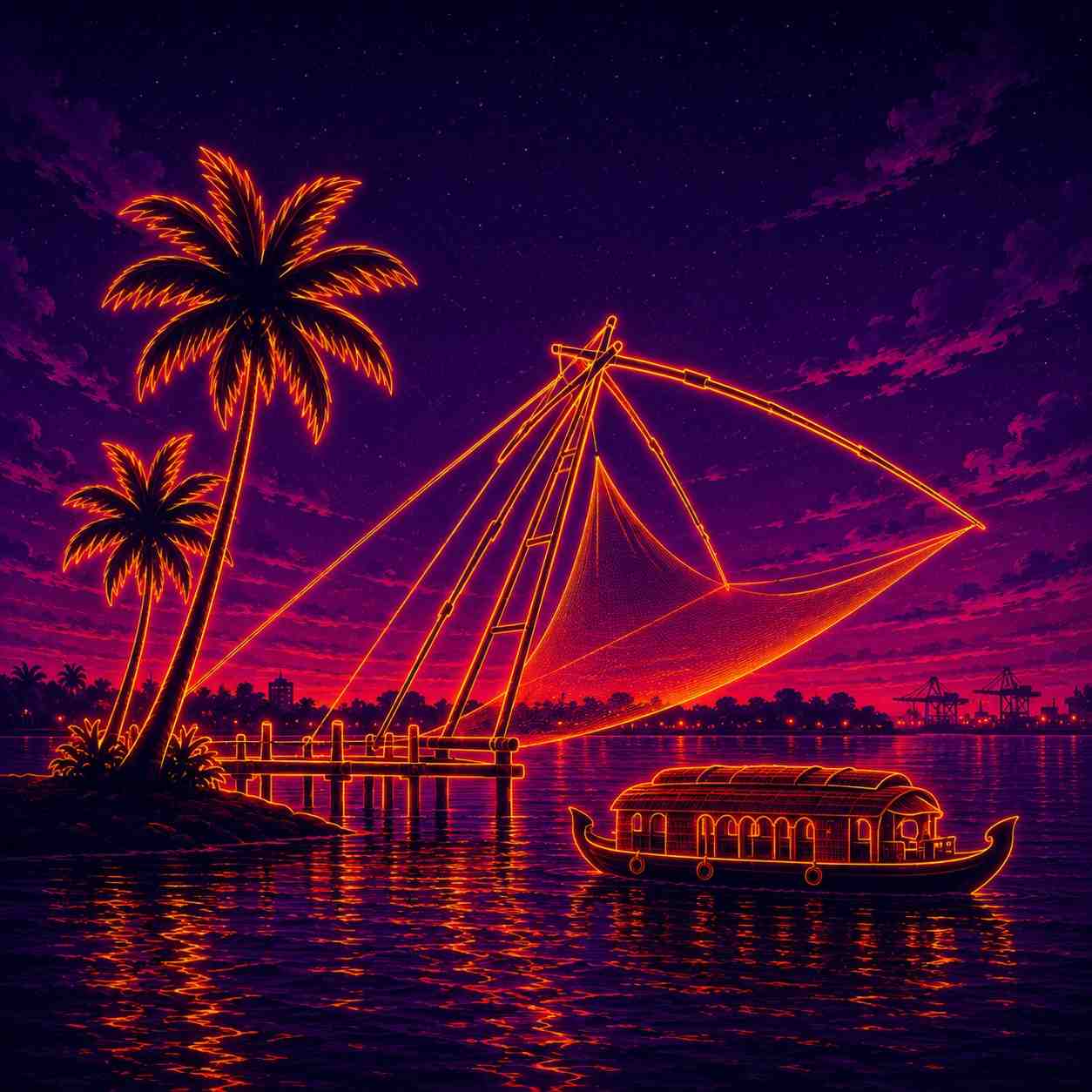
Kochi
250+ Celebrations Hosted
Where Heritage Meets Backwaters
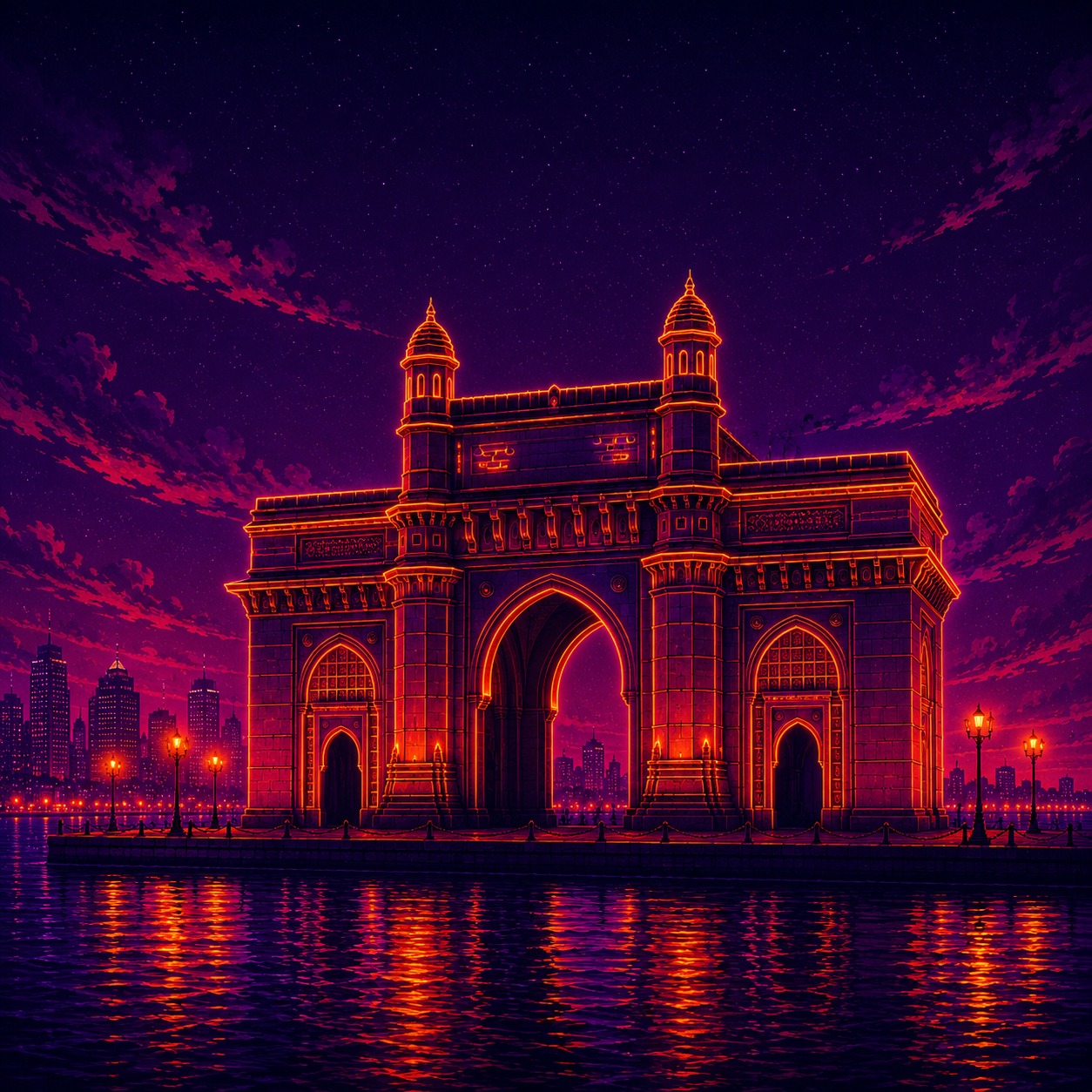
Mumbai
600+ Celebrations Hosted
Bold Energy, Endless Celebrations
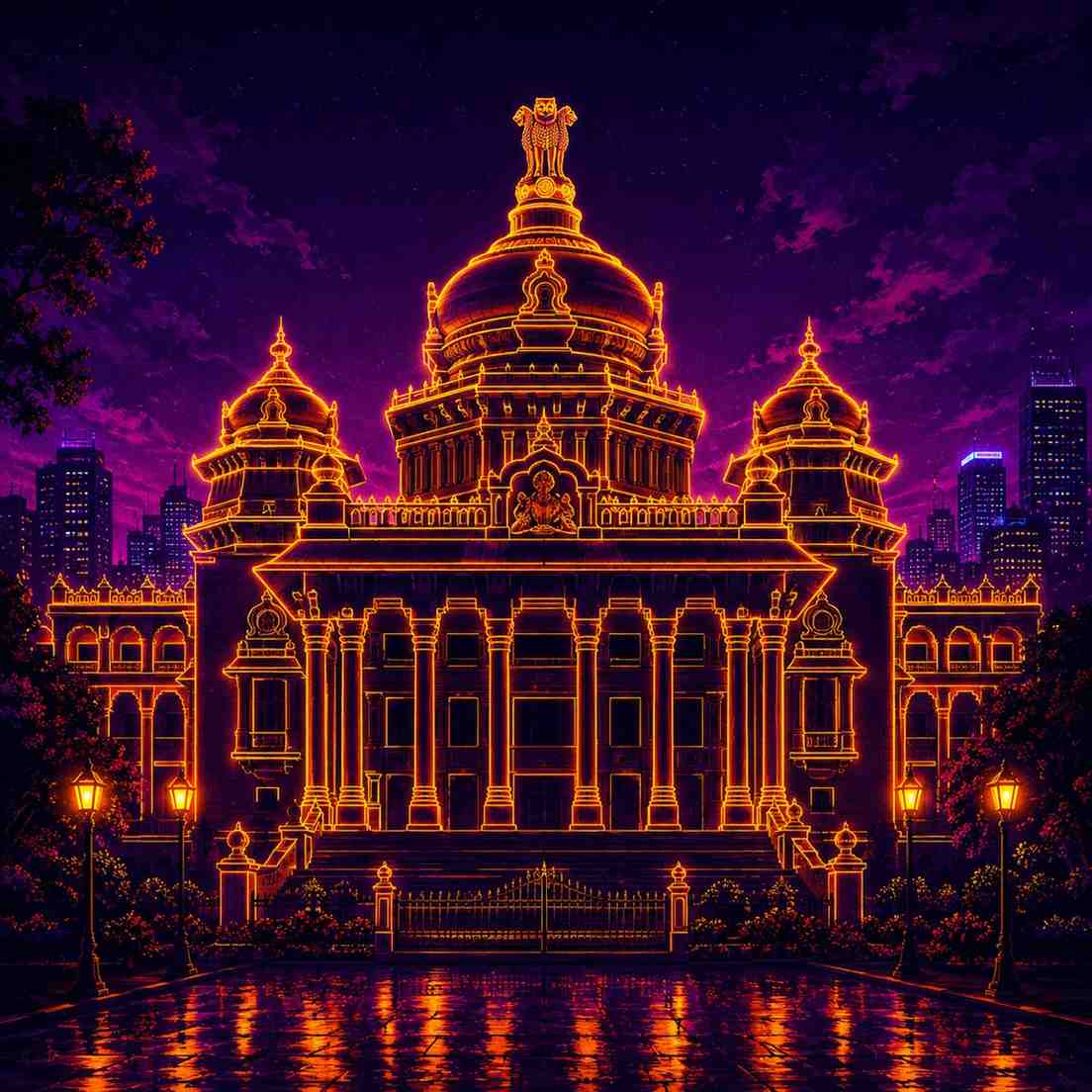
Bengaluru
450+ Celebrations Hosted
Modern Spirit, Creative Celebrations
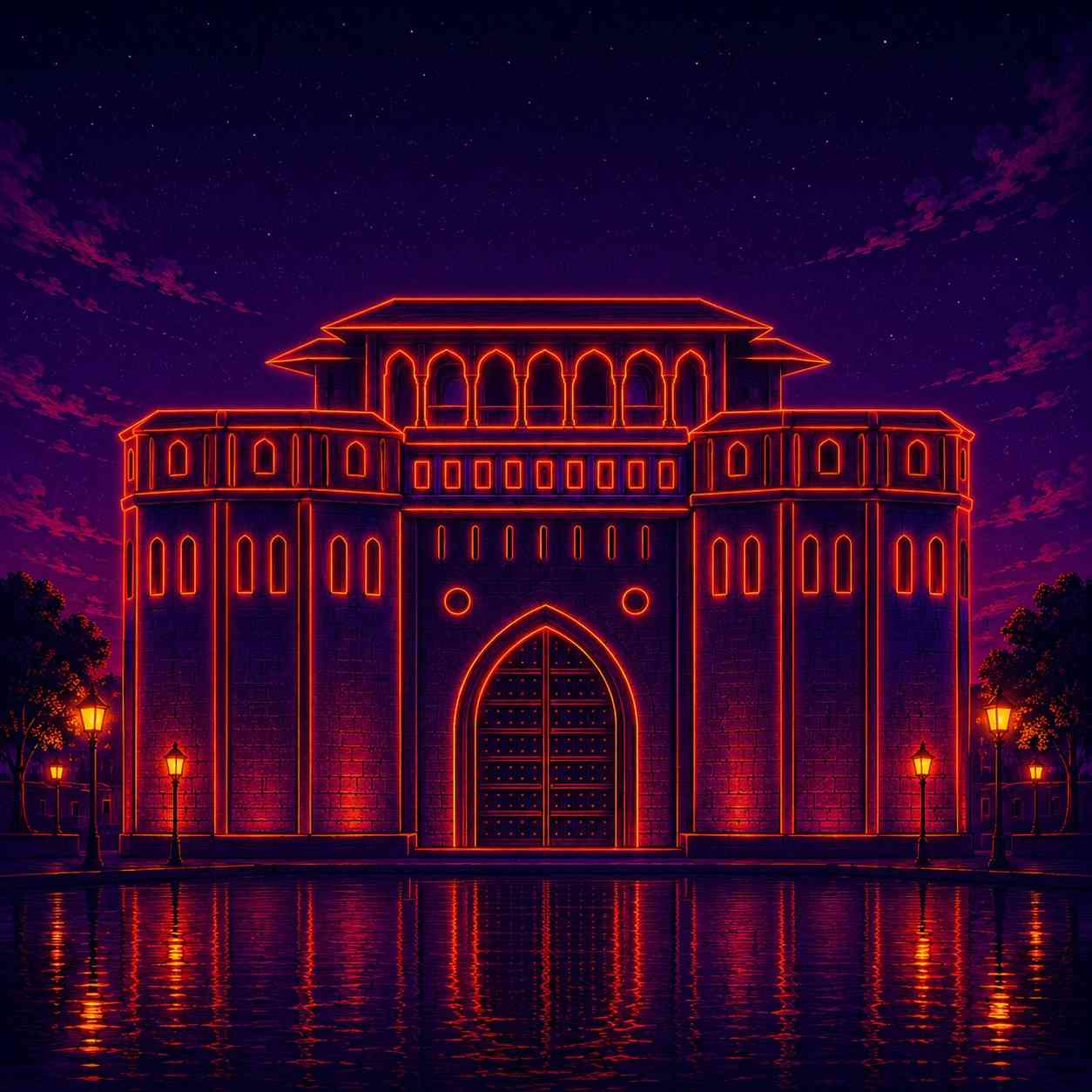
Pune
350+ Celebrations Hosted
Culture, Charm and Celebration
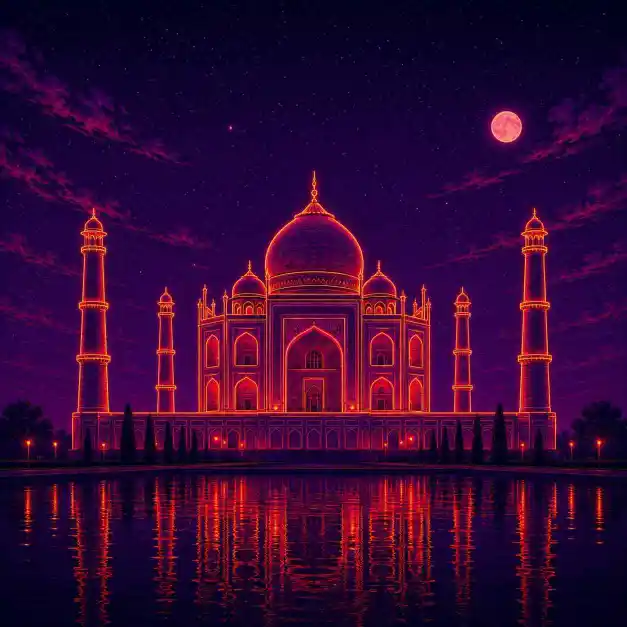
Delhi
550+ Celebrations Hosted
Where History Meets Grandeur
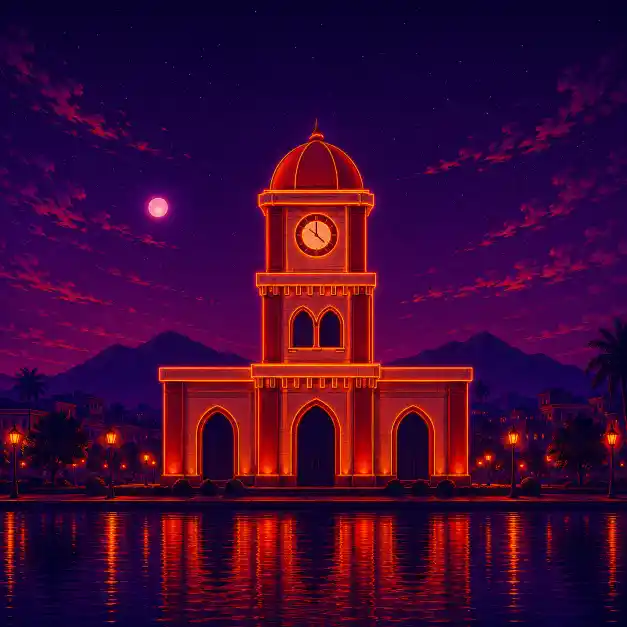
Coimbatore
200+ Celebrations Hosted
Tradition Rooted in Tranquility
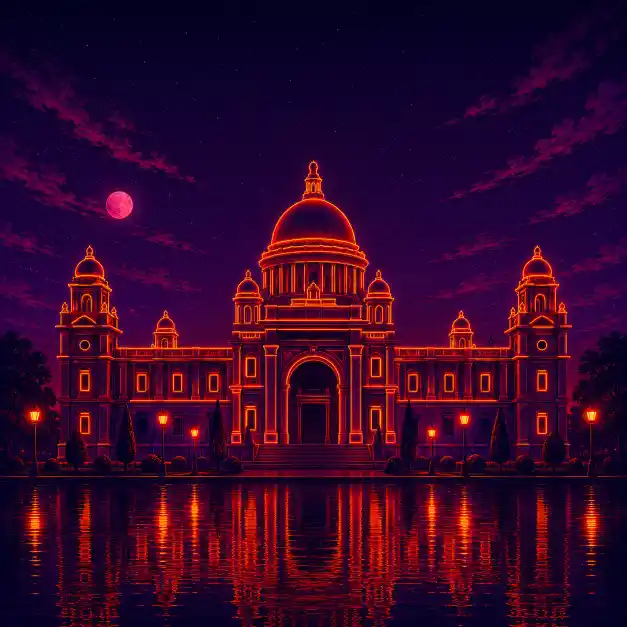
Kolkata
300+ Celebrations Hosted
Culture, Emotion and Celebration
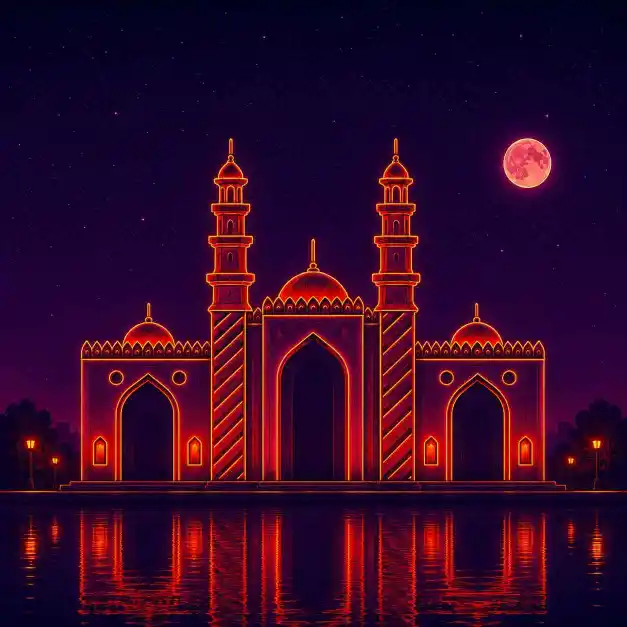
Ahmedabad
200+ Celebrations Hosted
Tradition with Vibrant Energy
5
View All Popular Experiences
6
Wedding Snapshot™
48+
Sub Events
180+
Experience Types
2000+
Venues
8000+
Vendors
150+
Cities
15+
Years of Expertise
12
Related Celebration Universes
Explore more ways to celebrate life.


Ready to plan your dream Vratham Ceremony?
Hiya & Hanu are here to make it magical, memorable & effortless.

◆
Vratham Pooja: Sacred Pre-Marriage Ritual in South Indian Brahmin Weddings
◆Introduction
Indian weddings are a beautiful blend of spirituality, traditions, and family values, where every ritual carries a deeper meaning and purpose. Among the significant South Indian wedding rituals, the Vratham Pooja holds a special place as a sacred pre-marriage ceremony performed to seek divine blessings, spiritual protection, and a harmonious beginning to married life.
The Vratham Ceremony is an important part of traditional Brahmin weddings, where the bride and groom prepare themselves spiritually before entering the sacred bond of marriage. Through prayers, fasting, rituals, and blessings from elders, the ceremony represents purity, devotion, and commitment towards the upcoming wedding journey.
Performed with great devotion and cultural significance, the Pre Marriage Ritual creates a meaningful connection between families and establishes a positive spiritual atmosphere before the wedding day. Today, many couples continue to celebrate Vratham Pooja by preserving traditional customs while adding elegant arrangements and personalised touches to make the occasion memorable.
Professional Vratham Pooja Ceremony for Every Celebration
The Vratham Pooja is a traditional South Indian Brahmin Function performed before the wedding ceremony to invoke blessings from deities and ancestors. The word “Vratham” refers to a spiritual vow or disciplined observance, where individuals dedicate themselves through prayers and rituals for a specific purpose.
During this sacred ceremony, the bride and groom participate in religious practices conducted by priests and elders. The rituals are performed to remove obstacles, invite positive energy, and prepare the couple spiritually for their new phase of life.
At Happiffie, we help families discover meaningful ways to celebrate important wedding milestones. From traditional ceremony ideas to professional event solutions, Happiffie supports couples and families in creating celebrations that honour cultural values while reflecting their personal style.
Significance of Vratham Pooja in South Indian Brahmin Weddings
The Vratham Ritual represents spiritual preparation before marriage. In traditional Hindu beliefs, marriage is considered a sacred commitment that requires blessings, purity, and divine guidance.
The key significance of the Vratham Ceremony includes:
- Seeking blessings from family deities and divine forces
- Preparing the bride and groom spiritually for marriage
- Removing obstacles before the wedding ceremony
- Invoking prosperity, happiness, and harmony
- Strengthening family bonds through traditional practices
The ceremony reminds the couple that marriage is not only a relationship between two individuals but also a sacred connection supported by family, culture, and spiritual values.
Traditional Rituals Performed During Vratham Ceremony
The customs followed during a Vratham Pooja may differ based on family traditions, regional practices, and community beliefs. However, several important rituals are commonly observed in South Indian Brahmin weddings.
Ganesh Pooja and Divine Prayers
Many families begin the ceremony by offering prayers to Lord Ganesha, seeking blessings for a smooth and obstacle-free wedding journey. This ritual establishes a positive and spiritual environment.
Sacred Sankalpam
The bride or groom, along with the priest, performs Sankalpam, which represents the intention and dedication behind the ritual. It signifies commitment towards completing the sacred ceremony with devotion.
Fasting and Spiritual Discipline
Traditionally, Vratham involves observing certain spiritual disciplines, including fasting or following specific customs suggested by elders and priests. These practices symbolise self-control, purity, and dedication.
Blessings from Elders
Parents, grandparents, and relatives participate in the ceremony by offering blessings to the bride and groom. These blessings represent family support and good wishes for a prosperous married life.
Protective Rituals
Sacred threads, prayers, and traditional offerings may be used as part of the ceremony to provide spiritual protection and positive energy for the couple.
Role of Vratham Pooja in Brahmin Wedding Traditions
The Brahmin Wedding Ceremony follows a series of sacred rituals that prepare the couple for marriage. Among these traditions, Vratham Pooja acts as an important spiritual beginning before the main wedding ceremonies.
In many South Indian Brahmin communities, the Vratham Ceremony is performed separately for the bride and groom or together with both families participating. It creates a peaceful atmosphere where relatives gather, prayers are offered, and the couple receives guidance from elders.
The ritual also highlights the importance of family involvement in Indian marriages, where generations come together to preserve customs and celebrate meaningful occasions.
How Vratham Pooja Ceremony Is Celebrated Today
Modern couples are finding new ways to celebrate traditional rituals while maintaining their cultural essence. A beautifully planned Pre Wedding Pooja can combine authentic customs with elegant arrangements.
Venue Selection
Vratham Pooja can be conducted at:
- Family homes
- Wedding halls
- Temple spaces
- Marriage venues
- Resort locations
The chosen venue should provide a peaceful environment suitable for prayers and family gatherings.
Traditional Ceremony Setup
A traditional Vratham setup often includes:
- Floral decorations
- Brass lamps
- Sacred vessels
- Traditional seating arrangements
- Fresh flower garlands
- Spiritual décor elements
These details enhance the devotional atmosphere while creating a visually appealing celebration space.
Photography and Memories
The Vratham Ceremony includes many emotional moments such as family blessings, traditional rituals, and interactions between relatives. Professional photography helps preserve these meaningful memories before the wedding day.
Important Elements Used in Vratham Pooja Rituals
Every item used during the Vratham Ritual carries symbolic importance and spiritual meaning.
Sacred Kalash
The Kalash represents prosperity, abundance, and divine presence during the ceremony.
Flowers and Garlands
Fresh flowers symbolise purity, happiness, and positive energy.
Turmeric and Kumkum
These traditional elements represent auspiciousness, protection, and blessings.
Lamps and Traditional Vessels
Lighting lamps creates a sacred atmosphere and represents the presence of divine energy.
Fruits and Offerings
Offerings made during the pooja express gratitude and seek blessings for a successful married life.
Regional Variations of Vratham Ritual Across South India
While the Vratham Pooja is commonly associated with South Indian Brahmin weddings, the way it is performed may vary across different communities.
Different regions may include unique customs such as:
- Specific prayers according to family traditions
- Different fasting practices
- Community-specific rituals
- Variations in ceremony timing
- Unique blessing traditions
Despite these differences, the purpose remains the same: preparing the couple spiritually and seeking blessings before marriage.
Best Practices for Organising a Meaningful Vratham Ceremony
Planning a Vratham Pooja requires attention to traditions, timing, and family participation.
Understand Family Customs
Every family follows unique wedding traditions. Consulting elders helps maintain authenticity and ensures important rituals are included.
Plan the Ceremony Schedule
A well-organised timeline helps coordinate prayers, priest requirements, guest arrangements, and photography.
Create a Peaceful Environment
Since Vratham is a spiritual ceremony, the setup should focus on simplicity, elegance, and devotional elements.
Personalise the Celebration
Families can add meaningful touches through traditional décor, family heirlooms, customised arrangements, and memorable photography.
How to Choose the Right Setup for Vratham Pooja
Selecting the right arrangement depends on the family’s traditions, venue preferences, and celebration style.
Traditional or Modern Approach
Families can choose a classic traditional setup or combine traditional rituals with contemporary event styling.
Venue Comfort
The venue should provide enough space for priests, family members, rituals, and seating arrangements.
Experienced Support
Professional event planners can help coordinate décor, logistics, and guest experience while allowing families to focus on the ceremony.
Cultural Authenticity
The setup should respect traditional practices while creating a comfortable and beautiful celebration atmosphere.
Why Choose Happiffie for Vratham Pooja Planning?
A sacred Vratham Pooja deserves careful planning that respects cultural traditions and creates a memorable experience for the family.
Happiffie helps couples and families explore wedding planning ideas, discover professional services, and organise meaningful celebrations. Whether you are planning an intimate home ceremony or a grand pre-wedding event, Happiffie provides inspiration and solutions to make every occasion special.
With a focus on personalised experiences, trusted services, and celebration expertise, Happiffie helps preserve traditional wedding moments while bringing modern convenience to the planning process.
Conclusion
The Vratham Pooja, a sacred Pre Marriage Ritual in South Indian Brahmin weddings, represents devotion, spiritual preparation, and family blessings before marriage. Through prayers, traditional customs, and meaningful rituals, the ceremony creates a positive foundation for the couple’s new journey together.
By celebrating the Vratham Ceremony with thoughtful planning and respect for traditions, families can create a memorable experience that connects generations and preserves the beauty of Indian wedding customs. Explore Happiffie for ideas, inspiration, and trusted solutions to make every wedding celebration meaningful.
Frequently Asked Questions (FAQs)
1. What is Vratham Pooja in a South Indian wedding?
Vratham Pooja is a sacred pre-marriage ritual performed in South Indian weddings to seek divine blessings, spiritual purity, and prosperity for the couple.
2. Why is Vratham Ceremony performed before marriage?
The ceremony is performed to prepare the bride and groom spiritually, remove obstacles, and receive blessings before entering married life.
3. Is Vratham Pooja part of Brahmin weddings?
Yes, Vratham Pooja is an important tradition followed in many South Indian Brahmin wedding ceremonies.
4. Who participates in the Vratham Ritual?
The bride, groom, parents, elders, relatives, and priests usually participate in the ceremony.
5. What happens during a Vratham Ceremony?
The ceremony includes prayers, sacred rituals, offerings, blessings, and traditional practices performed according to family customs.
6. Can Vratham Pooja be conducted at home?
Yes, many families conduct Vratham Pooja at their homes before moving to the wedding venue.
7. What decorations are suitable for Vratham Pooja?
Traditional floral décor, lamps, brass elements, and spiritual arrangements are commonly used to create a sacred atmosphere.
8. How long does a Vratham Ceremony take?
The duration depends on the rituals followed by the family and community traditions.
9. Is fasting compulsory during Vratham Pooja?
Fasting practices vary based on family customs and guidance from elders or priests.
10. What is the importance of Vratham in Hindu traditions?
Vratham represents devotion, discipline, and spiritual preparation before important life events.
11. Can modern couples personalise their Vratham Ceremony?
Yes, couples can personalise décor, venue arrangements, photography, and celebration style while preserving traditional rituals.
12. How can Happiffie help with Vratham Pooja planning?
Happiffie helps families discover wedding ideas, connect with professional services, and plan memorable celebrations while respecting cultural traditions.