
NalanguCeremony
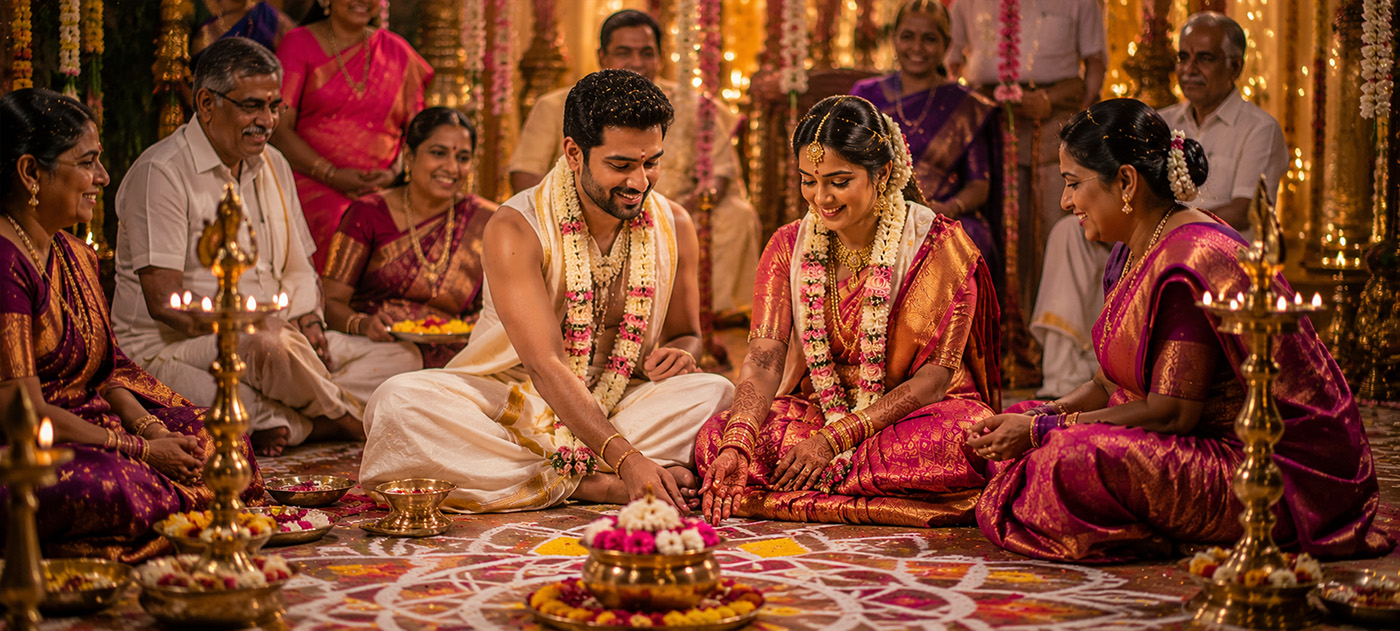
The Nalangu Traditional Ritual is a delightful pre-wedding celebration where tradition meets joy. With turmeric rituals, blessings, and playful customs like Pithi and Ubtan, it creates unforgettable moments of love and unity.
2
Explore Wedding Celebrations
3
Explore Styles Celebrate By Style
4
View All Cities Popular Cities
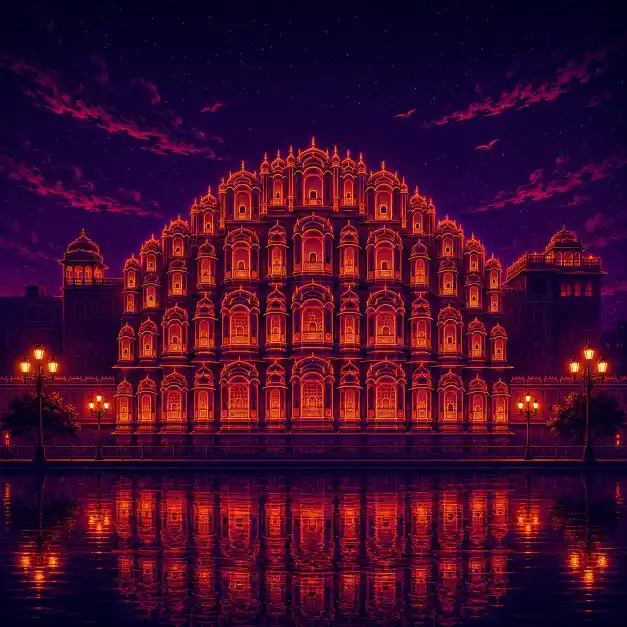
Jaipur
300+ Celebrations Hosted
Royal Grandeur in Pink

Goa
350+ Celebrations Hosted
Where Celebrations Meet Sunshine
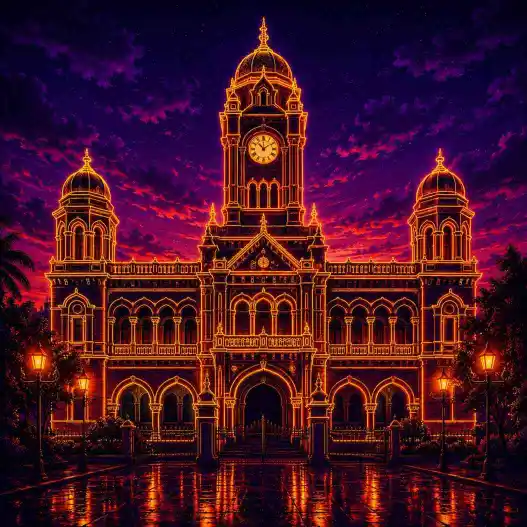
Chennai
500+ Celebrations Hosted
Tradition Meets Coastal Elegance
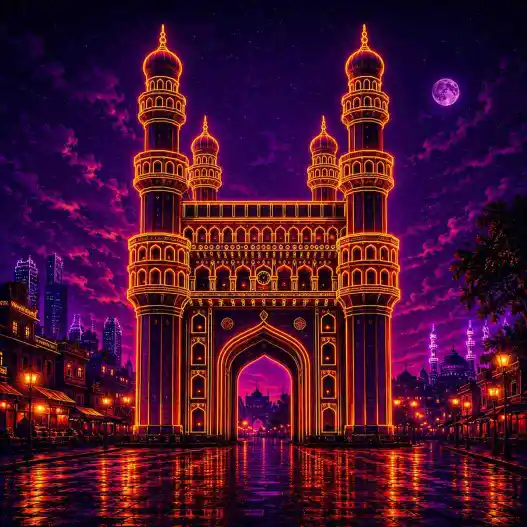
Hyderabad
400+ Celebrations Hosted
Heritage, Grandeur and Warmth
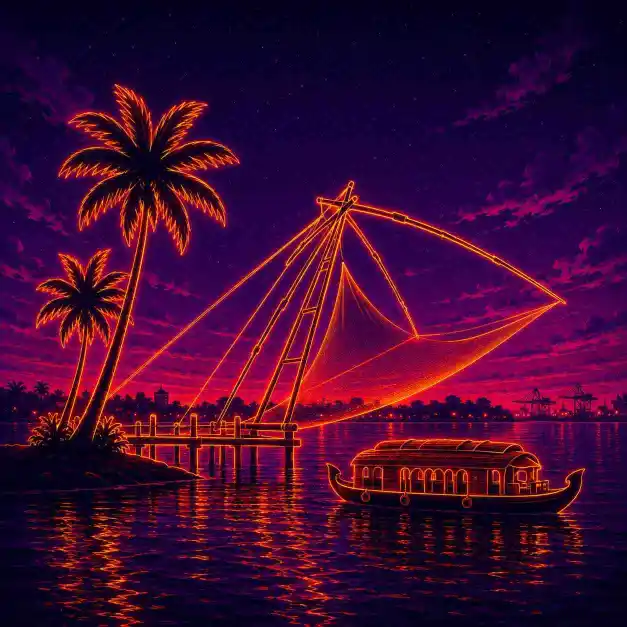
Kochi
250+ Celebrations Hosted
Where Heritage Meets Backwaters
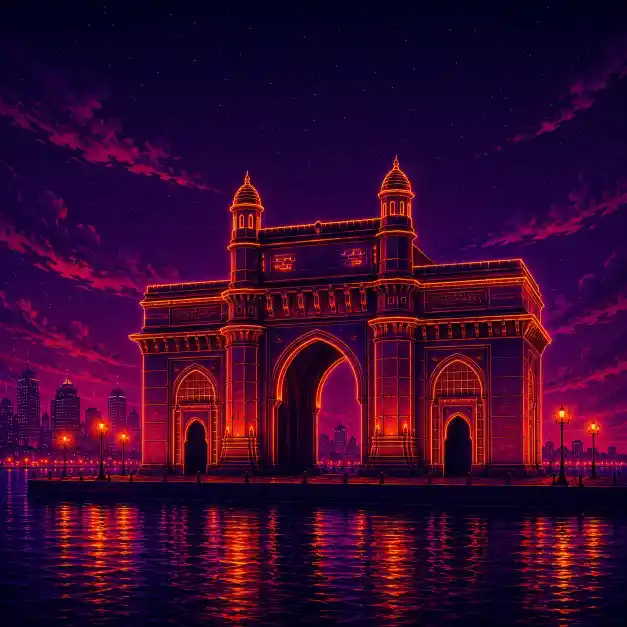
Mumbai
600+ Celebrations Hosted
Bold Energy, Endless Celebrations
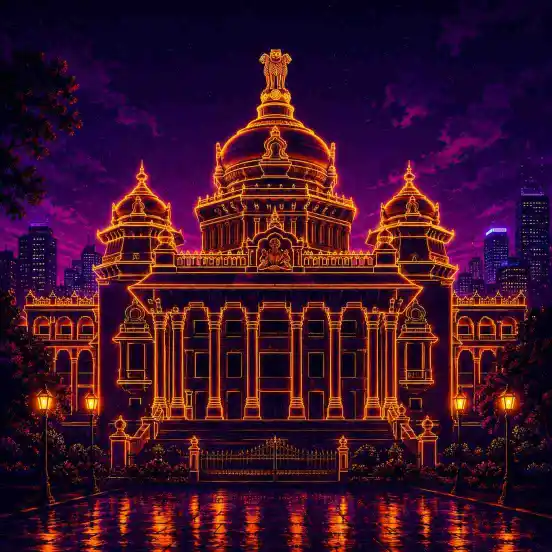
Bengaluru
450+ Celebrations Hosted
Modern Spirit, Creative Celebrations
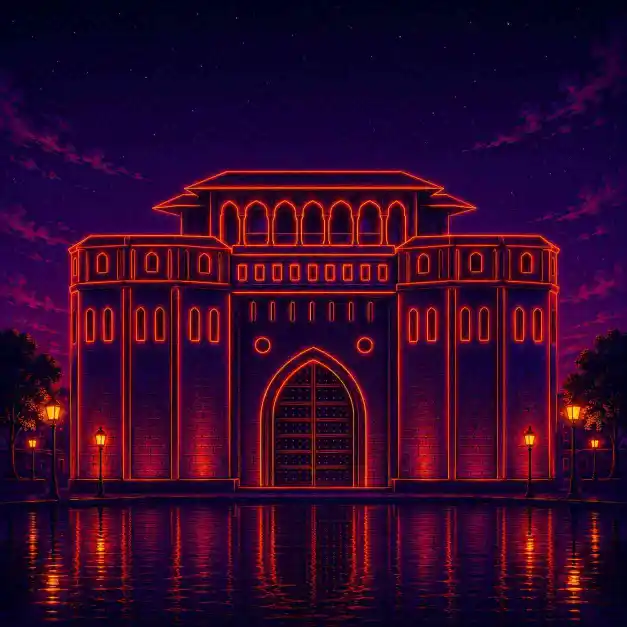
Pune
350+ Celebrations Hosted
Culture, Charm and Celebration
Delhi
550+ Celebrations Hosted
Where History Meets Grandeur
Coimbatore
200+ Celebrations Hosted
Tradition Rooted in Tranquility
Kolkata
300+ Celebrations Hosted
Culture, Emotion and Celebration
Ahmedabad
200+ Celebrations Hosted
Tradition with Vibrant Energy
5
View All Popular Experiences
6
Wedding Snapshot™
48+
Sub Events
180+
Experience Types
2000+
Venues
8000+
Vendors
150+
Cities
15+
Years of Expertise
12
Related Celebration Universes
Explore more ways to celebrate life.


Ready to plan your Nalangu Ceremony?
Hiya & Hanu are here to make it magical, memorable & effortless.

◆
Nalangu Traditional Ritual
◆Indian weddings are a beautiful blend of traditions, emotions, and cultural expressions that bring families together in celebration. Among the many pre-wedding customs, the Nalangu Traditional Ritual holds a special place, particularly in South Indian weddings. Known for its vibrant atmosphere and playful ceremonies, this ritual is a delightful mix of sacred traditions and joyful interactions.
The Nalangu Traditional Ritual is typically performed before the main wedding ceremony and serves as a way to bless the couple while preparing them for their new journey together. With turmeric, music, laughter, and heartfelt rituals, it creates an environment filled with positivity and togetherness.
The Cultural Significance of the Ceremony
The Nalangu Traditional Ritual is deeply rooted in cultural beliefs and symbolic practices. It is designed to purify, protect, and bless the bride and groom before their wedding day. Each activity performed during the ceremony carries a deeper meaning, reflecting the values and traditions passed down through generations.
This ritual is closely associated with practices like Mangala Snanam, where the couple undergoes a ceremonial bath symbolising purification. It is also linked to other regional traditions such as Manjal Neerattu and Gaye Holud, highlighting the diversity of Indian wedding customs while maintaining a shared essence.
A Celebration of Joy and Playfulness
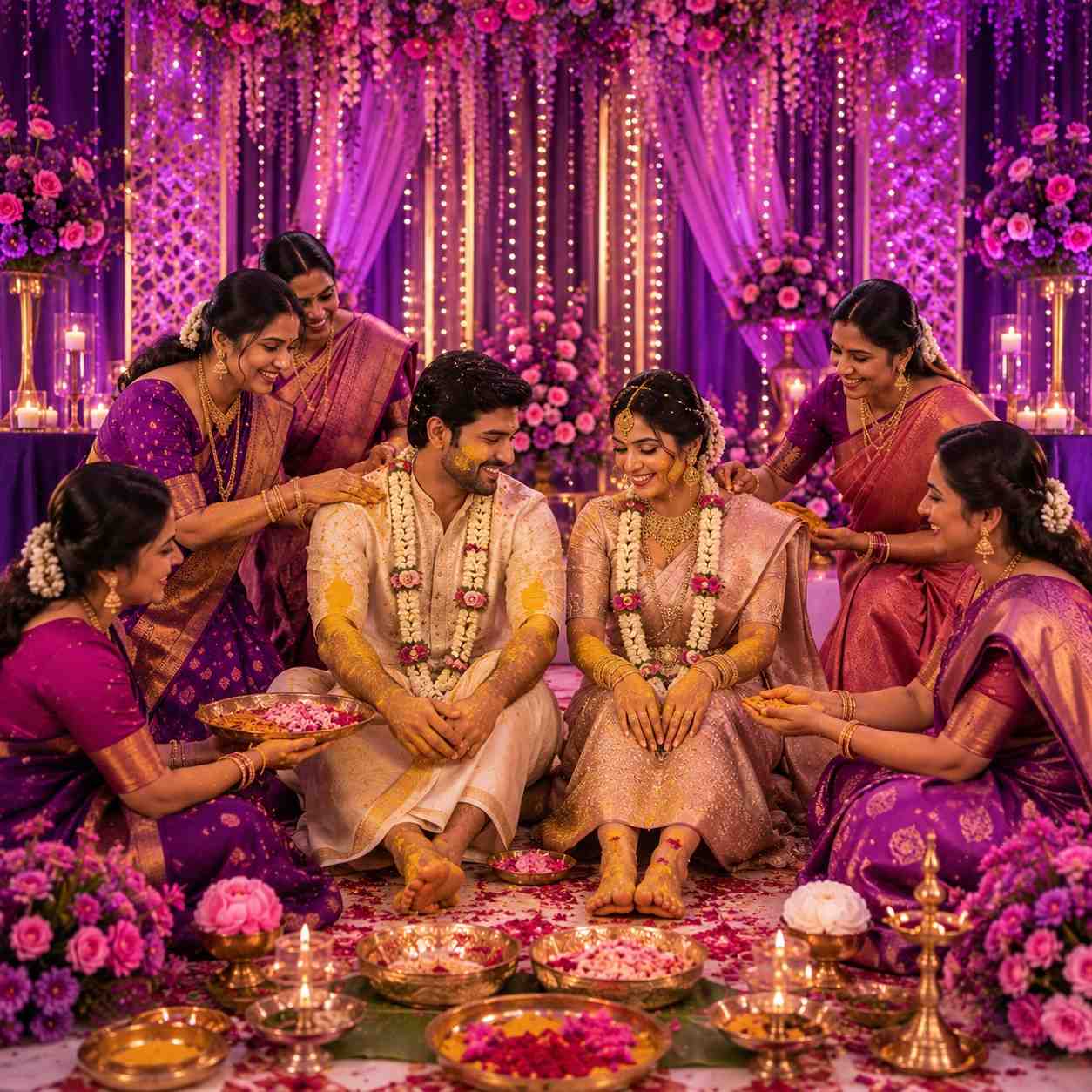
One of the most charming aspects of the Nalangu Traditional Ritual is its playful nature. Unlike more formal wedding ceremonies, this ritual encourages laughter, games, and light-hearted interactions between the bride and groom.
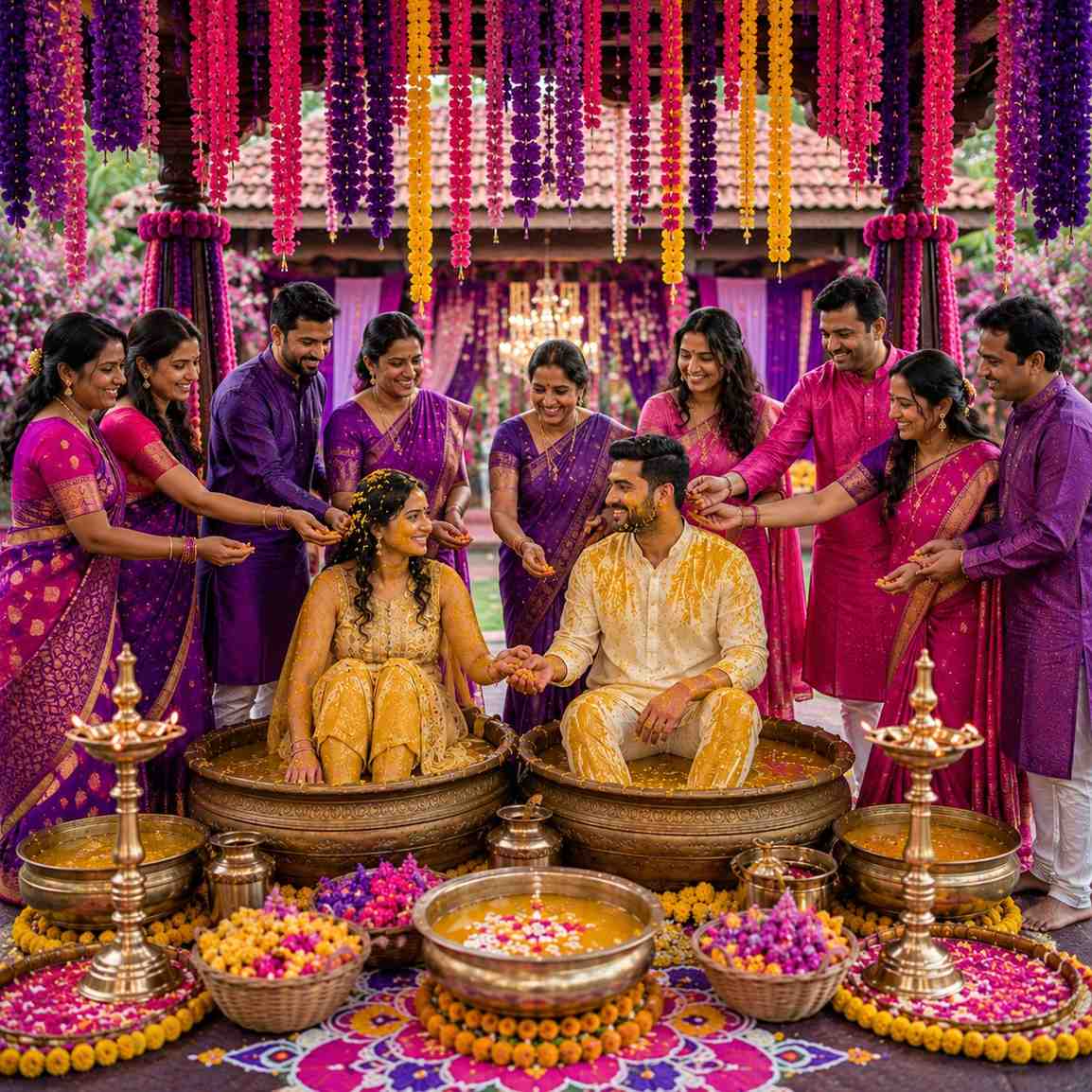
Family members often engage the couple in fun activities, applying turmeric paste, rolling coconuts, or playfully teasing them. These joyful moments create a relaxed atmosphere, making the Haldi ceremony and related customs even more memorable.
Rituals and Traditions Involved
The ceremony includes a variety of meaningful rituals that contribute to its significance. These customs may vary slightly depending on regional traditions, but they all share a common purpose of blessing and protecting the couple.
Mangala Snanam – The Sacred Bath
This ritual involves a ceremonial bath that symbolises purification and renewal. It prepares the bride and groom spiritually and physically for the wedding.
Aarti Ceremony – Invoking Blessings
The Aarti ceremony is performed to ward off negative energies and invite divine blessings. Family members circle a lit lamp around the couple, creating a sacred and protective aura.
Haldi, Pithi, and Ubtan Rituals
The application of turmeric paste is one of the most recognised elements of the Nalangu Traditional Ritual. Known by different names such as Pithi and Ubtan, this practice enhances the couple’s glow while symbolising purity and prosperity.
Symbolism Behind the Rituals
Each element of the ceremony carries symbolic meaning. Turmeric represents purification and protection, while oil and herbal pastes are believed to nourish and rejuvenate the skin.
The Nalangu Traditional Ritual also reflects the idea of preparing the couple for married life. Through playful games and rituals, it symbolises cooperation, understanding, and mutual respect.
Regional Variations Across India
Although primarily associated with South India, this ritual shares similarities with other regional ceremonies across the country. In Tamil traditions, it is known as Manjal Neerattu, while in Bengali culture, it resembles Gaye Holud.
These variations highlight the richness of Indian wedding customs, where similar rituals are celebrated in unique ways. Despite regional differences, the essence of the Nalangu Traditional Ritual remains the same—celebrating love, purity, and new beginnings.
Modern Interpretations and Trends
In contemporary weddings, couples often add creative touches to traditional rituals. The Nalangu Traditional Ritual is no exception, with modern décor, themed setups, and personalised elements enhancing the overall experience.
From floral backdrops to curated music playlists, the ceremony is transformed into a lively celebration. Despite these innovations, the core values of the ritual remain unchanged, preserving its cultural significance.
Planning a Meaningful Ceremony
Organising this ritual requires thoughtful preparation to ensure a smooth and enjoyable experience. From selecting the right materials to coordinating the sequence of events, every detail matters.
Key considerations include:
- Choosing natural ingredients for turmeric and ubtan
- Arranging seating and décor for comfort and aesthetics
- Planning music and entertainment
- Coordinating with family members for ritual participation
With proper planning, the Nalangu Traditional Ritual becomes a seamless blend of tradition and celebration.
The Role of Family and Community
Family plays a central role in this ceremony, making it a truly collective experience. Elders bless the couple, while younger members bring energy and excitement to the event.
The Aarti ceremony and other rituals are often performed by close relatives, reinforcing bonds and creating a sense of unity. This involvement makes the Nalangu Traditional Ritual a deeply emotional and meaningful occasion.
Creating Lasting Memories
This ceremony is filled with moments that are both emotional and joyful. From laughter during playful games to heartfelt blessings from elders, every aspect contributes to unforgettable memories.
The vibrant colours, traditional attire, and lively atmosphere make the ritual visually stunning. Whether it’s the glow from the Haldi ceremony or the elegance of the rituals, the experience leaves a lasting impression on everyone involved.
Frequently Asked Questions
What is the Nalangu Traditional Ritual?
It is a pre-wedding ceremony in South Indian weddings that involves playful rituals, blessings, and purification practices.
What is Mangala Snanam?
It is a ceremonial bath performed as part of the ritual to purify the bride and groom.
How is it different from the Haldi ceremony?
While both involve turmeric application, the Nalangu Traditional Ritual includes additional games and rituals, making it more interactive.
Is this ritual performed in all Indian weddings?
It is mainly seen in South Indian weddings but has similarities with other regional customs.
Can the ceremony be customised?
Yes, modern weddings often incorporate personalised themes and décor while retaining traditional elements.