
Tilak CeremonyTradition
The Tilak Ceremony is a meaningful pre-marriage ritual that symbolizes respect, blessings, and the strengthening of family bonds. Celebrate this cherished tradition with sacred customs, heartfelt ceremonies, and joyful moments that mark the beginning of the wedding journey.
2
Explore Wedding Celebrations

3
Explore Styles Celebrate By Style
4
View All Cities Popular Cities
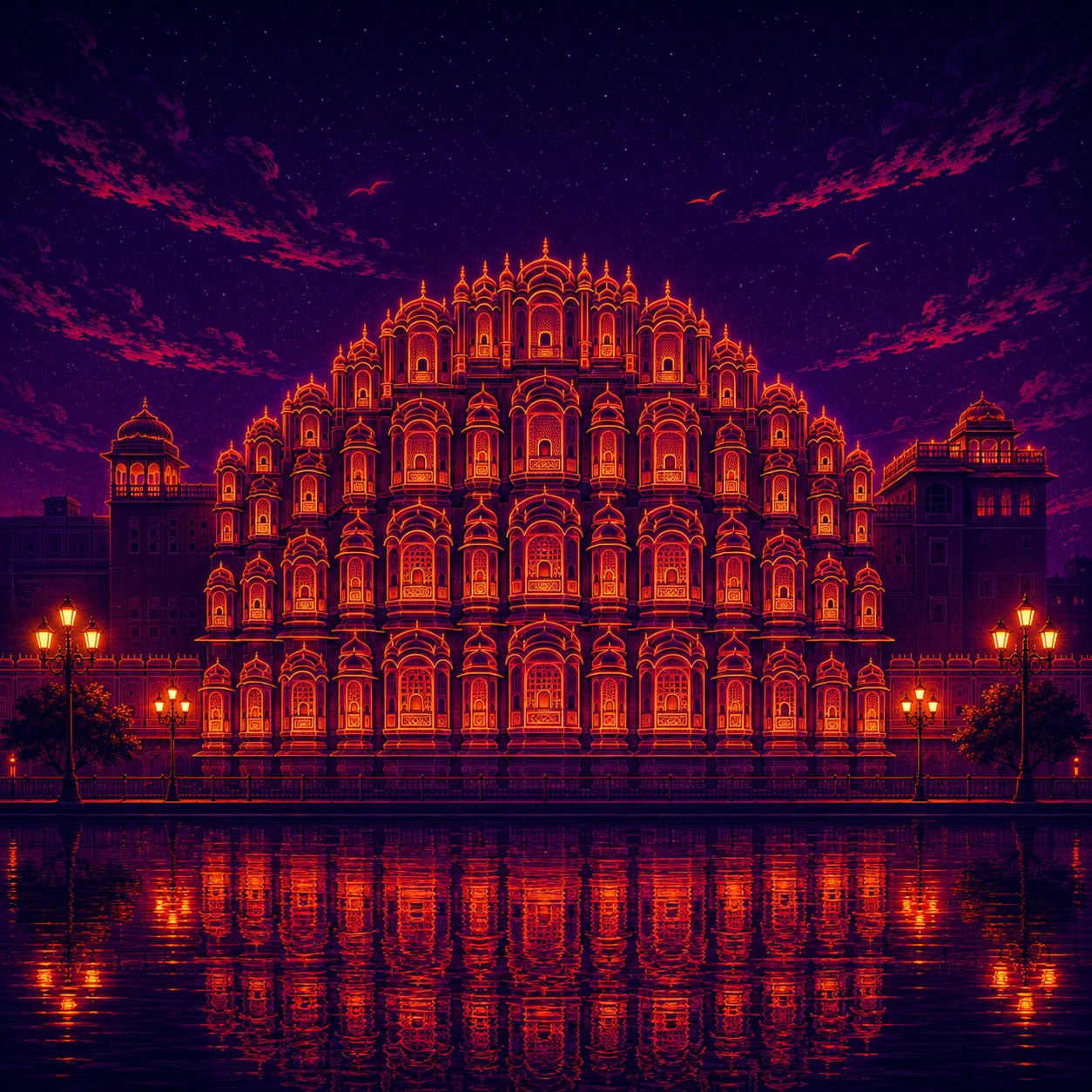
Jaipur
300+ Celebrations Hosted
Royal Grandeur in Pink

Goa
350+ Celebrations Hosted
Where Celebrations Meet Sunshine
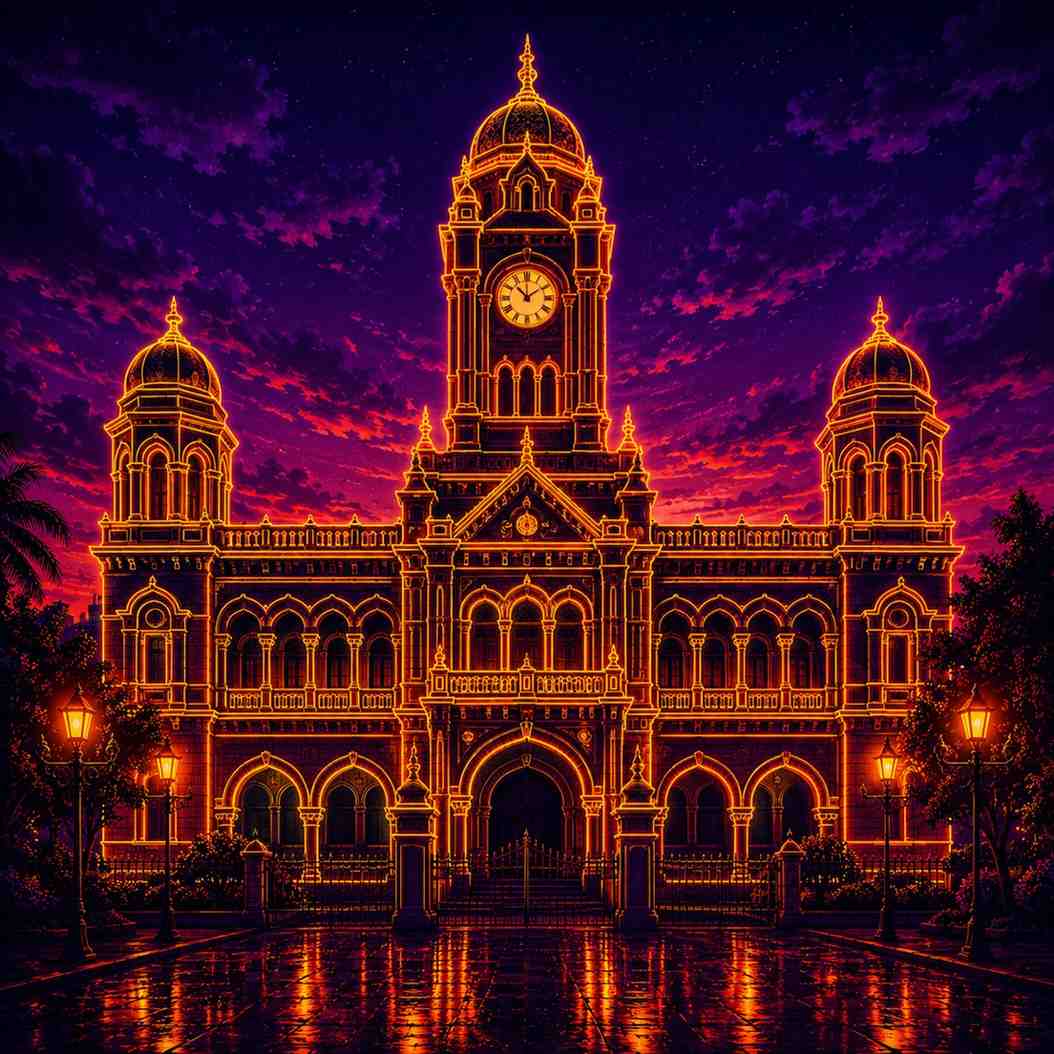
Chennai
500+ Celebrations Hosted
Tradition Meets Coastal Elegance
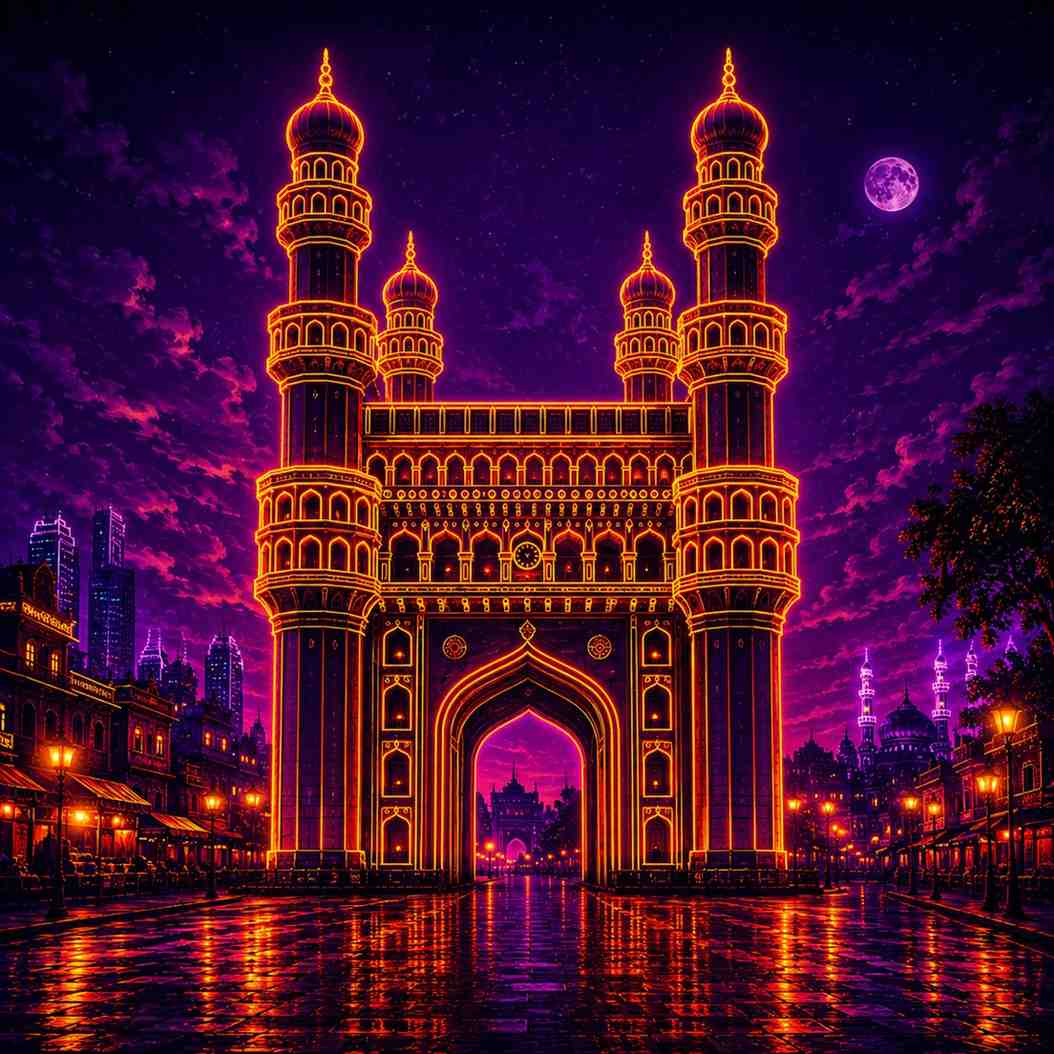
Hyderabad
400+ Celebrations Hosted
Heritage, Grandeur and Warmth
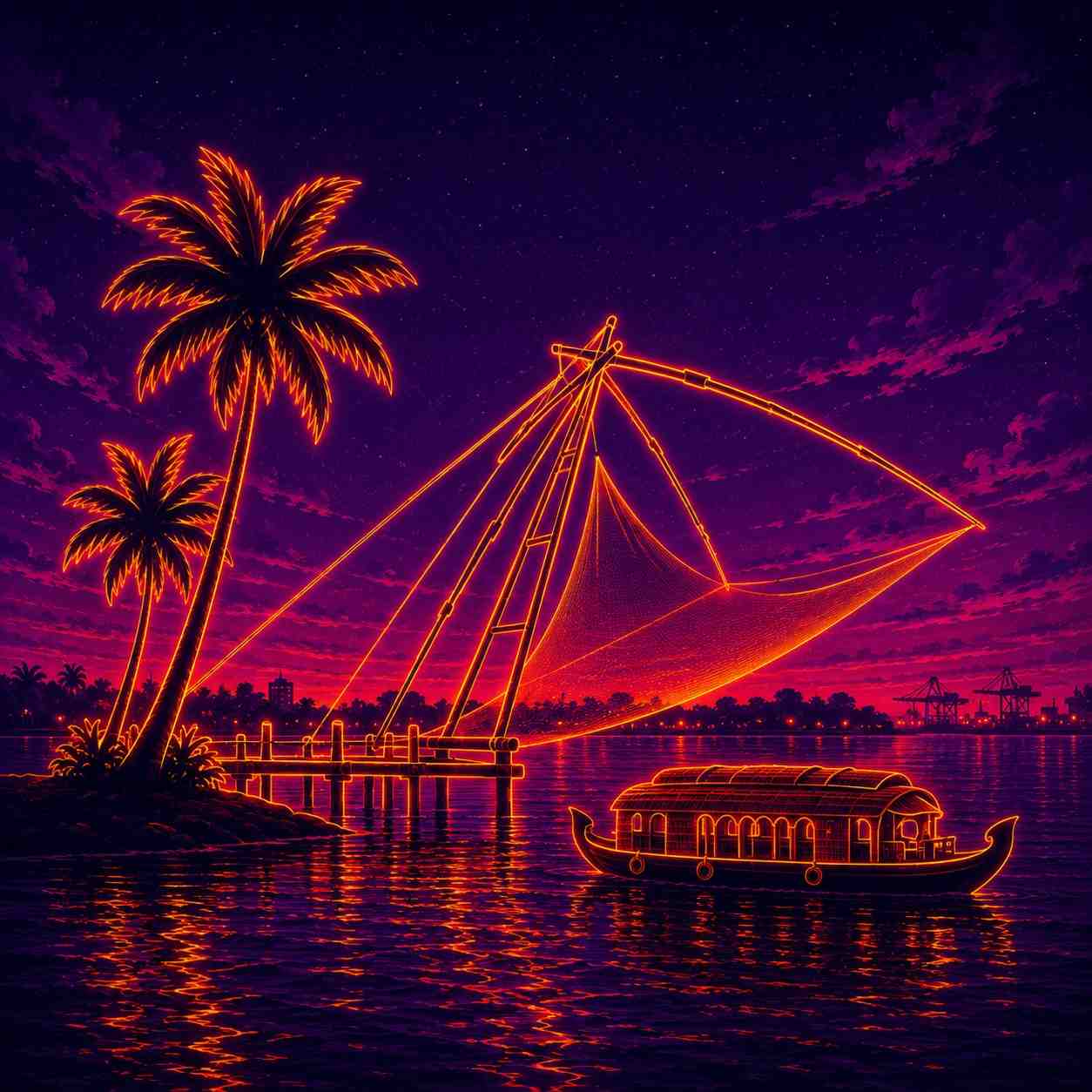
Kochi
250+ Celebrations Hosted
Where Heritage Meets Backwaters
Mumbai
600+ Celebrations Hosted
Bold Energy, Endless Celebrations

Bengaluru
450+ Celebrations Hosted
Modern Spirit, Creative Celebrations
Pune
350+ Celebrations Hosted
Culture, Charm and Celebration
Delhi
550+ Celebrations Hosted
Where History Meets Grandeur
Coimbatore
200+ Celebrations Hosted
Tradition Rooted in Tranquility
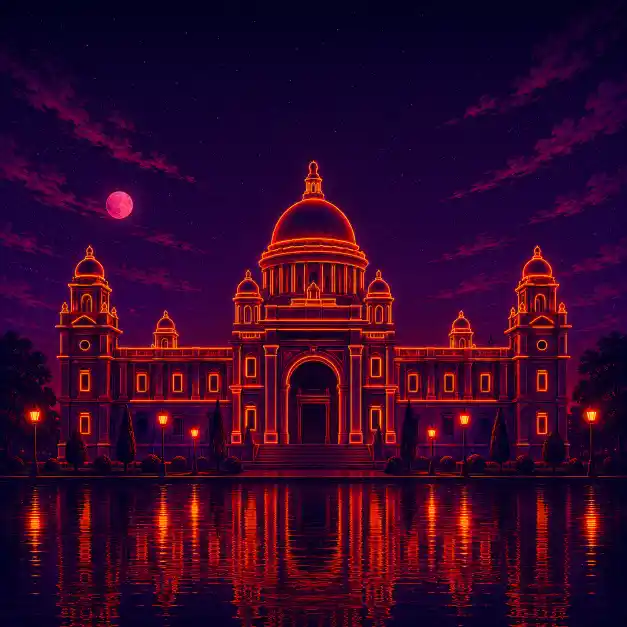
Kolkata
300+ Celebrations Hosted
Culture, Emotion and Celebration
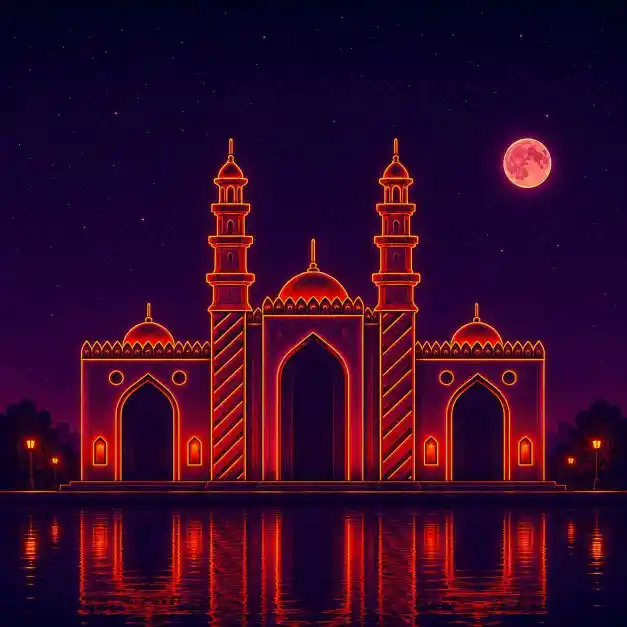
Ahmedabad
200+ Celebrations Hosted
Tradition with Vibrant Energy
5
View All Popular Experiences
6
Wedding Snapshot™
48+
Sub Events
180+
Experience Types
2000+
Venues
8000+
Vendors
150+
Cities
15+
Years of Expertise
12
Related Celebration Universes
Explore more ways to celebrate life.



Ready to plan your dream Tilak Ceremony?
Hiya & Hanu are here to make it magical, memorable & effortless.

◆
Tilak Ceremony – Pre Marriage Ritual, Traditions & Customs
◆What is a Tilak Ceremony?
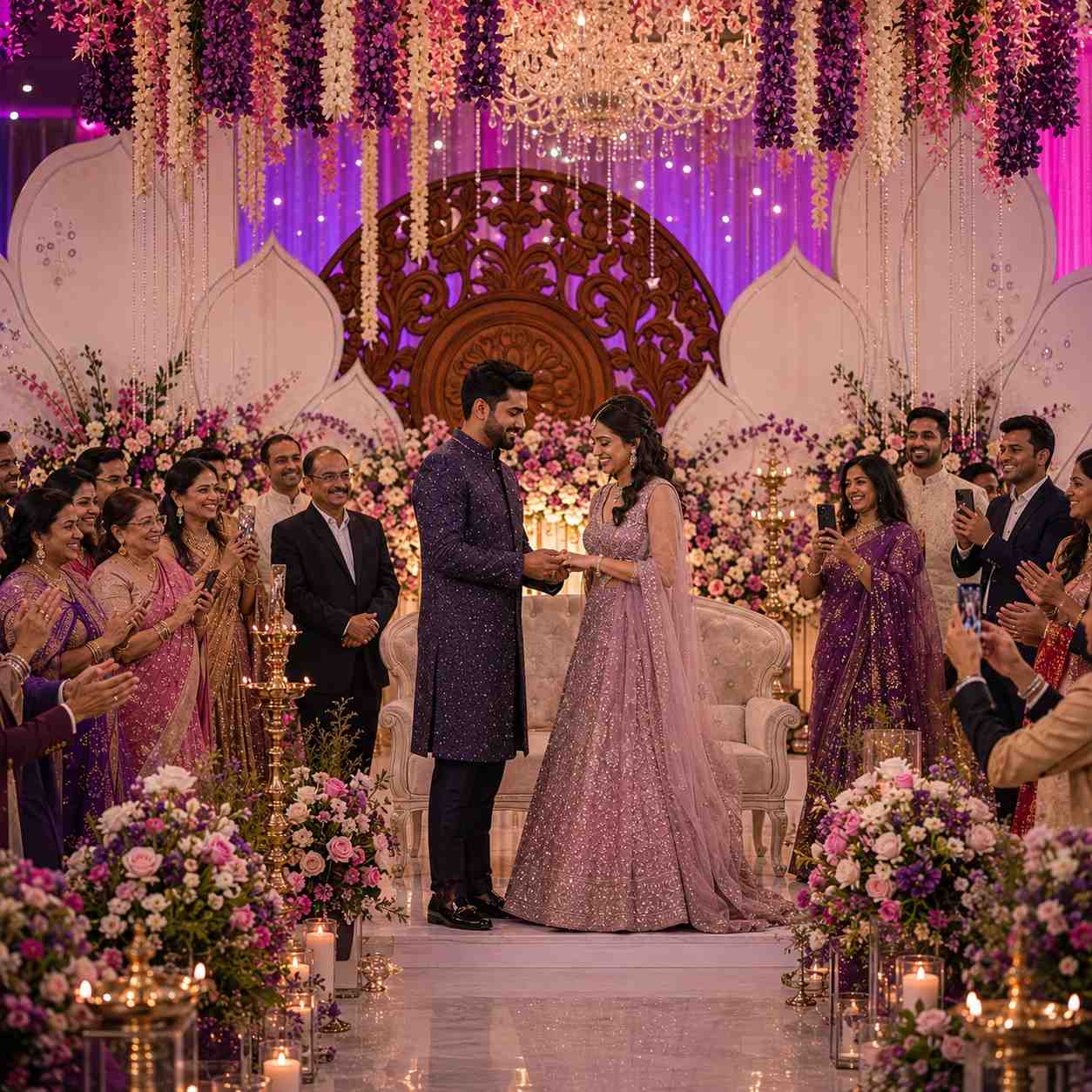
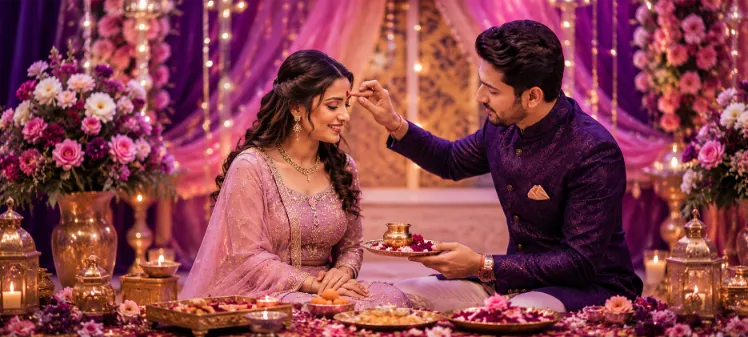
A Tilak Ceremony is one of the most respected pre-marriage rituals in Indian weddings, symbolising the formal acceptance of the groom by the bride's family before the wedding. Traditionally performed before the main wedding ceremonies, the Tilak Ceremony represents blessings, respect, prosperity, and the strengthening of family relationships. During this meaningful occasion, the bride's family applies a sacred tilak on the groom's forehead, offers gifts, and seeks divine blessings for a happy and successful married life. Celebrated across many North Indian communities, the Tilak Ritual continues to be an essential part of Indian wedding traditions while evolving into a beautiful family celebration with cultural significance and modern elegance.
Meaning and Significance of the Tilak Ceremony
The Tilak Ceremony holds deep cultural and spiritual importance in Indian weddings. It marks the official recognition of the groom by the bride's family and symbolises their respect, acceptance, and goodwill before the marriage. The sacred tilak applied to the groom's forehead is believed to bring prosperity, happiness, protection, and positive energy as he prepares to begin a new chapter of life. More than a simple ritual, the pre-marriage ceremony strengthens the relationship between two families and reflects the values of unity, trust, and lifelong commitment that define traditional Indian marriages.
In many communities, the Tilak Ceremony also signifies the formal commencement of wedding celebrations and serves as a joyful occasion where relatives gather to exchange blessings, gifts, and heartfelt wishes for the couple's future.
Traditional Tilak Ceremony Rituals
The Tilak Ritual is performed according to family customs and regional traditions, but its essence remains consistent across Indian weddings. The ceremony generally begins with prayers seeking divine blessings for the bride, groom, and their families. Elders from the bride's family welcome the groom and ceremonially apply a sacred tilak made of kumkum, sandalwood paste, turmeric, or vermilion to his forehead. This ritual represents honour, respect, and the family's acceptance of the groom into their household.
Following the tilak, gifts, traditional clothing, sweets, fruits, dry fruits, jewellery, and other auspicious items are presented to the groom and his family. Elders bless the couple for a prosperous married life, while relatives celebrate the occasion with festive meals, music, conversations, and family photographs. Although individual customs may vary, every Tilak Ceremony focuses on blessings, respect, and strengthening family bonds before the wedding.
Tilak Ceremony in Indian Wedding Traditions
The Tilak Ceremony is widely celebrated across North India and remains an important pre-wedding ritual in many Hindu weddings. States such as Uttar Pradesh, Bihar, Rajasthan, Madhya Pradesh, and parts of Delhi continue to observe this ceremony with great devotion and cultural pride. Over time, many families across India have embraced the Indian Tilak Ceremony as a meaningful pre-wedding event that reflects respect for tradition while incorporating contemporary celebration styles.
Modern families often organise the Tilak Function in banquet halls, hotels, family homes, resorts, and wedding venues, allowing relatives and friends to participate in the joyous occasion before the wedding festivities officially begin.
Traditional Attire for a Tilak Ceremony
Traditional attire adds elegance and cultural richness to the Tilak Ceremony. The groom usually wears a kurta pyjama, sherwani, bandhgala, or a traditional ethnic ensemble that reflects the significance of the occasion. Many families also present ceremonial clothing as part of the Tilak Ritual, symbolising blessings and goodwill.
Family members dress in festive ethnic wear, including silk sarees, lehengas, sherwanis, and traditional Indian outfits that complement the cultural atmosphere. Coordinated attire, graceful accessories, and traditional jewellery create memorable photographs while preserving the timeless beauty of Indian wedding traditions.
Tilak Ceremony Decorations and Celebration Ideas
A beautifully decorated venue enhances the spiritual and festive atmosphere of a Tilak Ceremony. Traditional floral arrangements, marigold garlands, rangoli, brass lamps, elegant backdrops, fresh flowers, fairy lights, and cultural décor create a welcoming environment for family members and guests. Modern celebrations often combine classic Indian aesthetics with contemporary decoration themes, personalised welcome displays, and sophisticated lighting to create an unforgettable experience.
Professional photography and videography have become an important part of the Tilak Function, allowing families to preserve emotional moments, traditional rituals, and joyful celebrations that become treasured memories for generations.
Planning a Traditional Tilak Ceremony
Planning a successful Tilak Ceremony requires thoughtful coordination of rituals, venue selection, guest arrangements, catering, decorations, photography, and ceremonial gifts. Families typically finalise an auspicious date, invite close relatives, arrange traditional puja materials, and prepare ceremonial offerings for the groom and his family. Whether celebrated as an intimate family gathering or a larger cultural event, careful planning ensures that every ritual is performed respectfully while creating a warm and memorable experience for everyone involved.
Many modern families also personalise their pre-marriage ceremony with elegant décor, curated dining experiences, live music, and customised celebrations while preserving the cultural values that make the ceremony meaningful.
Celebrate Your Tilak Ceremony with Happiffie
A Tilak Ceremony is a beautiful beginning to the wedding journey, celebrating respect, family traditions, and the sacred bond between two families. From selecting the ideal venue and organising traditional rituals to arranging décor, photography, catering, entertainment, and event planning services, every detail contributes to creating a meaningful celebration. Happiffie helps families discover trusted wedding professionals, experienced decorators, photographers, caterers, entertainers, and event experts across India, making it easy to plan a memorable Tilak Ceremony that beautifully blends tradition with modern celebration.
Frequently Asked Questions (FAQs)
1. What is a Tilak Ceremony?
A Tilak Ceremony is a traditional pre-marriage ritual in Indian weddings where the bride's family formally honours and blesses the groom by applying a sacred tilak on his forehead before the wedding ceremonies begin.
2. Why is the Tilak Ceremony important in Indian weddings?
The Tilak Ceremony symbolises respect, family acceptance, blessings, and the strengthening of relationships between both families. It also marks the formal beginning of the wedding celebrations in many Indian communities.
3. What happens during a Tilak Ceremony?
During a Tilak Ceremony, the groom receives a sacred tilak, families exchange gifts and sweets, prayers are offered, elders bless the couple, and relatives gather to celebrate the occasion with traditional food and festivities.
4. What should the groom wear for a Tilak Ceremony?
The groom typically wears a kurta pyjama, sherwani, bandhgala, or another traditional Indian outfit. Many families also present ceremonial clothing as part of the Tilak Ritual, reflecting respect and cultural tradition.
5. Where can a Tilak Ceremony be celebrated?
A Tilak Ceremony can be celebrated at home, in banquet halls, hotels, luxury resorts, wedding venues, community halls, or private event spaces, depending on the family's traditions, guest list, and preferred style of celebration.