
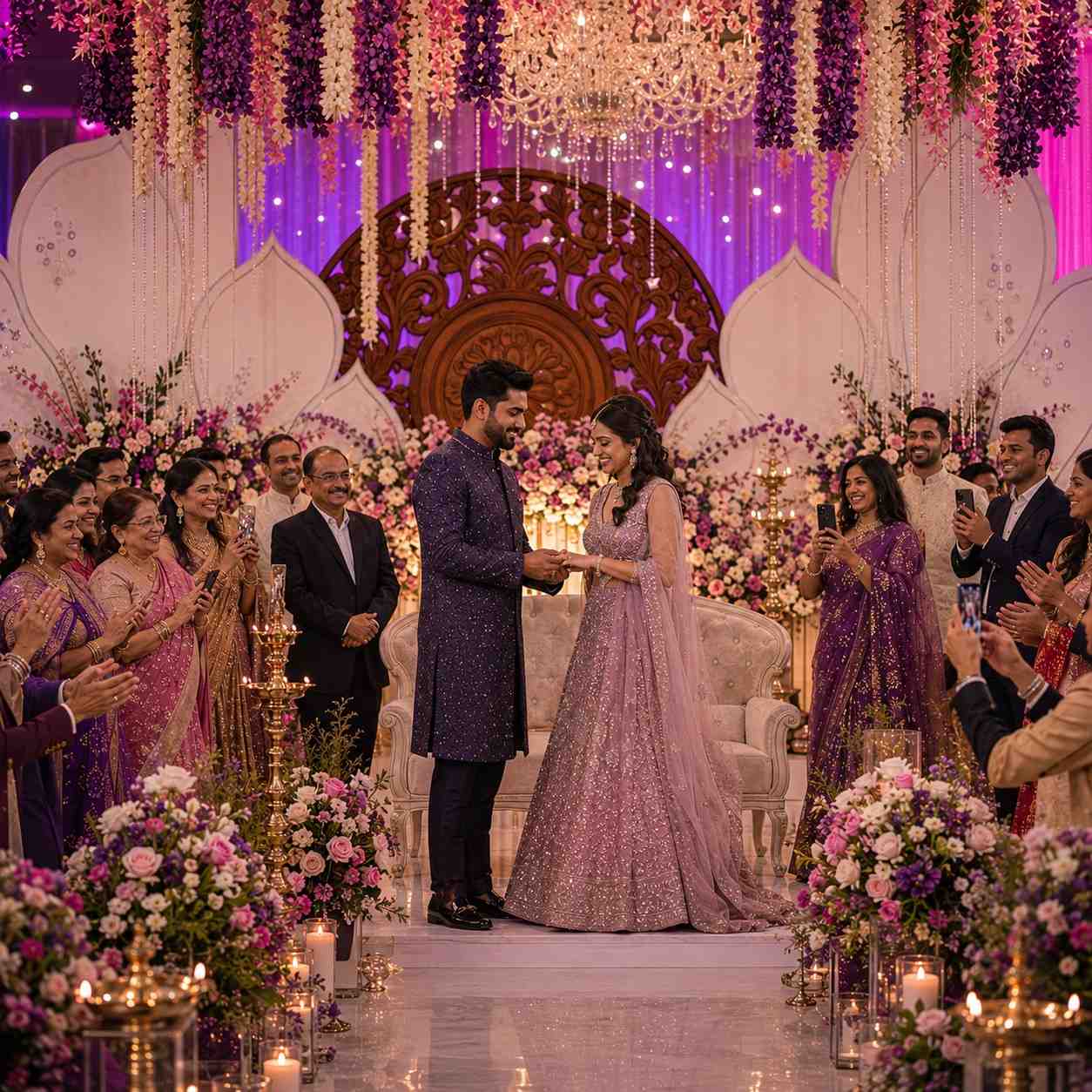
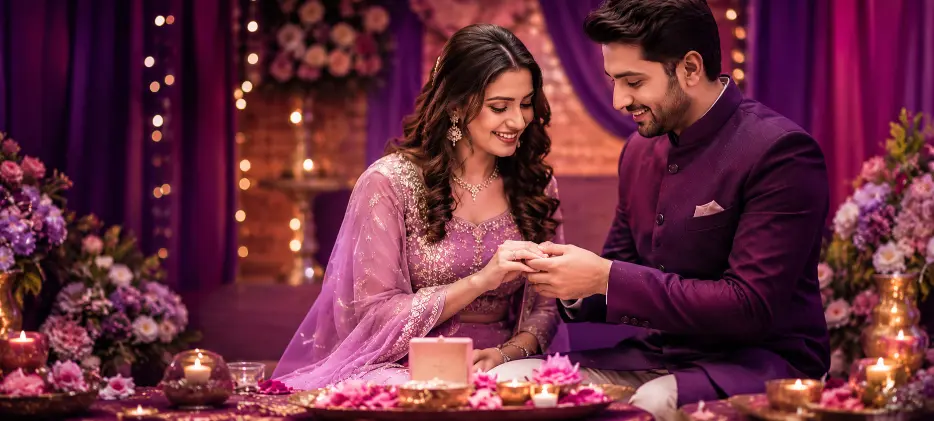
The Roka CeremonyTradition Begins Here™
Celebrate the Roka Ceremony with timeless traditions, family blessings, meaningful rituals, and the joyful beginning of your wedding journey.
2
Explore Wedding Celebrations
3
Explore Styles Celebrate By Style
4
View All Cities Popular Cities
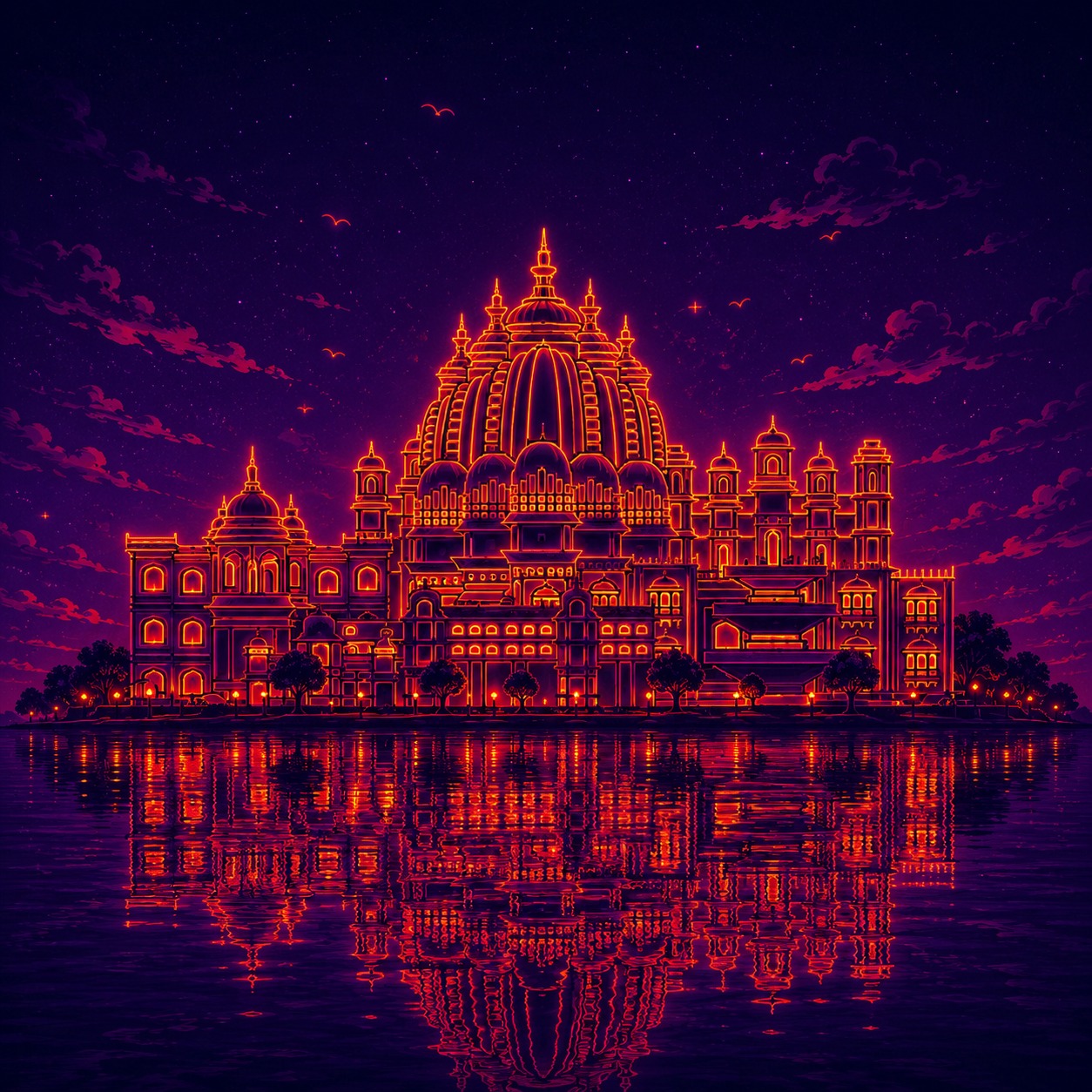
Udaipur
250+ Weddings
Royal & Regal
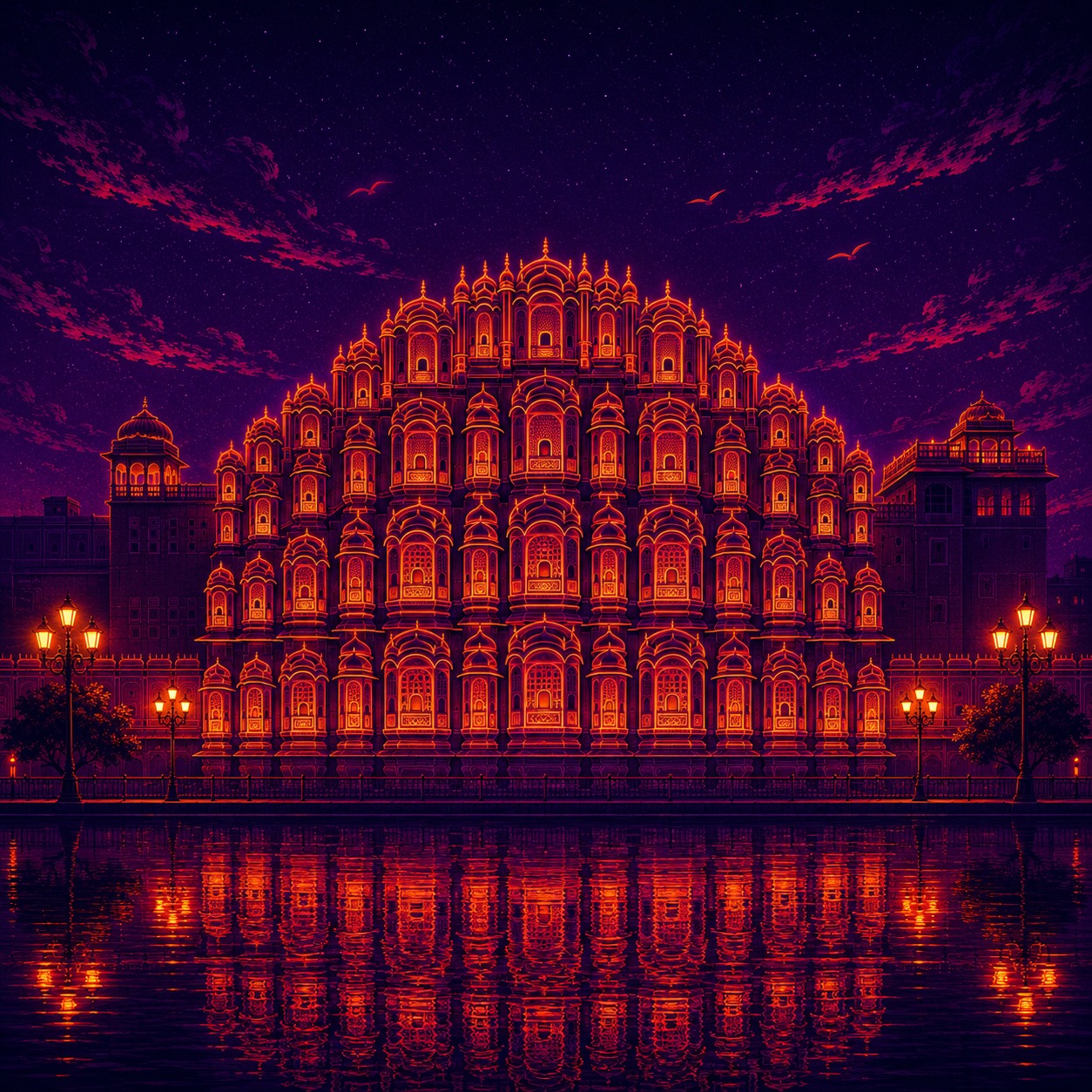
Jaipur
470+ Weddings
Heritage & Grandeur

Goa
280+ Weddings
Beach & Bliss
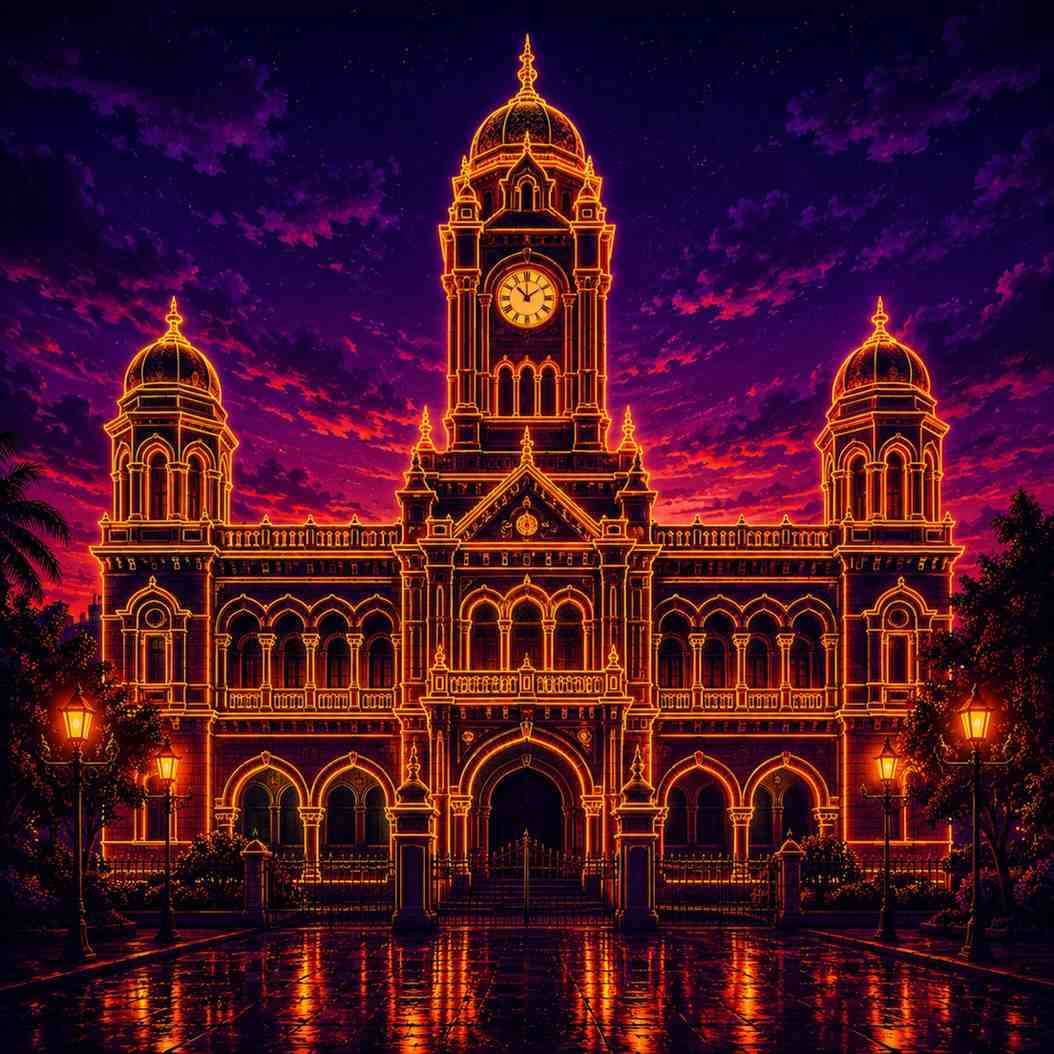
Chennai
200+ Weddings
Tradition & Culture
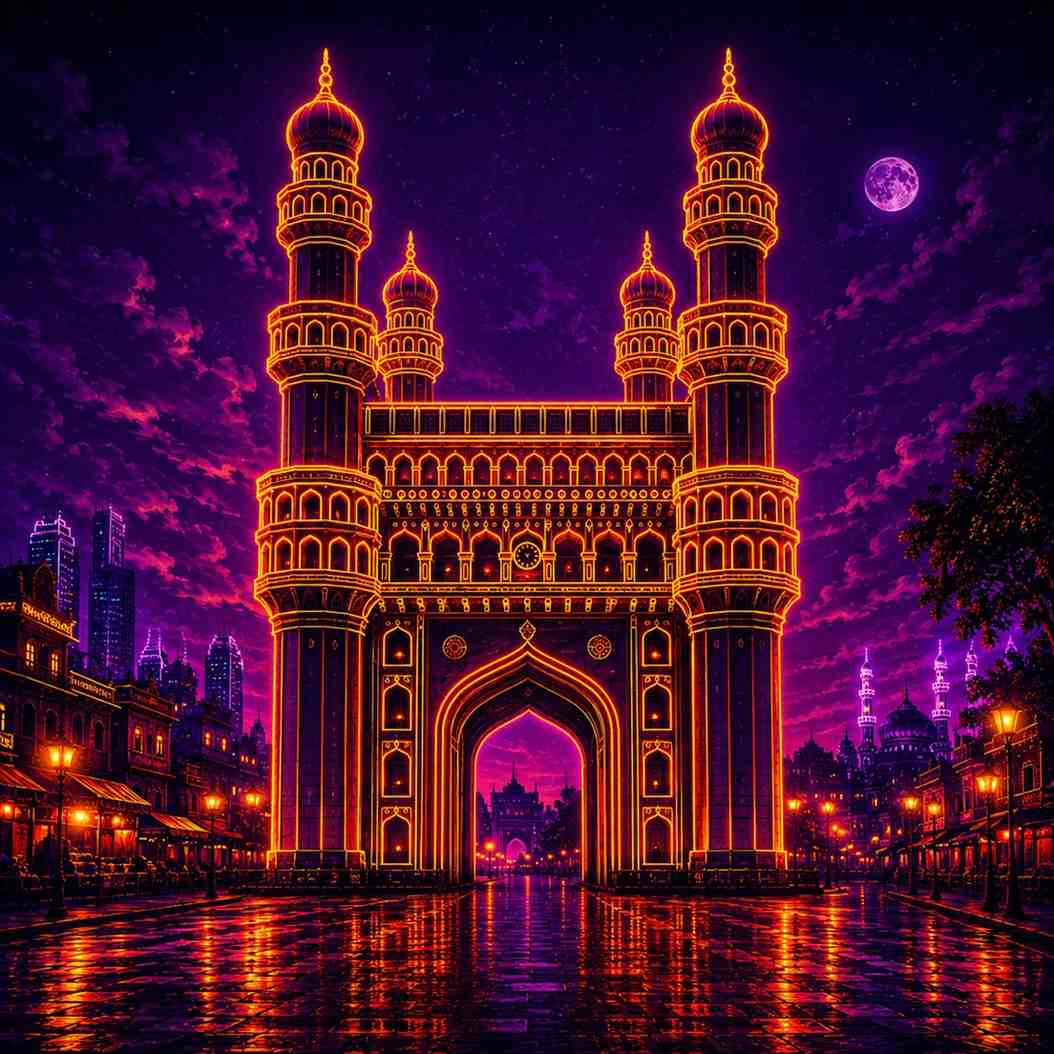
Hyderabad
300+ Weddings
Royal & Modern
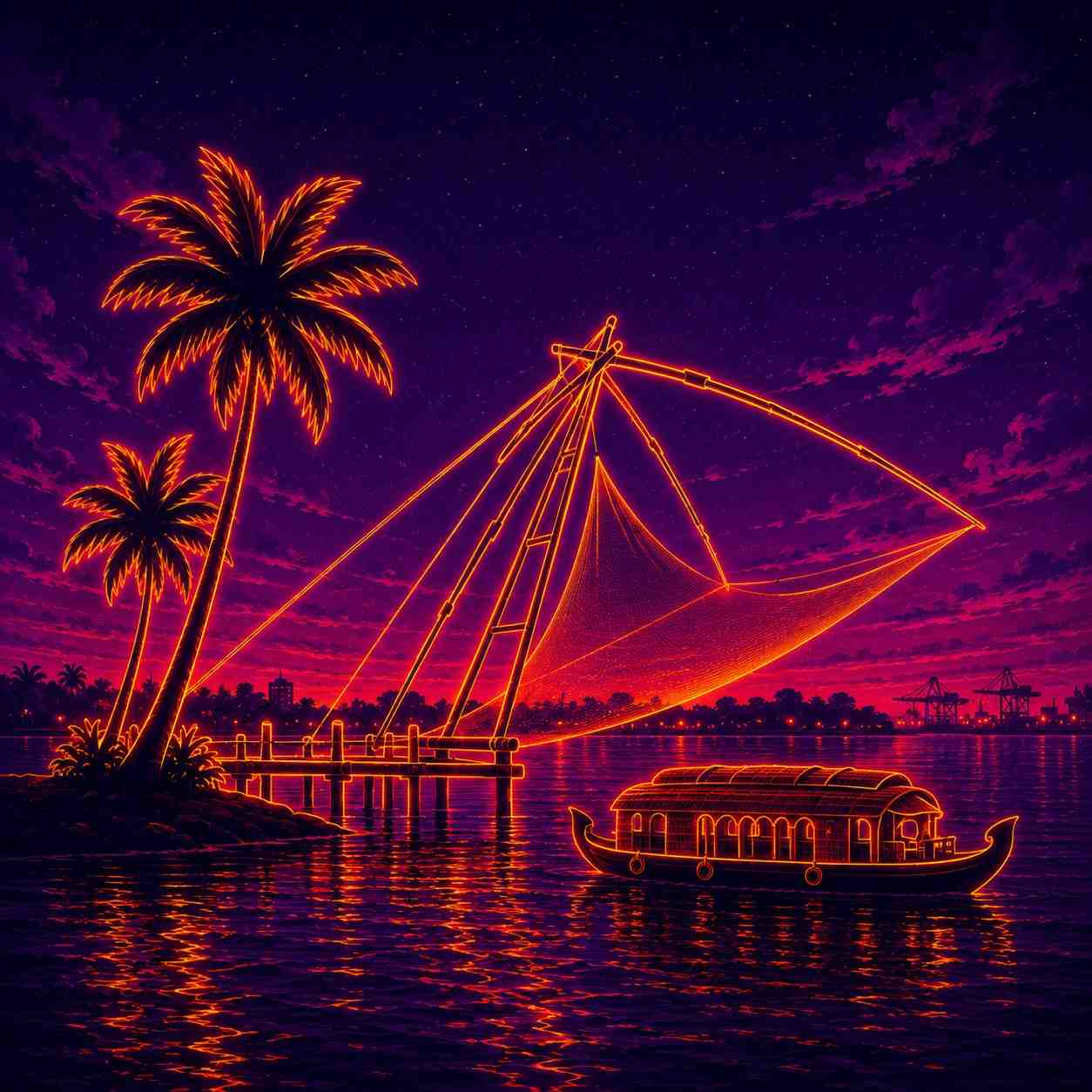
Kochi
210+ Weddings
Serene & Scenic
Mumbai
350 + weddings
Grand Celebrations
Bengaluru
450+ Weddings
Luxury Weddings
Pune
250+ Weddings
Elegant Weddings
5
View All Popular Experiences
6
Wedding Snapshot™
48+
Sub Events
180+
Experience Types
2000+
Venues
8000+
Vendors
150+
Cities
15+
Years of Expertise
12
Related Celebration Universes
Explore more ways to celebrate life.


Ready to plan your dream Roka Ceremony?
Hiya & Hanu are here to make it magical, memorable & effortless.

◆
Roka Ceremony – Meaning, Rituals, Traditions, Customs & Celebrations in India
◆A Roka Ceremony is one of the most cherished pre-wedding traditions in Indian weddings, symbolizing the formal acceptance of a marriage alliance between two families. The word Roka means "to stop," signifying that the bride and groom have officially stopped searching for prospective partners and have committed to each other with the blessings of their families. The Roka tradition is especially popular in Punjabi and North Indian weddings but has become a widely celebrated pre-engagement ceremony across India. Today, the Roka ceremony combines timeless customs with modern celebrations, making it one of the most meaningful milestones before the wedding festivities begin. Whether celebrated at home, in a banquet hall, or at a luxury venue, the Roka ceremony marks the beginning of a lifelong journey filled with love, family, and tradition.
Meaning and Significance of the Roka Tradition
The Roka tradition represents much more than a formal announcement of marriage. It symbolizes trust, commitment, family approval, and the beginning of a new relationship between two families. Unlike an engagement ceremony that often focuses on exchanging rings, the Roka ceremony emphasizes blessings, prayers, gift exchanges, and traditional rituals that strengthen family bonds. In many Indian communities, wedding planning officially begins only after the Roka ceremony is completed, making it one of the most significant pre-wedding customs in Indian wedding traditions.
The Roka ceremony reflects the cultural values of respect, togetherness, and family unity that are deeply rooted in Hindu marriage traditions and Indian wedding customs. It also provides an opportunity for relatives and close friends to celebrate the joyful announcement of the upcoming wedding.
Traditional Roka Ceremony Rituals
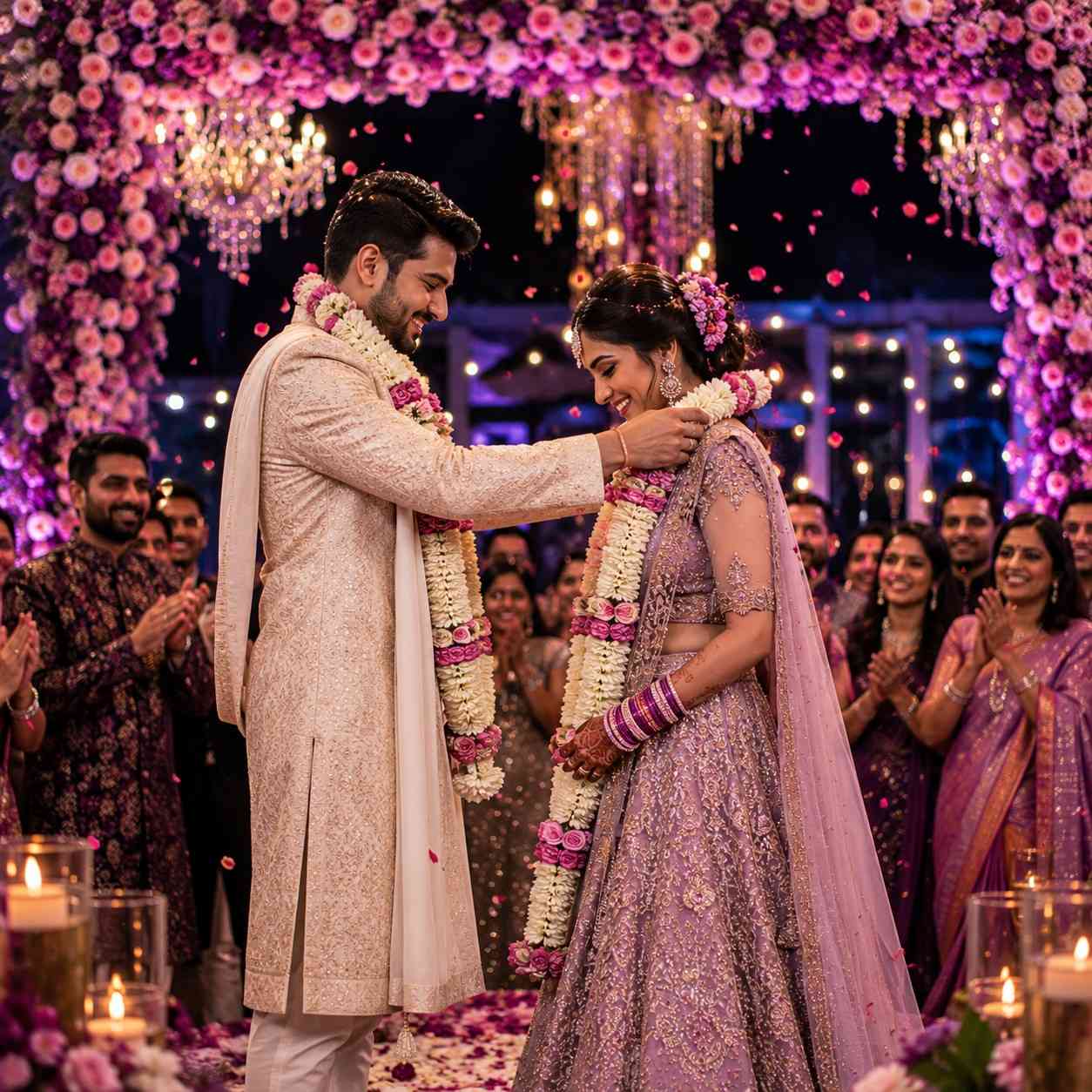
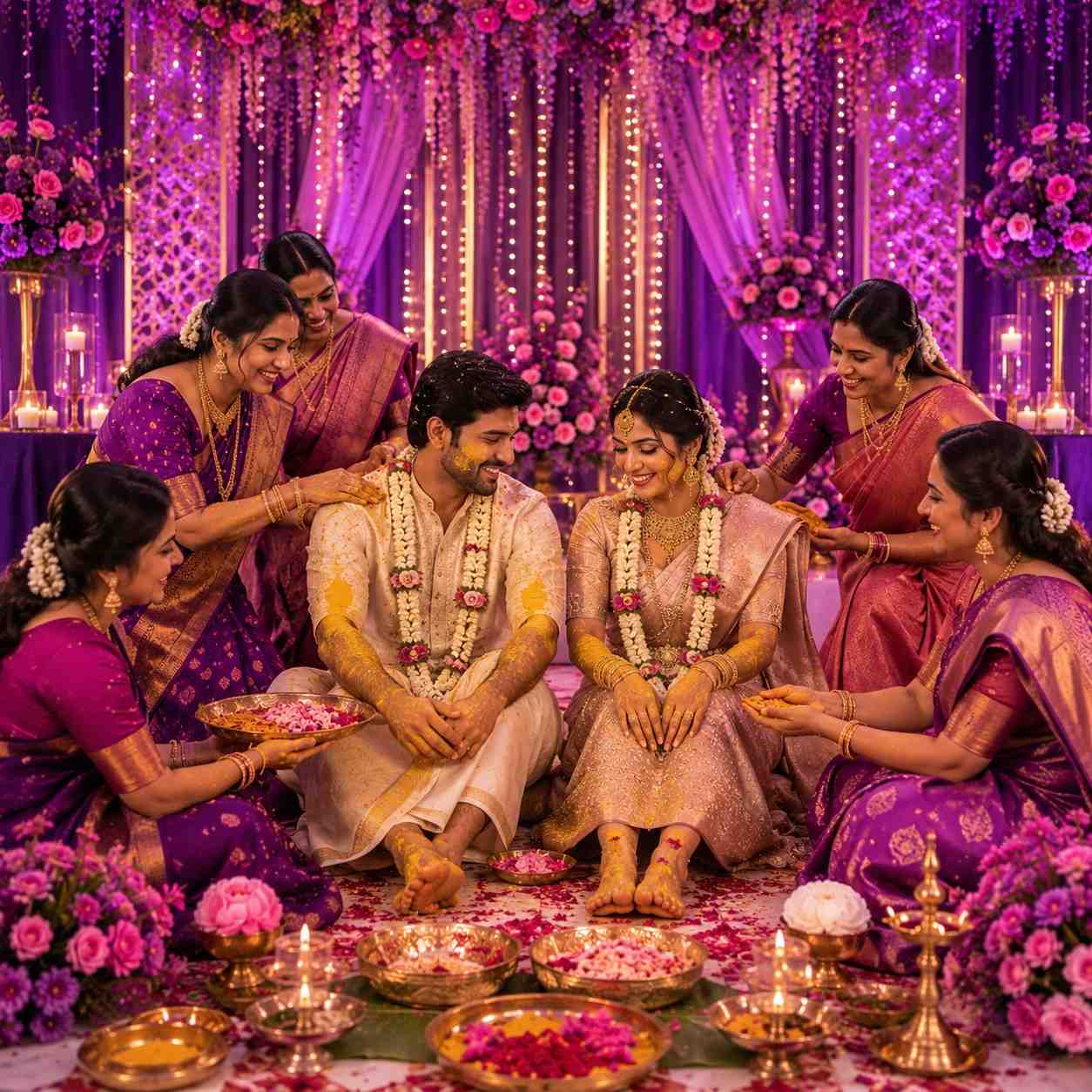
The rituals performed during a Roka ceremony may vary based on regional customs and family traditions, but the essence remains the same across Indian weddings. The ceremony usually begins with prayers seeking divine blessings for the couple's future. Many Hindu families perform a Ganesh Puja to invoke Lord Ganesha and remove obstacles from the couple's married life. Elders then bless the bride and groom with flowers, rice, and heartfelt wishes for prosperity and happiness.
The exchange of sweets, fruits, dry fruits, gifts, and traditional clothing forms an important part of the Roka ceremony. Families often present jewelry, watches, or personalized gifts as a gesture of love and acceptance. The groom may receive a traditional tilak, while the bride is welcomed with blessings and gifts from her future family. Once the rituals conclude, both families enjoy a celebratory meal, capture memorable photographs, and officially announce the upcoming wedding to relatives and friends.
Roka Ceremony Customs Across India
Although the Punjabi Roka ceremony is the most widely recognized form of this tradition, similar customs are observed across different regions of India. Punjabi families often celebrate the Roka with vibrant music, elaborate decorations, traditional Punjabi cuisine, and lively family gatherings. In Delhi, Haryana, and other North Indian states, the ceremony has evolved into an elegant pre-engagement celebration that blends cultural rituals with modern event experiences.
Many Hindu families across India have adopted the Roka ceremony as a beautiful way to begin wedding celebrations. Urban couples increasingly personalize the occasion with customized décor, professional photography, themed celebrations, and intimate gatherings while preserving the traditional values that make the ceremony meaningful.
Roka Ceremony Attire for the Bride and Groom
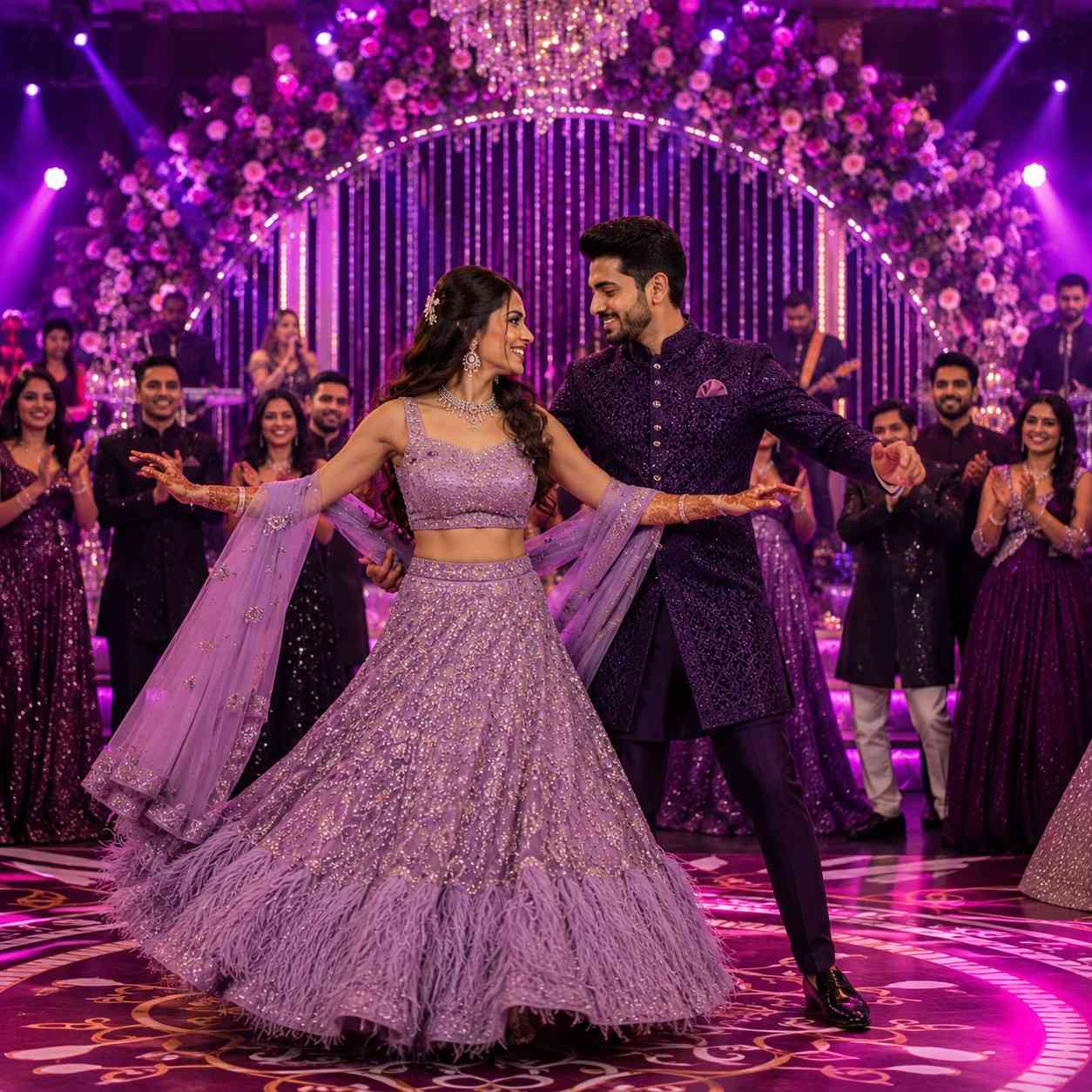
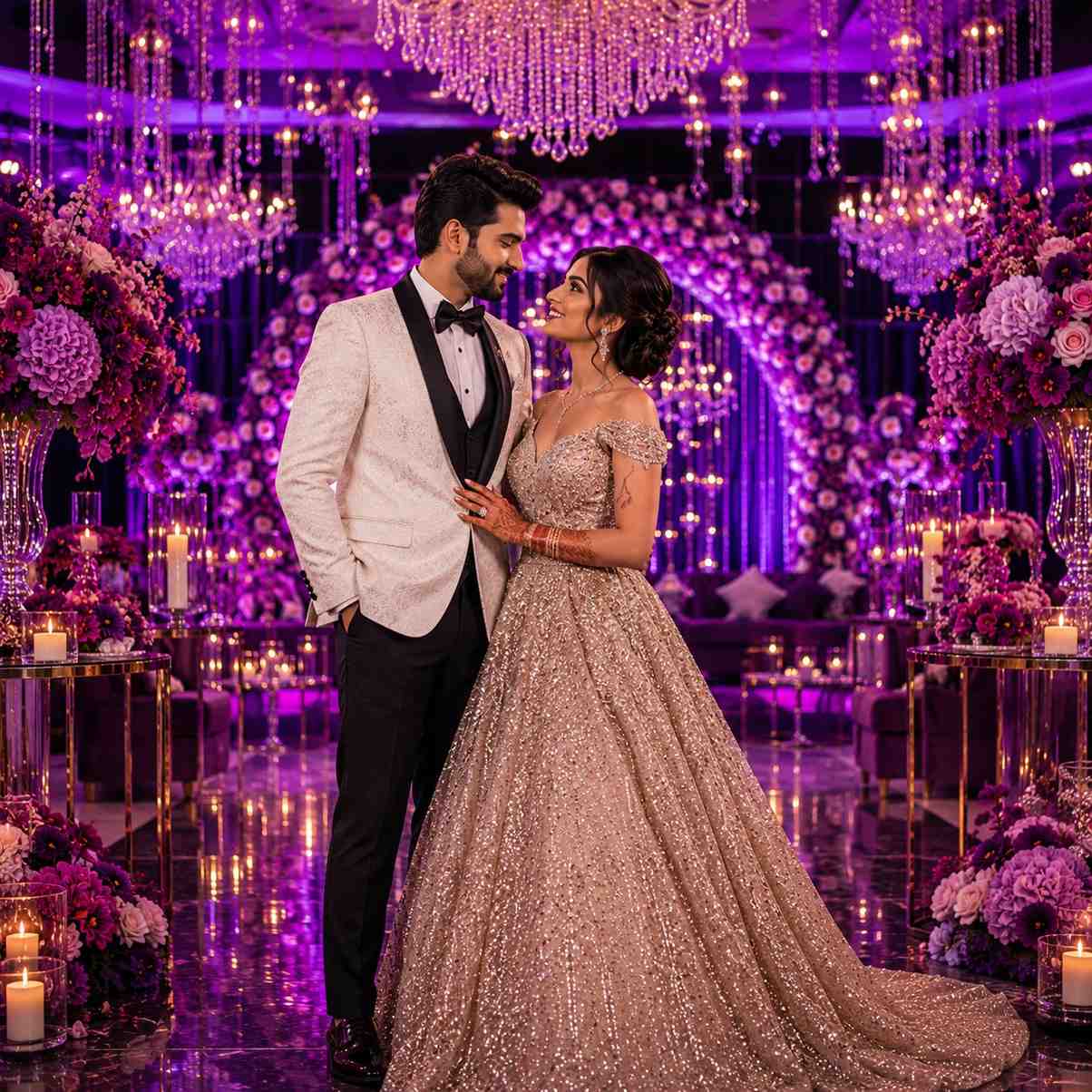
The attire chosen for a Roka ceremony reflects both elegance and cultural heritage. Brides often select beautifully embroidered lehengas, silk sarees, designer sarees, shararas, or contemporary Indo-Western outfits in pastel shades or vibrant festive colors. Floral jewelry, statement accessories, and subtle bridal makeup complement the traditional look while adding a modern touch.
Grooms generally wear classic kurta pajamas, sherwanis, bandhgalas, or Nehru jackets paired with traditional footwear. Coordinated color palettes between the bride and groom have become increasingly popular, creating visually stunning photographs and enhancing the overall aesthetic of the celebration. Families also choose coordinated outfits to reflect unity and create memorable moments during the ceremony.
Roka Ceremony Decorations and Celebration Ideas
Decorations play an important role in creating the perfect ambiance for a Roka ceremony. Modern Roka celebrations often feature elegant floral backdrops, marigold arrangements, fresh flower installations, fairy lights, brass décor, candles, and traditional rangoli that beautifully blend cultural heritage with contemporary design. Many families also include customized welcome displays, floral entrances, and decorative seating arrangements to enhance the guest experience.
Luxury home décor, boutique banquet styling, and intimate venue setups have become popular choices for modern Roka celebrations. Whether the ceremony is hosted in a family home, hotel ballroom, garden venue, or luxury resort, thoughtful decoration transforms the occasion into a memorable celebration while maintaining the warmth and traditions of Indian weddings.
Roka Ceremony Gifts and Family Traditions
Gift exchanges are an integral part of the Roka tradition and symbolize acceptance, affection, and goodwill between both families. Traditional Roka gifts often include sweets, dry fruit hampers, fruits, silver items, clothing, jewelry, decorative trays, and personalized keepsakes. Brides frequently receive designer outfits, jewelry, cosmetics, and family heirlooms, while grooms may receive traditional attire, watches, accessories, and thoughtful gifts that reflect appreciation and respect.
Beyond material gifts, the exchange represents emotional bonds and the beginning of lifelong family relationships. These traditions continue to be preserved across generations, making every Roka ceremony unique while remaining rooted in Indian cultural values.
Food and Hospitality During a Roka Ceremony
Food is one of the highlights of every Roka celebration, bringing families together through shared traditions and hospitality. Depending on regional preferences, the menu may include authentic Punjabi dishes, North Indian delicacies, South Indian specialties, fusion cuisine, live chaat counters, desserts, and refreshing beverages. Many modern celebrations also feature live cooking stations and curated dining experiences that combine traditional flavors with contemporary presentation.
Warm hospitality remains central to every Roka ceremony, as families welcome guests with generosity and celebrate the joyous occasion through delicious food and heartfelt conversations.
Modern Trends in Roka Celebrations
While the cultural significance of the Roka ceremony remains unchanged, modern couples are embracing new ways to personalize their celebrations. Destination Roka ceremonies, intimate family gatherings, luxury venue experiences, cinematic photography, professional videography, personalized invitations, floral jewelry, customized cakes, themed décor, and live entertainment have become increasingly popular across India.
Digital invitations, social media announcements, personalized hashtags, and beautifully curated event styling allow couples to celebrate their traditions while expressing their unique personalities. Despite these contemporary additions, the essence of the Roka ceremony continues to revolve around family blessings, commitment, and the joyous beginning of married life.
Planning a Memorable Roka Ceremony
Planning a successful Roka ceremony involves balancing cultural traditions with personal preferences. Selecting the right venue, coordinating family rituals, choosing elegant attire, arranging thoughtful decorations, organizing catering, booking professional photographers, and preparing meaningful gifts all contribute to creating a memorable celebration. Whether the event is an intimate gathering at home or a grand celebration at a luxury venue, thoughtful planning ensures that every moment reflects the love, happiness, and traditions shared by both families.
As Indian weddings continue to evolve, the Roka ceremony remains one of the most treasured pre-wedding celebrations, bringing together generations through timeless customs while embracing modern ideas that create unforgettable memories.
Celebrate Your Roka Ceremony with Happiffie
A Roka ceremony marks the official beginning of one of life's most meaningful journeys. From traditional rituals and elegant décor to photography, catering, entertainment, and venue planning, every detail contributes to creating a memorable celebration for the couple and their families. Whether you are planning an intimate family gathering or a luxurious pre-engagement celebration, Happiffie helps you discover trusted wedding professionals, experienced event planners, photographers, decorators, caterers, entertainers, and venue partners across India. Celebrate your Roka tradition with confidence and create beautiful memories that honor your family's customs while embracing the joy of modern wedding celebrations.
Frequently Asked Questions (FAQs)
1. What is a Roka ceremony?
A Roka ceremony is a traditional pre-engagement ritual in Indian weddings that marks the formal acceptance of a marriage alliance by both families. It signifies the beginning of the wedding journey and is celebrated with blessings, prayers, gift exchanges, and family gatherings.
2. Is a Roka ceremony the same as an engagement?
No. A Roka ceremony is the formal family approval of the marriage alliance, while an engagement usually involves the exchange of rings and may take place on the same day or at a later stage, depending on family traditions.
3. Who performs the rituals during a Roka ceremony?
The rituals are usually performed by the parents, grandparents, and elders of both families. In many Hindu families, a priest conducts a Ganesh Puja or other religious rituals before the couple receives blessings and gifts.
4. What should the bride and groom wear for a Roka ceremony?
The bride typically wears a lehenga, saree, sharara, or an elegant ethnic outfit, while the groom usually wears a kurta pajama, sherwani, or a traditional Indo-Western ensemble. The attire often reflects the family's cultural traditions and the style of the celebration.
5. Where can a Roka ceremony be celebrated?
A Roka ceremony can be celebrated at home, in a banquet hall, hotel, luxury resort, farmhouse, private villa, or any venue chosen by the family. The celebration can be intimate or grand, depending on the guest list, budget, and personal preferences.