
Pandakaal CeremonyTradition
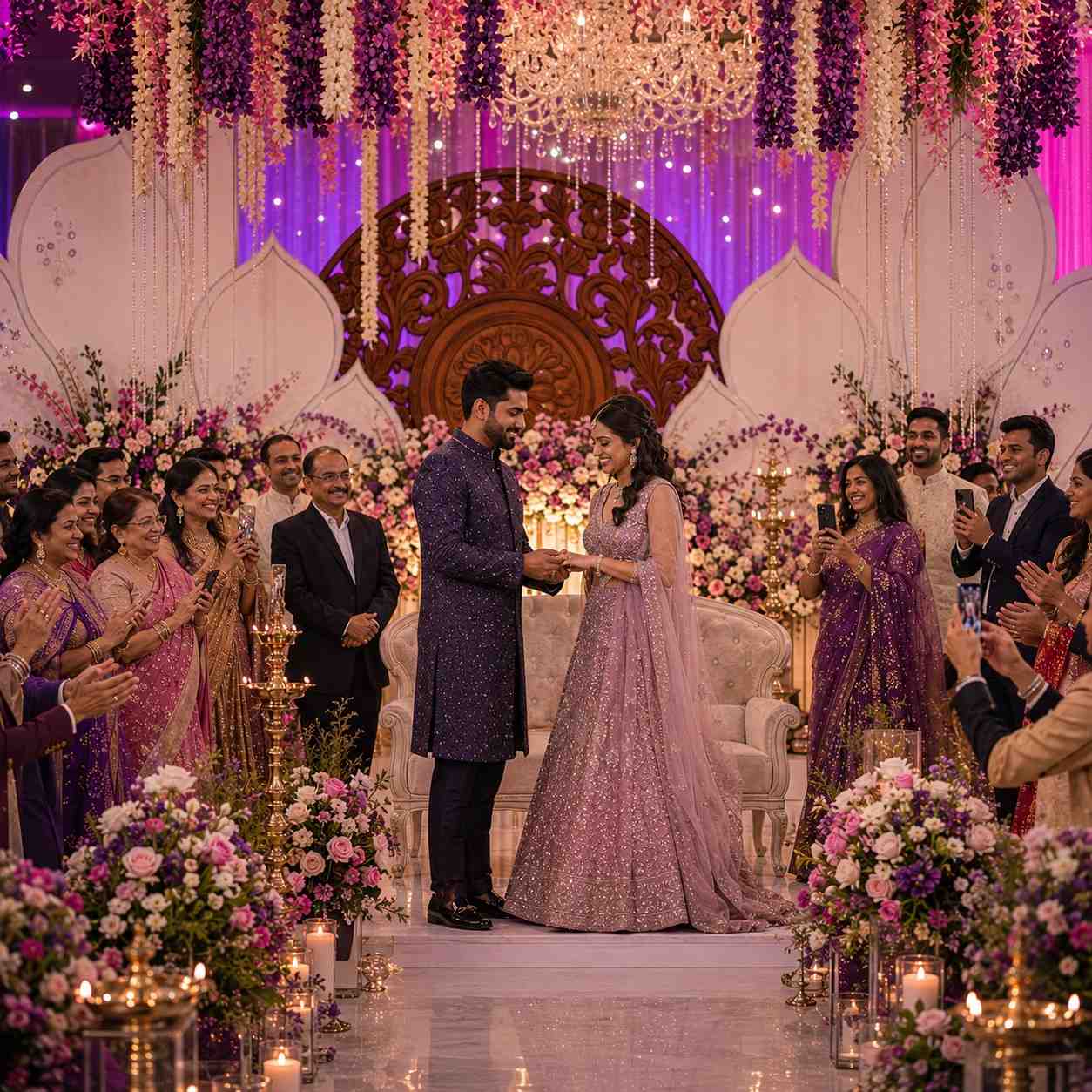
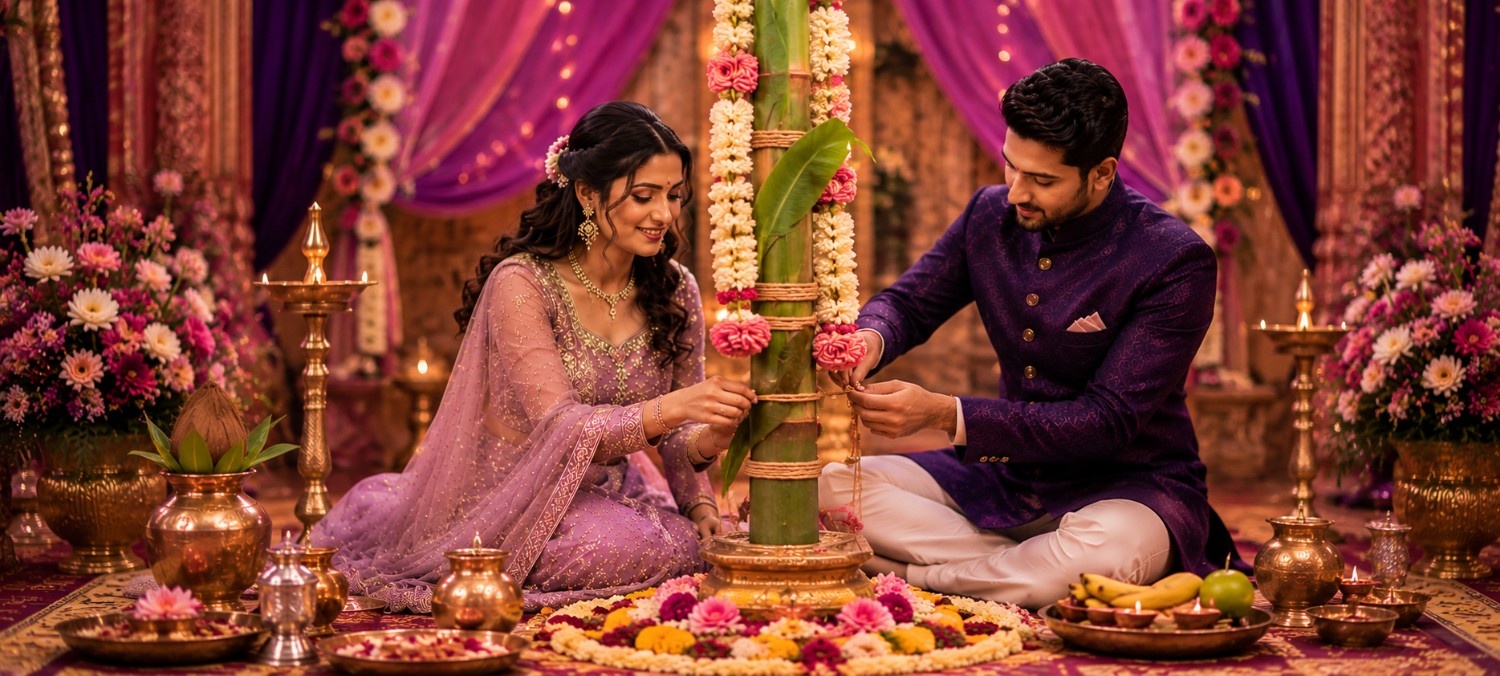
The Pandakaal Ceremony is a sacred pre-wedding ritual that marks the auspicious beginning of wedding celebrations. Performed to invoke divine blessings, remove obstacles, and ensure a prosperous married life, this cherished tradition unites families in faith, joy, and anticipation of the wedding day.
2
Explore Wedding Celebrations
3
Explore Styles Celebrate By Style
4
View All Cities Popular Cities
Jaipur
300+ Celebrations Hosted
Royal Grandeur in Pink

Goa
350+ Celebrations Hosted
Where Celebrations Meet Sunshine
Chennai
500+ Celebrations Hosted
Tradition Meets Coastal Elegance
Hyderabad
400+ Celebrations Hosted
Heritage, Grandeur and Warmth
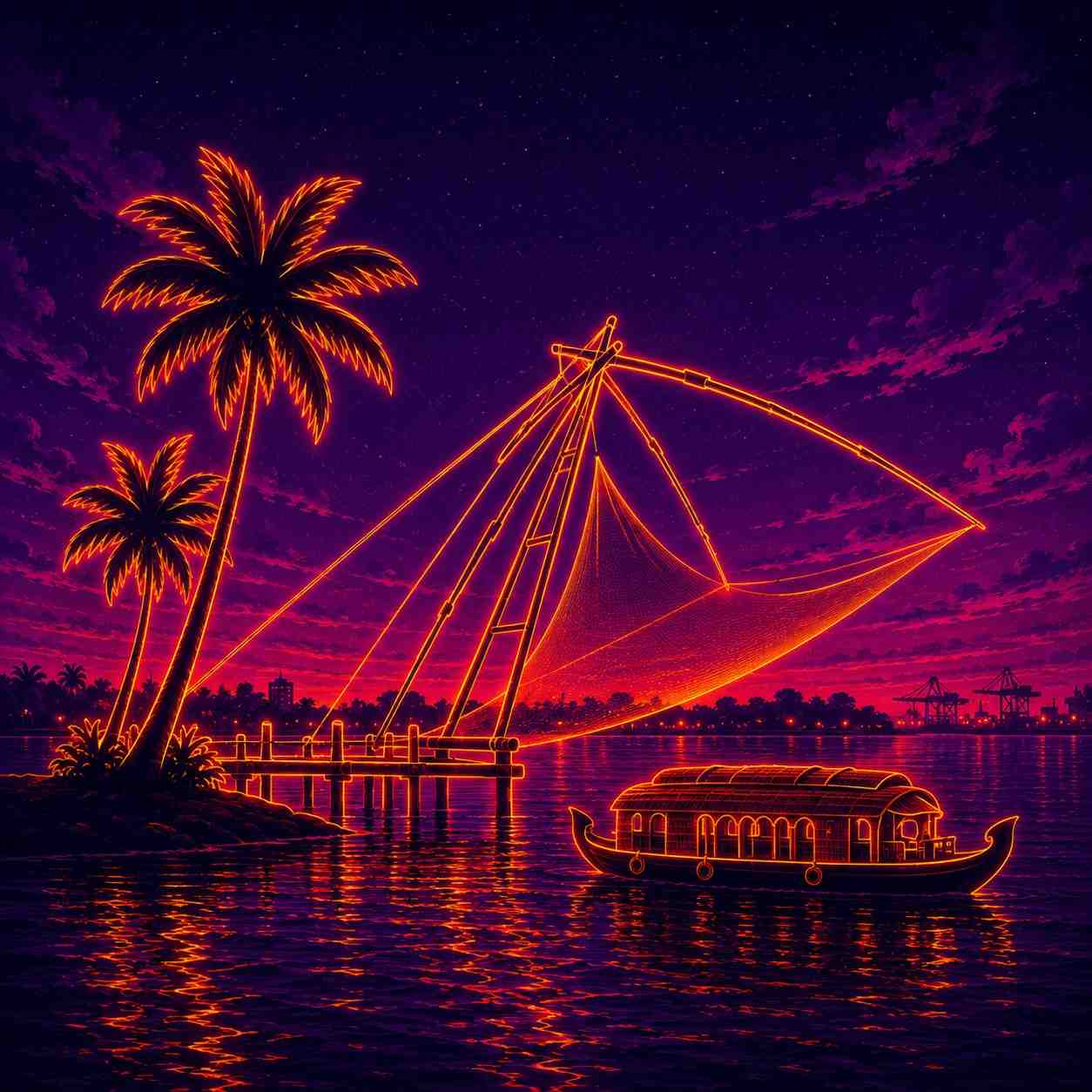
Kochi
250+ Celebrations Hosted
Where Heritage Meets Backwaters
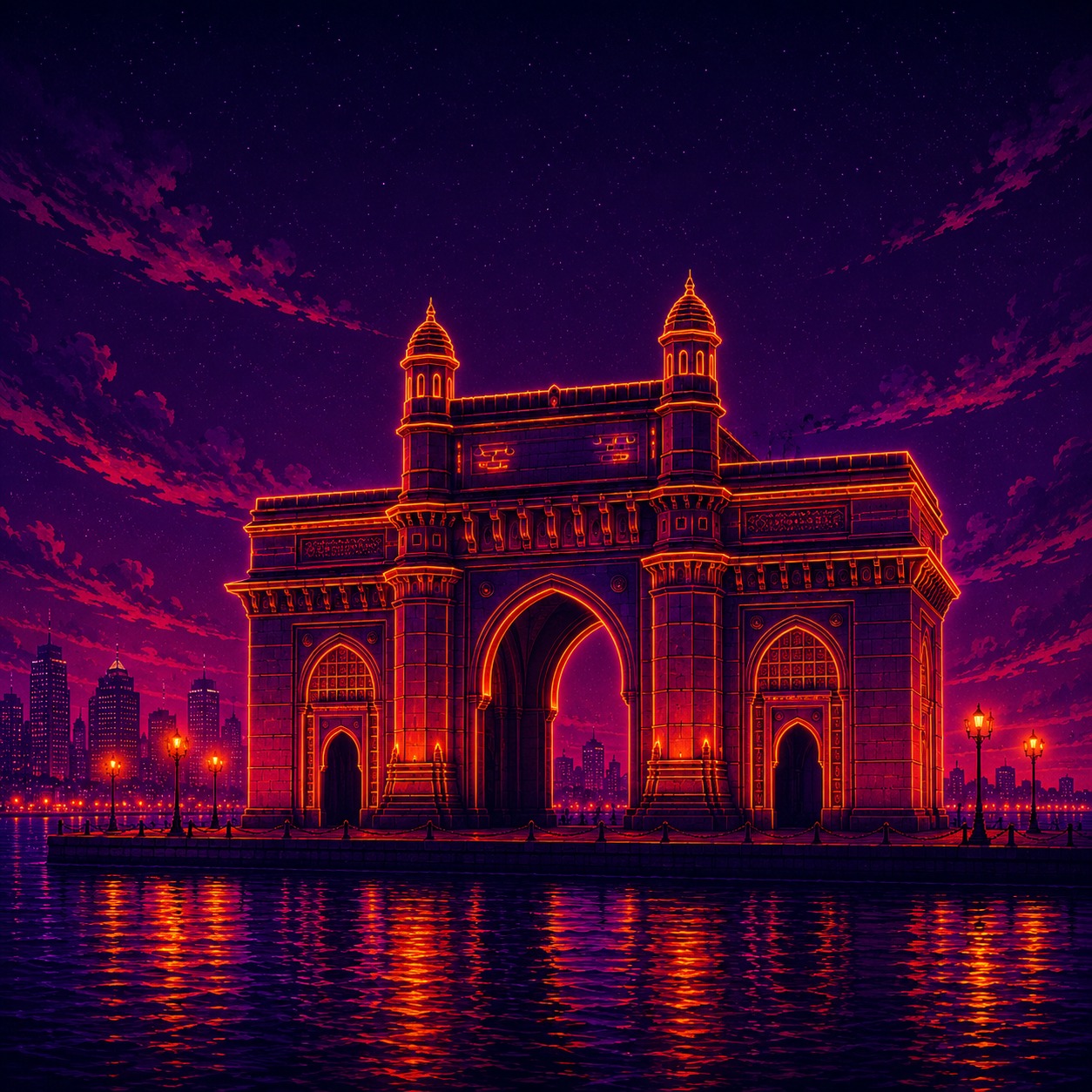
Mumbai
600+ Celebrations Hosted
Bold Energy, Endless Celebrations
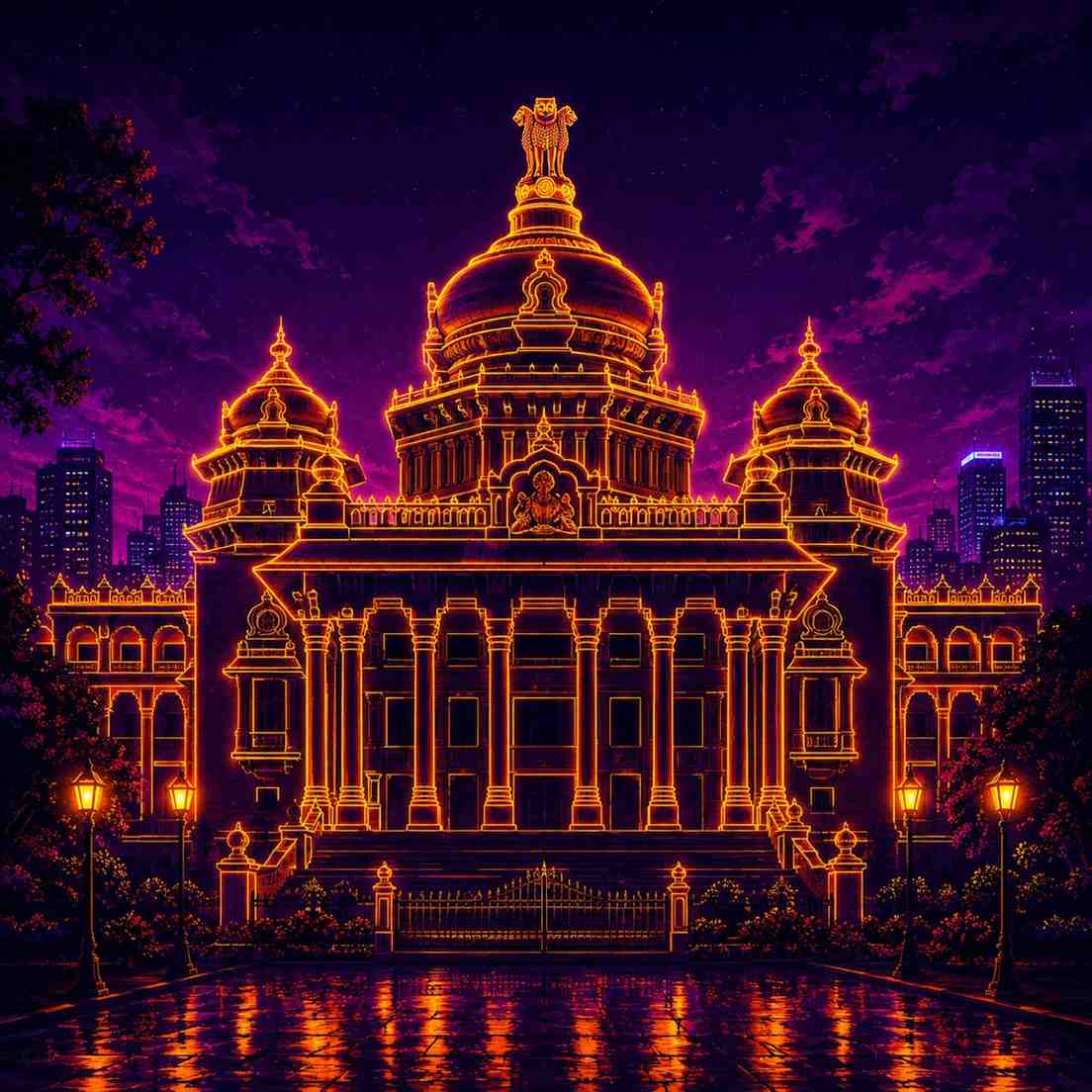
Bengaluru
450+ Celebrations Hosted
Modern Spirit, Creative Celebrations
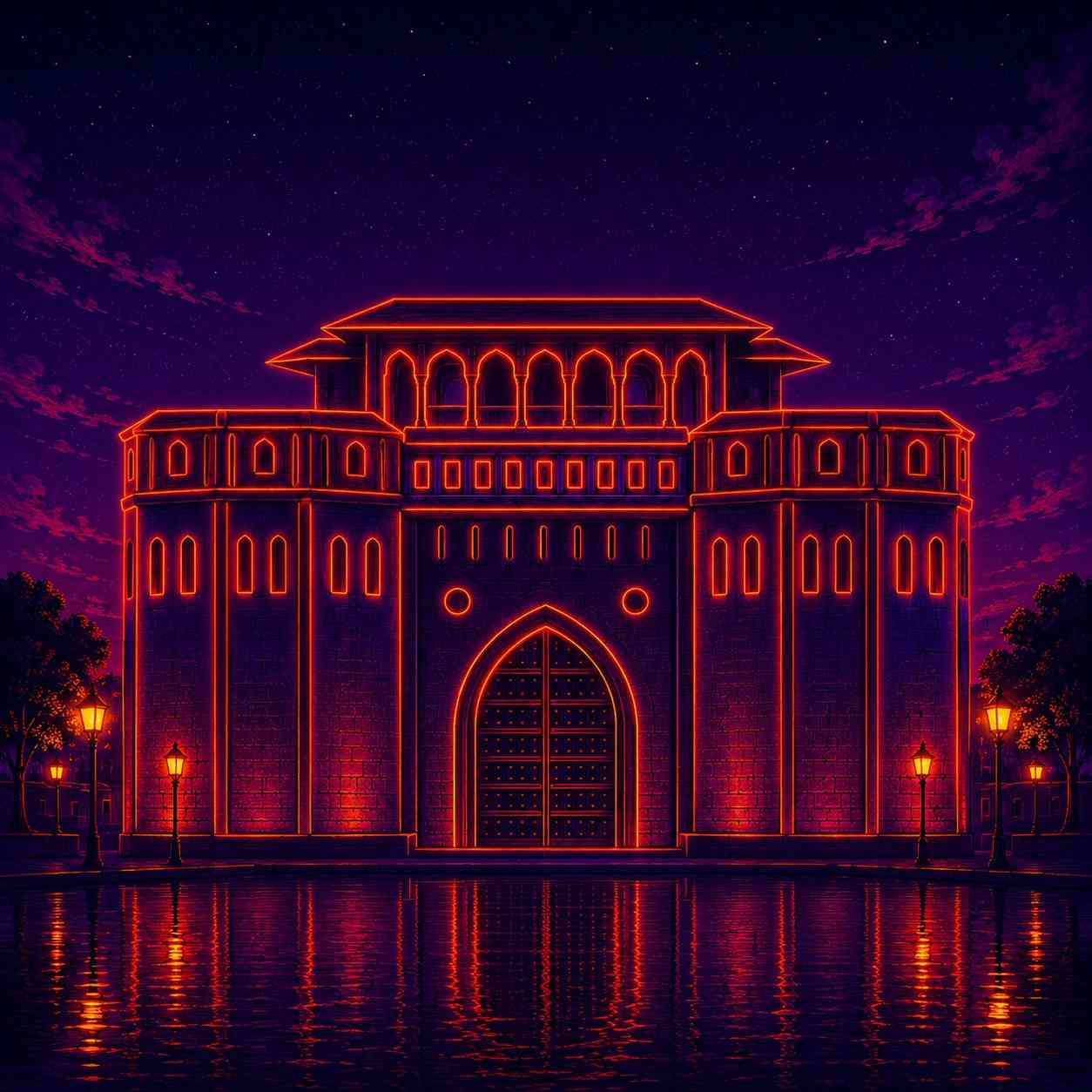
Pune
350+ Celebrations Hosted
Culture, Charm and Celebration
Delhi
550+ Celebrations Hosted
Where History Meets Grandeur
Coimbatore
200+ Celebrations Hosted
Tradition Rooted in Tranquility
Kolkata
300+ Celebrations Hosted
Culture, Emotion and Celebration
Ahmedabad
200+ Celebrations Hosted
Tradition with Vibrant Energy
5
View All Popular Experiences
6
Wedding Snapshot™
48+
Sub Events
180+
Experience Types
2000+
Venues
8000+
Vendors
150+
Cities
15+
Years of Expertise
12
Related Celebration Universes
Explore more ways to celebrate life.


Ready to plan your dream Pandakaal Ceremony?
Hiya & Hanu are here to make it magical, memorable & effortless.

◆
Pandakaal Ritual Function – Muhurtha Kaal Ceremony, Sacred Customs & Traditions
◆What is the Pandakaal Ritual Function?
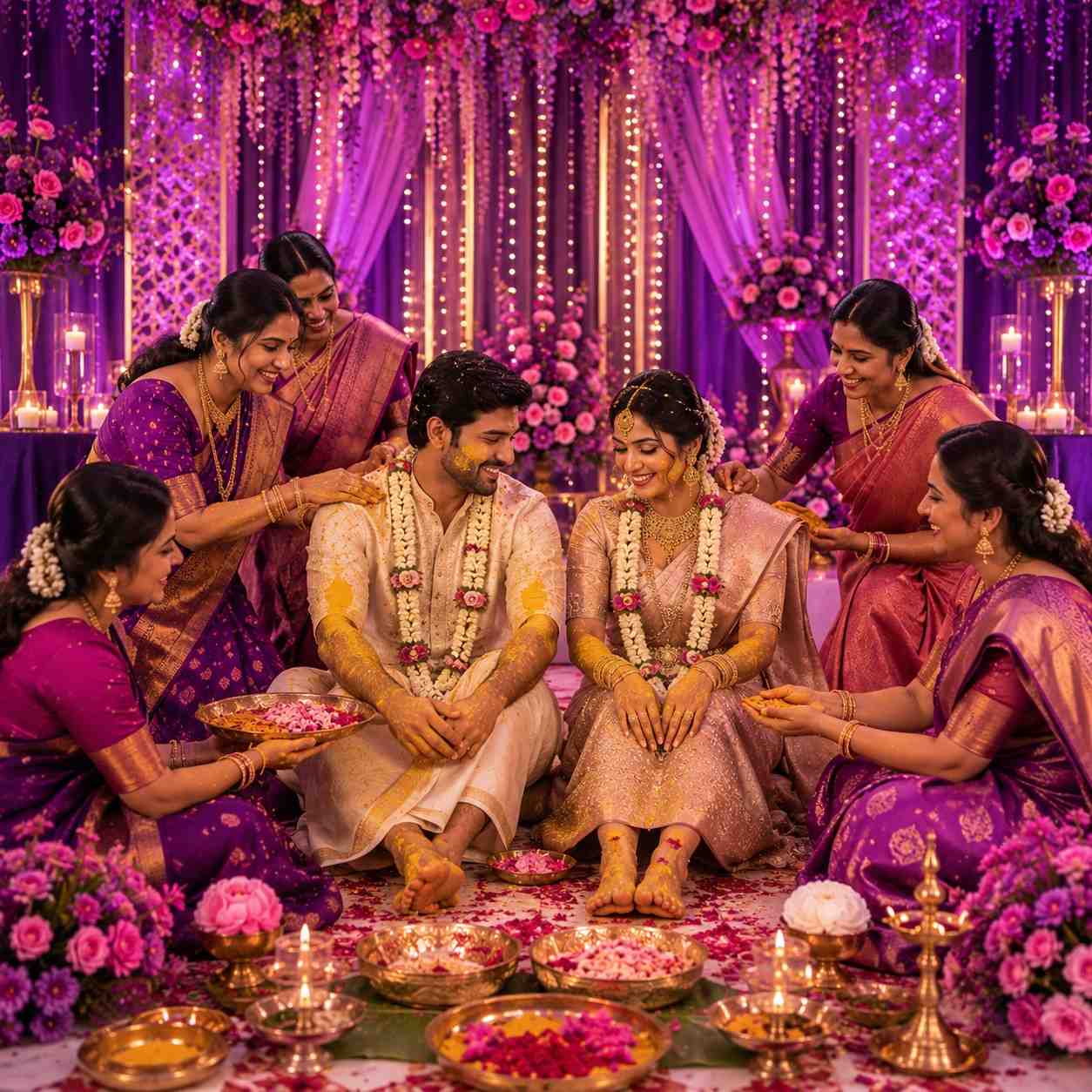
The Pandakaal Ritual Function, also known as the Muhurtha Kaal Ceremony, is one of the most sacred pre-wedding rituals performed in Tamil Hindu weddings. This auspicious ceremony marks the official beginning of wedding celebrations and signifies that all preparations for the marriage have commenced under divine blessings. Deeply rooted in Tamil Wedding Rituals and Hindu Wedding Traditions, the ceremony is performed to seek prosperity, remove obstacles, and invite positive energy into the lives of the bride and groom. The Pandakaal Ritual Function is more than a traditional custom; it is a spiritual occasion that unites families, honours ancestors, and prepares everyone for the sacred journey of marriage.
Meaning and Significance of the Pandakaal Ritual Function
The word Pandakaal refers to the ceremonial bamboo pole installed before the wedding, while Muhurtha Kaal represents the auspicious beginning of wedding rituals. Together, the Pandakaal Ritual Function symbolises stability, growth, prosperity, and divine protection for the couple. According to Tamil traditions, every important event should begin with prayers and blessings, and this ceremony reflects that belief by inviting the grace of God before the wedding festivities officially start.
The ceremony also marks the transition from wedding planning to wedding celebrations. Once the Muhurtha Kaal Ceremony is completed, families begin decorating the venue, organising traditional rituals, preparing festive meals, and welcoming relatives for the upcoming celebrations. It is considered a sacred occasion that fills the home with happiness, positivity, and spiritual energy.
Religious Importance of the Muhurtha Kaal Ceremony
The Muhurtha Kaal Ceremony holds great religious significance because marriage in Hindu culture is considered a sacred union blessed by the divine. Before the wedding rituals begin, families perform prayers seeking the blessings of Lord Ganesha, family deities, ancestors, and the Navagrahas to ensure a smooth and successful wedding.
Priests chant Vedic mantras while family members participate in traditional rituals that symbolise faith, gratitude, and devotion. The ceremonial bamboo pole represents strength and stability, reminding everyone that a successful marriage should be built on strong values, mutual respect, and family support. Through these sacred prayers, the ceremony creates a spiritually uplifting atmosphere that prepares the bride and groom for their new responsibilities.
History and Cultural Heritage
The Pandakaal Ceremony has been an important part of Tamil weddings for centuries. In earlier times, weddings were celebrated over several days, and the installation of the ceremonial bamboo pole announced to the entire community that wedding festivities had officially begun. Neighbours, relatives, and friends would gather to congratulate the families and participate in the celebrations.
Although weddings have become more contemporary today, the spiritual meaning of the Pandakaal Ritual continues to remain unchanged. Families proudly preserve this beautiful custom because it represents their cultural heritage, respect for ancestors, and commitment to passing meaningful traditions from one generation to the next.
Pandakaal Rituals and Sacred Traditions
The ceremony usually begins with a Ganapathi Pooja, seeking Lord Ganesha's blessings to remove obstacles from the wedding preparations. After the prayers, an auspicious bamboo pole is decorated with turmeric, sandalwood paste, mango leaves, flowers, and sacred threads before being installed near the entrance of the house or wedding venue.
Priests perform Vedic rituals while chanting sacred mantras. The bride, groom, parents, and close family members offer coconuts, fruits, flowers, betel leaves, rice, and lamps as symbols of prosperity and gratitude. Elders bless the couple for a harmonious, prosperous, and joyful married life. These Sacred Wedding Rituals reinforce the importance of beginning every milestone with faith, devotion, and family unity.
Although customs may vary slightly across Tamil communities, the purpose remains the same: seeking divine blessings and ensuring that the wedding celebrations begin under the most auspicious circumstances.
Symbolism of the Ceremonial Bamboo Pole
The ceremonial bamboo pole is the most recognisable element of the Muhurtha Kaal Ritual. Bamboo is admired for its strength, flexibility, and continuous growth, making it an ideal symbol for marriage. Just as bamboo remains strong despite changing seasons, the couple is encouraged to build a relationship founded on resilience, understanding, and lifelong companionship.
Decorating the bamboo pole with turmeric, mango leaves, flowers, and sacred threads enhances its spiritual significance. These traditional elements symbolise purity, prosperity, fertility, happiness, and protection from negative influences. The installation of the pole is regarded as an invitation for positive energy to enter the family's home and bless every stage of the wedding celebrations.
Sacred Items Used During the Ceremony
Every item used during the Pandakaal Ceremony carries spiritual meaning. Turmeric represents purity and good fortune, while kumkum symbolises prosperity and marital happiness. Mango leaves are associated with abundance and new beginnings, and coconuts represent completeness and divine blessings. Fresh flowers express devotion, lamps signify knowledge and positivity, and rice symbolises abundance and nourishment.
Priests also use sandalwood paste, betel leaves, bananas, fruits, sacred threads, incense, camphor, and traditional pooja materials throughout the ceremony. Together, these sacred offerings create a peaceful atmosphere that reflects the spiritual values of the Traditional Marriage Ceremony customs.
Family Participation and Blessings
The Pandakaal Ritual Function is a celebration of togetherness where every family member contributes to the occasion. Parents organise the rituals, grandparents share blessings and traditional wisdom, while siblings and relatives actively participate in the prayers and preparations. Their collective presence reflects the belief that marriage is the union of two families rather than just two individuals.
Elders bless the bride and groom by offering flowers, rice, and heartfelt wishes for happiness, prosperity, good health, and lifelong companionship. These blessings remain one of the most emotional and memorable aspects of the ceremony, strengthening family relationships and creating cherished memories before the wedding.
Modern Pandakaal Celebrations
Modern families continue to celebrate the Muhurtha Kaal Ceremony while embracing elegant event planning and contemporary wedding experiences. Beautiful floral decorations, traditional kolam designs, brass lamps, customized welcome entrances, and decorative stages enhance the beauty of the celebration without compromising its cultural significance.
Professional photography and videography now document every sacred ritual, allowing families to preserve precious memories for generations. Many couples also personalize the ceremony with coordinated attire, traditional music, and thoughtfully designed décor inspired by Tamil culture, creating a perfect balance between heritage and modern elegance.
Best Venues for the Ceremony
The Pandakaal Ceremony can be celebrated in a family home, temple, marriage hall, luxury hotel, resort, heritage property, or destination wedding venue. Many families prefer hosting the ceremony at home because it preserves the traditional atmosphere and allows relatives to participate comfortably. Others choose spacious venues that can accommodate larger gatherings while providing beautiful settings for rituals, photography, and celebrations.
Regardless of the location, the focus remains on performing the sacred rituals with devotion and ensuring that the wedding journey begins with positivity, peace, and divine blessings.
Planning a Meaningful Pandakaal Ritual Function
Planning this auspicious ceremony begins with selecting an appropriate muhurtham based on the family priest's guidance. Families arrange all ceremonial items, invite close relatives, prepare traditional decorations, and coordinate the rituals according to long-standing customs. Professional decorators, photographers, caterers, and wedding planners often assist in creating a seamless experience while preserving the authenticity of the ceremony.
Thoughtful planning ensures that every prayer, ritual, and family tradition is observed with respect, making the Pandakaal Ritual Function a memorable beginning to the wedding celebrations.
Celebrate Your Pandakaal Ritual Function with Happiffie
The Pandakaal Ritual Function is a beautiful expression of faith, tradition, and family togetherness that marks the sacred beginning of a wedding celebration. Whether you are planning an intimate ceremony at home or a grand celebration at a wedding venue, every detail contributes to creating lifelong memories. Happiffie helps families discover trusted wedding planners, decorators, photographers, caterers, priests, entertainers, and venue partners across India, making it easy to organise a memorable Muhurtha Kaal Ceremony that beautifully blends timeless traditions with modern celebrations.
Frequently Asked Questions (FAQs)
1. What is the Pandakaal Ritual Function?
The Pandakaal Ritual Function is a traditional Tamil pre-wedding ceremony that marks the auspicious beginning of wedding celebrations. It includes installing a ceremonial bamboo pole, performing prayers, and seeking divine blessings for a peaceful and prosperous married life.
2. Why is the Muhurtha Kaal Ceremony important?
The Muhurtha Kaal Ceremony is important because it invokes divine blessings, removes obstacles, and officially begins the wedding rituals according to Tamil and Hindu traditions. It symbolises prosperity, family unity, and spiritual preparation for marriage.
3. What rituals are performed during the Pandakaal Ceremony?
The ceremony typically includes Ganapathi Pooja, Vedic mantra chanting, installation of the ceremonial bamboo pole, offering flowers, coconuts, fruits, turmeric, rice, and prayers, followed by blessings from elders for the bride and groom.
4. Who participates in the Pandakaal Ritual Function?
The bride, groom, parents, grandparents, relatives, and a Hindu priest actively participate in the Pandakaal Ritual Function. It is a family-centred celebration where everyone joins together to seek blessings for the upcoming wedding.
5. Where can the Pandakaal Ritual Function be celebrated?
The ceremony can be celebrated at home, temples, marriage halls, banquet halls, hotels, resorts, heritage venues, or destination wedding locations. Families select the venue based on their traditions, guest list, and wedding plans while ensuring the rituals are performed in an auspicious environment.