
The HinduMarriage Ceremony
Celebrate the beauty of a Hindu marriage ceremony with age-old rituals, vibrant traditions, sacred customs, and unforgettable moments.
2
Explore Wedding Celebrations
3
Explore Styles Celebrate By Style
4
View All Cities Popular Cities
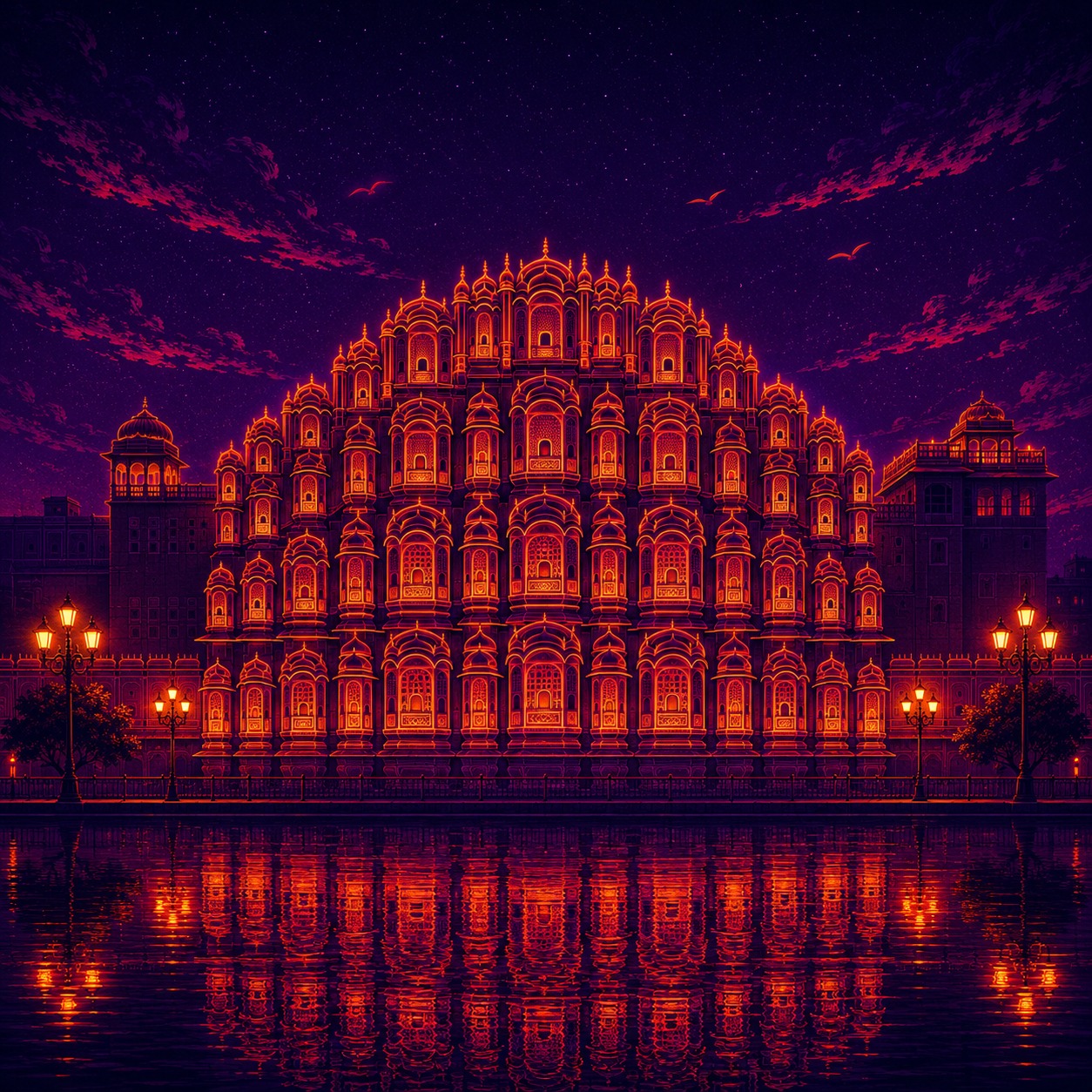
Jaipur
300+ Celebrations Hosted
Royal Grandeur in Pink

Goa
350+ Celebrations Hosted
Where Celebrations Meet Sunshine
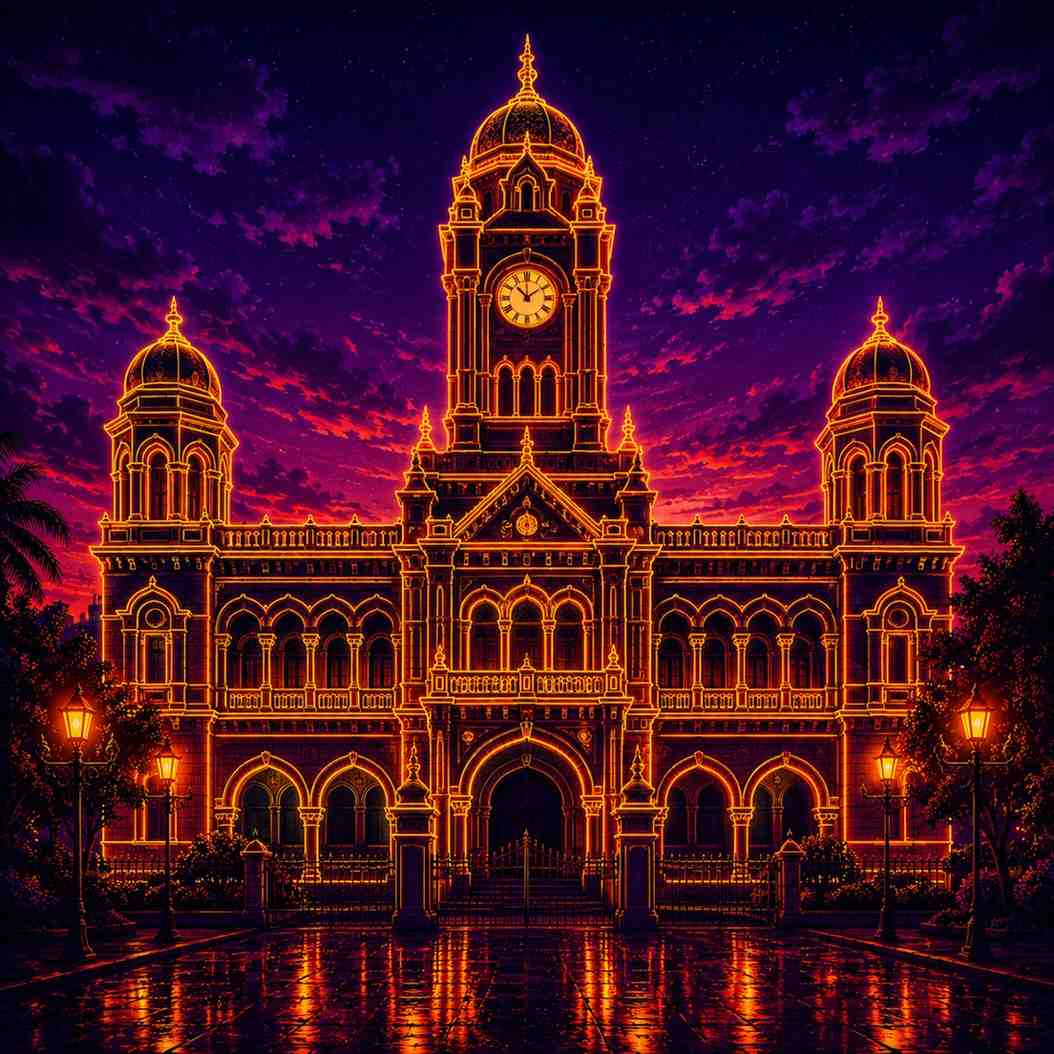
Chennai
500+ Celebrations Hosted
Tradition Meets Coastal Elegance
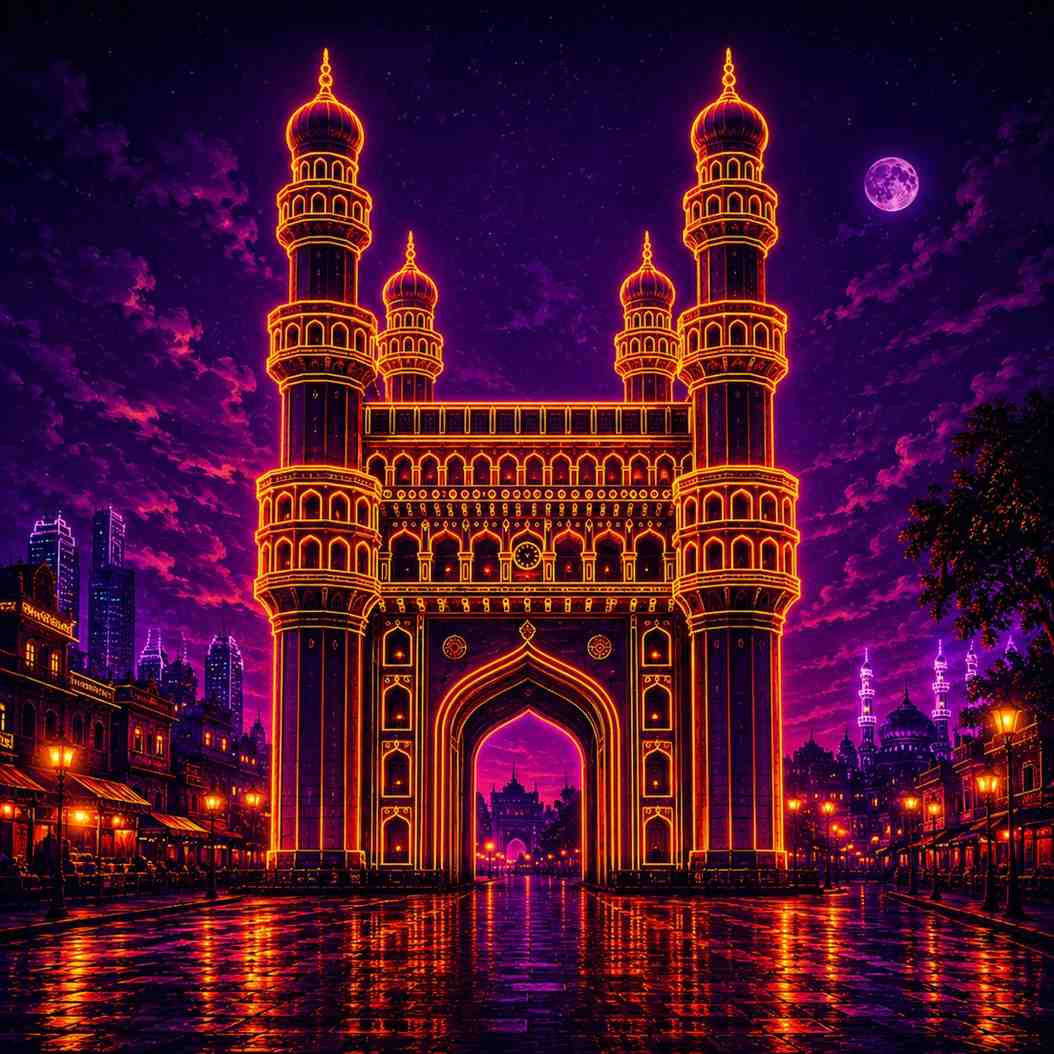
Hyderabad
400+ Celebrations Hosted
Heritage, Grandeur and Warmth
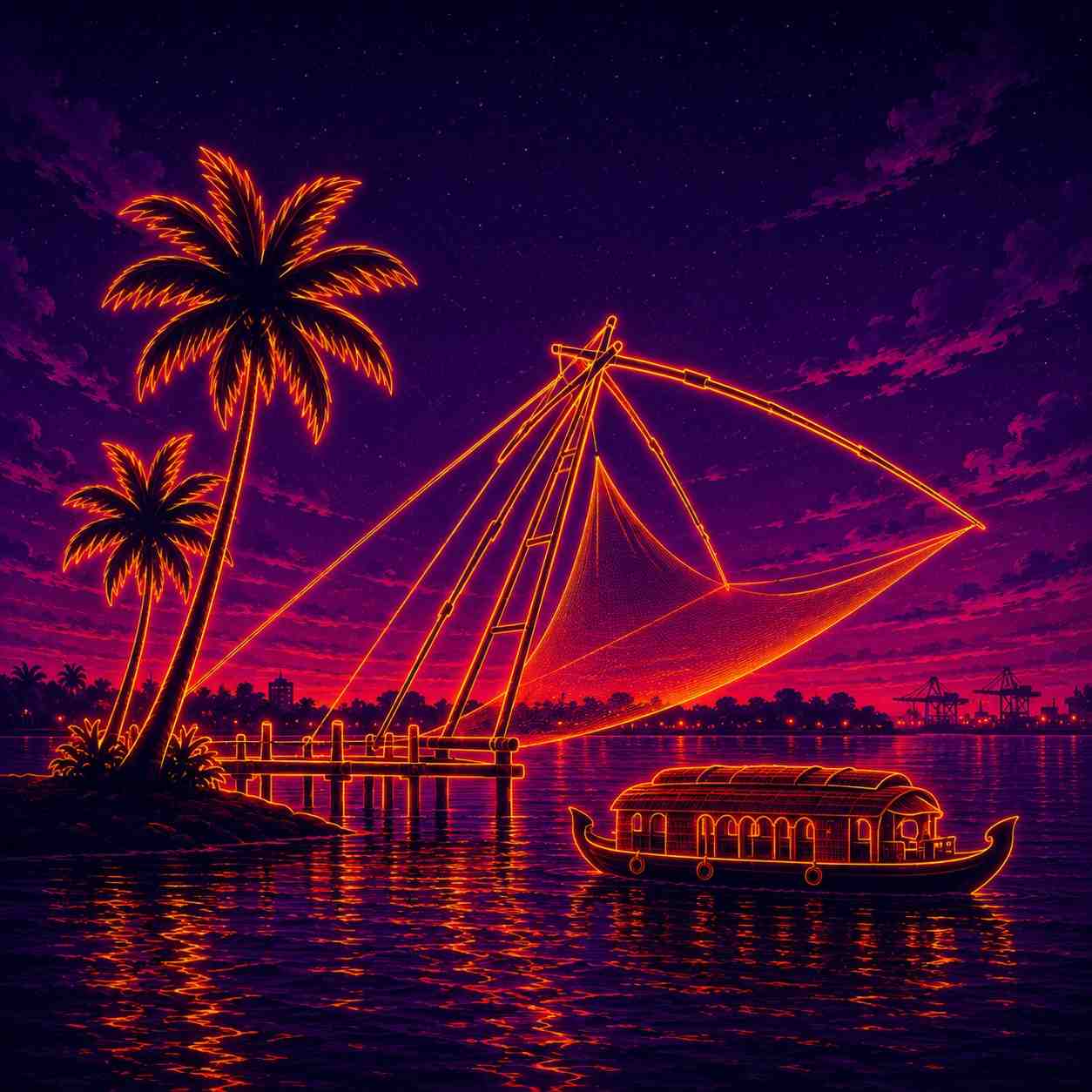
Kochi
250+ Celebrations Hosted
Where Heritage Meets Backwaters
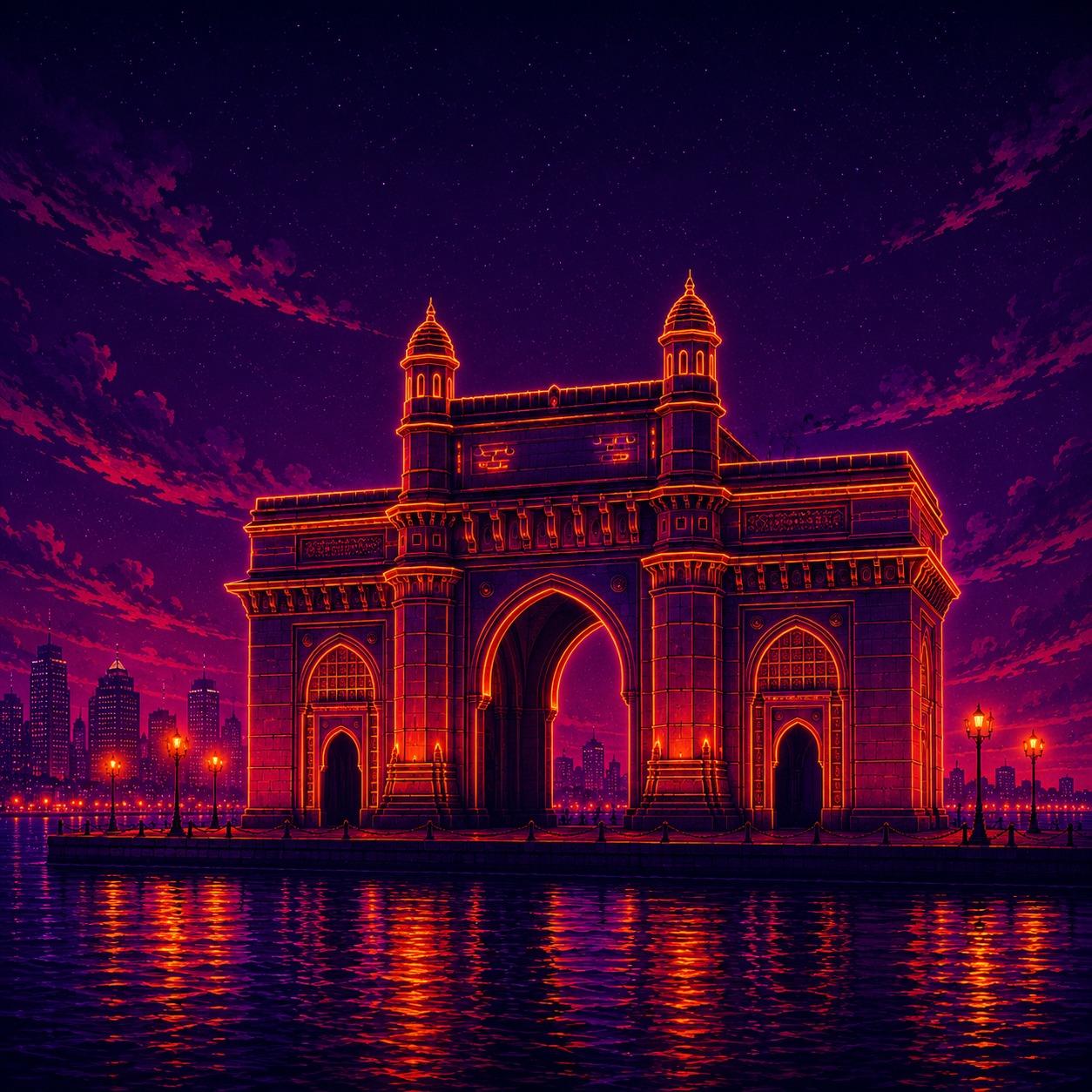
Mumbai
600+ Celebrations Hosted
Bold Energy, Endless Celebrations
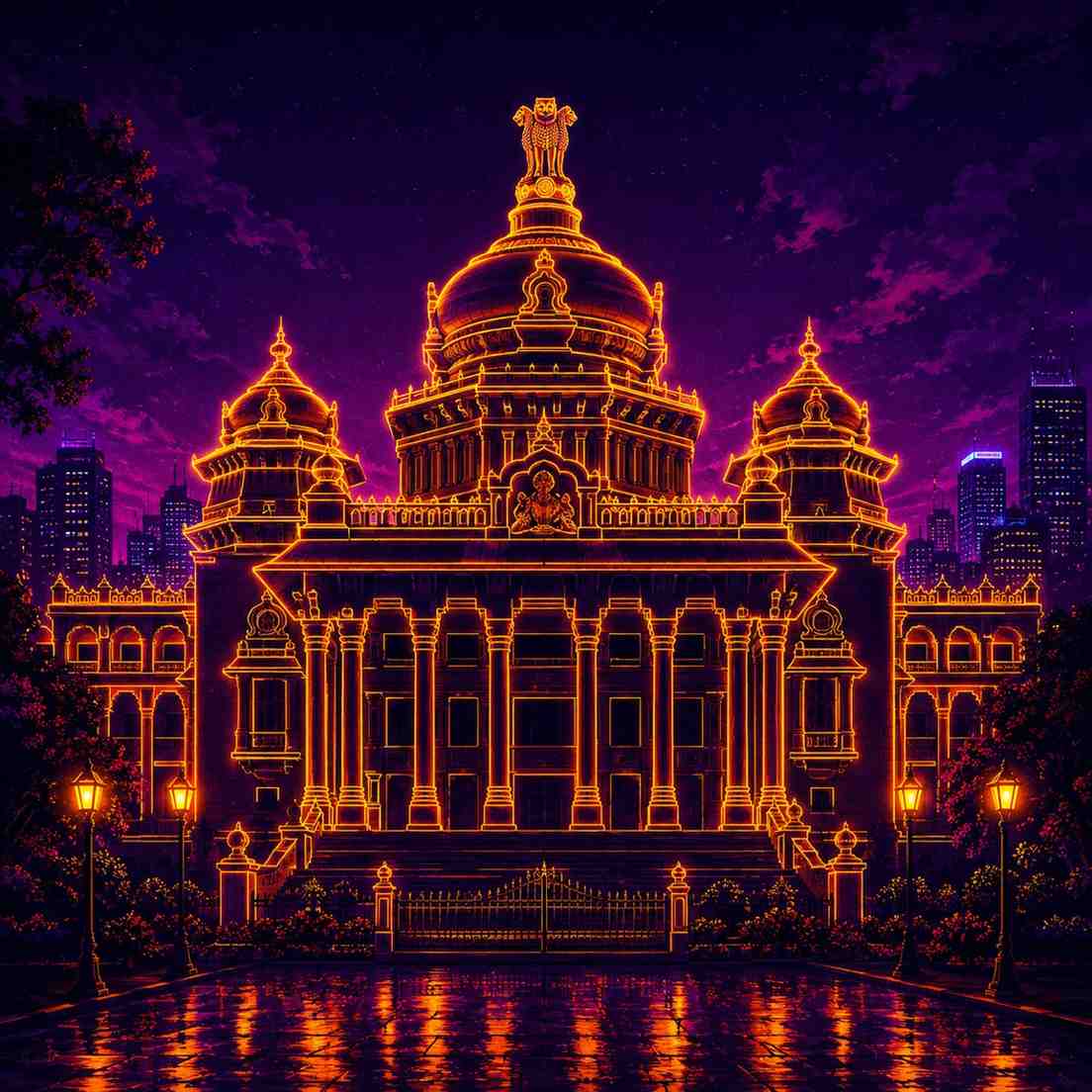
Bengaluru
450+ Celebrations Hosted
Modern Spirit, Creative Celebrations
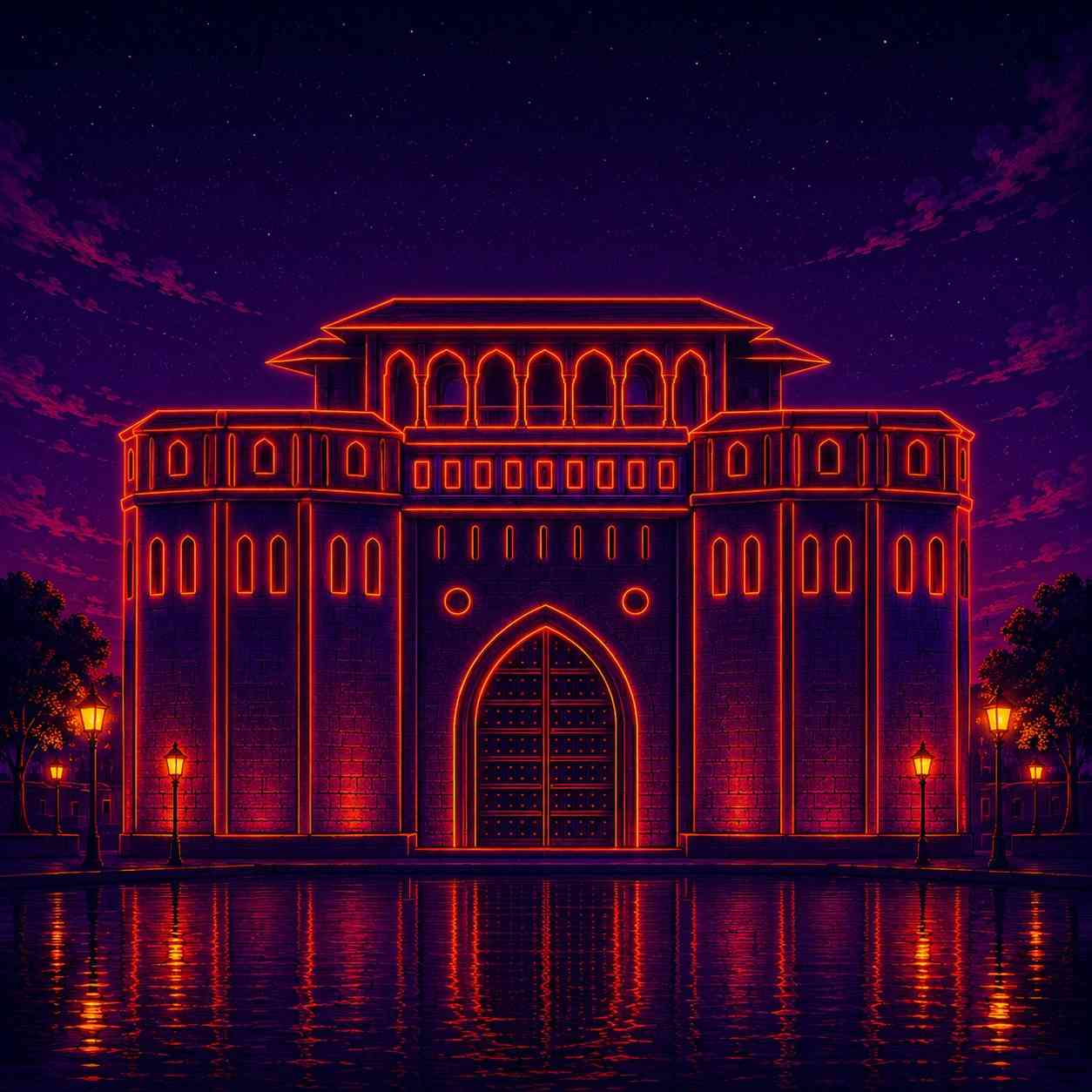
Pune
350+ Celebrations Hosted
Culture, Charm and Celebration
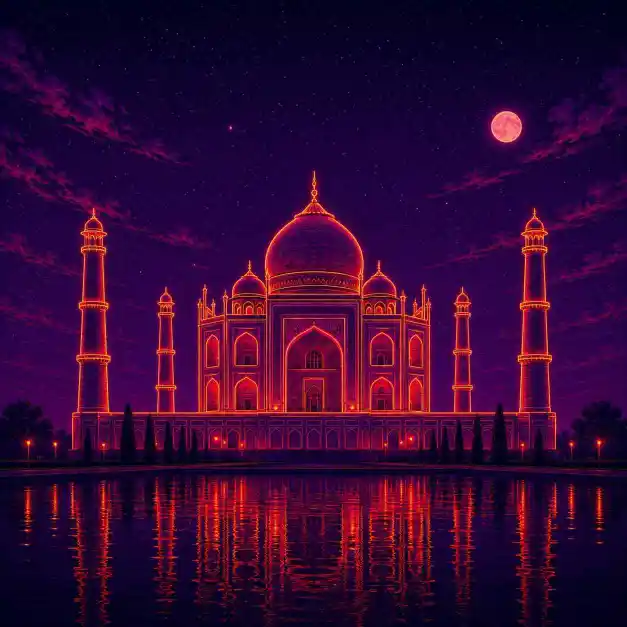
Delhi
550+ Celebrations Hosted
Where History Meets Grandeur
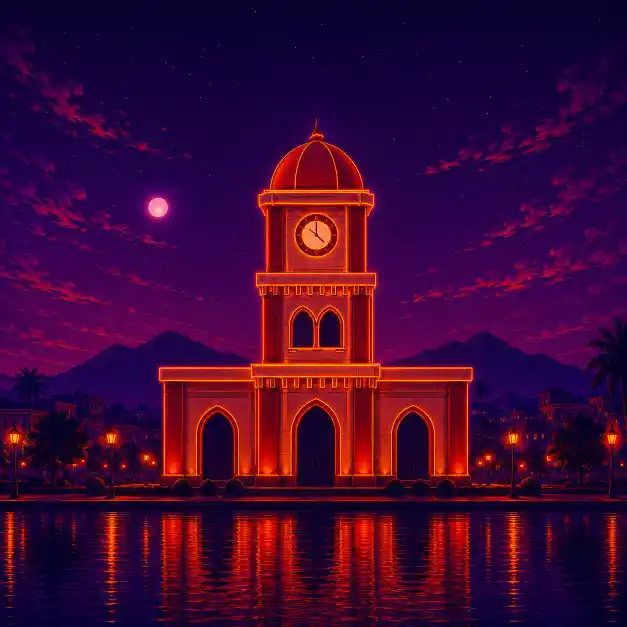
Coimbatore
200+ Celebrations Hosted
Tradition Rooted in Tranquility
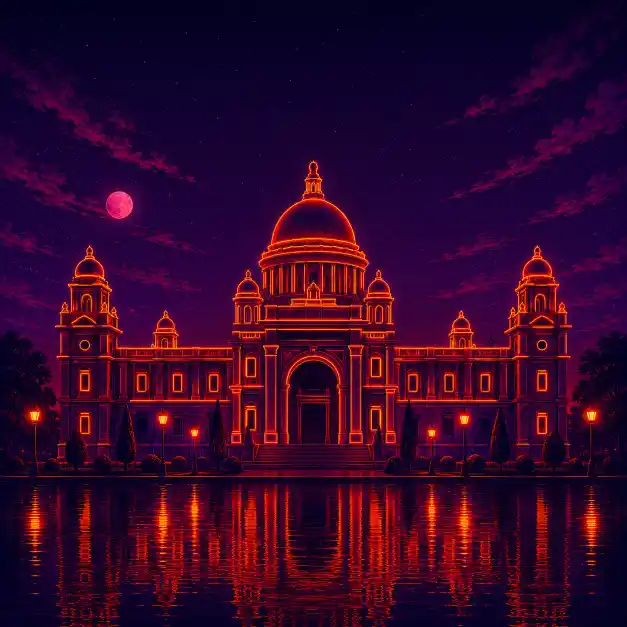
Kolkata
300+ Celebrations Hosted
Culture, Emotion and Celebration
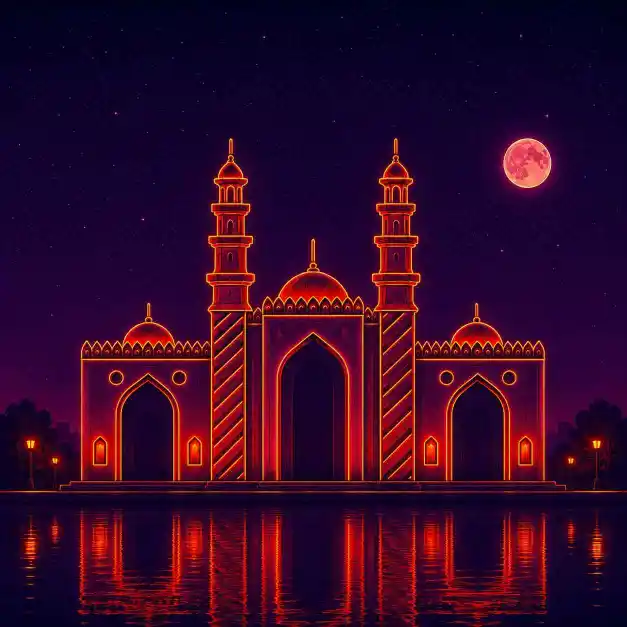
Ahmedabad
200+ Celebrations Hosted
Tradition with Vibrant Energy
5
View All Popular Experiences
6
Wedding Snapshot™
48+
Sub Events
180+
Experience Types
2000+
Venues
8000+
Vendors
150+
Cities
15+
Years of Expertise
12
Related Celebration Universes
Explore more ways to celebrate life.


Ready to plan your Hindu Wedding?
Hiya & Hanu are here to make it magical, memorable & effortless.

◆
Hindu Marriage (Vivah) in India
◆Hindu Marriage, traditionally known as Vivah, is one of the oldest and most sacred institutions in the world. It is far more than a wedding ceremony—it is a lifelong spiritual partnership built on love, respect, family values, shared responsibilities, and cultural traditions. Deeply rooted in the Vedas and centuries of Indian heritage, Hindu marriage represents the union of two individuals, two families, and two lineages, while also symbolizing the beginning of a new chapter filled with commitment, prosperity, and togetherness.
Across India, Hindu weddings are celebrated in countless ways, reflecting the country's extraordinary diversity of languages, customs, regional practices, and community traditions. Although every state and community follows unique rituals, the essence of a Hindu marriage remains the same: seeking divine blessings for a harmonious and prosperous married life. Whether it is a simple temple wedding, an intimate family ceremony, a luxurious palace celebration, or a destination wedding, every Hindu marriage combines tradition with personal expression to create a memorable experience.
Happiffie brings together everything required to understand, plan, and celebrate Hindu marriages across India. From discovering wedding traditions and regional customs to finding trusted venues, planners, decorators, photographers, caterers, entertainers, bridal services, and wedding professionals, couples can explore every aspect of their wedding journey in one place.
The Meaning and Importance of Hindu Marriage
In Hindu philosophy, marriage is regarded as one of life's most important Samskaras, or sacred rites of passage. Rather than being viewed solely as a legal or social contract, Vivah is considered a spiritual commitment that unites two souls through sacred vows, rituals, and blessings. The ceremony signifies mutual respect, companionship, family harmony, and the shared responsibility of building a meaningful future together.
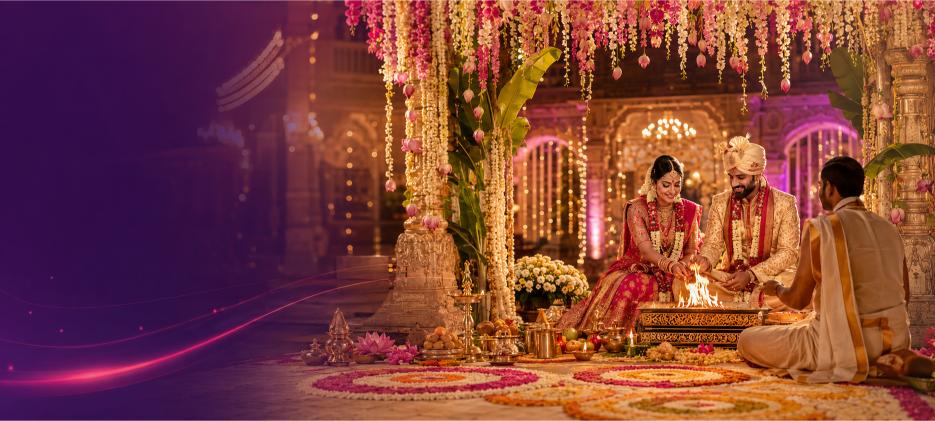
The sacred fire, known as Agni, serves as the divine witness during the wedding ceremony, while the seven vows taken around the fire symbolize trust, commitment, prosperity, health, family, friendship, and lifelong companionship. These timeless principles continue to guide Hindu marriages regardless of changing lifestyles and modern wedding trends.
Today, Hindu weddings beautifully balance centuries-old traditions with contemporary celebrations, allowing couples to honour their heritage while creating experiences that reflect their own personalities and aspirations.
Hindu Wedding Traditions Across India
India is home to one of the world's richest wedding cultures, where every region preserves its own distinctive customs and ceremonial practices. While the core philosophy of Hindu marriage remains universal, the rituals, attire, music, cuisine, décor, and ceremonial sequence vary significantly from one community to another.
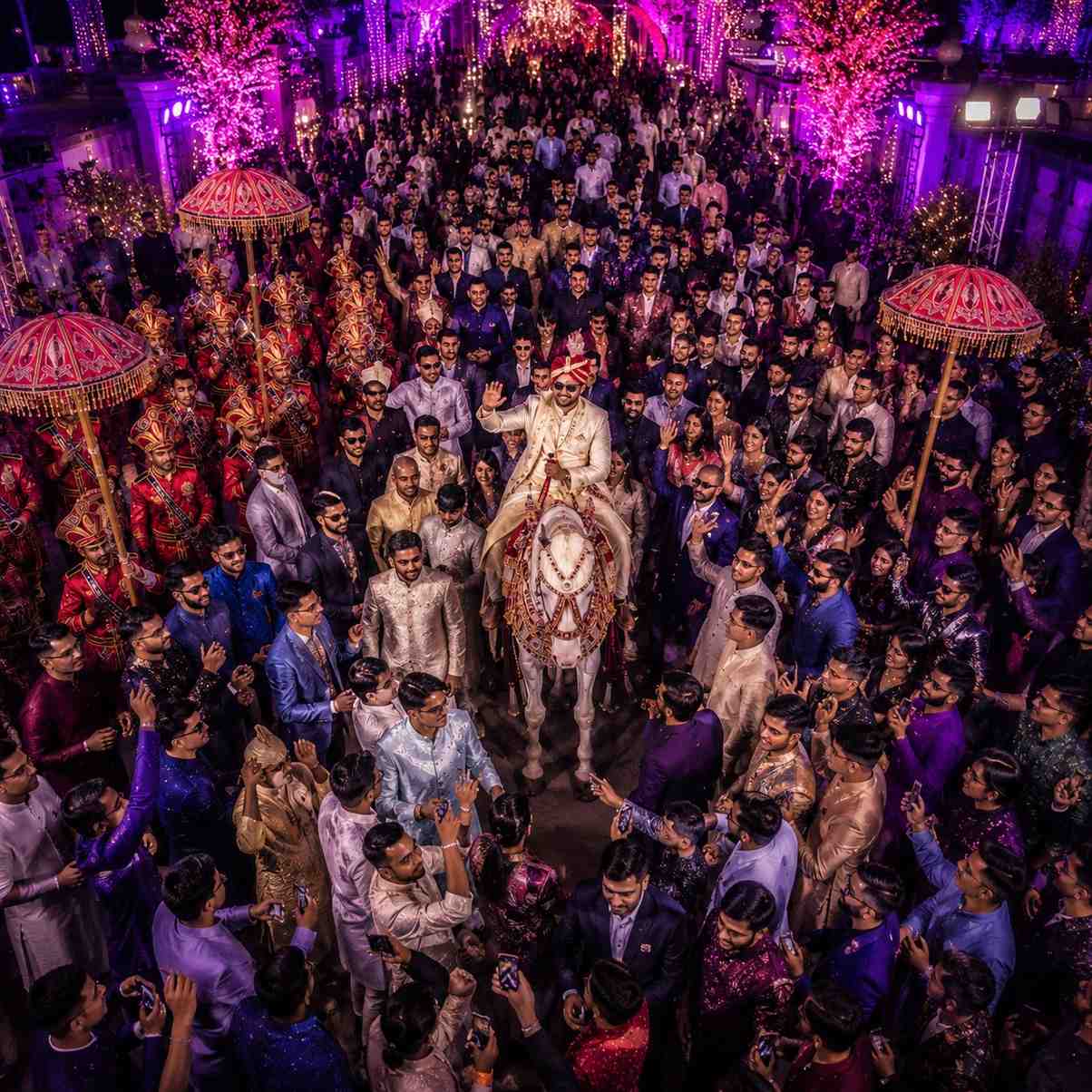
South Indian weddings are known for their temple traditions, elegant silk attire, sacred Vedic rituals, and cultural simplicity. North Indian weddings are recognised for colourful Baraats, grand Mandaps, vibrant Sangeet celebrations, and elaborate wedding processions. Bengali weddings feature beautiful rituals such as Shubho Drishti and Saat Paak, while Gujarati weddings celebrate traditions like Mangal Pheras and Jaimala with energetic family participation. Maharashtrian, Punjabi, Telugu, Tamil, Kannada, Malayali, Odia, Assamese, Rajasthani, Kashmiri, Jain, Arya Samaj, and many other communities each contribute unique customs that make India's wedding culture remarkably diverse.
These regional traditions continue to evolve while preserving the values that define Hindu marriage, making every celebration culturally meaningful and personally memorable.
Every Hindu Wedding Is a Journey of Celebrations
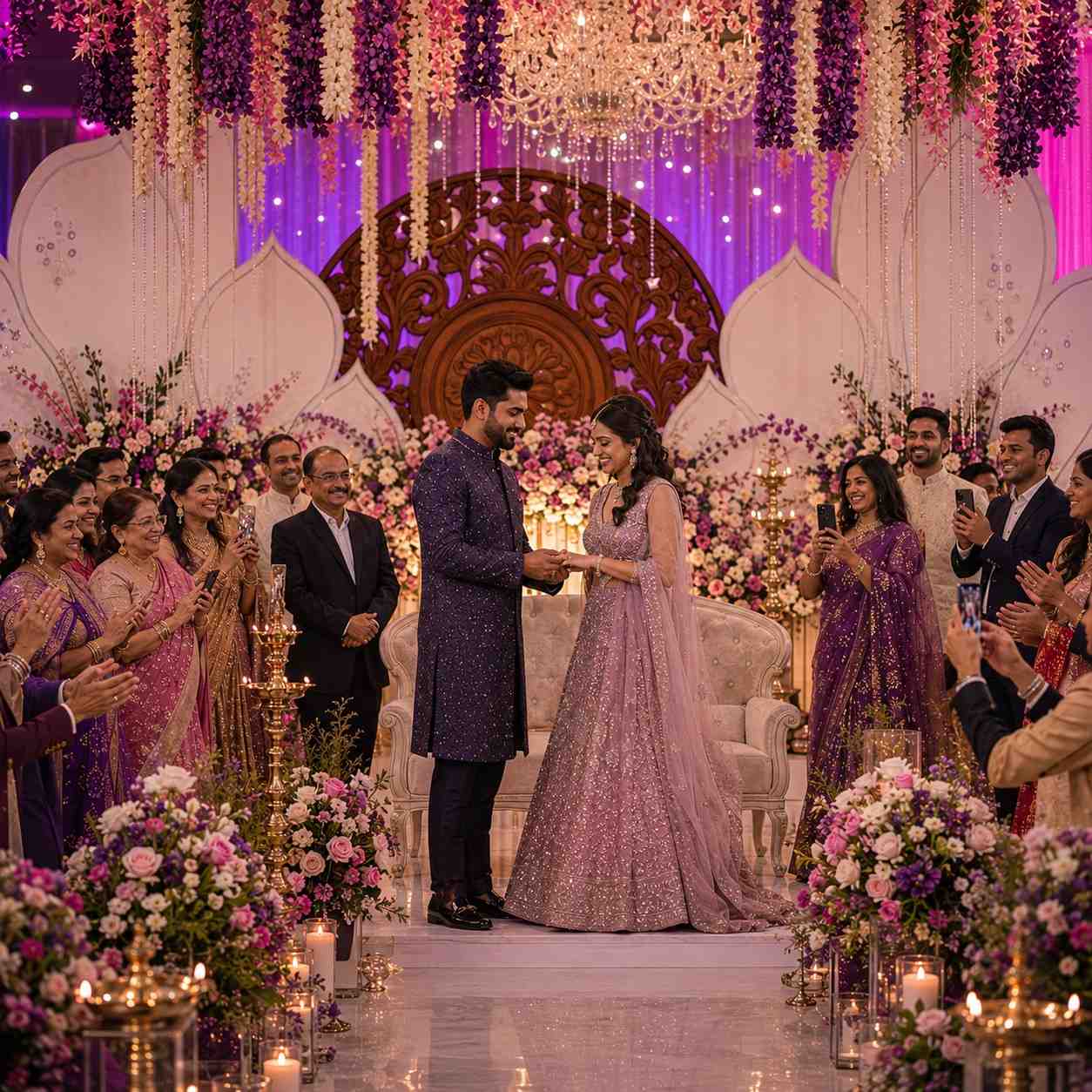
A Hindu marriage is rarely limited to a single day. Instead, it unfolds through a series of joyful celebrations that bring families, relatives, and friends together over several days. The journey often begins with ceremonies such as Roka, Nichayathartham, Engagement, Sagai, Tilak, Pandakaal, Grah Shanti, Vratham, and Sumangali Prarthanai, depending on regional traditions.
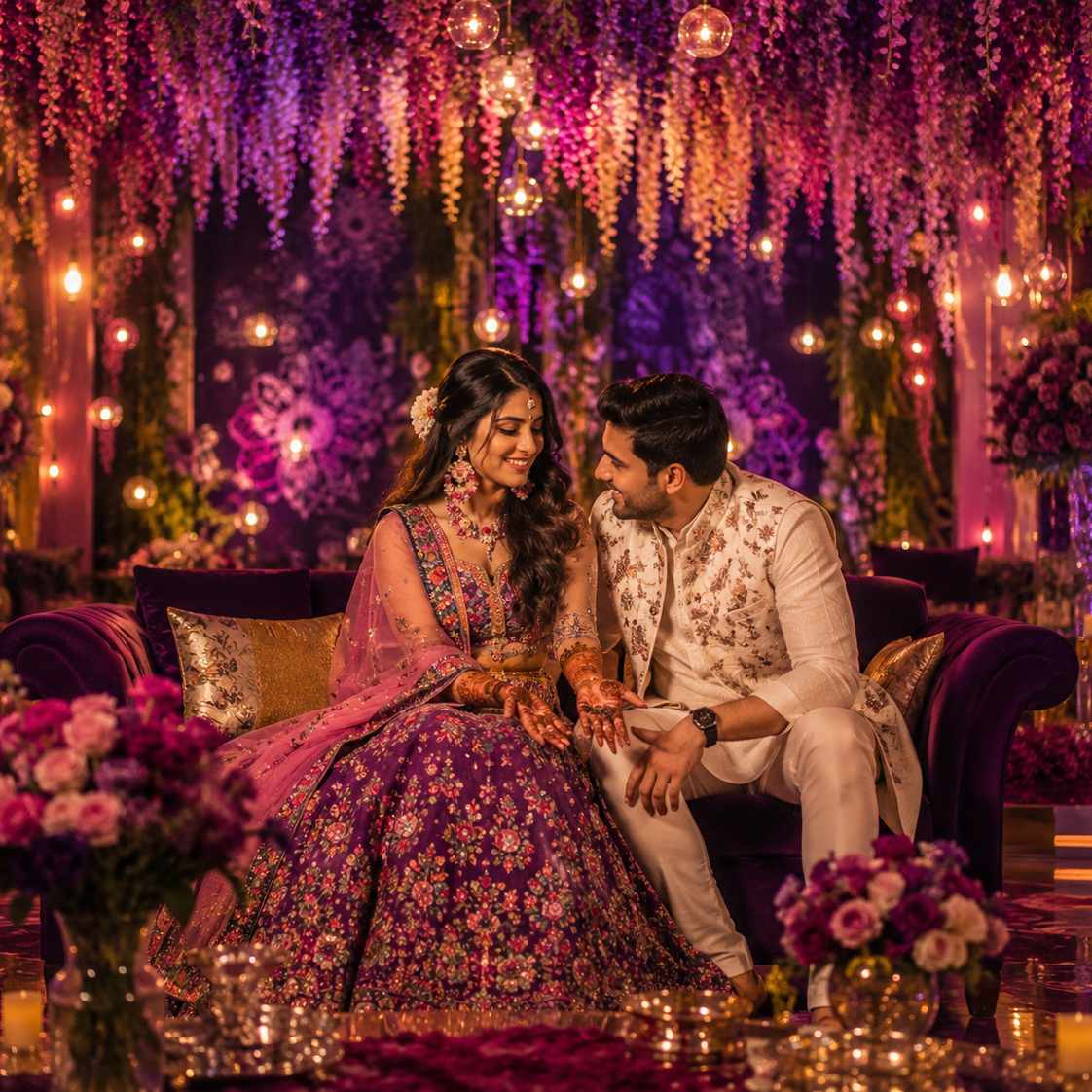
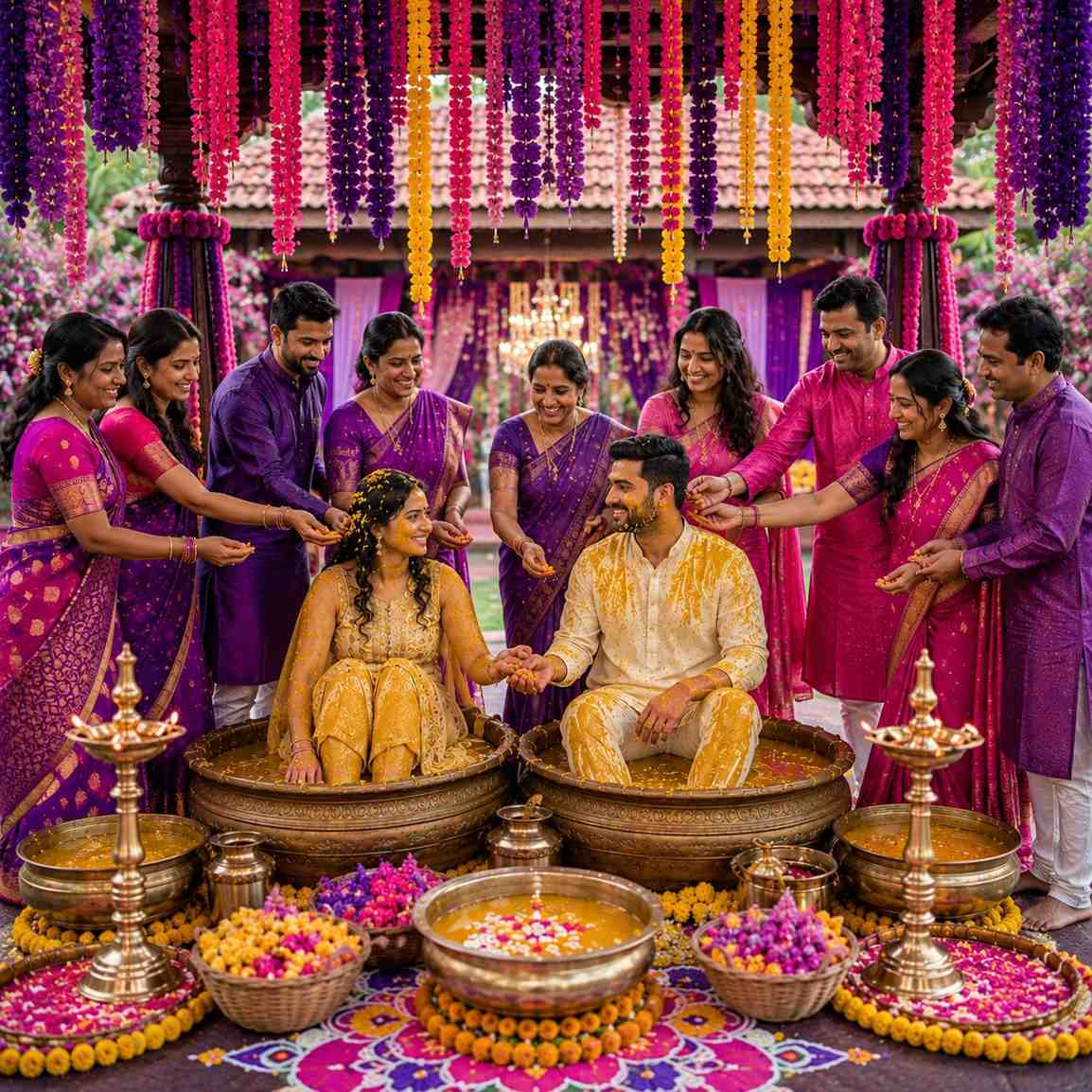
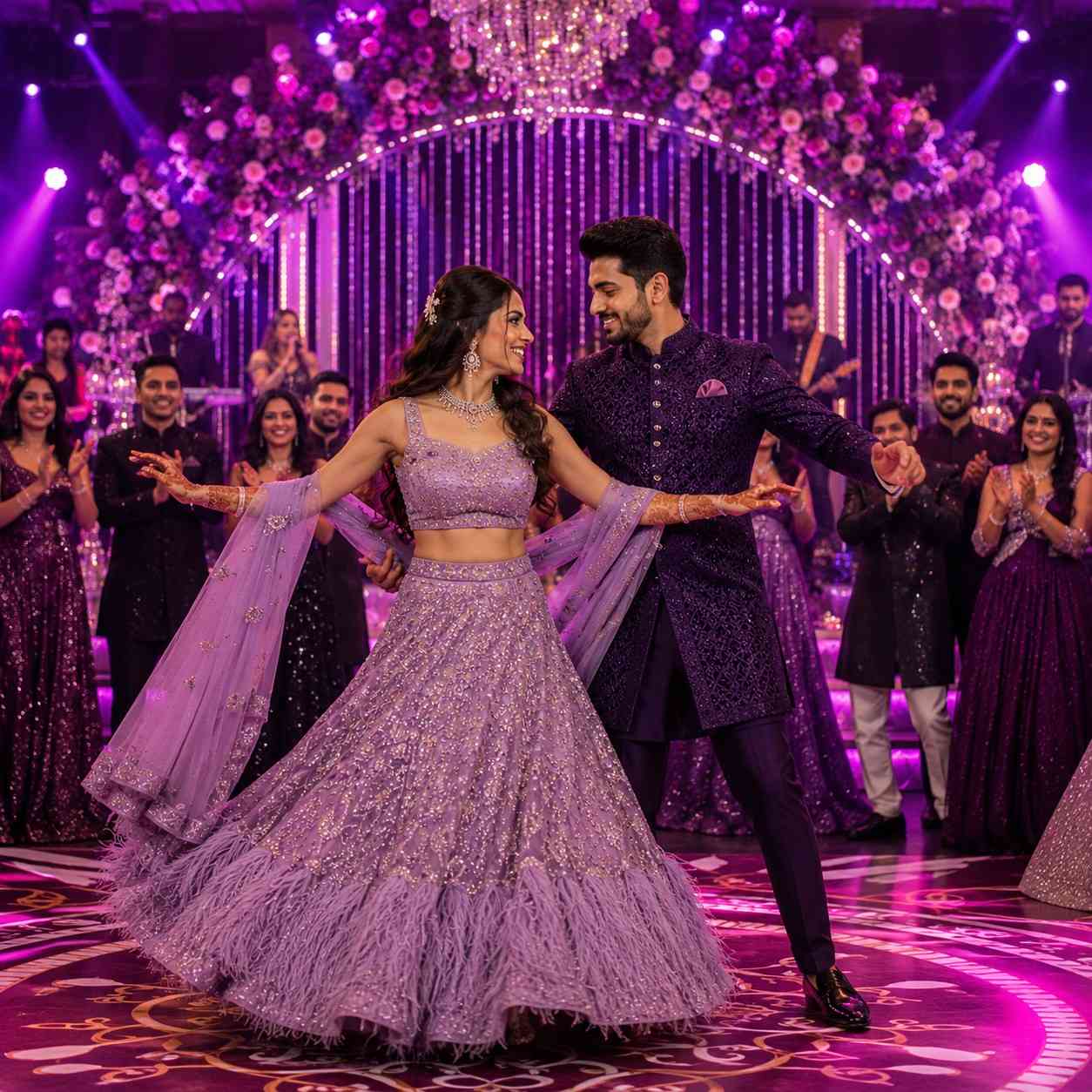
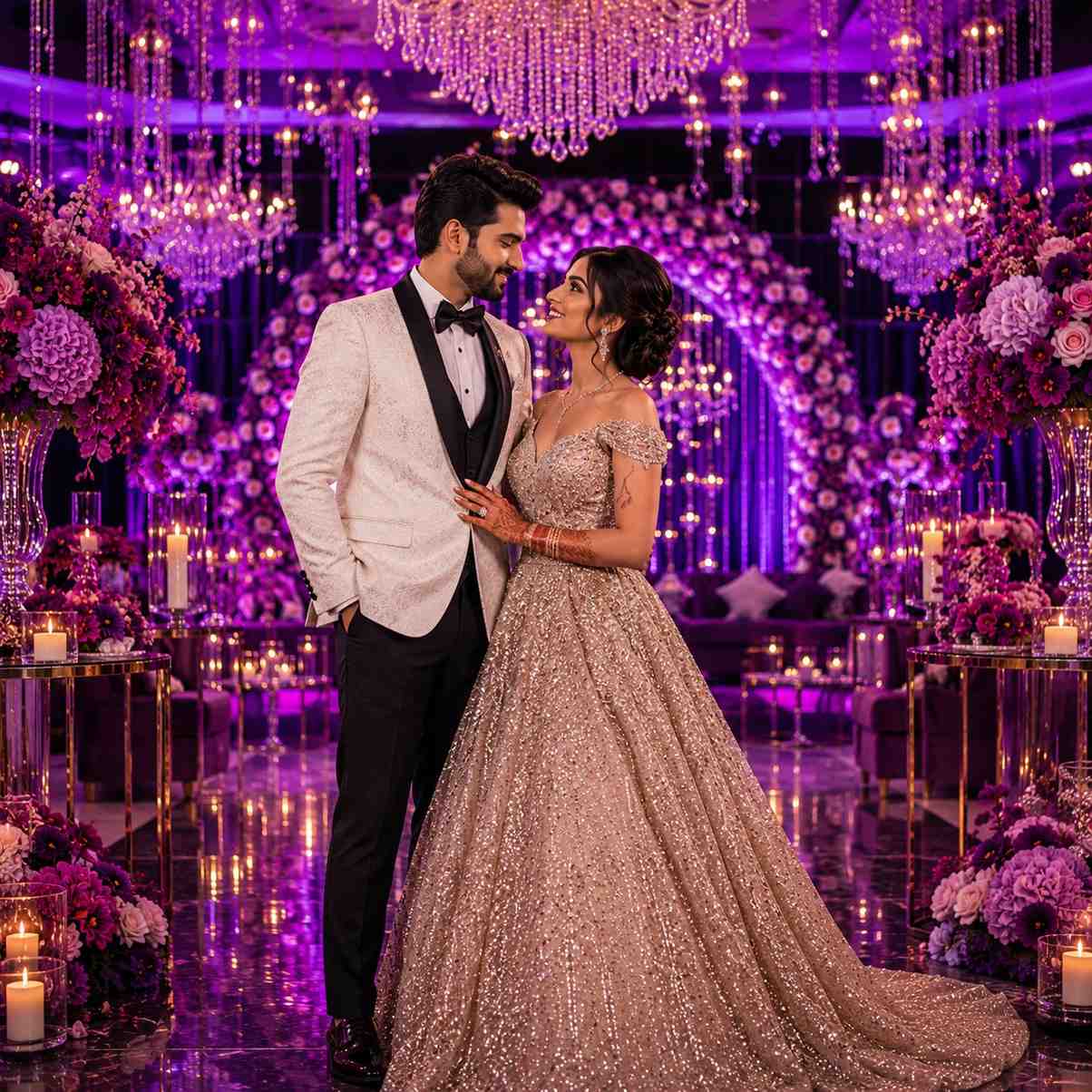
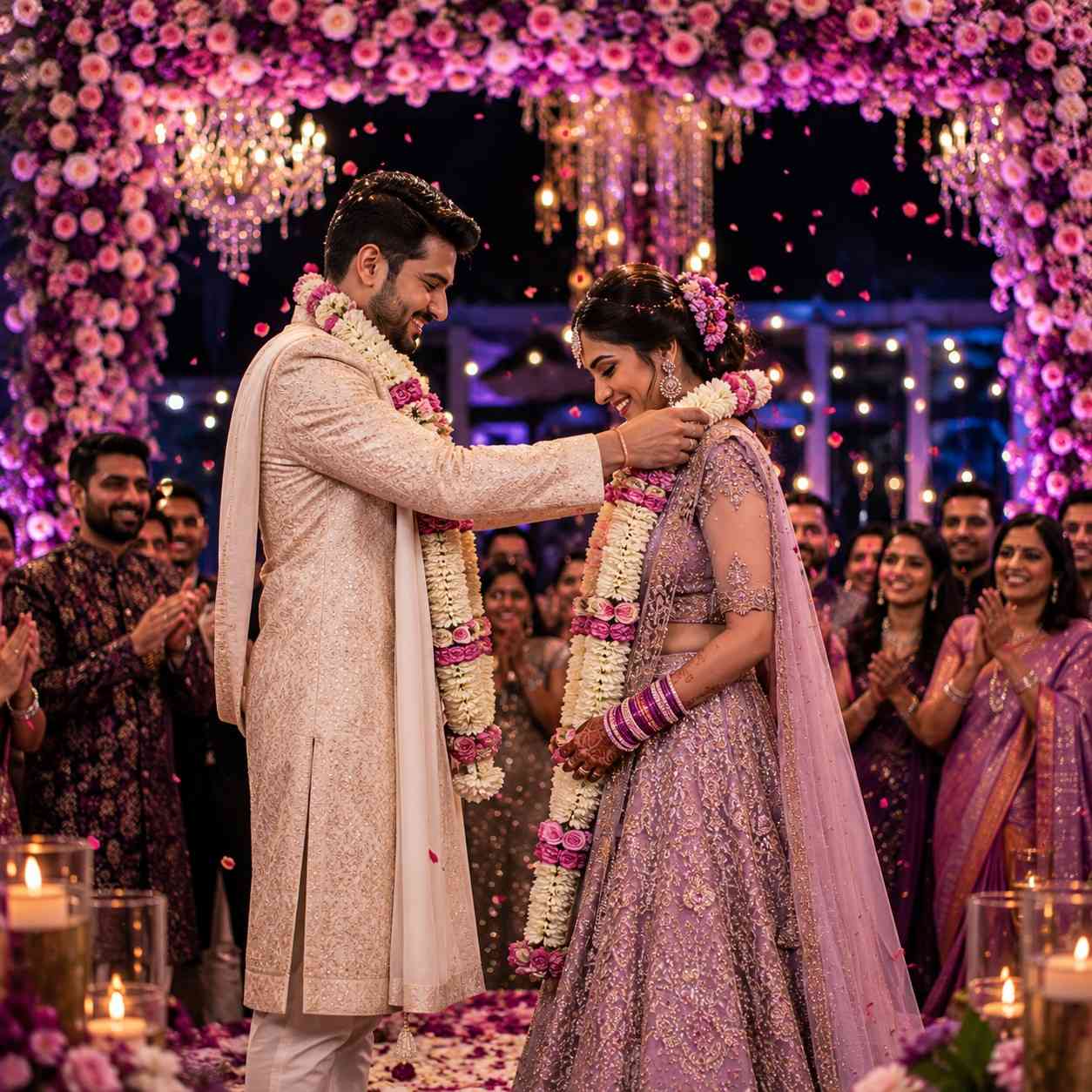
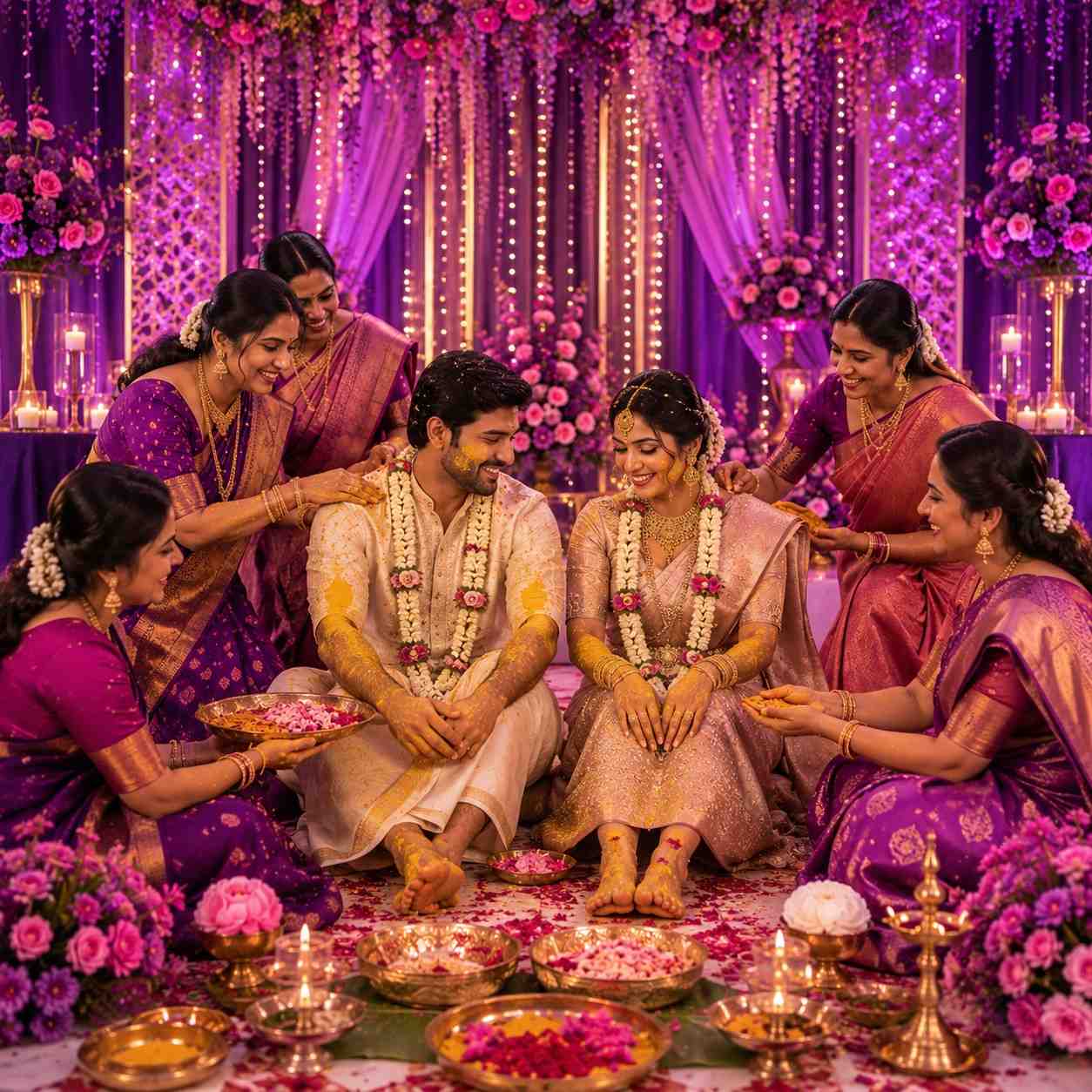
The celebrations continue with colourful Mehndi ceremonies, vibrant Haldi functions, energetic Sangeet evenings, traditional Nalangu rituals, wedding processions, Varmala exchanges, sacred wedding ceremonies, and grand wedding receptions. Modern couples also celebrate Bachelor Parties, Bachelorette Parties, Cocktail Evenings, Welcome Dinners, Bridal Showers, Rehearsal Dinners, and After Parties, blending contemporary experiences with timeless customs.
Each ceremony has its own significance while collectively creating an unforgettable celebration that strengthens family bonds and preserves cultural heritage.
Planning a Hindu Marriage in the Modern Era
Planning a Hindu marriage today involves much more than organizing ceremonies. Couples seek experiences that reflect their personalities while ensuring every traditional ritual is thoughtfully preserved. Modern wedding planning combines cultural authenticity with creative themes, personalised décor, digital invitations, guest experiences, sustainable celebrations, destination weddings, luxury hospitality, and technology-driven planning tools.
Choosing the right venue is often the first major decision, followed by selecting decorators, photographers, videographers, caterers, bridal makeup artists, entertainers, priests, invitation designers, transportation providers, accommodation partners, wedding planners, and event coordinators. Budget planning, vendor management, timeline coordination, guest hospitality, logistics, and ceremony scheduling all play equally important roles in creating a seamless wedding experience.
Whether planning a simple family wedding or a grand multi-day celebration, careful preparation allows couples to enjoy every moment while creating memories that last a lifetime.
Hindu Weddings Continue to Evolve While Preserving Tradition
The beauty of Hindu marriage lies in its ability to evolve without losing its cultural identity. Today's weddings embrace personalised décor themes, eco-friendly celebrations, digital planning, destination venues, live streaming for family members abroad, curated guest experiences, and modern entertainment while continuing to honour sacred rituals passed down through generations.
Many couples now choose intimate weddings, palace weddings, beach weddings, hill station celebrations, heritage venues, luxury resorts, boutique properties, farmhouse weddings, and temple ceremonies. Others combine traditional rituals with contemporary receptions, multicultural celebrations, and customised experiences that reflect both family heritage and modern lifestyles.
This balance between tradition and innovation ensures that Hindu marriages remain meaningful for every generation while continuing to celebrate India's extraordinary cultural diversity.
Discover Every Aspect of Hindu Marriage with Happiffie
Whether you are beginning your wedding planning journey or simply exploring India's rich wedding traditions, Happiffie helps you discover everything related to Hindu marriages in one comprehensive destination. Explore regional wedding traditions, ceremony guides, planning resources, venue collections, trusted vendors, wedding inspiration, budgeting tools, décor ideas, entertainment options, photography styles, bridal services, and expert planning solutions designed for every type of celebration.
From traditional temple weddings to luxurious destination celebrations, Happiffie connects couples with the inspiration, expertise, and professional services required to create unforgettable wedding experiences anywhere in India.
Frequently Asked Questions
What is the significance of a Hindu Marriage (Vivah)?
Hindu Marriage, or Vivah, is considered one of the most sacred rites of passage in Hindu culture. It represents the spiritual and lifelong union of two individuals and their families through sacred rituals, vows, and traditions that symbolize commitment, companionship, prosperity, and mutual respect.
How do Hindu weddings differ across India?
Although the spiritual meaning remains the same, Hindu weddings vary based on region, language, and community. Tamil, Telugu, Kannada, Malayalam, Gujarati, Punjabi, Bengali, Marathi, Odia, Assamese, Rajasthani, Kashmiri, Jain, Arya Samaj, and many other traditions each have unique ceremonies, customs, attire, music, and wedding rituals.
What ceremonies are included in a Hindu wedding?
A Hindu wedding often includes pre-wedding celebrations such as Engagement, Mehndi, Haldi, Sangeet, Grah Shanti, Vratham, Pandakaal, Roka, Nichayathartham, and Tilak, followed by the main wedding ceremony featuring Kanyadaan, Mangal Pheras or Saptapadi, Mangalsutra, Sindoor, and a Wedding Reception. The exact sequence depends on family and regional traditions.
What services are required to plan a Hindu marriage?
Planning a Hindu marriage typically involves selecting a venue, wedding planner, decorator, caterer, photographer, videographer, bridal makeup artist, entertainment providers, invitation designers, transportation, accommodation, priests, guest management services, and other event professionals. The requirements vary depending on the size, location, and style of the wedding.
How can Happiffie help with Hindu wedding planning?
Happiffie provides a complete platform to discover Hindu wedding traditions, compare venues, find trusted wedding vendors, explore planning ideas, estimate budgets, manage ceremonies, and connect with experienced professionals across India. Whether you are planning a traditional family wedding, an intimate celebration, or a luxury destination wedding, Happiffie helps simplify every stage of your wedding journey.