
Grah Shanti CeremonyBlessings
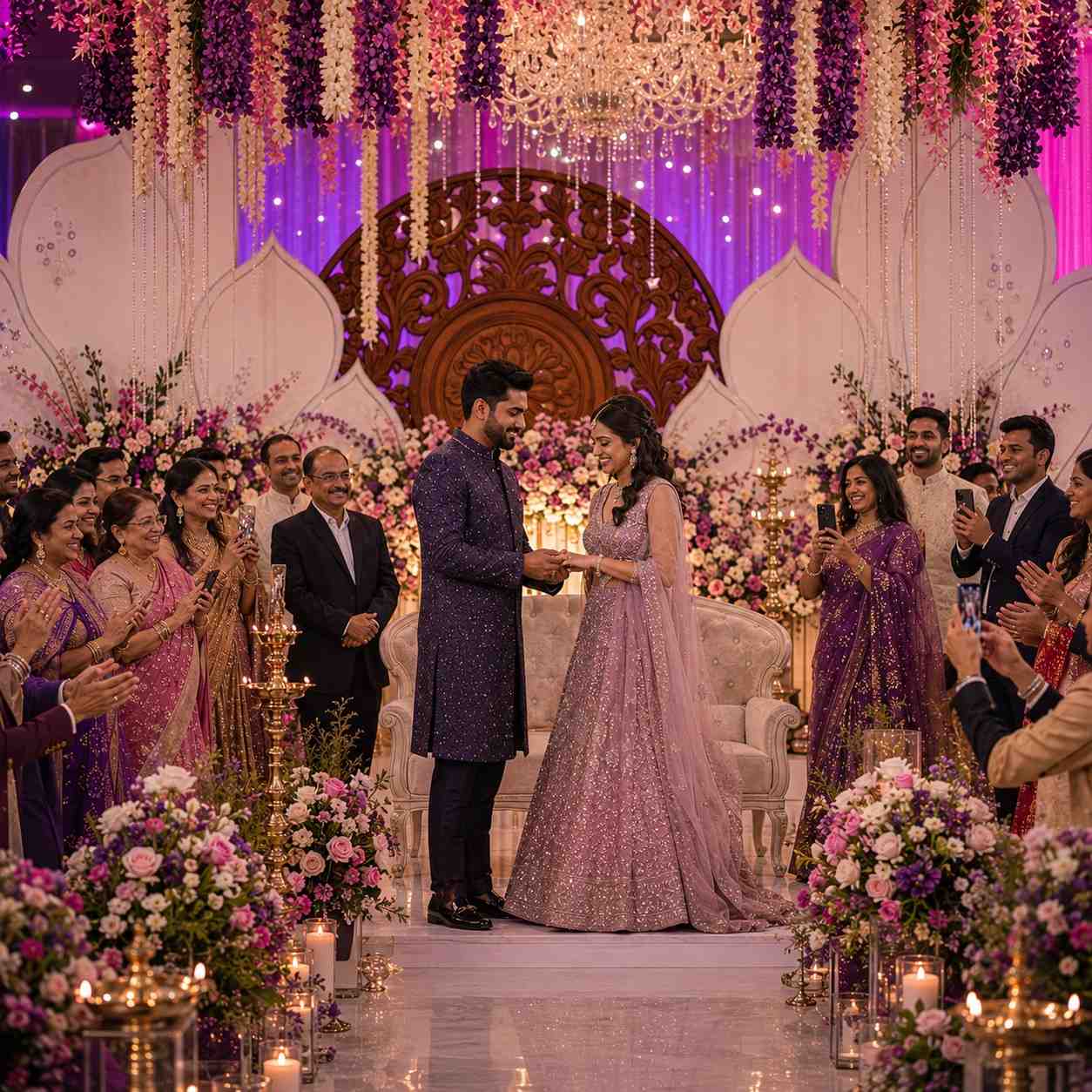
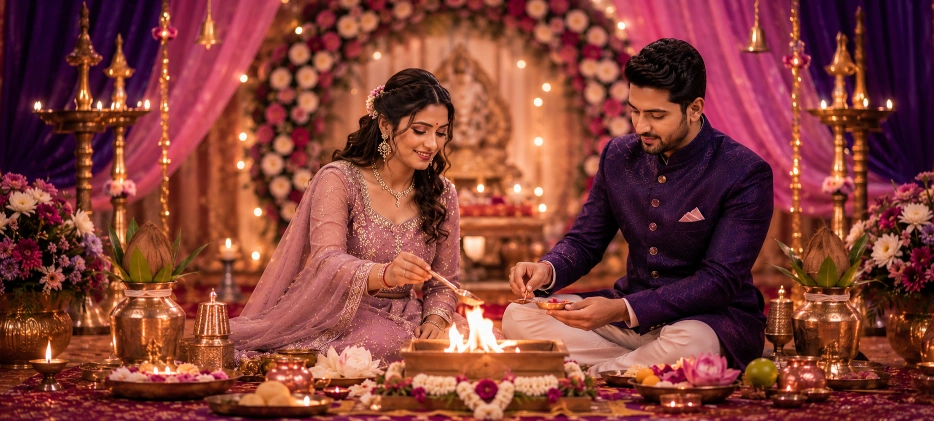
Graha Shanti Ceremony is a sacred Hindu pre-wedding ritual performed to seek divine blessings, reduce planetary influences, and invite peace, harmony, and prosperity. This auspicious ceremony prepares the couple and their families for a joyful, blessed, and successful married life.
2
Explore Wedding Celebrations

3
Explore Styles Celebrate By Style
4
View All Cities Popular Cities
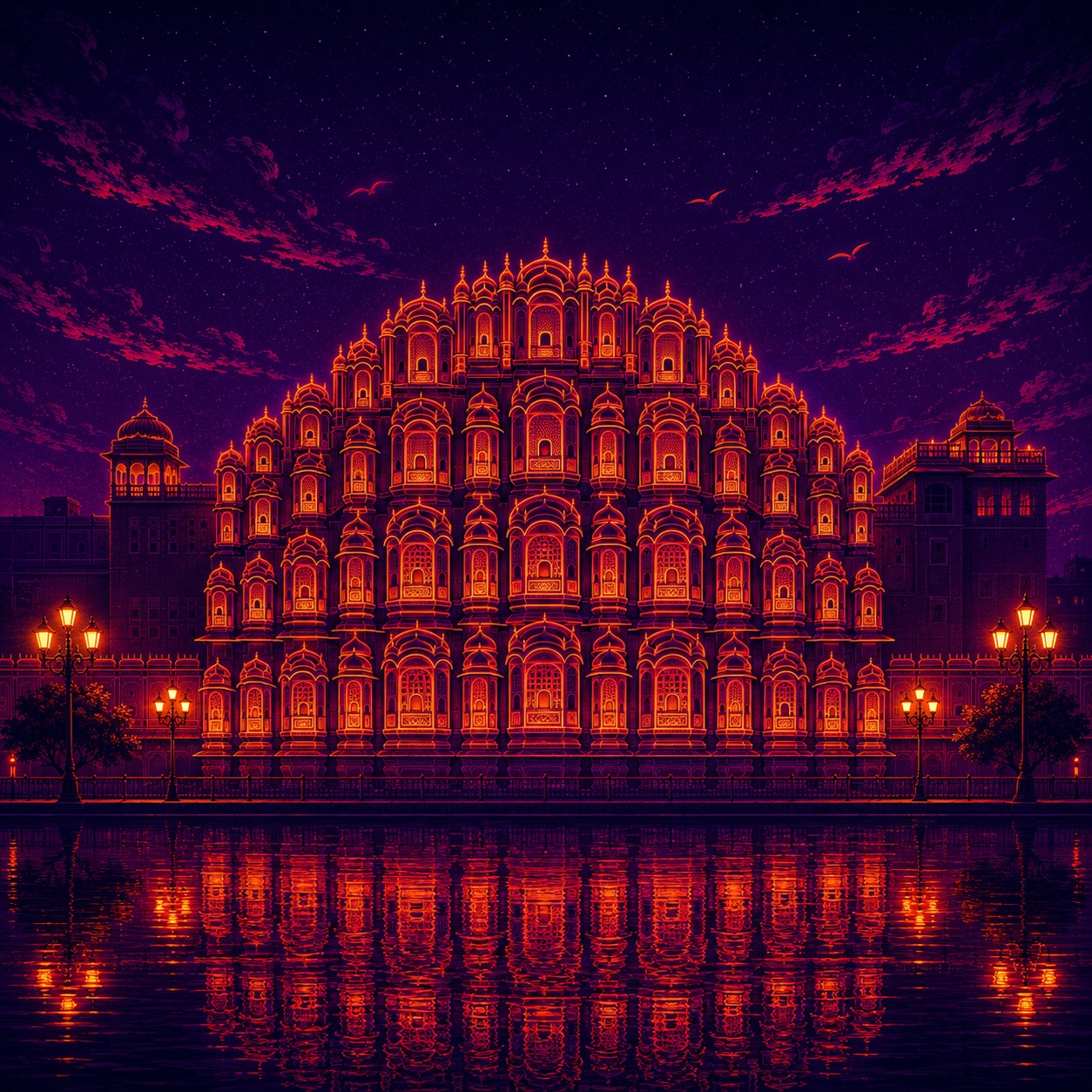
Jaipur
300+ Celebrations Hosted
Royal Grandeur in Pink

Goa
350+ Celebrations Hosted
Where Celebrations Meet Sunshine
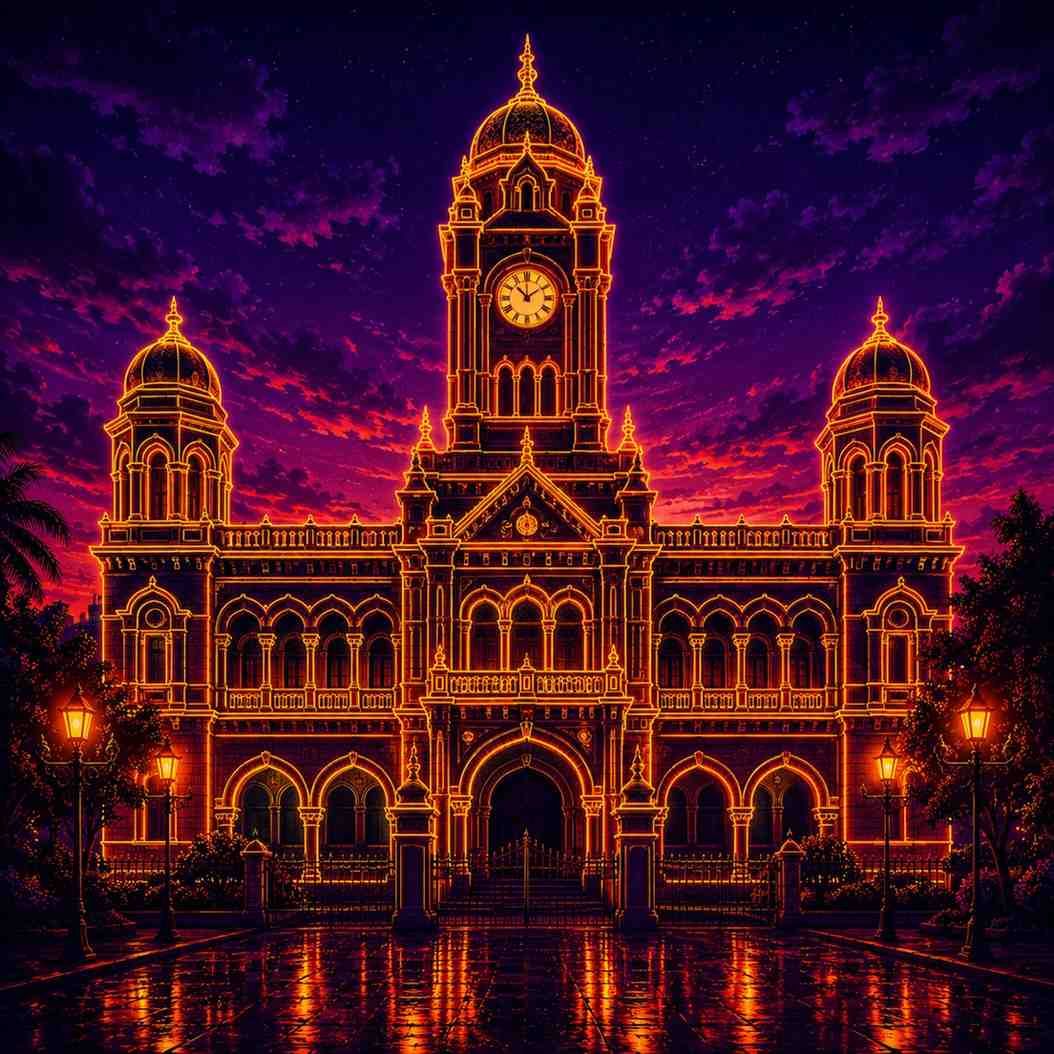
Chennai
500+ Celebrations Hosted
Tradition Meets Coastal Elegance
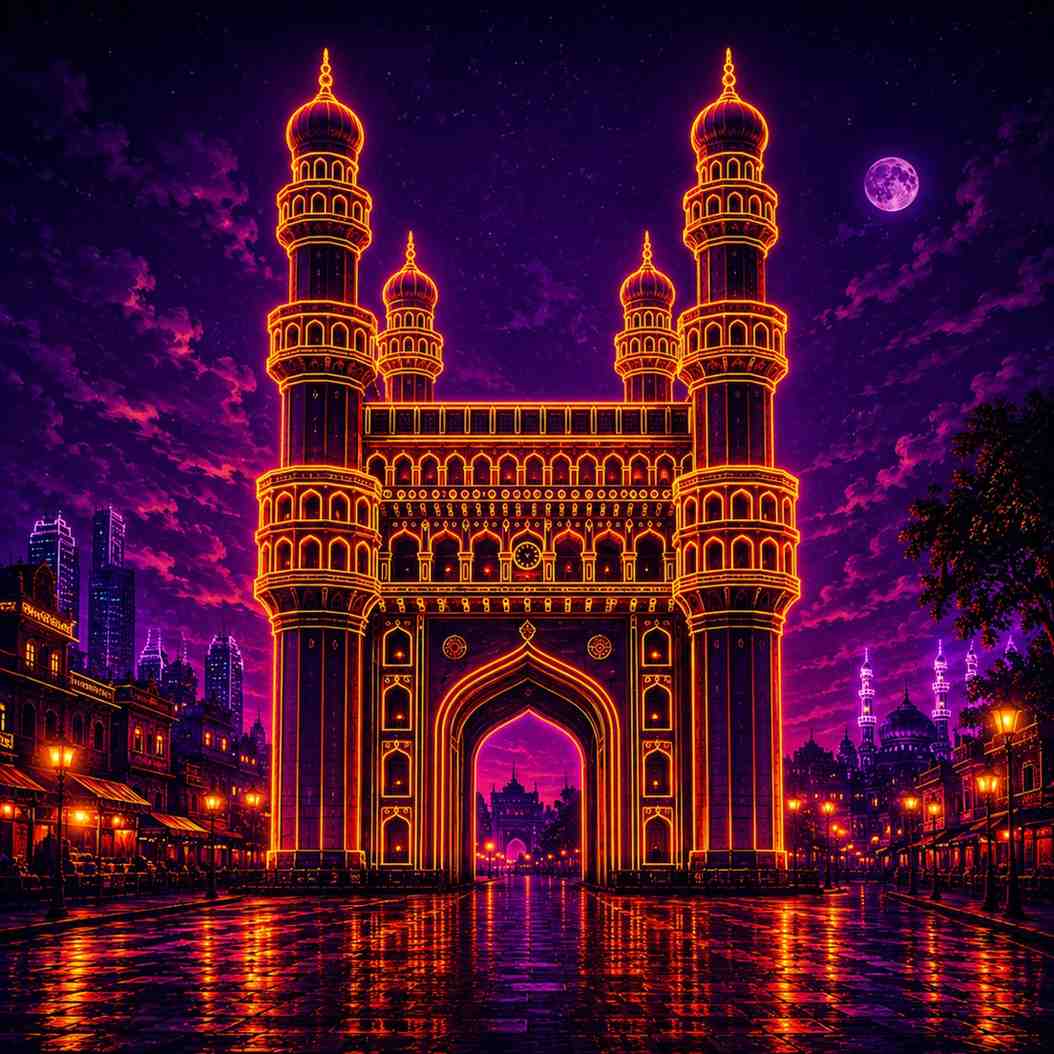
Hyderabad
400+ Celebrations Hosted
Heritage, Grandeur and Warmth

Kochi
250+ Celebrations Hosted
Where Heritage Meets Backwaters

Mumbai
600+ Celebrations Hosted
Bold Energy, Endless Celebrations

Bengaluru
450+ Celebrations Hosted
Modern Spirit, Creative Celebrations

Pune
350+ Celebrations Hosted
Culture, Charm and Celebration

Delhi
550+ Celebrations Hosted
Where History Meets Grandeur

Coimbatore
200+ Celebrations Hosted
Tradition Rooted in Tranquility

Kolkata
300+ Celebrations Hosted
Culture, Emotion and Celebration

Ahmedabad
200+ Celebrations Hosted
Tradition with Vibrant Energy
5
View All Popular Experiences
6
Wedding Snapshot™
48+
Sub Events
180+
Experience Types
2000+
Venues
8000+
Vendors
150+
Cities
15+
Years of Expertise
12
Related Celebration Universes
Explore more ways to celebrate life.





Ready to plan your dream Grah Shanti Ceremony?
Hiya & Hanu are here to make it magical, memorable & effortless.

◆
Graha Shanti Pooja – Rituals, Traditions & Blessings
◆What is Graha Shanti Pooja?
Graha Shanti Pooja is one of the most sacred Hindu pre-marriage rituals performed before a wedding to seek divine blessings, remove planetary doshas, and ensure a peaceful, prosperous, and harmonious married life. Rooted in ancient Vedic traditions, Graha Shanti Pooja is performed to appease the Navagrahas (nine planetary deities) and mitigate the negative influence of unfavourable planetary positions in the bride's or groom's horoscope. This auspicious pre-wedding pooja is widely performed across India. She holds great importance in Hindu wedding rituals, as families believe it brings positivity, happiness, and spiritual protection to the couple as they begin their new journey together.
Meaning and Significance of Graha Shanti Pooja
The term Graha Shanti Pooja combines two Sanskrit words: Graha, meaning planetary influences, and Shanti, meaning peace. Together, they represent a sacred ceremony performed to bring peace and balance to planetary energies. In Hindu beliefs, the positions of the Navagrahas can influence different aspects of life, including marriage, health, relationships, and prosperity. Performing Graha Shanti Pooja before the wedding is believed to minimise the effects of planetary doshas, invite positive energy, and seek the blessings of the divine for a successful married life.
This Graha Shanti Ceremony is much more than an astrological ritual. It symbolises faith, devotion, and the family's desire to begin the wedding celebrations with spiritual purity and divine grace. The ceremony strengthens the emotional and spiritual foundation of the marriage while preserving centuries-old Traditional Wedding Customs.
Religious Importance of Graha Shanti Pooja
In Hindu Wedding Rituals, Graha Shanti Pooja is considered one of the most auspicious ceremonies before marriage. According to Vedic astrology, every individual is influenced by the nine planets, and any imbalance may create obstacles during important life events. The Navagraha Pooja performed during the ceremony seeks the blessings of Surya, Chandra, Mangal, Budh, Brihaspati, Shukra, Shani, Rahu, and Ketu to ensure peace, harmony, and prosperity.
Families perform this sacred ritual to pray for a smooth wedding, good health, emotional stability, financial well-being, and lifelong happiness for the bride and groom. By beginning the wedding journey with prayers and positive intentions, Graha Shanti Pooja reinforces the spiritual significance of marriage in Hindu culture.
Graha Shanti Pooja Rituals and Traditions
The Graha Shanti Ritual is performed by an experienced Hindu priest following Vedic scriptures and family traditions. The ceremony generally begins with a Ganesh Pooja to remove obstacles and invoke auspiciousness. This is followed by Navagraha Pooja, where sacred mantras are chanted to honor the nine planetary deities and seek their blessings.
The priest performs homam (sacred fire ritual), offers flowers, turmeric, kumkum, sandalwood, fruits, coconuts, betel leaves, and other auspicious items while reciting Vedic hymns. The bride, groom, and their families actively participate in the prayers and offer sacred items into the holy fire. The ritual concludes with aarati, blessings from elders, and the distribution of prasadam, symbolising divine grace and prosperity.
Although customs vary across regions, the purpose of every Graha Shanti Pooja remains the same: removing negativity, seeking blessings, and preparing the couple spiritually for marriage.
Graha Shanti Pooja in Hindu Wedding Traditions
Graha Shanti Pooja holds a special place in Hindu Wedding Rituals because it is believed that a marriage should begin with spiritual harmony and divine blessings. Many Hindu families perform this pre-wedding pooja one or two days before the wedding, while others conduct it on an astrologically favorable date recommended by the family priest.
Across different states in India, the ceremony may include additional regional customs, but the central purpose remains unchanged. Whether celebrated in South India, North India, Gujarat, Maharashtra, Karnataka, or Andhra Pradesh, Graha Shanti Pooja continues to be an essential part of traditional Hindu weddings, reflecting devotion, family values, and faith in divine protection.
Sacred Items Used in Graha Shanti Pooja
Several sacred items are prepared for Graha Shanti Pooja, each carrying spiritual symbolism. Kalash, mango leaves, coconuts, turmeric, kumkum, sandalwood paste, betel leaves, flowers, fruits, rice, sacred threads, ghee, camphor, incense sticks, Navadhanyam (nine grains), and homam materials are commonly used during the ceremony. These offerings represent purity, prosperity, abundance, and gratitude toward the divine.
The priest carefully arranges these ceremonial items according to Vedic traditions before beginning the Navagraha Pooja, ensuring every ritual is performed with devotion and authenticity.
Family Participation in Graha Shanti Pooja
The Graha Shanti Ceremony is a family-centred celebration where parents, grandparents, siblings, and close relatives actively participate in prayers and rituals. Elders bless the bride and groom, while family members offer flowers, fruits, and sacred offerings during the homam. Their presence symbolises collective prayers for the happiness, prosperity, and well-being of the couple.
Beyond its religious significance, Graha Shanti Pooja strengthens family relationships and creates a spiritually uplifting atmosphere before the wedding celebrations officially begin.
Modern Graha Shanti Pooja Celebrations
While Graha Shanti Pooja remains deeply rooted in Vedic traditions, modern families often organise the ceremony with thoughtful planning and elegant arrangements. Many couples perform the pooja at home, in temples, marriage halls, or wedding venues, with beautifully decorated prayer spaces featuring fresh flowers, brass lamps, rangoli, and traditional décor.
Professional photographers increasingly document the ceremony to preserve these meaningful spiritual moments. Families also arrange traditional vegetarian meals after the pooja, allowing relatives and guests to gather, celebrate, and seek blessings together before the wedding festivities continue.
Planning a Graha Shanti Pooja
Planning a successful Graha Shanti Pooja begins with selecting an auspicious date based on the couple's horoscopes and consulting a qualified priest. Families arrange the required pooja materials, prepare a clean and sacred space for the rituals, invite close relatives, and ensure all traditional customs are observed. Choosing experienced priests, decorators, caterers, and photographers helps create a peaceful and memorable experience while preserving the authenticity of this sacred ceremony.
Whether conducted at home or in a wedding venue, Graha Shanti Pooja remains one of the most respected Sacred Wedding Rituals that prepares the bride and groom spiritually for their lifelong journey together.
Celebrate Graha Shanti Pooja with Happiffie
A Graha Shanti Pooja is a meaningful beginning to every Hindu wedding, bringing together faith, family, and tradition through sacred prayers and rituals. From arranging experienced priests and traditional décor to photography, catering, and venue planning, every detail contributes to a peaceful and memorable celebration. Happiffie helps families discover trusted wedding professionals, decorators, photographers, caterers, and event experts across India, making it easier to organise a beautiful Graha Shanti Pooja that honours ancient traditions while creating lasting memories before the wedding day.
Frequently Asked Questions (FAQs)
1. What is Graha Shanti Pooja?
Graha Shanti Pooja is a traditional Hindu pre-wedding pooja performed to seek divine blessings, reduce the effects of planetary doshas, and ensure peace, prosperity, and happiness for the bride and groom before marriage.
2. Why is Graha Shanti Pooja performed before a wedding?
The ceremony is performed to appease the Navagrahas, remove negative planetary influences, and begin married life with spiritual harmony, good fortune, and the blessings of the divine.
3. What rituals are included in Graha Shanti Pooja?
A typical Graha Shanti Pooja includes Ganesh Pooja, Navagraha Pooja, Vedic mantra chanting, homam, sacred offerings, aarati, and blessings from elders. The exact rituals may vary depending on family traditions and regional customs.
4. Who participates in Graha Shanti Pooja?
The bride, groom, parents, grandparents, close family members, and a Hindu priest participate in the ceremony. Families gather together to perform prayers and seek blessings for a peaceful and successful married life.
5. Where can Graha Shanti Pooja be performed?
Graha Shanti Pooja can be performed at home, in a temple, marriage hall, wedding venue, or any sacred space suitable for Vedic rituals. Families choose the location based on their traditions, convenience, and the guidance of their priest.