
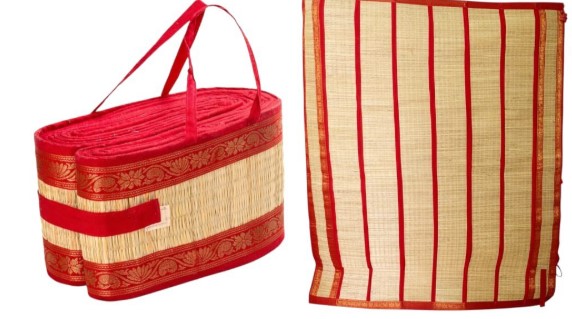
Wedding Pattu Pai Essentials for Delhi
Religious cermony in Delhi
Wedding Pattu Pai Essentials: Complete Guide for Delhi Brides
Wedding Pattu Pai Essentials form the heart of any South Indian or traditional Hindu wedding religious ceremony, and Delhi's thriving Tamil, Telugu, and Kannada communities have made this ritual deeply meaningful even in the capital. A pattu pai — literally a silk bag or bundle — carries the ceremonial silk sarees, sacred accessories, and auspicious items exchanged between families before the wedding rituals begin. Whether you are shopping for a bridal pattu saree checklist in Lajpat Nagar or coordinating pattu pai gifting customs with relatives flying in from Chennai, getting these essentials right sets the tone for every subsequent ceremony. This guide covers what to include, how much to budget, and how to avoid costly last-minute mistakes for your Delhi celebration.
Quick Answer
Wedding Pattu Pai Essentials refer to the curated set of silk sarees, sacred accessories, blouse pieces, and auspicious items packed into a ceremonial silk bundle (pattu pai) exchanged during traditional South Indian and Hindu wedding religious ceremonies. Key items include Kanjivaram or Pochampally silk sarees, kumkum, turmeric, coconut, betel leaves, and gold-trimmed blouse pieces. In Delhi, a well-stocked pattu pai typically costs between ₹25,000 and ₹2,00,000 depending on silk quality and jewellery inclusions.
What Exactly Are Wedding Pattu Pai Essentials and Why Do They Matter?
Wedding Pattu Pai Essentials are the ritually significant items packed inside a decorated silk cloth or bag and presented by the bride's family or groom's family at key moments during a traditional South Indian or Telugu, Tamil, or Kannada Hindu wedding religious ceremony. The word pattu means silk, and pai means bag or bundle, so at its core this is a sacred silk parcel that signals familial respect and auspiciousness. A standard pattu pai includes at least one or two Kanjivaram or Pochampally silk sarees, matching blouse pieces with zari borders, kumkum (vermillion), turmeric root, betel leaves and areca nut, coconut, dried fruits, and sometimes a pair of gold earrings or a gold necklace. The ritual exchange usually happens during muhurtham, naandi, or the pellikoduku-pellikoduku ceremonies. In Delhi, where many South Indian families have lived for two or three generations, the tradition is faithfully preserved even when weddings take place at banquet halls in Vasant Kunj or farmhouses in Chattarpur. Getting Wedding Pattu Pai Essentials right is not merely about material gifts — it communicates family honour, religious sincerity, and love for the bride or groom.
How Much Does a Pattu Pai Cost in Delhi?
Budgeting accurately for Wedding Pattu Pai Essentials in Delhi requires understanding that costs vary sharply based on the grade of silk sarees and whether jewellery is included. A basic pattu pai with two mid-range silk sarees (₹8,000–₹15,000 each), ritual puja items, and dry fruits will typically cost ₹25,000–₹45,000. A premium set featuring a Kanjivaram pure silk saree, a Pochampally ikat piece, gold-bordered blouse fabric, and a pair of gold earrings can reach ₹1,20,000–₹2,00,000. Delhi families shopping in CR Park, Lajpat Nagar, or Karol Bagh's silk saree stores will find authentic South Indian weaves alongside North Indian fusion options. The bridal pattu saree checklist should account for one saree for the main wedding ceremony, one for the reception, and at minimum one gifting saree for the mother-in-law as part of pattu pai gifting customs. Delhi's GST regime adds 5% on silk sarees priced above ₹1,000, so factor that into your bridal trousseau preparation budget. Always allocate a 10–15% buffer for last-minute additions like extra blouse fabric or ritual accessories sourced locally.
Essential Items to Include in Your Bridal Pattu Saree Checklist
A thorough bridal pattu saree checklist ensures no auspicious item is forgotten during the rush of wedding week. The non-negotiable silk items are: one main wedding saree (usually red, maroon, or gold-bordered Kanjivaram), one reception or post-wedding saree, and blouse pieces in matching or complementary colours. Beyond silk fabric, Wedding Pattu Pai Essentials must include five types of fruit (pancha phalam), betel leaves and areca nut (tamboolam), coconut, turmeric root, kumkum powder, a small brass lamp (kuthu vilakku), camphor, and sandalwood paste. Many families following South Indian wedding rituals in Delhi also add a set of glass bangles, a silk pottu cloth, and a small idol of Ganesha or Lakshmi. Traditional silk trousseau items for the groom's side typically mirror many of these but substitute a silk dhoti-angavastram set for the saree. The pattu pai itself should be wrapped in raw silk or a decorative dupatta, tied with a sacred thread, and placed on a silver tray or banana leaf for presentation. Sourcing authentic ritual items in Delhi is straightforward — stores in CR Park's Bengali Market and the South Indian community shops near RK Puram stock almost everything on this list.
Traditional Silk Trousseau Items vs. Modern Curated Sets: Which Works Best?
Families planning Wedding Pattu Pai Essentials in Delhi today face a genuine choice between hand-curated traditional silk trousseau items and modern pre-packaged trousseau sets sold by wedding planners and online vendors. Traditional curation means visiting separate stores for sarees, puja items, and jewellery — time-consuming but allowing full control over quality and authenticity. Modern curated sets, priced between ₹35,000 and ₹1,50,000, bundle everything into a photographically attractive box but may include lower-grade silk or generic ritual items. For a Hindu wedding religious ceremony with strict Agamic or Vaidika norms, traditional curation is safer because priests often specify exact ritual items by regional tradition. Modern sets work well for contemporary families who want visual impact and convenience without deep ritual prescriptions. The bridal trousseau preparation process should ideally start three to four months before the wedding to allow time for saree alterations, blouse stitching, and sourcing rare items like specific regional flowers or handmade lamps. Delhi's wedding market in South Extension and Sarojini Nagar offers a middle path — semi-curated sets where you choose sarees individually but buy ritual accessories as a bundle.
How Do Pattu Pai Gifting Customs Differ Across Telugu, Tamil, and Kannada Weddings in Delhi?
While Wedding Pattu Pai Essentials share a common silk-and-ritual foundation, pattu pai gifting customs vary meaningfully across Telugu, Tamil, and Kannada traditions — all of which have strong community presences in Delhi's neighbourhoods like Mayur Vihar, Dwarka, and Greater Kailash. In Tamil Brahmin weddings, the pattu pai exchange happens during nalangu and on the morning of the wedding, with specific sarees designated for the bride's mother and mother-in-law. Telugu families following Seemantham traditions present the pattu pai during the pellikoduku function, with a larger collection of traditional silk trousseau items including silk veshtis for male relatives. Kannada weddings often incorporate the nischitaartha (engagement) as the moment for the first pattu pai exchange, with a second, grander exchange on the main wedding day. South Indian wedding rituals in Delhi are sometimes adapted to North Indian venue constraints — for example, a farmhouse in Mehrauli may not have space for a full kolam design, but the pattu pai exchange remains central regardless. Understanding your community's specific customs before finalising your bridal pattu saree checklist prevents both cultural missteps and unnecessary expenditure on items your tradition does not require.
Wedding Pattu Pai Essentials: Setup Types Compared for Delhi Ceremonies
Expert Recommendation
Best for intimate celebrations
Best for large guest-count weddings
Best for budget-conscious families
Best for traditional religious ceremonies
Best for destination or outstation Delhi weddings
Best for modern fusion ceremonies
How to Choose the Right Option
✅ Pre-booking Checklist
- Consult your family priest or cultural elder to confirm which ritual items are mandatory for your specific tradition and region
- Prepare a complete bridal pattu saree checklist at least 10 weeks before the wedding date
- Assign one family member as the designated pattu pai coordinator to manage procurement and labelling
- Physically inspect silk sarees before purchase — check zari purity, weave density, and fabric weight
- Label each pattu pai bundle clearly with the recipient's name and the ceremony it corresponds to
- Budget a 15% contingency for price increases, additional blouse fabric, or last-minute additions
- Confirm transport and storage arrangements for sarees if guests are travelling from outside Delhi
- Cross-check that all ritual items — kumkum, turmeric, coconut, betel leaves — are fresh and procured close to the wedding date
🎯 Selection Criteria
- Silk authenticity: prioritise sarees with a Silk Mark certification or verified weaver provenance
- Ritual completeness: ensure every item on your tradition-specific list is included, not just the sarees
- Vendor reliability: choose stores in established Delhi markets (CR Park, Lajpat Nagar, South Extension) with clear return policies
- Customisation flexibility: prefer vendors who allow blouse fabric substitution or saree exchanges before the ceremony
- Presentation quality: the pattu pai packaging should be dignified — raw silk wrapping or a decorated silver tray elevates the ritual
💰 Cost / Quality Factors
- Silk grade (pure silk vs. art silk vs. blended fabric) is the single biggest cost driver
- Zari quality (real gold-thread zari costs 3–4 times more than copper-core zari) significantly affects both price and appearance
- Jewellery inclusions can double or triple the total pattu pai budget
- Number of recipients across both families determines how many gifting sarees are required
- Decoration and packaging quality adds ₹2,000–₹8,000 to the overall cost depending on materials chosen
⚠️ Common Mistakes to Avoid
- Buying silk sarees without physical inspection — online photos consistently misrepresent colour and texture
- Ignoring blouse-piece lead time — good blouse stitching in Delhi requires 10–14 days, not 2–3 days
- Overlooking ritual item sourcing — assuming everything is available last-minute leads to incomplete ceremonies
- Mixing up pattu pais for different recipients — always label bundles immediately after packing
- Choosing pre-packaged sets without verifying the silk certification or weave origin
- Underestimating the number of gifting sarees required — list every senior female relative on both sides before shopping
People Also Ask
What is a pattu pai in a South Indian wedding?
How many sarees are typically included in a wedding pattu pai?
Where can I buy authentic South Indian silk sarees in Delhi for a pattu pai?
Is a pattu pai only for South Indian weddings, or can North Indian families include it?
What is the average cost of a complete pattu pai set in Delhi?
How far in advance should I prepare the wedding pattu pai in Delhi?
Do I need a separate pattu pai for each ceremony in a multi-day Delhi wedding?
Can I include non-silk items in a pattu pai?
Related Experiences on Happiffie
Sacred Bath Essentials, Jaipur
Drape Your Dream Bridal Saree in Goa
Regal Silk Sarees for Jaipur Brides
Sacred Silks for Every Ritual
Sacred Blooms for Jaipur Weddings
Jaipur's Finest Trousseau Packing
Sacred Sounds for Your Delhi Wedding
Frequently Asked Questions
What are the must-have items in Wedding Pattu Pai Essentials for a Delhi Tamil Brahmin wedding?
How many pattu pais should a bride's family prepare for a Delhi wedding?
Can I order Kanjivaram sarees online for a Delhi pattu pai?
What is the difference between pattu pai gifting customs for Telugu and Tamil weddings in Delhi?
Are there Delhi-based wedding planners who specialise in South Indian pattu pai rituals?
How should I store silk sarees purchased weeks before a Delhi wedding?
What budget should I set for a modest but authentic Wedding Pattu Pai Essentials set in Delhi?
Is it acceptable to include gold jewellery in a Delhi wedding pattu pai, and how does it affect cost?
Key Takeaways
- Wedding Pattu Pai Essentials include silk sarees, blouse pieces, and sacred ritual items exchanged during South Indian Hindu wedding ceremonies — they are as spiritually significant as they are materially valuable.
- A complete pattu pai in Delhi costs between ₹25,000 and ₹2,00,000 depending on silk grade, jewellery inclusions, and the number of recipients.
- The bridal pattu saree checklist must include at minimum one pure silk wedding saree, one gifting saree, matching blouse pieces, and full ritual accessories including kumkum, turmeric, and tamboolam.
- Pattu pai gifting customs differ across Tamil, Telugu, and Kannada traditions — always confirm requirements with your family priest before shopping.
- Delhi's CR Park, Lajpat Nagar, and South Extension markets are the best-established locations for authentic South Indian silk sarees and ritual accessories.
- Start bridal trousseau preparation at least 10 weeks in advance to allow for saree delivery, blouse stitching, and last-minute adjustments.
- Labelling each pattu pai bundle for the correct recipient and ceremony is critical for large multi-event weddings — confusion during rituals causes avoidable stress.
- Traditional hand-curation offers the best quality control, while semi-curated sets provide a good balance of authenticity and convenience for most Delhi families.
Plan Your Wedding Pattu Pai Essentials with Happiffie
Connect with trusted Delhi vendors for authentic South Indian silk sarees, ritual accessories, and expert ceremony coordination — all in one place.
Explore Delhi Vendors
Are you a Vendor? Grow Your Business with Happiffie!
- High intent verified leads
- Reverse auction opportunities
- AI business tools & insights
- Dedicated vendor dashboard
- Grow your business, your way
It's free & takes less than 2 minutes!