
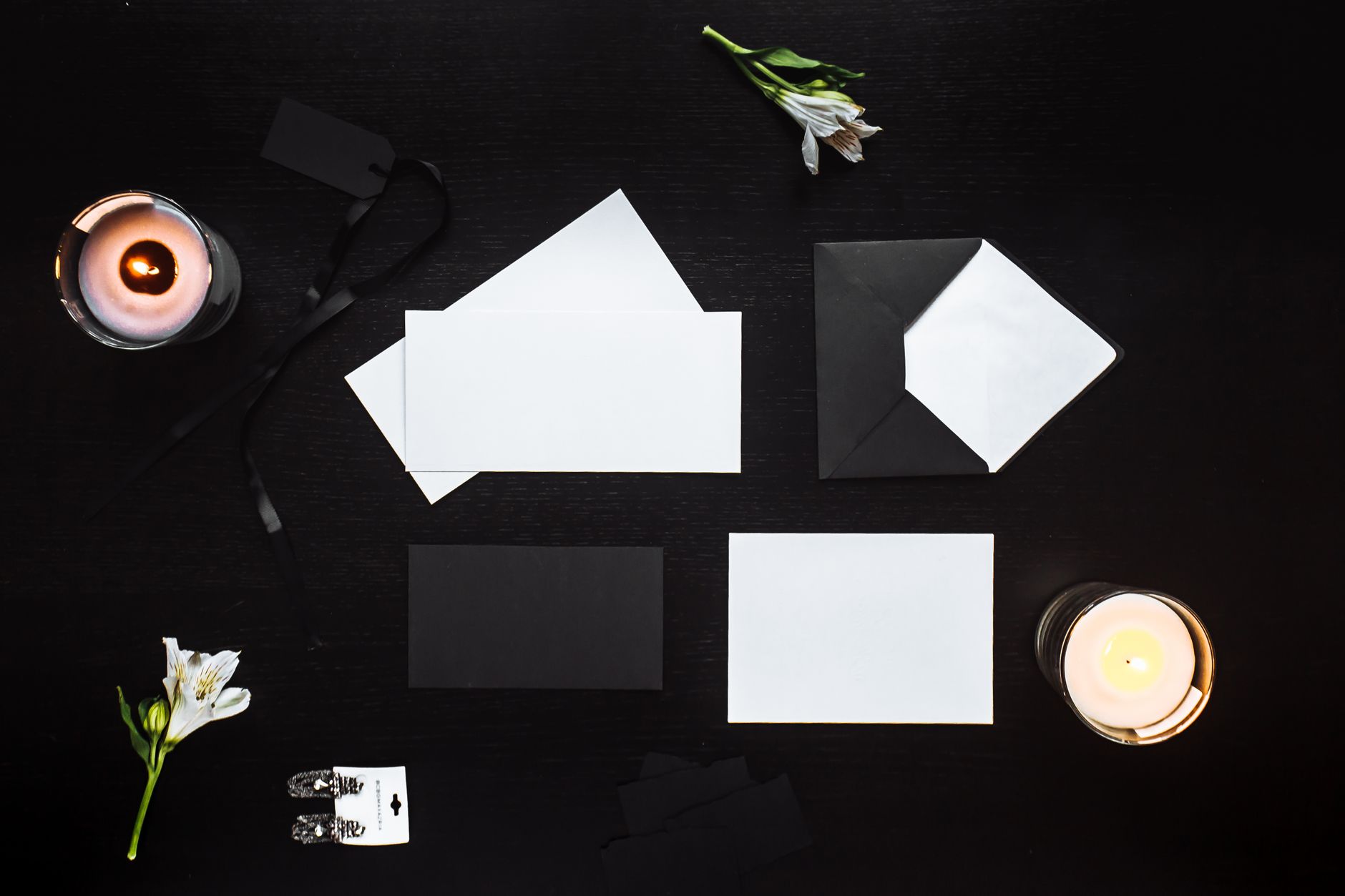
Print Beautiful. Protect Every Tree.
Invitation & Stationery in Delhi
Tree-Free Pulp Event Prints for Delhi Weddings
Delhi's wedding season is spectacular — from lavish banquets in Aerocity hotels to intimate baithaks in South Extension farmhouses — but the stationery trail it leaves behind is enormous. Tree-Free Pulp Event Prints offer a genuine alternative: invitations, menus, place cards, and programmes made from sugarcane bagasse, stone mineral pulp, or agricultural residue instead of virgin wood. Bagasse Paper Wedding Invitations, in particular, are gaining fast traction among Delhi couples who want heirloom-quality feel without the deforestation footprint. Pair them with a considered approach to Eco-Friendly Wedding Stationery Delhi, and your entire paper suite becomes a statement of values as eloquent as the design itself.
Quick Answer
Tree-Free Pulp Event Prints are wedding and event stationery items — invitations, menus, RSVP cards, programmes — produced using non-wood raw materials such as sugarcane bagasse, agricultural straw, stone mineral powder, or cotton rag. They require no trees to manufacture, generate significantly lower carbon emissions than conventional paper, and are fully available from Delhi-based printers in custom sizes, finishes, and premium packaging starting from roughly ₹35 per card.
What Exactly Are Tree-Free Pulp Event Prints and Why Do They Matter?
Tree-Free Pulp Event Prints are stationery products created from raw materials that bypass the forestry supply chain entirely. The most common substrates in Delhi's market are sugarcane bagasse (the fibrous residue after juice extraction), stone paper (calcium carbonate bound with a small amount of resin), agricultural straw from wheat or rice fields, and cotton rag offcuts from Rajasthan's textile belt. Each substrate has distinct tactile qualities — bagasse feels slightly textured and warm, stone paper is silky and water-resistant, seed paper is speckled and plantable after use. What unites them is a shared promise: Zero Deforestation Wedding Cards that do not draw on old-growth or plantation forests. For Delhi couples navigating a guest list of 300 or 500 people, the cumulative paper weight of invitations, inner envelopes, RSVP slips, and menus can easily exceed 40 kg. Choosing tree-free substrates for that volume translates into a measurable environmental saving communicated directly to every recipient.
Bagasse, Stone, Seed, or Recycled Fibre — Which Substrate Suits Your Event?
Choosing between substrates is the first real decision point for Delhi couples exploring tree-free stationery. Bagasse Paper Wedding Invitations are the most widely available locally, offering a creamy, slightly rustic finish that prints beautifully with offset, digital, and letterpress techniques. Stone Paper Event Stationery is denser and completely waterproof — ideal for outdoor venues like Mehrauli gardens or rooftop celebrations in Hauz Khas where humidity or rain is a risk. Seed Paper Wedding Cards are handmade, often deckle-edged, and carry embedded wildflower or herb seeds; guests can plant the card post-wedding, making it a living keepsake rather than eventual waste. Recycled Fibre Invitation Printing uses post-consumer cotton or denim offcuts and yields a heritage, linen-like finish that pairs well with foil stamping for premium multi-insert suites. Budget plays a decisive role: bagasse and recycled cotton are the most cost-effective at scale, while stone and seed paper carry a premium of 20–40% per unit. Sustainable Event Printing Costs vary significantly by finishing — uncoated bagasse at ₹35–55 per card versus letterpress-on-stone at ₹180–320 per card.
How Much Do Tree-Free Pulp Event Prints Cost in Delhi?
Pricing for Tree-Free Pulp Event Prints in Delhi depends on four variables: substrate choice, print method, finishing techniques, and order quantity. As a practical guide, uncoated bagasse digital prints start around ₹35–55 per invitation card for orders above 200 pieces. Stone Paper Event Stationery with UV spot varnish runs ₹90–160 per card. Seed Paper Wedding Cards, which are largely handcrafted, range from ₹120–250 each depending on seed variety and deckle complexity. Recycled Fibre Invitation Printing with foil blocking sits at ₹150–320 per card for premium suites. Envelopes in matching substrate add ₹15–40 each. Most Delhi studios offer a complete box set — invitation, inner card, RSVP, venue map, and envelope — at bundled rates 15–20% below individual pricing. Minimum order quantities typically start at 100 pieces for digital methods and 250 pieces for offset or letterpress runs. Couples exploring Green Wedding Planning India will find that choosing bagasse or recycled fibre for a 300-guest list adds roughly ₹8,000–18,000 over conventional paper, a premium many consider worthwhile given the brand story it creates.
Design Styles That Work Best With Eco Stationery in Delhi
The texture and colour profile of tree-free substrates naturally complement certain aesthetics. Botanical and floral illustration styles — popular across Punjabi, Sindhi, and South Indian wedding communities in Delhi — are particularly striking on warm-toned bagasse, where the off-white base enriches earth and terracotta ink palettes. Mughal jali patterns with gold foil look spectacular on stone paper because the smooth surface holds metallic laminates without feathering. For minimalist, modern couples hosting events in Connaught Place event spaces or Defence Colony clubs, Seed Paper Wedding Cards in a clean sans-serif layout communicate sophistication and environmental intent simultaneously. Recycled Fibre Invitation Printing suits heirloom-style suites with wax seals, ribbon ties, and multi-layer envelopes — the linen texture elevates every tactile detail. Regardless of substrate, offset lithography delivers the crispest CMYK results for large runs, while digital printing allows personalisation (guest name printing, variable QR codes for digital RSVPs) at smaller quantities. Letterpress and foil debossing are compatible with all tree-free pulp varieties if paper weight exceeds 250 gsm.
How Should You Order and Verify Eco Credentials From a Delhi Printer?
Ordering Tree-Free Pulp Event Prints responsibly requires a few verification steps that many couples overlook. First, ask for a substrate data sheet confirming the raw material source — a reputable printer will share FSC (Forest Stewardship Council) or equivalent certification for their paper stock, or an agricultural-waste provenance document for bagasse. Second, request a physical paper sample before approving artwork, because screen-rendered colours shift on textured, off-white tree-free stock. Third, confirm ink type: water-based or soy-based inks complete the Eco-Friendly Wedding Stationery Delhi story, whereas solvent inks undercut the environmental benefit. Fourth, discuss packaging — many studios now deliver in recycled kraft boxes with jute twine rather than plastic-wrapped bundles. For orders above 500 pieces, visit the studio in person; Delhi's printing cluster in Karol Bagh and Okhla Industrial Area houses several specialist eco-stationery studios. Always keep a signed proof copy before production begins, and build at least 15–20 extra pieces into your order quantity to cover last-minute guest additions. Zero Deforestation Wedding Cards should come with full transparency about their supply chain, so do not hesitate to ask.
Tree-Free Pulp Event Prints: Substrate Comparison for Delhi Weddings
Expert Recommendation
Best for intimate celebrations (under 100 guests)
Best for large Delhi shaadis (300+ guests)
Best for outdoor or destination venues
Best for budget-conscious couples
Best for traditional aesthetic weddings
Best for modern, design-forward couples
How to Choose the Right Option
✅ Pre-booking Checklist
- Confirm substrate is 100% non-wood origin and request a data sheet or certification from the printer
- Order physical paper samples in your preferred substrate before approving final artwork
- Verify ink type — insist on water-based or soy-based inks to complete the eco story
- Calculate total paper volume (invitations + inserts + envelopes + menus) and get bundled pricing
- Build 15–20% extra quantity into your order to cover last-minute guest additions
- Confirm lead time — allow 6–8 weeks minimum, 10 weeks for handcrafted Seed Paper Wedding Cards
- Ask about eco-packaging — request recycled kraft boxes and jute twine instead of plastic wrap
- Keep a signed physical proof copy before approving the full production run
🎯 Selection Criteria
- Substrate authenticity: is the fibre genuinely tree-free or partially wood-blended?
- Print method compatibility: does the studio have experience printing on your chosen substrate?
- Finishing capabilities: foil, letterpress, UV spot — not all eco papers support all techniques
- Turnaround time relative to your wedding date and RSVP deadline
- Design services: does the studio offer end-to-end design, or do you supply print-ready artwork?
💰 Cost / Quality Factors
- Substrate choice is the single biggest driver of Sustainable Event Printing Costs — bagasse saves most, stone paper costs most
- Order quantity dramatically affects per-unit price; 300 cards typically costs 30–40% less per piece than 100 cards
- Finishing techniques (foil, letterpress, embossing) can double or triple the base card cost
- Design complexity — multi-insert suites with ribbon ties and wax seals add ₹40–80 per set in assembly costs
- Delivery and packaging: eco-packaging (kraft boxes, jute) adds a small premium but reinforces the green message
- Customisation depth: guest name printing or variable QR codes add ₹5–12 per card on digital runs
⚠️ Common Mistakes to Avoid
- Assuming all recycled paper is tree-free — many products blend wood pulp; always verify fibre content
- Approving artwork on screen without a physical proof, leading to colour surprises on off-white tree-free stock
- Ordering exact quantity with no buffer, then facing a crisis when 20 extra guests are added last minute
- Choosing a substrate purely for aesthetics without checking printer compatibility for your desired finishing technique
- Ignoring lead times during peak wedding season (October–February) and ending up with rushed, low-quality prints
- Overlooking envelope substrate — a tree-free card in a conventional wood-pulp envelope undermines the entire eco narrative
People Also Ask
Are tree-free pulp prints as durable as regular paper invitations?
Can I get foil stamping or embossing on tree-free paper?
How far in advance should I order eco stationery for a Delhi wedding?
What is the minimum order quantity for eco-friendly wedding invitations in Delhi?
Is Recycled Fibre Invitation Printing the same as tree-free printing?
Do tree-free prints cost significantly more than regular wedding cards in Delhi?
Can guests actually plant the seed paper cards after the wedding?
Which Delhi neighbourhoods have studios specialising in eco wedding stationery?
Related Experiences on Happiffie
Earthy, Elegant Wedding Invites
Wedding Stationery That Tells Your Story
Invite with Love, Grow with Purpose
Natural Fibre Invitations Bhubaneswar
Wear Green, Celebrate Beautiful
Bold Prints. Beautiful Events.
Authentic South Indian Bridal Styling in Delhi
Frequently Asked Questions
Are Tree-Free Pulp Event Prints available in Delhi for same-week urgent orders?
Can Tree-Free Pulp Event Prints be mailed internationally to NRI guests?
Do Delhi printers offer design services for eco wedding stationery, or must I bring artwork?
Is bagasse paper suitable for printing in Hindi, Punjabi, or Urdu scripts?
What gsm weight should I choose for Tree-Free Pulp Event Prints to feel premium?
Are tree-free papers safe for hot stamping and wax seals used in traditional Delhi wedding suites?
How do I explain the eco stationery choice to traditional family members who prefer glossy conventional cards?
Can I mix substrates — for example, bagasse invitations with seed paper RSVP cards?
Key Takeaways
- Tree-Free Pulp Event Prints use sugarcane bagasse, stone mineral powder, seed paper, or agricultural straw — no trees are harmed in production.
- Bagasse Paper Wedding Invitations are the most cost-effective tree-free option in Delhi, starting around ₹35–55 per card for digital offset runs above 200 pieces.
- Stone Paper Event Stationery is waterproof and ideal for outdoor or monsoon-season Delhi weddings where durability matters.
- Seed Paper Wedding Cards are fully plantable, making them a living keepsake — best suited to intimate celebrations under 150 guests.
- Sustainable Event Printing Costs add roughly ₹8,000–18,000 over conventional paper for a 300-guest wedding — a modest premium for significant environmental benefit.
- Always verify substrate certification, ink type, and packaging materials to ensure the full stationery suite qualifies as genuinely eco-friendly.
- Delhi printing studios in Karol Bagh, Okhla, Hauz Khas Village, and Greater Kailash-II offer specialised eco-stationery services for weddings of all scales.
- Allow 6–10 weeks lead time and order 15–20% extra quantity to avoid last-minute shortfalls during peak season.
Find Delhi's Best Eco Stationery Studios on Happiffie
Compare Tree-Free Pulp Event Prints, get free samples, and book your perfect sustainable wedding stationery — all in one place.
Explore Eco Stationery
Are you a Vendor? Grow Your Business with Happiffie!
- High intent verified leads
- Reverse auction opportunities
- AI business tools & insights
- Dedicated vendor dashboard
- Grow your business, your way
It's free & takes less than 2 minutes!