
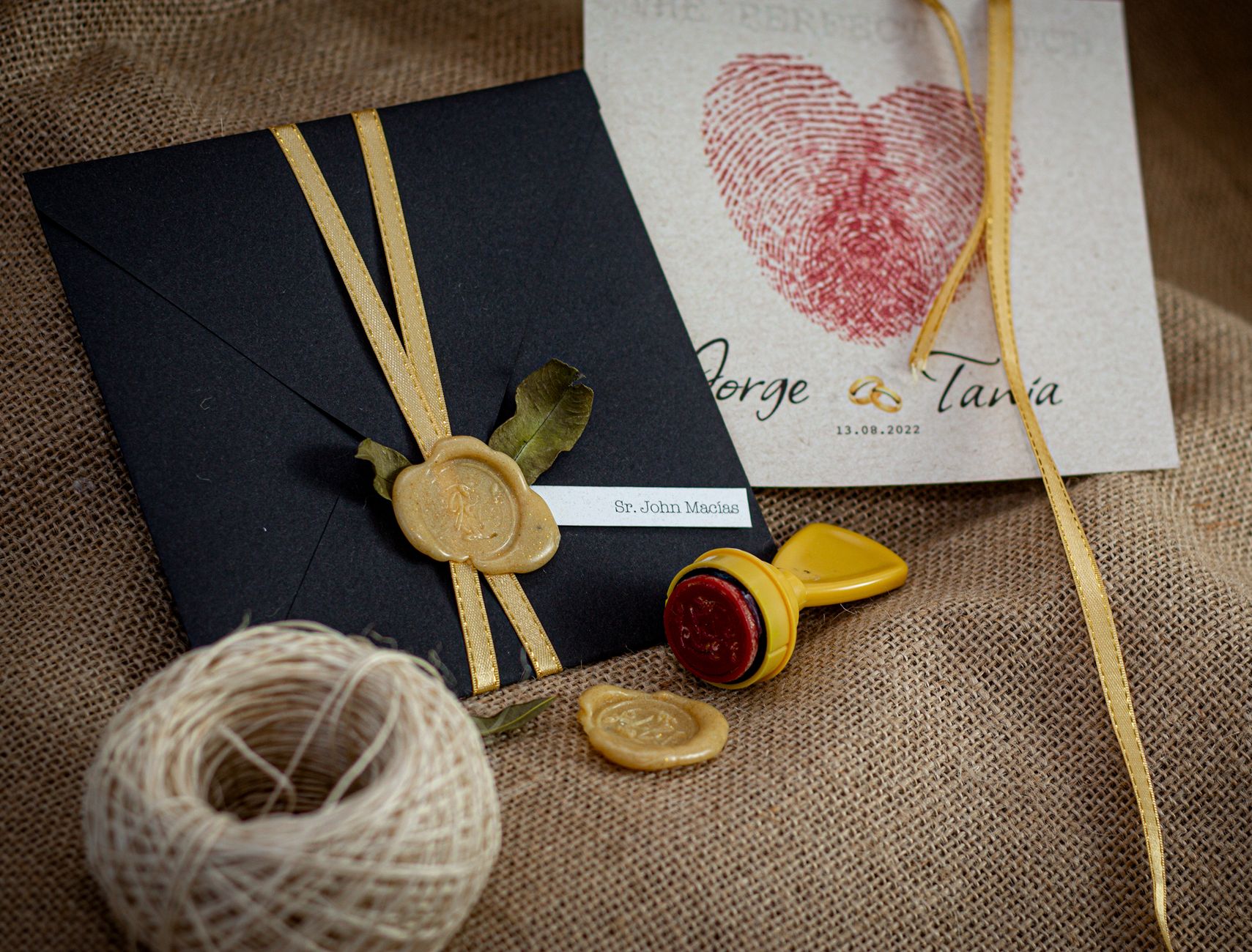
Invitations That Bloom After the Wedding
Invitation & Stationery in Delhi
Sproutable Fiber Prints for Delhi Weddings: The Complete Guide
Delhi weddings are grand, heartfelt, and increasingly conscious of the world they celebrate in. Sproutable Fiber Prints are handcrafted invitation cards embedded with live seeds in recycled or cotton-rag paper pulp — so every invite your guests receive can be planted in soil and will literally bloom into herbs, wildflowers, or vegetables after the festivities. As eco-friendly wedding stationery gains serious traction across South Delhi farmhouses and Lutyens' Bungalow Zone venues alike, these plantable invitation cards stand out as a meaningful upgrade from conventional print. Happiffie helps Delhi couples discover the finest vendors for seed paper wedding invitations that look luxurious and leave zero landfill waste.
Quick Answer
Sproutable Fiber Prints are wedding invitation cards made from handmade paper pulp embedded with plant seeds — wildflower, basil, or marigold — so guests can sow them in soil after reading. Popular for eco-conscious Delhi weddings, they replace conventional cardstock with a biodegradable alternative that grows into plants. Prices typically range from ₹35 to ₹180 per card depending on paper weight, seed variety, foil accents, and print complexity.
What Exactly Are Sproutable Fiber Prints and How Are They Made?
Sproutable Fiber Prints begin as a slurry of recycled cotton rag, sugarcane bagasse, or banana-stem fiber that is hand-pressed into sheets on wooden frames. Before the pulp dries, seeds — typically marigold, basil, coriander, or wildflower blends — are distributed evenly through the sheet and allowed to set overnight. The finished paper is thick, slightly textured, and carries a beautiful organic warmth that digital or offset-printed cards simply cannot replicate. Once letterpress, screen-printed, or digitally printed with your wedding details, each card becomes a living keepsake. This process is central to the appeal of eco-friendly wedding stationery: there is no synthetic dye, no plastic laminate, and no non-biodegradable adhesive involved in a well-made sproutable card. Guests in Delhi who receive these invitations are consistently surprised by the tactile quality — the paper feels artisanal, not fragile — and vendors can embed seeds rated for Indian climate zones so the resulting plants genuinely thrive on Delhi balconies and garden beds.
Why Delhi Couples Are Choosing Plantable Invitation Cards in 2025
The pivot toward zero-waste wedding ideas in Delhi is not a niche trend anymore. Venue coordinators at large banquet spaces in Dwarka, Vasant Kunj, and Greater Kailash report that couples are actively asking about sustainable stationery alongside questions about floral recycling and solar-powered catering. Plantable invitation cards resolve one of the most wasteful parts of the traditional wedding: the 300 to 1,500 printed cards that typically end up in a drawer or a bin within a week of the event. With sproutable fiber prints, the invitation has a second life — guests who plant the card in a terracotta pot receive marigolds that bloom well into the post-wedding season, extending the celebration in a genuinely memorable way. Beyond sentiment, these cards align perfectly with sustainable wedding planning Delhi couples are embracing, particularly for destination pre-wedding functions at Mehrauli or farm venues on the Chattarpur stretch where nature-forward aesthetics are already part of the design language. Seed paper wedding invitations photograph beautifully under natural light, making them a favourite with wedding photographers shooting flat-lay stationery shots.
How Much Do Sproutable Fiber Prints Cost in Delhi?
Pricing for Sproutable Fiber Prints in Delhi depends on four main variables: paper weight and seed density, print method, finishing accents, and minimum order quantity. Standard A5 seed paper wedding invitations with single-colour screen printing start at approximately ₹40 to ₹60 per card for orders of 200 or more. Mid-range cards with letterpress text, a twine tie, and a hand-stamped envelope move into the ₹90 to ₹130 bracket. Premium plantable invitation cards featuring foil stamping, custom wax seals, belly bands, and multi-insert suites can reach ₹150 to ₹200 per card or higher for small luxury batches of under 100 pieces. Biodegradable invite printing with digital offset on handmade paper occupies the ₹55 to ₹85 range and suits large Delhi guest lists of 500 or more where per-unit cost matters. Always request a physical sample before finalising bulk orders; seed density and paper thickness vary meaningfully between vendors, and a ₹10 difference per card multiplied across 500 invites is a significant budget line. On Happiffie, you can compare quotes from multiple stationery vendors in Delhi and filter by sustainable certification to ensure you are not paying a premium for greenwashing.
Customisation Options: Colours, Seeds, Scripts, and Finishes
One of the biggest misconceptions about eco-friendly wedding stationery is that it means compromising on aesthetics. Sproutable Fiber Prints today are available in natural cream, blush pink, sage green, turmeric yellow, and charcoal — all achieved with plant-based or mineral pigments that do not inhibit germination. Script options include calligraphy letterpress for a classic Punjabi wedding tone, minimalist sans-serif for a modern South Delhi sensibility, and ornate Devanagari typography for couples who want the invite to honour regional heritage. Seed selection can be personalised: marigold seeds are popular for their cultural association with Indian festivities and their reliability on Delhi rooftops; basil or tulsi seeds carry spiritual significance for Hindu ceremonies; wildflower mixes produce a colourful meadow effect that guests in NCR apartments love. Green wedding trends India-wide show a preference for multi-insert suites — a main card, a venue map on recycled kraft, an RSVP slip, and a how-to-plant instruction tag — all held together with jute twine or a plantable belly band. Handmade paper invitations are also highly compatible with block printing and traditional motifs, giving Delhi couples the best of both cultural richness and environmental responsibility.
How Do You Care for and Deliver Sproutable Fiber Prints Without Damaging the Seeds?
Seed viability is the most practical concern buyers raise about Sproutable Fiber Prints. Seeds embedded in paper can remain viable for 12 to 24 months if the cards are stored correctly — away from direct sunlight, moisture, and heat above 35 degrees Celsius. For Delhi summers, this means vendors must ship cards in insulated or at least kraft-lined packaging during May and June months. Buyers should confirm with vendors whether seeds are hermetically sealed post-embedding or open-set, as open-set cards are more vulnerable in transit. When mailing sproutable fiber prints to outstation guests, padded envelopes or rigid board-backed mailers prevent creasing that can crack the embedded seed layer. Including a small printed tag with planting instructions — depth of one centimetre, well-draining soil, light watering for the first week — dramatically increases the chance guests actually plant the card and associate the gesture with your wedding brand. Vendors who specialise in biodegradable invite printing will typically pack cards in batches of ten in tissue-wrapped bundles inside recycled cardboard boxes, making them suitable for courier across Delhi NCR and pan-India shipping. As part of sustainable wedding planning Delhi, consider hand-delivering local invites yourself to keep the carbon footprint of distribution minimal.
Sproutable Fiber Prints vs Other Wedding Invitation Types: A Delhi Comparison
Expert Recommendation
Best for intimate celebrations under 100 guests
Best for large banquet weddings of 500 or more guests
Best for destination pre-wedding functions
Best for budget-conscious couples
Best for traditional Indian ceremonies
Best for modern, design-forward couples
How to Choose the Right Option
✅ Pre-booking Checklist
- Request a physical sample of the seed paper at least 8 weeks before your invitation dispatch date to assess texture, thickness, and print clarity
- Confirm the seed variety is suited to Delhi's climate and will germinate successfully in pots or balcony planters
- Verify the vendor uses non-toxic, germination-safe inks for all text and motif printing on sproutable fiber prints
- Clarify minimum order quantities and whether tiered pricing applies for your specific guest count
- Test-plant one sample card 4 weeks before delivery to confirm seed viability in local Delhi soil conditions
- Arrange heat-protected packaging for June to August deliveries when Delhi temperatures can damage seed viability in transit
- Confirm turnaround time and build in at least a 7-day buffer before your planned dispatch date
- Include a printed planting instruction tag with every invite to ensure guests actually plant and experience the card
🎯 Selection Criteria
- Seed viability guarantee: vendor should confirm seeds remain viable for at least 12 months from production date
- Print method compatibility: letterpress and screen printing preserve seed integrity better than high-heat digital laser printing
- Paper density: minimum 250 GSM ensures the card feels premium and does not tear during handling or mailing
- Customisation range: vendor should offer at least 4 paper colour options and support regional language typography
- Sustainable certification: look for vendors with FSC, GOTS, or equivalent certification for raw material sourcing
💰 Cost / Quality Factors
- Seed density directly affects both germination success rate and per-unit production cost
- Foil or metallic accents increase cost by ₹20 to ₹50 per card but do not affect seed viability if applied correctly
- Order quantity is the single largest lever on per-unit cost — doubling the order from 250 to 500 typically reduces cost by 20 to 30 percent
- Envelope type affects total cost significantly — a plain recycled kraft envelope costs ₹5 to ₹8 while a custom-printed sproutable envelope adds ₹15 to ₹25
- Designer fee for custom artwork is usually a flat charge of ₹3,000 to ₹8,000 and is amortised across the full print run
- Shipping and packaging costs for protected seed-paper delivery add ₹3 to ₹8 per card and should be factored into budget calculations
⚠️ Common Mistakes to Avoid
- Ordering without a physical sample and discovering the paper feels thin or the print bleeds on the textured surface after bulk production
- Selecting seeds without verifying Delhi climate suitability, leading to poor germination and a wasted sustainability gesture
- Underestimating lead time and placing the order less than 3 weeks before dispatch, forcing a rush-fee surcharge of 15 to 25 percent
- Skipping the planting instruction tag, which results in most guests not knowing the card is plantable and discarding it
- Choosing a vendor based on price per card alone without checking seed viability certification or ink safety data
- Storing delivered cards in a warm or humid space before dispatch, which can reduce germination rates by up to 40 percent
People Also Ask
Can sproutable fiber prints be used for all types of Delhi wedding functions?
Do seed paper wedding invitations look as premium as traditional printed cards?
What is the typical lead time for ordering sproutable fiber prints in Delhi?
Are plantable invitation cards suitable for large Delhi guest lists of 1,000 or more?
Which seeds grow best after planting an invitation received in Delhi?
Is eco-friendly wedding stationery more expensive than traditional printed cards?
Can I get Devanagari or Urdu calligraphy on sproutable fiber prints?
How do guests actually plant the invitation card after receiving it?
Related Experiences on Happiffie
Invite Guests, Grow Something Beautiful
Green Invites, Rooted in Love
Wear Green, Celebrate Beautiful
Earthy, Elegant Wedding Invites
Jaipur Fusion Weddings Done Right
Gift Green, Celebrate Meaningfully
Authentic South Indian Bridal Styling in Delhi
Frequently Asked Questions
What are sproutable fiber prints and how do they differ from regular wedding cards?
Where can Delhi couples order sproutable fiber prints for their wedding?
How many days in advance should I order sproutable fiber prints for a Delhi winter wedding?
Can sproutable fiber prints handle traditional Indian design elements like kundan motifs or temple borders?
Are sproutable fiber prints waterproof enough to survive monsoon postal delivery in Delhi?
What is the minimum order quantity for sproutable fiber prints in Delhi?
Do sproutable fiber prints cost more for multi-language or bilingual wedding invitations?
Can the seeds in sproutable fiber prints survive Delhi's summer heat during outdoor wedding displays?
Key Takeaways
- Sproutable Fiber Prints are handmade, seed-embedded invitation cards that guests can plant in soil after the wedding — a zero-waste alternative to conventional stationery
- Prices in Delhi range from ₹40 to ₹200 per card depending on paper weight, print method, seed variety, and finish accents
- Marigold, tulsi, coriander, and wildflower seeds are best suited to Delhi's climate and perform well in apartment pots and terrace gardens
- Lead time is typically 15 to 25 working days; couples should begin the process at least 6 weeks before their invitation dispatch date
- Seed viability depends on correct storage — below 35 degrees Celsius, away from direct sunlight and moisture — especially critical for Delhi summer weddings
- Eco-friendly wedding stationery at scale can cost as little as ₹40 to ₹55 per card with digital offset printing for guest lists of 500 or more
- Including a planting instruction tag with every sproutable card dramatically increases the chance guests engage with and remember the gesture
- Happiffie connects Delhi couples with verified vendors offering seed paper wedding invitations across all budget ranges and customisation levels
Find the Best Sproutable Fiber Prints Vendors in Delhi
Compare eco-friendly wedding stationery quotes, browse seed paper samples, and book verified vendors on Happiffie — all in one place.
Explore Vendors Now
Are you a Vendor? Grow Your Business with Happiffie!
- High intent verified leads
- Reverse auction opportunities
- AI business tools & insights
- Dedicated vendor dashboard
- Grow your business, your way
It's free & takes less than 2 minutes!