
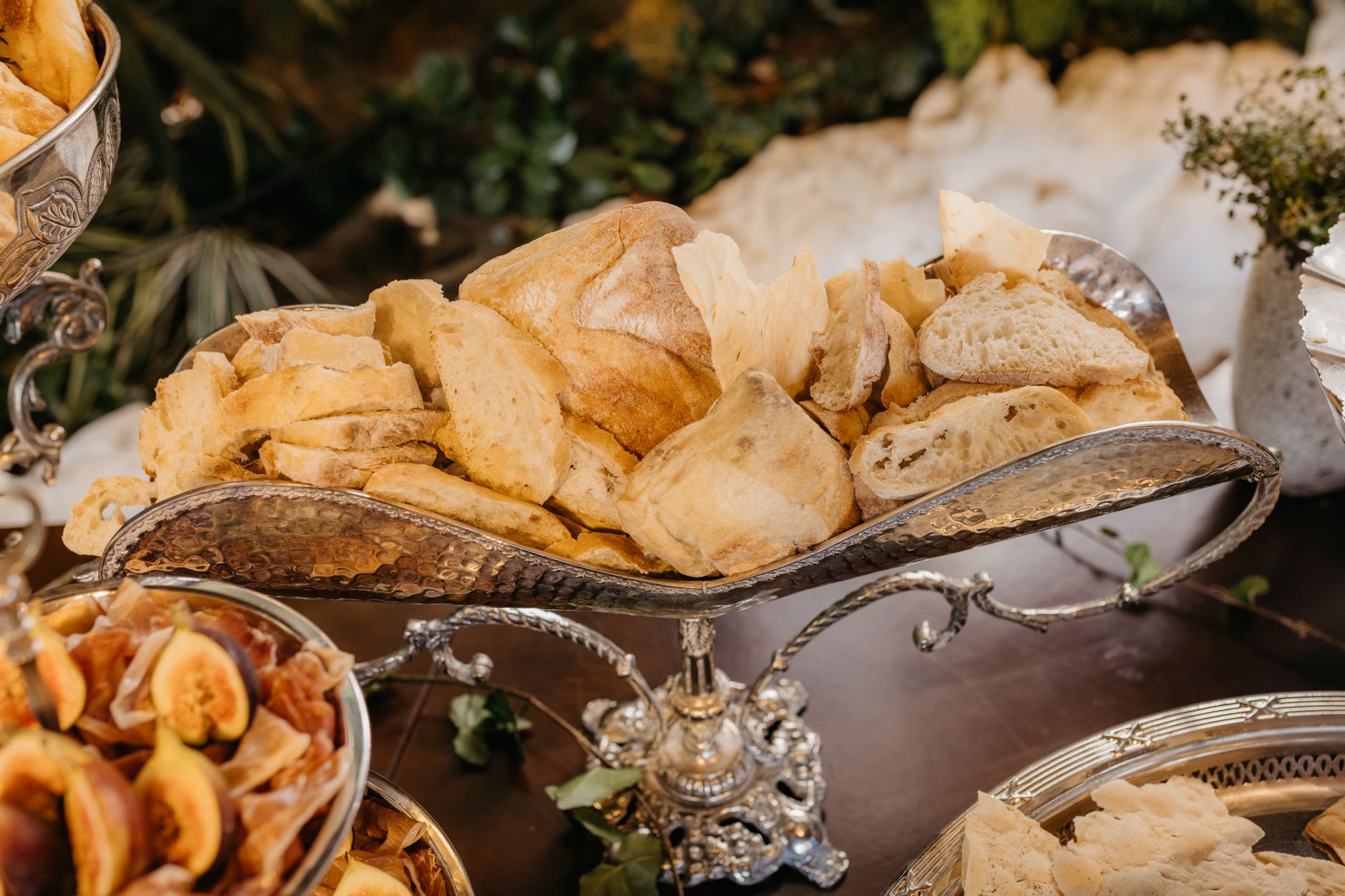
Darjeeling's Finest Food Stations
Food & Beverage in Darjeeling
Specialty Food Stations for Darjeeling Weddings & Events
Darjeeling weddings are already magical — mist-draped hills, colonial bungalows, and the intoxicating aroma of first-flush tea. Adding specialty food stations to your celebration takes that magic further, transforming a conventional buffet into a series of memorable, guest-driven experiences. Whether you picture live cooking stations sizzling with Himalayan momos or interactive food counters pouring artisanal chai blends, Darjeeling's unique produce and culinary heritage give your event a flavour profile no lowland venue can replicate. Happiffie connects you with curated catering professionals who understand both mountain wedding food experience nuances and the logistics of high-altitude event dining.
Quick Answer
Specialty Food Stations are dedicated, themed culinary set-ups at weddings and events where food is prepared or served live in front of guests. In Darjeeling, these stations typically feature regional flavours — Darjeeling tea pairings, Himalayan street food, artisan momos, and fusion desserts — creating interactive, Instagram-worthy dining moments that replace or complement traditional buffet lines, usually priced between ₹800 and ₹2,500 per guest depending on complexity.
What Makes Specialty Food Stations Perfect for Darjeeling Events?
Darjeeling's compact heritage venues — from Makaibari estate lawns to boutique hotels near Chowrasta — rarely allow sprawling buffet layouts. Specialty food stations solve this beautifully: each station is a self-contained zone that manages crowd flow naturally, preventing the chaotic queues common at large banquet setups. Beyond logistics, the hill station event dining scene thrives on storytelling. A momo live-steam counter, a Darjeeling tea-pairing bar, or a Sikkim-inspired thukpa station all give guests a reason to wander, converse, and linger. This interactive quality is precisely what distinguishes specialty food stations from passive plated service or ordinary buffets. Local caterers who specialise in mountain wedding food experience understand seasonal constraints — certain ingredients arrive only via hill roads — and will help you design a menu that is both culturally resonant and reliably executable at 2,000-plus metres altitude.
Popular Station Concepts That Work in Darjeeling
The most beloved specialty food stations in Darjeeling draw on the region's distinctive pantry. A First-Flush Tea & Pairing Station lets guests sample Darjeeling TGFOP-grade teas alongside finger sandwiches and mishti — a crowd-pleasing, culturally rich experience unique to this hill town. Live cooking stations built around Tibetan and Nepali street food — steamed momos, sel roti, aloo achaar — consistently generate the longest lines at Darjeeling weddings. For desserts, interactive food counters serving hot jalebi with kulfi or customised cake pops add theatrical sweetness. Couples planning a fusion celebration often opt for themed food stalls that blend continental charcuterie with local chutney boards, offering guests a curated east-meets-west moment against the backdrop of Kanchenjunga. Customised food kiosks branded with the couple's monogram or wedding hashtag further personalise the experience and make for compelling social-media content.
How Much Do Specialty Food Stations Cost in Darjeeling?
Pricing for specialty food stations in Darjeeling is influenced by three primary factors: the complexity of live preparation, ingredient sourcing logistics, and the number of service staff required per station. A basic interactive food counter — say, a pani puri or chaat stall — typically costs ₹600–₹900 per head for a 200-person gathering. Mid-tier live cooking stations involving grills, steamers, or wok setups run ₹1,000–₹1,600 per person. Premium customised food kiosks with décor, branded uniforms, specialty equipment, and rare local produce can reach ₹2,000–₹2,800 per guest. Darjeeling wedding catering vendors generally recommend budgeting for a minimum of three stations to create meaningful variety without overwhelming kitchen logistics. Transporting heavy equipment up narrow hill roads adds a one-time logistics surcharge of ₹8,000–₹20,000 depending on your venue's accessibility. Always request an itemised quote that separates food cost from equipment rental and staffing.
Choosing the Right Mix of Stations for Your Guest Count
Matching the number and type of specialty food stations to your guest count is a critical planning decision. For intimate gatherings of 50–80 guests — common at boutique properties like those near Jalapahar or Observatory Hill — two thoughtfully designed themed food stalls create intimacy without excess wastage. Medium-sized weddings of 150–250 guests, typical at larger lawns in Kurseong Road or hotel banquets near Mall Road, function best with four to five stations: one main live cooking station, two snack interactive food counters, one dessert bar, and one beverage station. For grand celebrations exceeding 400 guests, six or more customised food kiosks are advisable, with staggered opening times to distribute crowd flow. Darjeeling wedding catering professionals experienced in hill station event dining can model footfall patterns and recommend activation sequences — opening stations in phases rather than all at once — to keep energy high throughout the event.
What Should You Check Before Booking Specialty Food Stations in Darjeeling?
Vetting a vendor for specialty food stations in Darjeeling requires questions beyond standard catering inquiries. First, confirm that the caterer has executed live cooking stations at elevated venues before — gas pressure, equipment performance, and food safety protocols differ significantly at altitude. Ask about contingency plans for Darjeeling's unpredictable monsoon weather, which can disrupt outdoor themed food stalls between June and September. Verify whether the vendor sources local produce — Darjeeling organic vegetables, hill-grown mushrooms, local dairy — or relies entirely on supplies from Siliguri, which affects both freshness and carbon footprint. Check staffing ratios: a well-run interactive food counter requires at least one trained chef and one service person per station. Finally, review the vendor's FSSAI certification, insurance coverage, and prior client references from the Darjeeling-Kurseong-Kalimpong circuit to ensure genuine local expertise.
Specialty Food Stations Setup Types: A Darjeeling Comparison
Expert Recommendation
Best for intimate celebrations (under 80 guests)
Best for large guest counts (300+ guests)
Best for budget-conscious couples
Best for traditional ceremonies
Best for destination weddings with outstation guests
Best for modern, Instagram-driven receptions
How to Choose the Right Option
✅ Pre-booking Checklist
- Confirm caterer has prior experience with live cooking stations at Darjeeling-altitude venues
- Request itemised quotes separating food cost, equipment rental, staffing, and logistics surcharge
- Verify FSSAI certification and event insurance coverage of the vendor
- Ask for a contingency plan for monsoon rain or fog disrupting outdoor stations
- Taste-test proposed station menus at least six weeks before the event date
- Confirm power and gas supply compatibility with your specific venue in Darjeeling
- Agree on station opening sequence and timing with the caterer and event manager
- Get a written contract specifying minimum guest servings, staffing ratios, and wastage policy
🎯 Selection Criteria
- Proven altitude and hill-road logistics experience for equipment transport
- Ability to source fresh local Darjeeling produce rather than relying solely on Siliguri supplies
- Staff-to-station ratio of minimum two trained personnel per specialty food station
- Flexibility to customise menus around dietary needs including Jain, vegan, and gluten-free
- Portfolio of past events in the Darjeeling-Kurseong-Kalimpong circuit with verifiable references
- Transparent pricing with no hidden charges for equipment or after-midnight service
💰 Cost / Quality Factors
- Station complexity — live fire or steam cooking costs more than cold or pre-prepared counters
- Number of specialty food stations relative to guest count directly impacts per-head cost
- Seasonal ingredient availability affects menu pricing, especially during monsoon months
- Venue accessibility on narrow hill roads adds a logistics surcharge to all setups
- Branded decor and customised kiosk production increases cost by 20–35% over standard setups
- Peak wedding season (October–December and April–May) commands 15–25% price premiums
⚠️ Common Mistakes to Avoid
- Booking too many stations without enough staff, resulting in slow service and cold food
- Ignoring altitude-specific equipment needs, causing gas-pressure failures during live cooking
- Choosing purely aesthetic themed food stalls without verifying food quality and safety standards
- Underestimating logistics time for equipment transport on Darjeeling's winding hill roads
- Skipping a contingency plan for outdoor stations during the June–September monsoon season
- Selecting a caterer based on low price alone without checking hill-station catering experience
People Also Ask
How many specialty food stations do I need for a 200-person wedding in Darjeeling?
Are live cooking stations practical at high-altitude venues in Darjeeling?
What local Darjeeling flavours work best as themed food stalls?
What is the minimum budget I should set aside for specialty food stations at a Darjeeling event?
Can specialty food stations replace a traditional buffet at a Darjeeling wedding?
How do I handle monsoon weather for outdoor food stations in Darjeeling?
How far in advance should I book specialty food stations for a Darjeeling wedding?
Do Darjeeling caterers offer customised food kiosks with branding for weddings?
Related Experiences on Happiffie
Live Cooking Stations in Kodaikanal
Live Food Counters That Wow Your Guests
Food Display Stalls for Kodaikanal Events
Raise a Toast in Rishikesh
Dream Weddings in the Kodai Clouds
Sweeten Every Goodbye in Mussoorie
Goa's Most Stunning Buffet Setups
Frequently Asked Questions
What are specialty food stations and how do they work at a Darjeeling wedding?
Which Darjeeling neighbourhoods or venues are best suited for outdoor food stations?
Can I mix regional Darjeeling flavours with pan-Indian or continental options across stations?
Is a festive buffet setup or specialty food stations better value for money in Darjeeling?
How do caterers manage food safety at live cooking stations during Darjeeling's cold winters?
Do specialty food station vendors in Darjeeling handle décor and branding, or is that separate?
What is the best season to plan specialty food stations for an outdoor Darjeeling event?
How does Happiffie help me find the right specialty food station vendor in Darjeeling?
Key Takeaways
- Specialty food stations transform Darjeeling weddings from passive dining into interactive, guest-driven culinary experiences.
- Darjeeling's unique produce — first-flush tea, hill vegetables, Tibetan street food — gives local stations a flavour profile unavailable at lowland venues.
- Budget ₹800–₹2,800 per guest depending on station complexity, with an additional ₹8,000–₹20,000 logistics surcharge for hill-road equipment transport.
- A minimum of three to four stations is recommended for 150–250 guests; stagger opening times to maintain event energy.
- Always verify altitude experience, FSSAI certification, and monsoon contingency plans before booking any Darjeeling caterer.
- Customised food kiosks with couple branding add 20–35% to costs but significantly elevate aesthetic impact and social-media appeal.
- Book four to six months in advance for peak Darjeeling wedding season (October–December, April–May) to secure experienced vendors.
- Live cooking stations and themed food stalls rooted in regional culture consistently generate the highest guest engagement at Darjeeling events.
Ready to Create Unforgettable Food Moments in Darjeeling?
Browse Happiffie's curated list of specialty food station experts who know Darjeeling's venues, flavours, and logistics inside out.
Explore Darjeeling Vendors
Are you a Vendor? Grow Your Business with Happiffie!
- High intent verified leads
- Reverse auction opportunities
- AI business tools & insights
- Dedicated vendor dashboard
- Grow your business, your way
It's free & takes less than 2 minutes!