
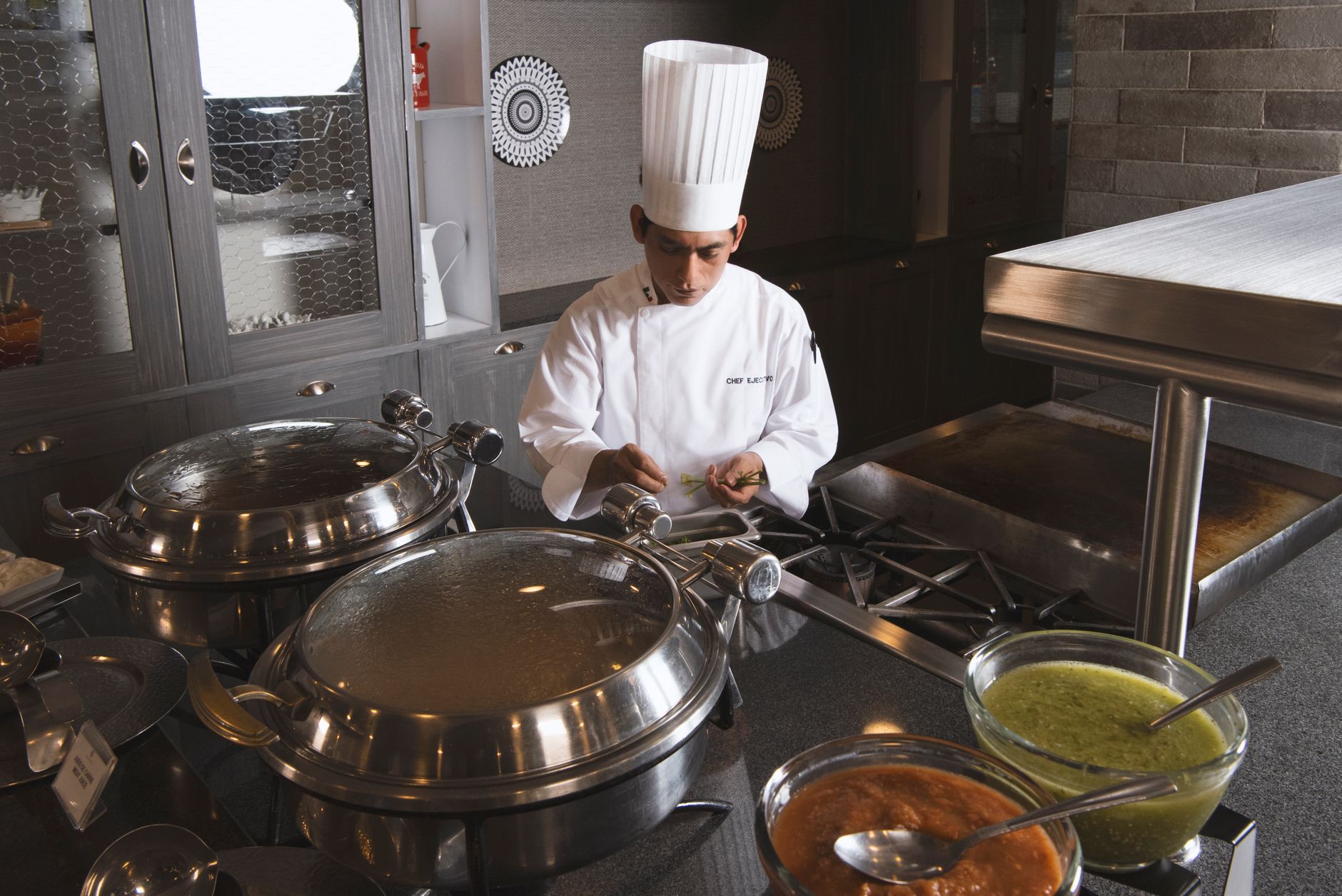
Live Cooking Stations in Kodaikanal
Food & Beverage in Kodaikanal
Live Cooking Stations in Kodaikanal for Weddings & Events
Kodaikanal's cool, misty climate creates the perfect backdrop for live cooking stations that keep guests warm, engaged, and genuinely delighted. Whether you are planning a destination wedding on a hilltop lawn or a corporate retreat near Coaker's Walk, interactive food counters transform dining into a shared experience rather than a buffet queue. From sizzling dosas to wood-fired pizzas and hand-rolled pasta, open kitchen setups let guests watch skilled chefs craft every plate. Paired with thoughtful hill station wedding catering, these stations become the most talked-about part of your event — long after the last course is served.
Quick Answer
Live cooking stations are dedicated, chef-manned counters at weddings and events where food is prepared fresh in front of guests. In Kodaikanal, they typically include options like dosa and appam corners, pasta or noodle stations, kebab grills, and dessert counters. Costs range from roughly ₹150 to ₹600 per head per station depending on cuisine complexity, staffing, and equipment. They are ideal for outdoor hill-station venues where fresh, hot food elevates the guest experience.
Why Are Live Cooking Stations So Popular at Kodaikanal Weddings?
Kodaikanal sits at over 2,100 metres above sea level, and temperatures regularly dip to 8–12°C during winter months and evenings year-round. Guests naturally gravitate toward warmth, which makes live cooking stations a practical and experiential solution simultaneously. The visual theatre of a chef tossing a wok or flame-grilling seekh kebabs in a misty mountain setting creates memorable moments that static buffets simply cannot match. Interactive food counters also solve a common hill-station catering challenge: food that sits on a chafing tray loses heat and texture quickly in cold, breezy air. Because each plate is assembled to order, guests receive hot food every single time. For South Indian weddings common in the Dindigul and Madurai belts that frequently use Kodaikanal as a destination venue, stations serving fresh pongal, appam with stew, and filter coffee add an authentic, homely touch that resonates deeply with family elders and young guests alike.
Popular Station Formats That Work Best in Kodaikanal
Not every cuisine format suits an outdoor hill-station environment. Live food stalls that use enclosed, portable burners or tandoors perform best because they maintain consistent heat even in wind. The most requested categories among Kodaikanal event planners are: dosa and idiyappam corners with a choice of chutneys and sambar; tandoor kebab and roti stations; pasta or risotto bars using induction setups; noodle and fried rice woks popular at corporate and college fests; and dessert stations featuring jalebi-frying, crepe-making, or chocolate fondue. Open kitchen setups that incorporate a visible flame element, such as a live paella or biryani dum counter, generate the most organic guest interaction. For fusion weddings blending Tamil traditions with contemporary tastes, a combined filter coffee and waffle station works remarkably well as a late-evening crowd-pleaser. Customised menu planning with your caterer at least six to eight weeks in advance ensures ingredient sourcing from Kodaikanal's local markets or Dindigul wholesale suppliers is handled without last-minute gaps.
How Much Do Live Cooking Stations Cost in Kodaikanal?
Pricing in Kodaikanal is slightly higher than in Madurai or Coimbatore because of transport logistics for equipment and specialist staff who travel up the ghat roads. As a general benchmark, chef-attended counters for simple South Indian items like dosa or pesarattu run between ₹120 and ₹200 per head. Continental options — pasta, risotto, or crepe stations — typically cost ₹250 to ₹400 per head because of imported ingredients and more skilled labour. Premium experiences such as live sushi preparation, carved meat stations, or wood-fired artisan pizzas can reach ₹500 to ₹700 per head. Most caterers bundle equipment rental, one or two chefs per station, mise en place, and service uniforms into a per-head rate. A mid-range Kodaikanal wedding of 200 guests running four interactive food counters — one South Indian, one continental, one kebab grill, and one dessert — typically invests between ₹2.5 lakh and ₹4.5 lakh for the station component alone, separate from the main course service. Always confirm whether gas cylinder refills, transportation surcharges from Batlagundu or Palani, and post-event cleanup are included in the quoted price.
Matching Station Types to Your Kodaikanal Venue
Kodaikanal's event venues range from intimate heritage bungalows near Bryant Park to sprawling resort lawns along the lake road and steep-terraced farmhouses around Pillar Rocks. Venue type directly determines which live food stalls are feasible. Open courtyards and resort lawns can accommodate large tandoors, live paella pans, and multiple open kitchen setups without ventilation concerns. However, enclosed banquet halls or low-ceiling mandaps require induction-based or smokeless stations to prevent guest discomfort. Heritage bungalows with wooden interiors typically restrict open-flame cooking indoors, so a covered veranda or garden annexe becomes the designated station zone. For venues on steep slopes, level surfaces for heavy equipment like stone oven carts or large griddles must be pre-scouted. Inform your caterer of the exact gradient, power-point locations, and whether diesel generators or venue electricity will power the induction units. Wedding food experience quality is significantly determined by this logistical groundwork done at site-inspection stage.
How Do You Choose the Right Caterer for Live Cooking Stations in Kodaikanal?
Selecting the right vendor for live cooking stations in a remote hill-station destination requires criteria beyond menu taste alone. First, confirm the caterer has prior experience executing outdoor banquet services in Kodaikanal or comparable hill-station locations — ghat-road logistics, cold-weather food safety, and altitude-adjusted cooking times are non-negotiable expertise. Second, review their equipment inventory: do they own portable, weather-resistant setups or will they rent locally at additional cost? Third, assess staffing depth — a caterer who brings all specialised chefs from their home city rather than supplementing with untrained local helpers delivers more consistent results. Request a site visit where the caterer walks the venue, identifies power sources, and designs a station layout before you sign the contract. Chef-attended counters should always have a dedicated supervisor per four to five stations to manage replenishment pace and guest flow. Finally, evaluate their customised menu planning flexibility — the best vendors incorporate local Kodaikanal produce like home-grown vegetables, Kodai cheese, and fresh herbs into station menus, elevating authenticity and reducing logistics costs simultaneously.
Live Cooking Station Types: Options, Advantages, and Best Fit for Kodaikanal Events
Expert Recommendation
Best for Intimate Celebrations (under 75 guests)
Best for Large Destination Weddings (300+ guests)
Best for Budget-Conscious Couples
Best for Traditional South Indian Weddings
Best for Corporate Retreats and Off-sites
Best for Modern Fusion Celebrations
How to Choose the Right Option
✅ Pre-booking Checklist
- Confirm the caterer has prior experience executing live cooking stations in Kodaikanal or comparable high-altitude hill-station venues.
- Conduct a joint site visit with your caterer to identify power sources, flat surfaces, and ventilation or open-flame restrictions.
- Finalise customised menu planning at least six to eight weeks before the event to allow ingredient sourcing from local or Dindigul wholesale markets.
- Clarify whether gas cylinder refills, transportation from Batlagundu or Palani, generator hire, and post-event cleanup are included in the quote.
- Book a minimum of one trained supervisor per four to five chef-attended counters to manage replenishment and guest flow.
- Arrange canopy or rain-cover backup for all outdoor live food stalls given Kodaikanal's unpredictable weather.
- Test induction unit compatibility with venue power load capacity to avoid mid-event trip failures.
- Collect dietary preference data from guests in advance to calibrate station menus for vegetarian, Jain, and allergy requirements.
🎯 Selection Criteria
- Prior hill-station catering experience specifically for outdoor banquet services in cold, windy conditions.
- Ownership of portable, weather-resistant equipment rather than dependency on locally rented gear with unknown reliability.
- Chef specialisation matching the cuisine category of each station — a South Indian dosa expert cannot run a credible pasta counter.
- Demonstrated ability to manage high-throughput service without compromising food quality or freshness.
- Willingness to incorporate local Kodaikanal produce into interactive food counters for authenticity and cost efficiency.
- Transparent, itemised pricing that separates chef labour, equipment, ingredients, and logistics charges.
💰 Cost / Quality Factors
- Cuisine complexity directly raises chef skill requirements and ingredient costs for each open kitchen setup.
- Guest count affects per-head pricing — above 250 guests, bulk efficiencies typically reduce per-head station costs by 15 to 25 percent.
- Distance of the caterer's base from Kodaikanal increases transportation surcharges for heavy equipment like tandoors and oven carts.
- Season and demand: peak wedding months of November to February see premium pricing for specialised chef-attended counters.
- Number of stations booked simultaneously — bundling five or more live cooking stations with one vendor usually yields better package rates.
- Equipment ownership versus rental: caterers owning their own setups deliver more consistent quality and fewer day-of surprises.
⚠️ Common Mistakes to Avoid
- Booking a caterer without verifying they have executed outdoor hill station wedding catering before — flat-land experience does not automatically transfer.
- Underestimating the number of stations needed, creating long queues that frustrate guests and stall event timelines.
- Ignoring venue ventilation constraints and discovering on the day that open-flame stations cannot be used indoors.
- Failing to conduct customised menu planning early enough, leading to ingredient unavailability or substitutions that dilute menu quality.
- Not accounting for ghat-road transport time when scheduling setup, leading to late arrivals and rushed station assembly before guest arrival.
- Neglecting to confirm a rain contingency plan for outdoor live food stalls at an open-air Kodaikanal venue.
People Also Ask
How many live cooking stations do I need for a 200-guest wedding in Kodaikanal?
Are live cooking stations suitable for outdoor venues in Kodaikanal's cold weather?
What cuisines work best as live food stalls at Kodaikanal weddings?
Do caterers in Kodaikanal source local ingredients for interactive food counters?
What is the difference between open kitchen setups and standard buffet counters?
How far in advance should I book live cooking stations for a Kodaikanal event?
Can live cooking stations be set up inside a banquet hall in Kodaikanal?
What should the per-head budget be for hill station wedding catering with live stations in Kodaikanal?
Related Experiences on Happiffie
Live Food Counters That Wow Your Guests
Live Chaat Stalls for Your Dream Wedding
Say I Do in the Hills
Beat the Heat at Every Outdoor Event
Live Food Stations for Your Mussoorie Wedding
Joyful Menus for Little Celebrations
Frequently Asked Questions
Are live cooking stations available for small intimate weddings in Kodaikanal?
Which months are best for outdoor live cooking stations at Kodaikanal weddings?
Do I need a separate generator for live cooking stations in Kodaikanal venues?
Can live cooking stations accommodate Jain or allergy-specific dietary requirements?
How much space does each live cooking station require at a Kodaikanal venue?
Is hill station wedding catering in Kodaikanal more expensive than in Madurai or Coimbatore?
What is the typical staff-to-station ratio for live cooking stations at an event?
Can live cooking stations be themed to match a wedding decor concept in Kodaikanal?
Key Takeaways
- Live cooking stations are especially effective at Kodaikanal events because cold temperatures make hot, freshly prepared food a genuine guest comfort, not just an aesthetic choice.
- Interactive food counters outperform static buffets in food quality, guest engagement, and visual impact at hill-station weddings.
- Per-head costs for chef-attended counters in Kodaikanal range from ₹120 for simple South Indian stations to ₹700 or more for premium continental or specialty options.
- Venue type — open lawn, enclosed hall, heritage bungalow — determines which open kitchen setups are feasible and must be assessed during a pre-event site visit.
- Local Kodaikanal produce including fresh vegetables, Kodai cheese, and herbs can be incorporated into station menus to add authenticity and reduce logistics costs.
- Book specialised catering for peak-season Kodaikanal dates three to four months in advance as vendor availability is limited in this hill-station destination.
- Always bundle canopy or rain-cover backup for outdoor live food stalls given Kodaikanal's unpredictable monsoon and mist patterns throughout the year.
- A comprehensive wedding food experience requires coordinated customised menu planning, skilled staffing ratios, and equipment logistics planning — not just cuisine selection.
Plan Your Perfect Live Cooking Stations in Kodaikanal
Explore verified catering vendors on Happiffie — compare menus, check availability, and get custom quotes for your hill-station wedding or event.
Explore Caterers Now
Are you a Vendor? Grow Your Business with Happiffie!
- High intent verified leads
- Reverse auction opportunities
- AI business tools & insights
- Dedicated vendor dashboard
- Grow your business, your way
It's free & takes less than 2 minutes!