

Explore All Religious Ceremonies
Discover traditional rituals, wedding ceremonies, spiritual occasions and meaningful cultural celebrations in Chennai, with trusted services to honour every tradition.
Give Thoughtfully,
Celebrate with Happiffie
From personalised gifts and curated collections to thoughtful presents for every occasion, Happiffie helps you discover gifting options that make celebrations more meaningful and memorable.
- Thoughtful Gift DiscoveryFind gifting options suited to every celebration and occasion
- Personalised GiftingDiscover customised gifts made to create meaningful moments
- Trusted Gift ProvidersConnect with reliable gifting professionals and service providers
Popular Religious Ceremonies
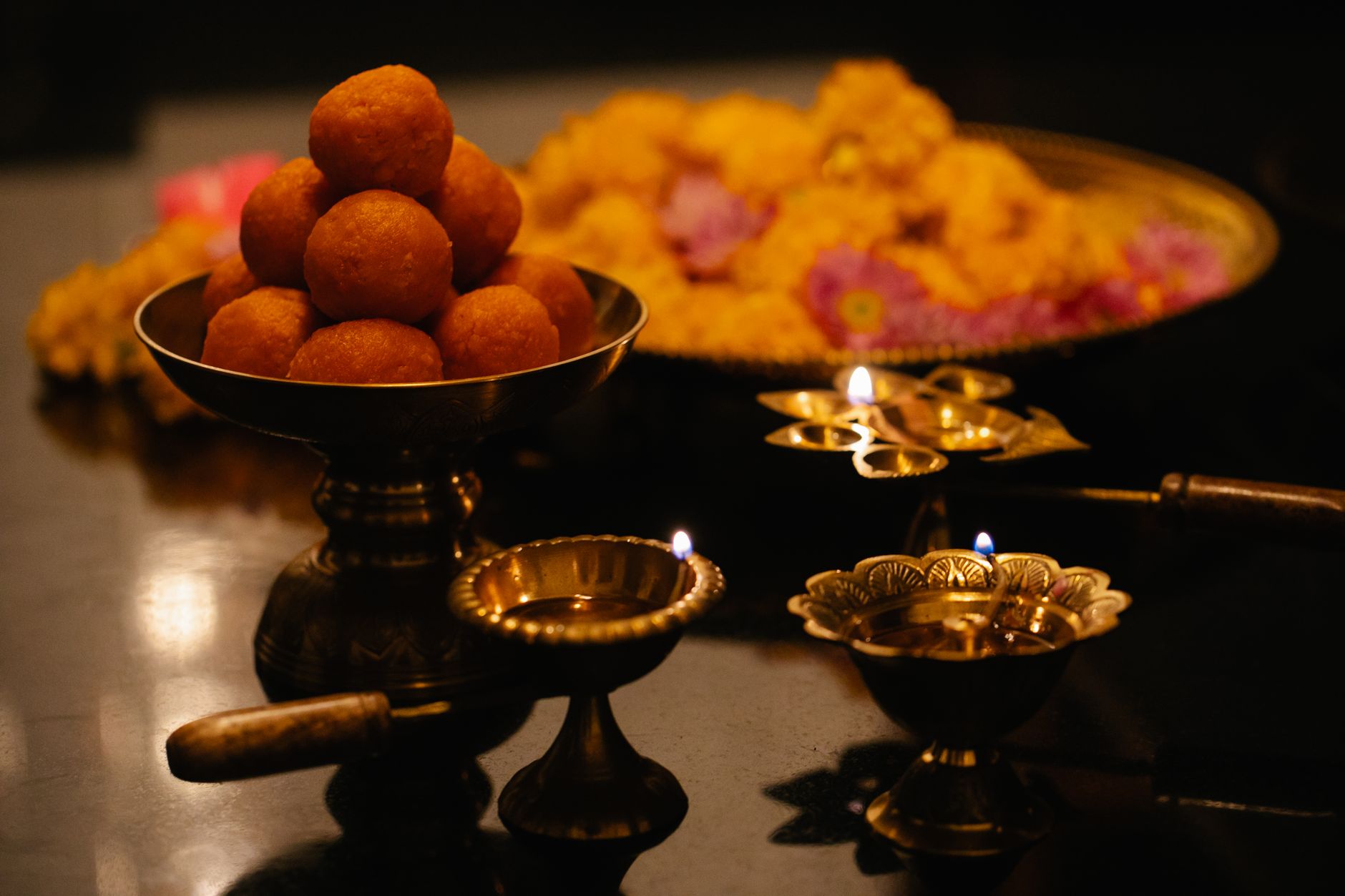 Authentic Bakshanam Sweets & Savouries
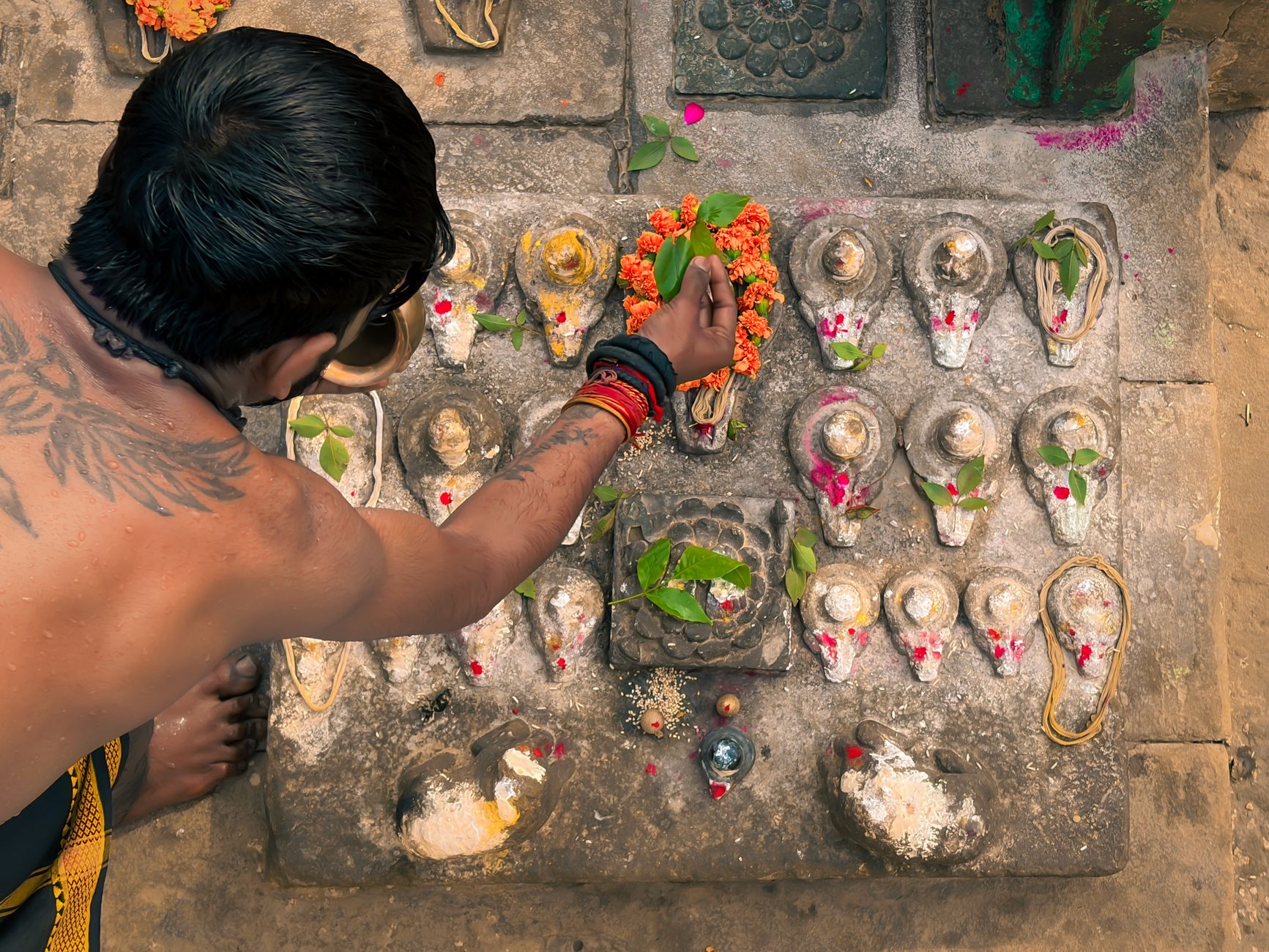 Authentic Brahmin Kasi Yathra Ritual Setup
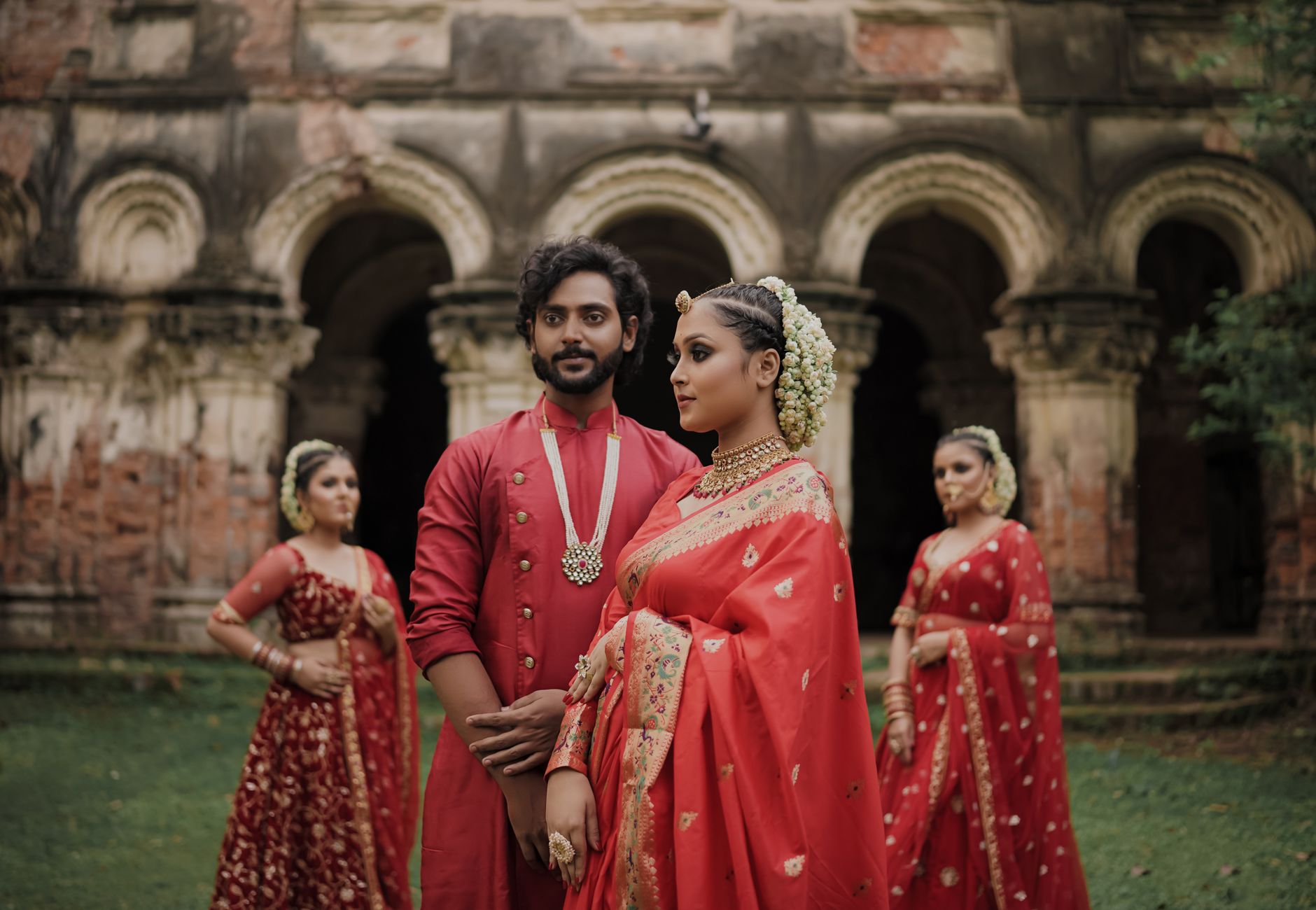 Authentic Brahmin Paruppu Thengai Collections
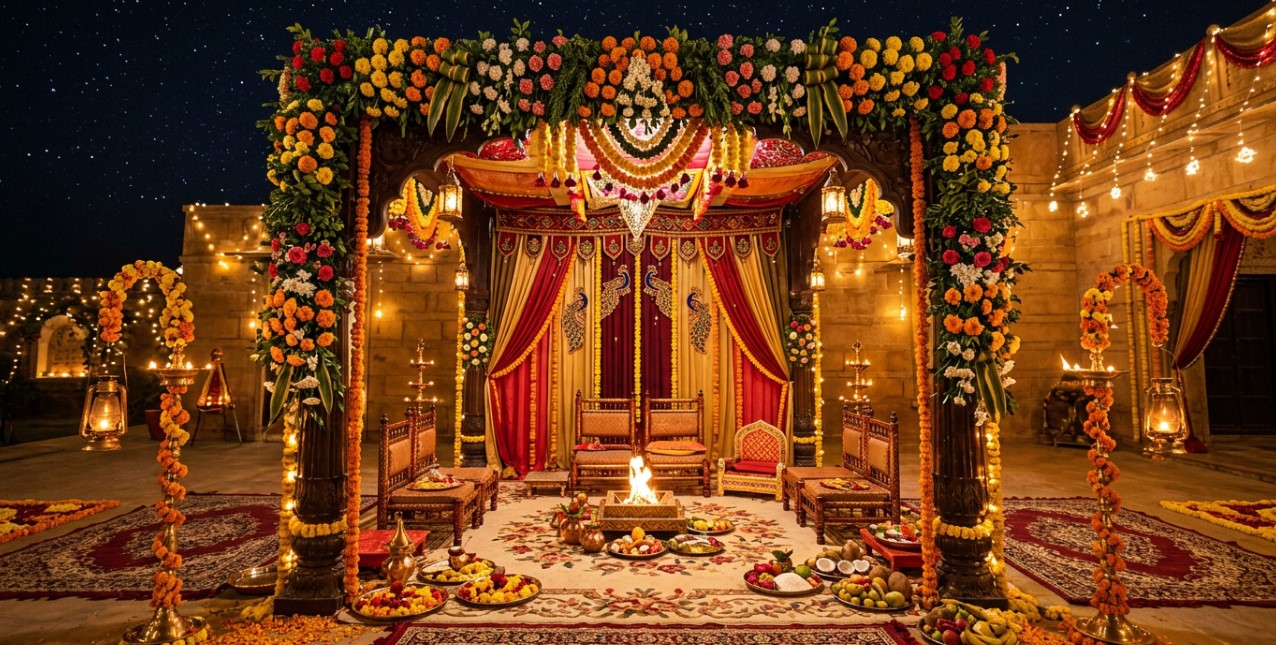 Authentic Marriage Ritual Decor Setup
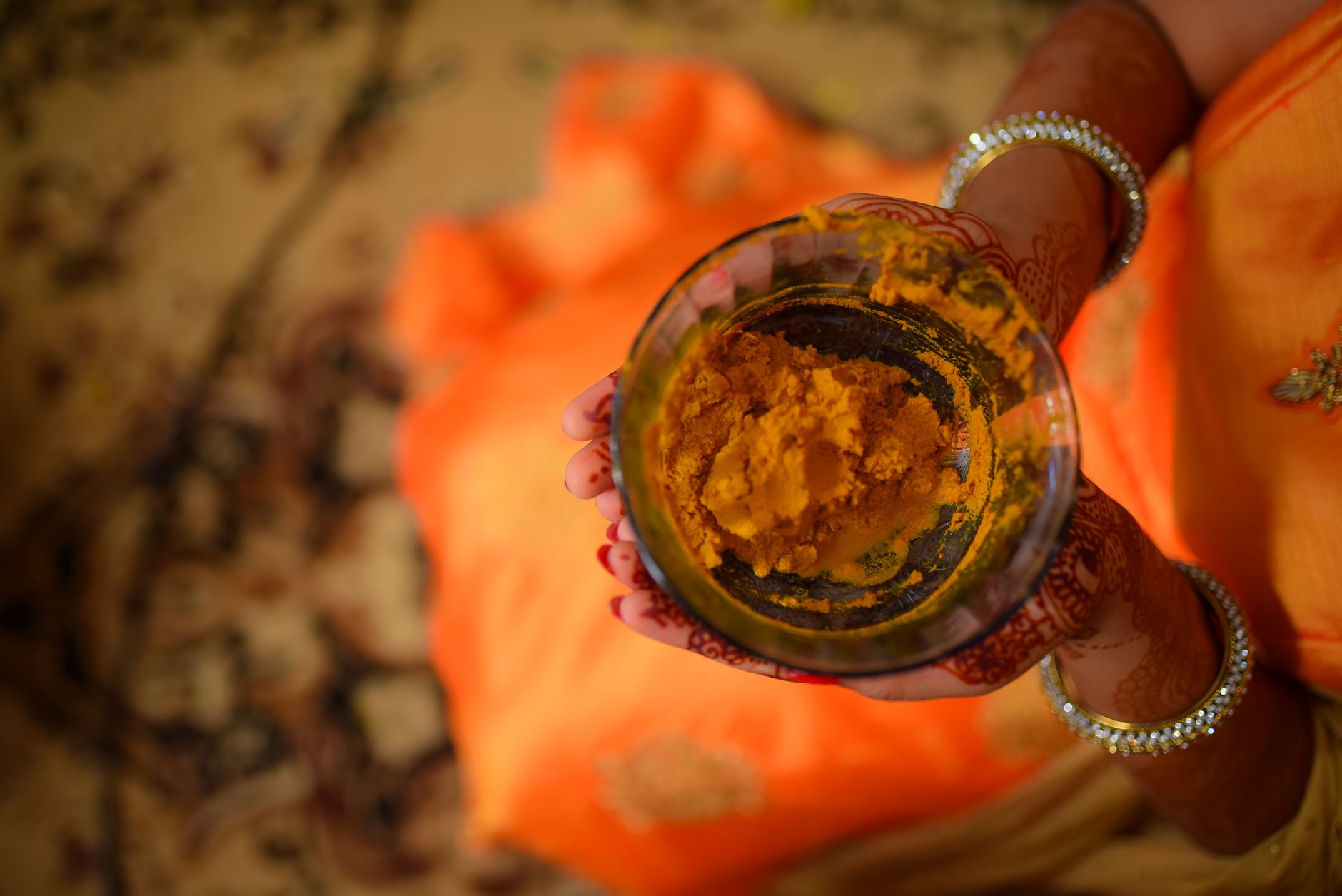 Authentic Pattu Pai Ceremony Essentials
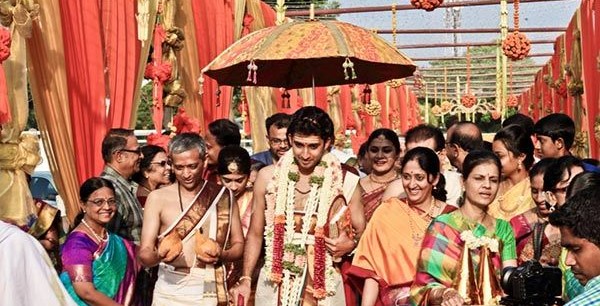 Authentic Tamil Kasi Yatra Ritual Setup
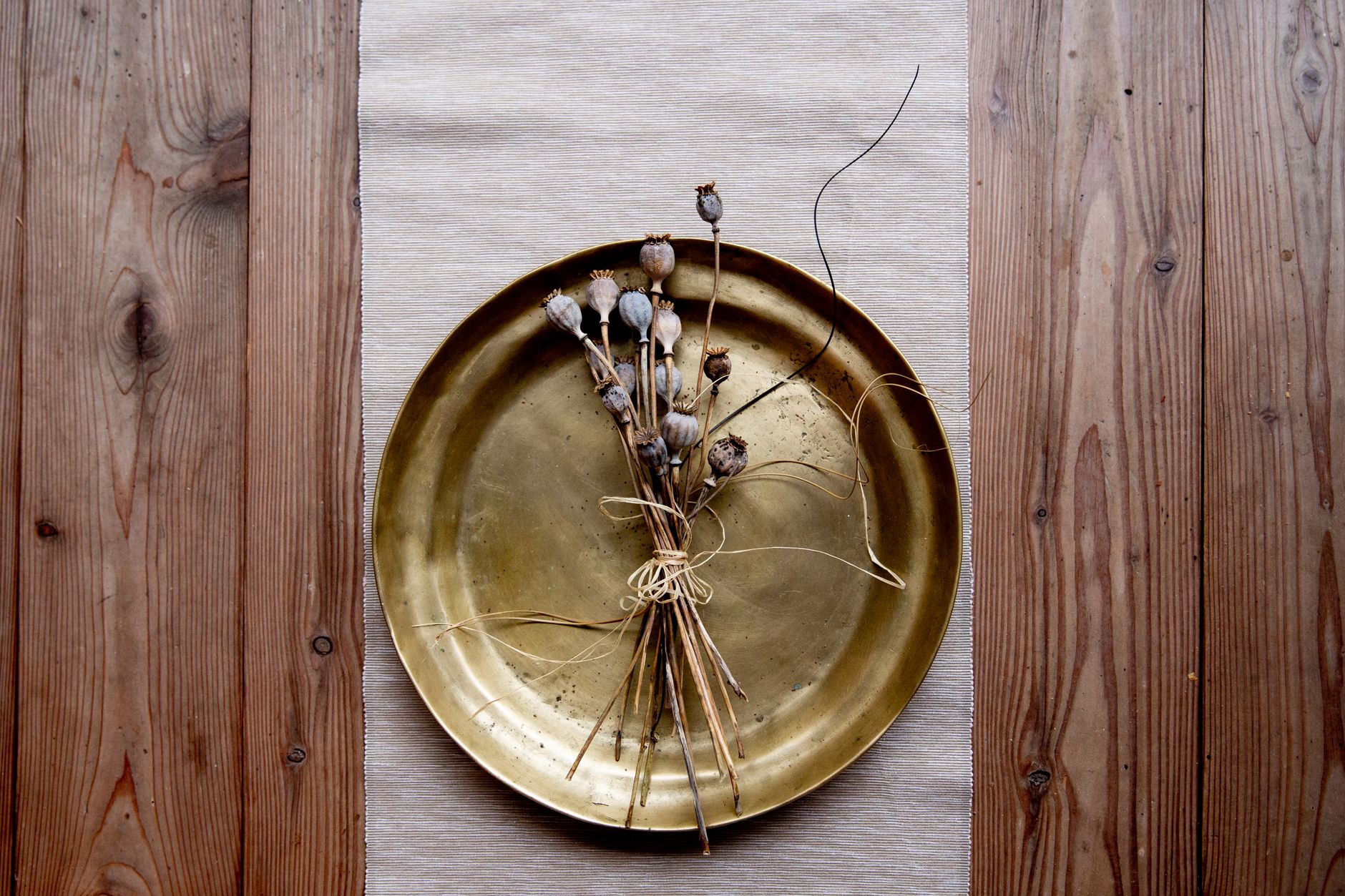 Decorative Welcome Aarthi Ceremony Plates
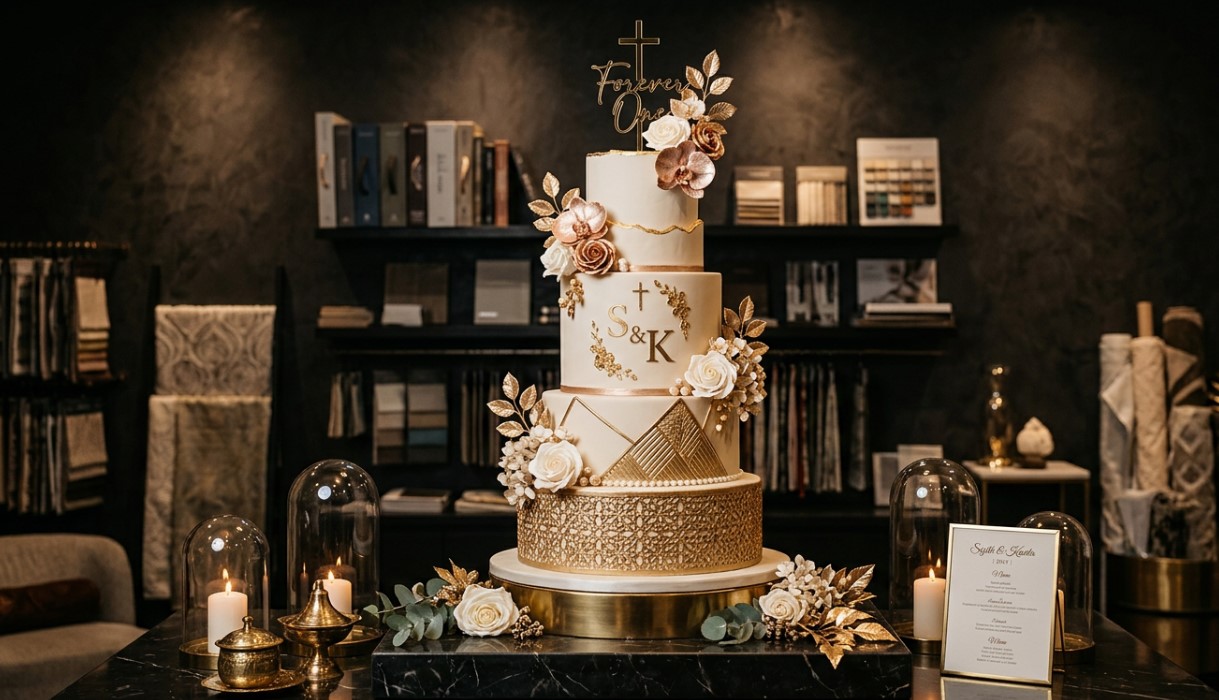 Designer Christian Wedding Cake Collections
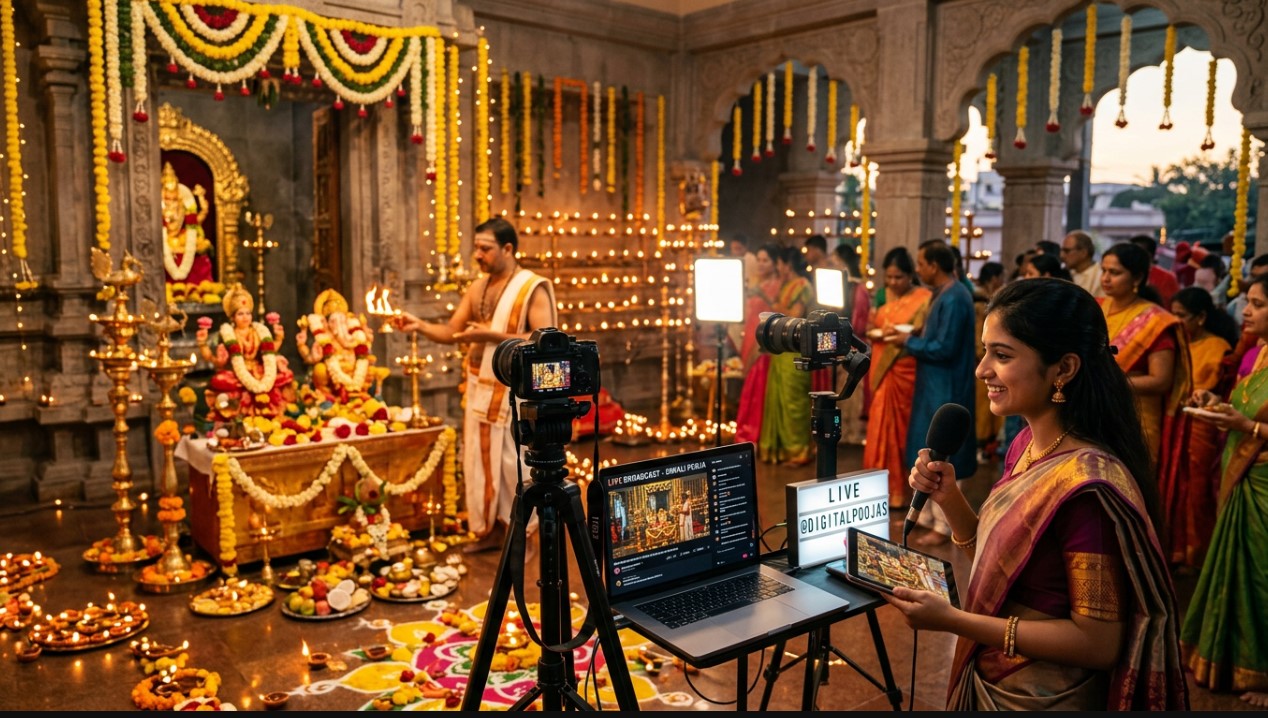 Digital Ritual & Pooja Live Broadcast Services
 Elegant Christian Wedding Ring Platters
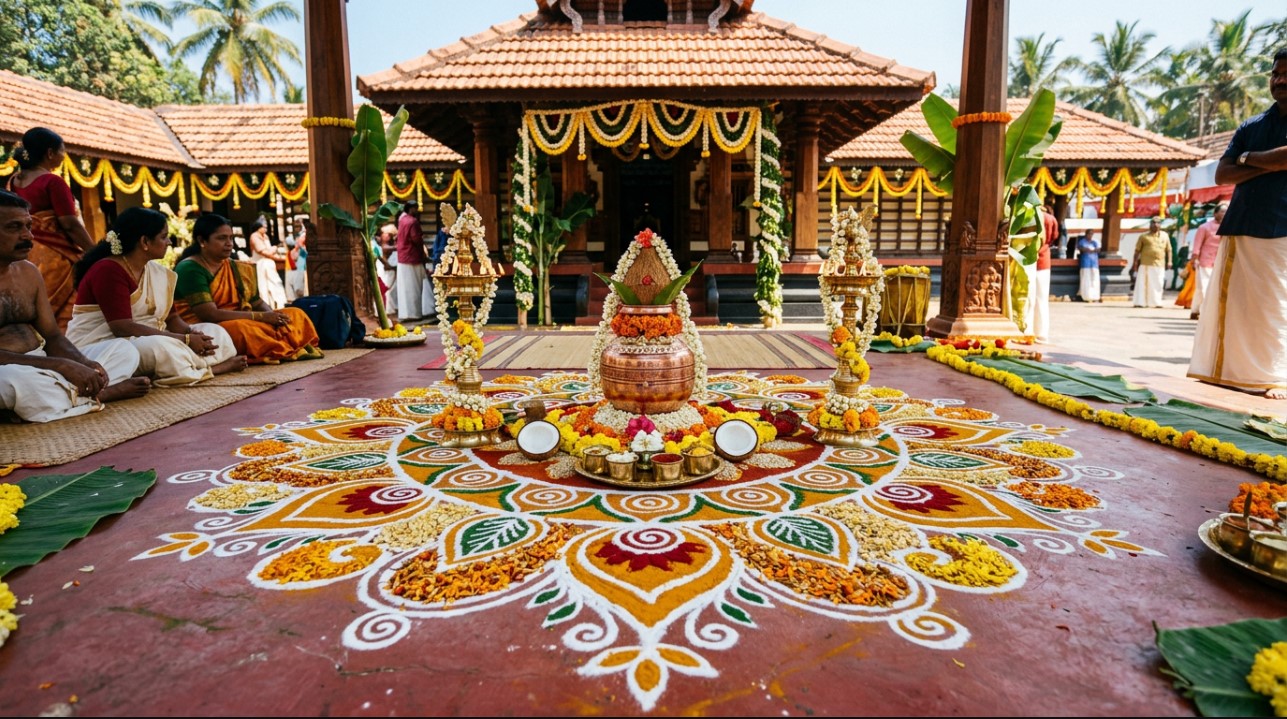 Elegant kerala Wedding Thalam Arrangements
 Elegant Unjal Ceremony Setup & Styling
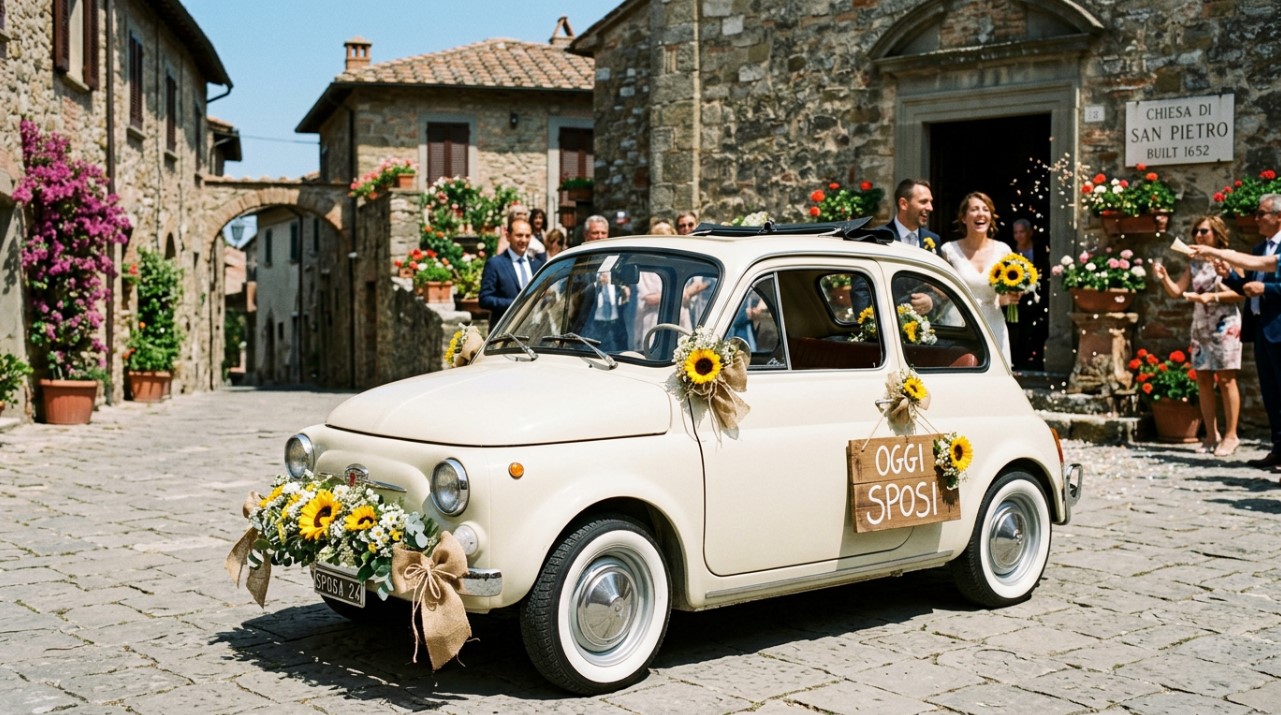 Elegant Wedding Car Decoration Services
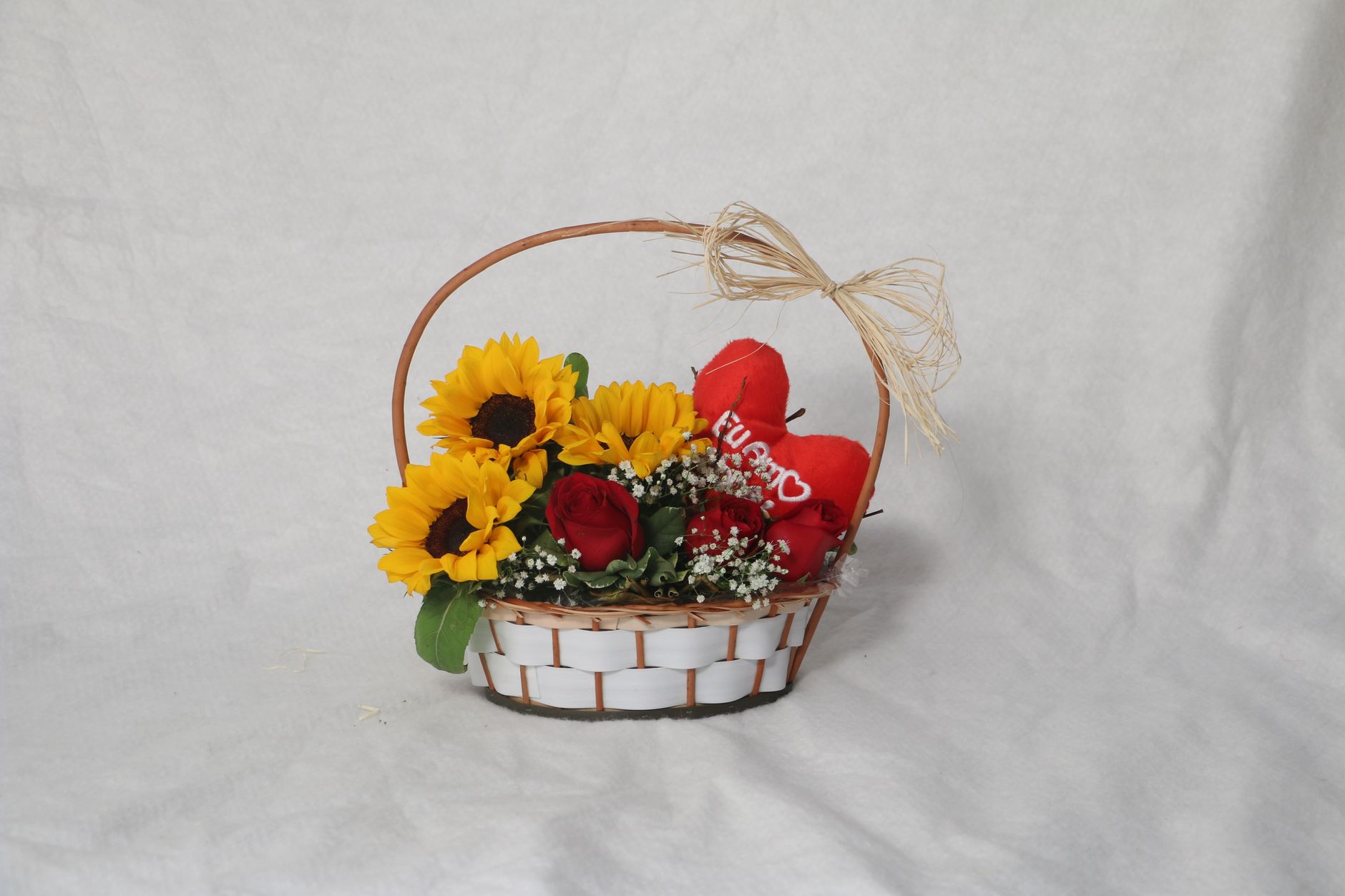 Elegant Wedding Flower Basket Arrangements
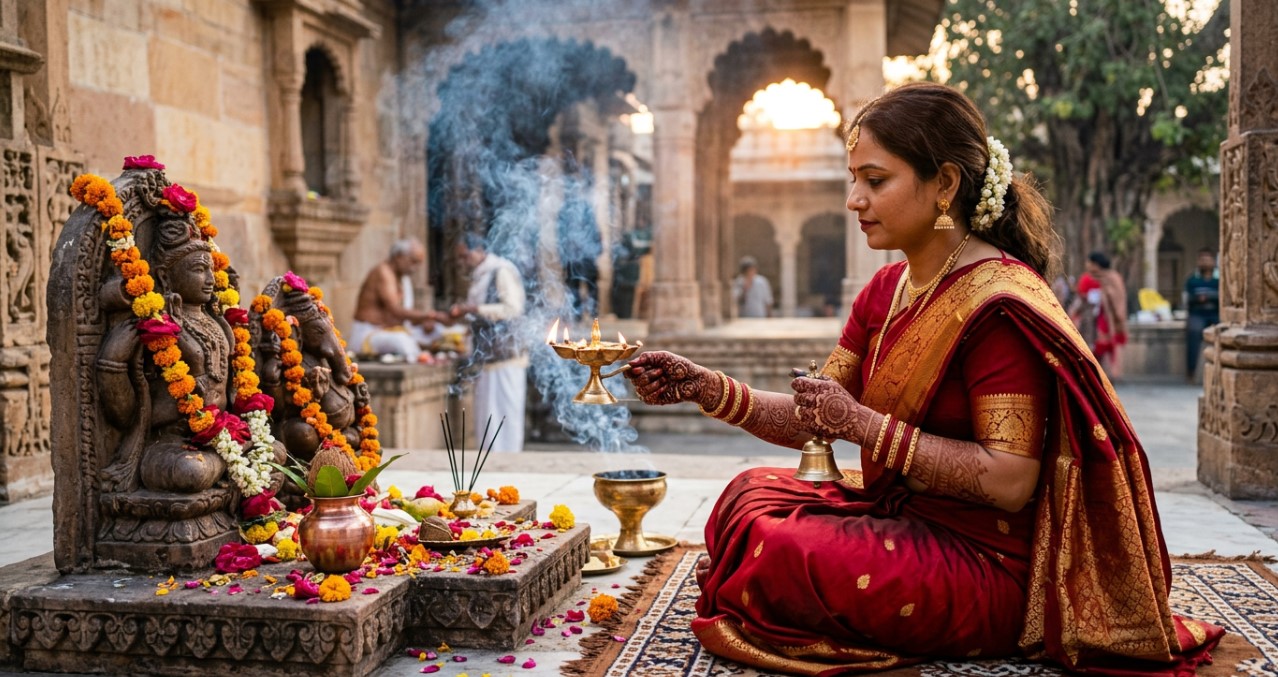 Expert Ritual Guidance & Ceremony Consultation
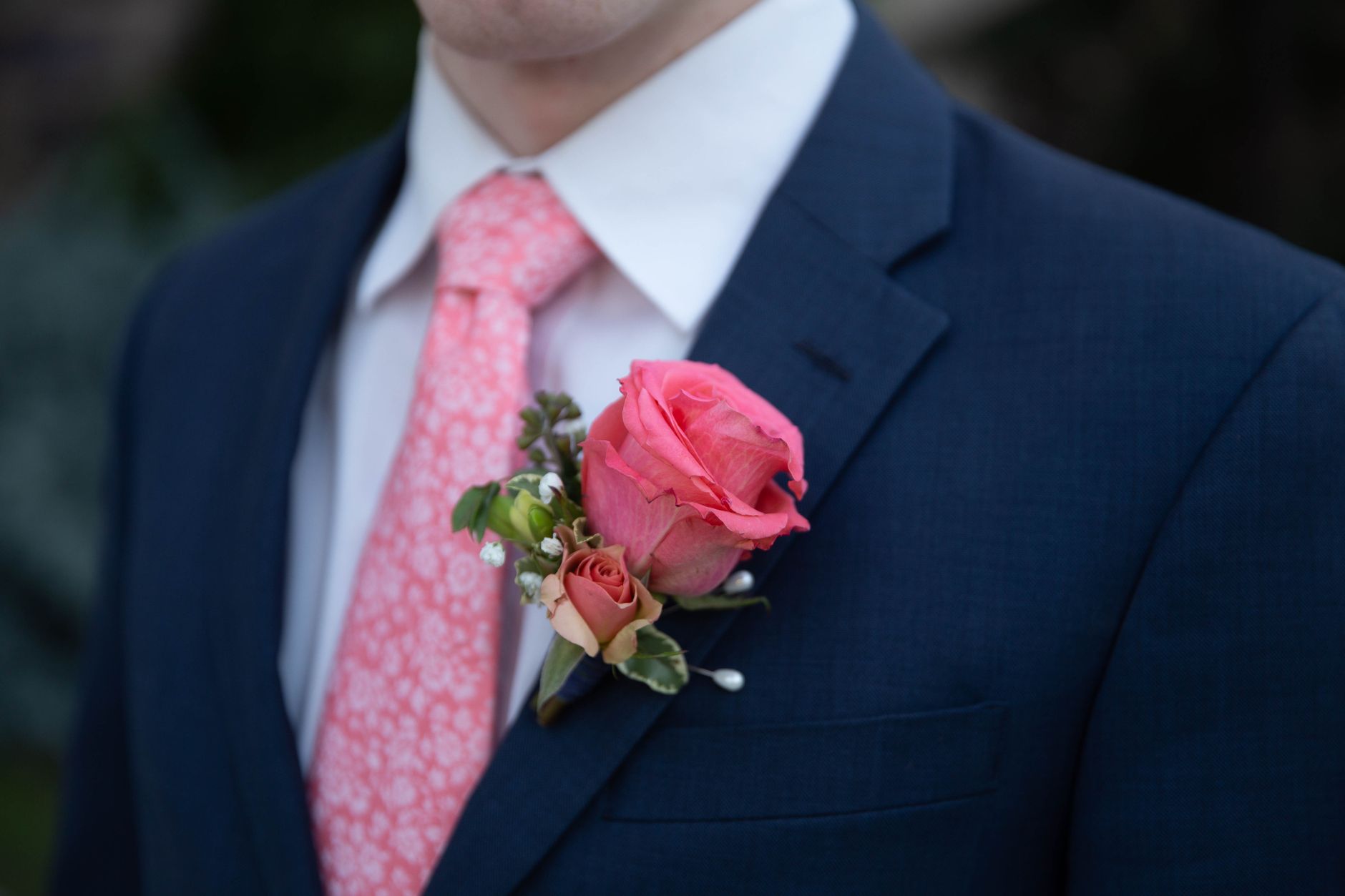 Groom Boutonniere Floral Designs
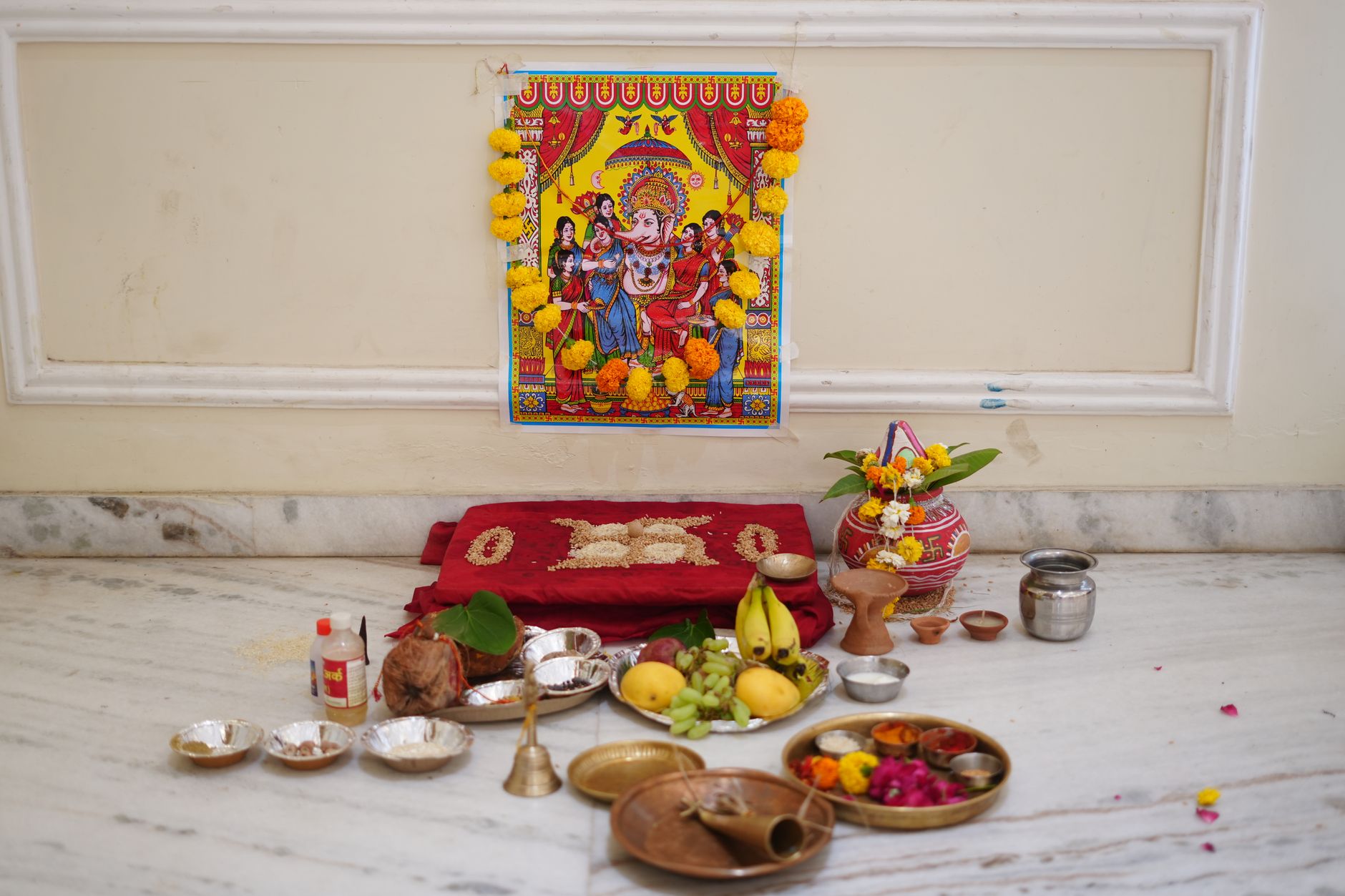 Gujarati Wedding Pooja Items
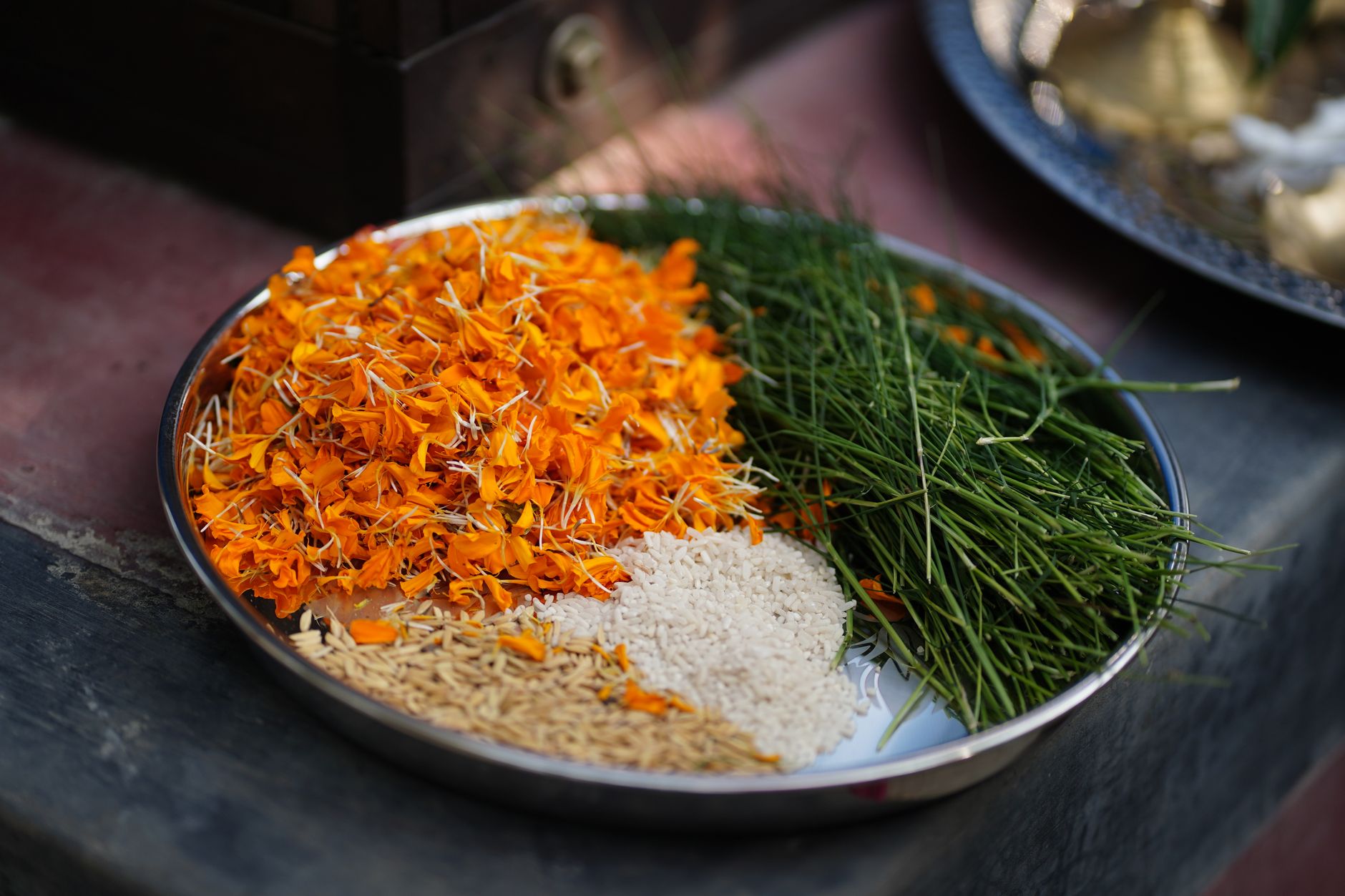 Heritage Brahmin Seer Plate Presentation
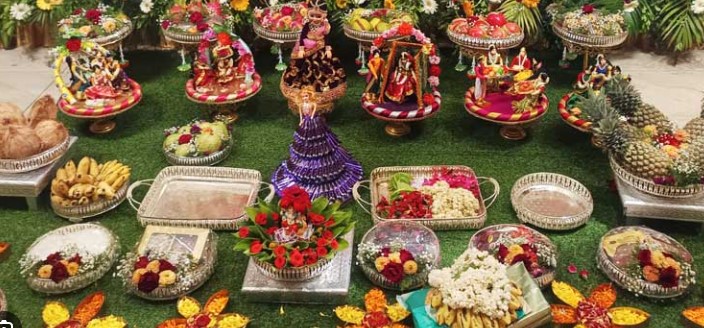 Heritage Seer Plate Presentation
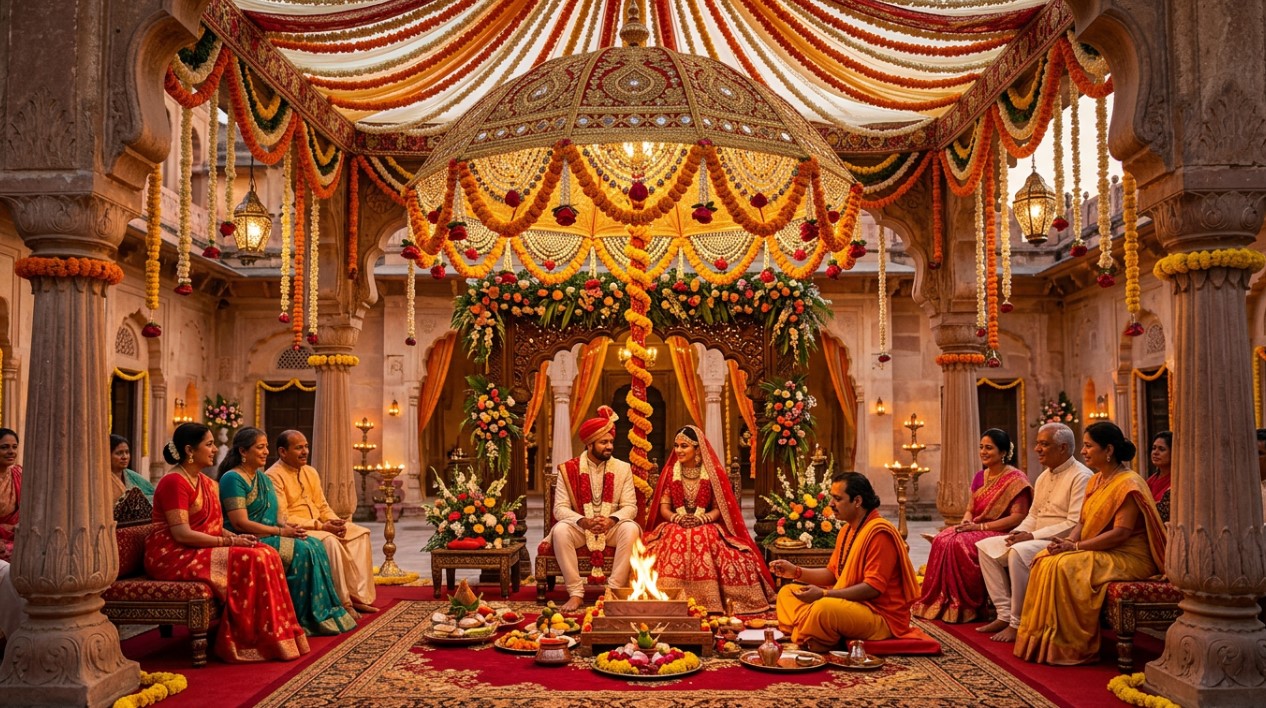 Heritage Wedding Umbrella Ceremony Setup
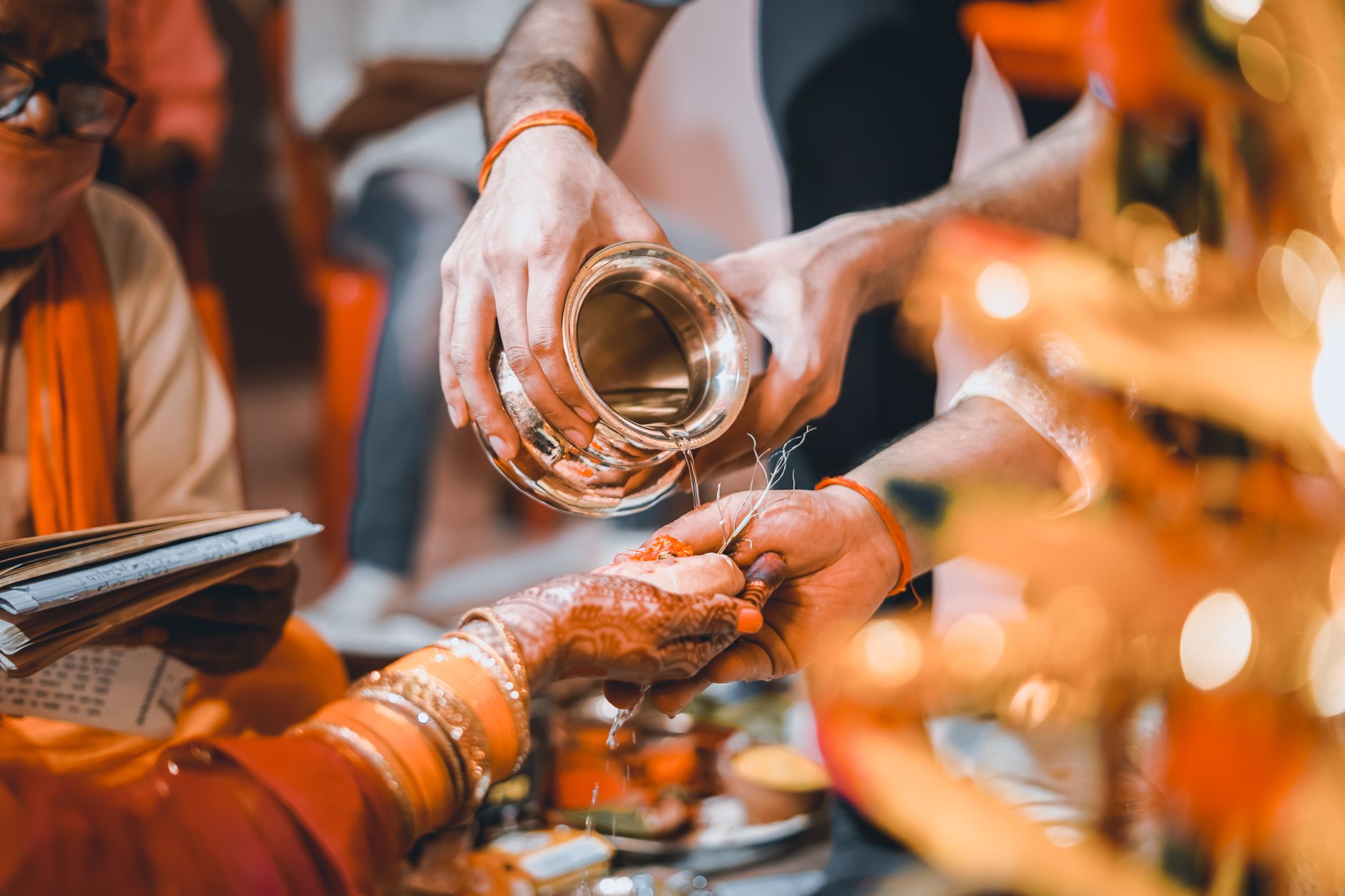 Hindu Wedding Ritual Guide
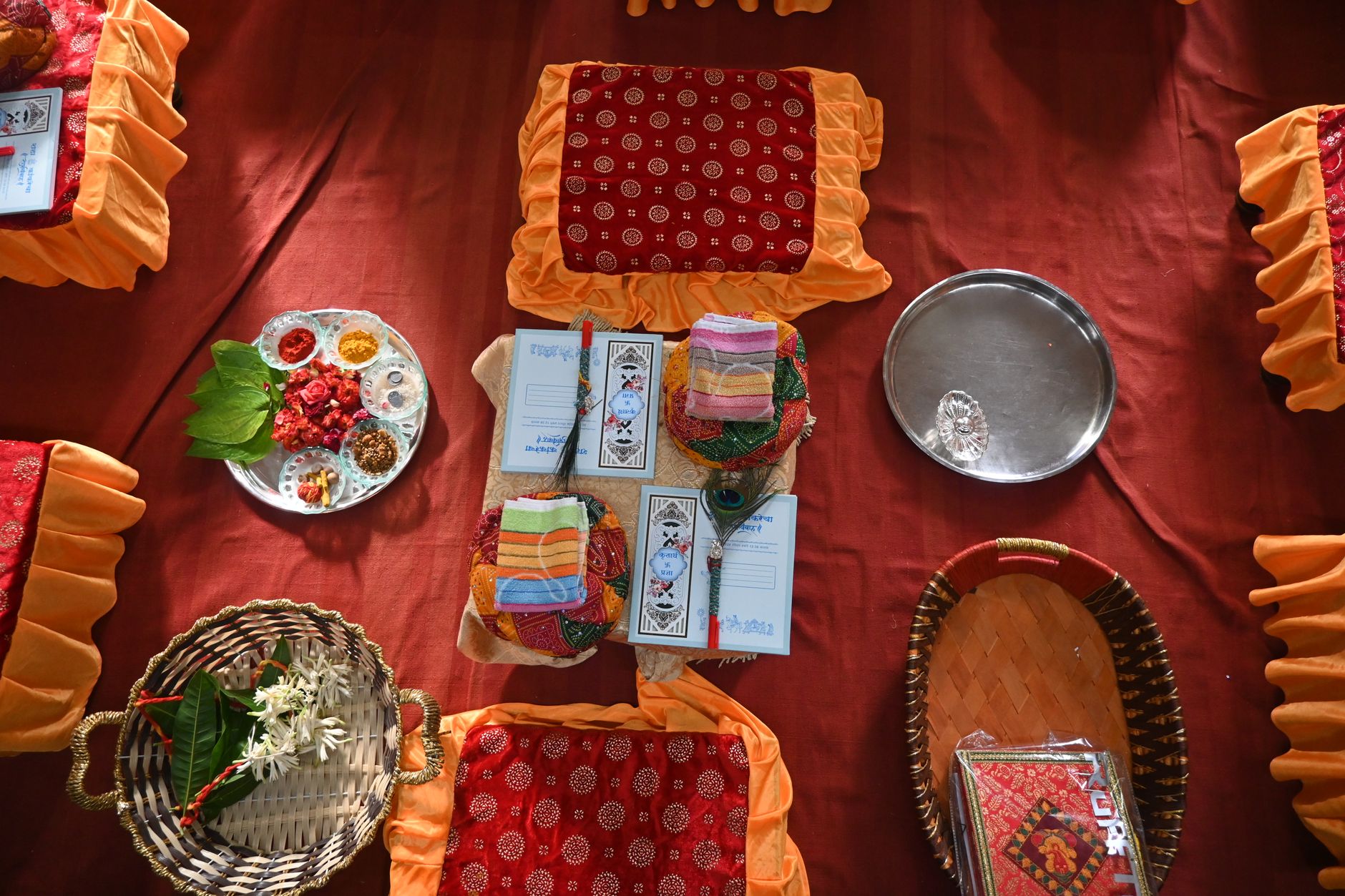 Jain Wedding Pooja Items
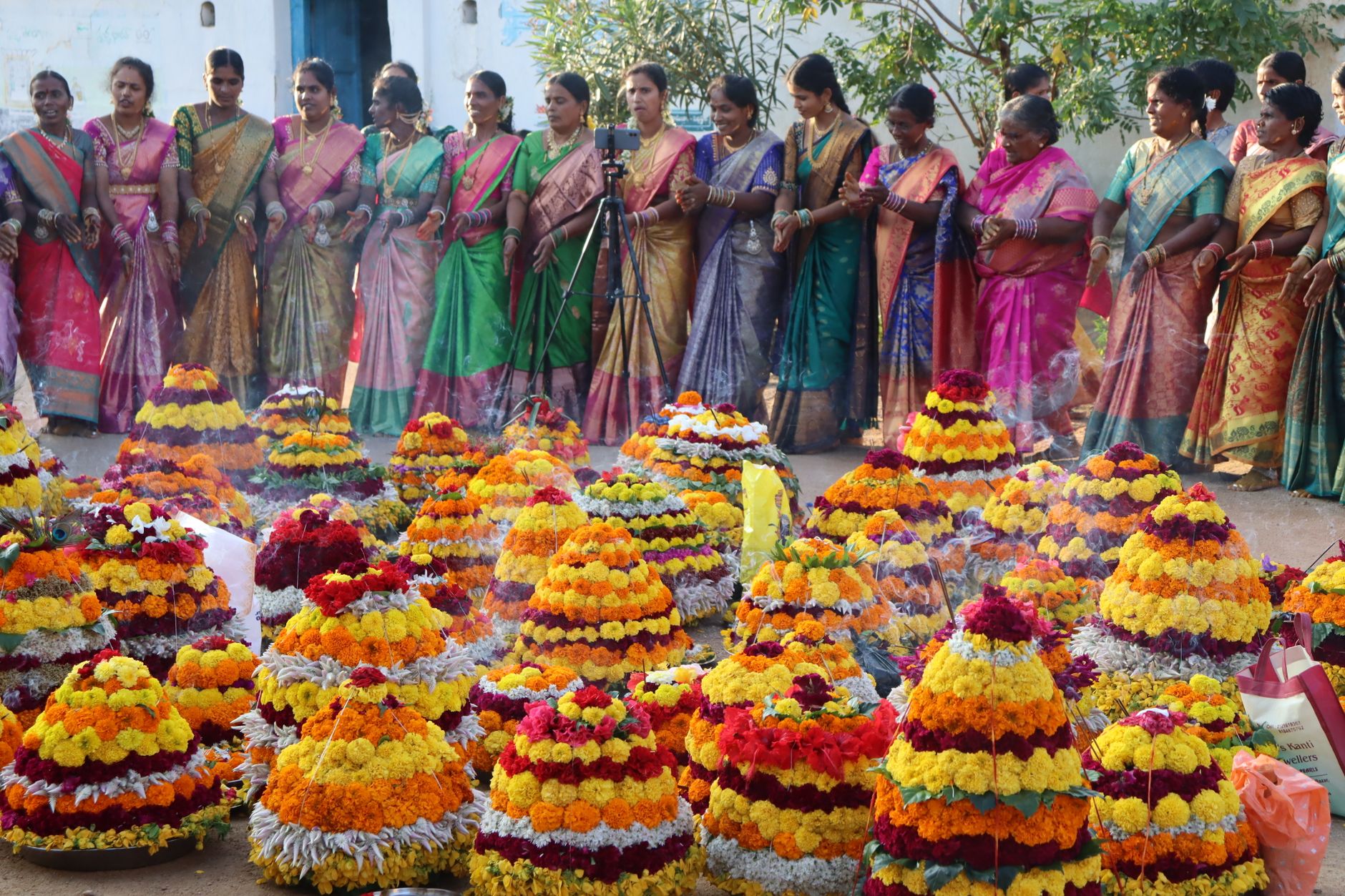 Karnataka Wedding Pooja Items
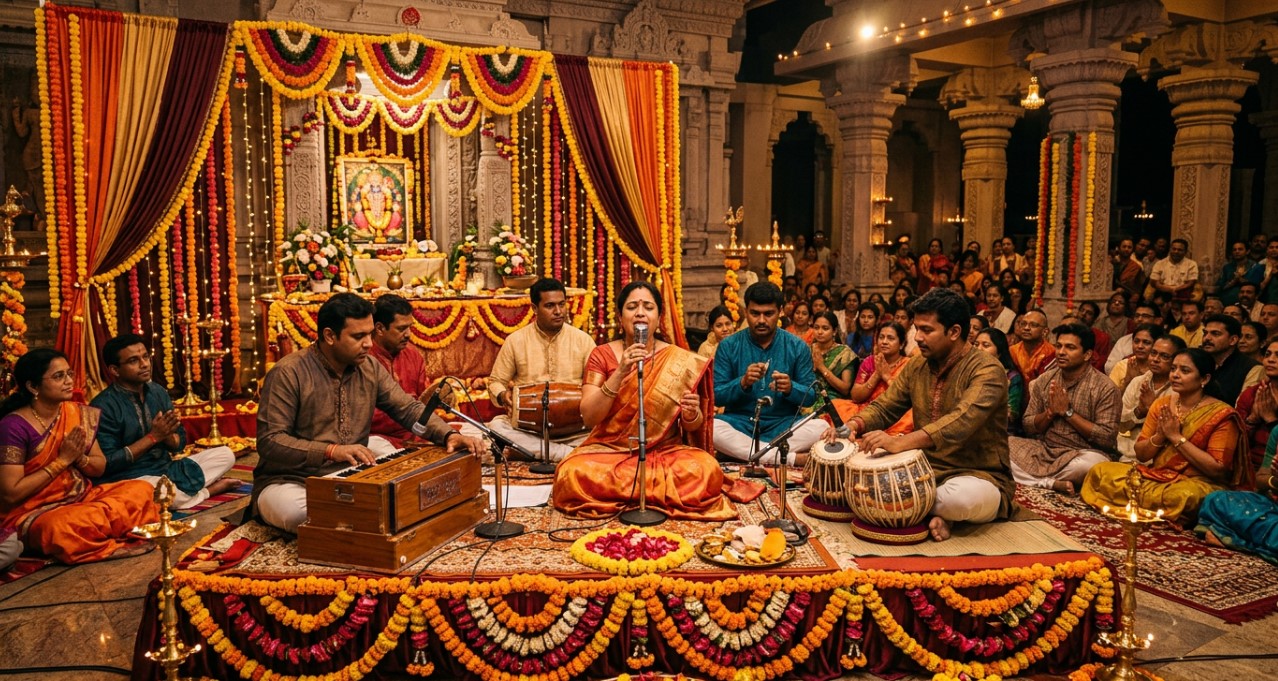 Live Religious Music & Bhajan Performances
 Live Wedding Choir Service
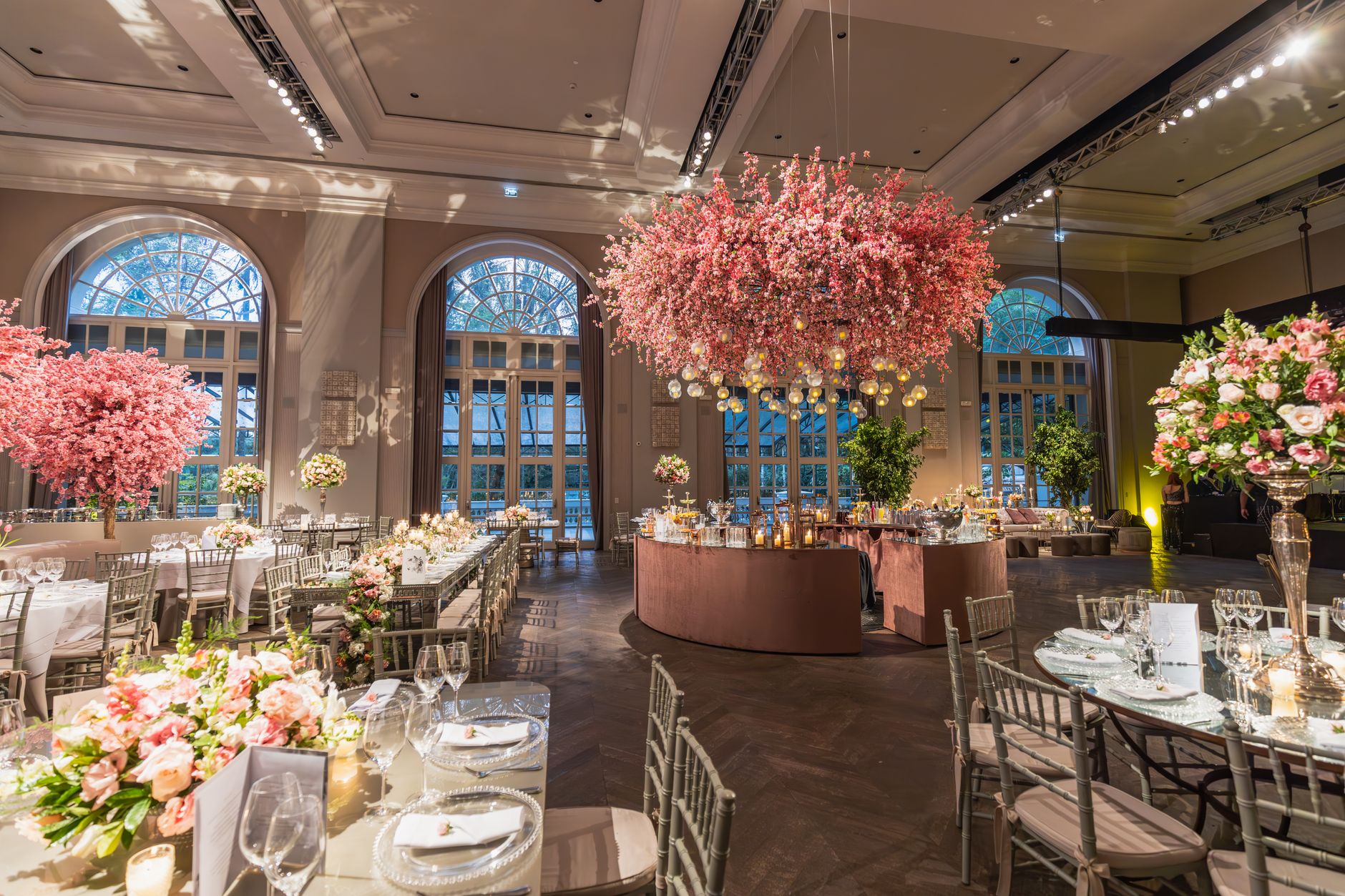 Luxury Wedding Floral Bouquet Collections
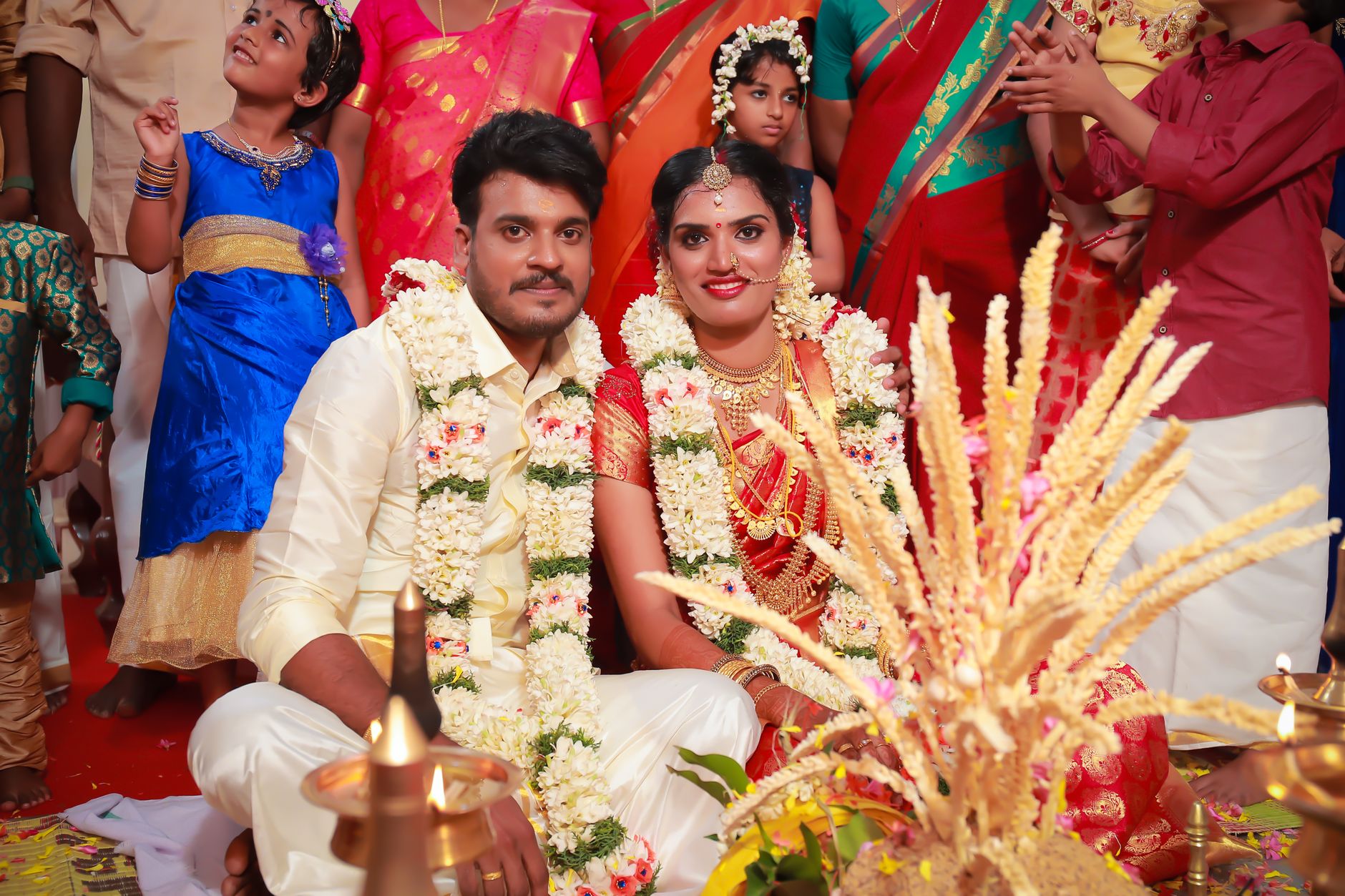 Malayalam Wedding Ritual Items
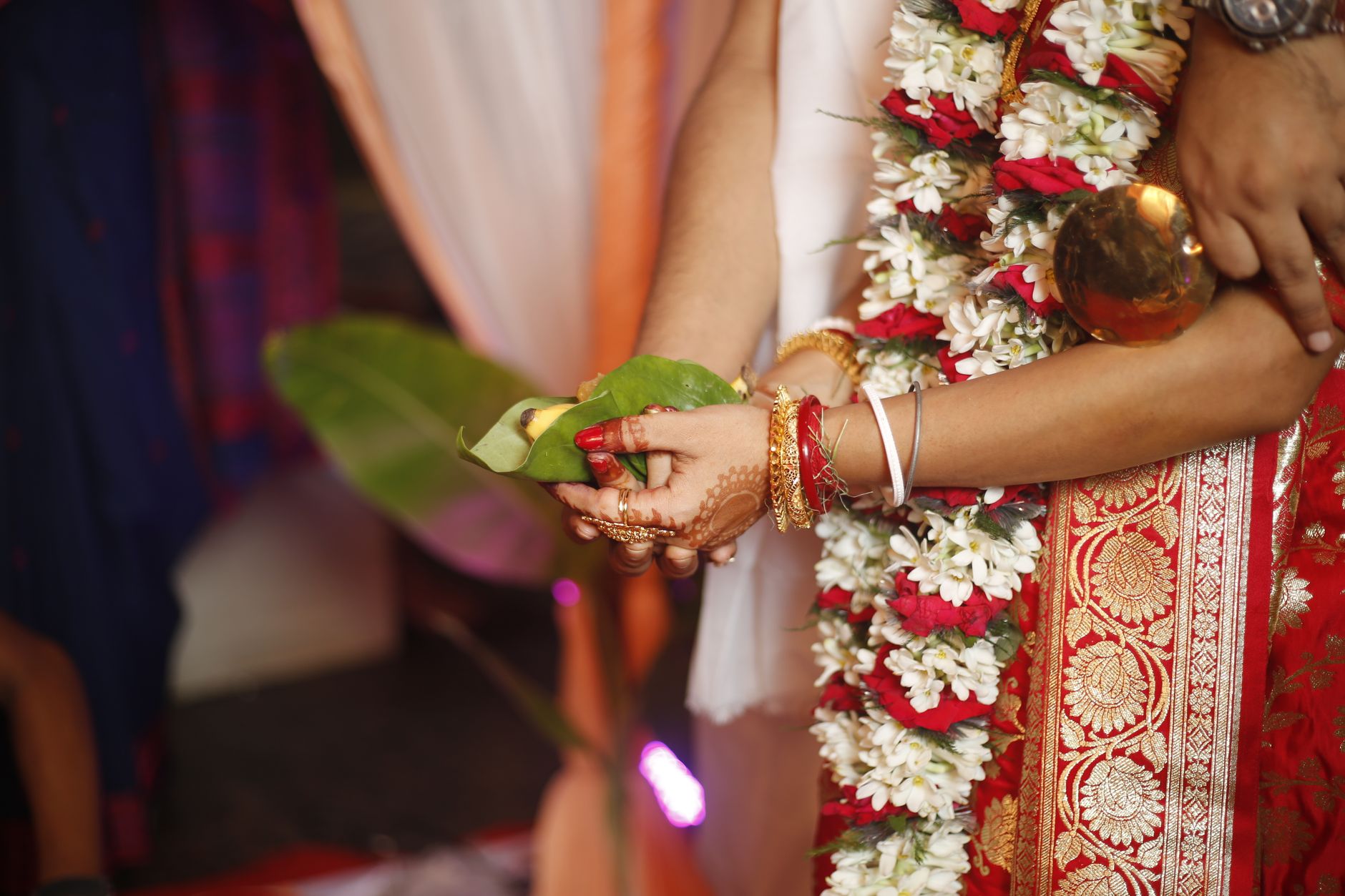 Marwari Vivah Samagri
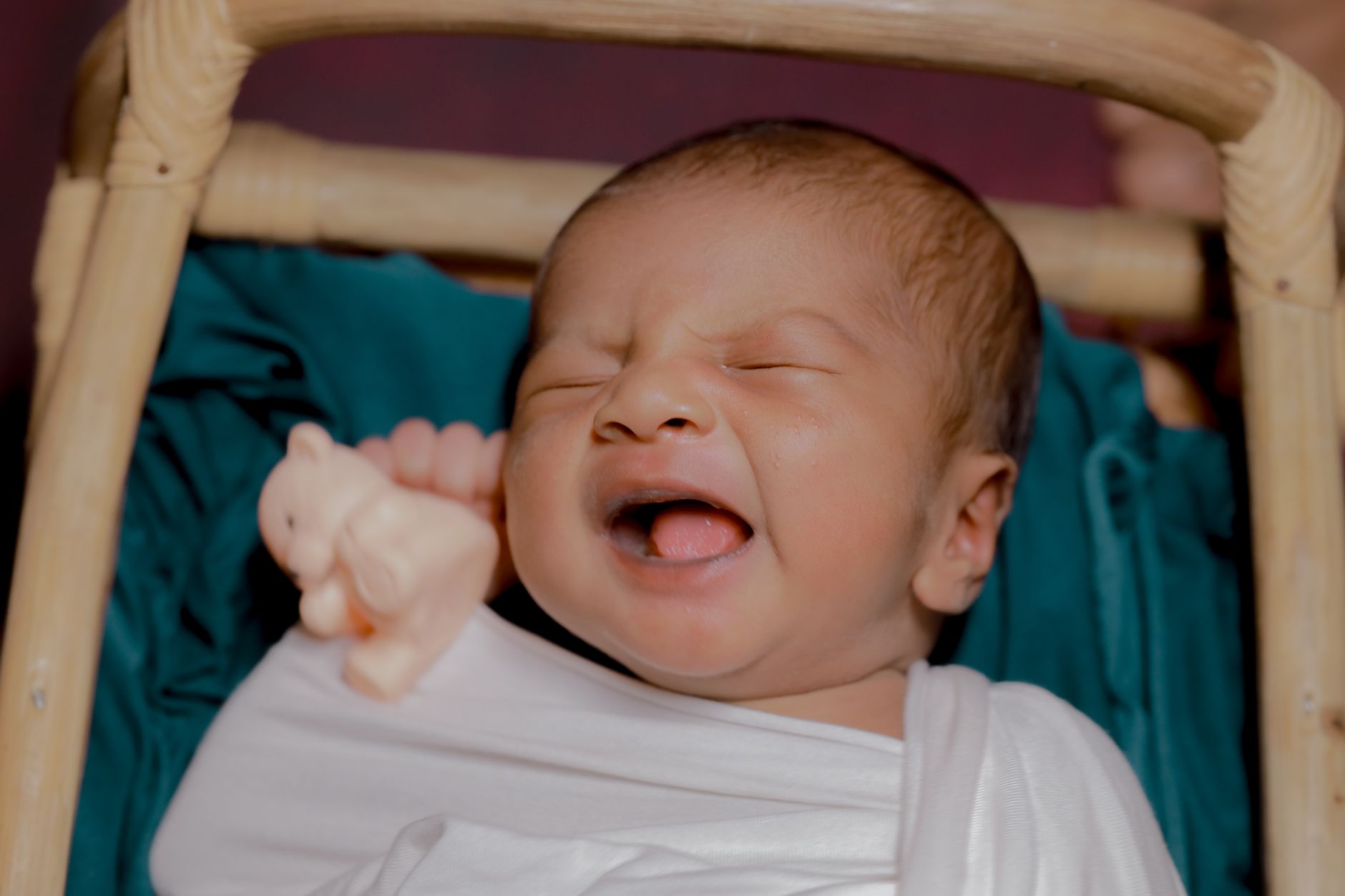 Namakaranam Cradle
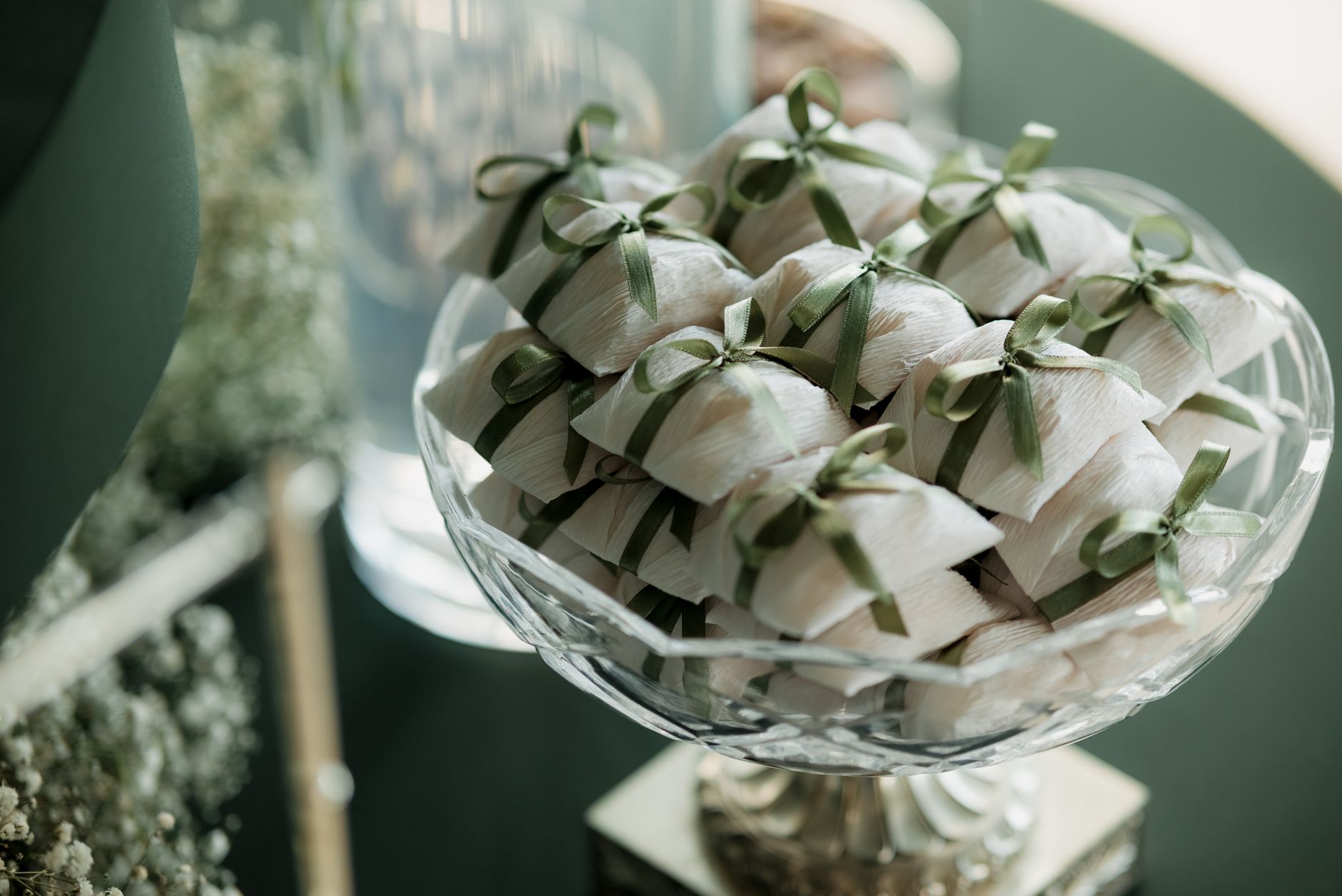 Personalized Christian Wedding Favor Collections
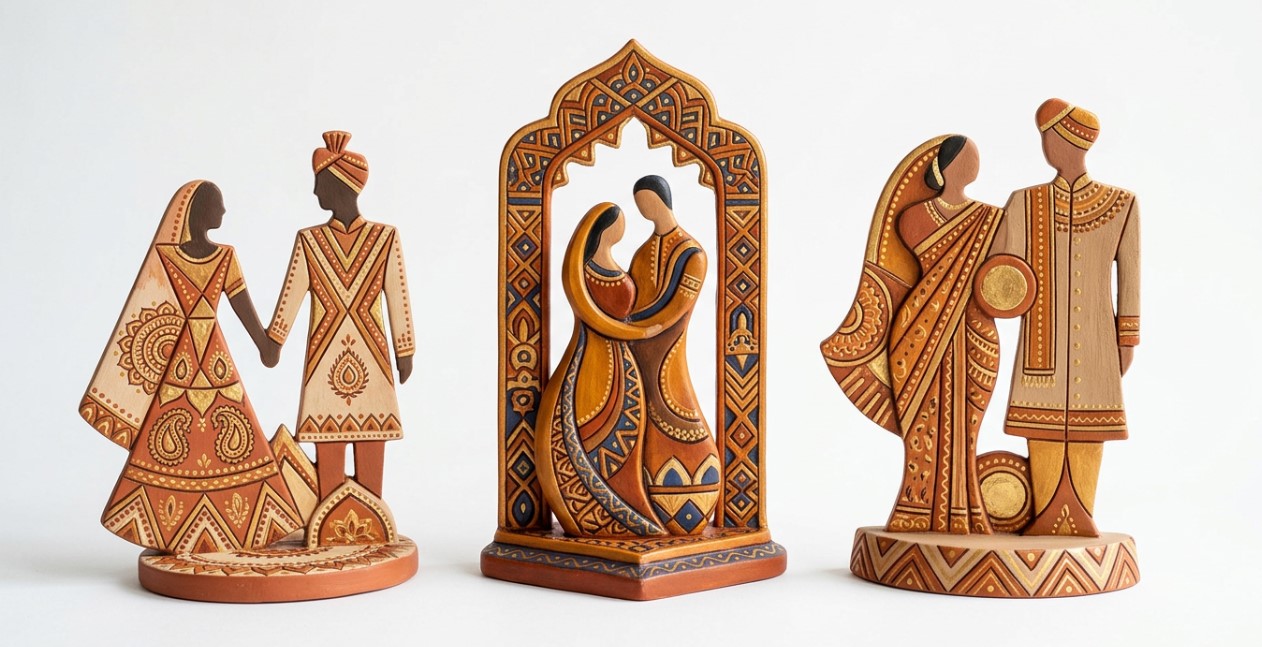 Personalized Wedding Cake Topper Designs
- 400+Curated Events
- 6Event Universes
- 1000+Verified Vendors
- 70+Locations
- 24/7Customer Support


Not sure which packages fits your celebration?
Let Hiya & Hanu help you find the perfect match!
Explore Celebration Packages- AI-Powered MatchingSmart suggestions for you
- Budget OptimizerGet the best experiences in your budget
- End-to-End SupportWe are with you at every step
Serving Celebrations across 75+ locations in India
Best Religious Ritual Services for Meaningful Celebrations
◆Religious rituals are an important part of many family occasions, cultural gatherings and significant milestones. They bring people together through faith, tradition and shared values while creating moments that families remember for years. The best religious ritual services combine respectful ceremonial planning with practical event coordination, helping families organise meaningful occasions without losing the importance of established customs. From preparing the ceremony space and arranging required materials to coordinating guests, décor and supporting services, professional planning can make the entire experience organised and comfortable.
Understanding Religious Ritual Services
Religious ritual services are organised solutions designed to support ceremonies based on faith, tradition and cultural practices. Depending on the occasion, these services may include ceremony planning, venue arrangements, ritual materials, traditional décor, floral styling, seating, guest coordination and event-day support.
Every religious tradition can have its own customs, sequence and requirements. A well-planned service should therefore begin by understanding the specific nature of the ceremony rather than applying a standard approach to every occasion. Families can discuss their requirements in advance and create arrangements that respect their beliefs while also meeting practical event needs.
Professional support can be particularly useful when a ceremony involves several suppliers, a large number of guests or a detailed schedule. Good coordination allows families to focus on participating in the occasion while experienced organisers manage the surrounding arrangements.
Why Professional Religious Ritual Planning Matters
Religious ceremonies often involve details that need to be prepared at the right time. Materials may need to be arranged in a particular order, the ceremonial area may need to be prepared carefully and family members may have specific responsibilities.
Professional religious ritual services provide structured planning for these requirements. Organisers can create a timeline covering preparation, ceremony proceedings, guest arrival and completion. This reduces last-minute confusion and helps everyone understand what needs to happen before and during the event.
Professional planning can also improve communication between families, venues, decorators, florists, caterers and other suppliers. When responsibilities are clearly assigned, the ceremony can proceed more smoothly.
Respecting Religious Traditions
Respect should remain at the centre of religious ceremony planning. Traditions should not simply be treated as decorative elements or event themes. They often have deep spiritual and cultural significance for families.
The best religious ritual services take time to understand the customs associated with the occasion. Families can explain important requirements, preferred practices and any specific traditions they want included. Organisers can then build the wider event arrangements around these needs.
This approach helps preserve the identity of the ceremony while allowing practical services such as venue management, guest support and décor to work alongside the religious proceedings.
Planning the Right Ceremony Space
The ceremony venue plays an important role in creating a suitable environment for religious rituals. Depending on the type of occasion, families may choose a place of worship, community hall, family property, dedicated event venue or another appropriate location.
When selecting a venue, practical considerations should be reviewed alongside ceremonial requirements. Accessibility, capacity, seating, cleanliness, parking, facilities and availability can all influence the guest experience.
The layout should also allow sufficient space for the main ritual area, family members, religious representatives and guests. A well-organised arrangement helps everyone follow the ceremony comfortably without unnecessary movement or disruption.
Traditional Décor and Floral Arrangements
Décor can enhance the atmosphere of a religious celebration when it is planned thoughtfully. Traditional colours, flowers, fabrics, lamps, entrance arrangements and other decorative details can create an appropriate setting while complementing the ceremonial environment.
Floral arrangements are often used around entrances, stages, prayer areas and guest spaces. The choice of flowers can reflect family preferences, cultural traditions or the overall visual style of the celebration.
The best approach is to keep décor supportive rather than allowing decoration to overpower the ceremony itself. Simple, elegant and well-positioned elements can create a welcoming environment while maintaining the focus on the religious occasion.
Arranging Ritual Materials
Many religious ceremonies require specific materials, offerings, vessels, flowers, fruits, fabrics or other traditional items. The exact requirements can vary according to the faith, ceremony and family customs.
A professional service can help families prepare a detailed checklist in advance. This makes it easier to identify which items need to be purchased, supplied, prepared or brought by family members.
Advance preparation is particularly valuable for ceremonies with many components. A clearly organised checklist can help prevent missing items and reduce unnecessary stress on the event day.
Supporting Family Participation
Religious rituals are often deeply connected with family participation. Parents, grandparents, siblings, children and other relatives may have specific roles during the ceremony.
Professional organisers can help coordinate these responsibilities without taking away the personal nature of the occasion. Family members can be informed about timings, seating and ceremonial requirements in advance so that they feel prepared.
This is especially helpful when guests are travelling from different locations or when several generations are participating. Clear communication allows everyone to be involved with greater confidence.
Balancing Tradition and Modern Event Requirements
Modern celebrations often require additional services alongside traditional rituals. Families may want professional photography, comfortable seating, catering, guest reception, audio support or contemporary décor while still maintaining the core religious practices.
A well-planned religious event can accommodate these requirements without compromising the ceremony. The key is to understand which elements are essential and then position supporting services around them.
For example, modern guest facilities can be introduced while preserving a traditional ceremonial setting. Similarly, contemporary floral styling can complement traditional arrangements when colours, placement and materials are chosen carefully.
Guest Experience at Religious Celebrations
Guests should be able to participate comfortably and understand the flow of the occasion. Signage, seating arrangements, reception support and clear communication can make a considerable difference.
For larger gatherings, organisers may need to consider guest arrival times, parking, refreshments and movement between different areas. Elderly relatives and guests with accessibility needs may also require additional consideration.
A thoughtful guest experience does not have to make the event feel overly formal. Simple planning decisions can make the occasion easier to navigate while maintaining its traditional character.
Coordinating Catering and Hospitality
Food can be an important part of many religious and cultural celebrations. Catering requirements may be influenced by religious customs, family preferences, dietary considerations and the timing of the ceremony.
Professional coordination can help organise menus, serving arrangements and refreshments around the ceremonial schedule. This can prevent interruptions and make it easier for guests to enjoy hospitality at an appropriate time.
Where particular dietary or traditional food requirements apply, these should be discussed with the caterer well before the event.
Managing the Event Timeline
A detailed timeline is one of the most useful tools for organising religious rituals. It can cover venue preparation, supplier arrival, decoration, ceremonial materials, guest reception, the main ritual, photography, catering and event completion.
The timeline should allow sufficient flexibility because religious ceremonies may sometimes take longer than expected. Experienced coordination helps manage these changes without creating unnecessary pressure for the family.
A clear schedule also gives suppliers a shared understanding of their responsibilities and helps reduce delays.
Choosing the Best Religious Ritual Service Provider
Choosing the right service provider requires more than comparing prices. Families should consider experience, communication, understanding of religious customs, planning quality and the ability to coordinate multiple event requirements.
It is useful to discuss the ceremony in detail before making a decision. Ask what services are included, how suppliers are managed, how ceremonial requirements are handled and what support is available on the event day.
Clear communication from the beginning can prevent misunderstandings later. Families should also make sure that expectations regarding décor, venue arrangements, materials and additional services are clearly documented.
Planning According to Your Budget
Religious ceremonies can be organised at different budget levels. A carefully planned celebration does not necessarily require excessive spending.
Families can prioritise essential ceremonial requirements first and then allocate the remaining budget towards décor, flowers, hospitality, entertainment or additional guest services.
Comparing quotations can help identify suitable options. It is also important to understand what each package includes, as a lower initial price may not cover all required services.
A transparent budget allows families to make informed decisions while protecting the meaningful aspects of the occasion.
Personalising Religious Celebrations
Personalisation can make a religious ceremony feel more connected to the family. This may involve selecting meaningful flowers, incorporating family traditions, choosing a preferred venue arrangement or creating a welcoming environment for relatives.
Personalisation should always respect the religious nature of the occasion. Families can work with experienced organisers to identify areas where individual preferences can be introduced while keeping essential traditions intact.
These thoughtful details can make the celebration feel genuine rather than overly standardised.
Preparing Early for a Smooth Ceremony
Advance planning gives families more time to confirm venues, suppliers, ceremonial materials and guest arrangements. It also allows changes to be made without unnecessary pressure.
For larger ceremonies, early planning is particularly important because venues and experienced service providers may have limited availability during busy periods.
A useful planning process can begin with the ceremony date and religious requirements, followed by venue selection, guest planning, supplier coordination, décor, flowers, catering and final event checks.
Making Religious Celebrations Meaningful
The success of a religious celebration is not measured only by how impressive the venue looks. Its true value comes from the meaning of the ceremony, the participation of loved ones and the respectful preservation of important traditions.
The best religious ritual services support these priorities by combining cultural understanding with professional organisation. When ceremonial details, venue arrangements and guest services are carefully coordinated, families can experience the occasion with greater peace of mind.
Whether planning a small family ritual or a larger religious gathering, thoughtful preparation can create an environment where tradition remains central and every participant feels welcomed.
Frequently Asked Questions
1. What are religious ritual services?
Religious ritual services provide planning and coordination support for ceremonies based on faith, religious traditions and cultural customs. They can include venue arrangements, ritual materials, décor, flowers, guest coordination and event-day support.
2. What can the best religious ritual services include?
Services may include ceremony planning, venue coordination, traditional décor, floral arrangements, ritual material preparation, seating, catering coordination, guest support and supplier management.
3. Can religious rituals be personalised?
Yes. Families can often personalise suitable aspects of the celebration, such as décor, flowers, venue arrangements and guest services, while maintaining the essential religious customs of the ceremony.
4. How early should I plan a religious ceremony?
Planning several weeks or months in advance is generally helpful, particularly for larger celebrations. Early preparation provides more time to confirm the venue, suppliers, ceremonial materials and guest arrangements.
5. Can these services help arrange traditional ceremony materials?
Yes. Depending on the service provider and ceremony requirements, assistance may be available for preparing or coordinating the traditional items needed for the occasion.
6. How do I choose a religious ceremony venue?
Consider the nature of the ritual, guest capacity, accessibility, facilities, location, available space and suitability for the required ceremonial arrangements before selecting a venue.
7. Can modern décor be used for religious ceremonies?
Yes, provided it is appropriate for the occasion. Modern décor can be combined with traditional elements to create an attractive environment while keeping the religious ceremony as the central focus.
8. Are religious ritual services suitable for large family gatherings?
Yes. Professional coordination can be especially useful for larger gatherings because multiple suppliers, guests, seating areas and ceremonial requirements may need to be managed simultaneously.
9. How can I manage the budget for a religious ceremony?
Start by identifying essential religious requirements, then allocate the remaining budget to venue arrangements, décor, flowers, catering and additional guest services. Comparing clear service packages can also help with planning.
10. Why should I use professional religious ritual services?
Professional support can reduce organisational pressure by coordinating suppliers, schedules, venue arrangements and ceremonial details. This allows families to participate more comfortably in the religious occasion while the practical arrangements are managed professionally.