
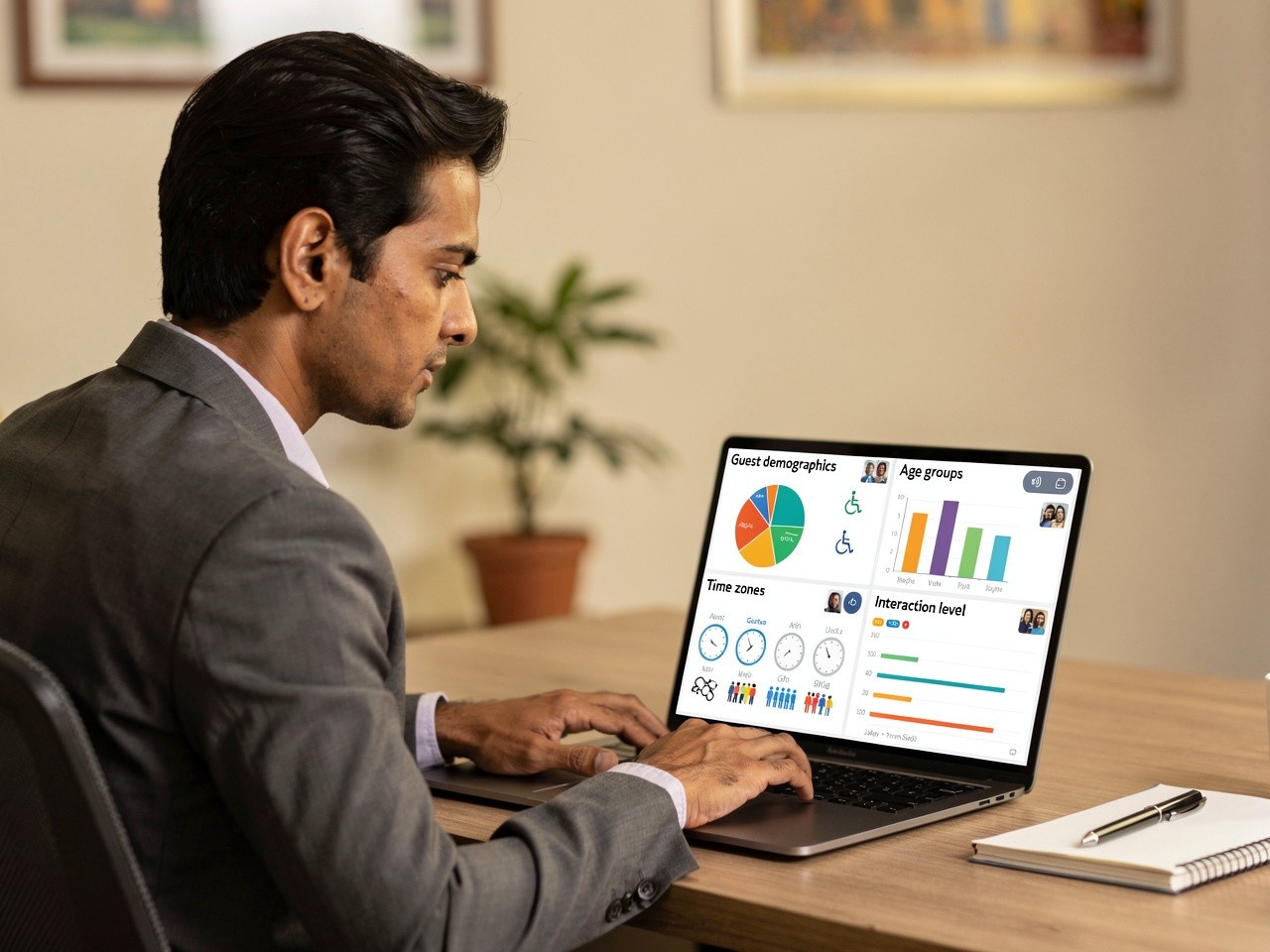
Understanding your event's purpose and target audience is the foundation of choosing between virtual and in-person formats. Consider factors like guest demographics, geographical spread, and the level of interaction required. Virtual events excel for wider reach and accessibility, while in-person gatherings create deeper connections and immersive experiences.
Virtual vs. In-Person Event Planning: 8-Step Guide for 2026
Table of Contents
Step 1: Assess Your Event Goals and Audience
✨ Assessment Tips:
- ✓Analyze your guest list's tech comfort level and accessibility needs
- ✓Consider time zones if planning virtual events with remote attendees
- ✓Evaluate the importance of physical networking vs. digital convenience
- ✓Factor in travel restrictions and health considerations for guests
Pro Tip:
Use Reverse Auction to compare quotes from both virtual event specialists and traditional venue providers before making your decision.
Step 2: Choose the Right Platform or Venue
Selecting the appropriate platform for virtual events or venue for in-person gatherings directly impacts your event's success. Virtual platforms should offer reliable streaming, interactive features, and user-friendly interfaces. Physical venues need proper acoustics, lighting, and space for your guest count and activities.
✨ Platform/Venue Selection Checklist:
✓Technical reliability and backup systems available
✓Capacity matches your expected guest count
✓Interactive features like breakout rooms or networking areas
✓Professional support staff or technical assistance included
Pro Tip:
Browse our extensive venue directory to compare both virtual platform providers and traditional event spaces with verified reviews and competitive pricing.
Step 3: Set Your Budget and Timeline
Budget allocation differs significantly between virtual and in-person events. Virtual events typically save on venue, catering, and travel costs but require investment in technology and digital engagement tools. In-person events involve traditional expenses but offer tangible experiences. Plan your timeline considering setup complexity and rehearsal needs for both formats.
✨ Budget Planning Essentials:
✓Platform licensing or venue rental costs
✓Catering expenses (delivered boxes vs. full service)
✓Technology equipment and technical support
✓Marketing materials (digital vs. physical)
✓Entertainment and speaker fees
✓Photography and documentation services
Step 4: Design Your Event Experience

Creating engaging experiences requires different approaches for virtual vs. in-person events. Virtual events need interactive elements, varied content formats, and digital engagement strategies. In-person events can leverage physical spaces, sensory experiences, and face-to-face interactions for maximum impact.
Virtual Engagement
Interactive polls, breakout sessions, virtual networking, and gamification elements to keep attendees engaged.
In-Person Atmosphere
Physical decorations, live entertainment, tactile experiences, and spontaneous networking opportunities.
Hybrid Benefits
Combine the best of both worlds with live streaming for remote guests and in-person interactions for local attendees.
Content Strategy
Tailor presentations, activities, and timing to suit your chosen format's strengths and audience preferences.
Step 5: Plan Technology and Entertainment
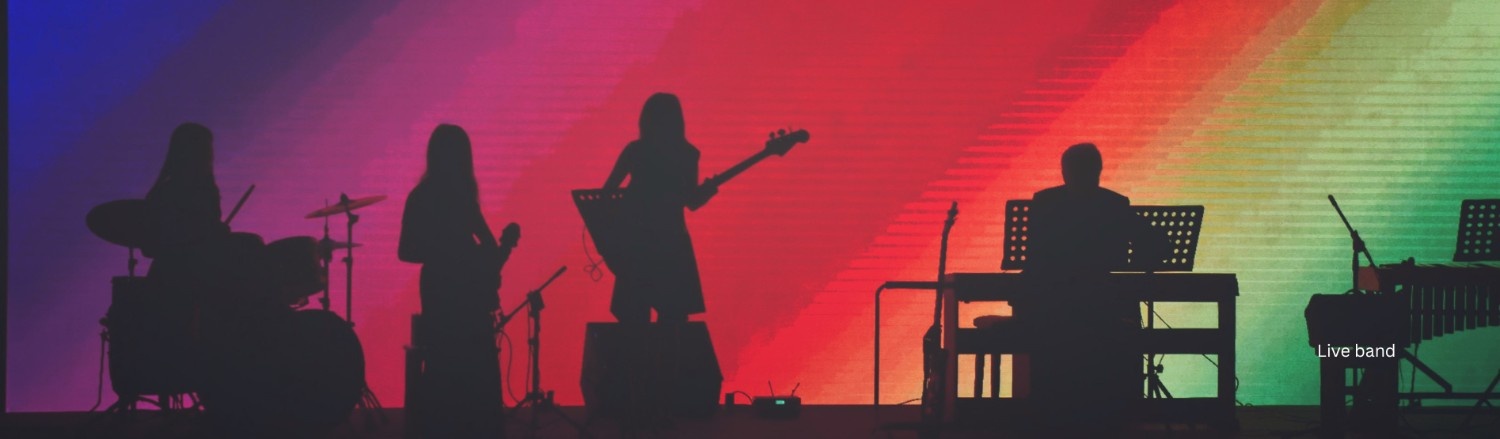
Entertainment planning varies dramatically between formats. Virtual events require streaming-friendly performances, interactive digital content, and engaging online activities. In-person events can feature live bands, traditional entertainment, and immersive experiences that utilize the physical space effectively.
✨ Entertainment Ideas:
- ✓Virtual: Online game shows, virtual DJ sets, digital photo booths, and interactive cooking sessions
- ✓In-person: Live music performances, traditional dance shows, interactive workshops, and experiential activities
- ✓Hybrid: Livestreamed performances with both virtual and physical audience participation opportunities
Step 6: Coordinate Logistics and Setup

Logistics coordination requires different skill sets for each format. Virtual events need technical rehearsals, backup systems, and digital asset management. In-person events involve physical setup, vendor coordination, and traditional event logistics like seating, lighting, and accessibility arrangements.
✨ Setup Must-Haves:
✓Technical testing and rehearsal sessions completed
✓Backup internet connections and equipment ready
✓Guest communication and access instructions sent
✓Support team trained on platform or venue protocols
✓Emergency contact information distributed to all stakeholders
✓Final headcount confirmed with appropriate adjustments made
Step 7: Create Your Event Timeline
Timing considerations differ between virtual and in-person events. Virtual events benefit from shorter, more focused segments to maintain online attention spans. In-person events can accommodate longer networking periods and more flexible scheduling. Create realistic timelines that account for technical setup or physical transitions.
✨ Sample Timeline:
2 hours before:Final technical checks and venue setup completion
1 hour before:Team briefing and guest access testing or arrival preparation
Start time:Welcome session and platform orientation or guest reception
First hour:Main content delivery with interactive elements
Second hour:Networking session or breakout activities
Final hour:Closing remarks and follow-up instructions distribution
Step 8: Execute and Document Your Event
Event execution and documentation strategies vary by format. Virtual events require screen recording, chat monitoring, and digital engagement tracking. In-person events need traditional photography, guest management, and physical coordination. Both formats benefit from real-time troubleshooting and post-event follow-up planning.
✨ Documentation Options:
- ✓Record virtual sessions for later viewing and create highlight reels for marketing
- ✓Capture professional photography and videography for in-person events with guest permissions
- ✓Monitor engagement metrics and gather feedback through digital surveys or physical comment cards
Ready to Plan Your Perfect Event?
<p>Whether you choose virtual, in-person, or hybrid format, Happiffie connects you with the right vendors and expertise to make your celebration unforgettable.</p>
Pro Tips for Success
Start Planning Early
Both virtual and in-person events require adequate preparation time. Virtual events need technical testing while in-person events require venue coordination.
Stay Organized
Use Happiffie's planning tools to manage vendor communications, timelines, and guest lists regardless of your event format.
Use Reverse Auction
Get competitive quotes from virtual platform providers and traditional venues through Happiffie's reverse auction system.
Engage Your Audience
Focus on creating meaningful connections whether through digital interactions or face-to-face experiences.

Are you a Vendor? Grow Your Business with Happiffie!
- High intent verified leads
- Reverse auction opportunities
- AI business tools & insights
- Dedicated vendor dashboard
- Grow your business, your way
1M+Active Users
300+Events Daily
High QualityLeads
FasterBookings
It's free & takes less than 2 minutes!