

Live-Music-Concert-Places in delhi
Delhi's vibrant music scene demands exceptional venues that can deliver unforgettable live performances. From intimate acoustic sessions in Hauz Khas Village to grand orchestral performances at Siri Fort Auditorium, the capital offers diverse spaces for every musical vision. Whether you're organizing a corporate music event, launching an artist, or hosting a community concert, finding the right venue determines your event's success. Delhi's concert venues range from historic auditoriums in Connaught Place to modern multipurpose halls in Gurgaon, each offering unique acoustics, technical capabilities, and audience experiences. The city's rich cultural heritage combined with modern infrastructure creates an ideal ecosystem for live music events. From budget-friendly community centers starting at ₹15,000 to premium concert halls exceeding ₹2 lakhs, Delhi provides options for every scale and budget, ensuring your musical event resonates with audiences long after the final note.
What this service includes in delhi
Live music concert venue services in Delhi encompass comprehensive packages designed to transform your musical vision into reality. Professional venues provide state-of-the-art sound systems with digital mixing consoles, wireless microphone systems, and acoustic treatment optimized for live performances. Lighting infrastructure includes intelligent LED systems, spotlights, and programmable color schemes that synchronize with musical performances. Technical support teams handle sound engineering, lighting operation, and equipment maintenance throughout your event. Venue rental includes access to backstage areas, artist green rooms with amenities, and secure equipment storage spaces. Many Delhi concert venues offer in-house catering partnerships, providing everything from light refreshments to full dining experiences for audiences and performers. Security services ensure crowd management, artist protection, and venue safety protocols. Parking arrangements accommodate both artist vehicles and audience transportation, with valet services available at premium locations like India Habitat Centre. Marketing support includes venue promotion through established networks, social media collaboration, and partnership with local music communities. Box office services handle ticket sales, audience check-in, and revenue management. Additional amenities include air conditioning systems, accessible facilities for differently-abled attendees, and flexible seating arrangements that can be configured for standing concerts, seated performances, or mixed formats depending on your musical event requirements.
- Professional sound systems with mixing consoles and acoustic optimization
- Lighting infrastructure with intelligent LED systems and programmable controls
- Technical support teams for sound engineering and equipment operation
- Venue amenities including backstage areas, parking, and catering partnerships
Types / styles / options
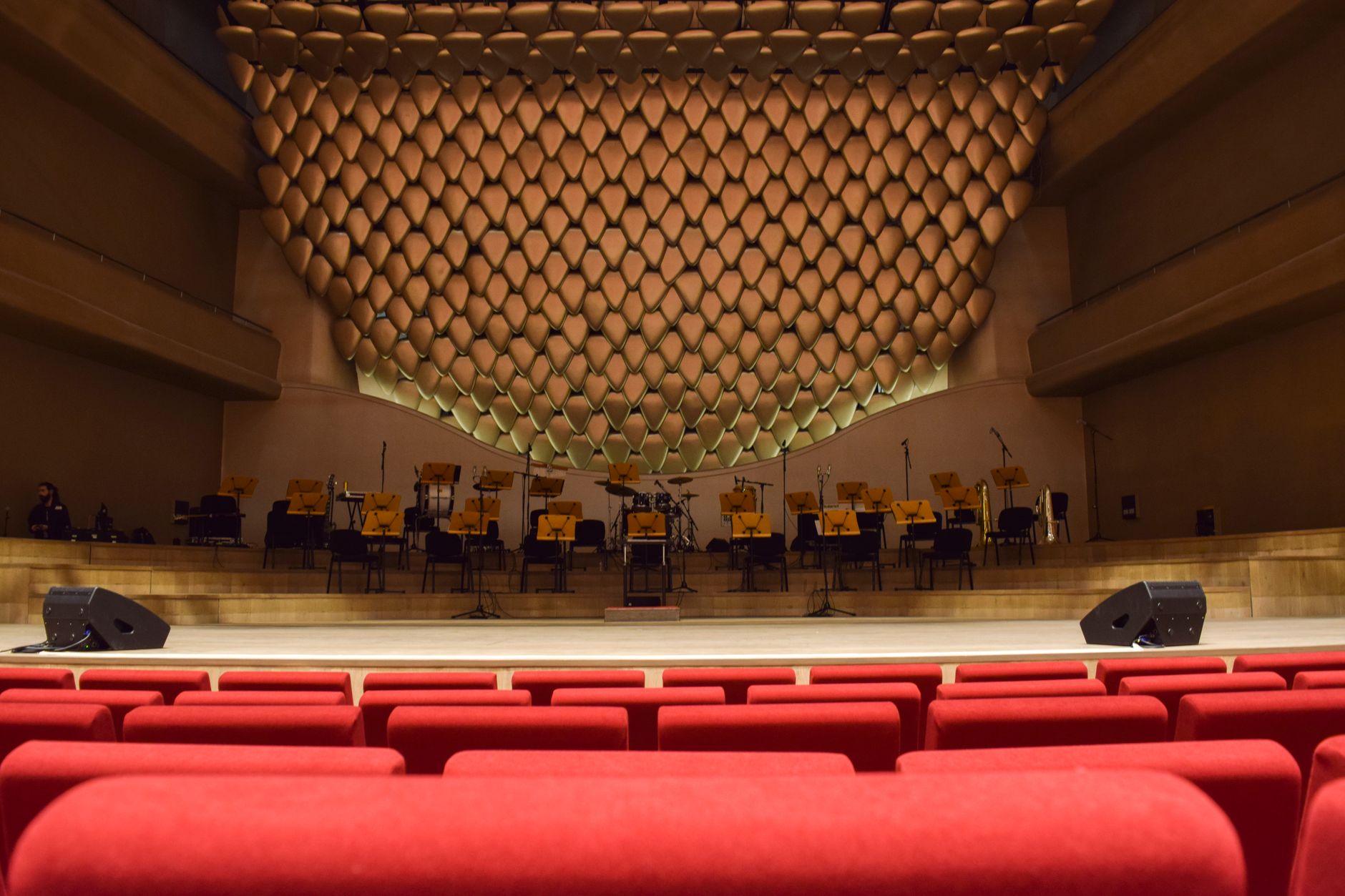
Delhi's concert venue landscape offers distinct categories tailored to different musical genres and audience sizes. Traditional auditoriums like Kamani Auditorium and Triveni Kala Sangam provide classical concert hall acoustics with tiered seating for 300-800 guests, perfect for orchestral performances, classical recitals, and acoustic showcases. These venues feature natural acoustics, minimal amplification requirements, and formal presentation settings. Modern multipurpose halls such as those at India Expo Centre and Pragati Maidan offer flexible spaces accommodating 500-3000 attendees with customizable staging, professional lighting rigs, and full technical production capabilities suitable for contemporary bands, electronic music events, and large-scale concerts. Outdoor concert venues including Garden of Five Senses and Jawaharlal Nehru Stadium provide open-air experiences for festivals, rock concerts, and community music events, featuring weather-resistant equipment and natural amphitheater settings. Intimate club venues in Khan Market and Hauz Khas offer 50-200 capacity spaces with bar service, casual seating, and close artist-audience interaction perfect for emerging artists, acoustic sessions, and music launches. Hotel ballrooms and banquet halls provide 100-500 capacity options with elegant décor, catering integration, and corporate-friendly environments ideal for private concerts, music appreciation events, and exclusive performances. Cultural centers like India International Centre combine heritage architecture with modern facilities, offering unique ambiances for world music, fusion performances, and cross-cultural musical collaborations that reflect Delhi's diverse artistic community.
- Traditional auditoriums with classical acoustics for 300-800 guests
- Modern multipurpose halls accommodating 500-3000 attendees with full production
- Outdoor venues for festivals and open-air concerts with weather-resistant equipment
- Intimate club spaces and cultural centers for specialized musical experiences
Pricing in delhi
Concert venue pricing in Delhi varies significantly based on capacity, location, technical requirements, and seasonal demand. Understanding cost structures helps optimize your music event budget while securing appropriate facilities. Basic community halls and smaller auditoriums charge ₹15,000-₹40,000 for half-day rentals, including standard sound systems and basic lighting. These venues suit acoustic performances, small ensemble concerts, and community music events with 100-300 attendees. Mid-range concert halls and hotel ballrooms price between ₹50,000-₹1,50,000 per event, offering professional sound engineering, advanced lighting systems, backstage facilities, and technical support staff. These spaces accommodate 300-800 guests and include amenities like artist green rooms, security services, and basic catering partnerships. Premium venues such as Siri Fort Auditorium, India Habitat Centre, and major hotel conference centers command ₹1,50,000-₹4,00,000 for full-day rentals. These locations provide state-of-the-art acoustics, professional lighting rigs, multiple staging options, comprehensive technical support, and prestigious addresses that enhance event credibility. Luxury outdoor venues and specialty concert halls exceed ₹4,00,000, offering unique architectural settings, premium amenities, extensive technical capabilities, and concierge services. Additional costs include security deposits (typically 25-50% of venue fee), overtime charges for extended events, equipment upgrades, catering minimums, and parking fees. Seasonal pricing fluctuates with wedding seasons (November-February) commanding premium rates, while monsoon months (July-September) often feature discounted pricing for indoor venues seeking to maintain occupancy during challenging weather periods.
- Budget range: ₹15,000-₹40,000 for community halls and basic auditoriums
- Mid range: ₹50,000-₹1,50,000 for professional concert halls with full technical support
- Luxury: ₹1,50,000+ for premium venues with state-of-the-art facilities and prestigious locations
How to choose (decision framework)
Selecting the optimal concert venue requires systematic evaluation of multiple factors that directly impact your event's success and audience experience. Begin by assessing acoustic requirements specific to your musical genre - classical performances demand natural reverb and minimal amplification found in traditional concert halls like Kamani Auditorium, while electronic music benefits from controlled acoustics and powerful sound systems available in modern venues. Audience capacity planning involves more than headcount; consider seating preferences (standing vs. seated), sightline optimization, and crowd flow patterns that affect energy levels during live performances. Location accessibility significantly impacts attendance, with venues near metro stations like Khan Market or Connaught Place offering superior public transportation access compared to peripheral locations requiring extensive parking arrangements. Technical infrastructure evaluation should encompass power supply capacity, rigging points for lighting and sound equipment, load-in access for large instruments or staging, and backup systems for uninterrupted performances. Budget allocation extends beyond venue rental to include mandatory add-ons like security deposits, technical staff overtime, equipment upgrades, and venue-specific requirements such as insurance coverage or noise restrictions. Timeline flexibility becomes crucial when booking popular venues that may have limited availability during peak seasons or require extended setup periods for complex productions. Venue reputation within Delhi's music community affects both artist willingness to perform and audience perception, with established locations like India Habitat Centre lending credibility to emerging artists while smaller venues might offer more intimate artist-audience connections. Finally, consider post-event factors including cleanup requirements, equipment removal timeframes, and venue support for marketing through their established networks and social media channels.
- Acoustic requirements matching your musical genre and amplification needs
- Audience capacity planning including seating preferences and crowd flow optimization
- Location accessibility via public transportation and parking availability
- Technical infrastructure evaluation and budget allocation for comprehensive event costs
Common mistakes to avoid
Concert organizers frequently encounter preventable pitfalls that can compromise event success and audience satisfaction. Underestimating sound check requirements often leads to rushed technical preparations, poor audio quality, and performer dissatisfaction. Professional venues require 2-4 hours minimum for proper equipment setup, line checking, and acoustic optimization depending on complexity. Book additional time beyond basic rental periods to ensure thorough preparation. Ignoring noise regulations and permit requirements can result in event shutdown, legal complications, and venue relationship damage. Delhi's noise pollution guidelines restrict sound levels and operating hours, particularly in residential areas. Verify local permissions and noise limits with venue management before finalizing contracts. Inadequate crowd management planning creates safety hazards, overcrowding issues, and emergency access problems. Even intimate concerts require clear evacuation routes, staff coordination protocols, and capacity monitoring systems. Coordinate with venue security teams and establish crowd control procedures before event day. Overlooking weather contingencies for outdoor venues or climate control for indoor spaces affects both performer comfort and audience retention. Delhi's extreme weather variations demand backup plans for heat, rain, or power outages. Negotiate weather clause provisions in venue contracts and secure alternative arrangements. Poor communication between artists, technical teams, and venue staff generates confusion, equipment conflicts, and timeline delays. Establish clear contact protocols, technical requirements documentation, and timeline coordination meetings involving all stakeholders. Finally, neglecting marketing collaboration with venue networks wastes valuable promotional opportunities and limits audience reach through established music communities.
- Underestimating sound check time requirements and technical preparation needs
- Ignoring noise regulations and permit requirements specific to Delhi venues
- Inadequate crowd management planning and emergency procedure coordination
- Poor communication between artists, technical teams, and venue staff
Explore Happiffie
Handpicked related destinations across the platform.
Frequently asked questions
What permits are required for live music concerts in Delhi?
Most established concert venues handle basic permits, but organizers need music event licenses from local authorities, noise clearance certificates, and fire safety approvals. Public venues require additional permissions from Delhi Police and relevant municipal corporations.
How far in advance should I book concert venues in Delhi?
Popular venues require 2-3 months advance booking, especially during peak seasons (October-March). Premium locations like India Habitat Centre often have 4-6 month waiting lists for weekend slots during cultural seasons.
Do Delhi concert venues provide sound equipment or require external vendors?
Most professional venues include basic sound systems in rental packages. However, specialized equipment for large concerts, specific musical genres, or recording requirements typically needs external audio vendors with venue coordination.
What are typical capacity restrictions for indoor concerts in Delhi?
Venue capacity depends on fire safety certificates and local regulations. Most auditoriums operate at 100% capacity, while some venues limit occupancy to 80% during certain periods or for standing concert configurations.
Can outdoor concert venues in Delhi operate year-round?
Outdoor venues function optimally October through March when weather conditions favor live performances. Monsoon season (July-September) requires covered stages and weather protection, while extreme summer heat limits afternoon events significantly.

Hi! We're Hiya & Hanu
Your AI-powered planners in Delhi. Share your event and we’ll match you with the right vendors — fast, friendly, and fully curated.
Let's plan your eventReady to start?
Post your requirement and get competing offers from verified vendors within hours.
Start a Reverse Auction