
Traditional Brahmin Wedding Rituals and Sacred Ceremony Traditions
Traditional Brahmin weddings are deeply rooted in Vedic traditions and sacred rituals that symbolize spiritual union, family blessings, and lifelong commitment between the bride and groom. These ceremonies follow ancient Hindu customs, in which every ritual carries cultural and religious significance. From pre-wedding rituals like Vratham, Nischayathartham (engagement), and Kashi Yatra to the main marriage ceremony, including Kanyadanam, Mangalya Dharanam, Saptapadi, and Homam, each step reflects centuries-old Vedic traditions. The ceremonies are performed by experienced priests who chant sacred mantras and guide the couple through every ritual with spiritual precision. Planning a Brahmin wedding requires coordination of priests, traditional mandap décor, ritual materials, catering services, and venue arrangements. Happiffie helps couples organize their traditional wedding smoothly by connecting them with trusted wedding vendors and planners. With transparent pricing and verified services, couples can plan their Brahmin wedding ceremonies efficiently while preserving cultural traditions and sacred customs.
Brahmin Wedding
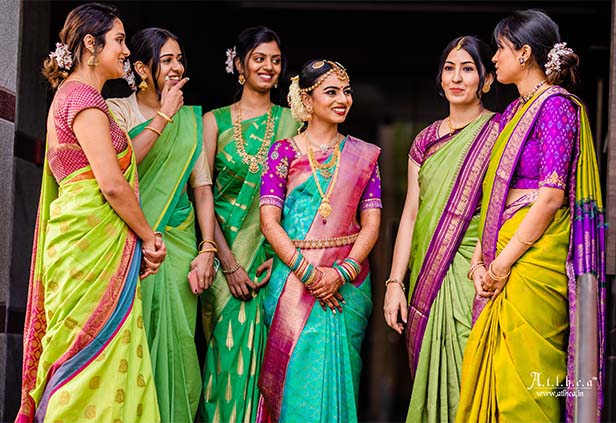
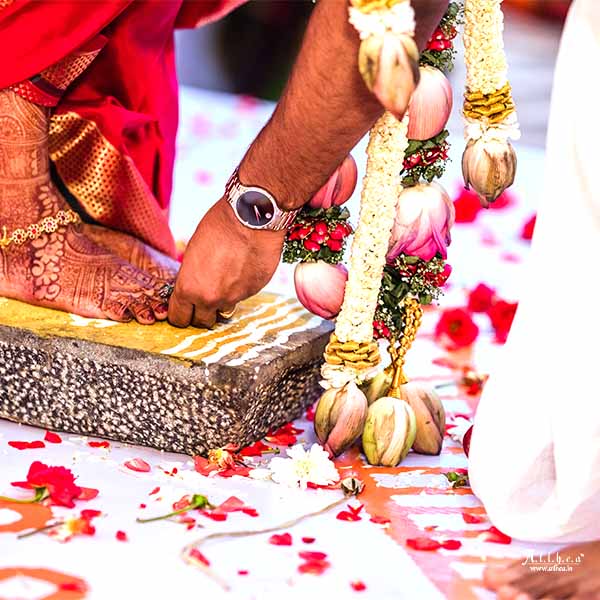
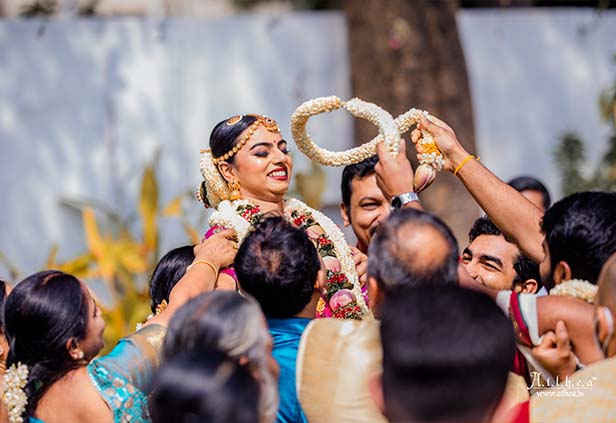
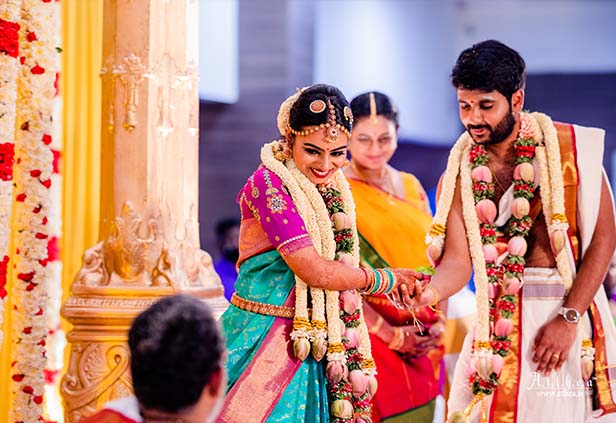
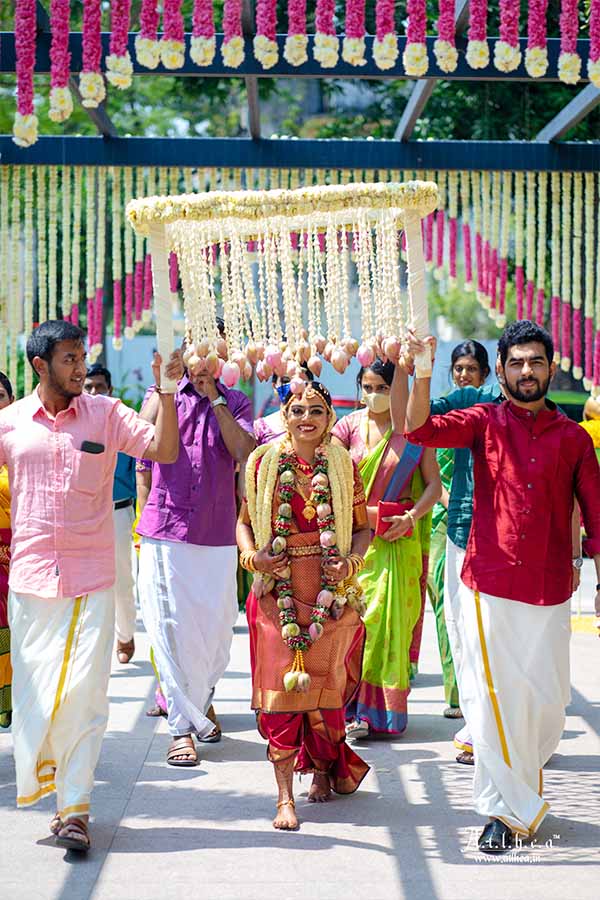
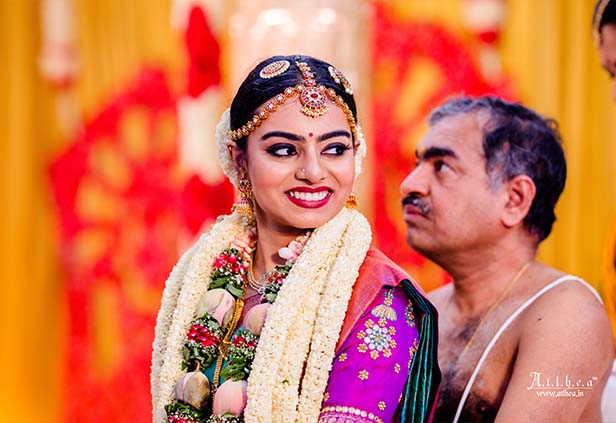
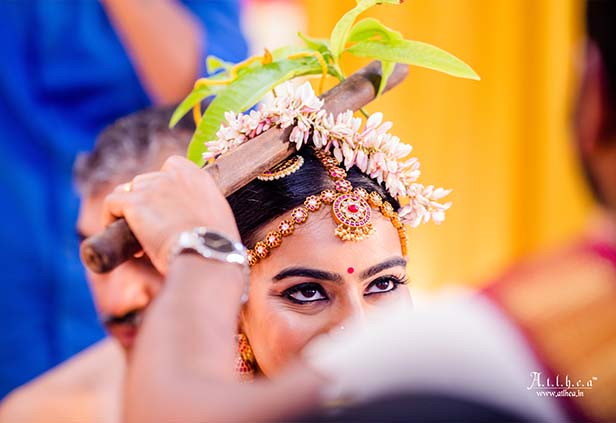
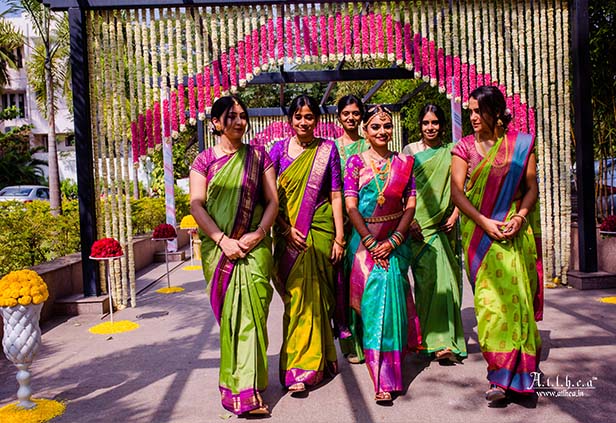
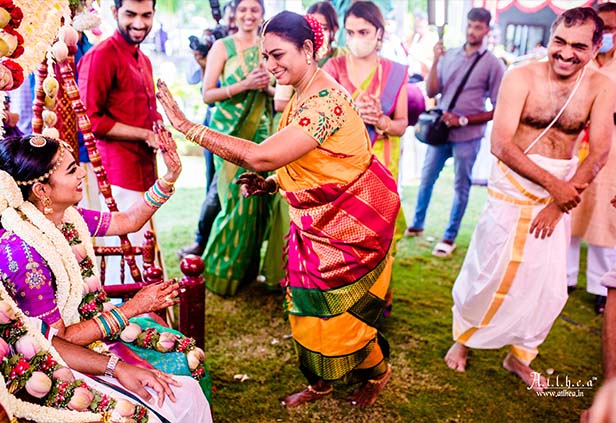
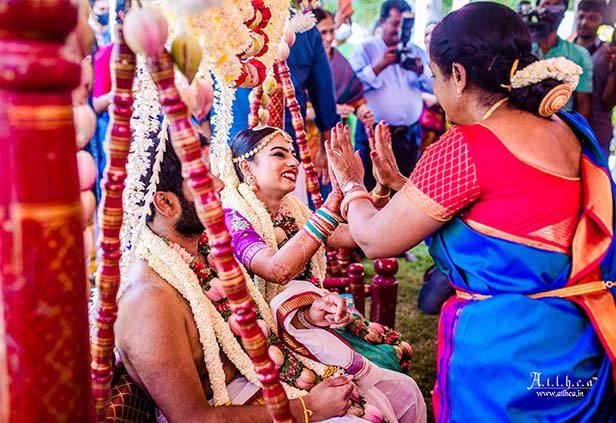
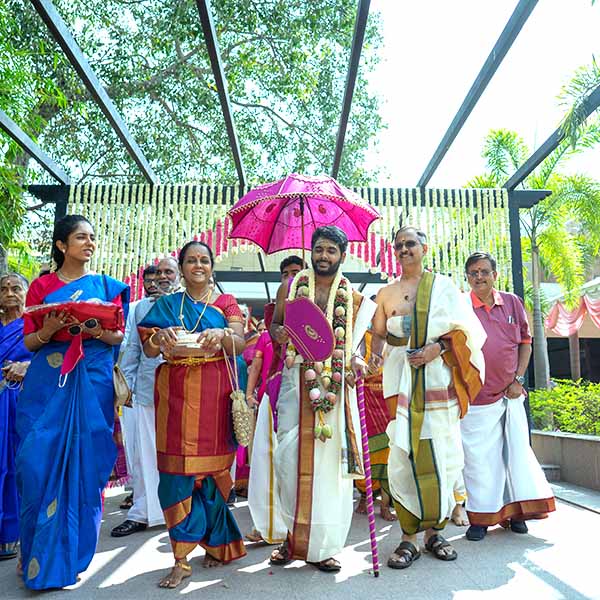
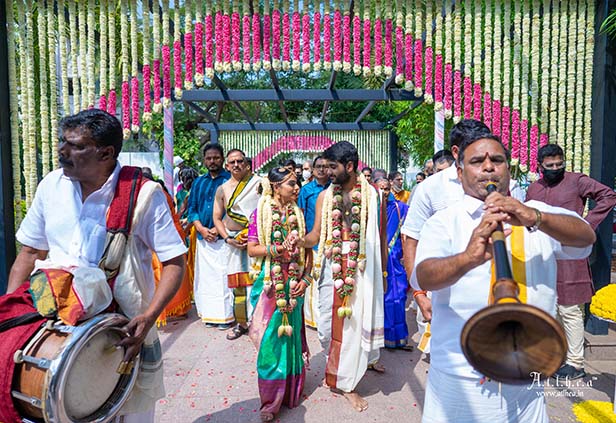
Traditional Brahmin Wedding Ceremony Moments
Explore sacred Vedic rituals, traditional mandap setups, temple-style ceremonies, and authentic Brahmin wedding celebrations.
Reverse Auction
Receive Competitive Wedding Vendor Quotes
Happiffie’s reverse auction platform helps couples receive vendor proposals tailored to their wedding ceremony requirements and budget. Instead of searching for vendors individually, simply share your wedding details and service needs. Wedding planners, priests, decorators, caterers, and photographers will submit customized offers for your ceremony. This system allows couples to compare packages, review vendor profiles, and select services that match their traditional wedding rituals, venue plans, and overall wedding budget.
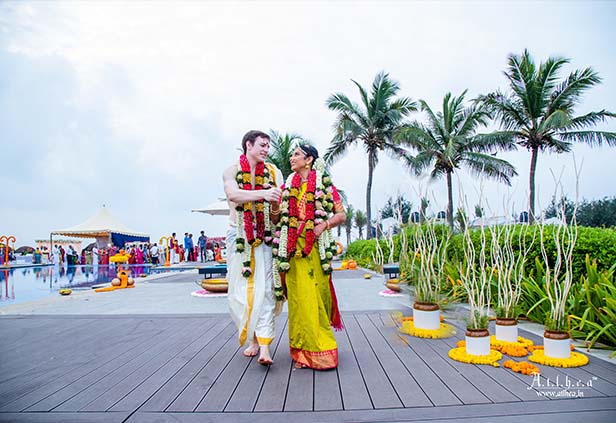
Find Venue
Discover traditional venues perfect for sacred Vedic wedding rituals.
Selecting the right venue is important for traditional Brahmin wedding ceremonies. Many couples prefer temple venues, traditional wedding halls, or spacious mandap venues for performing sacred rituals comfortably. Happiffie helps couples discover venues that support traditional ceremony setups, accommodate family gatherings, and provide a culturally appropriate environment for Vedic wedding rituals.
Explore Our Venues
- Traditional Kalyana Mandapams
- Temple Wedding Venues
- Heritage Wedding Venues
- Banquet Halls
- Luxury Hotel Wedding Halls
- Outdoor Garden Wedding Venues
- Destination Wedding Resorts


Frequently Asked Questions
Categories
General
Get in Touch With Us
Have questions or need assistance? We're here to help! Fill out the form below and our team will get back to you within 24 hours.

What Our Clients Say
Real experiences from real customers
Happiffie arranged our Brahmin wedding rituals beautifully with experienced priests and perfectly coordinated traditional arrangements.
Happiffie helped us coordinate priests, decor, catering, and venue arrangements effortlessly for our wedding.
The mandap decor and ritual arrangements organized through Happiffie were authentic and very well managed.
Traditional Brahmin Wedding Rituals, Vedic Marriage Ceremonies, and Cultural Traditions
Traditional Brahmin weddings are among the most spiritually rich and culturally significant ceremonies in Hindu traditions. These weddings follow ancient Vedic customs that emphasize sacred rituals, family blessings, and the spiritual union of the bride and groom. Every ceremony in a Brahmin wedding has symbolic meaning and is performed according to traditional scriptures. The ceremonies are guided by experienced priests who chant Vedic mantras and conduct rituals in a sacred environment. The entire wedding process reflects the spiritual beliefs of Hindu traditions and focuses on creating a lifelong bond between the couple.
Before the main wedding ceremony, several important pre-wedding rituals take place. One of the first ceremonies is Nischayathartham, which is the formal engagement ceremony where both families officially agree to the marriage. Another important ritual is Vratham, where the bride and groom perform prayers and spiritual rituals separately. This ceremony prepares them spiritually for the sacred marriage rituals that follow.
A symbolic and interesting ritual in Brahmin weddings is the Kashi Yatra, where the groom pretends to renounce worldly life and become a spiritual scholar. The bride’s father persuades him to return and marry his daughter, symbolizing the groom’s acceptance of family life.
The main Brahmin wedding ceremony takes place under a decorated mandap where sacred rituals are performed around a holy fire. The fire represents divine witness to the marriage. One of the most important rituals is Kanyadanam, where the bride’s parents formally give their daughter’s hand in marriage to the groom. This ritual symbolizes trust and blessings from the bride’s family.
Another key ritual is Mangalya Dharanam, where the groom ties the sacred mangalsutra around the bride’s neck while priests chant Vedic mantras. This moment marks the official union of the couple.
The Saptapadi ritual is one of the most significant parts of the Brahmin wedding ceremony. During this ritual, the bride and groom take seven steps around the sacred fire while making vows for their future life together. Each step represents a promise related to family responsibilities, prosperity, mutual respect, and lifelong companionship.
The Homam ceremony involves offering sacred items into the holy fire while chanting Vedic mantras. This ritual symbolizes purification and invokes divine blessings for the couple’s future. Fire rituals play a central role in Brahmin weddings as they represent purity and divine presence during the marriage ceremony.
Traditional Brahmin weddings often feature elegant temple-style decor. Mandaps are decorated with flowers, banana leaves, coconut arrangements, and traditional lamps. The decor reflects simplicity and spirituality rather than extravagant styling. Music instruments like Nadaswaram and Thavil are often played during the ceremony, creating a traditional and festive environment.
Food is an important part of Brahmin weddings. Guests are usually served traditional vegetarian meals on banana leaves, following South Indian customs. The wedding feast typically includes rice, sambar, rasam, vegetable curries, sweets, and traditional desserts. Serving meals on banana leaves symbolizes hospitality and cultural heritage.
Organizing a Brahmin wedding requires coordination with multiple service providers, including priests, decorators, caterers, photographers, and event planners. Each vendor plays a crucial role in ensuring that every ritual is conducted properly. Experienced vendors also understand the sequence of rituals and help manage the ceremony smoothly.
Happiffie simplifies wedding planning by connecting couples with experienced vendors who specialize in traditional wedding ceremonies. Couples can easily find priests, decorators, venues, catering services, and photographers through the platform. By sharing their wedding requirements, couples receive vendor proposals, compare packages, and select services that match their traditions and budget. With proper planning and expert vendor support, a traditional Brahmin wedding can become a beautiful celebration of culture, spirituality, and family values.