
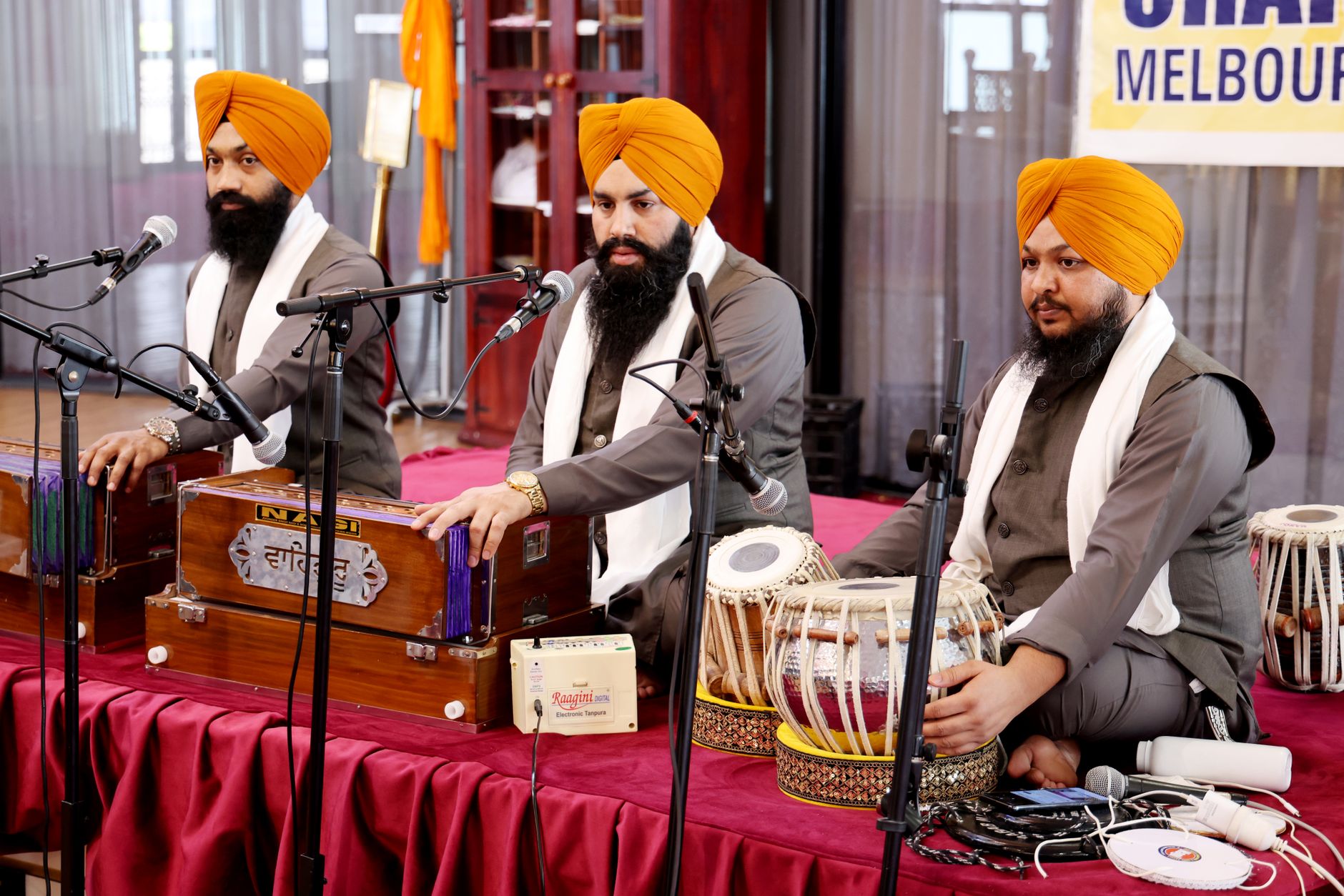
Sacred Sounds for Your Special Day
Entertainment in Bhubaneswar
Sacred Ceremony Musicians in Bhubaneswar for Every Ritual
Bhubaneswar, Odisha's temple city, carries centuries of devotional music in its very air — from the ghanta and mardala rhythms of Jagannath tradition to the soul-stirring shehnai that greets every auspicious moment. When you book Sacred Ceremony Musicians for your wedding here, you are not simply hiring performers; you are weaving a living sound tradition into your most important life milestone. Whether your rituals call for a Mangal Dhwani Ensemble at dawn or Traditional Ritual Music Artists for the Saptapadi, Happiffie helps Bhubaneswar families find verified, culturally fluent musicians who elevate every ceremony with auspicious music for rituals that guests remember long after the celebrations end.
Quick Answer
Sacred Ceremony Musicians are live music specialists — typically playing instruments like shehnai, mardala, nadaswaram, or harmonium — who perform during Hindu wedding rituals such as Vivah, Saptapadi, and Kanyadaan in Bhubaneswar. They create an auspicious sonic atmosphere aligned with specific ritual timings, replacing recorded music with authentic, culturally appropriate live sound. Packages in Bhubaneswar range from roughly ₹8,000 for a basic duo to ₹60,000 or more for a full classical ensemble.
What Do Sacred Ceremony Musicians Actually Perform at a Bhubaneswar Wedding?
Sacred Ceremony Musicians in Bhubaneswar perform across every phase of a traditional Odia or pan-Hindu wedding — starting with the Mangalabadya welcome sequence, moving through Vivah Homa accompaniment, Kanyadaan, and the deeply spiritual Saptapadi. Instruments vary by ritual: shehnai and mardala are considered mandatory in many Odia households for the muhurta moment, while harmonium and tabla complement Vedic Ceremony Music Group recitations during homas. Traditional Ritual Music Artists also perform during Sindoor Daan and Aashirwad, creating a continuous auspicious soundscape rather than isolated performances. Understanding this ritual map before booking ensures your musicians arrive pre-tuned for every transition, so no sacred moment is left in silence. Experienced groups in the Patia, Saheed Nagar, and Nayapalli neighbourhoods of Bhubaneswar often bring their own PA systems suited to both open courtyards and air-conditioned banquet halls.
How Much Do Sacred Ceremony Musicians Cost in Bhubaneswar?
Pricing for Sacred Ceremony Musicians in Bhubaneswar depends on ensemble size, instrument mix, and ceremony duration. A basic two-piece setup — typically shehnai and mardala for a single muhurta slot — starts around ₹8,000 to ₹12,000. A mid-range Mangal Dhwani Ensemble of four to six musicians covering the full ceremony from Ganesh Puja through Vidaai is priced between ₹20,000 and ₹35,000. Full classical or nadaswaram-led Hindu Wedding Performers with eight or more artists, costume, and lighting coordination can reach ₹55,000 to ₹80,000 for a full-day booking. Travel surcharges apply for venues beyond Bhubaneswar city limits — plan for an additional ₹3,000 to ₹8,000 if your venue is in Khurda, Cuttack, or Puri. Always confirm whether the quote includes tuning time, breaks, and sound equipment, since hidden add-ons are the most common budget surprise families face. Wedding soundscape planning early — at least eight to twelve weeks before the wedding — helps lock in better rates and preferred groups.
Choosing the Right Ensemble for Odia and Bengali Weddings
Bhubaneswar hosts a vibrant mix of Odia, Bengali, Marwari, and Telugu communities, each with distinct sacred music traditions. Odia weddings lean heavily on mardala, ghanta, and shehnai — the foundational Mangal Dhwani Ensemble format rooted in Jagannath Bhakti tradition. Bengali families often prefer the dhak-and-shehnai combination, especially during Sindoor Daan. Telugu households in areas like Rasulgarh or IRC Village may request nadaswaram and thavil, which form a distinct Vedic Ceremony Music Group tradition from South India. Traditional Ritual Music Artists who are fluent in more than one tradition are particularly valuable for inter-community weddings, which are increasingly common in Bhubaneswar's cosmopolitan new townships. When shortlisting on Happiffie, filter by community specialisation and ask for a repertoire list — a musician group that knows your specific rituals will always outperform a generalist act, regardless of pricing tier.
Why Is Live Auspicious Music for Rituals Preferred Over Recorded Playlists?
Many families ask whether a high-quality speaker playing a curated playlist can replace Sacred Ceremony Musicians, and the answer from both tradition and guest experience is clear: it cannot. Live auspicious music for rituals responds in real time — a skilled shehnai player extends the mangal dhwani if the pandit needs more time, or quickens the tempo for Vidaai when emotions rise. Recorded music is rigid; live music is adaptive. From a cultural standpoint, several Odia and Hindu traditions specifically call for live instrument performance as a Shastra requirement, meaning recorded substitutes may be considered inauspicious by elders. The cultural music experience created by live performers also has a measurable effect on guest engagement — the natural variation, the occasional improvisation, and the visible presence of artists in ceremonial attire add a layer of festive authenticity that no playlist can replicate. Couples who invest in live music for pheras consistently describe it as one of the most memorable sensory details of their wedding day.
How Should You Brief and Coordinate Sacred Ceremony Musicians Before the Wedding Day?
Effective coordination with Sacred Ceremony Musicians begins with sharing a detailed ritual timeline at least two weeks before the event. Provide the muhurta timing for each ceremony, the pandit's contact details, and the venue address with load-in instructions. A good Hindu Wedding Performers group will conduct a site visit or video call to assess acoustics — crucial for open-air venues like Baramunda or mandap setups in Kalinga Stadium lawns. Confirm the dress code: most ensembles wear traditional Odia or North Indian ceremonial attire, but if your wedding has a specific colour theme, discuss customisation early. Arrange a dedicated green-room or staging area near the mandap for instrument storage and tuning. Discuss breaks: a four-hour ceremony typically requires one fifteen-minute rest window. Finally, ensure the wedding soundscape planning includes coordination between the ceremony musicians and any DJ or live band booked for the reception, so there is no equipment conflict during the transition between events.
Sacred Ceremony Musicians Setup Types: Comparison for Bhubaneswar Weddings
Expert Recommendation
Best for Intimate Home Ceremonies (Under 50 Guests)
Best for Large Banquet Hall Weddings (200+ Guests)
Best for Traditional Odia Families
Best for Inter-Community or Fusion Weddings
Best for Budget-Conscious Couples
Best for Destination Weddings Near Bhubaneswar
How to Choose the Right Option
✅ Pre-booking Checklist
- Confirm the musician group's familiarity with your specific community rituals and instrument requirements before signing any agreement
- Share the full muhurta schedule and pandit contact at least two weeks before the wedding
- Verify whether travel, equipment, costume, and sound setup are included in the quoted package price
- Request a video sample of a recent live performance at a similar venue type
- Arrange a dedicated staging area or green room near the mandap for tuning and instrument storage
- Clarify cancellation, rescheduling, and no-show policies in writing before making the advance payment
- Coordinate timing between ceremony musicians and reception DJ or band to avoid equipment conflicts
- Confirm the number of break intervals for a ceremony exceeding three hours
🎯 Selection Criteria
- Ritual fluency: the group must know the cue points, not just the songs
- Community fit: verify experience with your specific regional tradition — Odia, Bengali, Telugu, or Marwari
- Venue adaptability: confirm they have performed at indoor and outdoor settings of similar scale
- Equipment ownership: owned instruments and PA systems are more reliable than last-minute rentals
- Pandit coordination experience: seasoned Sacred Ceremony Musicians know how to follow the priest's lead without instruction
💰 Cost / Quality Factors
- Ensemble size directly drives cost — each additional artist adds roughly ₹3,000 to ₹6,000 to the package
- Instrument rarity affects pricing: nadaswaram and classical sarangi players command premiums over tabla or harmonium
- Outstation travel beyond 30 km from Bhubaneswar typically adds ₹3,000 to ₹8,000 per booking
- Peak season weddings (November to February) attract 20-30% higher rates than off-season bookings
- PA system inclusion can add ₹5,000 to ₹12,000 but is essential for guest counts above 150
- Multi-day bookings for three-day wedding functions often attract a 10-15% bundled discount
⚠️ Common Mistakes to Avoid
- Booking generalist event musicians instead of specialists in sacred ritual music — the difference in cultural sensitivity is significant
- Neglecting to confirm whether the group has performed live music for pheras specifically, not just background ambience
- Ignoring acoustics: a loud nadaswaram group in a low-ceiling indoor hall overwhelms conversation and even pandit recitation
- Paying the full amount in advance without a written contract covering cancellation terms
- Forgetting to brief musicians on family sensitivities — for example, specific ragas considered inauspicious in certain communities
- Leaving wedding soundscape planning to the last week, when preferred artists are already booked
People Also Ask
What instruments do Sacred Ceremony Musicians typically play at an Odia wedding in Bhubaneswar?
How early should I book Sacred Ceremony Musicians for my Bhubaneswar wedding?
Can Sacred Ceremony Musicians perform at both indoor banquet halls and outdoor mandaps?
Is it possible to hire Sacred Ceremony Musicians for only one specific ritual, like the Saptapadi?
Do Sacred Ceremony Musicians also perform at naming ceremonies and griha pravesh events?
What should I check before finalising a Vedic Ceremony Music Group in Bhubaneswar?
How many musicians do I need for a 200-guest wedding ceremony in Bhubaneswar?
What is the difference between a Mangal Dhwani Ensemble and a full nadaswaram group?
Related Experiences on Happiffie
Hindu Wedding Rituals Explained
Sacred Sounds for Your Special Day
Sacred Vedic Wedding Kits, Kovalam
Jaipur Fusion Weddings Done Right
Jaipur's Most Vibrant Wedding Music
Sacred Sounds for Your Pheras in Mussoorie
Magical Fireworks Synchronized to Music
Frequently Asked Questions
What is the typical package duration for Sacred Ceremony Musicians booked in Bhubaneswar?
Are Sacred Ceremony Musicians available for pre-wedding rituals like Haldi and Mehendi in Bhubaneswar?
Do Sacred Ceremony Musicians in Bhubaneswar perform at destination venues outside the city?
Can I request specific ragas or devotional compositions from Sacred Ceremony Musicians?
How do Sacred Ceremony Musicians coordinate with the pandit during the ceremony?
What is the cancellation policy for Sacred Ceremony Musicians booked through Happiffie in Bhubaneswar?
Is a sound system provided by Sacred Ceremony Musicians or does the venue need to arrange it?
Can Sacred Ceremony Musicians also perform Odissi-based devotional music at the reception?
Key Takeaways
- Sacred Ceremony Musicians in Bhubaneswar range from ₹8,000 for a basic duo to ₹80,000 for a full classical ensemble — ensemble size and instrument mix are the primary cost drivers
- Odia weddings are best served by a Mangal Dhwani Ensemble featuring shehnai, mardala, and ghanta rooted in Jagannath Bhakti tradition
- Live auspicious music for rituals is adaptable to real-time ritual flow in ways that recorded playlists cannot replicate
- Book Sacred Ceremony Musicians eight to twelve weeks in advance during peak wedding season (November to February) in Bhubaneswar
- Inter-community weddings benefit from Traditional Ritual Music Artists fluent in more than one regional tradition
- Always confirm travel charges, equipment ownership, break intervals, and cancellation terms in writing before paying any advance
- Wedding soundscape planning should include coordination between ceremony musicians and the reception DJ or band to prevent day-of conflicts
- Happiffie lists verified Sacred Ceremony Musicians across Bhubaneswar neighbourhoods including Patia, Nayapalli, Saheed Nagar, and Jaydev Vihar
Find Verified Sacred Ceremony Musicians in Bhubaneswar
Browse curated ensembles, compare pricing, and book the perfect ritual music artists for your wedding — all on Happiffie.
Explore Musicians Now
Are you a Vendor? Grow Your Business with Happiffie!
- High intent verified leads
- Reverse auction opportunities
- AI business tools & insights
- Dedicated vendor dashboard
- Grow your business, your way
It's free & takes less than 2 minutes!