
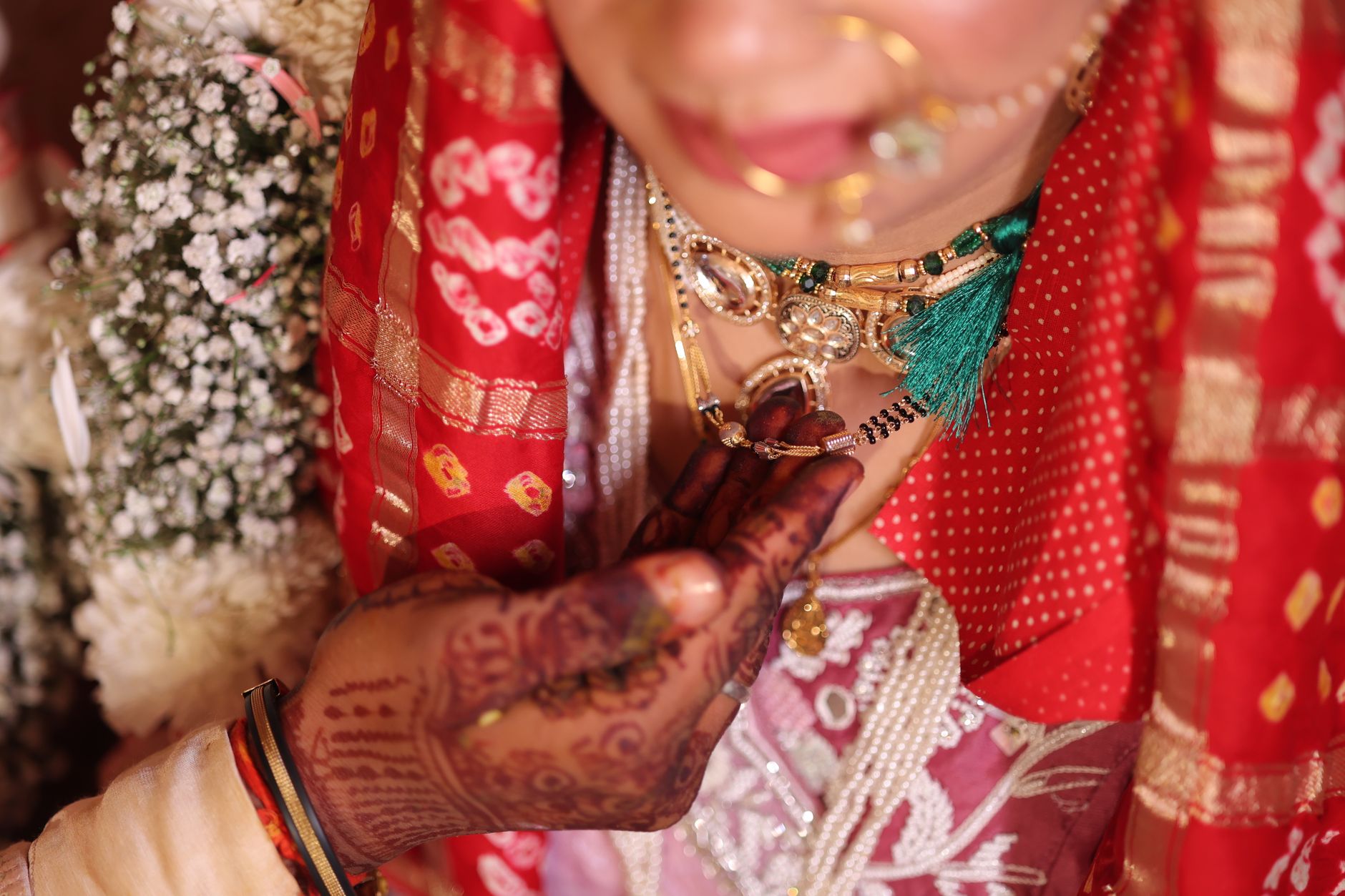
Flawless Silk Sarees for Your Big Day
Event Support in Bhopal
Silk Saree Pressing in Bhopal for Weddings & Events
When the big day arrives in Bhopal — whether it is a mehendi at a Shyamla Hills farmhouse, a nikah at a TT Nagar banquet hall, or a grand Hindu wedding at an MP Nagar venue — every crease on your Kanjivaram or Banarasi can steal the spotlight for the wrong reasons. Professional silk saree pressing ensures your heirloom and designer sarees drape flawlessly from the first phera to the final reception selfie. Unlike standard ironing, expert bridal saree steaming uses calibrated heat and moisture to relax even the most stubborn travel creases without damaging delicate zari borders or embroidery. With proper pre-wedding garment preparation, you eliminate last-minute chaos and step into your ceremony looking exactly as you imagined.
Quick Answer
Silk saree pressing is a specialised garment care service that uses controlled heat, steam, or dry-iron techniques to remove creases from delicate silk fabrics — including Kanjivaram, Banarasi, Chanderi, and Tussar sarees — without damaging zari, embroidery, or dye. In Bhopal, professional providers offer on-site or doorstep silk saree pressing for weddings, receptions, and festive events, typically charging INR 80–300 per saree depending on fabric weight and embellishment complexity.
Why Does Silk Saree Pressing Require a Specialist?
Silk is a protein fibre that reacts very differently to heat than cotton or synthetic blends. Applying a standard iron at the wrong temperature to a Banarasi or Kanjivaram can permanently flatten the weave, scorch the zari threadwork, or leave shiny burn marks that no dry cleaner can reverse. Professional silk saree pressing uses steam irons set to the silk-safe range, pressing cloths to create a protective barrier, and table padding that prevents embossed motifs from getting crushed. In Bhopal's humid monsoon season — when most auspicious wedding muhurts fall — fabric absorbs ambient moisture unevenly, making creases even more stubborn. A trained technician reads the fabric first, identifying areas of dense embroidery or heavy border work that need a lighter hand. This specialist approach is what separates a saree that looks showroom-fresh at your MP Nagar mandap from one that looks like it spent a week in a suitcase. Wedding saree finishing done correctly also helps the saree hold its drape for longer through the ceremony.
What Types of Sarees Can Be Professionally Pressed in Bhopal?
Bhopal's wedding culture is gloriously diverse — from Bohra Muslim weddings in the old city to Sindhi and Marwari celebrations in Arera Colony — which means the range of sarees brought in for pressing is equally wide. Chanderi silk, woven just a few hours from Bhopal in Chanderi town, is especially common and requires a very light touch due to its fine, semi-transparent texture. Kanjivaram sarees with heavy gold zari borders need careful reverse-side pressing to avoid flattening the motifs. Banarasi brocades, popular for bride and mother-of-the-bride looks, benefit most from bridal saree steaming rather than dry heat because their dense weave relaxes better with moisture. Tussar and raw silk worn at engagement ceremonies are prone to water spotting, so only experienced technicians should handle them. Georgette-silk blends worn by bridesmaids and wedding guests also benefit from a professional saree ironing service to restore the fabric's natural fall. Knowing which technique suits which fabric is a key part of silk fabric care that separates professionals from neighbourhood dhobis.
How Much Does Silk Saree Pressing Cost in Bhopal?
Pricing for silk saree pressing in Bhopal depends on three main variables: fabric type, embellishment density, and whether the service is in-studio or at your venue doorstep. A plain Chanderi or Mysore silk saree typically costs INR 80–120 per piece for a studio pressing. A heavy Kanjivaram or embroidered Banarasi with a dense zari border ranges from INR 150–250 per saree. Fully hand-embroidered or stone-work sarees — popular for Bhopal's lavish reception nights — may go up to INR 300 or more because of the extra care and time involved. Bulk bookings for a full bridal trousseau of 10–20 sarees often attract a 15–20% discount. Doorstep or on-site wedding saree finishing at venues in Habibganj, Kolar Road, or Lalghati adds a travel surcharge of INR 200–500 depending on distance. Booking a package that covers pre-wedding garment preparation — including blouse steaming and dupatta finishing — gives the best per-piece value. Always confirm the exact count of embellished pieces when getting a quote to avoid surprises on the day.
On-Site vs. Studio: Choosing the Right Approach for Your Wedding
Studio-based silk saree pressing suits families who plan well in advance and can deliver sarees two to three days before the event. The controlled environment of a studio allows for thorough airing after pressing, which is especially important for heavily starched sarees or those stored in plastic. On-site or doorstep service, on the other hand, is a lifesaver for destination weddings at Bhopal's heritage properties or for out-of-town families whose luggage arrives only the evening before the ceremony. Mobile ironing setups for event styling support are increasingly popular at five-star hotels and large banquet venues in Bhopal, where the service provider brings professional equipment directly to the bridal suite. The trade-off is that on-site sessions are typically more time-pressured, so it is advisable to schedule them at least three to four hours before the bride needs to be dressed. For brides managing multiple outfit changes across a three-day wedding, a blended approach — studio pressing for the main bridal sarees and on-site service for day-two outfits — works best as part of a comprehensive bridal trousseau care plan.
What Should You Check Before Booking a Silk Saree Pressing Service in Bhopal?
Before confirming any provider for silk saree pressing in Bhopal, verify that they have handled the specific fabric types in your trousseau. Ask whether they use steam irons, gravity-feed industrial steamers, or dry irons for different fabrics — a provider who uses only one method for all sarees is a red flag. Confirm turnaround time: during peak wedding season (October to February and April to May), studios in Bhopal often have three-to-four-day queues. Check whether blouses, dupattas, and lehengas are included in their saree ironing service package or billed separately. Discuss storage post-pressing — properly pressed sarees should be loosely rolled in muslin, not folded, to prevent new creases from forming. If you are booking wedding day outfit management support for a multi-function wedding, ask for a function-wise schedule so each saree is pressed and ready exactly when you need it. Finally, confirm the provider's on-site policy: do they bring their own ironing board and pressing cloth, or do they need your venue to supply equipment? These details determine whether the service truly qualifies as end-to-end event styling support.
Silk Saree Pressing Options for Bhopal Weddings: A Side-by-Side Comparison
Expert Recommendation
Best for intimate home ceremonies
Best for large multi-function weddings
Best for destination brides arriving in Bhopal
Best for budget-conscious families
Best for traditional Chanderi or Maheshwari sarees
Best for modern reception and cocktail looks
How to Choose the Right Option
✅ Pre-booking Checklist
- Count all sarees, blouses, and dupattas that need pressing and share the exact list with the provider
- Identify which sarees have heavy zari, stone work, or hand embroidery so the provider can allocate extra time
- Confirm the provider's experience with your specific fabric types — Chanderi, Kanjivaram, Banarasi, or Tussar
- Book studio slots at least one week ahead during Bhopal's October–February peak wedding season
- Ask for a function-wise pressing schedule if you have multiple events across several days
- Confirm how pressed sarees will be stored and handed back — rolled in muslin is the standard for quality providers
- Clarify on-site travel charges upfront if you need the service at a venue in Habibganj, Kolar Road, or Lalghati
- Request a test press on a small inconspicuous area of your most delicate saree before the full session begins
🎯 Selection Criteria
- Demonstrable experience with silk fabric care across multiple weave types including regional fabrics
- Use of appropriate tools: steam irons, pressing cloths, padded ironing boards, and garment steamers
- Flexible scheduling including early-morning or late-evening slots to fit your wedding day timeline
- Clear per-piece pricing with no hidden charges for blouses, dupattas, or embellished sections
- Willingness to work on-site at your venue with their own equipment if required
- Transparent turnaround commitment with a buffer for re-pressing if any piece is unsatisfactory
💰 Cost / Quality Factors
- Fabric type and weave density directly determine time and technique, driving cost per piece upward for heavy brocades
- Number of embellished sarees in the trousseau: more zari and stonework means higher per-piece pricing
- Location of service: in-studio rates are consistently lower than on-site or doorstep rates in Bhopal
- Seasonality: peak wedding season (October–February) commands premium pricing due to high demand
- Package bundling: including blouses and dupattas in a single package reduces the effective per-piece cost
- Provider's equipment quality: industrial steamers and gravity-feed irons produce better results and justify slightly higher fees
⚠️ Common Mistakes to Avoid
- Leaving silk saree pressing to the morning of the wedding, allowing no time for fabric to breathe or for re-pressing
- Handing over sarees to a standard dhobi or neighbourhood tailor who lacks silk-specific technique and equipment
- Packing pressed sarees back into folded stacks or plastic bags, which immediately creates new creases
- Failing to communicate the presence of stone work, sequins, or raw-edge embroidery that cannot tolerate direct iron contact
- Assuming all silk sarees need the same temperature setting — different weave densities require different heat levels
- Not confirming cancellation and re-scheduling policies, which can leave you without a provider during a peak Bhopal wedding weekend
People Also Ask
Can I get silk saree pressing done at my wedding venue in Bhopal?
How long does it take to press one silk saree professionally?
Is steaming better than ironing for a Banarasi or Kanjivaram saree?
What is the average cost of silk saree pressing for a full wedding trousseau in Bhopal?
Can Chanderi silk sarees be pressed the same way as Kanjivaram?
How early before a wedding should I schedule silk saree pressing?
Does pressing damage zari or stone embellishments on a saree?
Is silk saree pressing different from dry cleaning?
Related Experiences on Happiffie
Crisp Sarees, Perfect Moments
Perfect Bridal Blouse for Your Silk Saree
Perfect Wedding Films, Delivered Fast
Crisp Outfits, Perfect Moments
Plan Your Vizag Wedding Smarter
Birthday Magic on Havelock Island
Vijayawada's Finest Bridal Trousseau Stylists
Trusted Nanny Service in Manali
Frequently Asked Questions
Where can I find silk saree pressing services near Habibganj or MP Nagar in Bhopal?
Can a Chanderi silk saree be pressed at home safely in Bhopal?
How many sarees can a professional press in one day for a Bhopal wedding?
Does silk saree pressing include blouse and dupatta finishing?
Is there a risk of colour fading during silk saree pressing?
What is the difference between a saree ironing service and bridal saree steaming?
Can I book silk saree pressing as part of a larger wedding day outfit management package in Bhopal?
How should a pressed silk saree be stored overnight before a morning ceremony in Bhopal?
Key Takeaways
- Silk saree pressing requires specialised heat and steam techniques that differ significantly by fabric type — Chanderi, Banarasi, Kanjivaram, and Tussar each need a distinct approach.
- In Bhopal, professional silk saree pressing costs INR 80–300 per saree; bulk trousseau packages offer 15–20% savings.
- On-site doorstep service suits last-minute or venue-based needs, while studio pressing is more economical and thorough for advance planning.
- Bridal saree steaming is the safest technique for heavily embroidered or zari-heavy sarees because it avoids direct contact with delicate embellishments.
- Book pressing services at least one week ahead during Bhopal's October–February peak wedding season to secure your preferred slot.
- Post-pressing storage matters: sarees should be loosely rolled in muslin cloth, never folded, to maintain a crease-free finish until the ceremony.
- A function-wise pressing schedule covering all outfits for mehendi, nikah or pheras, and reception eliminates day-of chaos and ensures every look is event-ready.
Book Expert Silk Saree Pressing in Bhopal
Let Happiffie connect you with verified event support professionals who will ensure every saree in your trousseau is flawlessly pressed and wedding-ready — from your first function to the grand reception.
Find Pressing Services
Are you a Vendor? Grow Your Business with Happiffie!
- High intent verified leads
- Reverse auction opportunities
- AI business tools & insights
- Dedicated vendor dashboard
- Grow your business, your way
It's free & takes less than 2 minutes!