
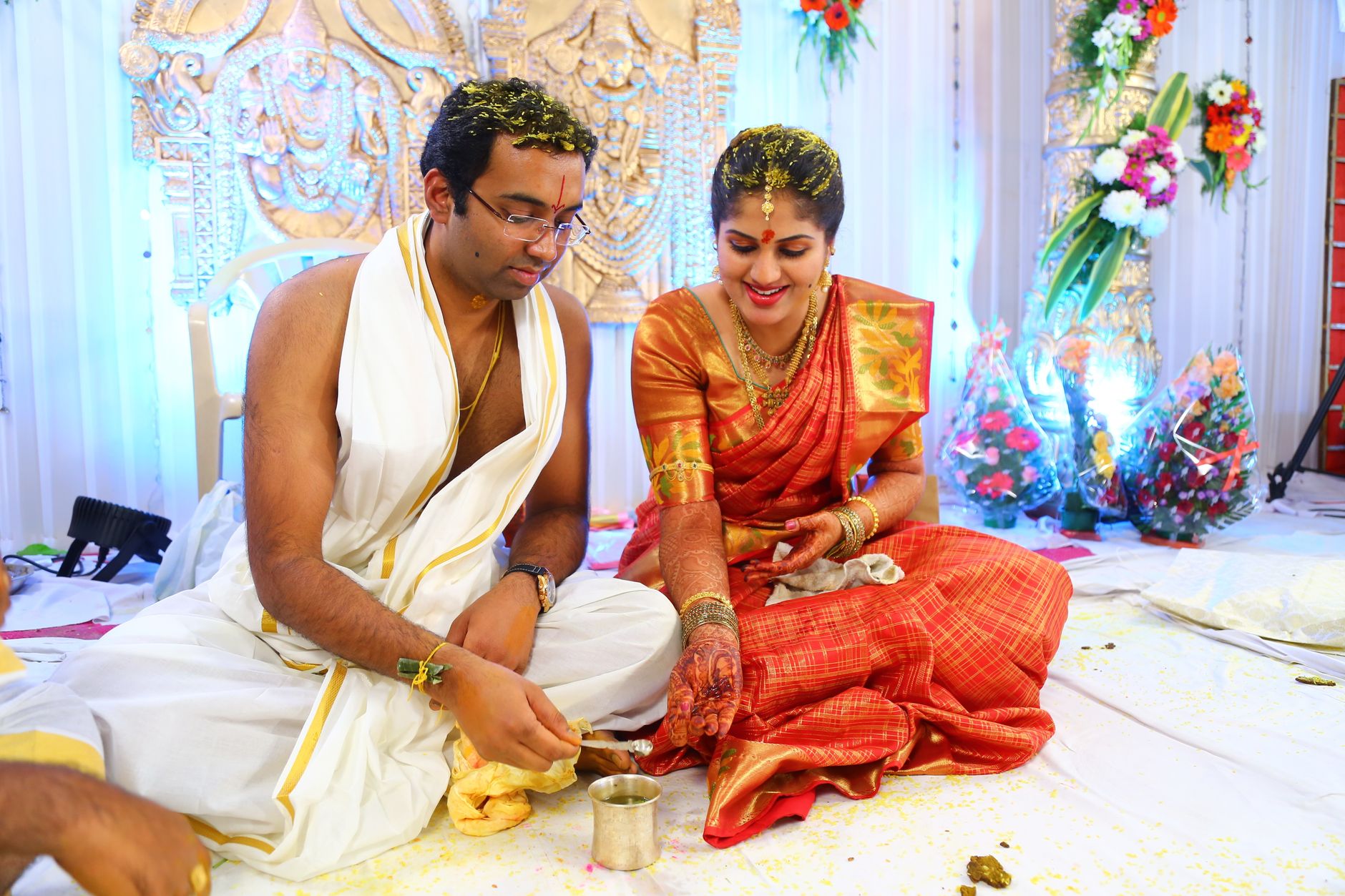
Ceremonial Dhoti Wear for Every Ritual
Costume in Bengaluru
Ceremonial Dhoti Wear in Bengaluru: Complete Style Guide
Ceremonial Dhoti Wear holds a place of deep reverence in Bengaluru's wedding and ritual calendar. Whether it is a Brahmotsavam puja in Malleshwaram, a grand Brahmin wedding in Basavanagudi, or a modern fusion celebration in Whitefield, the right ceremonial dhoti communicates respect for tradition while allowing the wearer to move with ease and grace. From the luminous pancha style dhoti draped in the Tamil or Kannada manner to an elaborately bordered silk dhoti for wedding ceremonies, the choices available across Bengaluru's costume studios are wider than ever. Happiffie connects families with verified costume specialists so that every dhoti kurta ensemble fits perfectly and every ritual moment looks effortlessly authentic.
Quick Answer
Ceremonial Dhoti Wear refers to the traditional unstitched lower garment — typically made from pure silk, cotton silk, or zari-bordered fabric — worn by men during Indian weddings, pujas, and sacred rituals. In Bengaluru, popular choices include Mysore Silk, Kanjivaram-bordered dhotis, and the pancha style dhoti. Pricing ranges from INR 800 for cotton rentals to INR 12,000 or more for purchase of premium silk pieces.
What Makes Ceremonial Dhoti Wear Different from Everyday Dhotis?
Ceremonial Dhoti Wear is distinguished by the quality of its fabric, the richness of its border, and the occasion it is meant to honour. An everyday dhoti is typically plain white or off-white cotton chosen for comfort during morning routines or casual temple visits. A ceremonial piece, by contrast, features a zari or silk border — sometimes as wide as six inches — woven in gold or silver thread. Mysore Silk dhotis, a pride of Karnataka, carry a GI tag and are prized for their natural lustre and lightweight drape. Kanjivaram-bordered pieces bring Tamil Nadu's weaving heritage into the equation and are a favourite for South Indian groom outfits in Bengaluru's Iyengar and Iyer communities. The fabric weight, thread count, and border motif all determine how formal and auspicious the garment appears on the mandap or during a havan.
Popular Draping Styles for Bengaluru's Ritual Occasions
The traditional dhoti draping style varies meaningfully across Karnataka, Tamil Nadu, and Andhra Pradesh communities — all of which have significant populations in Bengaluru. The pancha style dhoti, common in Tamil Brahmin and Vokkaliga ceremonies, is a five-yard drape that tucks neatly at the back and allows the wearer to sit cross-legged during long pujas without the fabric slipping. The Nivi drape, popular for Andhra and Telangana families, extends into an elegant pleated fan at the front. The Kodagu or Coorg community often favours a simpler wrap styled for Ainmane ceremonies. Each draping style pairs with specific upper garments — an angavastram, a pattu uttariyam, or a bandhgala-style shirt — to create a complete dhoti kurta ensemble that reads as intentionally dressed rather than hastily assembled.
How Much Does Ceremonial Dhoti Wear Cost in Bengaluru?
Pricing for ceremonial dhoti wear in Bengaluru depends on three factors: fabric quality, border complexity, and whether you are renting or buying. For wedding costume rental Bengaluru options, a cotton-silk dhoti with a simple border typically costs INR 800–1,500 per day. A Mysore Silk rental with a two-inch zari border ranges from INR 2,000–3,500. If you plan to purchase, plain cotton ceremony dhotis start around INR 600, mid-range silk dhoti for wedding occasions sits between INR 3,500–7,000, and heirloom-quality Kanjivaram pieces can reach INR 12,000–25,000. Bundled packages that include the dhoti, angavastram, and styling assistance are available from many Bengaluru costume studios and tend to offer 15–20% savings over individual purchases. Always factor in dry-cleaning or return-condition fees when renting.
Fabric and Border Guide for the Right Ritual Look
Selecting the correct fabric is the most critical decision in assembling ceremonial dhoti wear that looks authentic in photos and feels comfortable during three-hour rituals. Pure Mysore Silk is the gold standard for Karnataka weddings — its subtle sheen photographs beautifully and the lightweight weave stays cool even inside a warm wedding hall in Jayanagar or Koramangala. Cotton-silk blends are a practical choice for daytime summer rituals in BTM Layout or Electronic City venues where air conditioning may be limited. For ethnic menswear for rituals that span multiple days — like a three-day Namakarana or Upanayana — cotton dhotis that can be washed overnight are far more practical than silk. The border colour should complement the family's coordinated palette: cream-and-gold works universally, while red-and-gold borders signal auspiciousness in South Indian traditions.
How to Coordinate Ceremonial Dhoti Wear Across a Bridal Party?
A bridal party coordinated look built around ceremonial dhoti wear creates visually cohesive wedding photographs and signals that the family has paid attention to detail. For large Bengaluru weddings with 300–800 guests, it is common for the groom, father, and brothers to wear matching or complementary dhotis — typically the same border colour but varying fabric weights by role. The South Indian groom outfit usually features the most elaborate border and is complemented by a matching angavastram draped over the shoulder. Groomsmen and uncles can wear a simpler pancha style dhoti in the same hue. Working with a single costume vendor through Happiffie ensures size consistency across the bridal party and avoids last-minute mismatches. Book costume fittings at least three weeks before the wedding date, especially during peak seasons like December–January and April–May in Bengaluru.
Ceremonial Dhoti Wear Options Compared: Fabric, Cost & Use Case
Expert Recommendation
Best for intimate home pujas
Best for grand Bengaluru wedding halls
Best for destination or resort weddings
Best for budget-conscious families
Best for the groom's primary ceremony look
Best for multi-day Upanayana or Seemantham
How to Choose the Right Option
✅ Pre-booking Checklist
- Confirm the ritual or event type and check whether the community tradition requires a specific draping style or fabric
- Measure waist and length accurately — dhoti should reach just above the ankle for a clean ceremonial look
- Match border colour to the bride's saree or the family's coordinated colour palette before ordering
- Decide between renting and buying based on how often you will attend similar ceremonies in the next two years
- Book costume fitting at least three weeks before the event, especially during December–January or April–May peak season in Bengaluru
- Request a practice draping session with the vendor or watch draping tutorials specific to your community's style
- Confirm dry-cleaning or return policies if renting, and check for any damage deposit requirements
- Arrange accessories — angavastram, footwear, jewellery — at the same time to ensure a cohesive look
🎯 Selection Criteria
- Fabric quality: pure silk, cotton-silk blend, or cotton — choose based on season and duration of wear
- Border width and material: wider zari borders signal higher formality; match to the ceremony's ritual weight
- Draping style compatibility: ensure the yard-length suits your community's preferred drape (five-yard pancha vs six-yard Nivi)
- Vendor reliability: choose a Bengaluru costume studio with verified reviews and on-site fitting support
- Budget alignment: set a clear budget before comparing rental vs purchase options to avoid overspending on a single garment
- Coordinated availability: if dressing multiple family members, confirm the vendor can supply consistent border colours in all required sizes
💰 Cost / Quality Factors
- Fabric thread count and weave density directly affect how the dhoti drapes and how long it retains its shape during the event
- Zari quality — pure gold zari vs imitation — significantly impacts both the visual richness and the long-term value of the garment
- Vendor location and proximity in Bengaluru affects convenience for fittings; studios in Chickpet and Gandhi Nagar are traditional hubs for silk textiles
- Seasonal demand drives rental prices up by 20–30% during peak wedding months — booking early locks in better rates
- Community-specific requirements (e.g., unbleached cotton for certain Jain rituals) can limit standard catalogue options and may require custom sourcing
- Alteration and tailoring costs for stitched components of a dhoti kurta ensemble should be factored into the total budget
⚠️ Common Mistakes to Avoid
- Choosing a dhoti that is too short — always verify the full draped length before finalising the garment
- Ignoring border colour coordination with the bride's outfit, leading to clashing tones in wedding photographs
- Booking costume rentals during peak season without advance reservation, resulting in limited size and style availability
- Skipping a practice drape session and struggling with the fabric on the morning of the ceremony
- Overlooking accessory coordination — a premium silk dhoti paired with mismatched footwear or no angavastram undermines the entire look
- Assuming all vendors stock community-specific ritual fabrics — always confirm availability of unbleached or specific-coloured dhotis in advance
People Also Ask
What is the best fabric for ceremonial dhoti wear in Bengaluru's climate?
Can I rent a silk dhoti for a wedding in Bengaluru instead of buying one?
What is the pancha style dhoti and when is it worn?
How far in advance should I book ceremonial dhoti wear in Bengaluru?
What accessories complete a South Indian groom outfit with a dhoti?
Is a dhoti kurta ensemble appropriate for both Hindu and Jain rituals?
How do I ensure ethnic menswear for rituals looks consistent across a large family?
What are common draping mistakes to avoid with ceremonial dhoti wear?
Related Experiences on Happiffie
Elegant Dhoti Draping in Bengaluru
Loom Crafted Silk Sarees, Udaipur
Authentic South Indian Wedding Decor
Wedding Costume Rentals Hyderabad
Perfect Bridal Looks for Your Dream Wedding
All Wedding & Event Services
Frequently Asked Questions
Where can I find ceremonial dhoti wear vendors in Bengaluru?
Is ceremonial dhoti wear mandatory for a South Indian wedding in Bengaluru?
What yard length should I choose for a pancha style dhoti?
Can ceremonial dhoti wear be worn by non-Brahmin communities in Bengaluru?
How do I care for a Mysore Silk dhoti after a wedding ceremony?
What is the price difference between renting and buying a silk dhoti for wedding use in Bengaluru?
How early should I arrive on the wedding day to get the dhoti draped professionally?
Can I coordinate ceremonial dhoti wear for 10 or more family members through Happiffie?
Key Takeaways
- Ceremonial Dhoti Wear is a critical element of South Indian and pan-Indian ritual dress, with fabric, border, and draping style all carrying cultural significance.
- Bengaluru's diverse communities — Kannada, Tamil, Telugu, Coorg — each favour distinct draping styles; always confirm the correct tradition before selecting.
- Mysore Silk is the premium local choice for Karnataka weddings, offering a GI-tagged, lightweight fabric that photographs beautifully.
- Rental options for a silk dhoti for wedding occasions in Bengaluru typically range from INR 2,000–3,500 per day, making them a practical choice for occasional wearers.
- A complete dhoti kurta ensemble including angavastram and accessories should be booked as a bundle for cost savings and visual consistency.
- Booking at least three to four weeks ahead is essential during Bengaluru's peak wedding seasons of December–January and April–May.
- The pancha style dhoti remains the most auspicious draping choice for Tamil and Kannada Brahmin ceremonies and requires either professional draping support or advance practice.
- Happiffie's verified costume partners in Bengaluru offer fitting sessions, coordinated bridal party packages, and reliable rental return policies.
Find Verified Ceremonial Dhoti Wear in Bengaluru
Browse Happiffie's curated costume studios for fittings, rentals, and group bookings — all in one place.
Explore Dhoti Wear
Are you a Vendor? Grow Your Business with Happiffie!
- High intent verified leads
- Reverse auction opportunities
- AI business tools & insights
- Dedicated vendor dashboard
- Grow your business, your way
It's free & takes less than 2 minutes!