
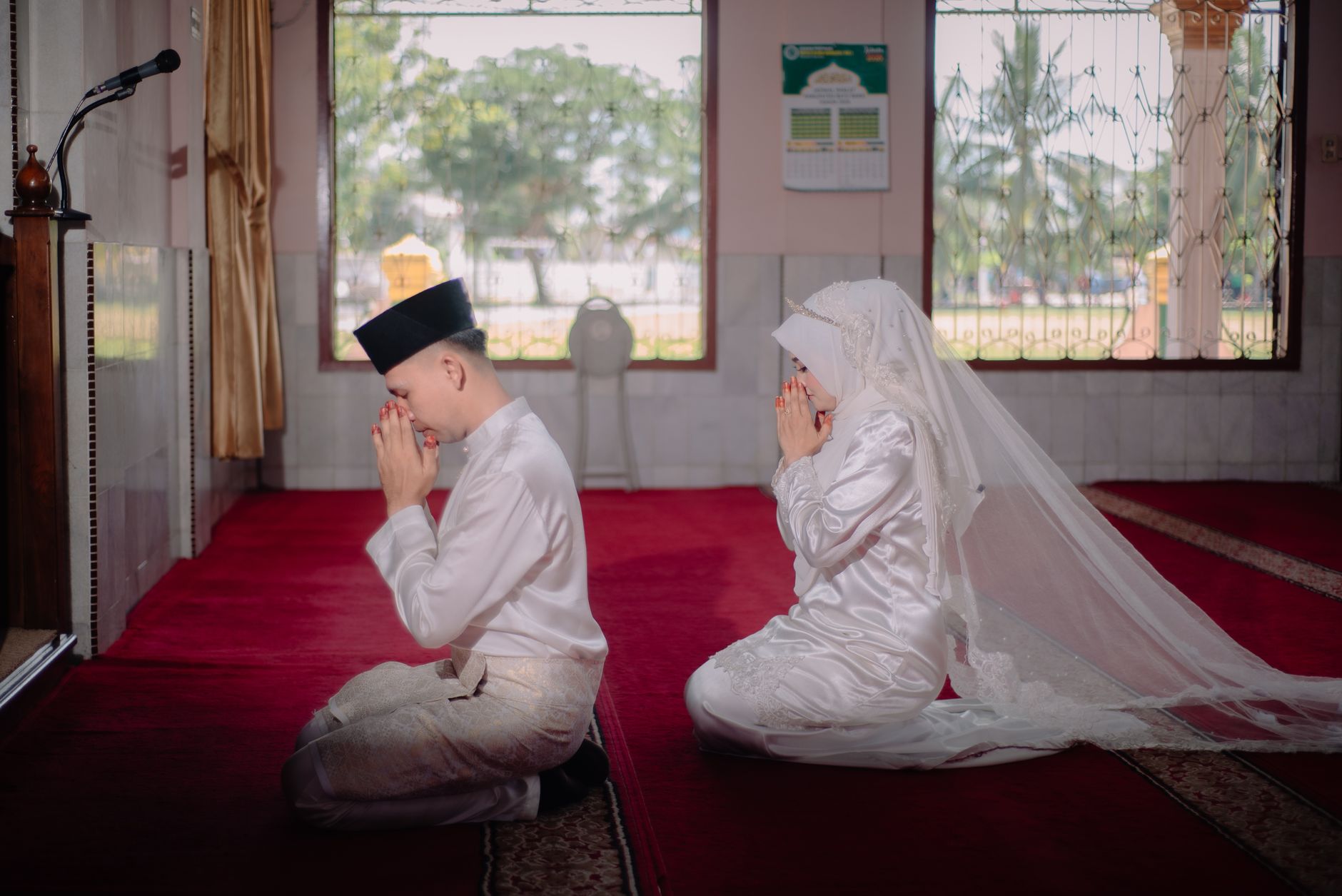
Plan Your Nikah in Agra
Religious cermony in Agra
Muslim Marriage Elements: Complete Guide for Agra Weddings
Planning a wedding rooted in faith requires attention to every Muslim Marriage Element — from the sacred Nikah ceremony components to the joyful Walima reception. In Agra, where the city's rich Mughal heritage lends a timeless backdrop to Islamic weddings, couples have access to a vibrant ecosystem of Qazis, decorators, caterers, and banquet halls that deeply understand Muslim wedding traditions. Whether you are organising an intimate family gathering near Taj Ganj or a grand celebration at one of Agra's larger wedding venues, careful Agra wedding budget planning from the start ensures every ritual is honoured beautifully without compromise.
Quick Answer
Muslim Marriage Elements refer to the essential religious, legal, and ceremonial components that constitute a valid Islamic wedding. These include the Ijab-o-Qubool (offer and acceptance), Mehr (dower), presence of a Qazi, two adult witnesses, the Nikahnama (marriage contract), and celebratory events such as the Walima. In Agra, these elements are performed across venues ranging from mosque halls to banquet spaces, with full adherence to Islamic law and local tradition.
What Are the Core Muslim Marriage Elements Every Agra Couple Must Know?
The foundation of any Islamic wedding rests on specific Muslim Marriage Elements that are both spiritually significant and legally binding. The most critical is the Ijab-o-Qubool — the mutual verbal offer and acceptance between the bride and groom — which must be pronounced clearly in the presence of a licensed Qazi and at least two adult male witnesses or one male and two female witnesses, depending on the school of Islamic jurisprudence followed. The Mehr, a mandatory gift of money or valuables from the groom to the bride, must be agreed upon and documented before the Nikah is solemnised. Qazi and marriage documentation form the administrative backbone: the Nikahnama records all agreed terms and is signed by both parties, the witnesses, and the officiating Qazi. Without these components, the Nikah is not considered valid under Islamic law. In Agra, families working with experienced event coordinators ensure these Nikah ceremony components are completed in the correct sequence, avoiding last-minute confusion on the wedding day. Understanding each element in advance also helps with Agra wedding budget planning, since costs for Qazi services, printed Nikahnama certificates, and witness arrangements are often overlooked until late in the process.
Pre-Nikah Rituals: Mangni, Istikhara, and Mehndi in Agra
Before the main Nikah, several pre-wedding events form important Muslim wedding traditions that Agra families observe with great enthusiasm. The Mangni (engagement) formalises the union between two families, often held at a wedding venue in Agra such as a rooftop garden or banquet hall, accompanied by the exchange of rings and sweets. Istikhara — a prayer seeking divine guidance — is performed by the groom or his family before finalising the match; many Agra families consult a trusted imam for this. The Mehndi function, held a day or two before the Nikah, is a vibrant celebration where the bride's hands and feet are adorned with intricate henna patterns. Festive décor for religious ceremonies at the Mehndi typically includes marigold strings, fairy lights, and rose-petal rangolis that respect Islamic aesthetics while creating a warm, colourful atmosphere. Bridal trousseau preparation also begins in earnest during this period — families source embroidered lehengas, hijabs, and jewellery from Agra's well-known markets like Kinari Bazaar and Sanjay Place. Each of these events adds emotional depth to the overall Islamic wedding rituals without overshadowing the solemnity of the Nikah itself.
How Is the Nikah Ceremony Structured on the Wedding Day?
The Nikah ceremony is the centrepiece of all Muslim Marriage Elements and follows a precise structure. The ceremony typically begins with a recitation of Quranic verses and a khutba (sermon) delivered by the Qazi, reminding the couple and guests of the sanctity of marriage in Islam. This is followed by the formal Ijab-o-Qubool, conducted separately — the groom states his acceptance in the presence of witnesses, and the bride's acceptance is conveyed either directly or through her Wakeel (representative). The Mehr amount is announced publicly at this stage. Once both parties have agreed, the Nikahnama is signed, completing the Qazi and marriage documentation process. In Agra, the Nikah is commonly held in the morning or early afternoon, either at a mosque — particularly those in the Civil Lines or Sadar Bazaar areas — or at a decorated banquet hall. Nikah ceremony components such as the seating arrangement (men and women often in separate sections), the floral mandap or stage, and the sound system for the Qazi's recitation all require careful coordination. A good event manager ensures the physical setup supports the spiritual gravity of the occasion.
Walima, Rukhsati, and Post-Nikah Celebrations
After the Nikah, two pivotal Muslim wedding traditions bring the wedding journey to a close. The Rukhsati is the emotional farewell of the bride from her parental home, often accompanied by prayers, tears, and the giving of gifts. It is considered Sunnah to make this moment dignified and unhurried. The Walima, hosted by the groom's family within three days of the Nikah, is an obligatory celebratory feast to announce the marriage to the community. In Agra, Walima receptions are held at banquet halls, farm venues in the outskirts, or even well-decorated home compounds. Islamic wedding rituals at the Walima include communal prayers, a large feast featuring Mughlai dishes — biryani, korma, sheermal — and the distribution of sweets. Careful Agra wedding budget planning for the Walima can keep costs between ₹400 and ₹1,200 per plate depending on the menu and venue. Festive décor for religious ceremonies at the Walima is usually elegant but restrained — whites, greens, and golds reflecting Islamic colour sensibilities. Bridal trousseau preparation also matters here, as the bride typically wears a distinct outfit for the Walima, often gifted by the groom's family.
What Does a Complete Muslim Marriage Elements Package Cost in Agra?
Budgeting for all Muslim Marriage Elements in Agra requires breaking down costs by category. Qazi and marriage documentation fees typically range from ₹3,000 to ₹10,000 depending on the Qazi's experience and travel requirements. A wedding venue in Agra suited for a Nikah — banquet hall, mosque community room, or garden — can range from ₹50,000 to ₹5,00,000 depending on capacity and location. Nikah ceremony components like floral décor, stage design, and lighting add ₹30,000 to ₹2,00,000 to the bill. Catering for the Walima for 200 guests with authentic Mughlai cuisine typically costs ₹80,000 to ₹2,40,000. Photography and videography specifically attuned to Islamic wedding rituals — covering the Nikahnama signing, Rukhsati, and Walima — ranges from ₹25,000 to ₹1,20,000. Bridal trousseau preparation, including bridal wear, jewellery, and gifts, can range from ₹50,000 to several lakhs depending on family traditions. A mid-range complete wedding package in Agra covering all Muslim wedding traditions typically falls between ₹4,00,000 and ₹12,00,000 for 200–300 guests.
Muslim Marriage Elements Setup Options in Agra: A Comparison
Expert Recommendation
Best for intimate Nikah ceremonies
Best for large guest counts (300+)
Best for budget-conscious families
Best for traditional families honouring every ritual
Best for modern couples seeking contemporary style
Best for destination-style celebrations in Agra
How to Choose the Right Option
✅ Pre-booking Checklist
- Confirm the Qazi's registration with the Agra Waqf Board at least 6 weeks before the Nikah
- Agree on the Mehr amount with both families and document it in the Nikahnama before the wedding day
- Book your wedding venue in Agra at least 3-4 months in advance, especially for peak season (October to February)
- Arrange for at least two qualified adult witnesses and brief them on their role in the Nikah ceremony components
- Finalise the Walima date, menu, and guest list within one week of confirming the Nikah date
- Complete bridal trousseau preparation — including Nikah outfit, Walima outfit, and gifts — at least one month before the ceremony
- Arrange separate seating or prayer spaces for male and female guests at the venue
- Brief photographers and videographers on Islamic wedding rituals to ensure respectful and appropriate coverage
🎯 Selection Criteria
- Qazi's legal registration and experience with diverse Islamic wedding rituals across Sunni and Shia traditions
- Venue's ability to accommodate gender-segregated seating as required by Muslim wedding traditions
- Caterer's expertise in authentic Mughlai and Halal cuisine for Walima receptions
- Decorator's understanding of festive décor for religious ceremonies that respects Islamic aesthetics
- Coordinator's experience managing the full sequence of Muslim Marriage Elements across multiple days
- Transparency of vendor pricing to support realistic Agra wedding budget planning
💰 Cost / Quality Factors
- Venue size and location relative to the bride's and groom's neighbourhoods in Agra
- Qazi fees vary by experience, travel distance, and number of ceremonies officiated that day
- Catering cost per plate rises significantly with Mughlai specialty items and live cooking stations
- Season affects pricing — winter months (November to February) are peak season in Agra with 20-30% higher venue rates
- Bridal trousseau preparation costs scale with the number of outfit changes and jewellery selections
- Photography packages that include Nikahnama signing, Rukhsati, and Walima coverage cost more than single-event packages
⚠️ Common Mistakes to Avoid
- Booking a Qazi without verifying legal registration, risking invalid Qazi and marriage documentation
- Skipping detailed Agra wedding budget planning and underestimating the combined cost of Mehndi, Nikah, and Walima
- Not briefing venue staff on the specific Nikah ceremony components, leading to incorrect stage or seating setup
- Leaving bridal trousseau preparation to the last week, causing rushed purchases and overspending
- Neglecting to plan the Walima within three days of the Nikah as required by Muslim wedding traditions
- Choosing a venue without adequate power backup, sound systems, or parking — critical for large Islamic wedding rituals
People Also Ask
What are the mandatory Muslim Marriage Elements for a valid Nikah?
How do I find a licensed Qazi for my Nikah in Agra?
Is the Walima mandatory in Muslim wedding traditions?
What is Mehr and how is it decided in Islamic wedding rituals?
What venues in Agra are suitable for a Muslim Nikah ceremony?
How much does a complete Muslim wedding cost in Agra for 300 guests?
What is the significance of the Rukhsati in Muslim wedding traditions?
Can Muslim Marriage Elements be combined with modern event styling?
Related Experiences on Happiffie
Nikah Accessories for Every Baroda Wedding
Sacred Nikah Ceremonies in Delhi
Sacred Nikah Venues in Lucknow
Simplify Your Marriage Registration
Wed in a Bengal Heritage Mansion
Jaipur Fusion Weddings Done Right
Your Perfect Bridal Look Starts Here
Sacred Florals for Every Ritual
Frequently Asked Questions
Which areas in Agra have the most experienced Qazis for Nikah ceremonies?
Is a court marriage necessary after a Nikah in Agra?
What Halal catering options are available for Walima receptions in Agra?
How many days does a complete Muslim wedding in Agra typically span?
Can I host the Nikah ceremony at a hotel in Agra?
What is the typical fee range for a Qazi in Agra?
How do I choose the right decorator for festive décor for religious ceremonies in Agra?
What should go into the bridal trousseau for a Muslim wedding in Agra?
Key Takeaways
- Muslim Marriage Elements include the Ijab-o-Qubool, Mehr, Nikahnama, Qazi, witnesses, and the Walima — all of which are spiritually and legally essential.
- Agra's Mughal heritage, experienced Qazis, and diverse venue options make it an excellent city to celebrate Islamic wedding rituals with authenticity and grandeur.
- A complete mid-range Muslim wedding in Agra for 200-300 guests typically costs between ₹4,00,000 and ₹12,00,000, covering all Nikah ceremony components and Walima.
- Early Agra wedding budget planning — at least 3-4 months before the event — is critical to securing quality venues, Qazis, and caterers, especially in peak winter season.
- Qazi and marriage documentation must be legally verified through the Agra Waqf Board for the Nikah to be recognised under Muslim personal law.
- Muslim wedding traditions such as Mehndi, Rukhsati, and Walima add emotional richness to the wedding and should be planned as distinct events with their own budgets.
- Festive décor for religious ceremonies should balance beauty with Islamic modesty principles — geometric patterns, floral arrangements, and muted luxury work best.
- Using an integrated marketplace like Happiffie simplifies vendor discovery for every Muslim Marriage Element, from the Qazi to the decorator and caterer.
Plan Every Muslim Marriage Element with Happiffie
Connect with verified Qazis, decorators, caterers, and venues in Agra — all in one place. Make your Nikah unforgettable.
Explore Agra Vendors
Are you a Vendor? Grow Your Business with Happiffie!
- High intent verified leads
- Reverse auction opportunities
- AI business tools & insights
- Dedicated vendor dashboard
- Grow your business, your way
It's free & takes less than 2 minutes!