
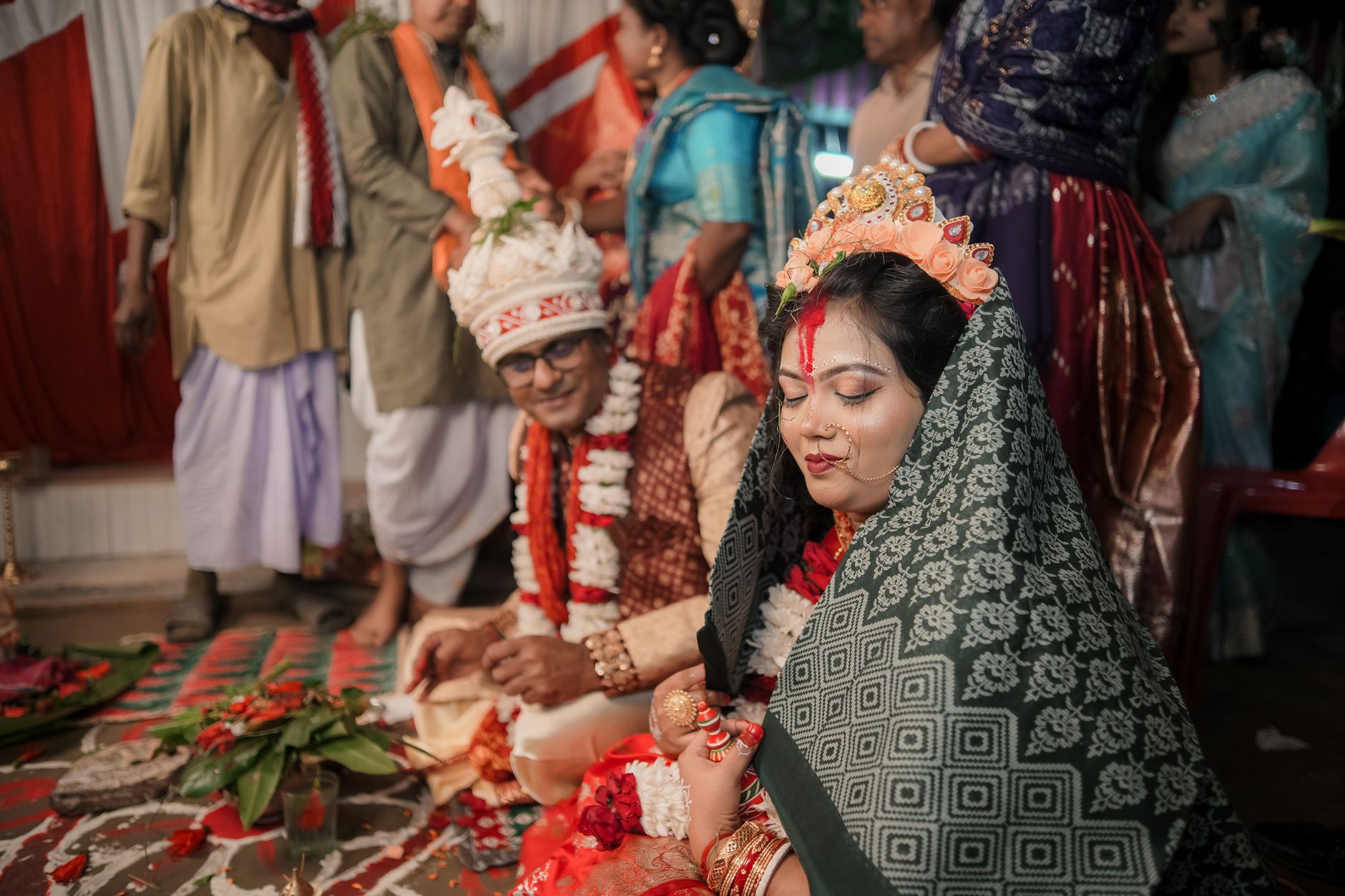
Sacred Ceremonies, Perfectly Planned in Vizag
Religious cermony in Vizag
Ritual Planning Guidance for Religious Ceremonies in Vizag
Vizag is a city where tradition runs as deep as the Bay of Bengal itself — from grand Brahmin weddings in Rushikonda to intimate naming ceremonies in Seethammadhara, every ritual carries layers of meaning that deserve careful, knowledgeable orchestration. Ritual planning guidance helps families navigate the sequence of ceremonies, muhurat timings, pandit requirements, and decor logistics so that nothing sacred is left to chance. Whether you are organising a Griha Pravesham, a Seemantham, or a multi-day wedding with Saptapadi and Kanyadanam, strong religious function planning ensures that every rite unfolds on time, on budget, and with full cultural integrity. Happiffie connects Vizag families with verified specialists across pooja event management, sacred venue decoration, and auspicious date selection.
Quick Answer
Ritual planning guidance is the process of organising the sequence, logistics, and requirements of religious ceremonies — including muhurat timings, pandit coordination, sacred materials, and venue setup. In Vizag, it covers Hindu weddings, poojas, Namakaranams, and other functions. Good ritual planning guidance ensures every rite is performed correctly, on schedule, and within budget, respecting both scriptural tradition and the family's specific regional or community customs.
What Does Ritual Planning Guidance Actually Cover?
Ritual planning guidance is far more than booking a pandit and arranging flowers. It is a structured roadmap that begins with auspicious date selection — consulting the Panchangam for the right nakshatra, tithi, and muhurat — and continues through every logistical layer of the ceremony. In Vizag, ceremonies often blend Telugu Brahmin, Kamma, Kapu, or Kshatriya customs, each with distinct rites, dress codes, and timing norms. A thorough guidance framework documents the order of rituals, specifies which sacred materials (samagri, mango leaves, turmeric, flowers) must be sourced locally, and coordinates between the family priest, event decorator, and venue manager. Hindu ceremony coordination also means briefing the immediate family on their roles — who lights the lamp, who recites which mantra, who presents the thamboolam — so that the function flows without awkward pauses. Happiffie's platform gives families a single point of access to all these specialists, making the entire process traceable and stress-free.
Religious Function Planning for Vizag's Diverse Communities
Vizag is home to a wonderfully diverse set of communities, and religious function planning must respect that diversity. A Telugu Brahmin Upanayanam in MVP Colony follows a strict Vaidika sequence lasting two days, while a Kshatriya wedding in Gajuwaka may include community-specific rites such as Nischitartham and Pellikoduku that are rarely seen elsewhere. Similarly, pooja event management for a Satyanarayana Vratam in a Seethammadhara apartment complex differs greatly from a full Rudrabhishekam at a banquet hall near Beach Road. Understanding these nuances is central to meaningful ritual planning guidance. Families should always brief their planning specialist on their gotra, community, and family priest's preferred school of practice before finalising any schedule. Happiffie's verified pandit and coordinator network spans all major communities in Vizag, ensuring you are matched with someone who understands your specific traditions, not just a generic ceremony template.
How Much Does a Professionally Guided Religious Ceremony Cost in Vizag?
Traditional ceremony budget planning in Vizag varies significantly based on the type of ceremony, guest count, and venue. A well-coordinated home Satyanarayana Pooja for 50 guests typically costs between INR 25,000 and INR 60,000, covering pandit dakshina, samagri, flowers, and light decor. A Seemantham or Namakaranam function at a community hall in Rushikonda or Dwaraka Nagar for 150–200 guests can range from INR 80,000 to INR 2,00,000. Multi-day Hindu wedding rituals with full sacred venue decoration, catering, and a professional ceremony coordinator can run from INR 5,00,000 upward depending on the number of events. Pooja event management fees for a dedicated coordinator typically add INR 15,000 to INR 50,000 to the overall budget but significantly reduce family stress and the risk of ritual errors. Auspicious date selection consultations with a qualified Jyotishi in Vizag are separately priced at INR 2,000 to INR 8,000 and are well worth the investment.
Choosing the Right Venue for Your Religious Ceremony in Vizag
Sacred venue decoration and the right physical space go hand in hand. In Vizag, popular options for religious ceremonies include community halls in Seethammadhara, marriage gardens near Kommadi, dharamshalas close to temples in Simhachalam, and hotel banquet rooms in the Rushikonda stretch. Home ceremonies remain common for smaller rites, but logistical constraints around parking, fire (homam), and guest flow often push families toward dedicated event spaces. When evaluating venues, ensure the space permits open-fire rituals if your ceremony requires a sacred havan kund, and check whether the venue management is familiar with the noise and timing patterns of Hindu ceremony coordination. Happiffie's Vizag venue listings include clear tags for homam-permitted, priest-friendly, and pooja-setup-ready spaces, so your religious function planning starts with the right foundation rather than discovering restrictions on the morning of the event.
What Are the Most Common Mistakes Families Make Without Proper Ritual Guidance?
Families who skip structured ritual planning guidance often encounter avoidable crises. The most frequent issue is muhurat mismanagement — starting a Kanyadanam or Saptapadi even fifteen minutes outside the auspicious window can cause genuine anxiety for traditionally observant families. Inadequate samagri procurement is another common problem; specific items like specific types of grass (darbha), unboiled milk, or particular flowers may not be available at the last minute in all parts of Vizag. Wedding ritual schedule overlaps are also a serious concern in multi-day ceremonies — if the Mehendi function runs long, it pushes the Haldi timing, which then compresses the priest's preparation time. Poor communication between the family priest and the event decorator about the mandap layout frequently results in fire-safety conflicts or an incorrectly oriented sacred space. Finally, families often underestimate the number of guest coordination touchpoints — seating, thamboolam distribution, and phased entry for elders — that require a dedicated coordinator rather than a well-meaning family member.
Ritual Planning Guidance Options for Religious Ceremonies in Vizag
Expert Recommendation
Best for Intimate Home Poojas
Best for Large Multi-Day Weddings
Best for Budget-Conscious Families
Best for Traditional Brahmin Ceremonies
Best for Destination Ceremonies Near Vizag
Best for Modern Couples Seeking Meaningful Rituals
How to Choose the Right Option
✅ Pre-booking Checklist
- Confirm the muhurat window through auspicious date selection with a qualified Jyotishi or your family priest before booking any vendors
- List all rituals in your ceremony and verify which require open-fire homam — then confirm venue permits this
- Prepare a complete samagri list at least three weeks before the ceremony to allow time for rare item procurement in Vizag
- Brief your ceremony coordinator on your community, gotra, and any family-specific customs before finalising the wedding ritual schedule
- Book your pandit and sacred venue decoration specialist at least three to four months ahead during the October to February peak season
- Confirm that your venue in Vizag — whether in MVP Colony, Rushikonda, or Dwaraka Nagar — has adequate parking, restrooms, and power backup for your guest count
- Request a written run-of-show document from your coordinator covering every ritual, transition, and responsible family member
- Set aside a 10–15% contingency in your traditional ceremony budget for last-minute samagri, travel, or overtime costs
🎯 Selection Criteria
- Community expertise — does the coordinator have verified experience with your specific Telugu or regional tradition?
- Pandit availability — is the pandit fluent in the required Vedic recitations and familiar with your family's school of practice?
- Vendor network depth — can the coordinator source samagri, flowers, and decor from trusted local suppliers in Vizag?
- Communication style — does the coordinator provide a written schedule and respond promptly to changes?
- References — have they managed similar-scale functions with positive family feedback in Vizag?
- Flexibility — can they accommodate last-minute muhurat adjustments or guest-count changes without extra charges?
💰 Cost / Quality Factors
- Guest count directly impacts venue cost, catering price, and the number of coordination staff required
- Ceremony type determines samagri complexity — a Rudrabhishekam requires far more materials than a Satyanarayan Pooja
- Season affects pandit and decorator availability and pricing — peak wedding season in Vizag commands 20–40% premiums
- Venue location within Vizag influences decor transport costs and setup time available before the muhurat
- Number of ceremony days multiplies logistics exponentially — multi-day events need dedicated on-site coordinators
- Level of personalisation — bilingual explanations, printed ritual guides, and live-streaming add value but increase cost
⚠️ Common Mistakes to Avoid
- Booking a venue before confirming that the muhurat timing is feasible — resulting in a mismatch between sacred timing and hall availability
- Underestimating samagri procurement time, especially for rare items like specific darbha grass or region-specific flowers
- Assigning a family member as coordinator instead of a professional, leading to them missing key family roles during the ceremony
- Ignoring fire and noise regulations at Vizag venues, which can interrupt a homam midway through the ritual
- Failing to share the wedding ritual schedule with the pandit in advance, causing sequence confusion during the ceremony
- Skipping a written contract with vendors, leaving cost escalations and last-minute cancellations unprotected
People Also Ask
How far in advance should I start ritual planning guidance for a Vizag wedding?
Can I get ritual planning guidance for a small home pooja in Vizag?
What is the typical wedding ritual schedule for a Telugu Brahmin wedding in Vizag?
How does pandit booking in Vizag work through an event platform?
Is sacred venue decoration different from regular event decoration in Vizag?
What is included in a traditional ceremony budget for a Seemantham in Vizag?
How important is auspicious date selection for religious ceremonies in Vizag?
Can Hindu ceremony coordination handle interfaith or mixed-community weddings in Vizag?
Related Experiences on Happiffie
Sacred Weddings, Perfectly Orchestrated
Plan Smarter, Spend Better in Delhi
Expert School Function Planners in Kochi
Seamless Muslim Weddings in Vizag
Book Trusted Pandits in Mumbai
Sacred Kerala Decor for Vizag Rituals
Sacred Swing Ceremonies in Vizag
Frequently Asked Questions
What is ritual planning guidance and why is it important for Vizag religious ceremonies?
How do I find a pandit for a specific community ceremony in Vizag?
What should be included in a wedding ritual schedule for a two-day Telugu wedding in Vizag?
Is pooja event management different from general event management in Vizag?
What are the best neighbourhoods in Vizag to host a religious ceremony?
How much should I budget for sacred venue decoration in Vizag?
Can ritual planning guidance help with non-wedding religious events like Upanayanam or Griha Pravesham in Vizag?
What role does auspicious date selection play in religious ceremony planning in Vizag?
Key Takeaways
- Ritual planning guidance in Vizag covers muhurat selection, pandit coordination, samagri procurement, sacred venue decoration, and full ceremony scheduling — not just logistics.
- Vizag's diverse communities — Telugu Brahmin, Kamma, Kapu, Kshatriya — each have distinct ritual sequences that require a coordinator with specific community knowledge.
- Traditional ceremony budget for a typical Vizag religious function ranges from INR 25,000 for a home pooja to INR 5,00,000 and above for multi-day weddings.
- Auspicious date selection must be the first step — muhurat availability shapes every subsequent vendor and venue booking decision.
- Peak season (October to February) demands advance booking of three to six months for pandits, decor specialists, and popular venues in Vizag.
- Platforms like Happiffie simplify Hindu ceremony coordination by offering verified, community-matched specialists for pandit booking in Vizag and beyond.
- Multi-day wedding functions require a professional coordinator to prevent muhurat delays, samagri shortages, and family role confusion on the day.
- Written run-of-show documents, vendor contracts, and contingency budgets are non-negotiable safeguards for any religious function planning in Vizag.
Plan Your Sacred Ceremony with Confidence in Vizag
Connect with verified pandits, ceremony coordinators, and decor specialists on Happiffie — and get expert ritual planning guidance tailored to your community and budget.
Explore Ceremony Experts
Are you a Vendor? Grow Your Business with Happiffie!
- High intent verified leads
- Reverse auction opportunities
- AI business tools & insights
- Dedicated vendor dashboard
- Grow your business, your way
It's free & takes less than 2 minutes!