

Explore All Religious Ceremonies
Discover traditional rituals, wedding ceremonies, spiritual occasions and meaningful cultural celebrations in Chennai, with trusted services to honour every tradition.
Give Thoughtfully,
Celebrate with Happiffie
From personalised gifts and curated collections to thoughtful presents for every occasion, Happiffie helps you discover gifting options that make celebrations more meaningful and memorable.
- Thoughtful Gift DiscoveryFind gifting options suited to every celebration and occasion
- Personalised GiftingDiscover customised gifts made to create meaningful moments
- Trusted Gift ProvidersConnect with reliable gifting professionals and service providers
Popular Religious Ceremonies
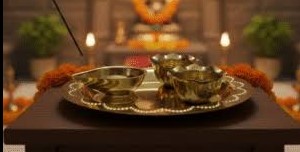 Auspicious Aarthi Ceremony Sets
 Celebration Sweet & Snack Packs
 Celebration Toast Beverage Packages
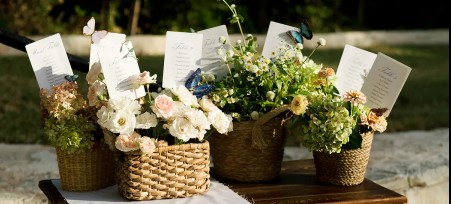 Ceremony Floral Baskets
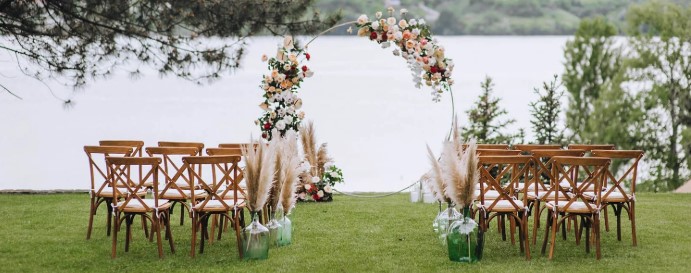 Ceremony Seating Mats
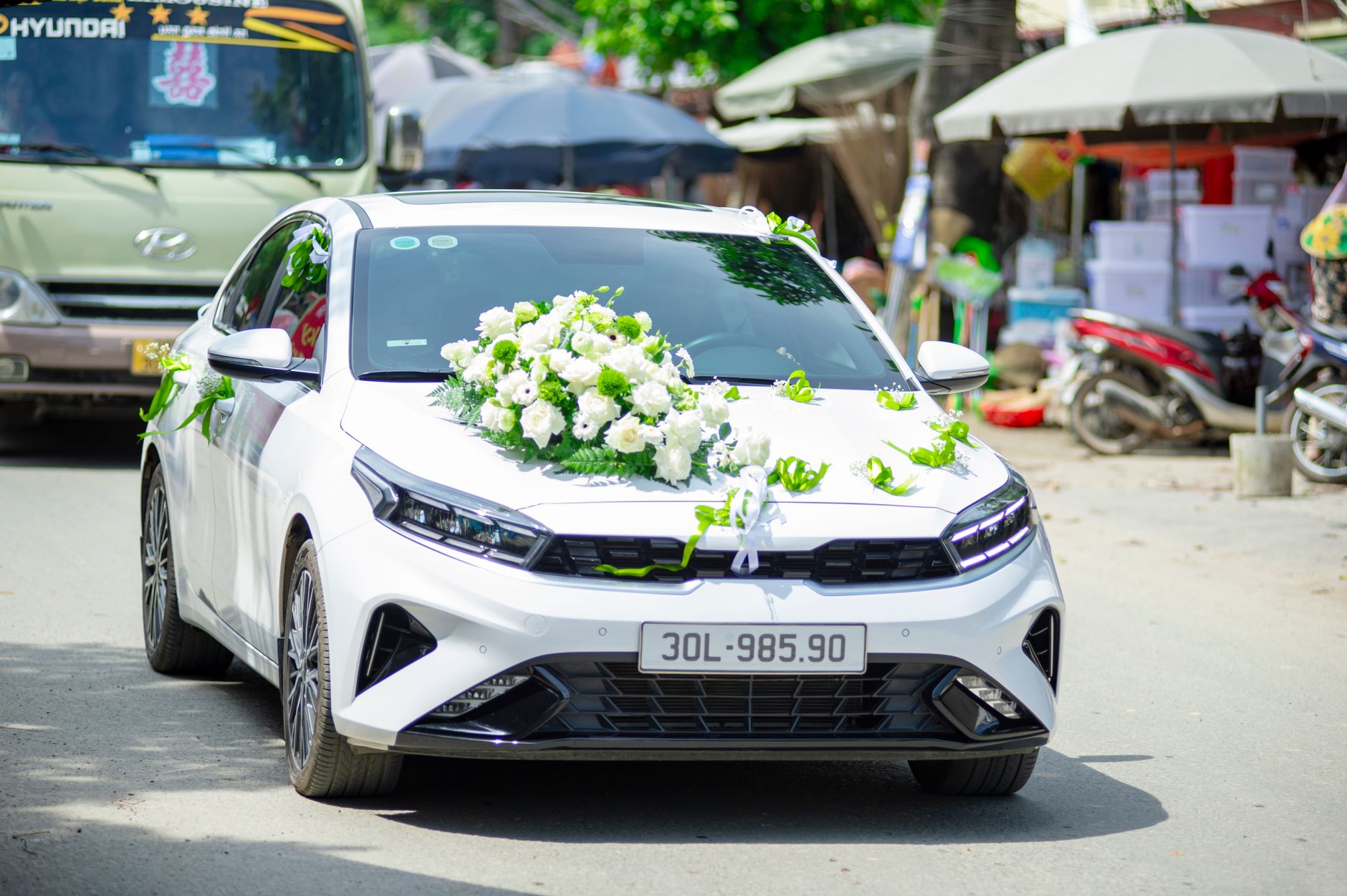 Ceremony Vehicle Floral Styling
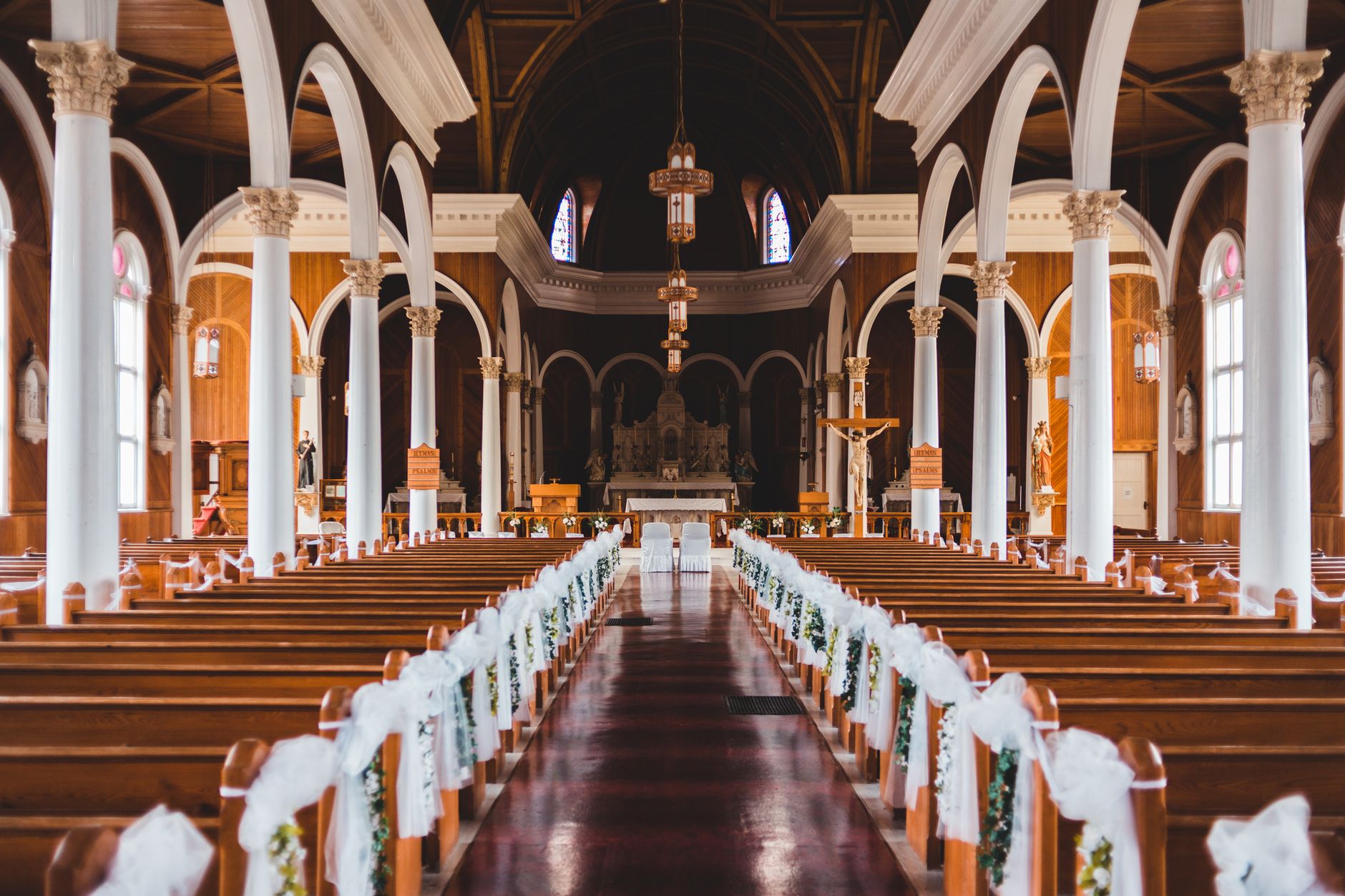 Christian Marriage Ceremony Officiants
 Cone Sweet Ceremony Displays
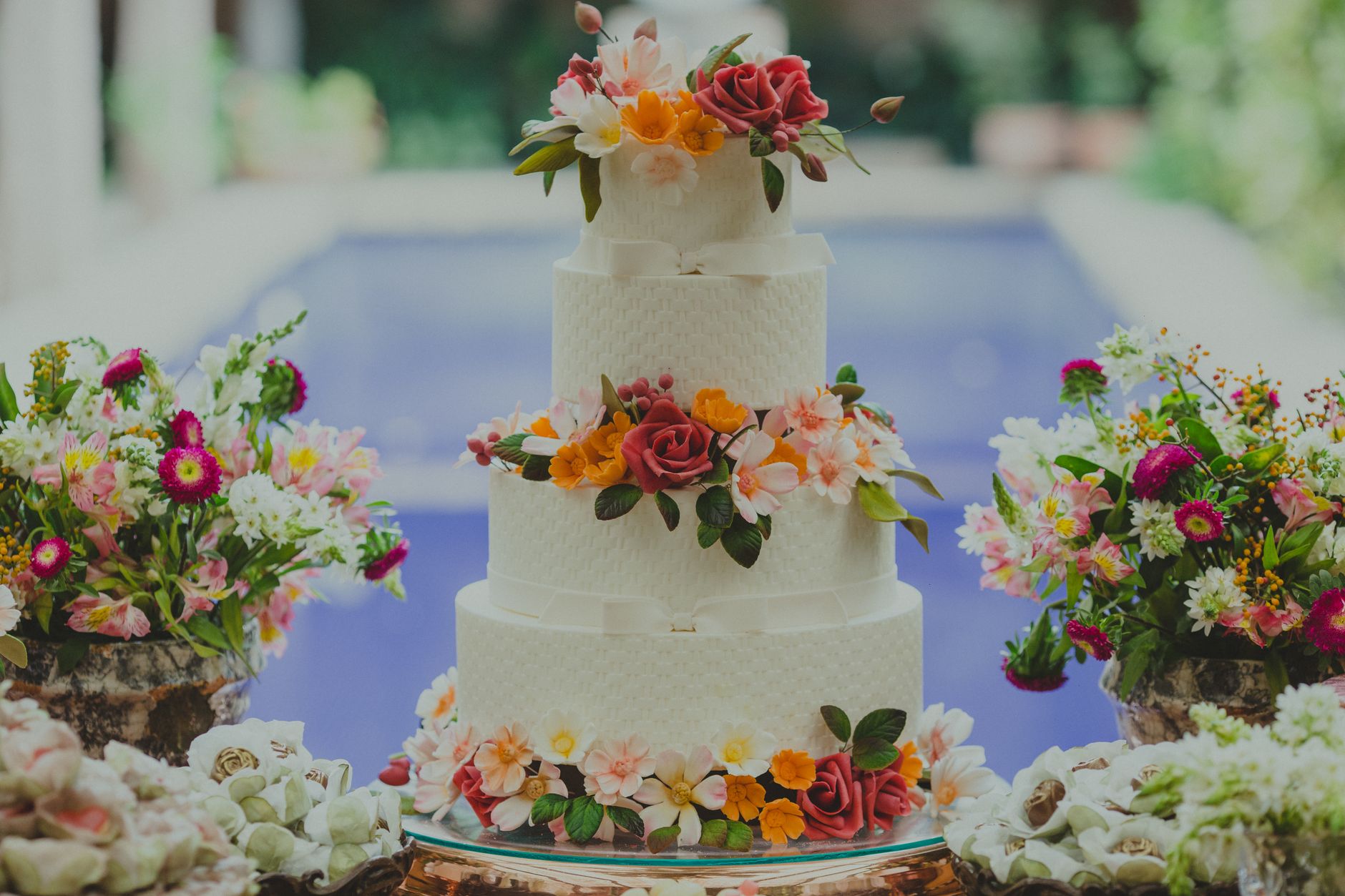 Custom Wedding Cake Designs
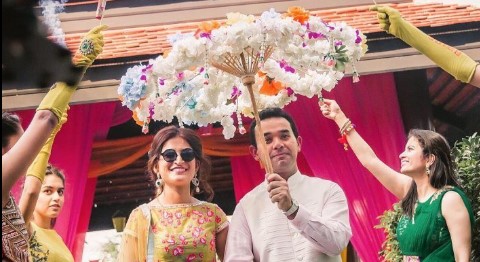 Decorative Kerala Ritual Umbrella Designs
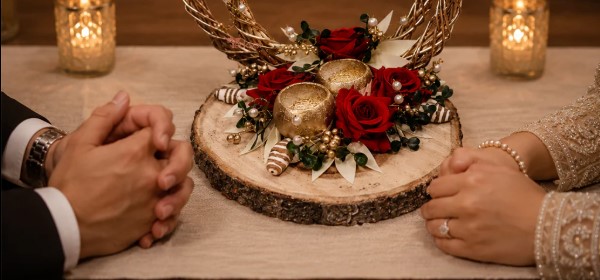 Decorative Ring Presentation Platters
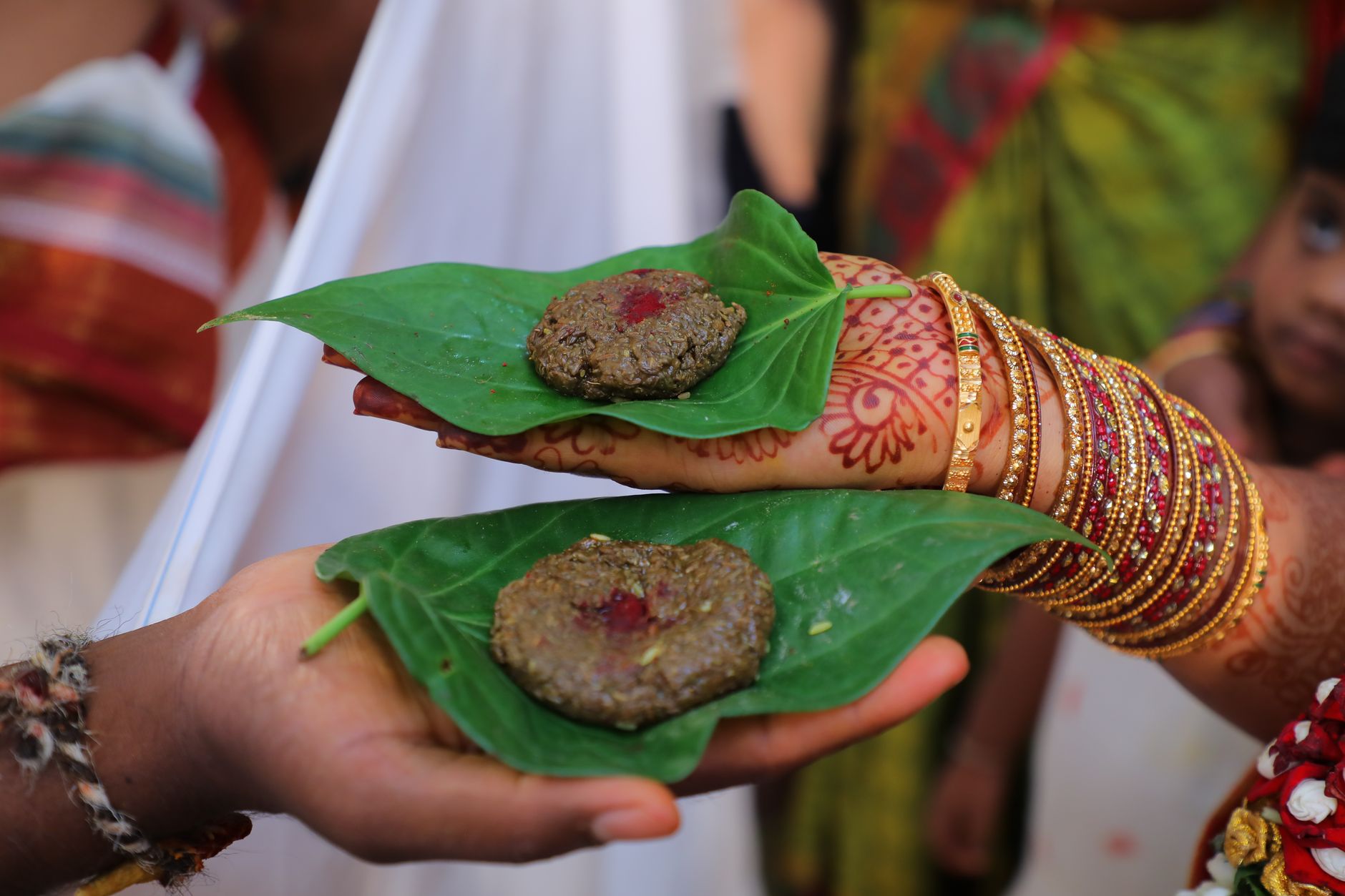 Decorative Ritual Thalam
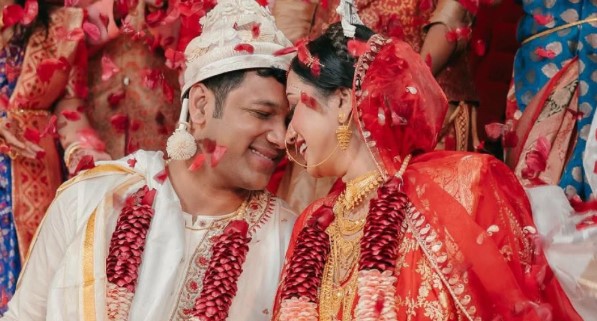 Decorative Varmala Arrangements
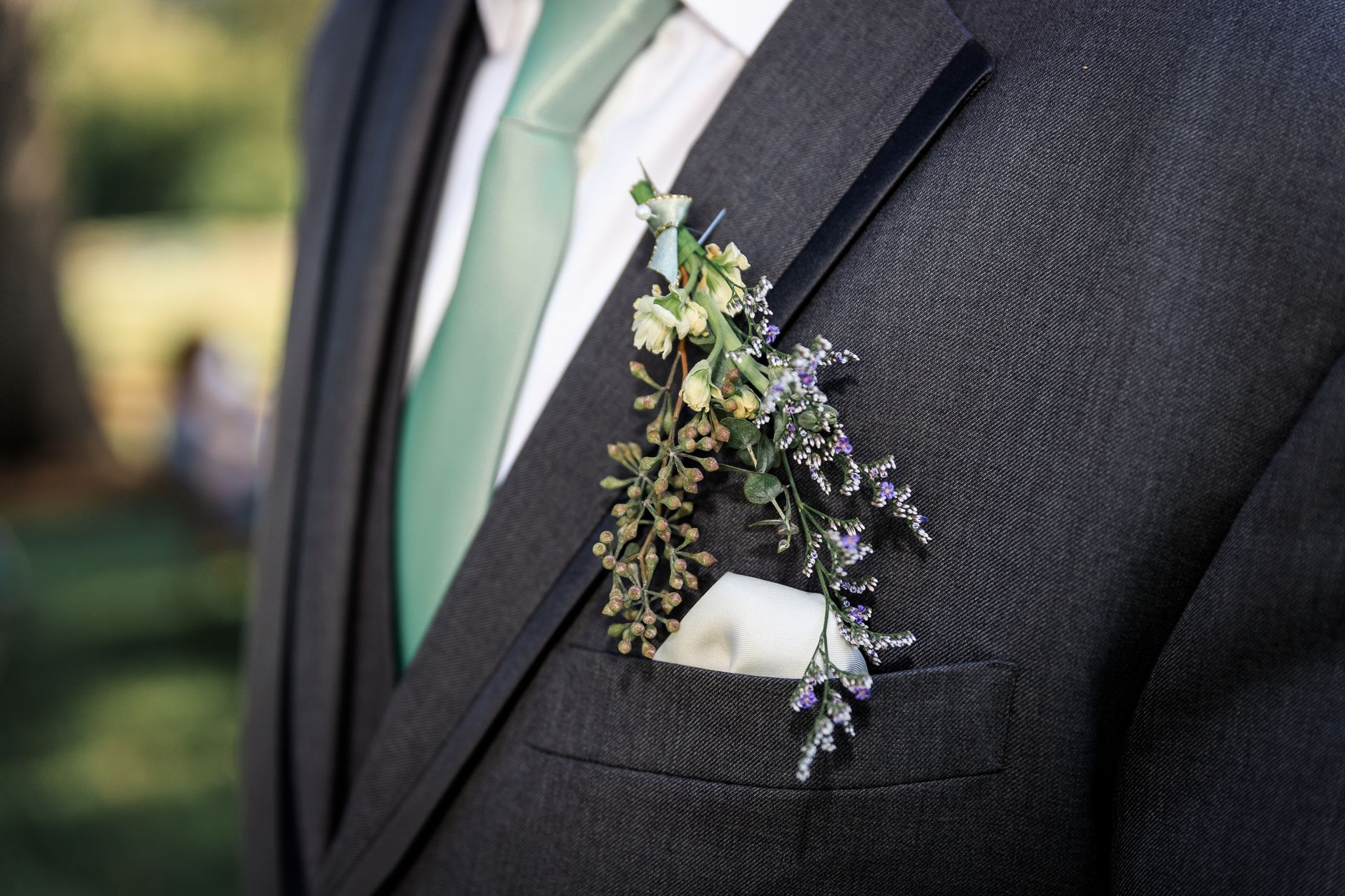 Groom Floral Lapel Accessories
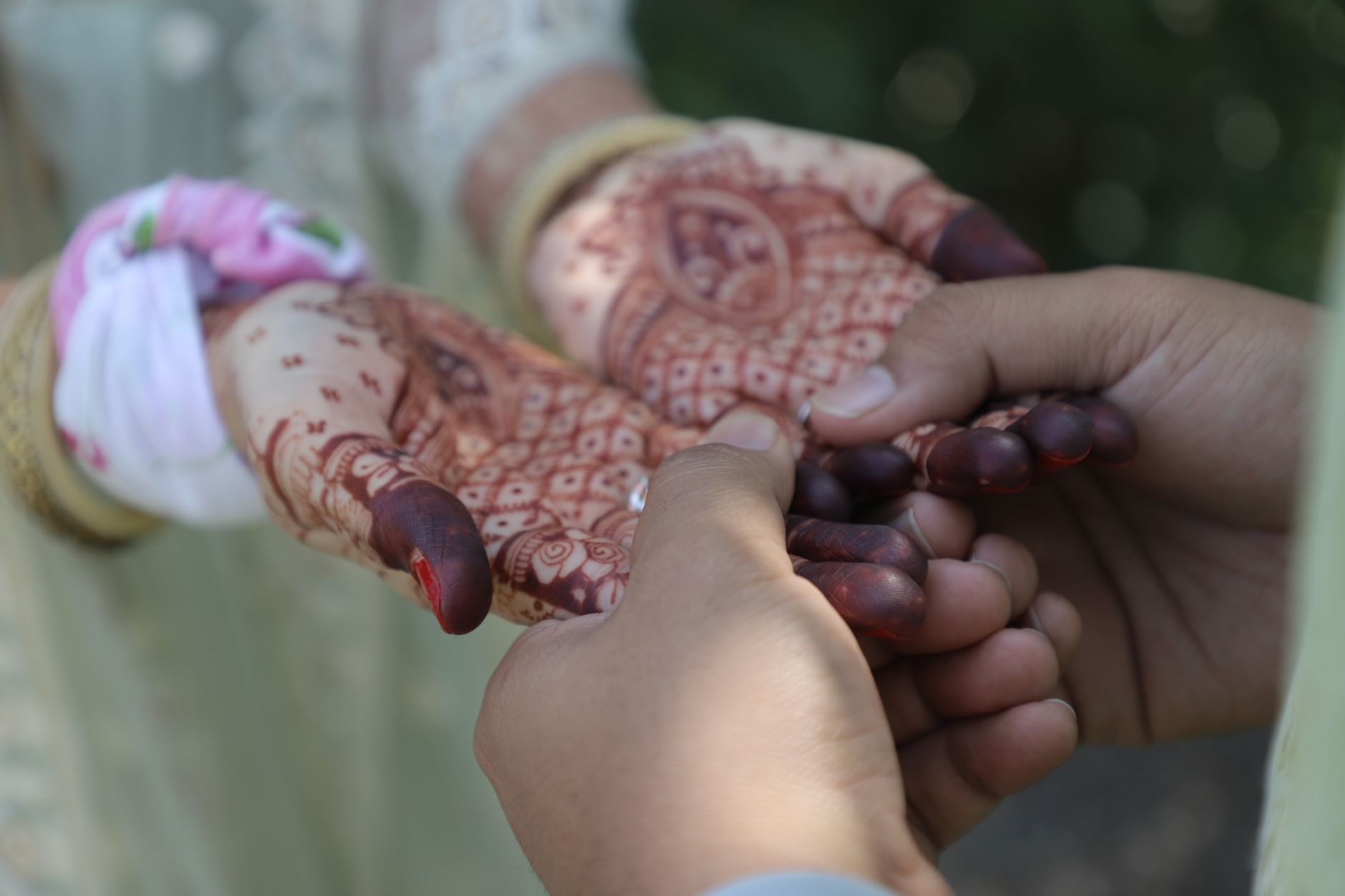 Gujarati Mangal Vidhi Supplies
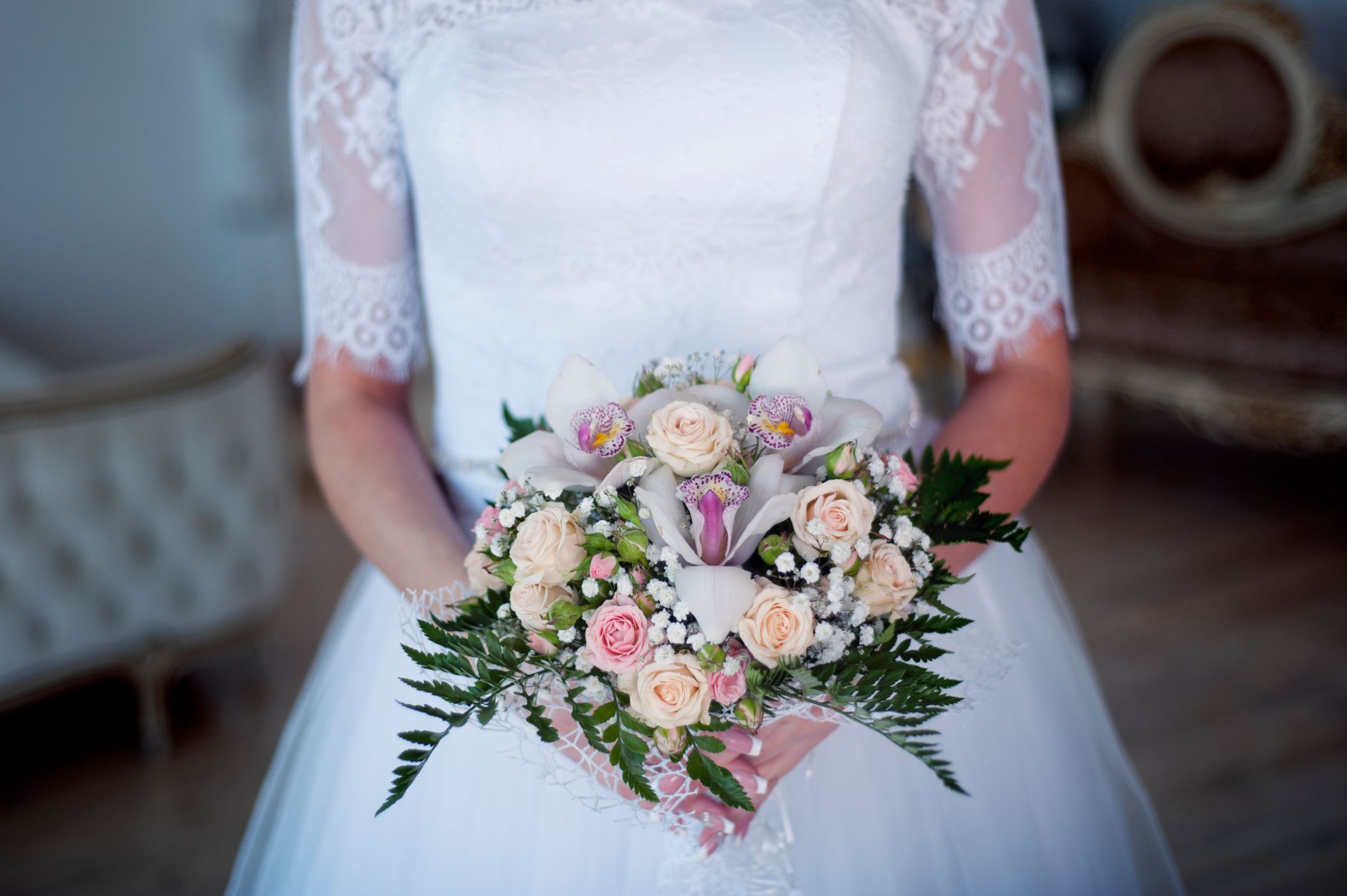 Hand-Tied Bridal Flowers
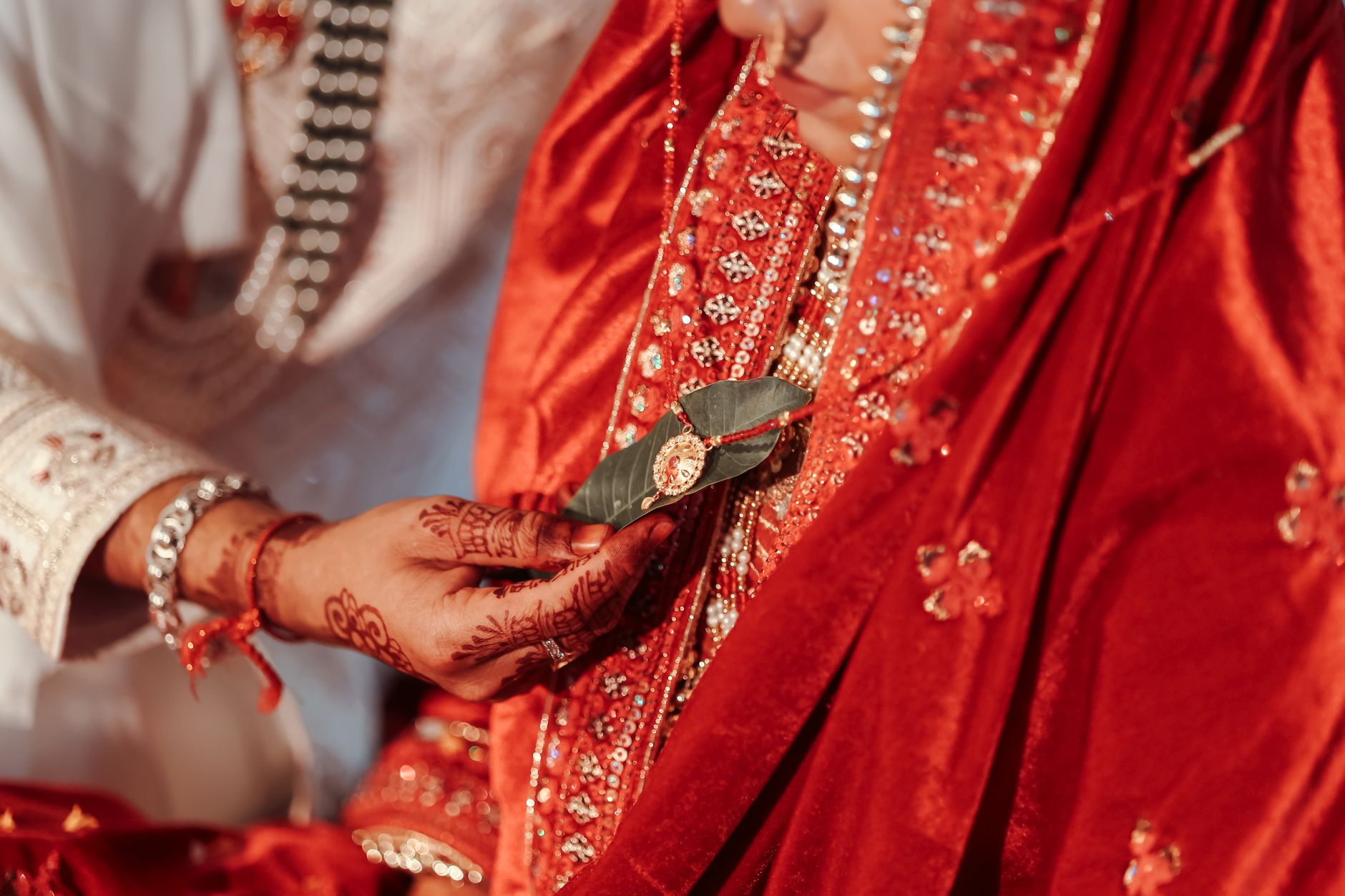 Kannada Maduve Puja Supplies
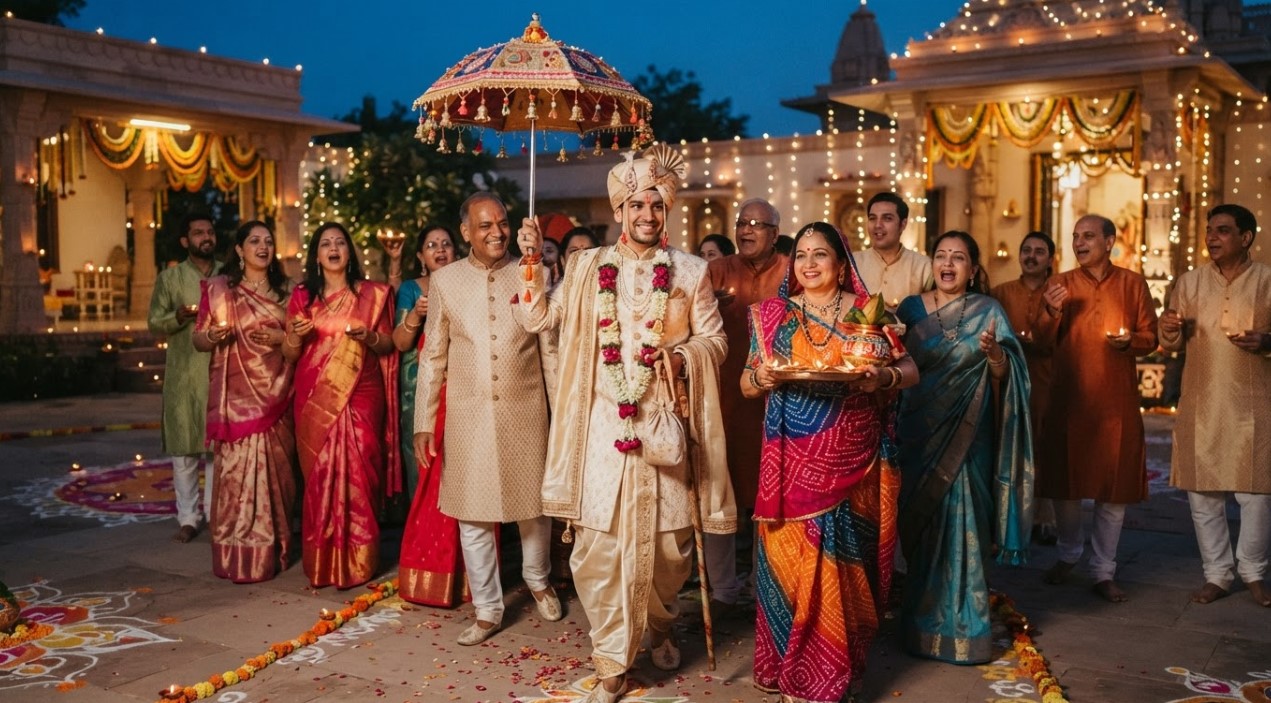 Kasi Yatra Ceremony Ritual Collection
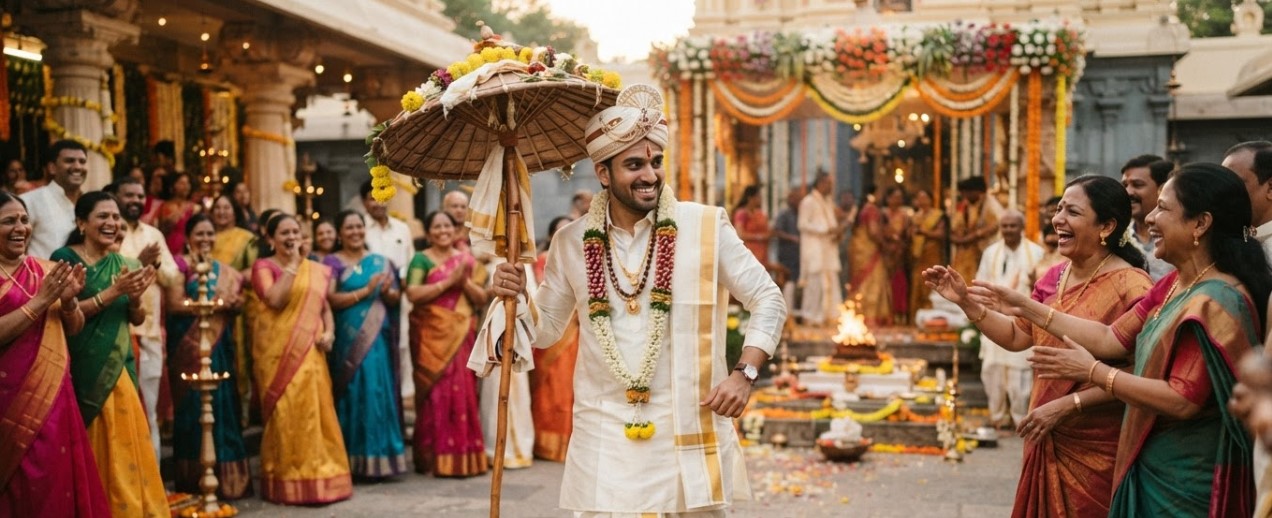 Kasi Yatra Ritual Accessories
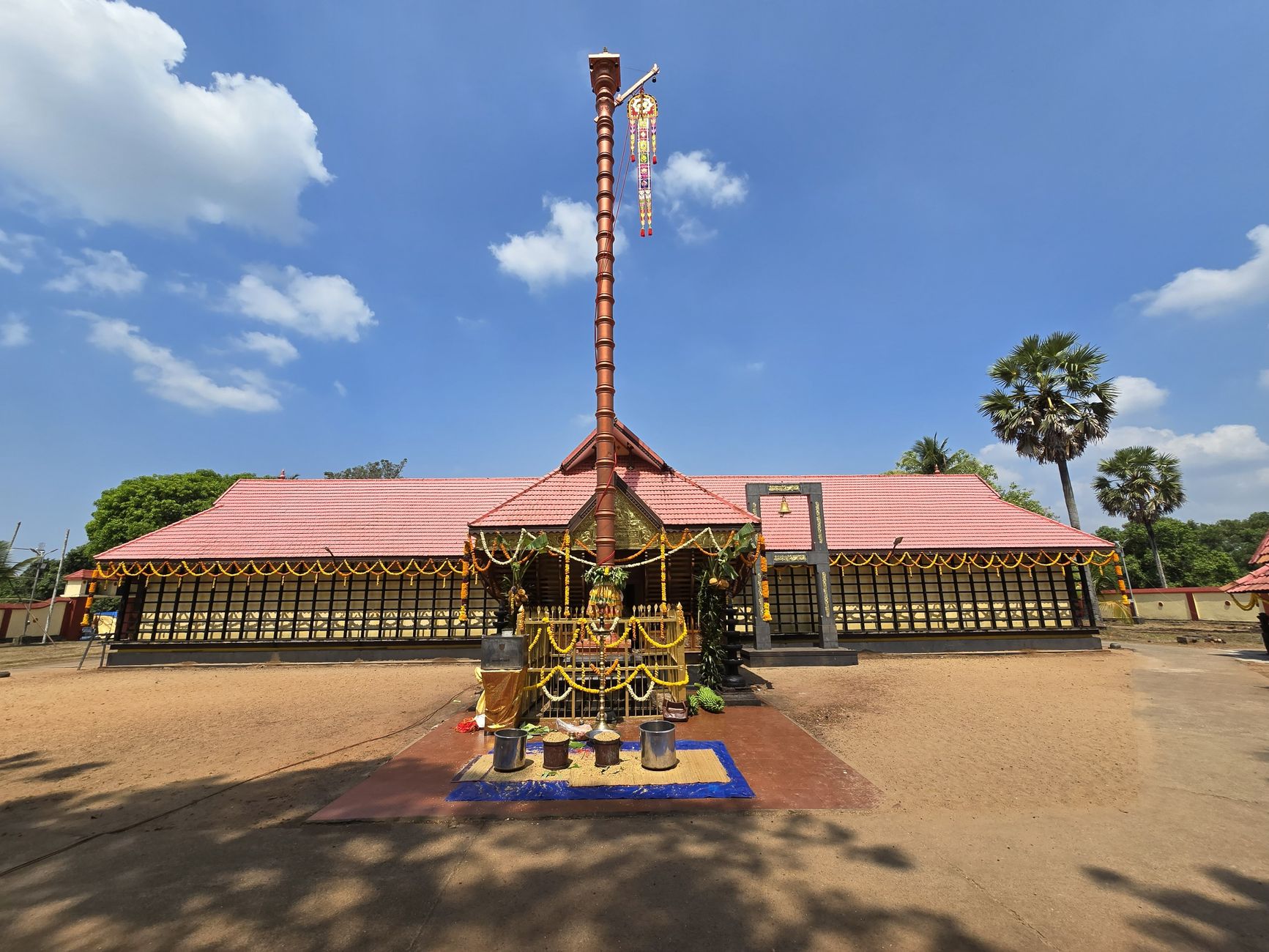 Kerala Ritual Venue Decoration Concepts
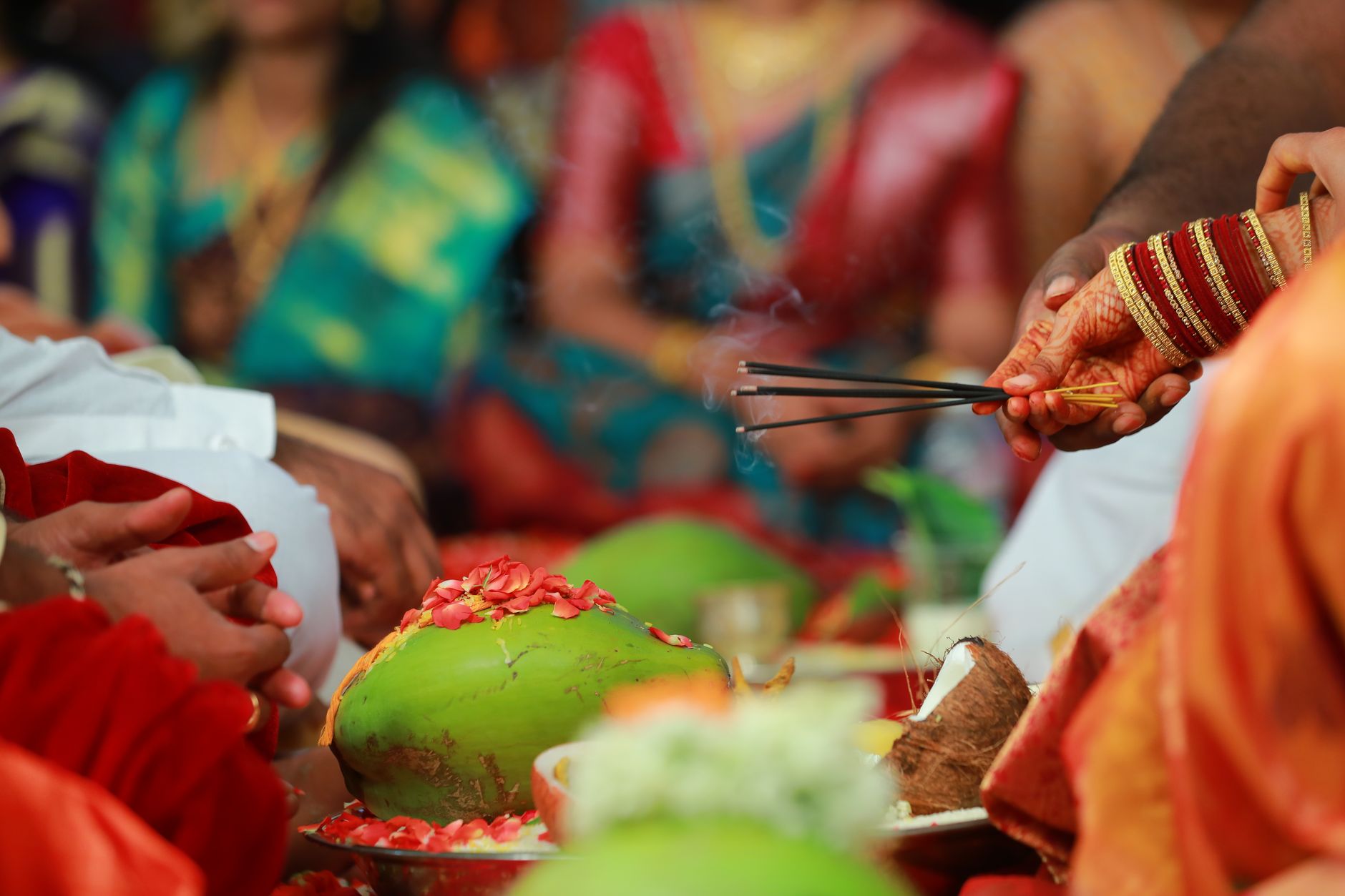 Kobbari Bunda Wedding Items
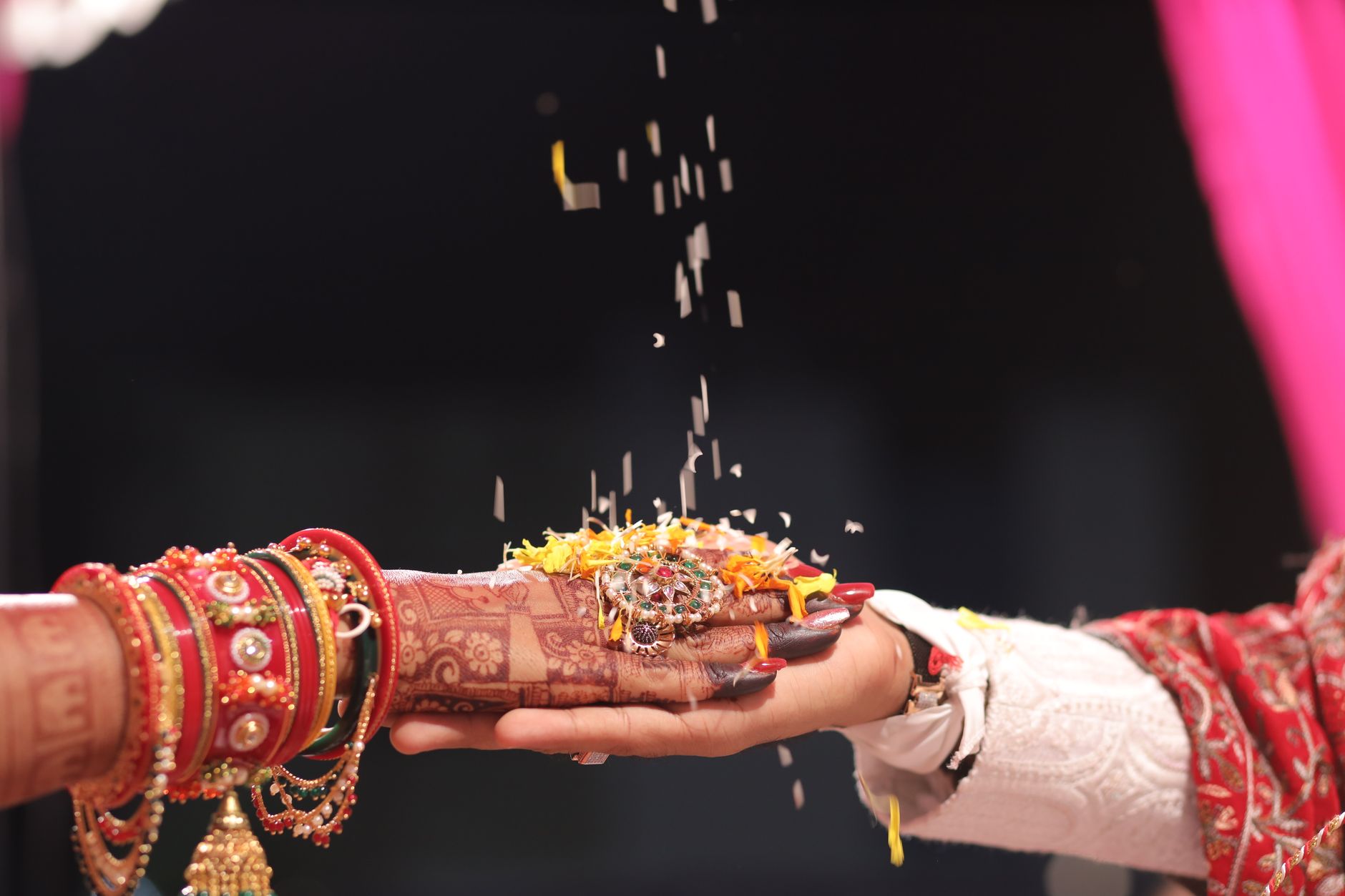 Marwari Kanyadaan Essentials
 Memorable Wedding Souvenirs
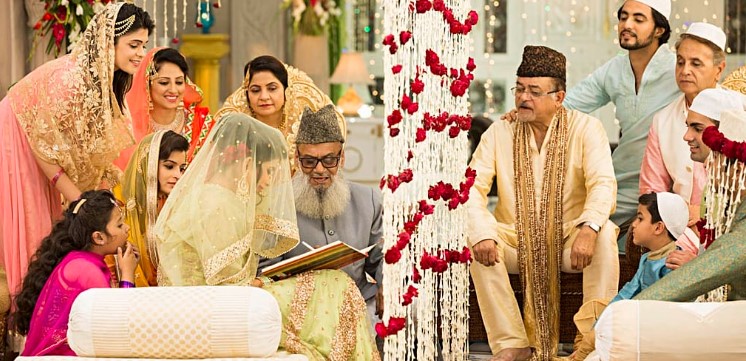 Muslim Wedding Ritual Coordination
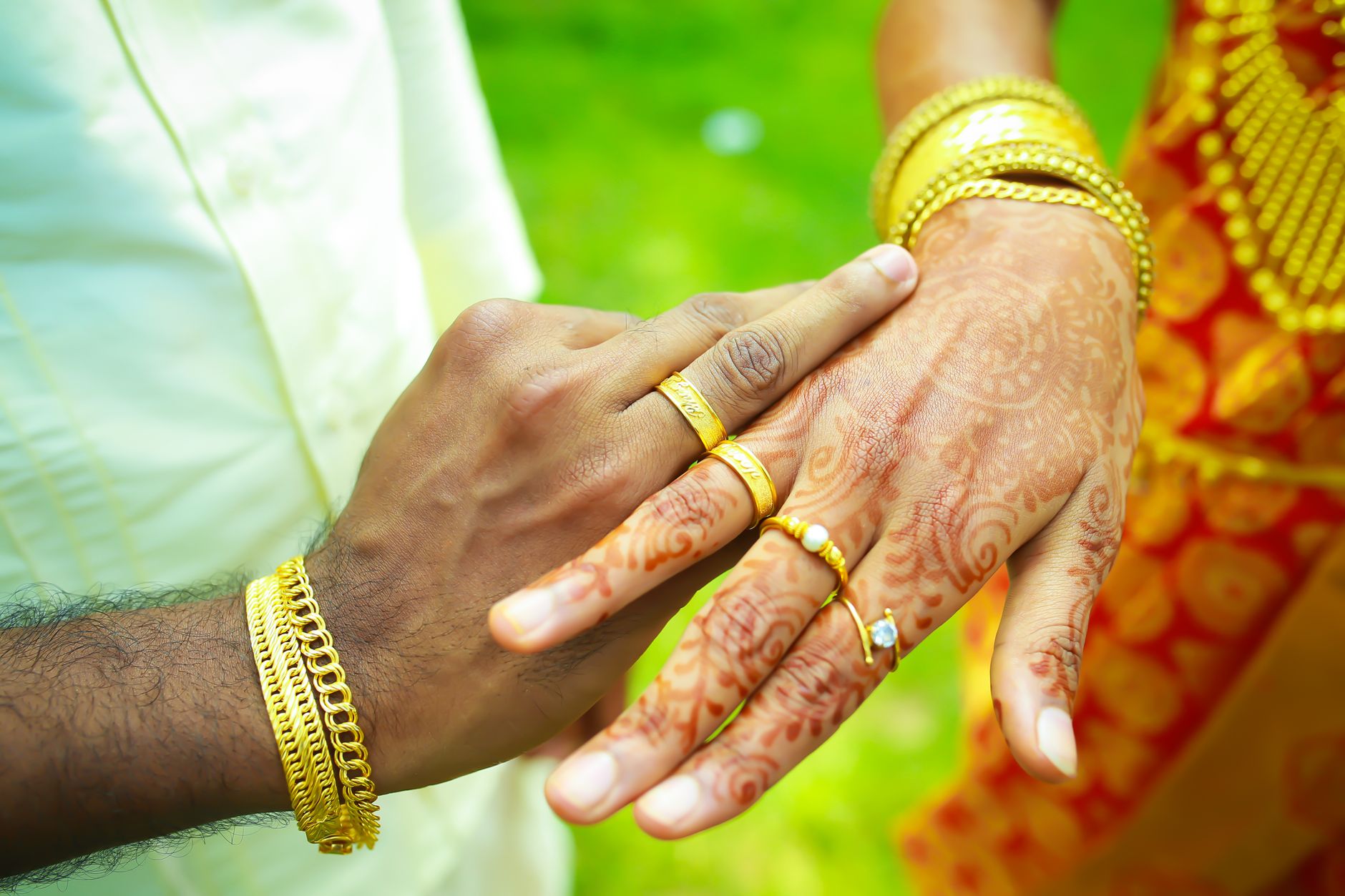 Nair Marriage Ceremony Supplies
 Namakaran Jhoola Hire
 Online Ceremony Broadcast
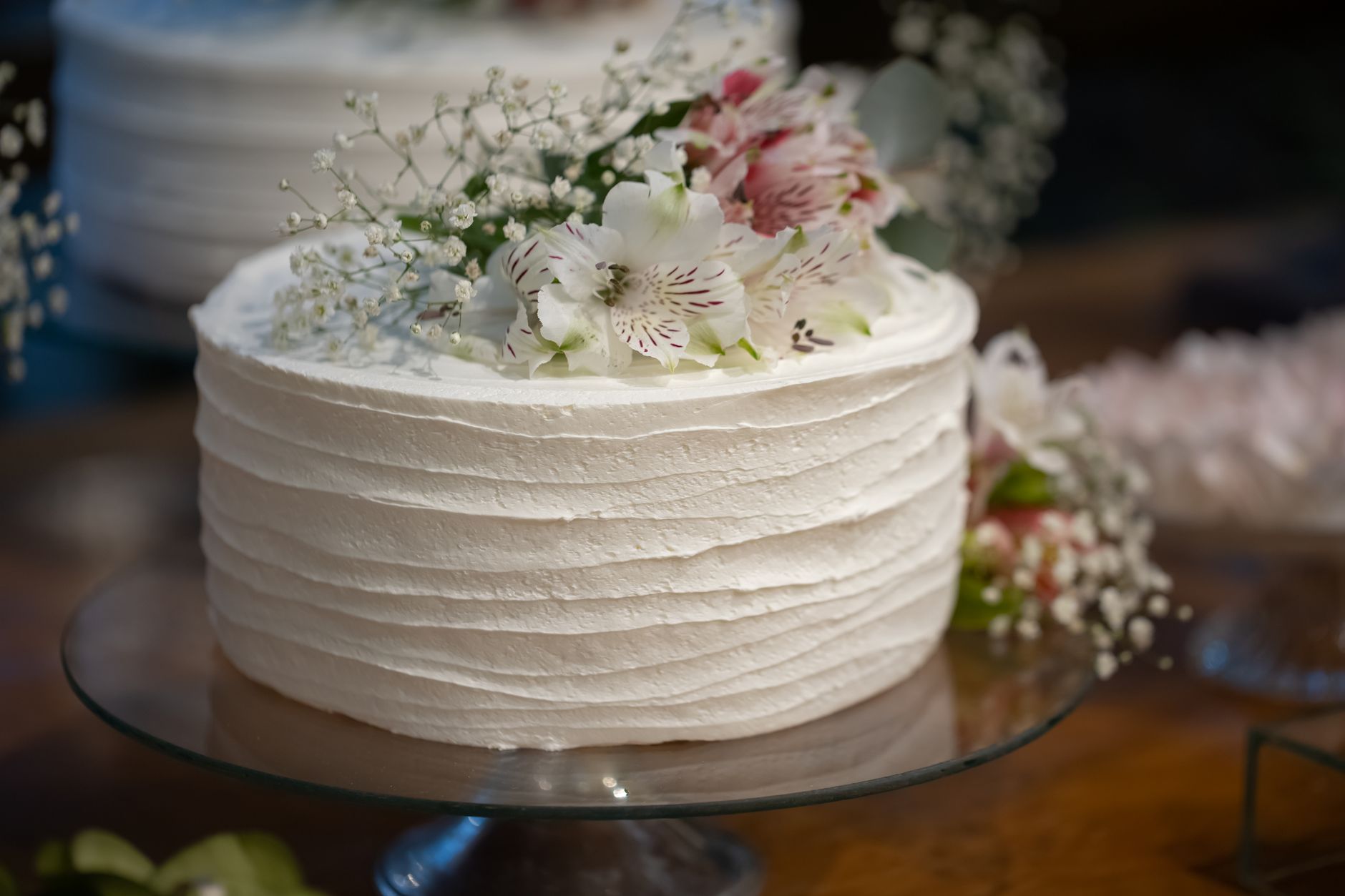 Personalized Wedding Cake Decor
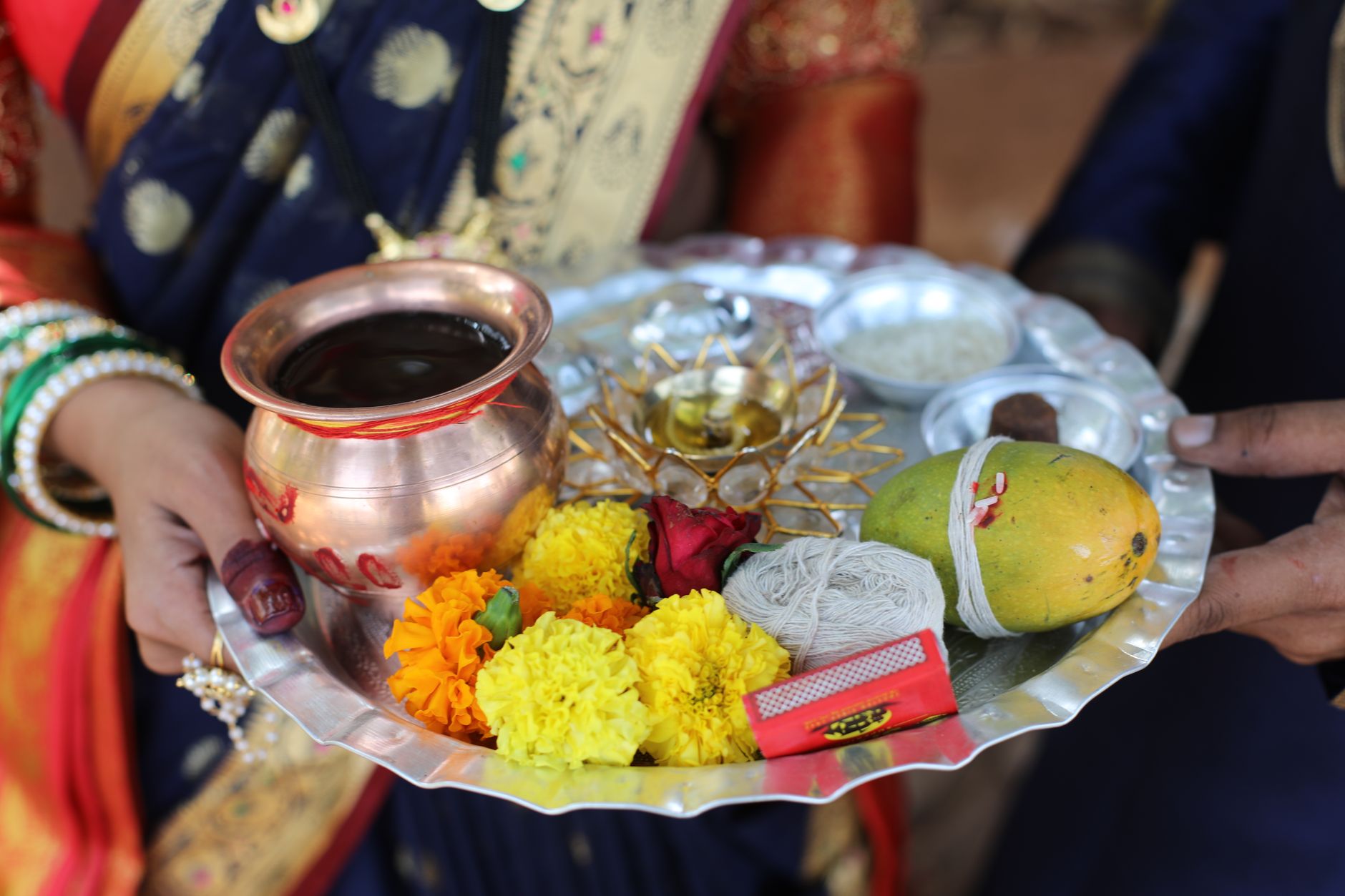 Ready Pooja Material Packs
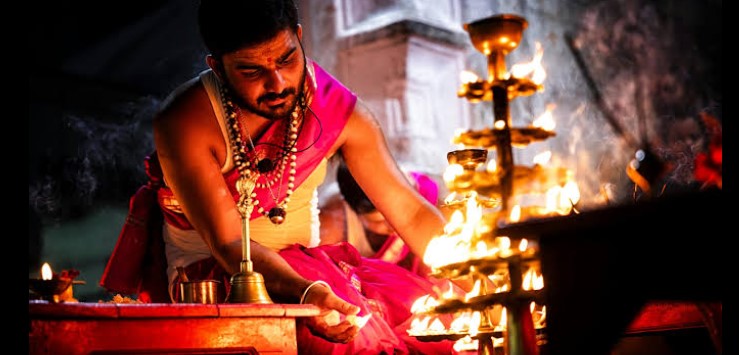 Religious Ritual Priest Services
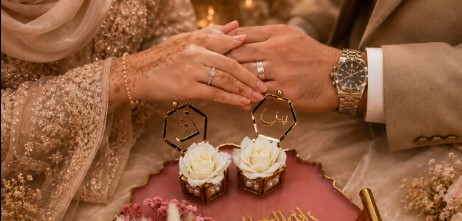 Ring Ceremony Presentation Trays
- 400+Curated Events
- 6Event Universes
- 1000+Verified Vendors
- 70+Locations
- 24/7Customer Support


Not sure which packages fits your celebration?
Let Hiya & Hanu help you find the perfect match!
Explore Celebration Packages- AI-Powered MatchingSmart suggestions for you
- Budget OptimizerGet the best experiences in your budget
- End-to-End SupportWe are with you at every step
Serving Celebrations across 75+ locations in India
Curated Religious Ceremonies for Meaningful Personalised Family Celebrations
◆Thoughtful Planning for Important Religious Occasions
Religious ceremonies often represent some of the most meaningful moments shared by families. They bring generations together, preserve cultural traditions and create opportunities to celebrate important milestones with faith and togetherness. Because every family has its own preferences and customs, careful planning can make the occasion feel more personal while respecting the traditions that give it significance.
Curated religious ceremonies focus on selecting the right combination of traditional practices, venue arrangements, décor, services and guest experiences. Rather than treating every event in exactly the same way, a curated approach considers the purpose of the ceremony, the family's expectations and the practical requirements of the celebration.
From a small family gathering at home to a larger religious function at a dedicated venue, thoughtful organisation can help every element work together. The objective is to create a respectful and welcoming environment where the ceremony remains central while supporting arrangements are handled smoothly.
Understanding What Makes a Ceremony Curated
A curated ceremony is built around purposeful choices. Instead of adding unnecessary features, families can identify the details that genuinely contribute to the occasion.
Curated religious ceremonies may involve selecting suitable flowers, traditional decorative elements, appropriate catering, experienced religious professionals and a venue that complements the ceremony. Each choice should support the overall experience rather than compete with the religious proceedings.
Personalisation can also be introduced through colours, floral preferences, family traditions, seating arrangements and guest facilities. Meaningful family elements can be included where appropriate, helping the occasion feel distinctive without changing essential religious practices.
The result is a celebration that feels considered from beginning to end.
Beginning With the Purpose of the Occasion
The first stage of curated religious ceremony planning is understanding why the family is gathering. A religious milestone, blessing, traditional ritual, family prayer, cultural celebration or important life event may each require a different planning approach.
Once the purpose is clear, families can identify the important religious requirements. This may include specific prayers, rituals, ceremonial items, participation by elders or particular timings.
Creating a simple list of essential requirements helps prevent important details from being overlooked. It also gives event professionals a clearer understanding of what the family expects.
The guest list should be considered at the same time. The number of attendees can influence venue selection, seating, catering, decoration and overall event logistics.
Selecting a Suitable Ceremony Venue
The venue provides the setting for the entire occasion, so it should be selected carefully. Depending on the religious tradition and ceremony format, families may choose a place of worship, private residence, community hall or dedicated event venue.
When comparing sacred event venues, consider the available ceremonial space, seating capacity, accessibility, parking and guest facilities. Families should also check whether the venue permits their preferred decorations, music, photography and other arrangements.
A smaller venue can create an intimate atmosphere for close family gatherings, while a larger function space may be more suitable when relatives and friends are travelling from different locations.
The venue should also support the practical flow of the ceremony. Guests should be able to move comfortably, and important ceremonial areas should remain accessible throughout the event.
Coordinating Religious Professionals
Religious professionals can play an important role in ensuring that traditional proceedings are conducted appropriately. Depending on the occasion, families may need priests, officiants or knowledgeable community members.
Priest and officiant services should be confirmed well before the ceremony date. Families should communicate the planned schedule and any specific requirements so that everyone understands their responsibilities.
If the ceremony includes several stages, a detailed timeline can help coordinate religious professionals with decorators, caterers, photographers and venue staff.
Good communication is particularly important when a ceremony follows specific traditional timings. Suppliers should understand when their work needs to begin and when ceremonial spaces must be ready.
Creating a Carefully Considered Décor Theme
Decoration can help establish the atmosphere of a religious celebration while remaining respectful of its purpose. Flowers, traditional fabrics, lamps, entrance arrangements, backdrops and coordinated seating décor can all contribute to the visual experience.
For curated religious ceremonies, decoration should be selected according to the character of the occasion rather than simply following current trends. Traditional colours, culturally meaningful flowers or family preferences can provide a strong foundation for the design.
The main ceremonial area should remain clear and uncluttered. Decorative installations should not restrict movement or interfere with important rituals.
Entrance decoration can welcome guests and introduce the event theme, while smaller floral arrangements can provide continuity throughout the venue.
Balancing Tradition With Personal Preferences
One of the strengths of curated religious ceremony planning is the ability to respect tradition while recognising the family's individual preferences.
Families may wish to preserve customs that have been followed for generations while introducing practical improvements for modern guests. Comfortable seating, organised guest reception areas, clear directions and convenient facilities can all improve the experience without changing the ceremony itself.
Family elders can provide valuable guidance about traditions and customary practices. Their knowledge can be combined with professional planning expertise to create an event that feels authentic and well organised.
This balance is particularly valuable when several generations are attending.
Planning Catering Around the Ceremony
Food is an important part of many religious and cultural gatherings. Catering arrangements should be planned according to the ceremony schedule, guest numbers and any traditional or dietary requirements.
Families should confirm the menu, serving arrangements and timings with the caterer well in advance. If the ceremony is lengthy, refreshments may need to be planned around specific stages.
The serving area should be positioned so that guests can access food comfortably without disrupting the main proceedings. Adequate seating and drinking water should also be available.
For larger gatherings, professional catering services can help manage preparation, serving and clearing efficiently.
Managing Guest Comfort and Accessibility
A carefully planned ceremony considers more than the main event. Guests may include older relatives, children and people travelling from different locations, so comfort should be part of the planning process.
Seating should be sufficient and positioned appropriately. Pathways should remain clear, while parking and entrance arrangements should be communicated clearly.
If the event takes place outdoors, families should consider weather conditions and have a practical alternative plan where necessary.
Invitations should provide the correct venue, date and timing information. Where relevant, guests can also receive guidance about dress expectations or ceremonial participation.
These simple measures can make the celebration more welcoming.
Organising Photography and Memories
Religious ceremonies often contain meaningful moments that families want to remember. Photography should therefore be planned with sensitivity to the ceremony.
Photographers should be informed about important stages beforehand so they can prepare without interrupting proceedings. Families can identify important group photographs and family combinations in advance.
Photography can cover both the formal ceremony and the wider celebration, including décor, family interactions and guest moments.
If video coverage is required, the same principle applies. Equipment should be positioned carefully so that it does not interfere with the ceremonial environment.
Choosing Event Services With Care
A curated celebration depends on choosing services that work well together. Religious ceremony organisers, decorators, caterers, photographers, florists and venue teams should understand the overall plan.
Families can compare providers based on experience, previous work, communication, service inclusions and pricing. It is useful to clarify setup times, delivery arrangements and additional charges before making final decisions.
Religious event vendors should also receive clear information about the ceremony schedule. This reduces the possibility of suppliers arriving too early, too late or without the equipment they need.
A central contact person can make communication easier, especially when multiple suppliers are involved.
Building a Practical Event Timeline
A clear timeline provides structure without making the occasion feel rushed. It can begin with venue preparation and supplier arrival before moving into guest arrival, the main religious proceedings, photographs, refreshments and any social activities.
Curated religious ceremony planning should include reasonable time allowances between important stages. Religious proceedings may occasionally take longer than expected, so a flexible schedule is preferable to an overly strict one.
Family members with specific responsibilities should receive the timeline in advance. This helps ensure that ceremonial items, guest arrangements and supplier coordination are handled on time.
For larger events, an event coordinator can oversee the schedule while family members participate in the celebration.
Keeping the Celebration Within Budget
Thoughtful curation does not require unnecessary spending. Families can create meaningful celebrations by prioritising the elements that matter most.
Essential religious requirements, venue costs and catering can be considered first. The remaining budget can then be distributed between décor, photography, floral arrangements and additional services.
When comparing quotations, families should look beyond the headline price. Check what is included, whether setup and delivery are covered and whether additional charges may apply.
A well-planned event can feel refined because the details are coordinated, not because every element is expensive.
Finding the Right Planning Support
Organising a religious occasion can become challenging when families are responsible for several suppliers and ceremonial requirements at the same time. Professional support can simplify the process.
Curated religious ceremonies can benefit from planning assistance that brings together venue arrangements, religious services, décor, catering, photography and guest management.
Happiffie can help families explore relevant event services and professionals according to their celebration requirements. Comparing suitable options makes it easier to create an event plan that reflects personal preferences while remaining practical.
Professional support can also allow family members to spend more time participating in the ceremony rather than managing logistics.
Creating a Celebration That Feels Meaningful
The best religious celebrations are built around meaning rather than unnecessary complexity. A carefully selected venue, respectful décor, reliable services and organised guest arrangements can all support the central purpose of the occasion.
Curated religious ceremonies give families the opportunity to honour established traditions while shaping the experience around their own needs. From intimate family functions to larger cultural gatherings, thoughtful preparation can make the event feel welcoming, organised and memorable.
By starting early, communicating clearly with suppliers and prioritising meaningful details, families can create an occasion that respects tradition while providing a comfortable experience for everyone attending.
Frequently Asked Questions
1. What are curated religious ceremonies?
Curated religious ceremonies are thoughtfully planned occasions where traditional religious requirements are combined with carefully selected venues, décor, services and guest arrangements.
2. What does curated religious ceremony planning involve?
It can involve understanding the ceremony requirements, selecting a venue, arranging religious professionals, coordinating décor and catering, managing suppliers and preparing the guest experience.
3. How can I personalise a religious ceremony?
Families can personalise suitable elements such as flowers, colours, décor, seating, photography and family traditions while keeping essential religious practices unchanged.
4. Which venues are suitable for religious ceremonies?
Places of worship, homes, community halls and dedicated event venues can all be suitable, depending on the ceremony requirements, guest numbers and family preferences.
5. How early should religious ceremony services be arranged?
Important services should ideally be booked well in advance, especially for popular dates, larger gatherings or ceremonies requiring specialist religious professionals.
6. What type of decoration is suitable for religious occasions?
Traditional flowers, fabrics, lamps, coordinated backdrops and culturally appropriate decorative elements can create a respectful and welcoming atmosphere.
7. How can I manage several ceremony suppliers?
Create a central event schedule containing supplier contacts, arrival times, setup requirements and responsibilities. A coordinator can also manage communication on the event day.
8. How can I plan a religious ceremony on a budget?
Prioritise essential religious arrangements, venue and catering first. Then allocate the remaining budget to décor, photography, flowers and optional services according to their importance.
9. Should photography be planned before the ceremony?
Yes. Discuss important ceremony timings and preferred family photographs with the photographer beforehand so that key moments can be captured without disrupting proceedings.