
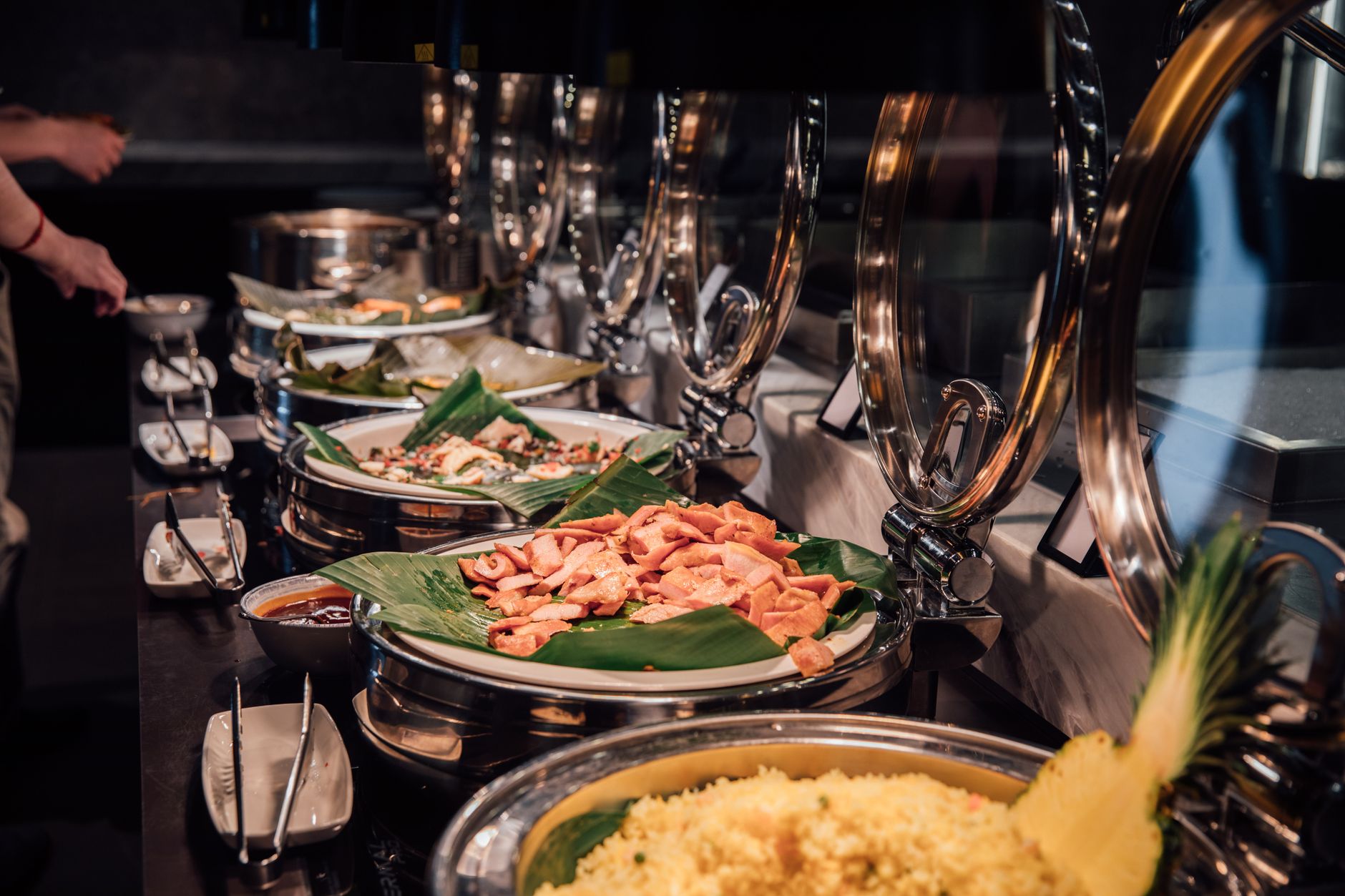
Smart Banquet Food Disposal in Vizag
Event Support in Vizag
Banquet Food Disposal in Vizag: Complete Guide
Banquet food disposal is one of the most overlooked yet critical aspects of wedding and event planning in Vizag. Whether you are hosting 200 guests at a beachfront bandar venue in Rushikonda or celebrating a family milestone at a banquet hall in Dwaraka Nagar, what happens to leftover food after the feast matters deeply — ethically, legally, and logistically. Thoughtful event leftover food handling reduces waste, avoids venue penalties, and can even nourish underprivileged communities through food donation after wedding initiatives that are growing in popularity across Vizag's event circuit. Happiffie helps you plan every detail, including sustainable event planning practices that make your celebration truly complete.
Quick Answer
Banquet food disposal refers to the organised removal, redistribution, or safe discarding of leftover food after a banquet, wedding, or large event. In Vizag, this typically involves coordinating with the caterer, venue management, and NGOs or food-rescue organisations. Responsible disposal prevents health hazards, avoids municipal waste fines, and allows surplus food to reach those in need. Planning it in advance — before the event date — is strongly recommended.
Why Is Banquet Food Disposal a Critical Part of Event Planning in Vizag?
Most Vizag families spend weeks perfecting the menu but rarely spare a thought for what happens to the remaining biryani and sweets after the last guest leaves. Banquet food disposal is not merely a housekeeping task — it directly affects your venue security deposit, neighbourhood sanitation rules, and your family's social reputation. Venues in areas like MVP Colony and Siripuram increasingly include explicit waste-management clauses in their rental agreements, and failing to comply can mean forfeiture of deposits amounting to tens of thousands of rupees. Beyond the financial angle, improper post-event food clearance can attract municipal health department notices. Planning disposal in advance signals maturity and responsibility to your venue partner, your caterer, and your community. Sustainable event planning begins the moment you finalise your guest count and menu, not after the plates are cleared.
What Are the Main Methods of Banquet Food Disposal Available in Vizag?
Vizag event organisers broadly have four disposal pathways. First, food donation after wedding ceremonies is the most socially impactful option — local NGOs, orphanages near Gajuwaka, and old-age homes in Kommadi actively accept packed, unserved surplus food if contacted in advance. Second, catering waste removal by the hired caterer themselves, where the vendor takes back surplus raw ingredients and pre-cooked items for safe disposal or redistribution within their own network. Third, municipal solid-waste handover, where packaged food waste is handed to GVMC (Greater Visakhapatnam Municipal Corporation) collection vehicles following the mandated wet-waste segregation protocol. Fourth, biogas or composting tie-ups, an emerging eco-friendly catering Vizag trend where venues partner with composting units near Bheemunipatnam to convert organic waste into manure. Each method suits a different event scale and budget.
How Much Does Professional Post-Event Food Clearance Cost in Vizag?
Costs for post-event food clearance in Vizag vary based on event scale and the disposal method chosen. For a typical 300-guest wedding, basic catering waste removal by the caterer's team is often bundled into the catering package at no extra charge — confirm this explicitly in your contract. Engaging a third-party waste-management service for banquet food disposal adds roughly INR 3,000 to INR 8,000 depending on the volume of food, the venue's location (rates are slightly higher for venues in remote areas like Bheemunipatnam versus central Dwaraka Nagar), and whether refrigerated transport is needed for food-donation runs. NGO-facilitated food donation programmes are usually free or carry a nominal coordination fee of INR 500 to INR 1,500. Zero waste wedding packages offered by a handful of premium Vizag event planners bundle disposal, donation, and composting into one service priced between INR 12,000 and INR 25,000 for large weddings above 500 guests.
Wedding Food Waste Management: How Much Food Is Actually Left Over?
Industry observation across South Indian weddings suggests that between 15% and 30% of prepared food goes unconsumed at a typical banquet, depending on menu variety and guest punctuality. A 400-guest Telugu or Kannada wedding in Vizag with a traditional Sapta course meal can generate upward of 80 to 120 kilograms of leftover cooked food. Wedding food waste management therefore is not a fringe concern — it is a substantial logistical responsibility. Effective planning involves pre-ordering food quantities using a per-head calculation agreed upon with your caterer, building in a 10% buffer (not 30%), and designating a trusted family member or wedding coordinator as the disposal point-of-contact on the event day. Event leftover food handling is far easier when one person owns the responsibility rather than everyone assuming someone else will manage it.
How Can You Make Banquet Food Disposal More Eco-Friendly and Socially Meaningful?
The most impactful approach to banquet food disposal in Vizag combines food rescue with composting. Identify an NGO or community kitchen at least two weeks before your event and share your estimated surplus quantity and food types. Many Vizag-based trusts near Gajuwaka and Scindia collect food in refrigerated vans if the quantity justifies the trip. Coordinate timing with your caterer so that surplus food is packed hygienically in sealed containers within two hours of service — food safety regulations in Andhra Pradesh require this window for safe redistribution. For residual waste that cannot be donated, eco-friendly catering Vizag vendors can arrange biocompostable bag collection. Integrating sustainable event planning into your overall event brief also signals your values to guests, many of whom increasingly appreciate families that turn celebration into community service. A zero waste wedding is achievable in Vizag with the right planning partner and vendor coordination.
Banquet Food Disposal Methods in Vizag: A Practical Comparison
Expert Recommendation
Best for intimate celebrations (under 100 guests)
Best for mid-size weddings (100–300 guests)
Best for large weddings (300–600 guests)
Best for budget-conscious families
Best for eco-conscious couples
Best for large-scale destination events at Vizag beachside venues
How to Choose the Right Option
✅ Pre-booking Checklist
- Confirm in writing whether your caterer's contract includes post-event food clearance or if it is an add-on
- Contact at least one Vizag NGO or community kitchen 4–6 weeks before the event to register for food rescue
- Review your banquet hall's waste-management clause to understand what is required to retain your security deposit
- Ask your caterer to use sealed, food-safe containers for packing surplus within 2 hours of service completion
- Designate one coordinator — family member or wedding planner — as the sole point of contact for disposal on the event day
- Verify that your chosen venue area (e.g. Rushikonda, RK Beach) does not have additional coastal waste regulations
- Decide your composting or eco-friendly disposal route at least 3 weeks in advance if pursuing a zero waste wedding
- Cross-check surplus food quantity estimates with your caterer one week before the event to refine the redistribution plan
🎯 Selection Criteria
- Venue location and its specific municipal waste norms (GVMC ward requirements vary across Vizag)
- Guest count and expected food surplus volume — determines whether a professional service is needed
- Caterer's existing waste-management practices and willingness to pack food for donation
- Budget available for third-party banquet food disposal beyond the catering contract
- Your sustainability priorities — social impact through donation versus environmental impact through composting
- Timeline for venue handover — tight handover windows require a pre-arranged disposal crew on standby
💰 Cost / Quality Factors
- Event scale: costs and complexity of wedding food waste management scale directly with guest count
- Venue type: premium halls in Dwaraka Nagar or beachside venues near Rushikonda carry stricter waste obligations
- Caterer professionalism: experienced Vizag caterers often have informal NGO or composting tie-ups already in place
- Food type and perishability: seafood and dairy-heavy menus require faster redistribution than dry snacks
- Advance planning: last-minute arrangements cost 30–50% more and result in fewer eco-friendly options
- Security deposit at risk: venues can forfeit deposits of INR 10,000–50,000 for poor waste handover
⚠️ Common Mistakes to Avoid
- Assuming the caterer will handle all disposal without confirming it in the written contract
- Ordering 25–30% extra food as a buffer instead of using accurate per-head calculations — inflating waste and cost
- Contacting an NGO on the event day and expecting immediate food collection without prior registration
- Ignoring GVMC wet-waste segregation rules and mixing food waste with dry rubbish — a common cause of venue fines
- Leaving post-event food clearance decisions to the day itself rather than briefing the coordinator team in advance
- Choosing only the cheapest disposal option without checking if it meets the venue's contractual waste-management requirements
People Also Ask
Who is responsible for banquet food disposal at a Vizag wedding — the family or the caterer?
Can leftover wedding food be donated to NGOs in Vizag on the same night?
What happens if a Vizag banquet hall finds food waste left on premises after an event?
How early should I plan banquet food disposal for a 500-guest Vizag wedding?
Is a zero waste wedding actually achievable in Vizag?
Does Vizag's GVMC have specific rules about wet food waste from events?
What is the typical quantity of food wasted at a South Indian banquet in Vizag?
Are there banquet food disposal services specifically available in Vizag?
Related Experiences on Happiffie
Zero Waste Events in Chennai
Feed More, Waste Nothing in Pune
Clean Events, Greener Mumbai Celebrations
Clean Up After the Celebration
Green Events, Smart Planning
Gift Green, Celebrate Beautifully
Feed More, Waste Less in Noida
Green Favours for Sacred Occasions
Frequently Asked Questions
What does banquet food disposal actually include for a Vizag wedding?
How do I find NGOs in Vizag that accept leftover wedding food?
Is banquet food disposal mandatory or just a best practice in Vizag?
Can my caterer in Vizag handle post-event food clearance on their own?
How much food is typically left over at a Vizag banquet, and why does it matter?
What is a zero waste wedding and is it realistic in Vizag?
How does Happiffie help with banquet food disposal in Vizag?
Are there additional costs for eco-friendly banquet food disposal in Vizag?
Key Takeaways
- Banquet food disposal in Vizag requires advance planning — ideally starting 4 to 6 weeks before the event date.
- Wedding food waste management includes three responsible pathways: food donation to NGOs, professional catering waste removal, and composting or biogas tie-ups.
- Third-party post-event food clearance services in Vizag typically cost INR 3,000–8,000 for mid-size events; NGO food rescue is often free with advance coordination.
- GVMC mandates wet-waste segregation at events — non-compliance can result in venue fines or security deposit deductions.
- Designating a single disposal coordinator for the event day dramatically improves the effectiveness of event leftover food handling.
- Eco-friendly catering Vizag vendors and sustainable event planning packages are growing in availability, making zero waste weddings increasingly feasible.
- Accurate food quantity ordering with a 10% buffer (not 25–30%) is the single most effective way to reduce banquet food waste before disposal even becomes necessary.
Plan Responsible Banquet Food Disposal for Your Vizag Event
Connect with Vizag's best caterers, waste-management coordinators, and food-rescue partners through Happiffie — and make your celebration meaningful from first course to final cleanup.
Explore Event Support
Are you a Vendor? Grow Your Business with Happiffie!
- High intent verified leads
- Reverse auction opportunities
- AI business tools & insights
- Dedicated vendor dashboard
- Grow your business, your way
It's free & takes less than 2 minutes!