

Explore All Religious Ceremonies
Discover traditional rituals, wedding ceremonies, spiritual occasions and meaningful cultural celebrations in Chennai, with trusted services to honour every tradition.
Give Thoughtfully,
Celebrate with Happiffie
From personalised gifts and curated collections to thoughtful presents for every occasion, Happiffie helps you discover gifting options that make celebrations more meaningful and memorable.
- Thoughtful Gift DiscoveryFind gifting options suited to every celebration and occasion
- Personalised GiftingDiscover customised gifts made to create meaningful moments
- Trusted Gift ProvidersConnect with reliable gifting professionals and service providers
Popular Religious Ceremonies
 Balloon Car Decoration
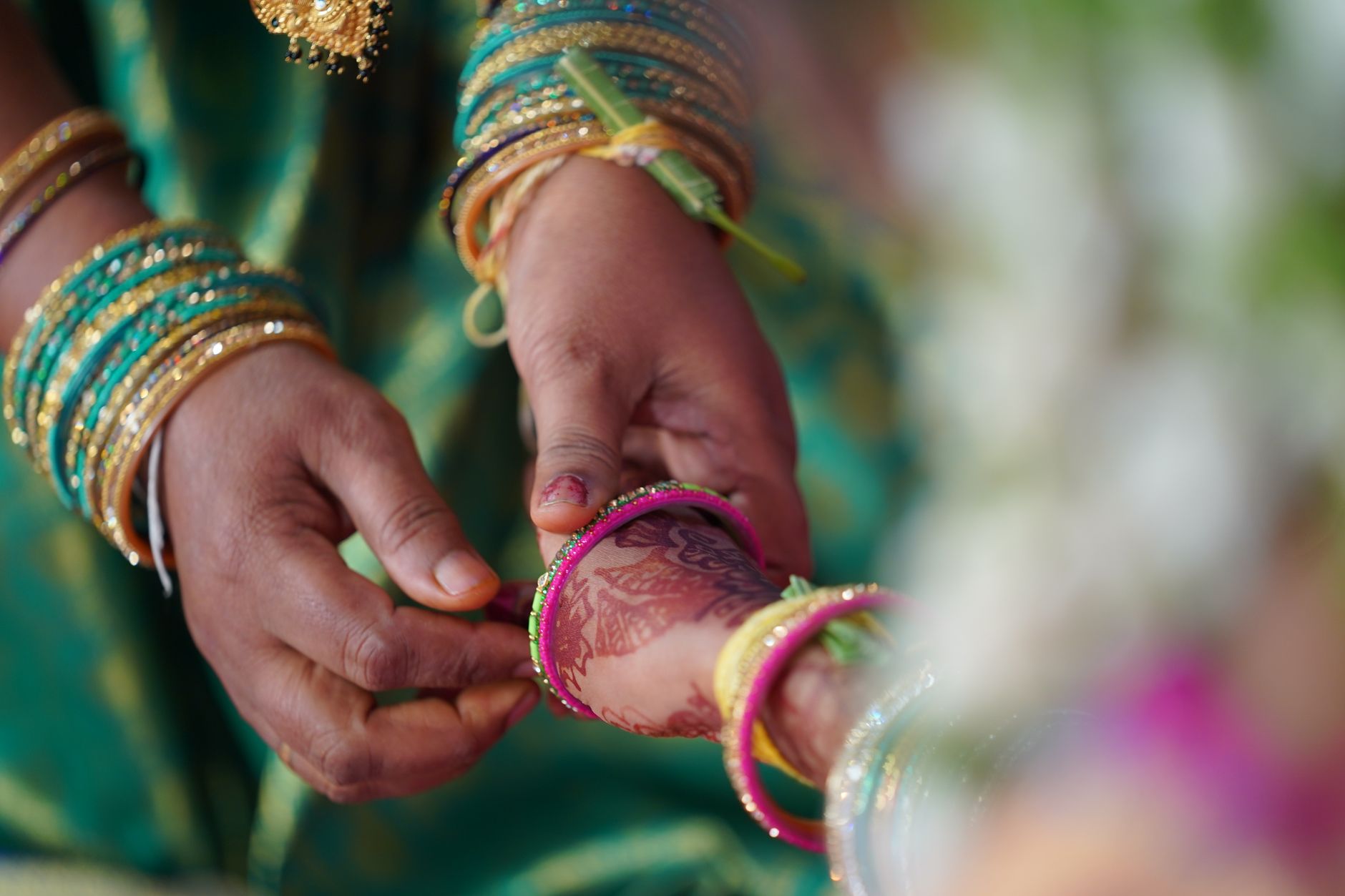 Brahmin Kasi Yatra Items
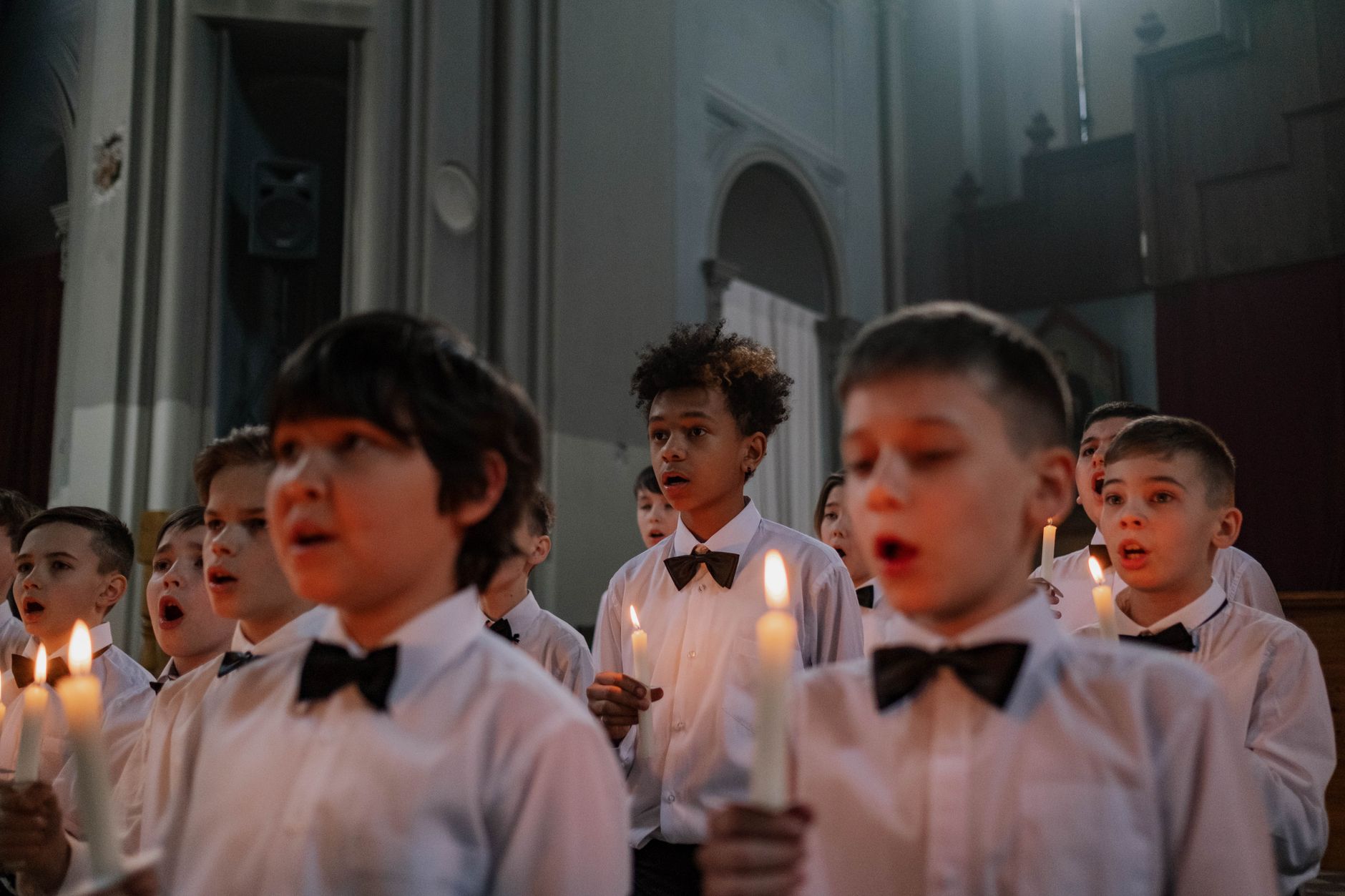 Church Vocal Ensemble
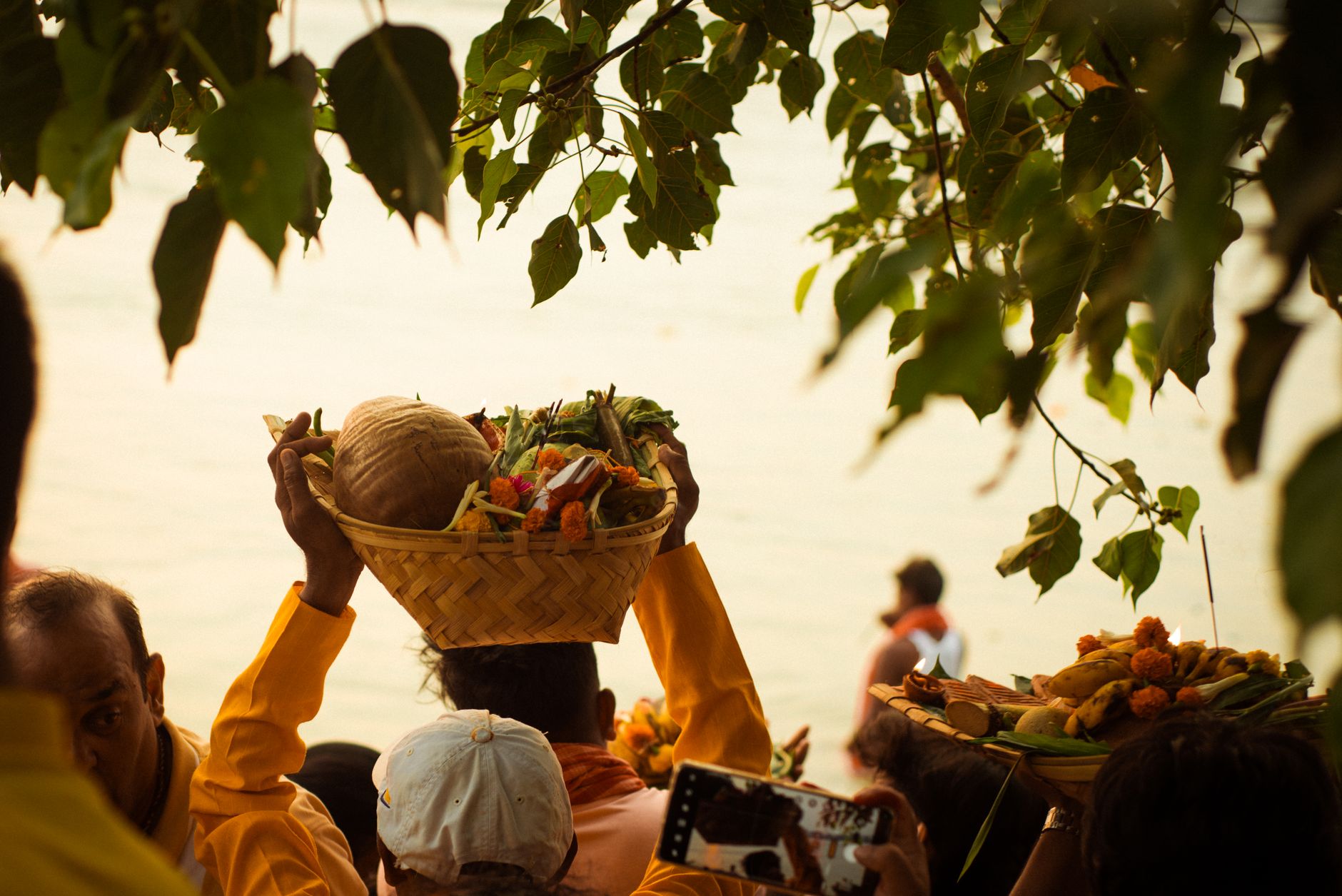 Floral Decorated Baskets
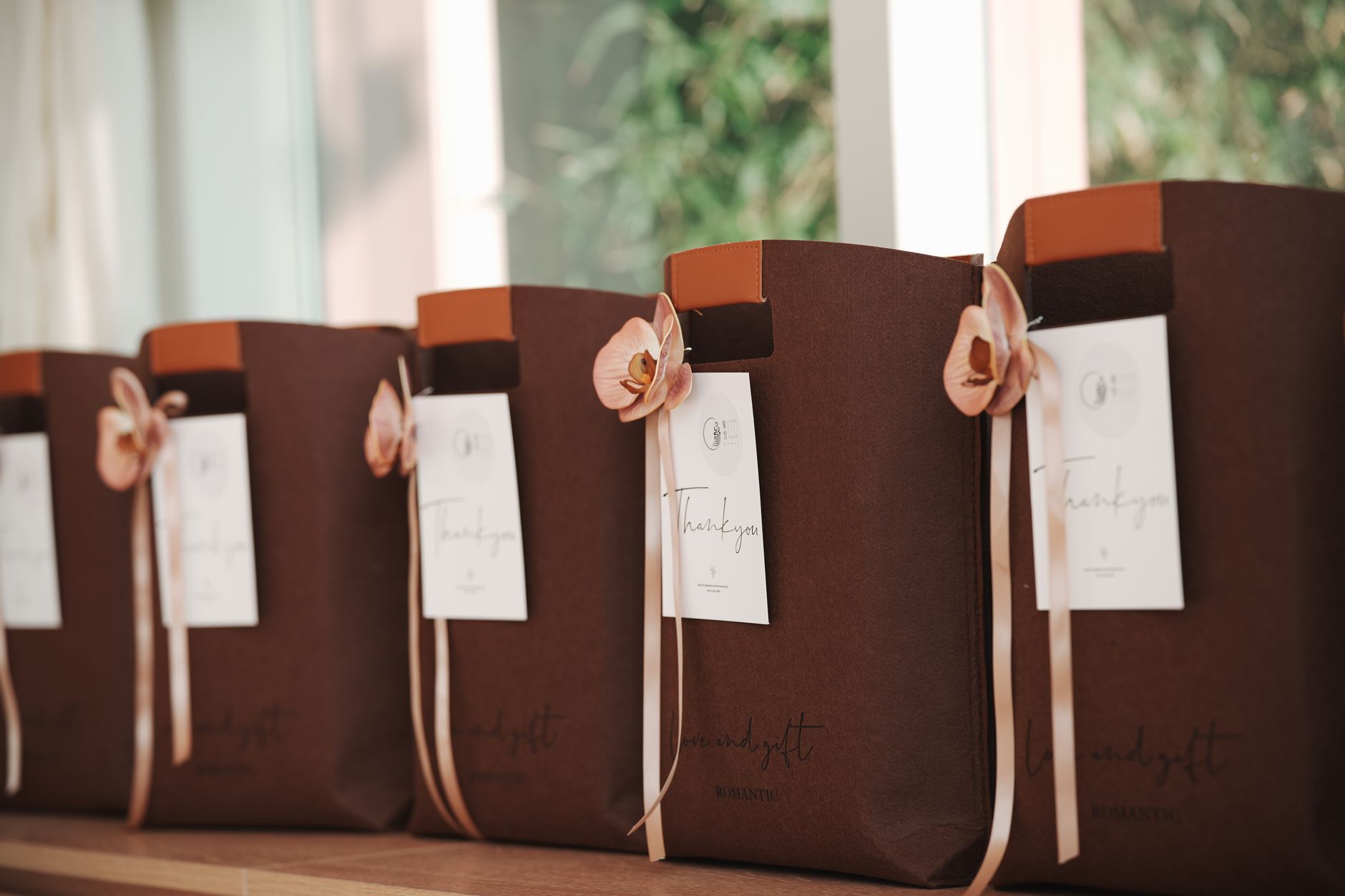 Gourmet Return Gifts
 Greenery Boutonnieres
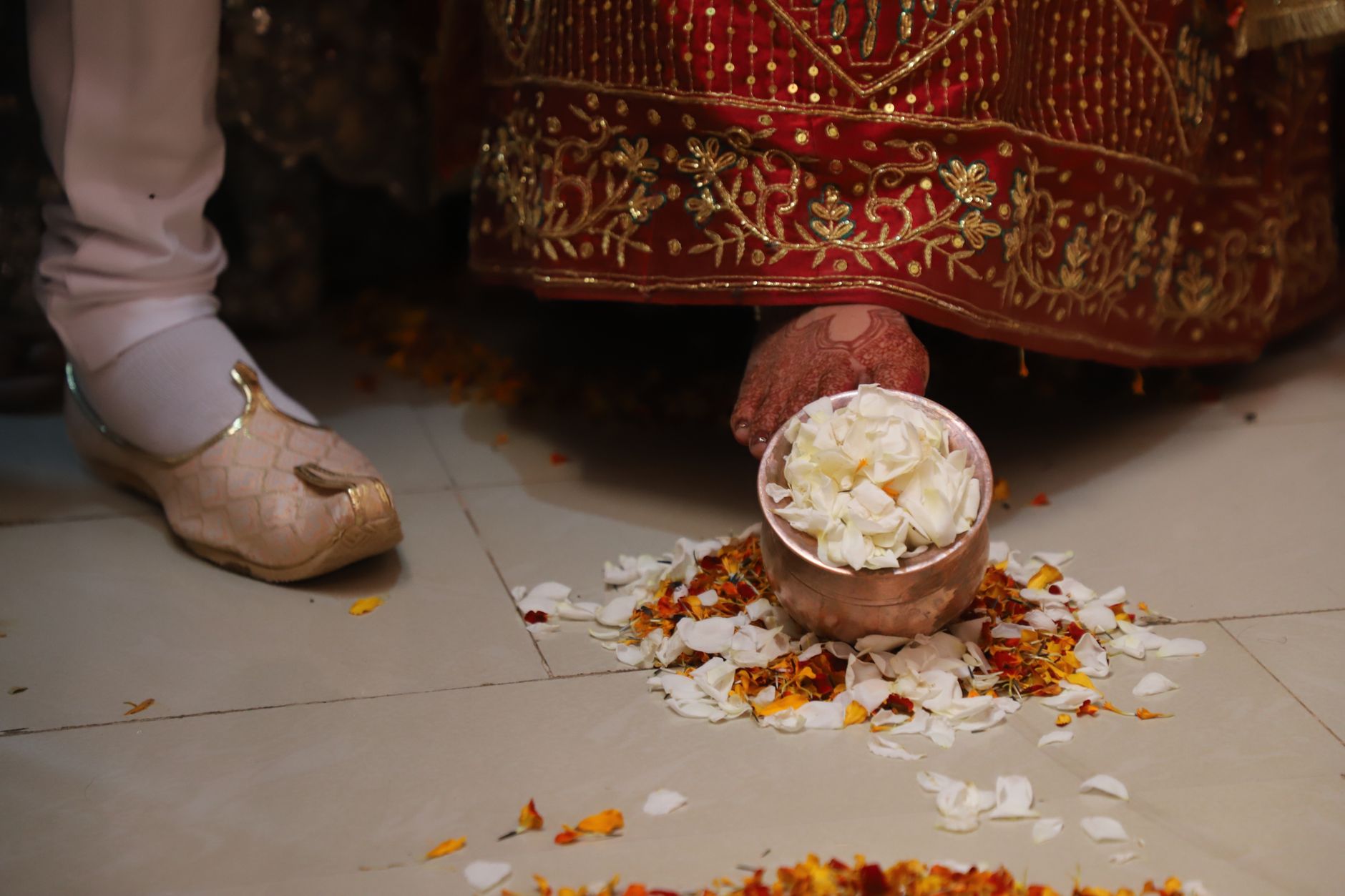 Gujarati Hasta Milap Supplies
 Havan Samagri Kit
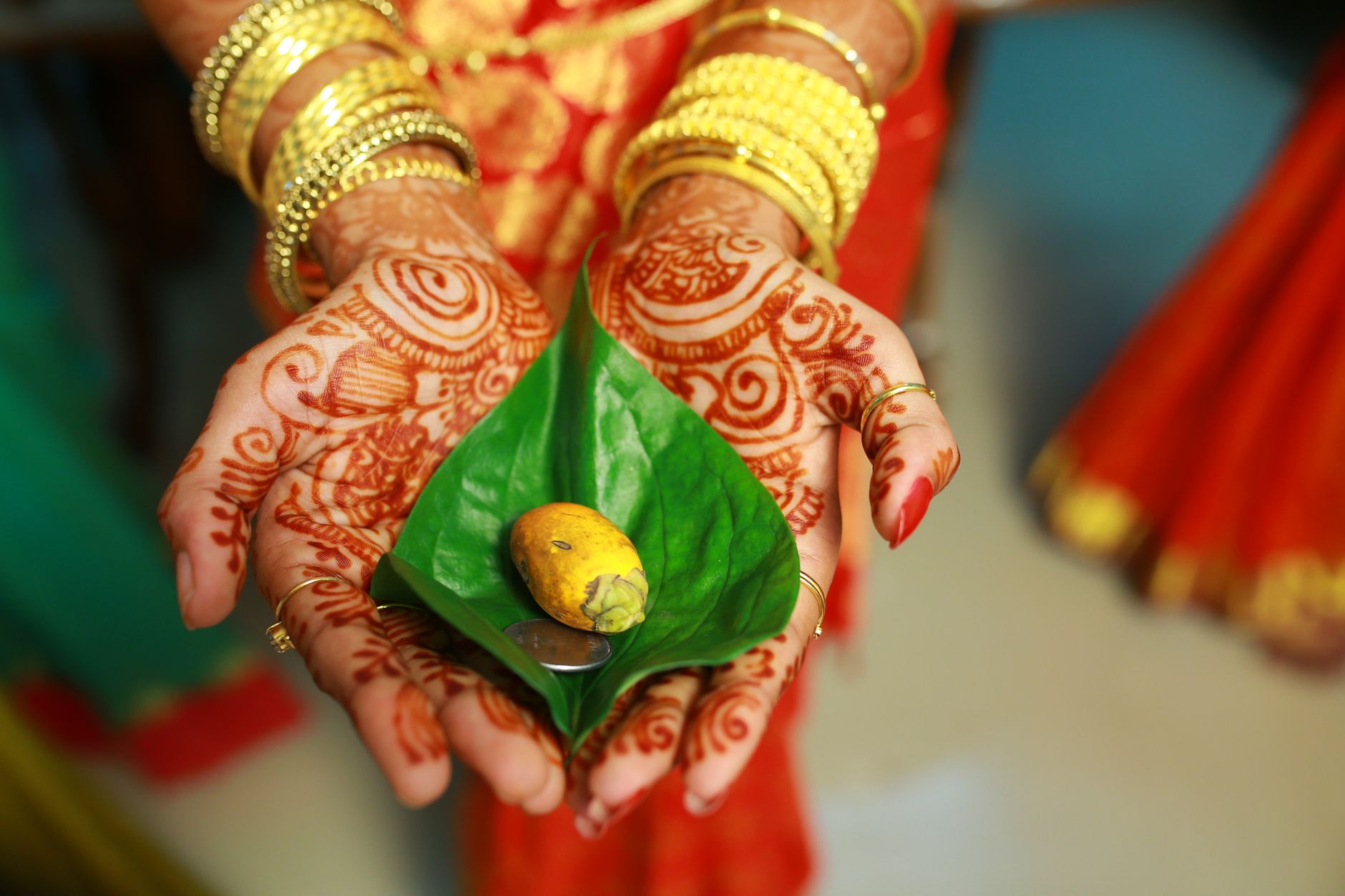 Jain Betel Leaf Ceremony Supplies
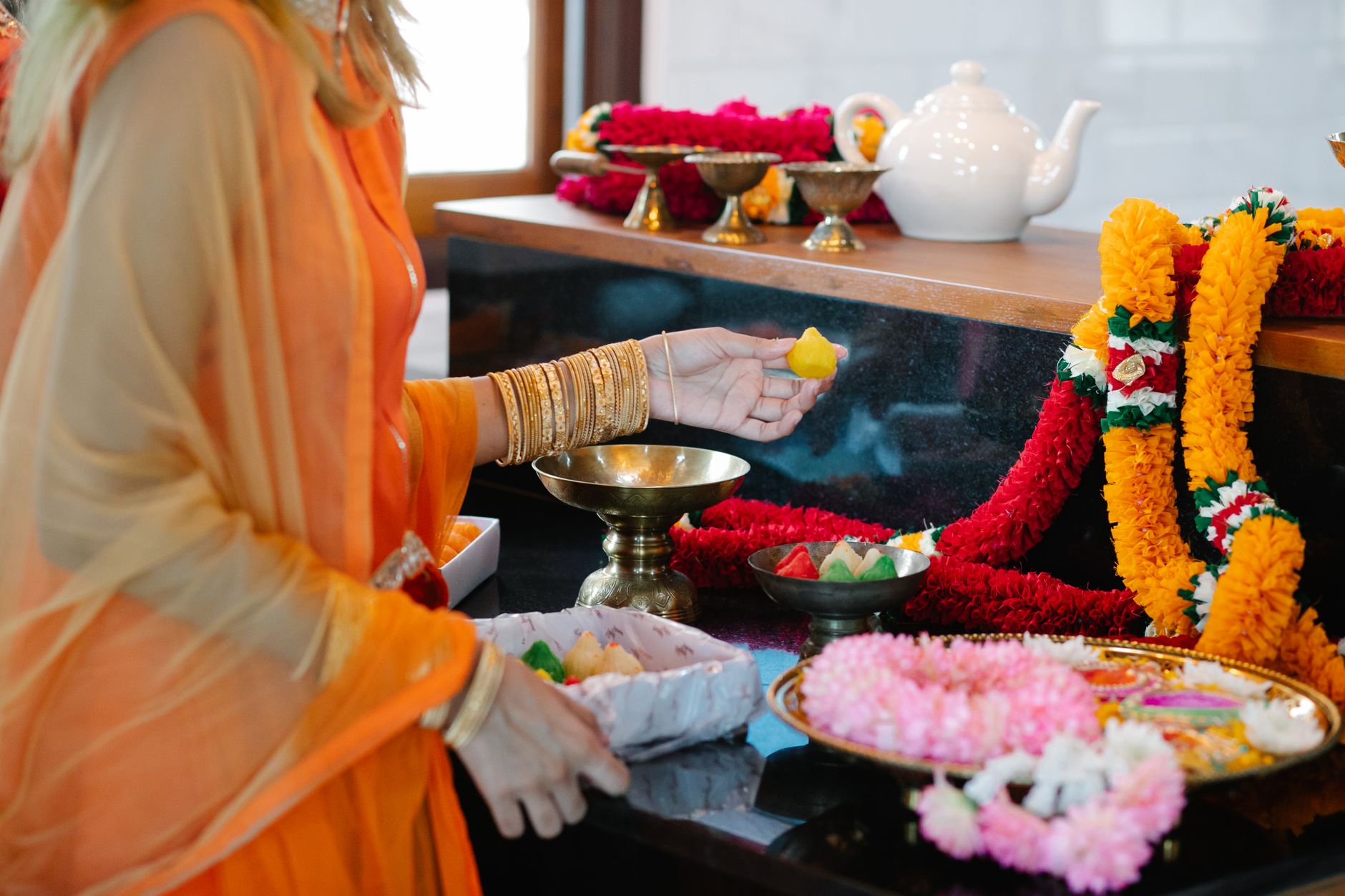 Kannada Jeerige Bellada Supplies
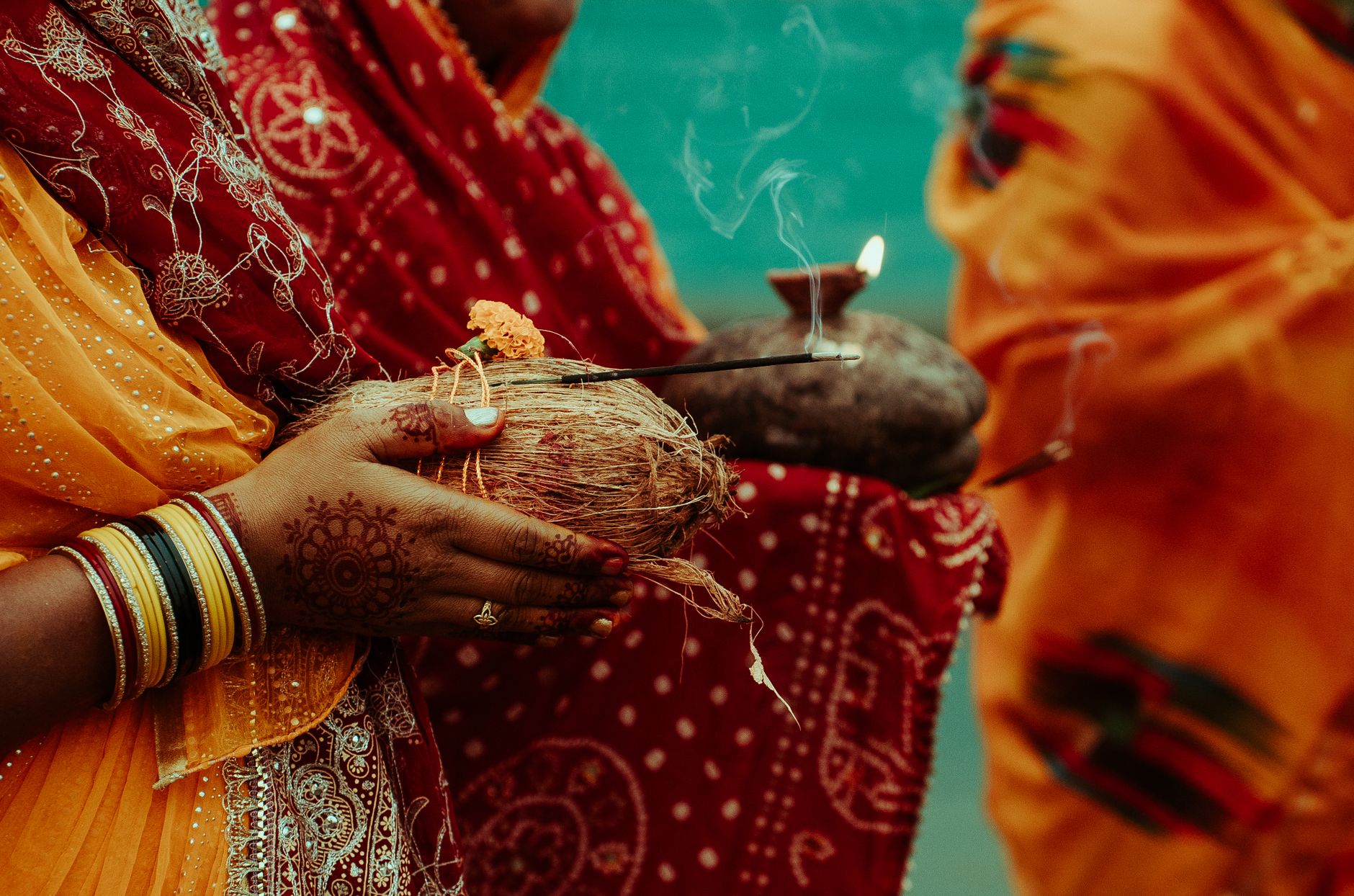 Kerala Coconut Ceremony Supplies
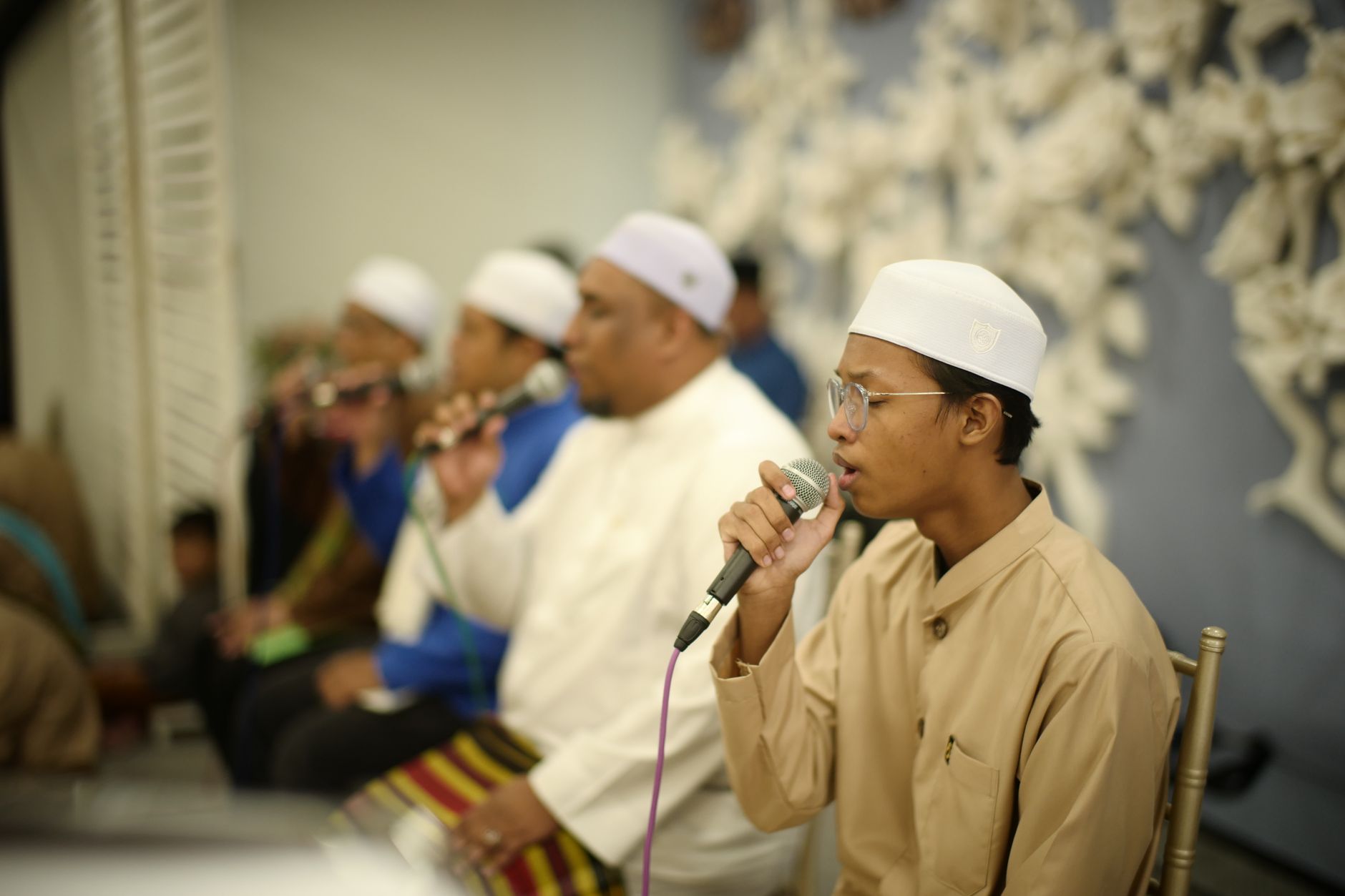 Kirtan Singing Group
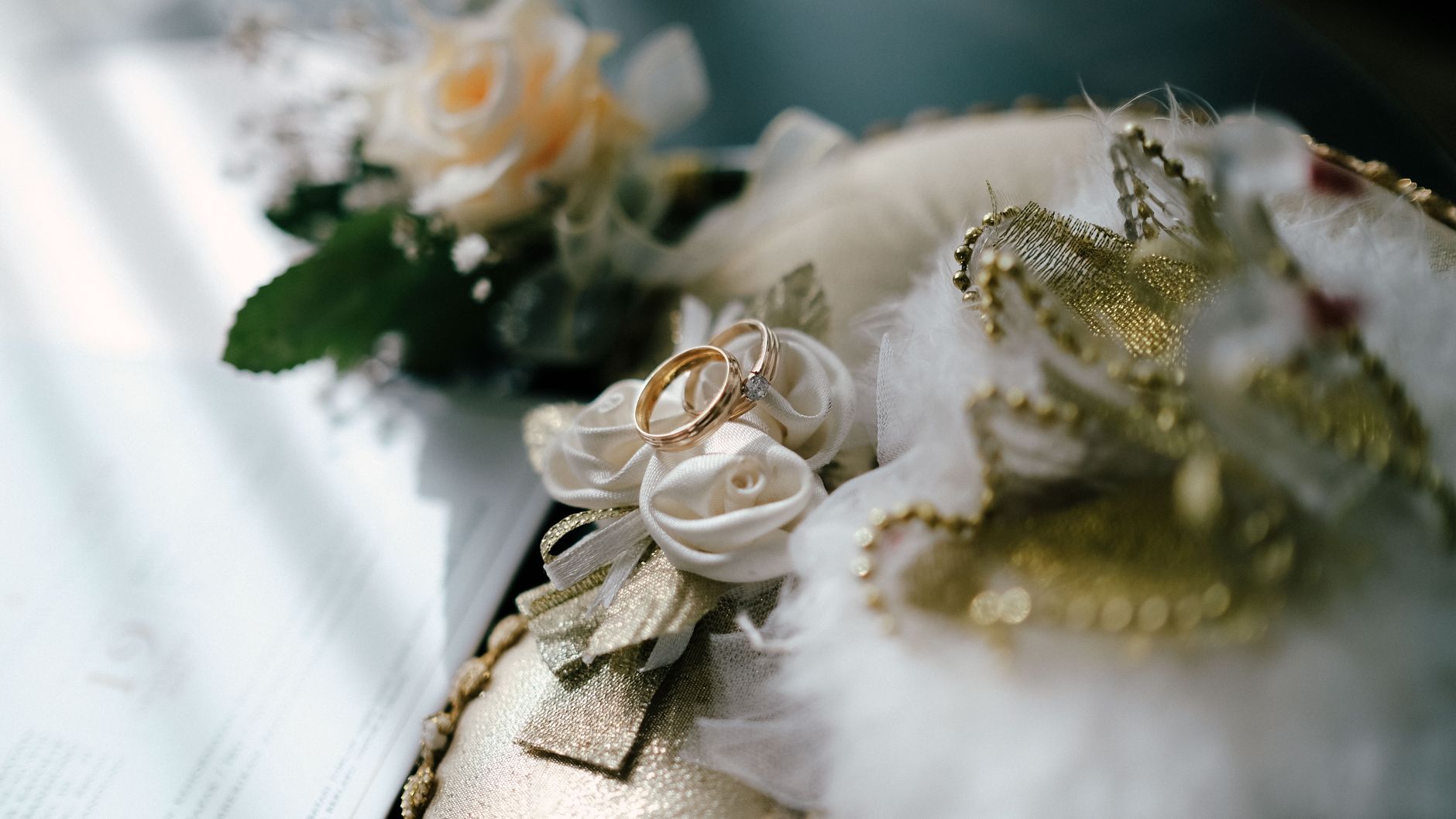 Luxury Ring Presentation
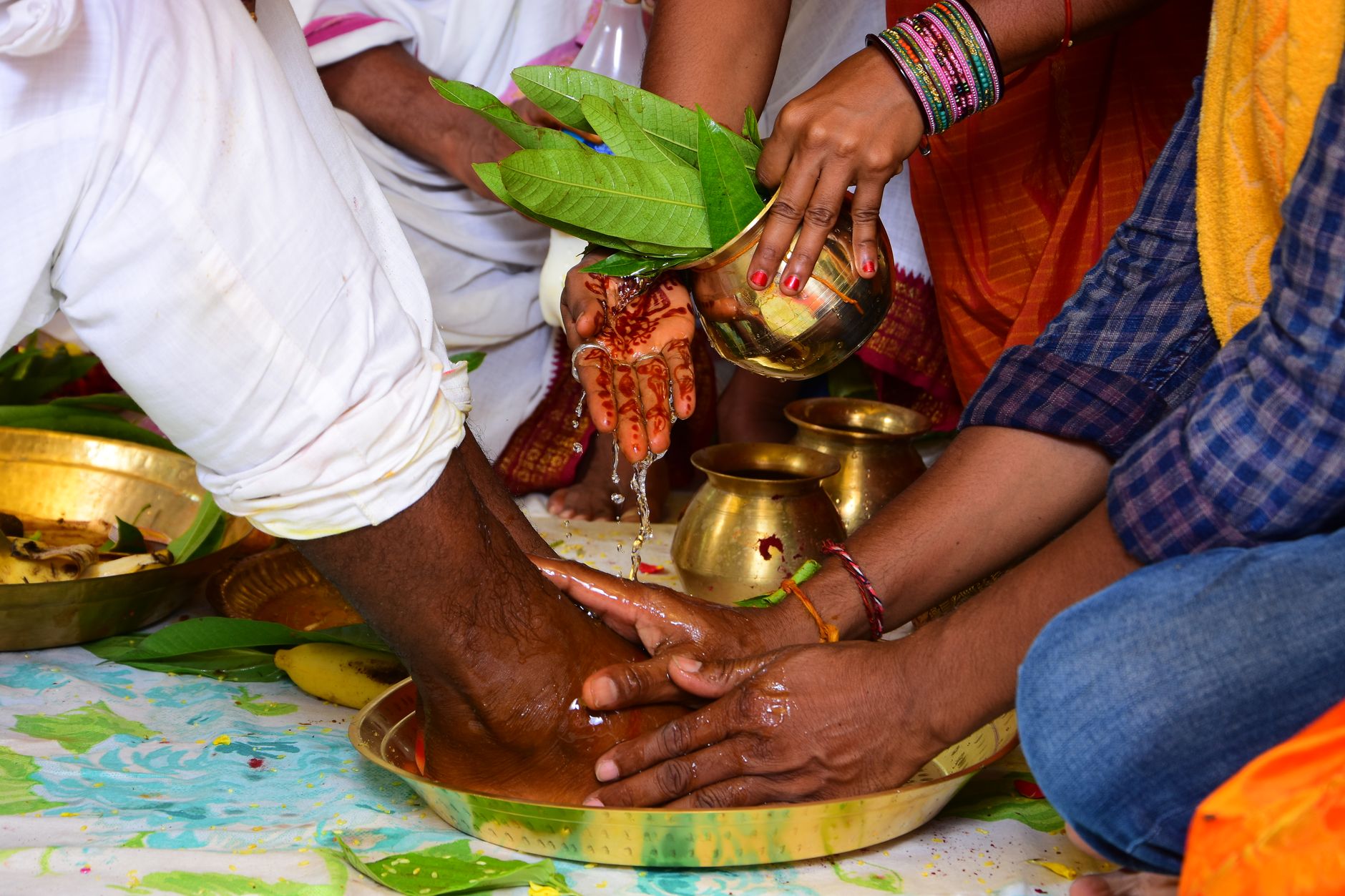 Marriage Muhurtham Consultation
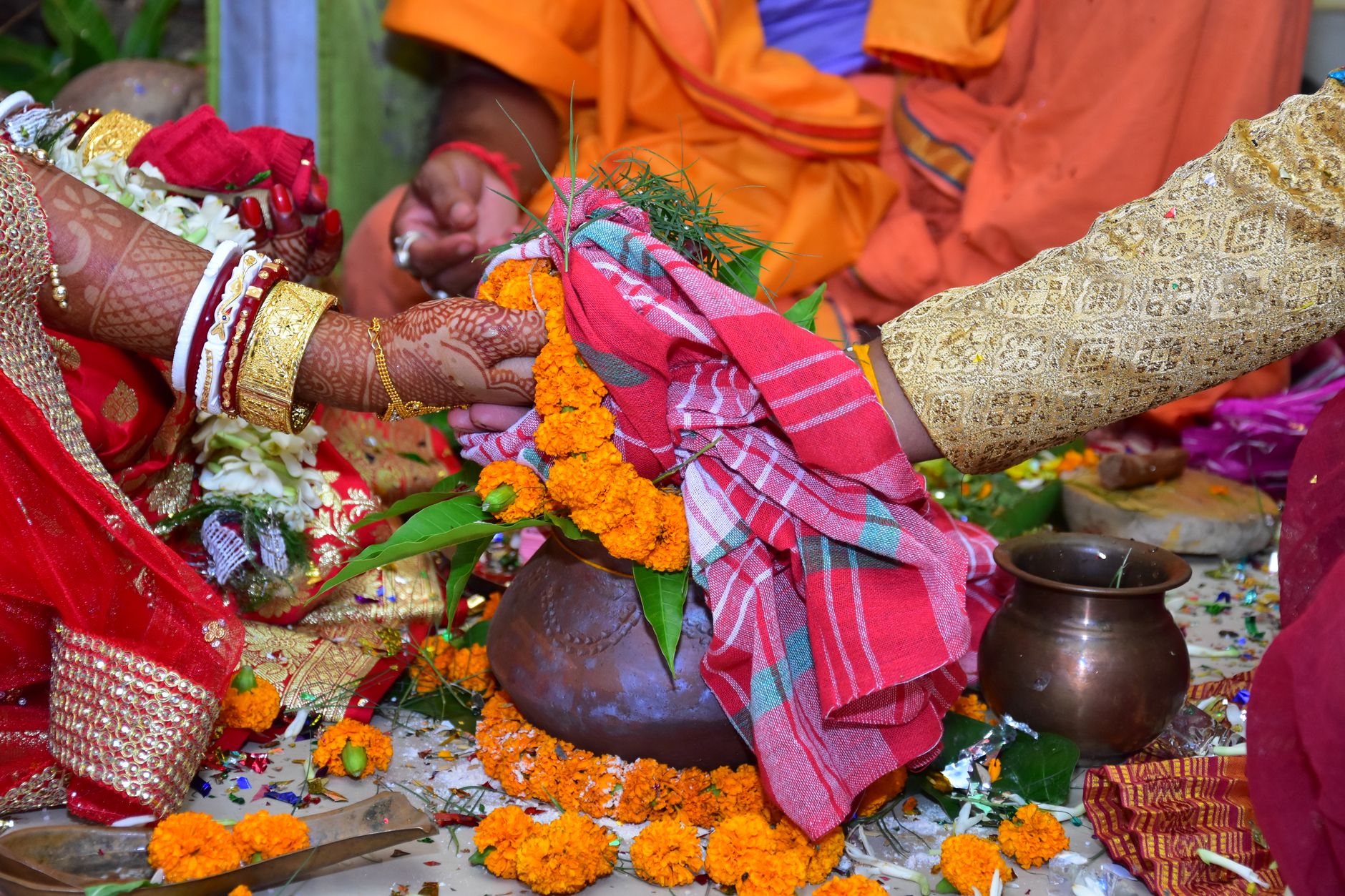 Marwari Mayra Ceremony Supplies
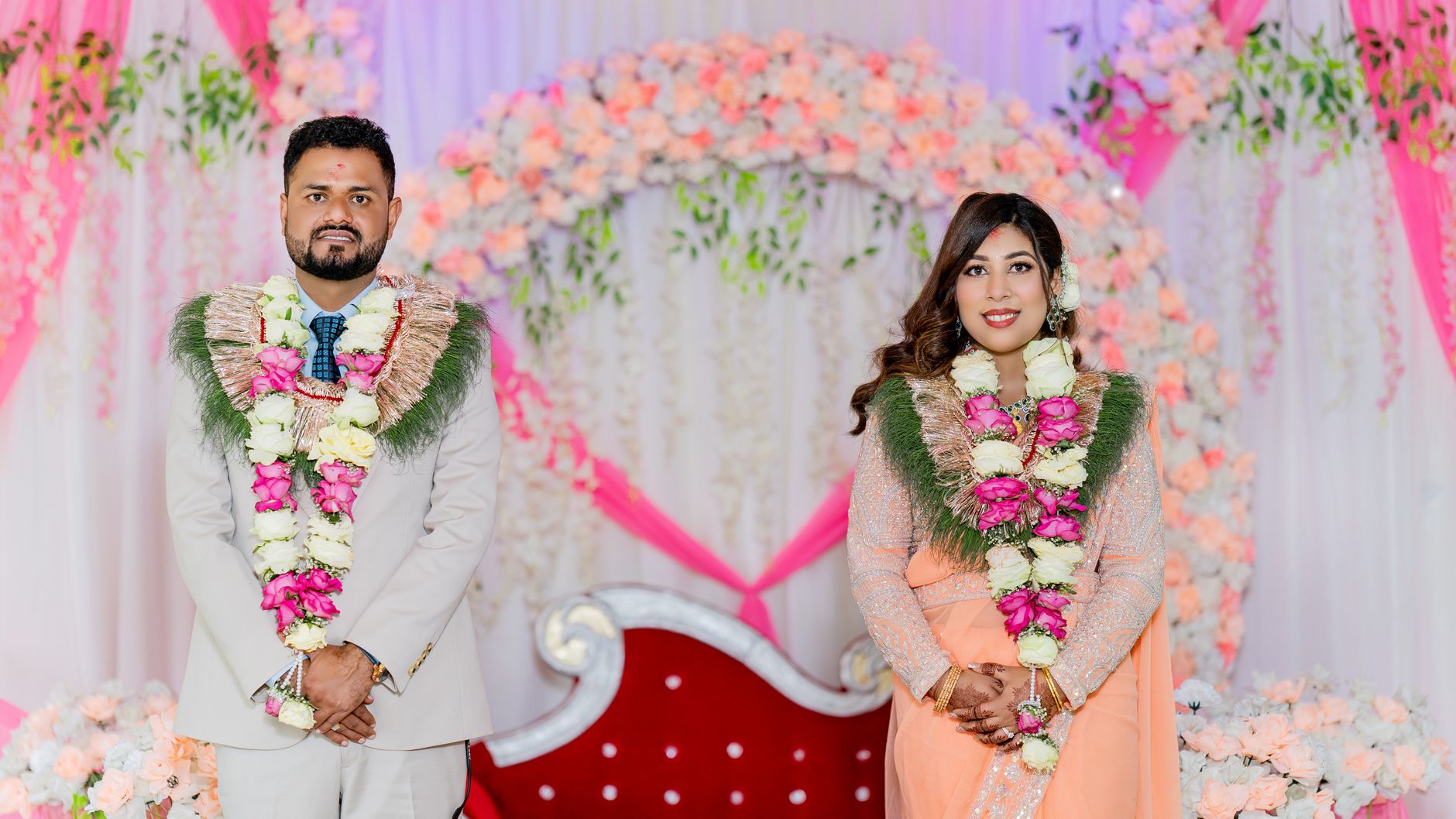 Mixed Flower Varmala
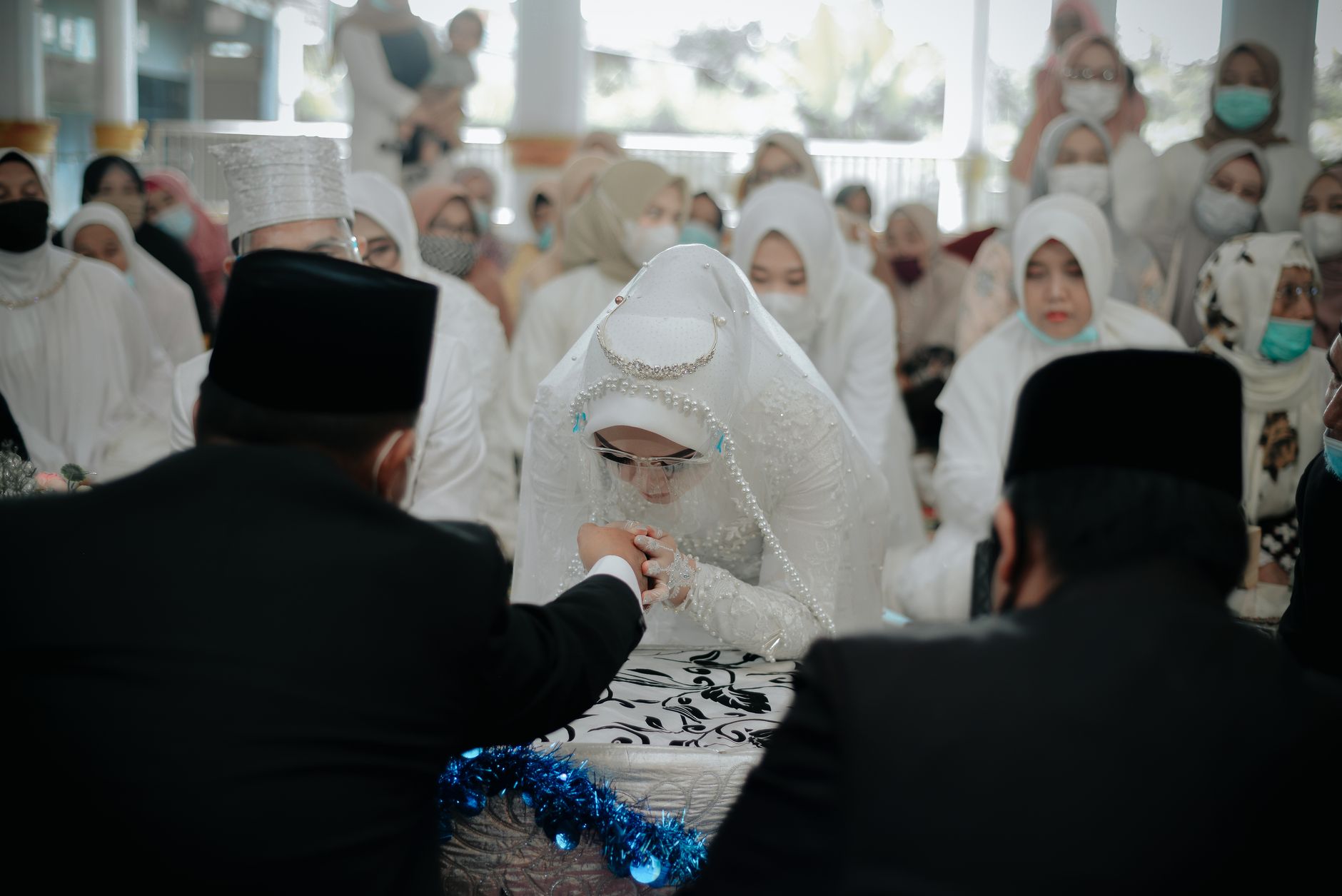 Muslim Ceremony Streaming
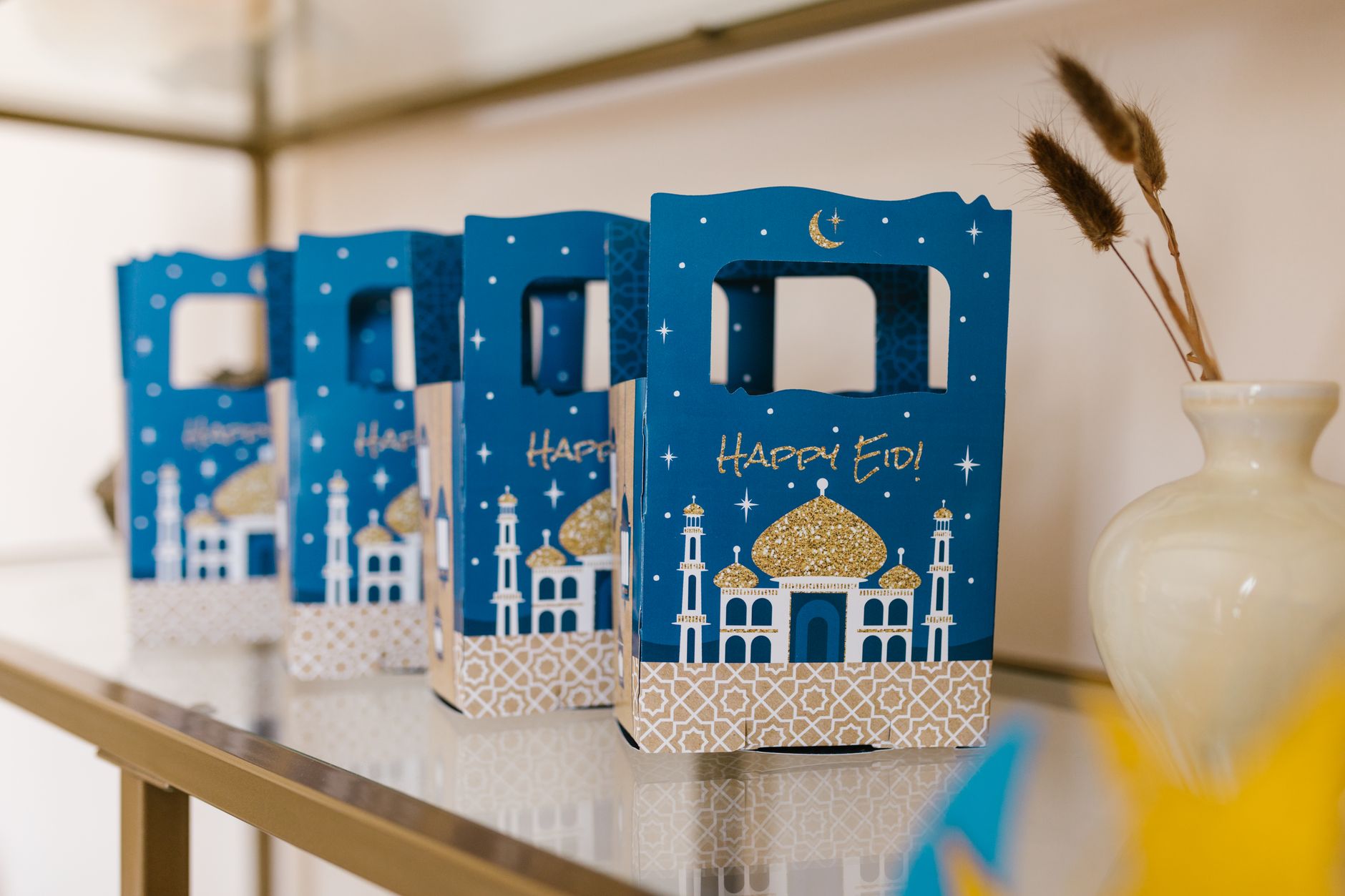 Muslim Guest Favours
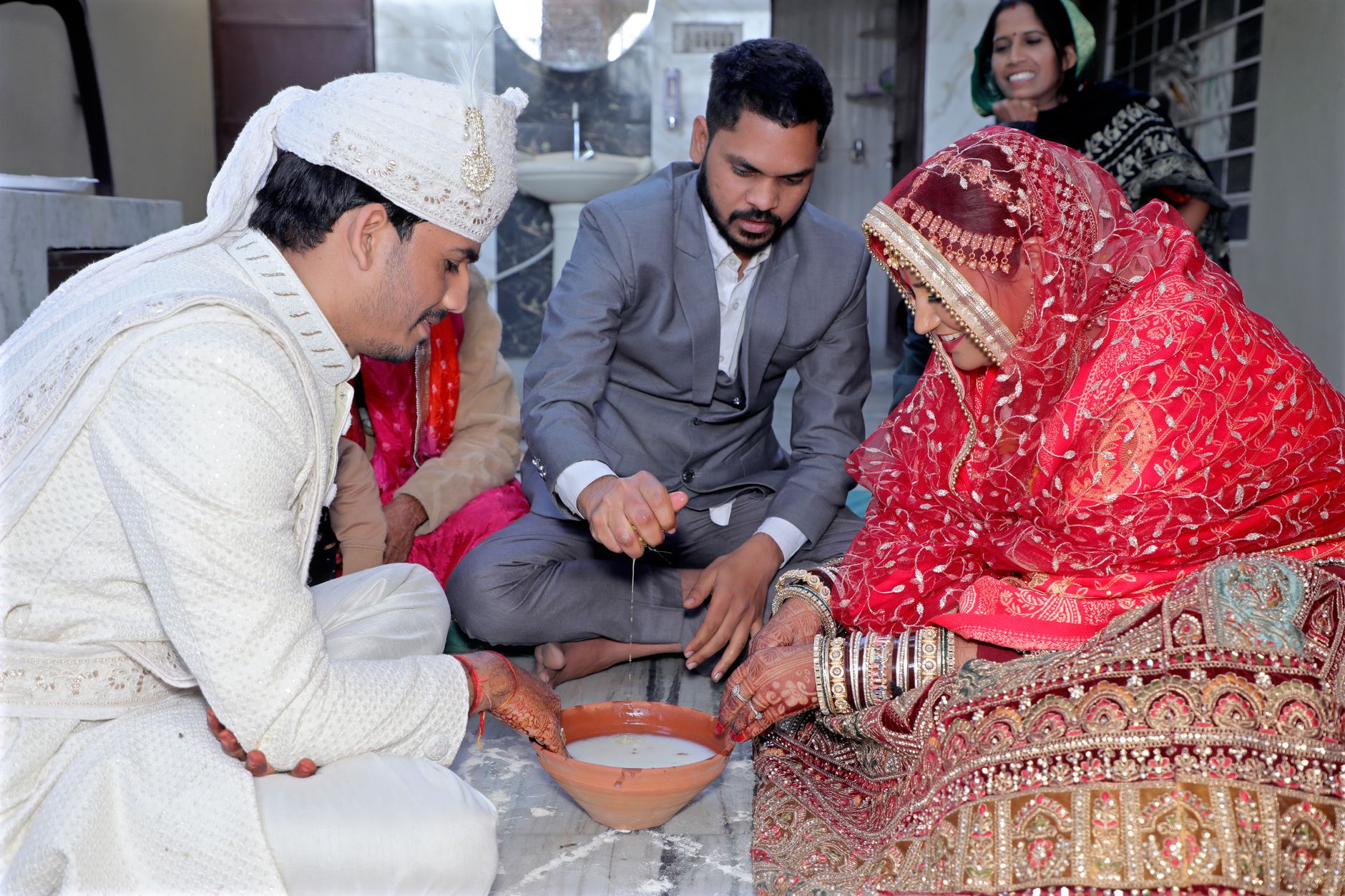 North Indian Marriage Pandit
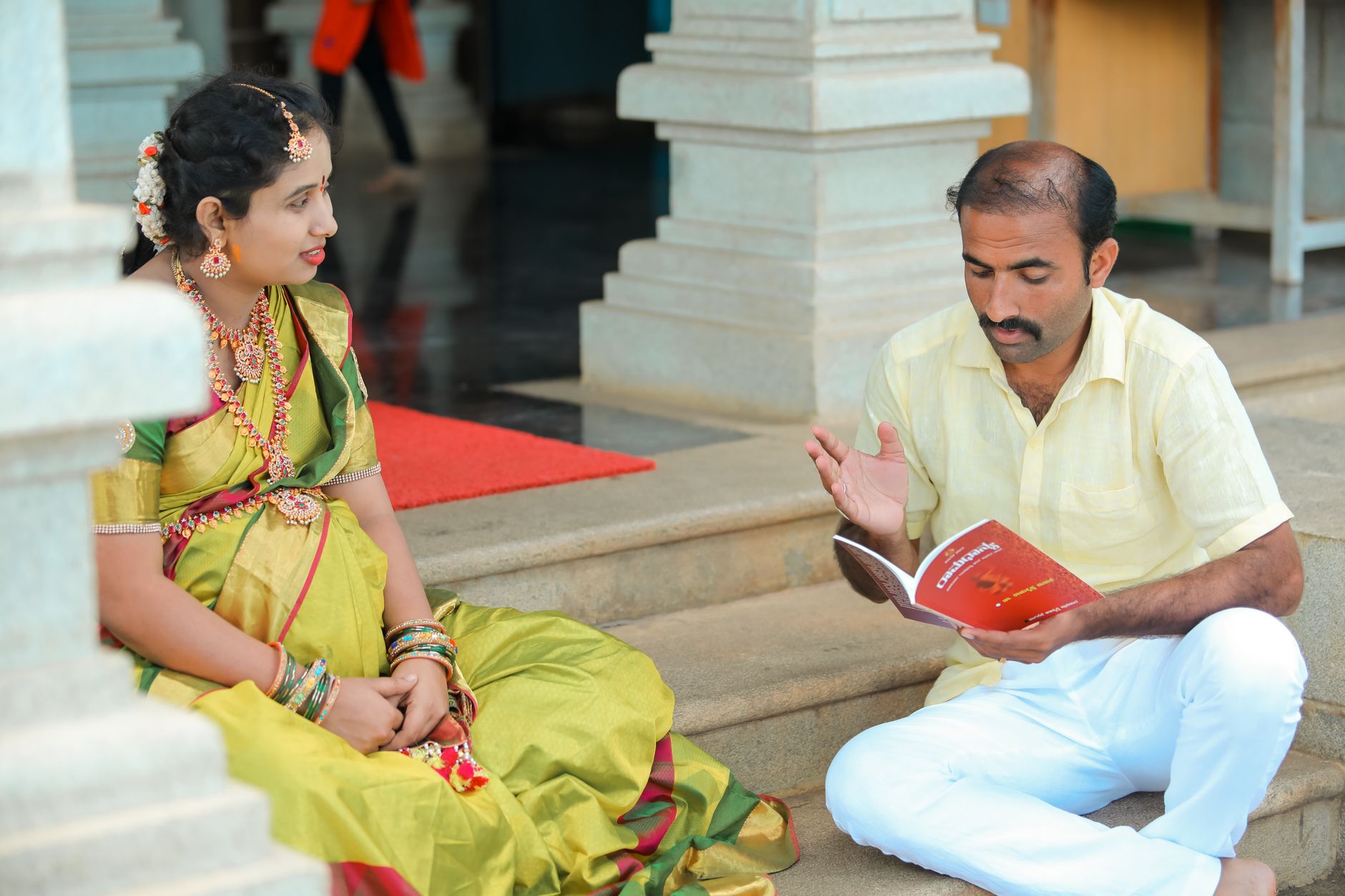 Personalized Ceremony Celebrant
 Personalized Champagne Bottles
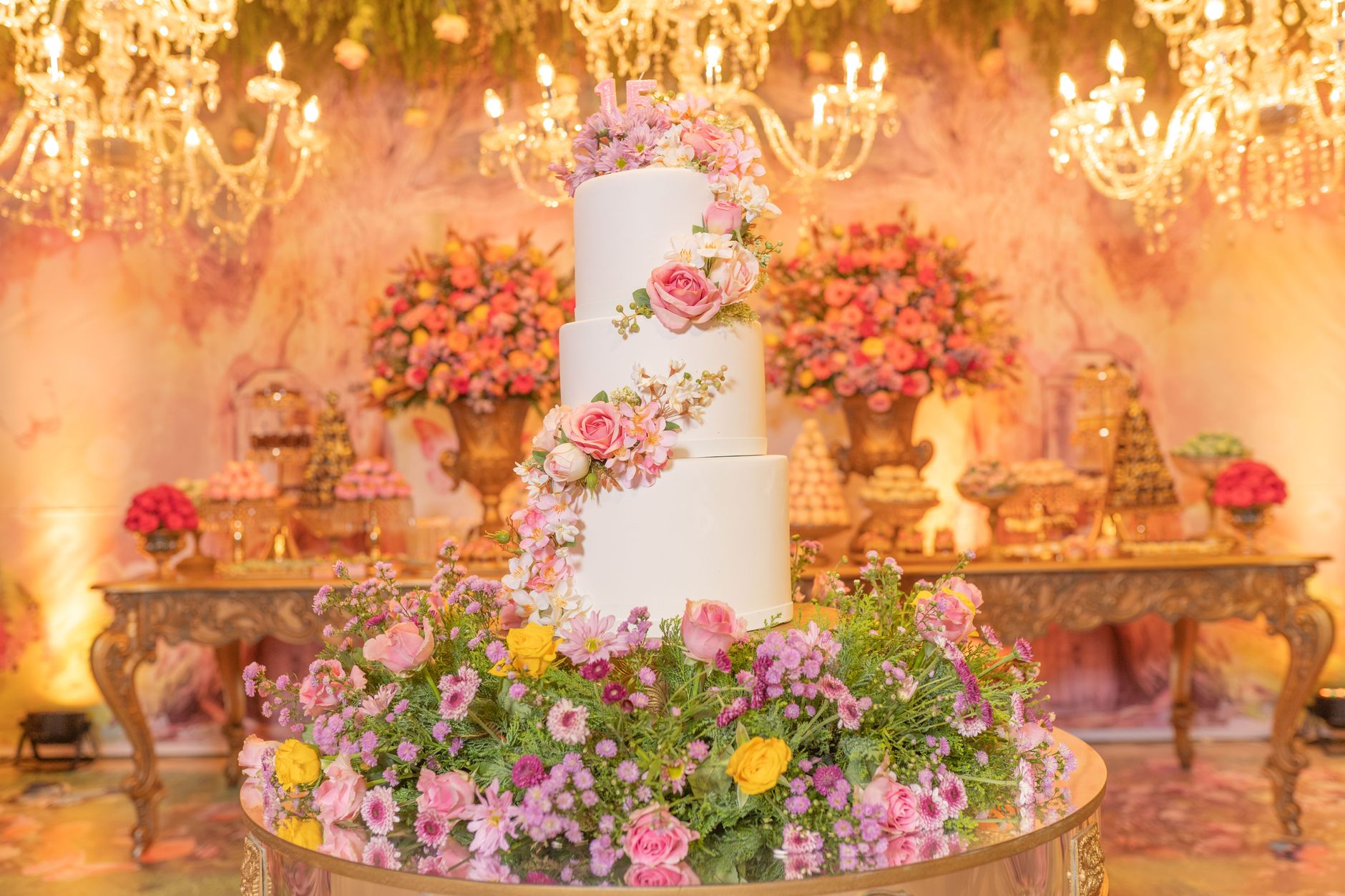 Religious Anniversary Cakes
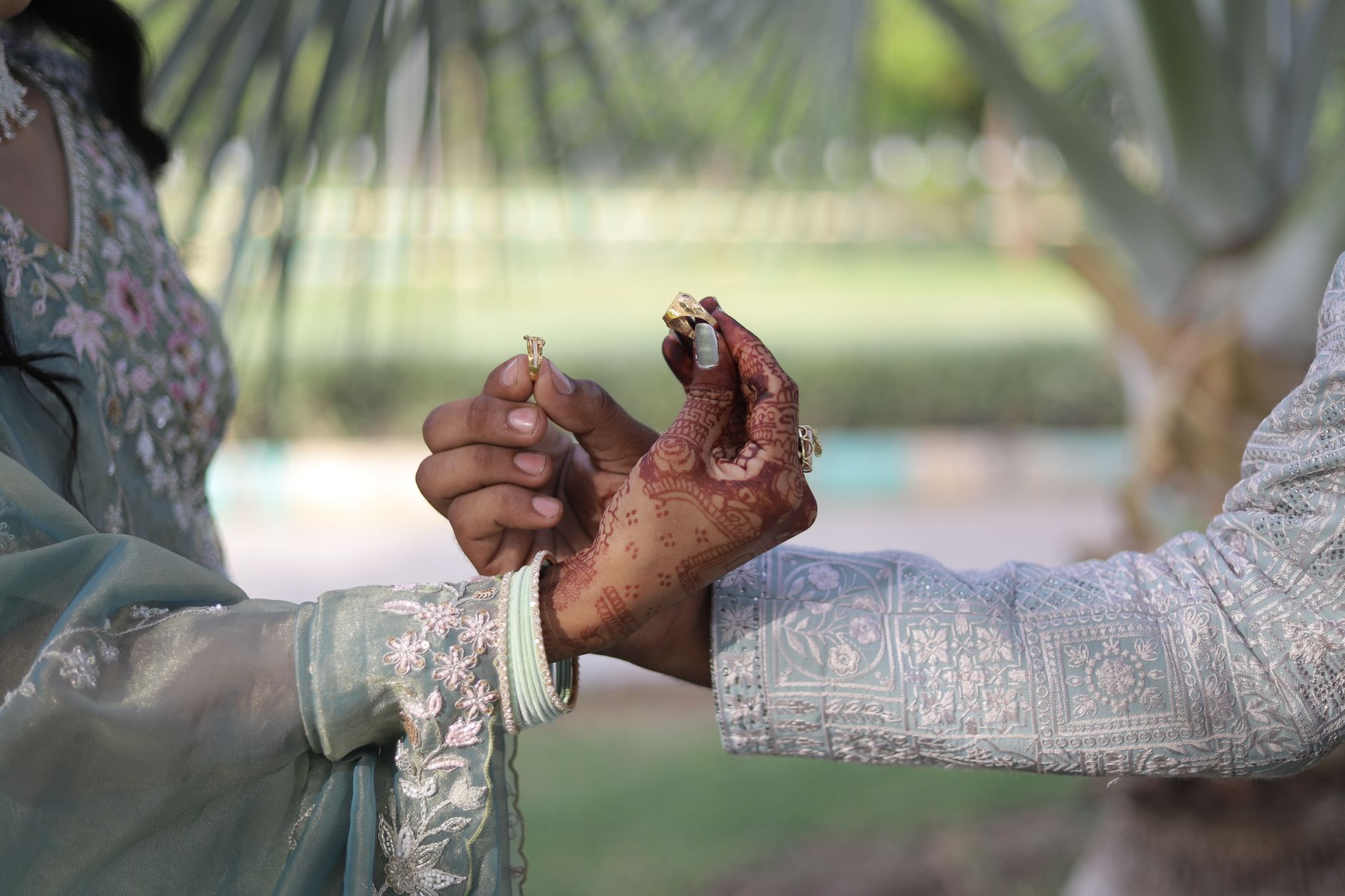 Ring Ceremony Cushion
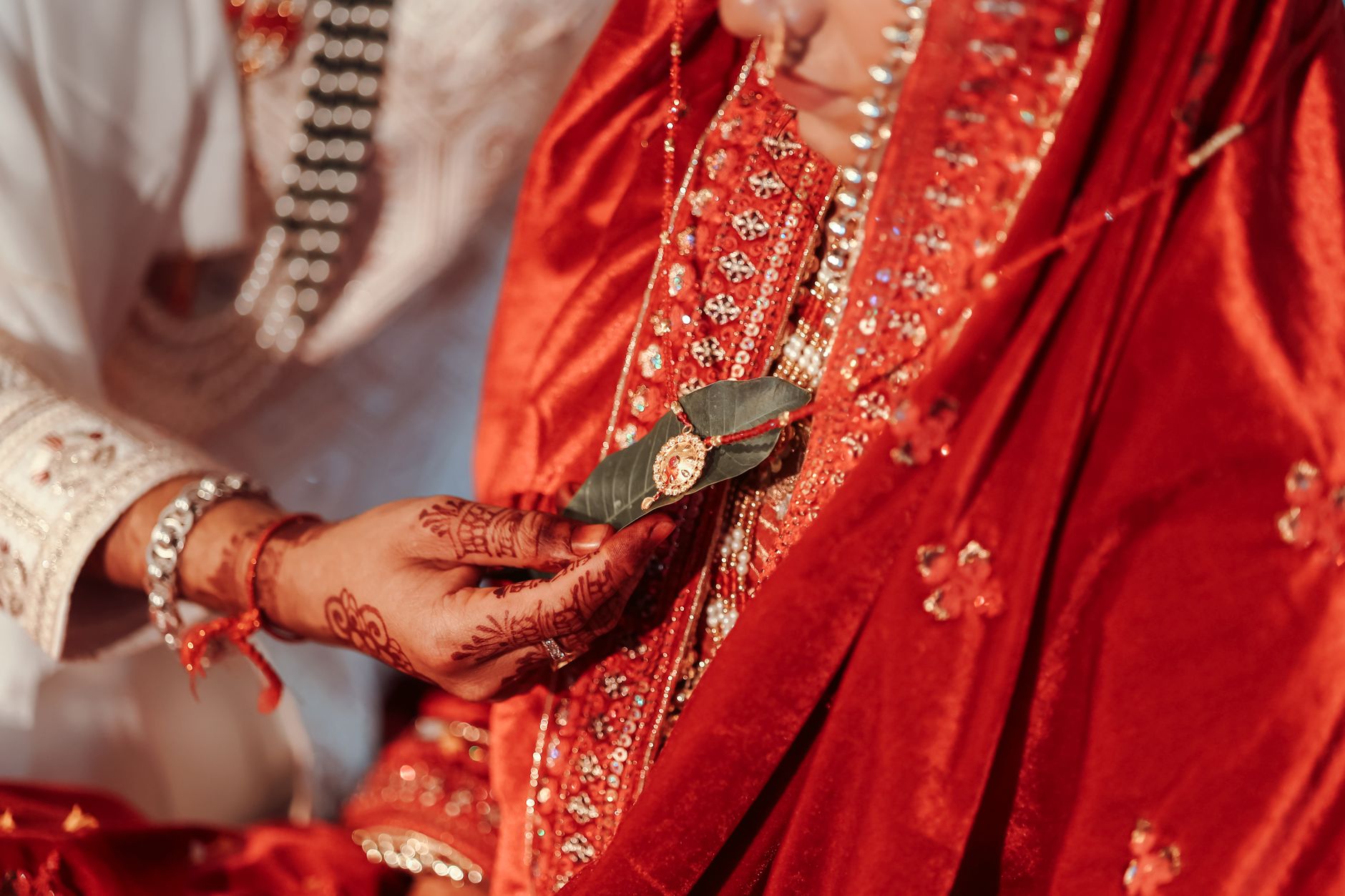 Tamil Traditional Marriage Items
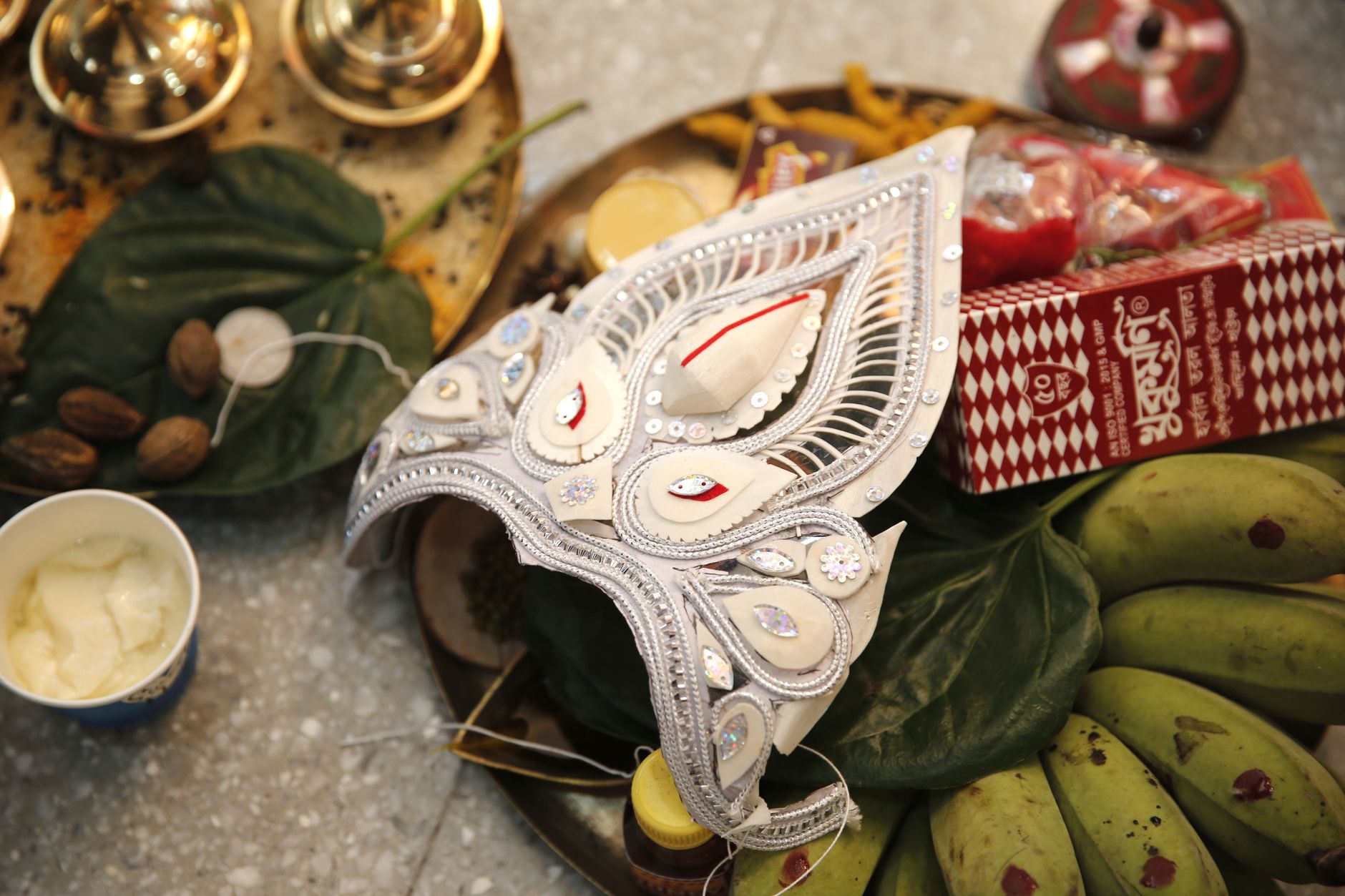 Telugu Pelli Samagri Kit
- 400+Curated Events
- 6Event Universes
- 1000+Verified Vendors
- 70+Locations
- 24/7Customer Support


Not sure which packages fits your celebration?
Let Hiya & Hanu help you find the perfect match!
Explore Celebration Packages- AI-Powered MatchingSmart suggestions for you
- Budget OptimizerGet the best experiences in your budget
- End-to-End SupportWe are with you at every step
Serving Celebrations across 75+ locations in India
Trusted Traditional Ceremonies and Rituals for Meaningful Celebrations
◆Traditional ceremonies and rituals carry deep cultural, spiritual and family significance. They connect generations, preserve customs and create meaningful occasions where loved ones can come together. Because these celebrations often involve important rituals and carefully followed practices, reliable planning and coordination can make a considerable difference.
Trusted traditional ceremonies and rituals are supported by thoughtful preparation, respect for cultural requirements and dependable event organisation. From selecting a suitable venue and arranging traditional décor to coordinating ritual materials, flowers and guest facilities, every element can be planned around the importance of the occasion.
Understanding Traditional Ceremonies and Rituals
Traditional ceremonies are celebrations that follow customs, practices or rituals associated with a particular culture, community, religion or family. Some are deeply spiritual, while others focus primarily on family traditions and cultural identity.
Rituals often provide structure and meaning to the ceremony. Specific timings, materials, prayers, symbolic actions, traditional clothing, floral arrangements or ceremonial spaces may form part of the occasion depending on the type of celebration.
Because requirements can vary significantly, trusted ceremony planning should begin with an understanding of the family's traditions and expectations.
Why Trust Matters in Traditional Ceremonies
Trust is particularly important when organising an occasion that involves meaningful cultural or religious practices. Families need confidence that important details will be handled carefully and respectfully.
A reliable service provider should listen to the family's requirements, communicate clearly and ensure that agreed arrangements are prepared as planned. This can include venue coordination, decoration, floral arrangements, ritual materials and event-day support.
Trust is built through experience, transparent communication and attention to detail. When families know that their requirements are understood, they can participate in the celebration with greater confidence.
Respecting Cultural Traditions
Every traditional ceremony has its own significance. Customs can differ between communities, families and regions, so planning should avoid treating every occasion in the same way.
Respectful planning begins by understanding which traditions are important to the family. The ceremony can then be organised around those requirements while maintaining a comfortable environment for guests.
Traditional values can also be preserved when modern event-planning techniques are introduced. Clear schedules, organised supplier coordination and practical venue layouts can support the ceremony without changing its cultural identity.
Personalised Traditional Ceremony Planning
Personalisation is an important part of trusted traditional ceremony services. Families may have specific preferences regarding rituals, decoration, venue arrangements, flowers and guest participation.
A personalised planning process allows these preferences to be discussed before arrangements are confirmed. This can help create a ceremony that feels genuine rather than following a generic format.
Personalisation may also involve adapting the scale of the event. A small family gathering and a large cultural celebration will have very different requirements, and both can benefit from an approach designed around their specific needs.
Selecting the Right Ceremony Venue
The venue is one of the first decisions to consider when planning a traditional ceremony. It should provide enough space for the rituals, guests, decoration and other essential arrangements.
Depending on the occasion, families may consider traditional halls, community spaces, religious venues, family properties or other suitable locations. Accessibility, seating, parking, facilities and ceremony layout should all be considered.
A trusted ceremony organiser can help coordinate the venue according to the planned schedule and ensure that important spaces are prepared before guests arrive.
Traditional Ceremony Decoration
Decoration helps establish the visual atmosphere of a traditional celebration. It can be elegant, culturally appropriate and meaningful without distracting from the ceremony itself.
Traditional ceremony decoration may include floral backdrops, entrance arrangements, ceremonial-area styling, traditional motifs, lighting and other decorative features. The style should complement the purpose of the event and reflect the family's preferences.
A trusted provider can help select suitable decorative elements while maintaining consistency throughout the venue.
The Importance of Floral Arrangements
Flowers are an important part of many traditional and cultural celebrations. They can add colour, fragrance and a sense of occasion to the ceremony space.
Floral arrangements may be used at entrances, ceremonial areas, stages, seating areas and other focal points. The selection can be based on cultural preferences, seasonal availability and the overall decoration concept.
Instead of using flowers randomly throughout the venue, careful placement can create a more balanced and refined appearance.
Organising Ritual Requirements
Ritual requirements should be identified well before the ceremony. Depending on the tradition, this may involve specific ceremonial materials, vessels, seating arrangements, offerings, flowers or other items.
Creating a detailed preparation list can help ensure that important requirements are not forgotten. Responsibilities can also be allocated clearly when several family members or suppliers are involved.
Trusted traditional ceremony services can assist with coordinating these practical elements while allowing the family to focus on the cultural and spiritual significance of the occasion.
Creating a Meaningful Guest Experience
Guests play an important role in many traditional celebrations. A well-organised environment helps them participate comfortably and understand the flow of the occasion.
Clear seating arrangements, suitable lighting, accessible facilities and an organised ceremony layout can contribute to a positive experience. Signage or simple guidance may also be useful when the venue is large or several activities take place at the same time.
A comfortable guest experience does not need to overshadow the rituals. Instead, it should support the ceremony and make participation easier for everyone.
Combining Tradition with Modern Event Organisation
Traditional ceremonies can benefit from modern organisational methods while retaining their original values. Structured planning can make it easier to manage suppliers, schedules, venue arrangements and guest requirements.
A detailed event timeline can identify when decoration should be completed, when suppliers should arrive and when key ceremonial activities are expected to take place.
This approach reduces confusion and helps different parts of the celebration work together smoothly. The result is a traditional occasion supported by dependable modern coordination.
Family Participation in Traditional Rituals
Family participation often adds emotional significance to traditional ceremonies. Relatives may have specific responsibilities or roles connected with particular rituals.
Planning these responsibilities in advance can help everyone understand what is expected. It also provides an opportunity for family members to discuss preferences and ensure that important customs are followed appropriately.
Professional coordination can support family participation by handling practical arrangements while relatives focus on their roles within the ceremony.
Planning for Different Traditional Occasions
Traditional ceremonies and rituals can form part of many types of celebrations. These may include religious ceremonies, cultural gatherings, spiritual occasions, family rituals and other significant traditional events.
The planning approach should reflect the nature of the occasion. A religious ceremony may have different requirements from a family cultural celebration, while a large community event may need additional guest and venue coordination.
Understanding these differences helps create an event that feels appropriate, respectful and well organised.
Reliable Supplier Coordination
A traditional ceremony may involve several suppliers, including venue teams, decorators, florists, caterers, photographers and other event professionals.
Coordinating these suppliers can become challenging when responsibilities are unclear. A trusted organiser can provide a central point of communication and help ensure that everyone understands the schedule.
Supplier coordination is particularly important on the day of the ceremony. Deliveries, setup times and decoration completion should be aligned with the ceremony timetable.
Clear Communication and Transparent Planning
Good communication is one of the foundations of a trusted ceremony service. Families should be able to discuss their expectations and receive clear information about the proposed arrangements.
A transparent planning process should explain service inclusions, responsibilities, timelines and any additional requirements. This makes it easier for families to make informed decisions.
Regular communication before the event can also help identify changes early, reducing the likelihood of last-minute confusion.
Managing the Ceremony Budget
A trusted approach to ceremony planning should consider the family's available budget from the beginning. Different arrangements can be prioritised according to their importance to the occasion.
Venue costs, decoration, flowers, ritual requirements, guest arrangements and professional coordination may all need to be considered.
Budget planning does not necessarily mean reducing the quality of the celebration. It means allocating resources carefully and choosing arrangements that provide meaningful value.
The Value of Advance Planning
Advance planning gives families more time to understand their requirements and make informed decisions. It also provides an opportunity to compare venues, discuss decoration ideas and coordinate suppliers.
Traditional ceremonies may have specific dates or timing requirements, making early preparation especially useful. Booking important services ahead of time can provide greater choice and reduce last-minute pressure.
A detailed checklist can help track each stage of preparation, from initial venue selection to final event-day coordination.
Choosing Trusted Traditional Ceremony Services
When selecting a service provider, families should consider relevant experience, cultural understanding, communication, service transparency and coordination capabilities.
A provider should be willing to understand the ceremony rather than simply offering a standard event package. The ability to adapt arrangements according to family preferences is also valuable.
Reviews, previous event experience, clear service details and professional communication can help families assess whether a provider is suitable for their occasion.
Creating a Ceremony That Feels Authentic
Authenticity is often more important than elaborate presentation. A ceremony should reflect the traditions and values that matter to the people celebrating it.
Traditional rituals, family participation, appropriate decoration and meaningful ceremonial details can all contribute to an authentic experience.
Modern additions can be introduced where appropriate, but they should complement rather than overpower the traditional character of the event.
Making Traditional Celebrations Memorable
Memorable celebrations are often created through meaningful experiences rather than excessive decoration or complexity. A carefully prepared ceremonial space, welcoming atmosphere and smooth schedule can leave a lasting impression.
Personal touches can also make the occasion distinctive. Families may incorporate meaningful flowers, traditional decorative elements or arrangements connected with their heritage.
When every detail is planned with purpose, the celebration can feel both authentic and memorable.
Plan Your Traditional Ceremony with Confidence
Trusted traditional ceremonies and rituals require a thoughtful balance between cultural respect, practical organisation and personal preferences. From venue selection and ritual arrangements to decoration, flowers and supplier coordination, every element can contribute to the success of the occasion.
Professional planning can provide families with greater confidence by ensuring that important details are considered in advance. With clear communication and dependable coordination, traditional celebrations can remain meaningful while benefiting from a well-organised approach.
Whether the occasion is intimate or large, traditional or religious, family-focused or community-based, careful planning can help preserve its significance. A trusted approach ensures that the ceremony receives the attention, respect and preparation it deserves.
Frequently Asked Questions
1. What are trusted traditional ceremonies and rituals?
Trusted traditional ceremonies and rituals refer to culturally or spiritually meaningful celebrations supported by reliable planning, authentic practices and careful coordination of important arrangements.
2. Why is trust important when planning a traditional ceremony?
Trust is important because traditional ceremonies may involve specific customs, timings and ritual requirements. Reliable coordination helps ensure that these important details are handled carefully.
3. Can traditional ceremonies be personalised?
Yes. Traditional ceremonies can be personalised according to family customs, cultural preferences, guest numbers, venue requirements, decoration choices and the significance of particular rituals.
4. What types of traditional ceremonies can be professionally organised?
Professional services may support religious ceremonies, cultural celebrations, spiritual occasions, family rituals and other traditional gatherings. Requirements vary according to the nature of each event.
5. How can traditional décor be incorporated into a ceremony?
Traditional décor can include floral arrangements, culturally appropriate motifs, ceremonial backdrops, entrance decoration and suitable lighting. The styling can be adapted to the ceremony and family preferences.
6. Are floral arrangements important for traditional ceremonies?
Flowers can play an important role in many traditional celebrations. They may be used for entrances, ceremonial spaces, stages, backdrops and other key areas according to the family's preferences and cultural practices.
7. How early should I plan a traditional ceremony?
It is advisable to begin planning well in advance, particularly for ceremonies involving specific venues, suppliers or important dates. Early preparation provides more time to organise requirements and make changes if necessary.
8. Can modern event planning be combined with traditional rituals?
Yes. Modern scheduling, supplier coordination, venue planning and budget management can support traditional rituals without changing their cultural or spiritual significance.
9. How do I choose a trusted traditional ceremony service provider?
Consider the provider's experience, understanding of traditional requirements, communication, service transparency and ability to coordinate venues, decoration, ritual arrangements and suppliers.
10. Can professional coordination help with large traditional celebrations?
Yes. Professional coordination can be particularly useful for large celebrations where multiple suppliers, guests, venue areas and ceremonial activities need to be managed according to a clear schedule.