
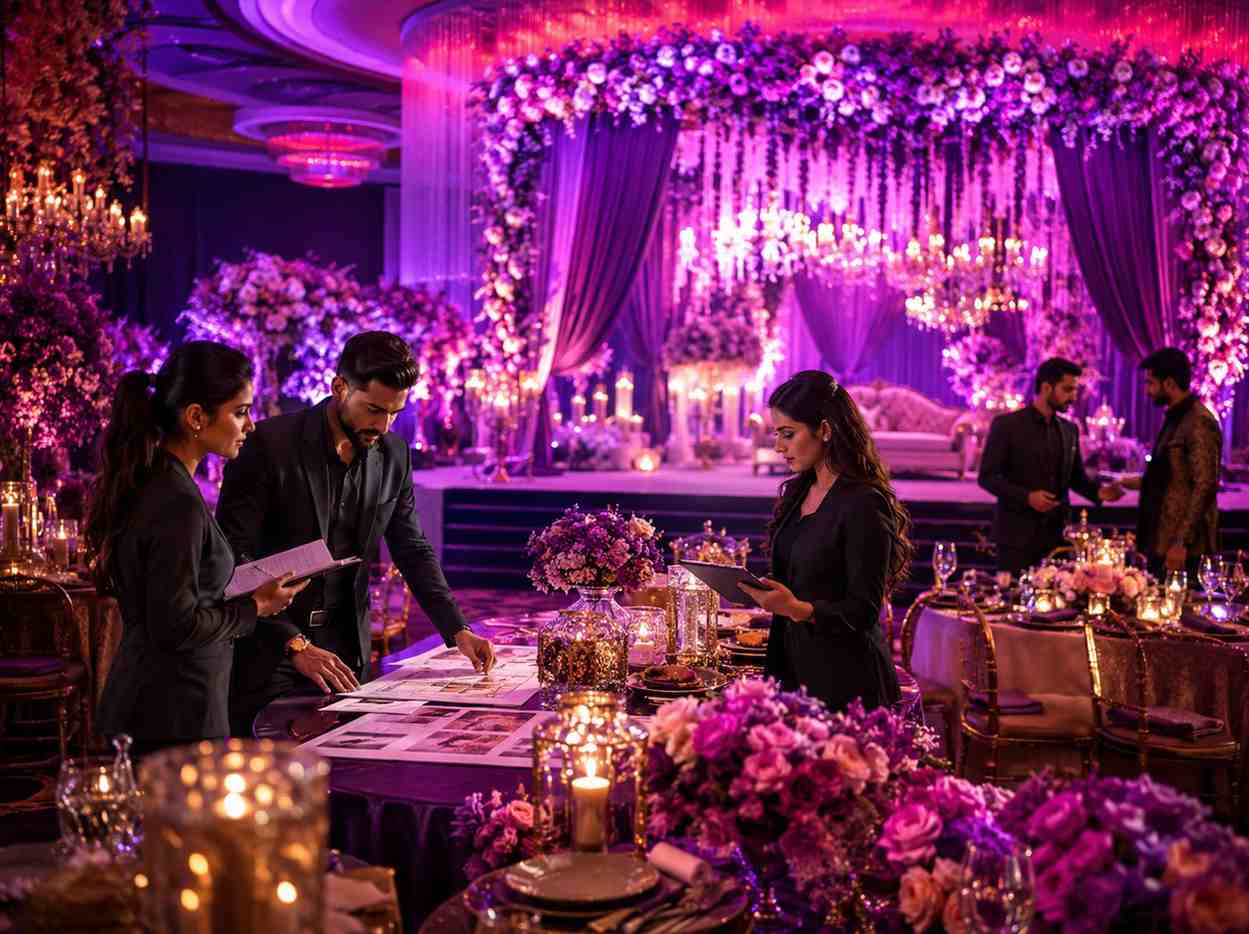
Explore All Event Support
Discover reliable event support services for smooth planning, on-site assistance, coordination and seamless celebrations.
Plan Smoothly,
Celebrate with Happiffie
From planning and coordination to on-site assistance and event support, Happiffie helps you discover reliable services that keep every celebration organised, seamless and stress-free.
- Smart Event Support DiscoveryFind support services suited to your event and celebration
- Seamless Event CoordinationGet the right assistance to keep your event organised and on track
- Trusted Venue NetworkConnect with verified event support professionals and service providers
Event Support Services
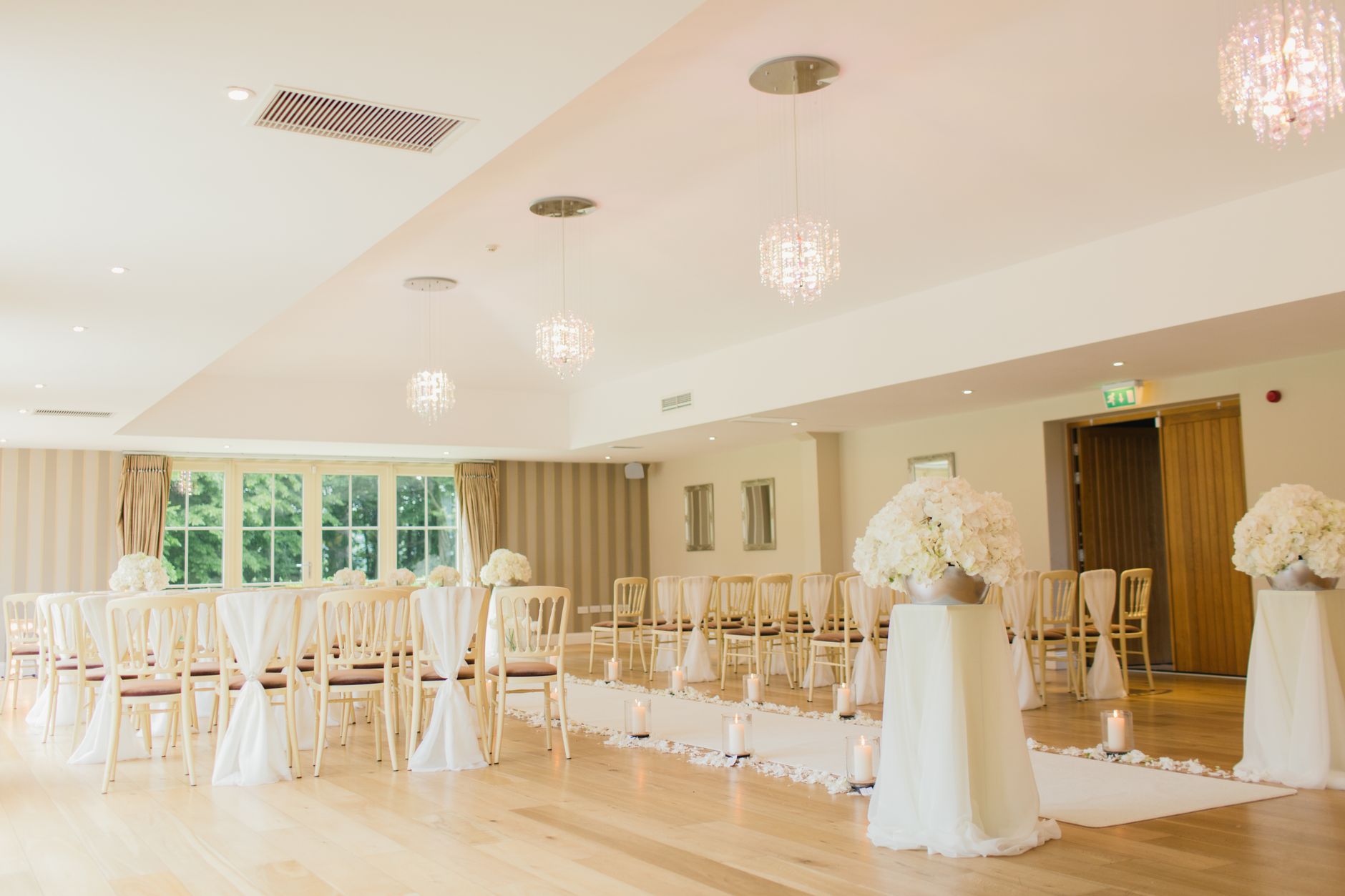 Celebration Housekeeping
 Civil Marriage Registration
 Clothes Ironing Service
 Drone Shoot Permission
 Emergency Ambulance Support
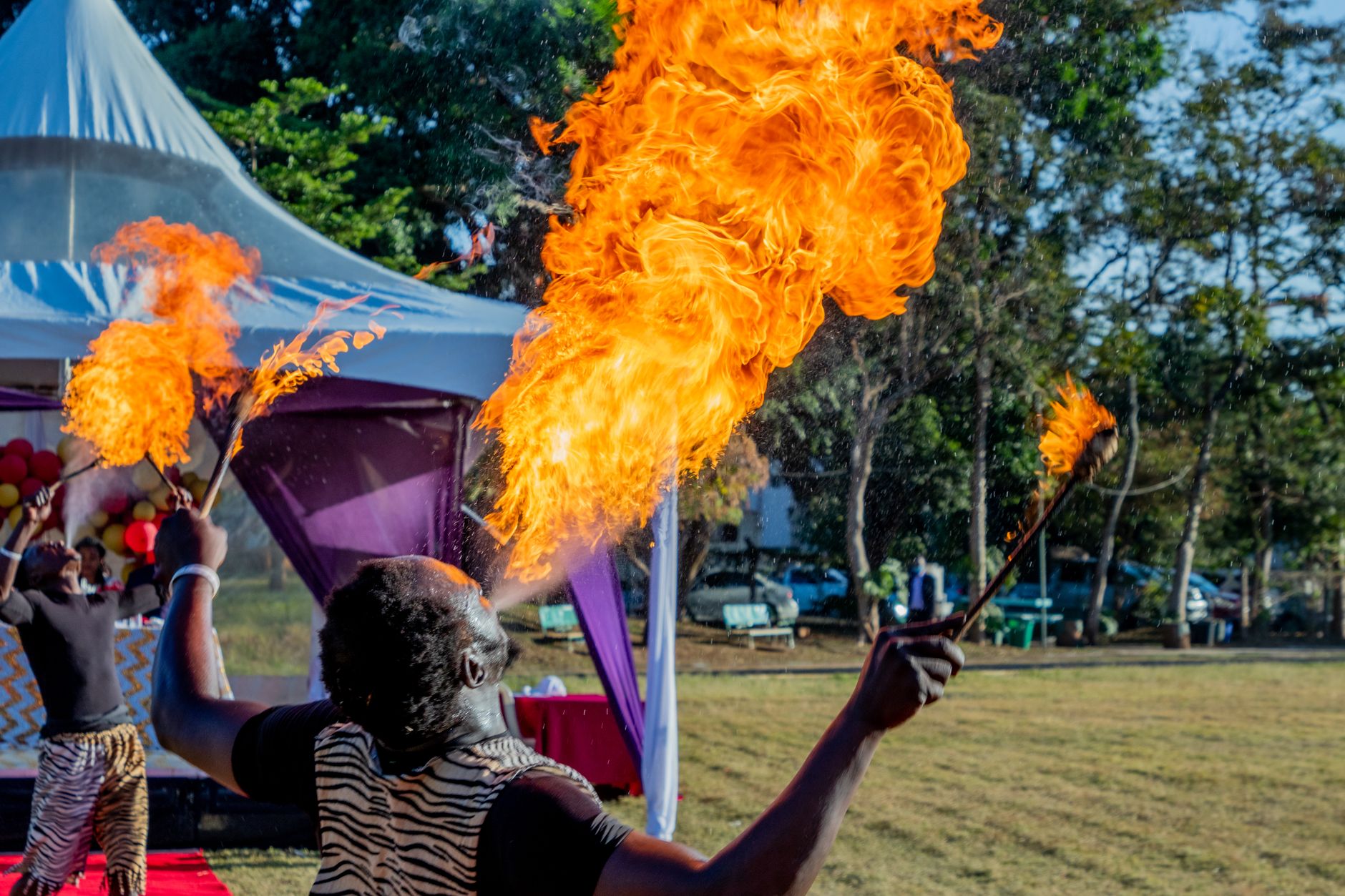 Fire Marshal Service
 Guest Assistance Desk
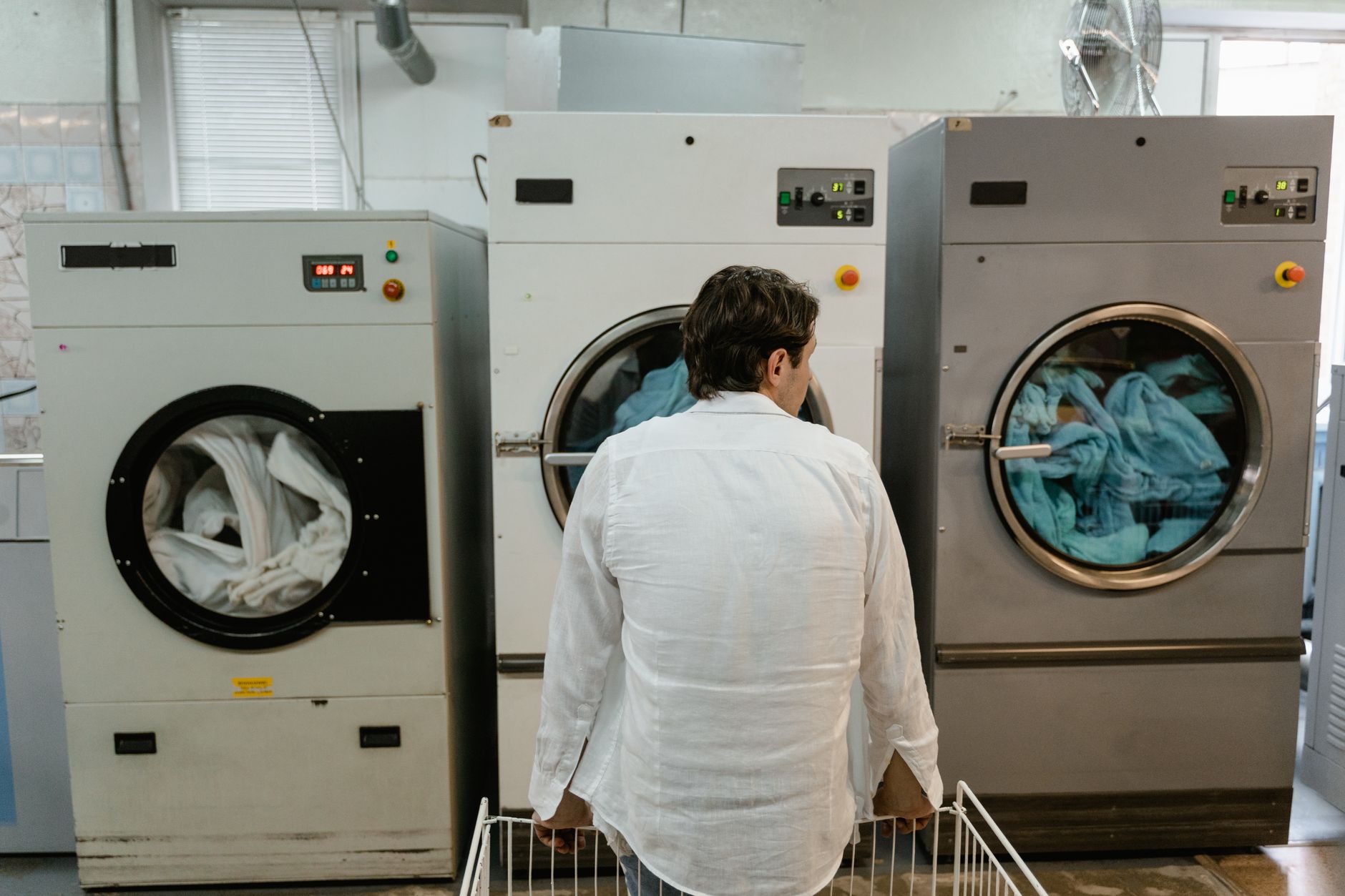 Guest Laundry Service
 Handheld Radio Hire for Events
 IPRS Performance Rights License
 Novex Recorded Music License
 Onsite Babysitting
 Onsite Medical Support
 Onsite Pet Care
 PPL Recorded Music License
 Senior Guest Assistance
 Temporary Liquor License
- 400+Curated Events
- 6Event Universes
- 1000+Verified Vendors
- 70+Locations
- 24/7Customer Support


Not sure which packages fits your celebration?
Let Hiya & Hanu help you find the perfect match!
Explore Celebration Packages- AI-Powered MatchingSmart suggestions for you
- Budget OptimizerGet the best experiences in your budget
- End-to-End SupportWe are with you at every step
Serving Celebrations across 75+ locations in India
Best Celebration Logistics Support for Smoothly Managed Events
◆A successful celebration depends on much more than décor, entertainment and hospitality. Behind every well-managed occasion is a carefully coordinated logistics process that keeps people, materials, equipment and suppliers moving at the right time. When logistics are handled efficiently, organisers can focus more confidently on their guests and the celebration itself.
The best celebration logistics support in Kerala can assist with weddings, birthdays, anniversaries, corporate functions, private parties, festivals and destination occasions. From transporting event materials to coordinating supplier arrivals, logistics support helps connect different operational requirements before and during the celebration.
Kerala presents a particularly varied environment for event logistics. Urban banquet halls, coastal resorts, backwater properties, hill destinations, heritage venues and private residences can all have different access conditions. Each location therefore requires a practical approach to transportation, delivery, setup and movement.
Understanding Celebration Logistics
Celebration logistics refers to the planning and coordination of physical movement required to deliver an event successfully. It can include transportation, supplier scheduling, equipment movement, venue access, material handling and timing management.
The process usually begins before the event date. Organisers need to understand what materials are required, where they are coming from and when they need to reach the venue.
Furniture, décor materials, sound equipment, lighting systems, catering supplies and production items may all arrive through different suppliers. Without proper coordination, several deliveries can compete for limited access areas.
A structured logistics plan creates a clearer sequence. This helps suppliers arrive at suitable times and reduces unnecessary waiting or congestion.
Logistics Support for Weddings
Weddings often involve substantial movement of people and materials. Décor teams, caterers, photographers, entertainment providers, furniture suppliers and technical crews may all require access to the same venue.
The best celebration logistics support helps coordinate these requirements around the wedding schedule. Deliveries can be planned according to installation priorities, while suppliers can receive suitable arrival windows.
Ceremony materials may need to arrive before reception furniture. Decorative installations can require additional setup time, while technical equipment may need testing before guests enter.
A coordinated approach reduces the possibility of last-minute movement and allows different teams to work without unnecessary interference.
Birthday Celebration Logistics
Birthday celebrations may appear simpler than weddings, but larger occasions can still involve considerable logistical activity. Children's parties may include entertainment equipment, activity materials, furniture, decorations and catering supplies.
Milestone birthdays can require more elaborate installations and larger guest arrangements. Equipment and decorative items may need to arrive within a limited venue access window.
Logistics planning can help protect activity areas by ensuring that materials are moved before guests arrive. This is particularly important when children need open areas for games and entertainment.
Home celebrations may require additional planning because residential entrances, parking arrangements and lift access can restrict movement.
Corporate Event Logistics
Corporate celebrations and professional functions often operate according to precise schedules. Conferences, product launches, seminars, award functions, networking events and office celebrations may involve multiple suppliers.
Equipment delivery needs to be coordinated with venue access and technical testing. Registration materials, presentation equipment, furniture and branding installations may all have different arrival requirements.
Corporate venues can also impose stricter loading and unloading rules. Advance coordination helps suppliers understand these restrictions before reaching the location.
When logistics are properly organised, attendees can enter a prepared environment without seeing unnecessary setup activity.
Planning Transportation Efficiently
Transportation is one of the central elements of celebration logistics. The type and quantity of materials determine the vehicles, loading requirements and travel arrangements involved.
Large furniture pieces may need suitable transport capacity. Décor materials can require careful packing, while technical equipment may need protected handling.
Travel time should also account for traffic conditions, route restrictions and venue access. Kerala's urban areas and popular destinations can experience significant road congestion during busy periods.
Building reasonable time allowances into the schedule can provide useful protection against unexpected delays.
Coordinating Supplier Arrivals
Multiple suppliers rarely need to arrive simultaneously. A well-planned sequence can make venue preparation more efficient.
Decorators may require early access, followed by furniture teams and technical suppliers. Caterers may need their own service window, while photographers and entertainers generally require access closer to the programme start.
The logistics coordinator can help establish an arrival sequence that reflects these requirements.
Clear communication is particularly important when several vendors depend on one another. If one installation must be completed before another begins, the timing should be understood in advance.
Managing Venue Access
Every venue has its own access conditions. Some locations offer dedicated loading bays, while others may require materials to pass through reception areas or narrow entrances.
Hotels and convention facilities may have specific delivery timings. Residential venues can have parking limitations, while heritage properties may have restrictions on heavy equipment.
Outdoor locations may also require longer movement routes between parking and the event area.
Venue access should therefore be assessed before the logistics schedule is finalised. This allows organisers to anticipate practical challenges rather than discovering them during setup.
Supporting Event Setup
Logistics and setup are closely connected. Materials must reach the correct area before installation can begin.
Furniture may need to move directly to dining zones, while decorative materials should reach the relevant installation points. Audio and lighting equipment may need to be delivered near technical control areas.
Clear labelling and organised unloading can reduce unnecessary movement inside the venue.
A planned setup sequence also helps protect finished décor from damage caused by later deliveries.
Handling Event Equipment
Celebrations can involve valuable and delicate equipment. Cameras, lighting fixtures, sound systems, screens, staging materials and decorative installations all require appropriate handling.
Transport should consider packaging, protection and secure movement. Equipment should not be left in unsuitable locations where it can become damaged or obstruct guest pathways.
Technical suppliers should have adequate time to inspect and test their equipment after delivery.
This is especially important for larger productions where several systems must operate together.
Catering Logistics
Food and beverage operations depend heavily on timing. Catering teams need sufficient access to unload ingredients, serving equipment, tables and other supplies.
Deliveries should be scheduled according to preparation requirements rather than simply arriving whenever convenient.
Buffet equipment and dining materials may also need to reach the venue before decorative finishing touches are completed.
Service routes should remain accessible throughout the preparation period. This allows catering staff to work efficiently without disrupting other suppliers.
Décor and Material Movement
Decorators can require a substantial amount of material for larger celebrations. Floral installations, fabric elements, furniture accessories, props, structures and decorative lighting may all arrive separately.
A logistics plan should account for where these materials will be unloaded and stored before installation.
Temporary storage areas can prevent corridors and guest-facing spaces from becoming crowded.
Once installations are complete, unused materials should be removed or stored safely so that the finished venue remains uncluttered.
Managing Outdoor Celebration Logistics
Outdoor celebrations require additional logistical consideration. Lawns, beaches, gardens, resorts and open-air venues may have longer distances between parking and the event area.
Weather can also influence transportation and material protection. Sensitive equipment may require covered movement and temporary protection during uncertain conditions.
Ground conditions should be assessed before moving heavy furniture or technical equipment.
Outdoor logistics also need to preserve guest pathways. Delivery vehicles and installation activity should be separated from areas intended for guest movement whenever possible.
Destination Event Considerations
Destination celebrations in Kerala can involve suppliers and guests travelling from different locations. Resorts, hill properties, coastal venues and backwater destinations may require additional planning.
Materials may need to travel longer distances, making transport timing particularly important.
Guest transportation can also form part of the wider logistics plan. Pick-up points, accommodation transfers and venue arrival schedules should align with the celebration programme.
For destination weddings, the logistics plan may extend across several days rather than a single event.
Guest Movement and Transportation
Logistics are not limited to materials. Guest movement can also influence the success of an event.
Large celebrations may require transportation between accommodation, ceremony locations and reception venues. Elderly guests and families with children may benefit from convenient arrangements and clearly communicated arrival information.
Parking areas should connect logically with entrance points. Where venues have separate drop-off and parking zones, guests should receive clear guidance.
A thoughtful movement plan can make arrivals less stressful and improve the overall hospitality experience.
Managing Event Timelines
Timing is one of the most important elements of logistics planning. Every delivery, setup task and supplier arrival contributes to the overall schedule.
The event programme should therefore be considered alongside operational requirements. If guests arrive at a particular time, essential setup should be completed well beforehand.
Buffer periods are useful because transport delays, loading challenges or unexpected venue restrictions can occur.
A realistic schedule is more effective than one that leaves no room for operational changes.
Supporting Emergency Adjustments
Even a detailed logistics plan may require changes. A vehicle can be delayed, a supplier may arrive early or a venue access point may become unavailable.
Good logistics support allows organisers to respond without disrupting the entire event.
Alternative routes, revised delivery windows and temporary holding areas can provide useful flexibility.
Communication becomes especially important when changes occur. Relevant suppliers should receive updated information quickly so that the new sequence remains coordinated.
Budgeting for Logistics
Logistics costs can depend on distance, vehicle requirements, material quantity, labour, loading conditions and the number of delivery points.
Organisers should consider logistics during the initial event budget rather than treating transportation as an unexpected final expense.
Combining compatible deliveries can sometimes improve efficiency. However, consolidation should not create timing problems for suppliers or compromise equipment handling.
A clear quotation should explain the services included and any additional charges that could apply.
Choosing a Reliable Logistics Provider
A suitable logistics provider should understand event timelines, venue operations and supplier coordination.
Before booking, organisers should explain the event type, venue location, expected guest count, materials involved and required delivery windows.
Experience with different venue formats can be valuable. A provider familiar with hotels may approach a residential celebration differently from a destination wedding.
Communication should remain clear throughout the planning period, particularly when several suppliers are involved.
Coordinating Logistics with Other Services
Logistics should connect naturally with every major event service. Décor, furniture, catering, photography, entertainment and technical production all depend on timely access.
For example, a furniture supplier cannot complete a seating arrangement if another installation is blocking the required area. Similarly, technical teams may need uninterrupted access before the stage is fully decorated.
Coordinating these requirements through one operational timeline can reduce conflicts.
This creates a smoother workflow and helps each supplier complete their responsibilities efficiently.
Kerala-Specific Logistics Planning
Kerala's geographical variety makes local planning particularly important. Urban centres may involve traffic and parking restrictions, while resort destinations can present longer access routes.
Backwater properties may have unique transportation arrangements. Hill locations can require additional travel time, while coastal venues may need greater attention to weather conditions.
Residential celebrations can involve limited parking and narrow entrances.
Understanding the characteristics of the destination helps create a more realistic logistics plan.
Creating a Practical Logistics Schedule
An effective schedule should begin with the event's fixed requirements. Guest arrival, ceremony timings, meal service and entertainment schedules provide the framework.
Supplier deliveries can then be arranged around these milestones.
Early deliveries should focus on items requiring lengthy installation. Time-sensitive materials can be scheduled closer to their actual use, provided adequate contingency is maintained.
This approach helps prevent unnecessary storage and reduces congestion during venue preparation.
Why Professional Logistics Support Matters
Professional logistics support can provide structure to a complex operational environment. Instead of asking individual suppliers to manage their own arrival arrangements, organisers can coordinate movements through a shared plan.
This is particularly valuable for larger celebrations involving many vendors.
Good logistics support can improve punctuality, reduce unnecessary movement and make venue preparation more orderly.
It also gives organisers greater visibility over what needs to happen before guests arrive.
Making Celebration Logistics More Efficient
The best celebration logistics support combines planning, communication, timing and practical venue knowledge. Every movement should have a purpose, from supplier arrival to final collection.
Starting early gives organisers more time to understand access conditions and identify possible conflicts.
A clear schedule should be shared with relevant suppliers so everyone understands their responsibilities.
When transportation, delivery, setup and guest movement are planned together, the celebration can operate with greater consistency.
Conclusion
The best celebration logistics support provides an important operational foundation for well-managed occasions. From supplier deliveries and equipment movement to guest transportation and venue access, every logistical detail can influence how smoothly the celebration progresses.
Kerala's varied venues make local planning particularly valuable. Urban halls, resorts, homes, beaches, backwater properties and hill destinations each present different transportation and access requirements.
Professional logistics coordination can help organisers manage these differences while keeping suppliers aligned with the event schedule. It can also reduce congestion, minimise unnecessary movement and provide greater flexibility when unexpected changes occur.
Whether planning a wedding, birthday, corporate function, anniversary or private party, thoughtful logistics can turn a complicated setup into a more organised experience. When every delivery arrives at the right place and time, the celebration has a stronger foundation for success.
FAQs
1. What does celebration logistics support include?
Celebration logistics support can include transportation, supplier scheduling, material delivery, venue access coordination, equipment movement and setup-related assistance.
2. Is logistics support useful for weddings?
Yes. Weddings often involve many suppliers, materials and setup stages, making coordinated logistics particularly useful for maintaining the event schedule.
3. Can logistics providers handle birthday party requirements?
Yes. Logistics support can assist with furniture, décor materials, entertainment equipment, catering supplies and other birthday celebration requirements.
4. Do corporate events require logistics coordination?
Corporate functions can benefit significantly from logistics planning because equipment, furniture, registration materials and technical systems often need precise delivery timings.
5. Can logistics support include guest transportation?
Depending on the service, logistics coordination can include guest transfers, accommodation-to-venue movement, parking arrangements and scheduled transportation.
6. How early should event logistics be planned?
Planning should begin as early as possible, particularly for large celebrations involving multiple suppliers, destination travel or restricted venue access.
7. Can logistics support help with outdoor celebrations?
Yes. Outdoor events may require additional planning for equipment movement, ground conditions, weather protection, parking and longer delivery routes.
8. What information should I give a logistics provider?
Share the venue, event date, schedule, supplier details, material requirements, delivery points, guest transportation needs and any known access restrictions.
9. Does logistics support cover equipment delivery?
Many logistics arrangements can include equipment delivery, depending on the provider and the type, quantity and handling requirements of the equipment.
10. Why is professional celebration logistics support worthwhile?
Professional coordination can reduce delivery conflicts, improve timing, simplify supplier communication and help the event team manage venue operations more efficiently.