
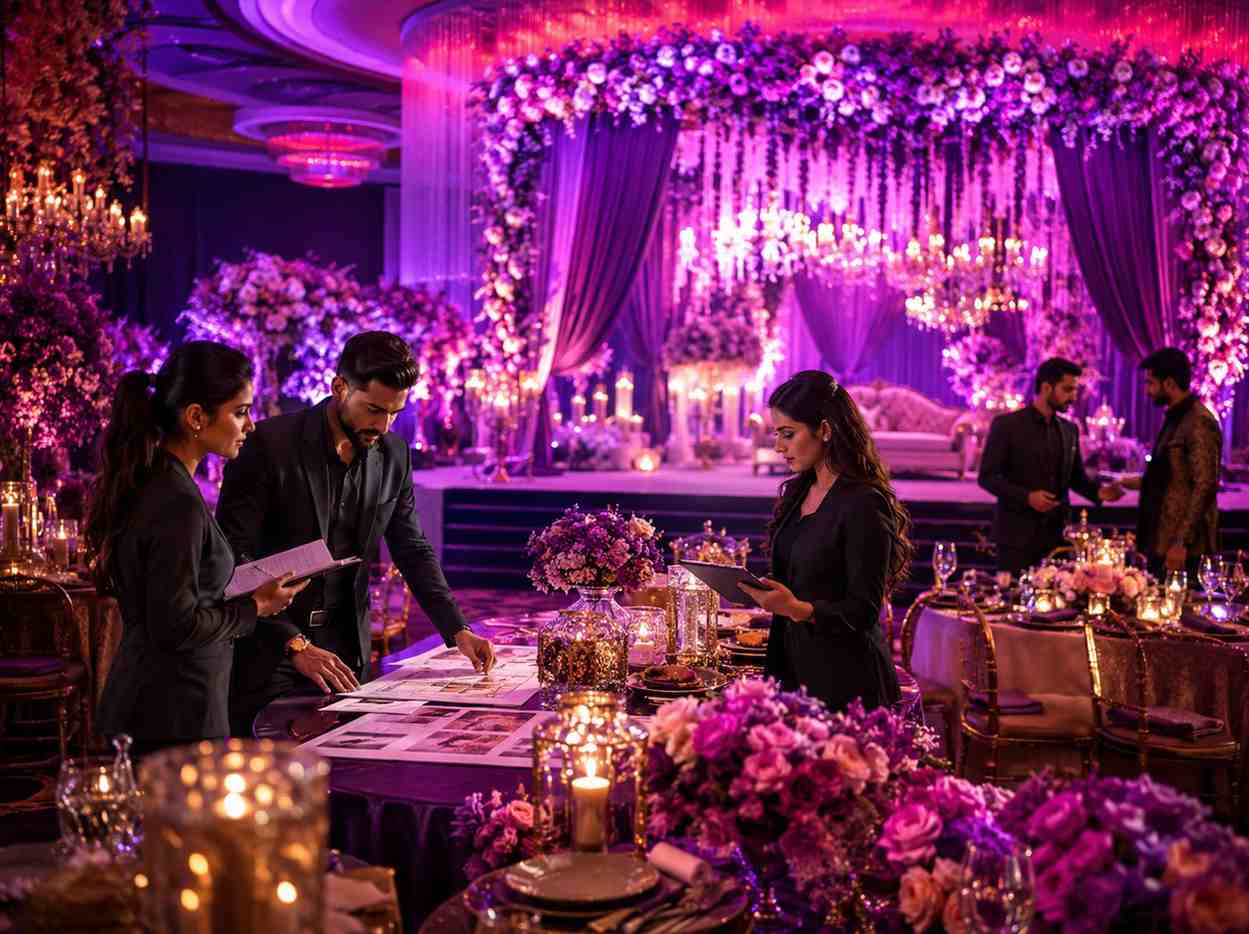
Explore All Event Support
Discover reliable event support services for smooth planning, on-site assistance, coordination and seamless celebrations.
Plan Smoothly,
Celebrate with Happiffie
From planning and coordination to on-site assistance and event support, Happiffie helps you discover reliable services that keep every celebration organised, seamless and stress-free.
- Smart Event Support DiscoveryFind support services suited to your event and celebration
- Seamless Event CoordinationGet the right assistance to keep your event organised and on track
- Trusted Venue NetworkConnect with verified event support professionals and service providers
Event Support Services
 Controlled Airspace Drone Approval
 Destination Pet Attendant
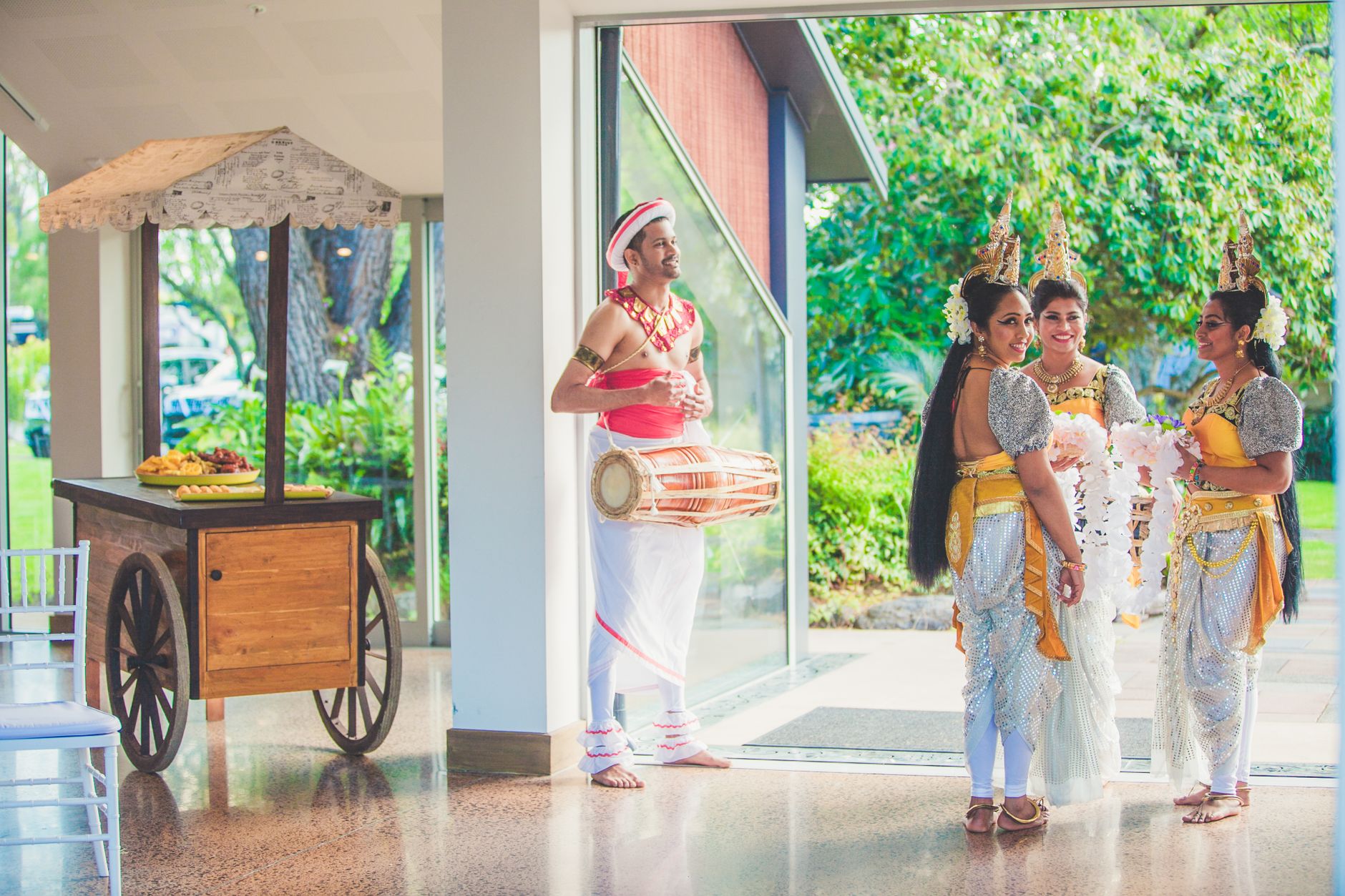 Destination Senior Attendant
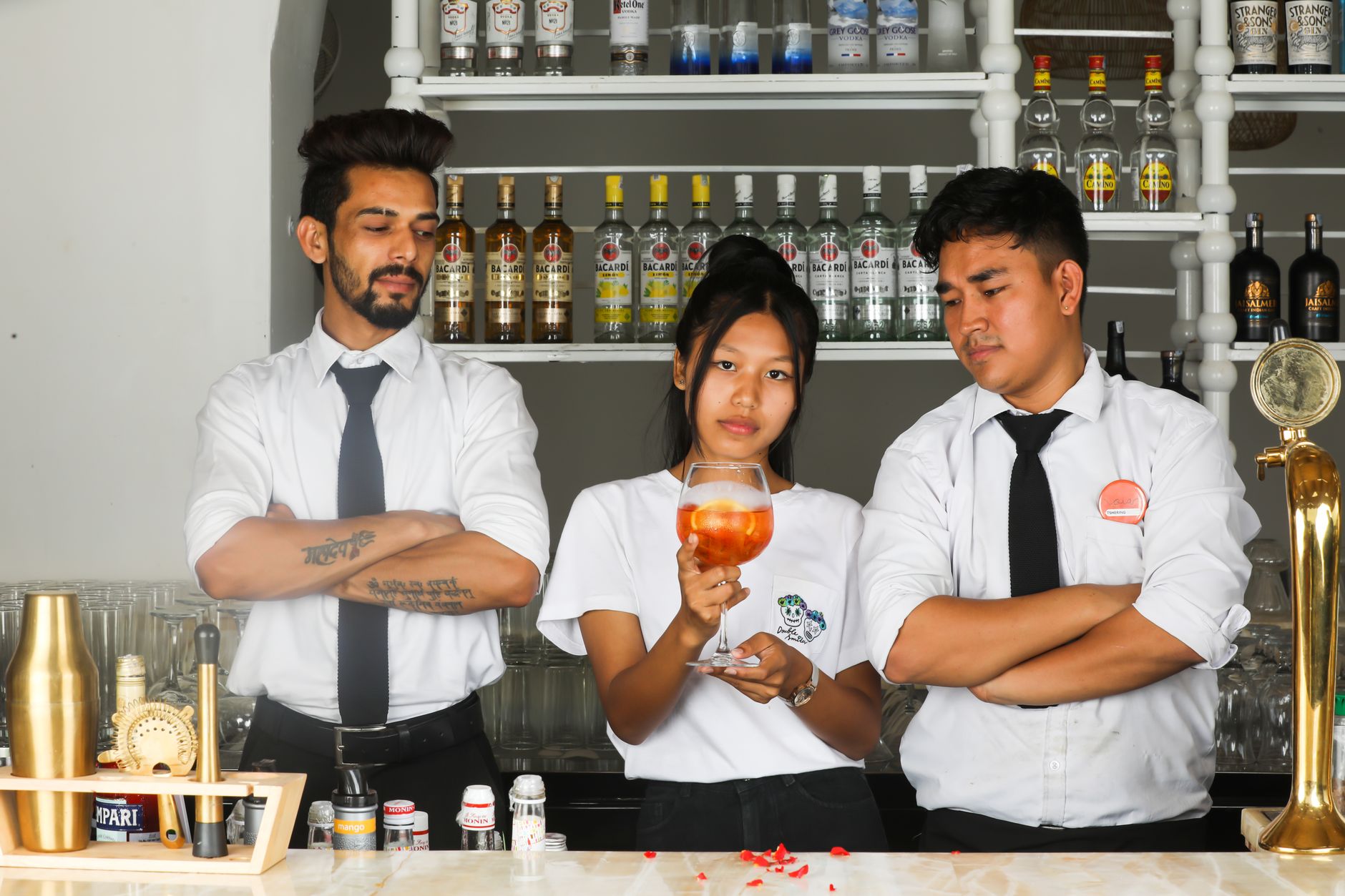 Excise License Facilitation for Alcohol
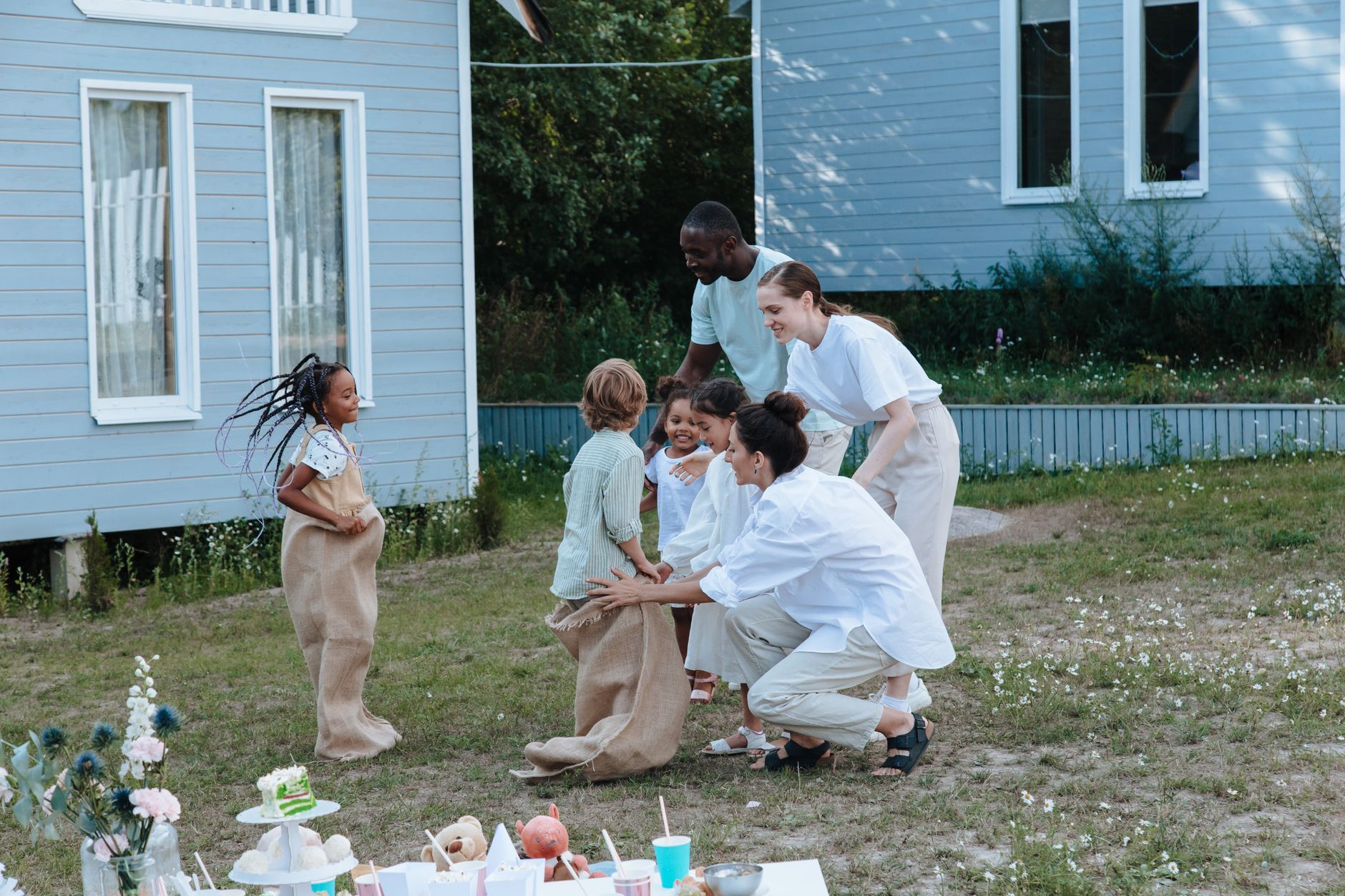 Function Babysitting Support
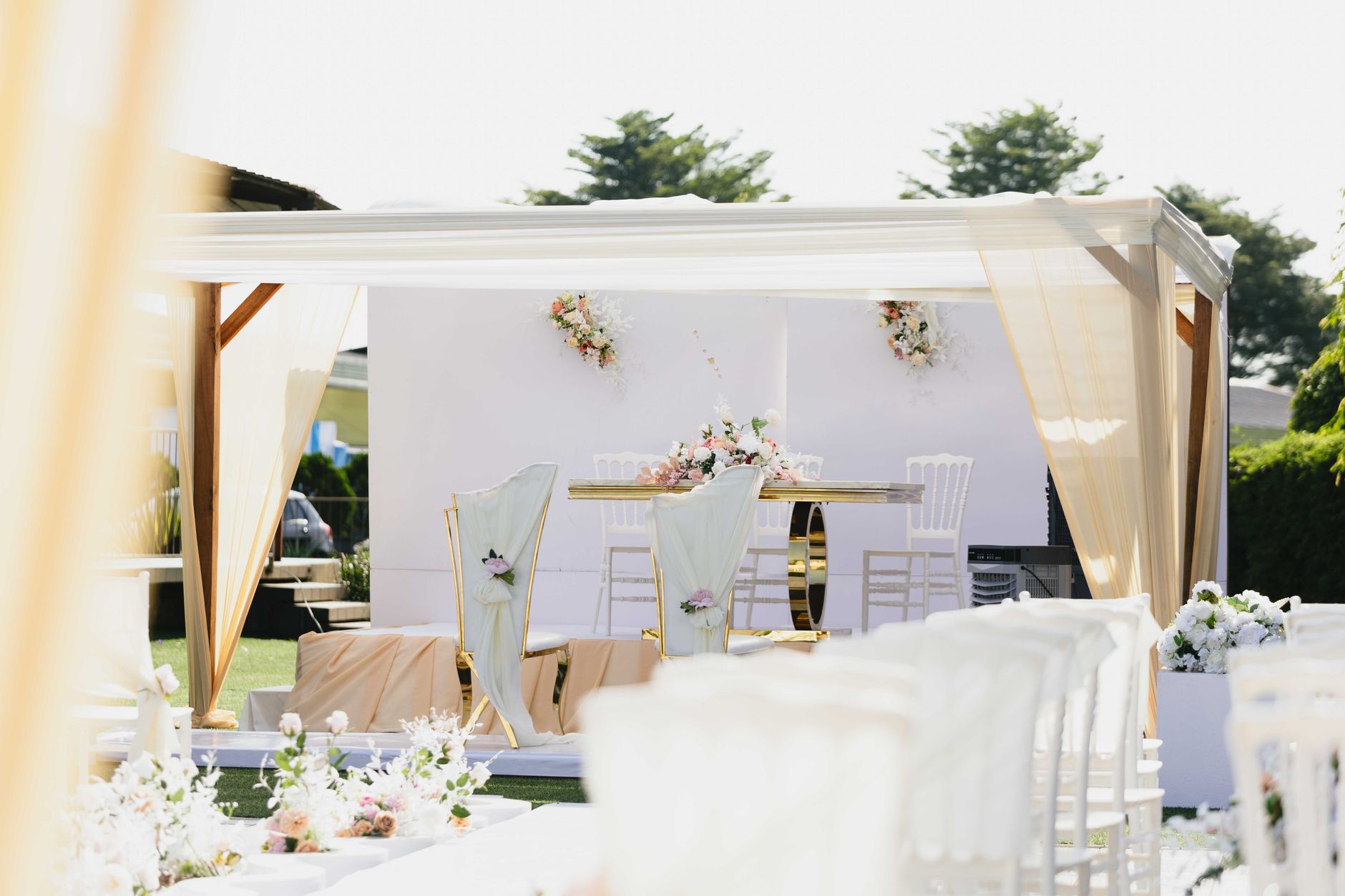 Function Onsite Medical Support
 Guest Clothing Pressing
 Guest Laundry Support in Function
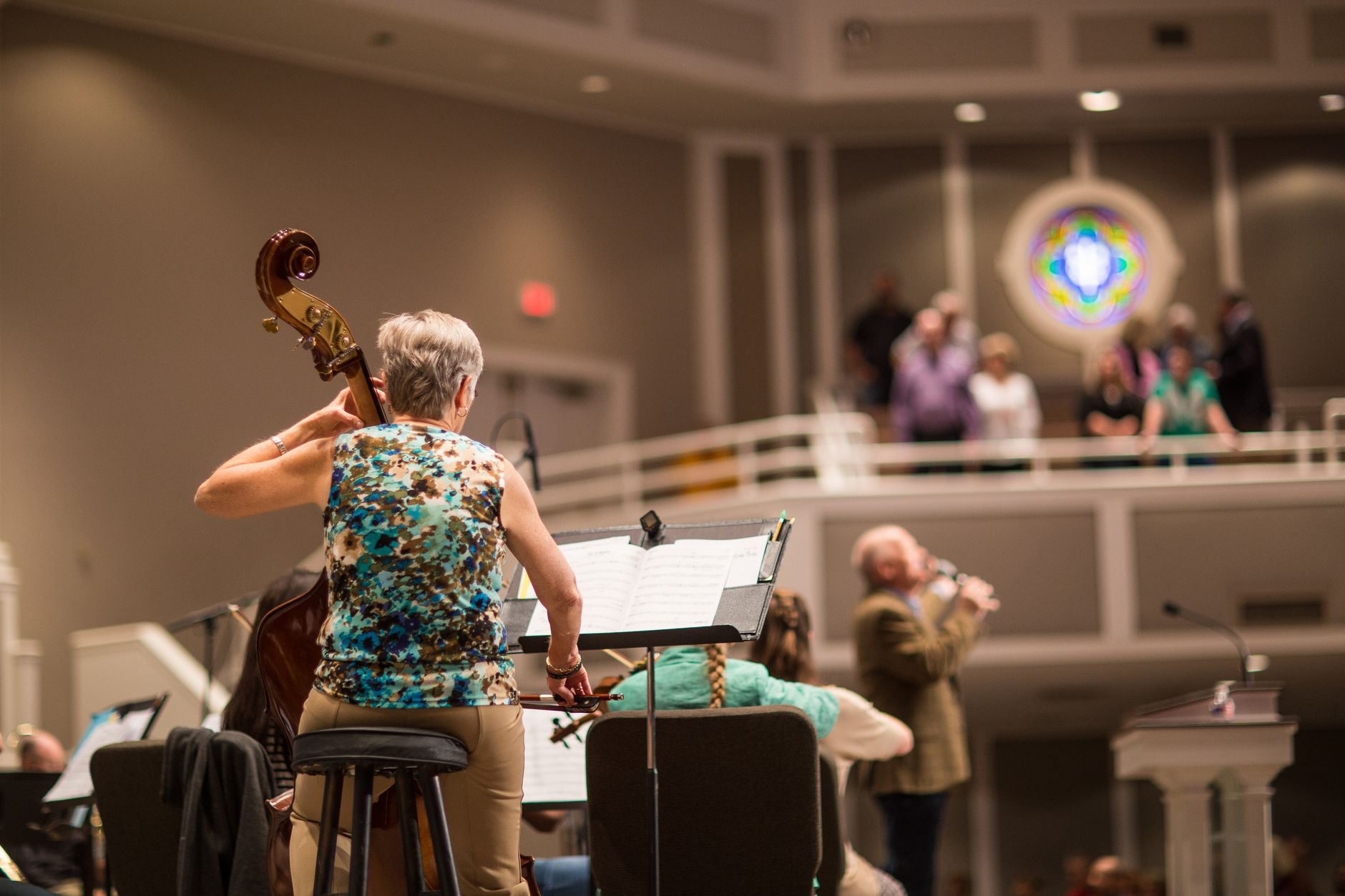 IPRS Banquet Music Permission
 Janitorial Services in Event
 Marriage Certificate Application
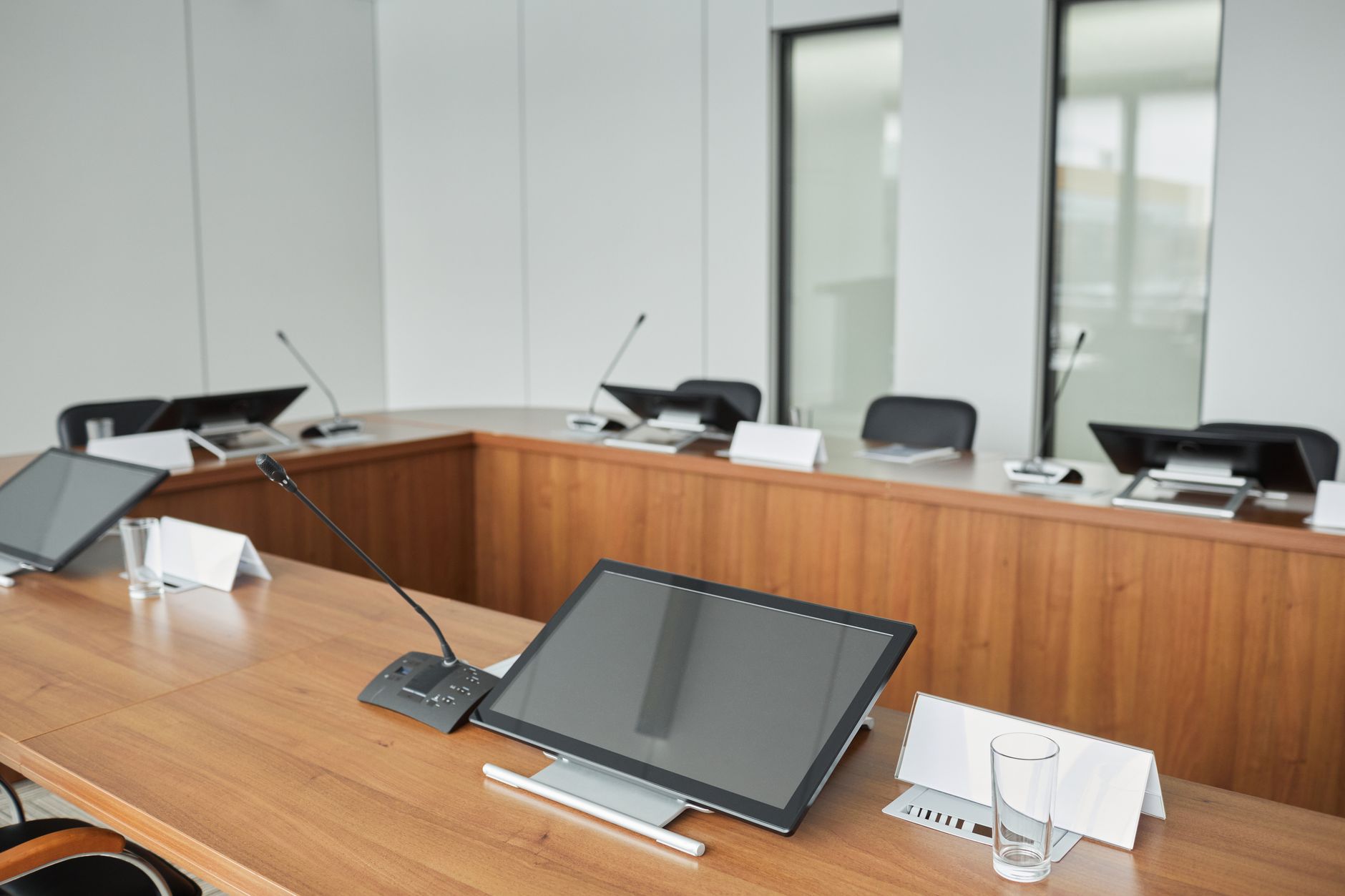 Novex Conference Music Clearance
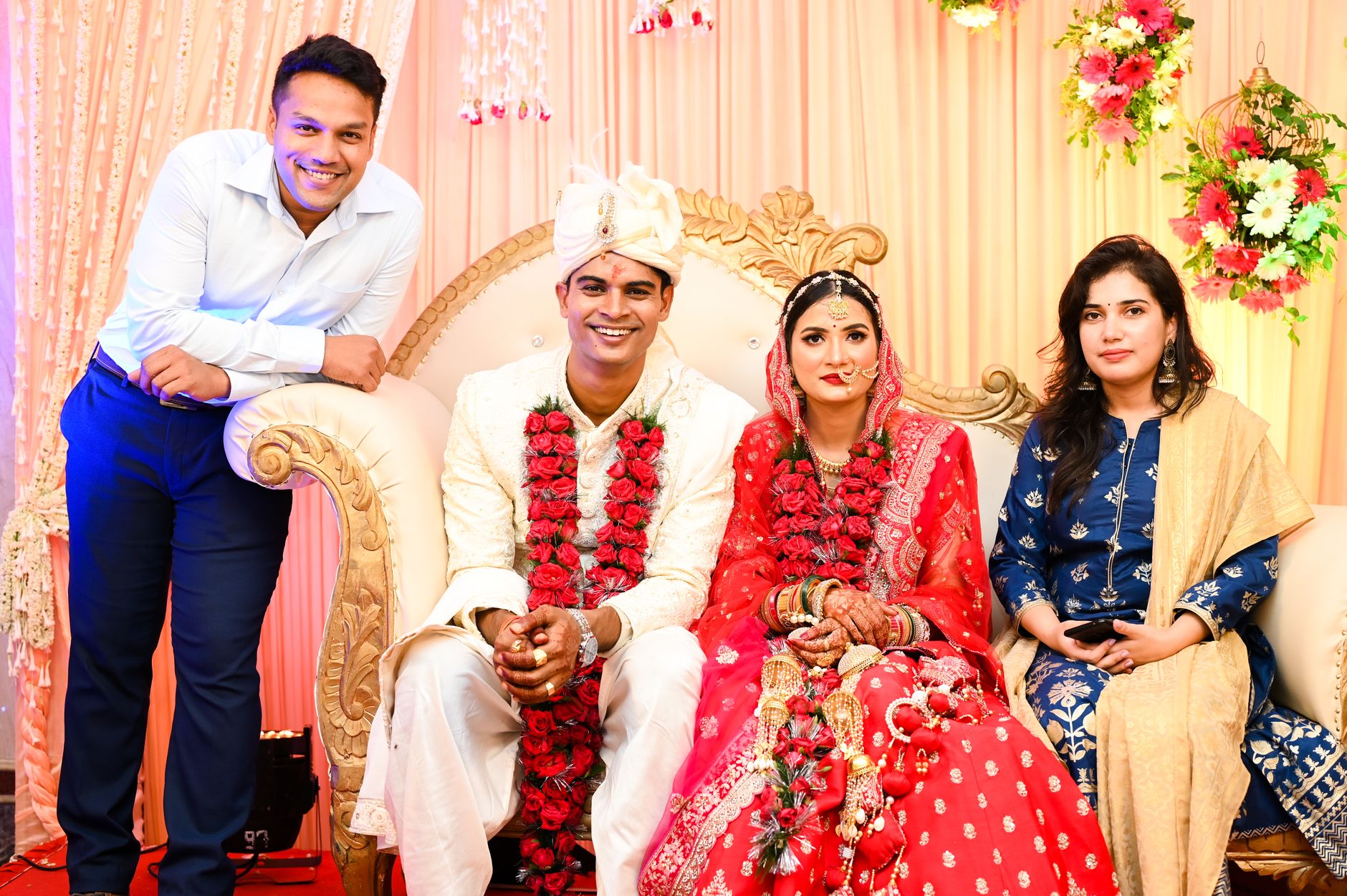 NRI Guest Assistance Desk
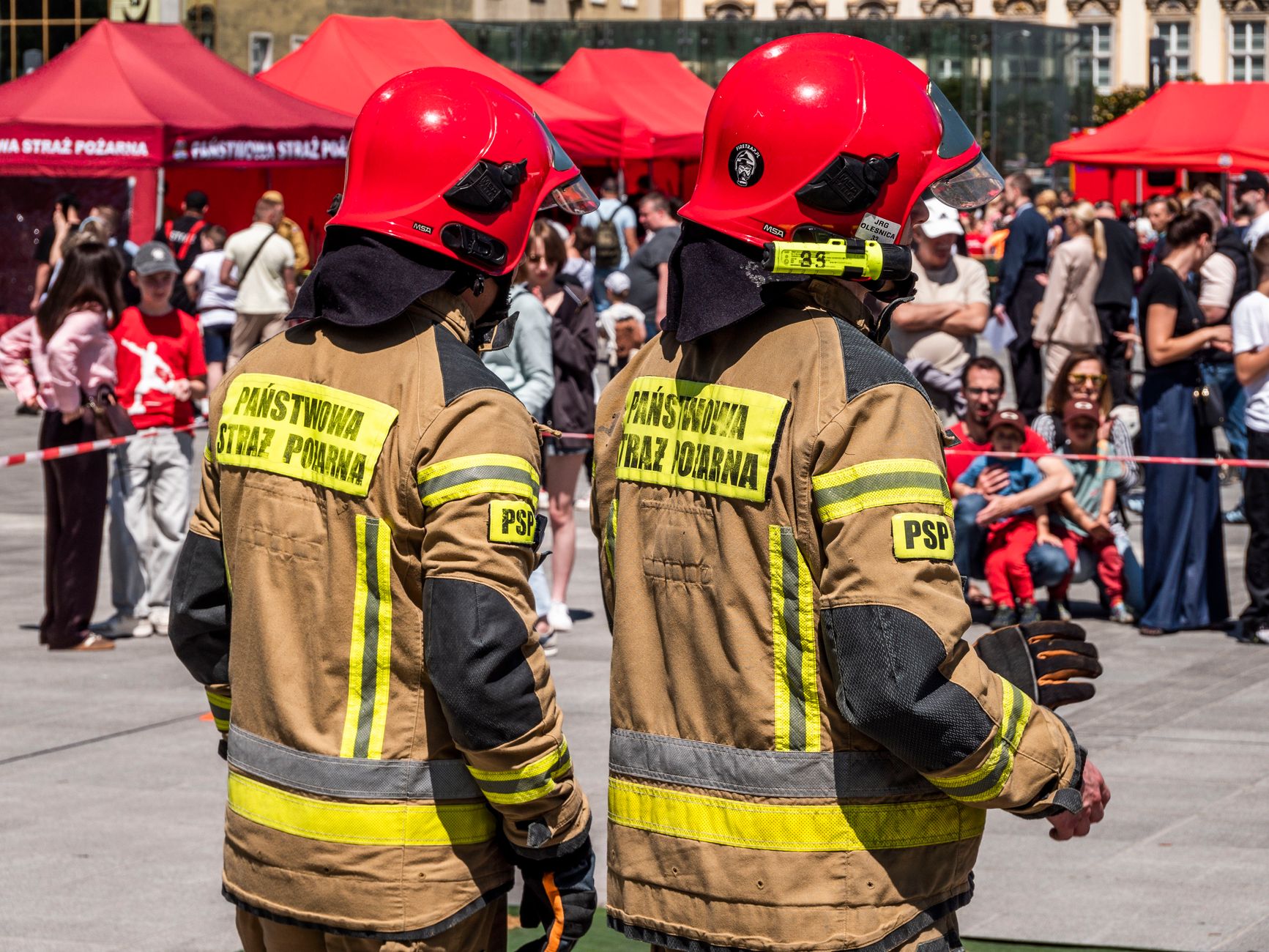 Outdoor Fire Safety Team
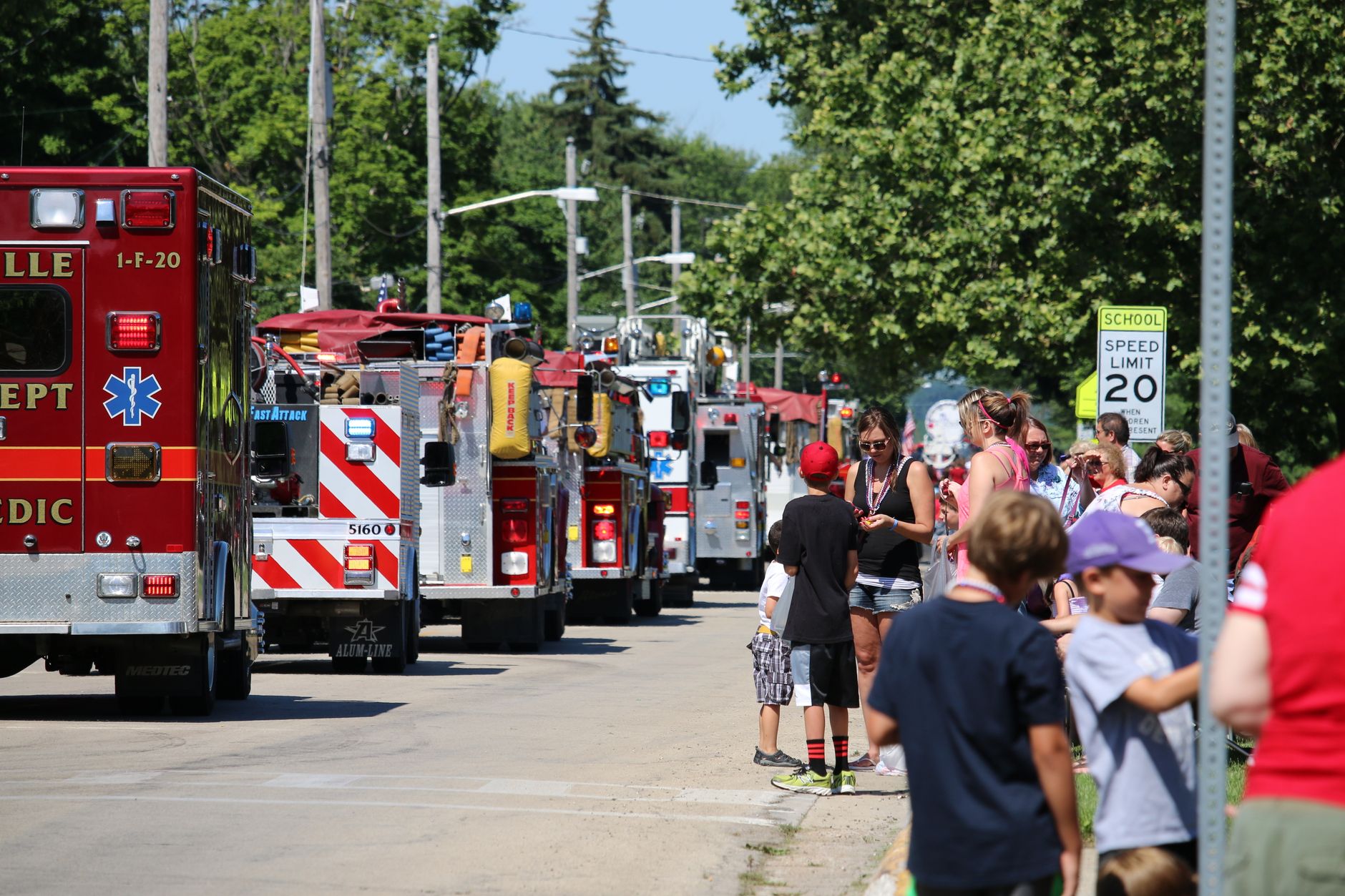 Outdoor Function Ambulance
 Outdoor Walkie Talkie Hire
 PPL Conference Music Permission
- 400+Curated Events
- 6Event Universes
- 1000+Verified Vendors
- 70+Locations
- 24/7Customer Support


Not sure which packages fits your celebration?
Let Hiya & Hanu help you find the perfect match!
Explore Celebration Packages- AI-Powered MatchingSmart suggestions for you
- Budget OptimizerGet the best experiences in your budget
- End-to-End SupportWe are with you at every step
Serving Celebrations across 75+ locations in India
Seamless Coordination Support for Celebrations and Confident Event Execution
◆A memorable celebration rarely happens by chance. Behind a relaxed guest experience is a carefully organised network of people, suppliers, schedules and venue activities. When these elements are coordinated effectively, hosts can enjoy their occasion without constantly managing operational details.
Seamless coordination support for celebrations can bring structure to weddings, birthdays, anniversaries, corporate functions, private parties and social occasions. Coordination services help connect different parts of an event, from supplier communication and venue preparation to programme timing and on-site assistance.
Kerala offers an especially varied setting for celebrations. Events may take place in banquet halls, hotels, resorts, homes, gardens, beaches, backwater properties and heritage locations. Each venue introduces different requirements, making thoughtful coordination valuable throughout the planning process.
Understanding Celebration Coordination
Celebration coordination involves bringing multiple event requirements together through one organised approach. The process can cover planning discussions, supplier communication, scheduling, venue preparation and programme execution.
An event may involve decorators, caterers, photographers, entertainers, furniture providers, transportation teams and technical specialists. Each supplier has separate responsibilities, but their work often depends on one another.
Coordination creates a shared understanding of timing and priorities. It helps ensure that one supplier's work does not unnecessarily delay another team's activities.
The objective is not simply to manage tasks. It is to create a connected event environment where each element supports the next.
Why Coordination Matters
Even a relatively small celebration can contain numerous moving parts. Invitations, guest arrivals, venue access, décor installation, catering preparation and entertainment schedules all need attention.
Without coordination, hosts may spend considerable time calling suppliers and resolving timing issues. This can become particularly challenging on the actual event day.
A dedicated coordination approach provides a central point for operational communication. Suppliers can receive clearer instructions while organisers gain better visibility over progress.
This structure allows the host to remain involved in important decisions without being responsible for every practical detail.
Wedding Coordination Support
Weddings often involve several ceremonies and activities across one or more days. Each function may have different décor, catering, entertainment and guest requirements.
Coordination support can connect these individual elements into a wider schedule. Ceremony preparation can be aligned with guest arrival, while reception arrangements can be planned around dining and entertainment timings.
Supplier access is another important consideration. Decorators, photographers, makeup professionals, caterers and technical teams may all need access at different stages.
A coordinated schedule helps prevent unnecessary overlap and keeps the venue prepared for each part of the celebration.
Birthday Event Coordination
Birthday celebrations can range from intimate family gatherings to large themed parties. The coordination requirements change according to guest numbers, venue type and entertainment programme.
Children's celebrations often need dedicated areas for games, activities and performances. Furniture, catering and décor should be arranged without restricting these spaces.
Milestone birthdays may involve formal dining, entertainment, photography and elaborate decorative installations.
Coordination support can help connect these requirements while ensuring the host remains focused on family and guests rather than operational tasks.
Corporate Celebration Coordination
Corporate occasions require a slightly different approach. Conferences, award functions, product launches, networking events and office celebrations often operate according to strict timelines.
Registration, presentations, catering breaks and entertainment may each have fixed timings. Technical teams may also require uninterrupted preparation before attendees arrive.
Coordination support can help suppliers understand the event sequence and their individual responsibilities.
A professional approach is particularly valuable when the event represents a business or organisation and timing contributes directly to the attendee experience.
Venue Coordination
The venue acts as the physical framework for every celebration. Its size, layout, access points and facilities influence how suppliers can operate.
Before the event, coordination should consider loading areas, parking, entrances, service routes and setup timings.
Some venues have strict access windows. Others may have limited storage or narrow movement routes.
Understanding these details early helps the coordination team create a more practical schedule and communicate venue requirements to suppliers.
Supplier Communication
Supplier communication is one of the most important elements of event coordination. Different professionals need accurate information about timings, locations and responsibilities.
A decorator may need to complete an installation before furniture arrives. A caterer may need access before guests enter, while entertainers may require a specific setup period.
Coordinated communication helps establish these dependencies.
When everyone receives consistent information, there is less opportunity for conflicting instructions or missed requirements.
Managing the Event Timeline
A detailed timeline provides a framework for the entire celebration. It can begin with venue access and continue through setup, guest arrival, programme activities, dining and closing procedures.
Each major activity should have an appropriate time allowance. Preparation should not be scheduled so tightly that a small delay affects the entire programme.
Buffer periods can provide flexibility when suppliers encounter traffic, loading difficulties or unexpected venue restrictions.
A realistic timeline allows the coordination team to respond to changes without losing sight of the event's main objectives.
On-Site Coordination
Planning alone cannot address every situation. On-site coordination provides practical support when the celebration is actually taking place.
The coordinator can monitor supplier arrivals, setup progress, programme transitions and venue requirements.
If a minor timing change occurs, the appropriate suppliers can be informed without placing the responsibility on the host.
This can be especially valuable during weddings and larger celebrations where several activities occur simultaneously.
Coordinating Décor and Styling
Décor is often one of the earliest major installations at an event. Floral arrangements, stage structures, lighting features, furniture and decorative elements may require substantial preparation.
Coordination ensures these activities follow a logical sequence.
For example, large installations should generally be completed before final furniture positioning. Photography areas should also remain accessible once styling is finished.
A coordinated approach protects completed work and reduces unnecessary movement through decorated areas.
Catering Coordination
Catering involves more than serving food. Preparation, equipment delivery, buffet placement, service staff and guest dining arrangements all require careful timing.
The catering team may need access before other suppliers finish their work. Service routes should remain clear throughout the celebration.
Coordination can help establish when food service begins, when dining areas should be ready and how catering teams can move through the venue.
This supports a more organised hospitality experience for guests.
Entertainment Coordination
Entertainment schedules need to fit naturally within the wider event programme. DJs, live bands, performers, hosts and activity providers may require different setup periods.
Technical checks should happen before the performance begins. Equipment should be positioned without creating obstacles for guests.
A coordinator can help connect entertainment timings with dining, speeches, ceremonies and other activities.
This reduces the risk of awkward gaps or rushed programme transitions.
Photography and Videography Coordination
Photography teams need access to important moments without interfering with guests or other suppliers.
Coordination can help photographers understand the event timeline and identify key locations in advance.
Couple portraits, family photographs, group shots and ceremony coverage may each require different time allocations.
Clear communication allows the photography team to work efficiently while keeping the celebration comfortable for everyone involved.
Guest Arrival Management
The first few minutes of an event influence the guest experience. Arrival areas should be organised, accessible and easy to understand.
For larger occasions, guest movement may involve parking, drop-off points, registration or welcome desks.
Coordination support can help manage these transition points and communicate with relevant venue personnel.
This is particularly helpful when several guest groups arrive at different times.
Managing Multiple Event Services
A celebration may involve many independent suppliers, but the guest experiences the event as one complete occasion.
That makes coordination between services essential.
Furniture needs to work with décor. Catering requires suitable dining areas. Entertainment depends on technical access. Photography needs clear movement paths.
When these relationships are considered together, the event can feel more cohesive and less operationally complicated.
Handling Last-Minute Changes
Changes are a normal part of event management. Guest numbers can shift, suppliers may experience delays and programme timings can change.
Effective coordination provides a structured way to respond.
A revised schedule can be communicated quickly, while suppliers can adjust their activities around the updated priorities.
The purpose is not to eliminate every unexpected situation. Instead, it is to ensure that changes can be managed without unnecessary disruption.
Coordination for Outdoor Celebrations
Outdoor events can introduce additional considerations. Weather, ground conditions, temporary structures, parking and longer supplier access routes can all affect preparation.
Garden parties, beach celebrations, resort functions and open-air weddings require flexible planning.
Equipment and furniture may also need weather protection. Alternative arrangements should be considered where weather conditions could affect the programme.
Coordination helps connect these contingencies with the wider event plan.
Destination Celebration Coordination
Destination events require planning beyond the venue itself. Guests may travel from different cities, suppliers may need longer transport routes and accommodation arrangements may affect arrival schedules.
Kerala's resorts, coastal destinations, backwater properties and hill locations can create memorable settings while also introducing logistical considerations.
Coordination support can help align venue preparation, supplier movement and guest schedules.
For multi-day celebrations, this becomes even more valuable because each function needs to connect with the next.
Budgeting for Coordination Services
Coordination should be considered as part of the overall event budget. The cost can vary according to event size, duration, number of suppliers and the level of on-site involvement required.
Smaller celebrations may need limited assistance, while large weddings or corporate occasions can require extensive coordination.
Hosts should understand what the service includes before booking. The scope may cover planning meetings, supplier communication, timeline preparation, venue coordination and event-day assistance.
Clear expectations make it easier to compare suitable service options.
Choosing the Right Coordination Support
The right coordinator should understand the event's priorities and communicate clearly with all involved suppliers.
Experience across different event formats can be valuable because weddings, birthdays and corporate occasions have different operational requirements.
Organisers should explain the venue, guest numbers, event schedule and supplier list during initial discussions.
A coordinator who understands these details can develop a more suitable approach rather than relying on a generic process.
Creating a Central Event Plan
A central event plan can bring together the most important information. Supplier contacts, delivery timings, setup requirements, venue rules and programme milestones can all be organised within one working framework.
This gives the coordination team a reliable reference throughout the event.
It also helps reduce communication gaps when multiple suppliers are involved.
The plan should remain flexible enough to accommodate reasonable changes without requiring the entire schedule to be rebuilt.
Supporting the Host
One of the greatest benefits of coordination is reducing the host's operational workload.
Hosts should be able to welcome guests, participate in ceremonies, enjoy entertainment and spend time with family or colleagues.
Instead of personally resolving every supplier question, they can rely on a coordinated process for routine event matters.
This can make the celebration feel more relaxed and enjoyable from beginning to end.
Planning for Different Kerala Venues
Kerala's venue diversity requires adaptable coordination methods. Urban banquet halls may have structured loading procedures, while private homes can involve limited parking and access.
Backwater properties may have distinctive transportation requirements. Hill venues can require additional travel time, while coastal locations may need weather-aware planning.
The coordination approach should therefore reflect the actual destination rather than applying identical procedures everywhere.
Improving Event-Day Efficiency
Event-day efficiency depends on preparation completed beforehand. Supplier details, schedules, venue instructions and responsibilities should ideally be confirmed before setup begins.
Once the event starts, coordination can focus on monitoring progress and managing transitions.
This allows potential issues to be identified early rather than becoming visible when they affect guests.
A calm and organised event-day process can contribute significantly to the overall experience.
Building a Better Celebration Experience
Good coordination is ultimately about creating continuity. Guests should not need to notice how many suppliers are working behind the scenes.
They should experience an occasion where arrivals feel organised, activities begin appropriately and services appear to connect naturally.
That level of continuity comes from planning, communication and timely decision-making.
When operational details remain under control, the celebration can take centre stage.
Conclusion
Seamless coordination support for celebrations can bring structure, clarity and confidence to complex event planning. From supplier communication and venue preparation to guest arrivals and programme transitions, coordinated management helps different services work towards the same objective.
Kerala's diverse celebration landscape makes this approach particularly valuable. Banquet halls, resorts, homes, coastal properties, backwater destinations and hill venues all create different operational requirements.
Whether the occasion is a wedding, birthday, corporate function, anniversary or private party, a well-organised coordination plan can reduce pressure on the host and improve the overall event flow.
Professional coordination does not replace the personal character of a celebration. Instead, it creates the operational foundation that allows that character to shine.
FAQs
1. What does celebration coordination support include?
It can include supplier communication, timeline preparation, venue coordination, setup monitoring, programme management and on-site event assistance.
2. Is coordination support useful for weddings?
Yes. Weddings involve multiple ceremonies, suppliers and timelines, making professional coordination useful for maintaining smooth transitions.
3. Can birthday parties use coordination services?
Yes. Coordination can help manage décor, catering, entertainment, furniture, guest movement and activity schedules for birthday celebrations.
4. What does a corporate event coordinator manage?
Corporate coordination can involve venue preparation, supplier communication, registration, technical requirements, programme timings and attendee movement.
5. Can a coordinator manage several suppliers?
Yes. A coordinator can act as a central communication point, helping different suppliers understand their schedules and responsibilities.
6. Is on-site coordination available for celebration days?
Many coordination services include event-day assistance, although the exact scope depends on the provider and agreed package.
7. Can coordination support handle last-minute changes?
A professional coordination team can help communicate changes and adjust schedules when unexpected issues arise during an event.
8. Should venue details be shared before booking coordination services?
Yes. Venue layout, access restrictions, timings and facilities can significantly influence the coordination approach.
9. Can coordination services support destination celebrations in Kerala?
Yes. Destination events can benefit from assistance with venue preparation, supplier movement, guest schedules and multi-day programme coordination.
10. When should I arrange celebration coordination support?
It is best to arrange coordination early, particularly for large celebrations involving multiple suppliers, complex programmes or destination venues.